
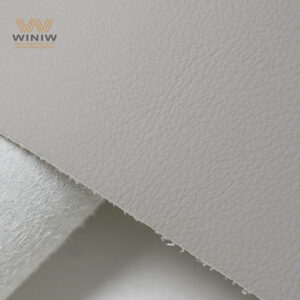
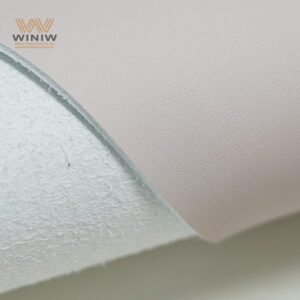
I define couro de microfibra fabric as a cutting-edge synthetic material that blends ultra-fine fibers with advanced textile engineering. I see how this fabric honors traditional leather craftsmanship while embracing modern science. Microfiber leather fabric stands out with its impressive durability, breathability, stain resistance, and versatility. When I compare microfiber leather fabric to genuine or Couro PU, I notice these qualities matter for daily use. The global market for microfiber leather fabric grows rapidly, driven by its superior performance in automotive, fashion, and furniture industries.
Key Takeaways
- Microfiber leather is a synthetic material that mimics the look and feel of genuine leather while offering superior durability and stain resistance.
- This fabric is breathable and easy to maintain, making it ideal for high-traffic areas and busy households.
- Microfiber leather is versatile and used in various applications, including automotive interiors, fashion accessories, and furniture.
- O eco-friendly production of microfiber leather means no animals are harmed, making it a more sustainable choice compared to genuine leather.
- Microfiber leather provides consistent quality and performance, making it a reliable option for products that require both style and functionality.
Microfiber Leather Fabric Overview
Definition And Key Features
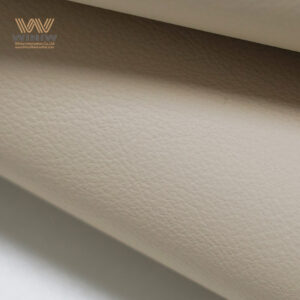
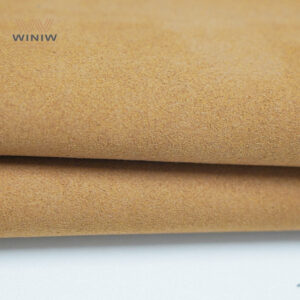
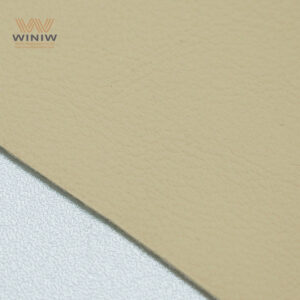
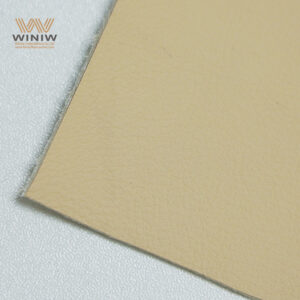
I describe couro de microfibra as a synthetic material that uses ultra-fine fibers to create a fabric with outstanding performance. The fibers, made from polyester and polyamide, form a three-dimensional matrix. This structure gives microfiber leather its strength and flexibility. I notice that the weaving process creates a surface that feels soft and smooth. The texture closely resembles traditional leather, but the consistency is more uniform.
Microfiber leather stands out because of its advanced engineering. The ultra-fine fibers measure less than one denier, which means they are much thinner than human hair. This fine structure allows the fabric to mimic the look and feel of natural leather. I see that the 3D matrix provides durability and resistance to wear. The combination of polyester and polyamide ensures that the fabric remains strong and flexible over time.
I often compare the appearance of microfiber leather to traditional leather. The table below shows how the two materials differ in texture and color retention:
| Feature | Couro de microfibra | Traditional Leather |
|---|---|---|
| Texture | Very leather-like, soft | Natural, unique |
| Color Consistency | Uniform, no variances | Natural flaws and variations |
Microfiber leather maintains a soft, leather-like texture. The color remains consistent across the entire surface. Traditional leather has natural flaws and variations, which can affect the overall look. I prefer microfiber leather when I want a product with a flawless finish and reliable color retention.
I value the breathability and stain resistance of microfiber leather. The fine fibers allow air to pass through, which keeps the material comfortable in different climates. The surface resists stains, making it easy to clean and maintain. I find that microfiber leather offers a combination of durability, flexibility, and easy care that sets it apart from other materials.
Why Microfiber Leather Is Popular
I see the popularity of microfiber leather growing in many industries. The fashion and automotive sectors use microfiber leather because of its unique properties. I notice that designers and manufacturers choose microfiber leather for its flexibility and strength. The fabric adapts well to different shapes and applications.
Microfiber leather resists abrasion, which makes it ideal for footwear and upholstery. The soft texture adds comfort to seats and clothing. I appreciate the breathability of microfiber leather, especially in fashion products. The stain-resistant surface keeps items looking new for longer periods.
The table below highlights the main factors driving the popularity of microfiber leather in various applications:
| Feature | Aplicação |
|---|---|
| Flexible | Automotive interiors |
| Forte | Furniture |
| Resistant to abrasion | Footwear |
| Soft texture | Upholstery |
| Breathable | Fashion |
| Stain-resistant | Fashion |
| Finer fiber structure | Mimics leather |
I choose microfiber leather for products that require high quality and long-lasting performance. The finer fiber structure allows the material to mimic the appearance of genuine leather. I see that manufacturers rely on microfiber leather to deliver consistent quality in large-scale production.
Microfiber leather offers a balance of style and function. I trust this material when I want products that look elegant and perform well. The combination of advanced technology and traditional aesthetics makes microfiber leather a top choice for many applications. I recommend microfiber leather to anyone seeking quality, durability, and versatility in their products.
How Microfiber Leather Is Made
Composition And Structure
I often examine the composition of microfiber leather to understand its superior qualities. Microfiber leather uses ultra-fine synthetic fibers, mainly polyester and polyamide, which manufacturers weave into a dense three-dimensional matrix. This structure gives the material its remarkable strength and flexibility. I notice that the matrix mimics the fibrous network found in genuine leather, but the consistency remains much higher. The surface feels soft and smooth, closely resembling natural leather.
When I compare microfiber leather to genuine leather, I see clear differences in their composition and structure. Genuine leather comes from animal hide, which gives it a unique texture and natural variations. Microfiber leather combines microfiber and polyurethane (PU), resulting in a uniform appearance and enhanced performance. The table below highlights these differences:
| Feature | Genuine Leather | Couro de microfibra |
|---|---|---|
| Material Source | Animal hide | Microfibra + PU |
| Texture | Natural, unique | Very leather-like |
| Durabilidade | Good | Excelente |
| Water Resistance | Moderate | Elevado |
| Eco-Friendliness | Depends on tanning | Higher (no animal use) |
| Consistency | Varies by hide | Uniforme |
| Price | Elevado | Moderate |
I choose microfiber leather for its consistent texture and eco-friendly production. The three-dimensional matrix of microfiber fibers ensures that the material remains strong and flexible, even after repeated use.
Manufacturing Process
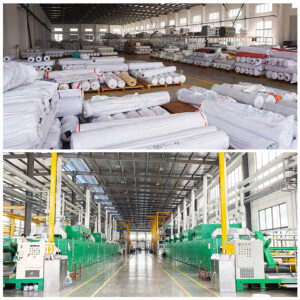
I find the manufacturing process of microfiber leather fascinating. Manufacturers start by weaving ultra-fine microfiber strands into a tight, interconnected network. This process creates the three-dimensional matrix that forms the backbone of the material. After weaving, they bond the matrix with a layer of polyurethane, which adds water resistance and enhances durability.
The process involves several steps:
- Weaving ultra-fine microfiber fibers into a dense matrix.
- Bonding the matrix with polyurethane for added strength.
- Treating the surface to achieve a leather-like texture and appearance.
- Finishing with color and protective coatings for stain resistance.
I see how each step improves the final product. The weaving of microfiber fibers increases durability and flexibility. The polyurethane layer boosts water resistance and makes cleaning easier. The surface treatment ensures that the material looks and feels like genuine leather. I appreciate how the manufacturing process allows for precise control over texture, color, and performance.
Tip: I recommend microfiber leather for products that require high durability and easy maintenance. The advanced manufacturing process ensures that the material performs well in demanding environments.
Microfiber leather stands out because of its engineered structure and innovative production methods. I trust this material for applications where strength, breathability, and longevity matter most.


Microfiber Leather vs Genuine & PU Leather
Durability And Longevity
I always look for durability when I choose materials for my projects. Microfiber leather stands out as a long-lasting material. The dense structure of microfiber fibers resists wear and tear better than genuine leather. I notice that products made from microfiber leather keep their shape and appearance even after years of use. PU leather often cracks and peels over time, but microfiber maintains its integrity. I trust microfiber leather for items that need to withstand daily stress, such as car seats and shoes. The pros of microfiber leather include its resistance to abrasion and its ability to handle frequent use.
Comfort And Breathability
Comfort matters to me, especially in clothing and furniture. Microfiber leather feels soft and flexible. The fine microfiber fibers allow air to circulate, which keeps surfaces cool and comfortable. Genuine leather also offers breathability, but it sometimes feels stiff until it breaks in. PU leather lacks breathability and can trap heat. I prefer microfiber leather for its balance of softness and airflow. The pros and cons of microfiber leather often come up in discussions about comfort, but I find the material consistently delivers a pleasant experience.
Water & Stain Resistance
I value materials that resist stains and moisture. Microfiber leather excels in water-resistance. The tightly woven microfiber fibers create a barrier that keeps liquids from penetrating the surface. Genuine leather absorbs water and stains easily, which leads to damage. PU leather offers some protection, but it does not match the performance of microfiber. I clean spills quickly on microfiber leather without worrying about lasting marks. This feature makes microfiber ideal for busy households and high-traffic areas.
Note: I recommend microfiber leather for environments where spills and stains are common. The water-resistance and easy cleaning save time and effort.
Eco-Friendliness And Cost
I consider environmental impact and cost before making a purchase. Microfiber leather uses synthetic microfiber fibers, which means no animals are harmed in production. Genuine leather requires animal hides and chemical tanning, which raises environmental concerns. PU leather uses plastics, but it does not offer the same durability as microfiber. I find microfiber leather more affordable than genuine leather and more cost-effective over time. The pros of microfiber include its eco-friendly production and lower price point.
| Feature | Couro de microfibra | Genuine Leather | Couro PU |
|---|---|---|---|
| Durabilidade | Excelente | Good | Fair |
| Respirabilidade | Elevado | Moderate | Low |
| Water Resistance | Elevado | Low | Moderate |
| Eco-Friendliness | Higher | Lower | Moderate |
| Cost | Moderate | Elevado | Low |
I always weigh the pros and cons of microfiber leather before deciding. Microfiber offers a strong combination of durability, comfort, water-resistance, and eco-friendliness. I choose microfiber leather when I want reliable performance and value.

Benefits Of Microfiber Leather Fabric
Enhanced Durability
I always prioritize durability when I select materials for demanding environments. Microfiber leather consistently delivers outstanding performance in long-term wear and tear studies. I notice that this material excels in high-wear settings, such as automotive interiors and furniture. The dense microfiber structure resists abrasion and chemical exposure better than many alternatives. I have seen that microfiber leather maintains its appearance and integrity even after repeated use.
- Microfiber leather fabric shows superior resistance to abrasion.
- It withstands chemicals and staining in commercial and residential settings.
- Some synthetic formulations may degrade faster than treated natural leathers under extreme UV exposure or heavy abrasion.
- Replacement rates for synthetic upholstery can be 10-15% higher in commercial settings due to wear patterns.
I recommend microfiber leather for products that require longevity and reliability. The advanced engineering behind microfiber ensures that the material remains strong and flexible over time. I trust microfiber leather in applications where durability is essential.
Easy Maintenance
I appreciate how microfiber leather makes my daily routine simpler. The surface resists stains and moisture, which means I can keep it looking new with minimal effort. I find that microfiber is easy to clean, even after accidental spills. The tightly woven fibers prevent liquids from penetrating, so I can wipe away messes quickly.
Tip: I always choose microfiber leather for busy households and high-traffic areas because it is easy to maintain and easy to clean.
I have noticed that microfiber leather does not require special cleaning products. A damp cloth usually removes dirt and stains. The material dries quickly and does not absorb odors. I value the convenience that microfiber offers, especially in furniture and fashion accessories.
| Maintenance Task | Couro de microfibra | Genuine Leather |
|---|---|---|
| Cleaning | Easy to clean | Requires care |
| Stain Removal | Simple | Difficult |
| Odor Absorption | Low | Moderate |
| Drying Time | Fast | Slow |
I recommend microfiber leather for anyone seeking a material that is easy to maintain and keeps its fresh appearance over time.
Versatility And Applications
I see microfiber leather used in a wide range of applications. The material adapts to different shapes and styles, which makes it popular in many industries. I have worked with microfiber in automotive interiors, furniture, and fashion. The flexibility and strength of microfiber allow manufacturers to create products that look elegant and perform well.
- Microfiber leather appears in handbags and fashion accessories.
- I often find it in footwear, upholstery, and car seats.
- The material suits sports equipment, electronics cases, and office supplies.
- Designers use microfiber leather for its consistent texture and color.
- The applications of microfiber continue to expand as technology improves.
I trust microfiber leather for products that require both style and function. The versatility of microfiber means I can use it in almost any setting. I have seen how manufacturers rely on microfiber leather to deliver consistent quality across large production runs.
Antibacterial & Mold Resistance
I value the hygienic properties of microfiber leather. The dense microfiber structure resists bacteria and mold growth. I have noticed that this material stays fresh and clean, even in humid environments. Microfiber leather does not absorb moisture, which helps prevent the development of odors and allergens.
Note: I recommend microfiber leather for healthcare, hospitality, and other settings where cleanliness matters.
I have seen microfiber leather used in medical furniture and public seating because of its antibacterial qualities. The material provides a safe and comfortable surface for users. I trust microfiber leather to maintain its integrity and hygiene over time.
Microfiber leather combines durability, easy maintenance, versatility, and antibacterial resistance. I choose this material for products that need to perform well and stay clean in everyday use.
Identifying Microfiber Leather In Products
Visual And Physical Cues
I often rely on several cues to identify microfiber leather in products. The surface usually feels soft and smooth, with a texture that closely mimics natural leather. I notice that the color appears uniform across the entire material. Genuine leather often shows natural imperfections, but microfiber maintains a flawless finish. When I press on the surface, it springs back quickly. This resilience signals the presence of a dense fiber structure. I sometimes detect a subtle sheen, which results from the polyurethane finish applied during manufacturing. The material resists scratches and scuffs better than many alternatives. I find that microfiber does not develop a patina over time, unlike genuine leather. The edges of products made from microfiber often look clean and precise, without the roughness seen in natural hides.
Tip: I always check for a consistent grain pattern and even stitching. These details often indicate the use of microfiber in high-quality goods.
Common Uses
I see microfiber leather in a wide range of products. The versatility of this material impresses me every time I encounter it in daily life. The most common uses of microfiber leather include:
- Handbags
- Furniture, such as sofas
I also find microfiber in car interiors, shoes, and fashion accessories. Many manufacturers choose microfiber for its durability and easy maintenance. The material adapts well to different shapes and styles. I often recommend microfiber for products that require both elegance and resilience. The uses of microfiber leather continue to expand as technology advances. I expect to see even more innovative applications in the future.
I believe microfiber leather fabric represents a smart, modern choice for anyone seeking quality and performance. The durability, easy maintenance, and versatility make it stand out in fashion, automotive, and furniture industries. I see more brands adopting microfiber leather because of its eco-friendly production and reliable results.
Next time you shop, look for these key benefits:
- Consistent texture and color
- Superior stain resistance
- Long-lasting comfort
I trust microfiber leather to deliver value and style in every application.

FAQ
What makes microfiber leather different from genuine leather?
I see couro de microfibra as a synthetic material with a uniform texture and color. Genuine leather comes from animal hide and shows natural variations. Microfiber leather resists stains and water better. I choose microfiber for its durability and easy maintenance.
Can I clean microfiber leather with household products?
I clean microfiber leather with a damp cloth and mild soap. I avoid harsh chemicals because they can damage the surface. I find that regular cleaning keeps the material looking new. I recommend spot cleaning for tough stains.
Is microfiber leather safe for people with allergies?
I trust microfiber leather in allergy-sensitive environments. The dense fiber structure resists dust, mold, and bacteria. I notice that the material does not absorb allergens. I recommend microfiber leather for homes, offices, and healthcare settings.
How long does microfiber leather last compared to PU leather?
I see couro de microfibra lasting much longer than PU leather. The dense fibers resist cracking and peeling. PU leather often shows wear after a few years. I choose microfiber leather for products that need to withstand daily use.
Where do I usually find microfiber leather in everyday products?
I find microfiber leather in car seats, sofas, handbags, and shoes. Many brands use it for fashion accessories and sports equipment. I look for microfiber leather in products that require durability and style.