Catalog
Material Insight: Leather Fabric
Leather Fabric: A Modern Solution for Diverse Applications
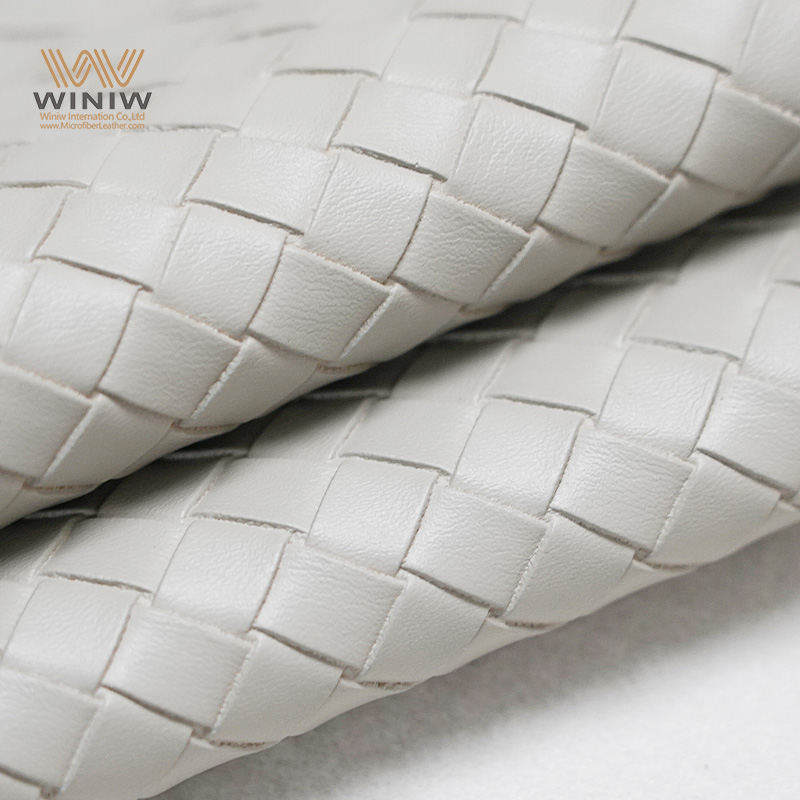
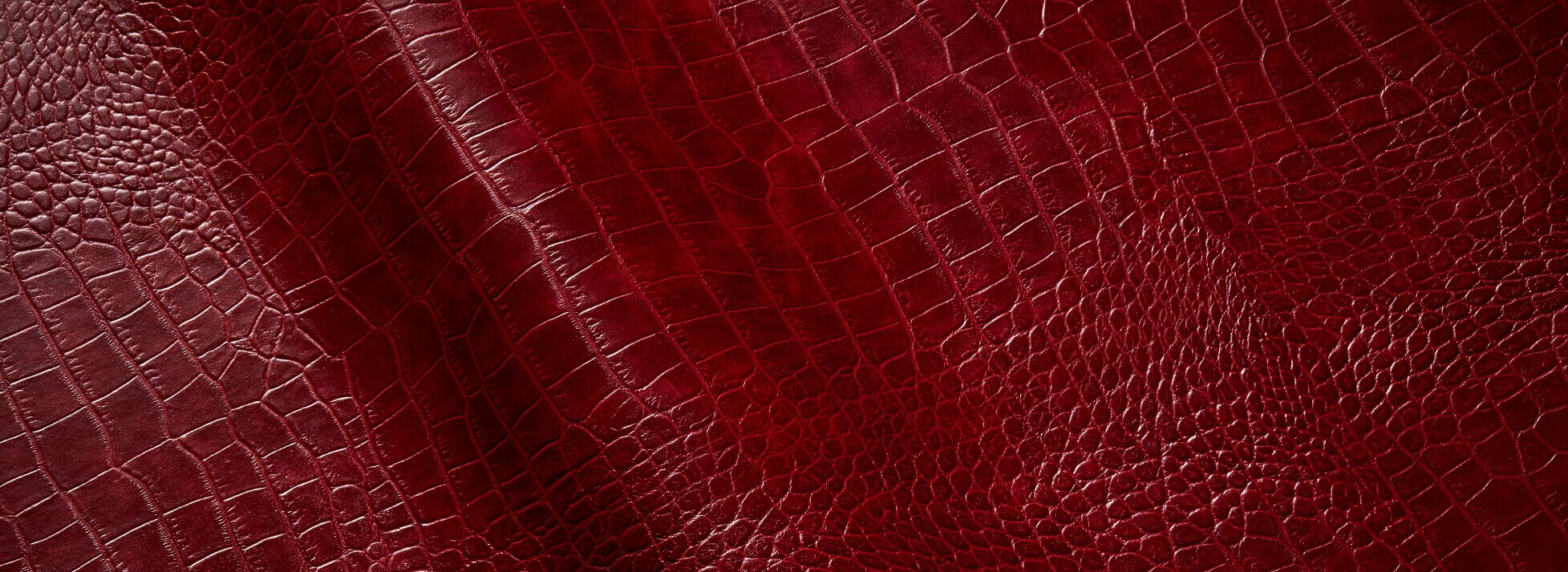
Leather fabric has evolved significantly over the past few decades, transitioning from traditional animal hides to advanced synthetic alternatives that offer greater versatility, consistency, and sustainability. Today, leather fabric is widely used across industries including automotive interiors, furniture, fashion, footwear, and accessories. Its appeal lies in its ability to combine the rich aesthetic of genuine leather with enhanced performance characteristics such as durability, ease of maintenance, and design flexibility.
Why Faux Leather is the Best Choice for This Application
Faux leather—also known as synthetic or artificial leather—has emerged as the preferred material for modern manufacturing due to its numerous performance and ethical advantages. Unlike genuine leather, faux leather offers consistent texture and thickness, reducing waste during production. It is also more resistant to fading, cracking, and staining, making it ideal for high-use environments. Additionally, faux leather is inherently more sustainable, as it eliminates the environmental impact associated with livestock farming and tanning processes. With advancements in material science, today’s faux leathers closely replicate the look and feel of real leather while offering superior customizability in color, texture, and performance features such as water resistance and breathability.
About WINIW
WINIW is a leading innovator in the development and production of high-performance synthetic leather solutions, with over 20 years of industry expertise. Specializing in microfiber and PU-based leather fabrics, WINIW serves global B2B clients across automotive, furniture, and lifestyle sectors. Our commitment to sustainability, quality, and technological advancement has positioned us as a trusted partner for brands seeking eco-friendly, durable, and aesthetically superior materials. By integrating cutting-edge manufacturing techniques with rigorous environmental standards, WINIW delivers customized leather fabric solutions that meet the evolving demands of modern industries.
Technical Performance & Standards
WINIW Synthetic Leather Fabric: Technical Product Guide for Industrial Applications
WINIW Synthetic Leather Fabric delivers engineered performance for demanding B2B applications across automotive interiors, furniture manufacturing, and technical textiles. Our PU/TPU-based material combines advanced polymer science with sustainable production to offer a superior alternative to genuine leather and lower-tier synthetics. Below are the key technical advantages supporting your operational efficiency and compliance goals.
Core Technical Advantages
- Cost-Effective Production Integration: Reduces total cost of ownership through 25–40% lower material waste versus genuine leather during cutting processes. Consistent roll widths (1.37m–1.42m) and thickness tolerance (±0.05mm) minimize production downtime and optimize yield in high-volume manufacturing.
- Engineered Durability: Achieves 50,000+ cycles in Martindale abrasion testing (ISO 12947) and 200,000+ double-rubs (ASTM D4060), outperforming standard PVC leathers by 3x. Resists cracking at -30°C (ISO 179) and maintains integrity under 500+ hours of UV exposure (ISO 4892-2).
- Precision Color Customization: Supports full Pantone® matching (up to 98% accuracy) with batch-to-batch color consistency (ΔE < 1.5). Offers 1,200+ standard color options and rapid prototyping for custom hues within 15 business days.
- REACH Compliance Assurance: Fully compliant with REACH Annex XVII restrictions (No. 68), including zero detectable levels of DMF, PAHs, and heavy metals (Cd, Pb, Hg, Cr⁶⁺). All formulations are SVHC-free per ECHA guidelines.
- Certified Quality Management: Manufactured under ISO 9001:2015-certified processes with real-time statistical process control (SPC). Each batch includes traceable QC documentation covering thickness, bond strength, and color fastness.
Technical Specifications
All properties tested per ISO/ASTM standards at 23°C, 50% RH unless noted
| Property | Test Standard | WINIW Performance | Industry Benchmark |
|---|---|---|---|
| Thickness | ISO 2417 | 0.6mm – 1.8mm | 0.8mm – 2.0mm |
| Weight | ISO 9073-5 | 380 – 650 g/m² | 450 – 700 g/m² |
| Tensile Strength | ISO 1796 | ≥ 35 N/mm² | ≥ 25 N/mm² |
| Tear Strength | ISO 13937-3 | ≥ 45 N | ≥ 30 N |
| Martindale Abrasion | ISO 12947-2 | 50,000+ cycles | 15,000–20,000 cycles |
| Color Fastness (Light) | ISO 105-B02 | Grade 7–8 | Grade 5–6 |
| VOC Emissions | ISO 12219-2 | < 10 μg/g | < 50 μg/g |
WINIW’s closed-loop water recycling system and solvent-free lamination process further reduce environmental impact without compromising technical performance. Our material is globally certified for use in EU, NA, and APAC markets, with full documentation packages available for supply chain audits. Partner with WINIW to achieve cost stability, regulatory security, and design flexibility in your next production cycle.
Why Choose Synthetic over Real Leather
B2B Product Guide: Leather Fabric vs Real Leather
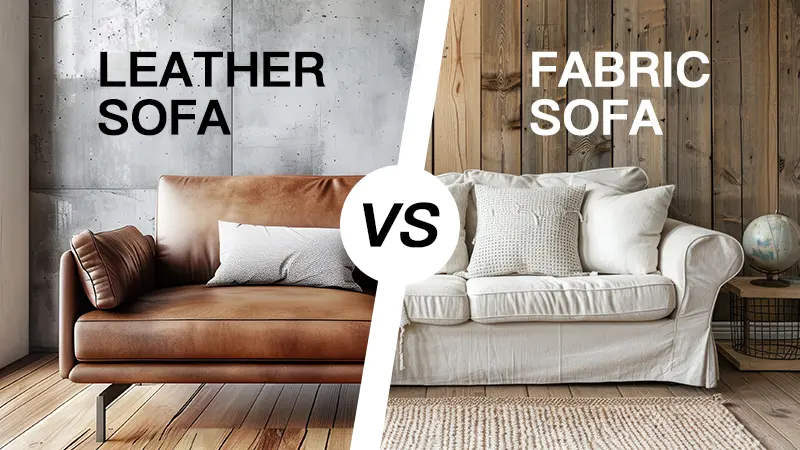
In the selection of materials for upholstery, fashion, automotive interiors, and accessories, businesses must evaluate performance, sustainability, and cost-effectiveness. Two prominent options are synthetic leather fabric (commonly known as faux or vegan leather) and real (animal-derived) leather. Understanding the distinctions between these materials is essential for informed sourcing and branding decisions.
Key Differences: Leather Fabric vs Real Leather
Leather fabric, such as WINIW’s high-performance synthetic leather, is engineered from polyurethane (PU) or polyvinyl chloride (PVC) base materials, often reinforced with polyester or cotton backings. It is designed to replicate the look and feel of genuine leather while offering advantages in consistency, customization, and environmental impact. Real leather, derived from animal hides (typically bovine), undergoes tanning and finishing processes to enhance durability and aesthetics.
While real leather is traditionally valued for its natural grain and longevity, synthetic leather has evolved to meet or exceed performance benchmarks in many commercial applications. Below is a comparative analysis based on cost, durability, and eco-friendliness.
| Criteria | Leather Fabric (PU-based) | Real Leather |
|---|---|---|
| Cost | Lower initial cost; cost-stable | Higher cost; subject to market and hide quality fluctuations |
| Durabilidad | Resistant to fading, cracking, and staining; consistent performance | Develops patina over time; prone to drying, cracking if untreated |
| Eco-Friendliness | Lower carbon footprint; no animal sourcing; recyclable options available | High environmental cost in tanning (water, chemicals); methane emissions from livestock |
Advantages of Leather Fabric in B2B Applications
- Consistent Quality: Uniform texture and color across batches, minimizing waste in production.
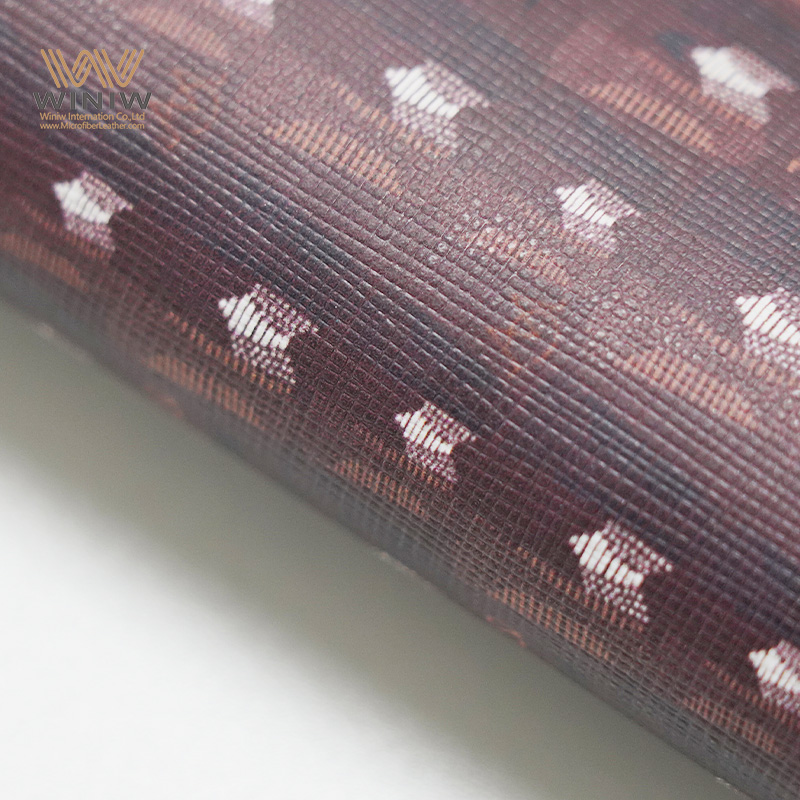
- Customization: Available in a wide range of colors, textures, and finishes—including exotic patterns—without ethical concerns.
- Sustainability: WINIW’s PU leather uses eco-conscious manufacturing processes, reducing VOC emissions and water usage.
- Animal-Free: Aligns with cruelty-free and vegan product lines, meeting growing consumer demand for ethical materials.
- Lightweight & Flexible: Ideal for applications requiring design versatility, such as footwear, handbags, and seating.
Considerations for Real Leather
- Natural Aesthetic: Unique grain patterns and aging characteristics valued in luxury markets.
- Breathability: Generally superior in high-comfort applications like premium furniture and apparel.
- Long-Term Value Perception: Often associated with heritage and craftsmanship, enhancing brand image in certain segments.
Conclusion
For B2B partners focused on scalability, sustainability, and design control, synthetic leather fabric presents a compelling alternative to real leather. Advances in material science have closed the performance gap, while eco-friendly production methods support ESG goals. WINIW’s engineered leather solutions offer durability, aesthetic versatility, and responsible sourcing—making them a strategic choice for forward-thinking brands.
WINIW Factory Capabilities
WINIW Synthetic Leather: Engineering Excellence for Global Brands
WINIW stands at the forefront of sustainable synthetic leather manufacturing, delivering premium materials engineered for performance, durability, and environmental responsibility. Our vertically integrated production ecosystem ensures end-to-end control over quality and innovation, serving leading automotive, furniture, and fashion brands across 50+ countries. Below is an overview of our core manufacturing strengths.
Unmatched Production Scale & Infrastructure
Our state-of-the-art facility spans 100,000 square meters—equivalent to 14 international football fields—housing fully automated production lines, advanced coating systems, and dedicated eco-material laboratories. This scale enables:
– Rapid fulfillment of large-volume orders (MOQs starting at 5,000 meters) with consistent lead times
– Flexible capacity allocation for urgent or seasonal demand spikes
– Integrated resource management minimizing waste and energy consumption
Innovation-Driven R&D Capabilities
WINIW’s 50+ member R&D team, comprising material scientists and chemical engineers, focuses exclusively on advancing sustainable performance materials. Key initiatives include:
– Development of proprietary microfiber and PU formulations using >30% recycled content (e.g., ocean-bound PET)
– Low-VOC, water-based coating technologies compliant with EU Ecolabel and OEKO-TEX® STeP standards
– Customization of tactile properties (softness, breathability), abrasion resistance (50,000+ double rubs), and flame retardancy (FMVSS 302, CAL 117)
Rigorous Quality Assurance Framework
Every meter of WINIW synthetic leather undergoes 12+ critical checkpoints under our ISO 9001-certified quality management system:
– Raw material screening via GC-MS to eliminate restricted substances (REACH SVHC, CPSIA)
– Real-time in-line monitoring of thickness tolerance (±0.05mm), colorfastness (ISO 105-B02), and tensile strength
– Final inspection by third-party auditors (SGS, TÜV) for dimensional stability and surface defects
Global Compliance & Market Access
WINIW materials are engineered to exceed regional regulatory demands, enabling seamless market entry:
| Region | Key Certifications | Target Applications |
|---|---|---|
| Europe | REACH, OEKO-TEX® STANDARD 100, EU Ecolabel | Automotive interiors, Luxury goods |
| USA | CPSIA, CA Prop 65, TB 117 | Furniture, Footwear, Bags |
| Global | ISO 14001, GRS (Global Recycled Standard) | Sustainable fashion collections |
Our dedicated export logistics team ensures compliance with customs regulations across 20+ major ports, with 95% on-time delivery to EU/USA destinations. By combining industrial-scale precision with uncompromising eco-credentials, WINIW empowers global brands to elevate product quality while advancing circular economy goals. Partner with us to transform your material vision into a sustainable reality.
Contact Us for Samples
WINIW B2B Product Guide: Premium Synthetic Leather Fabric Solutions
WINIW is a leading innovator in high-performance, eco-friendly synthetic leather fabrics designed for global B2B markets. Our microfiber leather solutions combine durability, sustainability, and luxury aesthetics to meet the evolving demands of industries ranging from furniture and automotive to fashion accessories and interior design.
Engineered with precision and manufactured using environmentally responsible processes, WINIW leather fabric delivers consistent quality, superior texture, and long-term value for manufacturers and brands committed to excellence and sustainability.
Key Features of WINIW Synthetic Leather Fabric
- Made from premium ultra-microfiber and eco-conscious polyurethane (PU) materials
- High tensile strength and abrasion resistance for extended product life
- Soft hand feel and natural leather-like appearance with customizable textures
- Breathable, anti-aging, and resistant to yellowing, cracking, and UV damage
- Low VOC emissions and compliant with global environmental standards (REACH, RoHS, OEKO-TEX®)
- Available in a wide range of colors, finishes, and custom patterns to match brand specifications
- Water-resistant and easy to clean—ideal for high-use applications
Industry Applications
- Upholstery & Home Furnishings: Sofas, chairs, mattresses, and decorative panels
- Automotive Interiors: Seat covers, dashboards, door panels, and steering wheel wraps
- Fashion & Accessories: Handbags, wallets, belts, footwear, and luggage
- Commercial Interiors: Office furniture, hospitality seating, and retail fixtures
- Electronics & Consumer Goods: Protective cases, smartwatch bands, and device covers
Why Choose WINIW?
- Scalable production capacity to support large-volume B2B orders
- Custom development services: color matching, embossing, and performance enhancement
- Fast turnaround for samples and production runs
- Dedicated technical support and quality assurance teams
- Committed to reducing environmental impact through sustainable material innovation
Technical Specifications Overview
| Property | Standard Performance |
|---|---|
| Thickness Range | 0.6 mm – 2.0 mm |
| Weight | 200 – 500 g/m² (varies by type) |
| Width | 137 cm, 140 cm, or custom |
| Durability (Martindale) | 30,000 – 100,000+ cycles |
| Color Fastness | ≥ Grade 4 (AATCC/ISO) |
| Eco-Certifications | REACH, RoHS, OEKO-TEX® STANDARD 100 |
Request Free Samples
Experience the quality and versatility of WINIW synthetic leather fabric firsthand. We offer free samples to qualified business partners to support your material selection and product development process.
For inquiries, sample requests, or custom project consultations, contact our marketing team:
- Correo electrónico: MKT88@MicrofiberLeather.com
- Response time: Within 24 hours on business days
Elevate your product lines with sustainable, high-performance leather fabric engineered for the future. Partner with WINIW for reliable supply, innovation, and eco-conscious excellence.
💰 Leather Cost Savings Calculator
See how much you save by switching to WINIW Microfiber Leather.