Catalog
Material Insight: Pu Leather Meaning
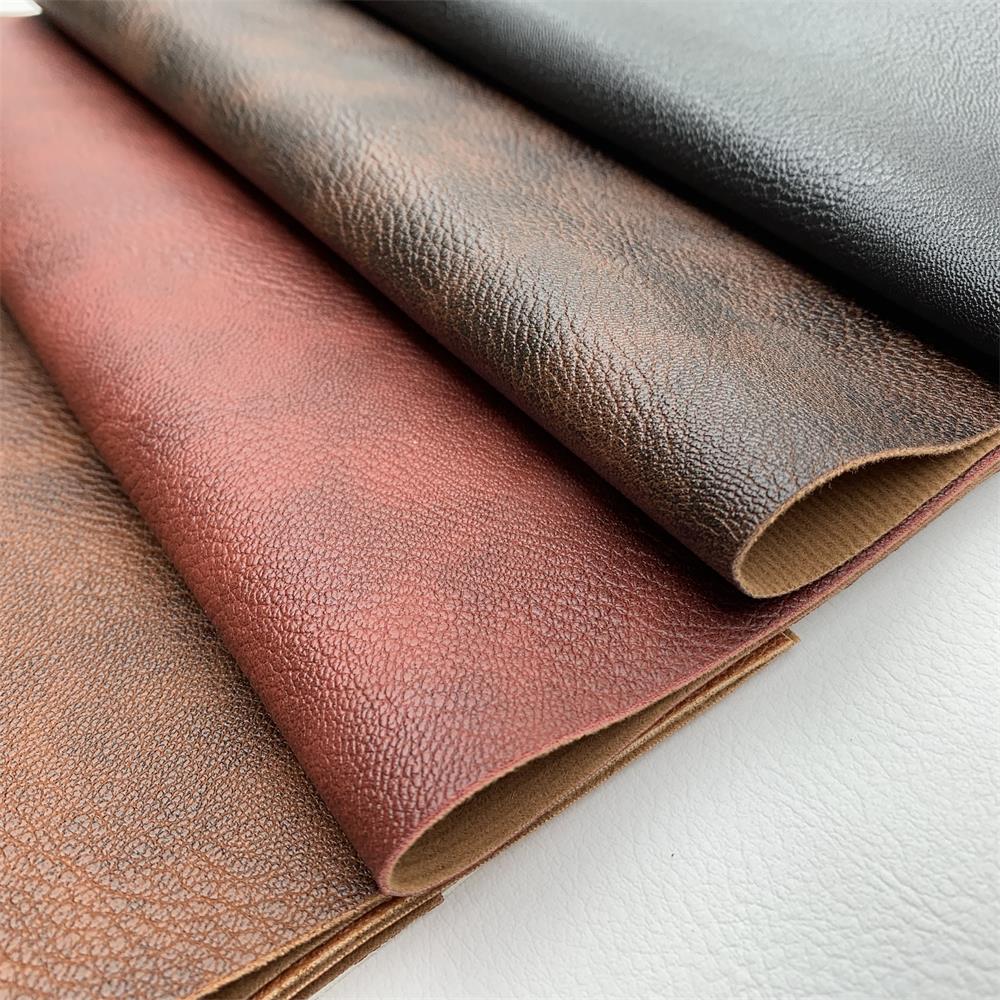
PU Leather Meaning – A B2B Product Guide
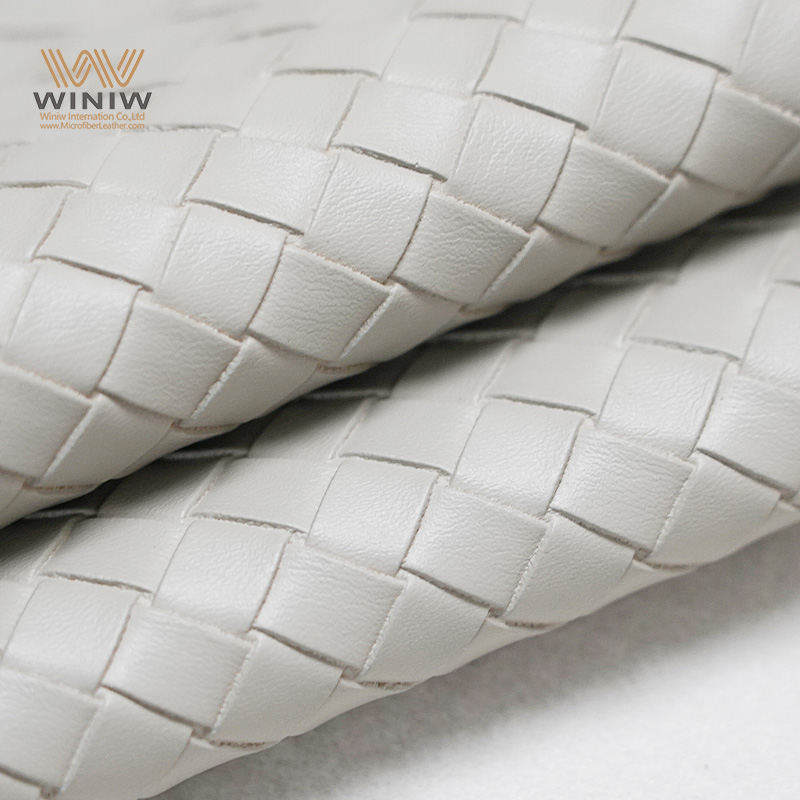
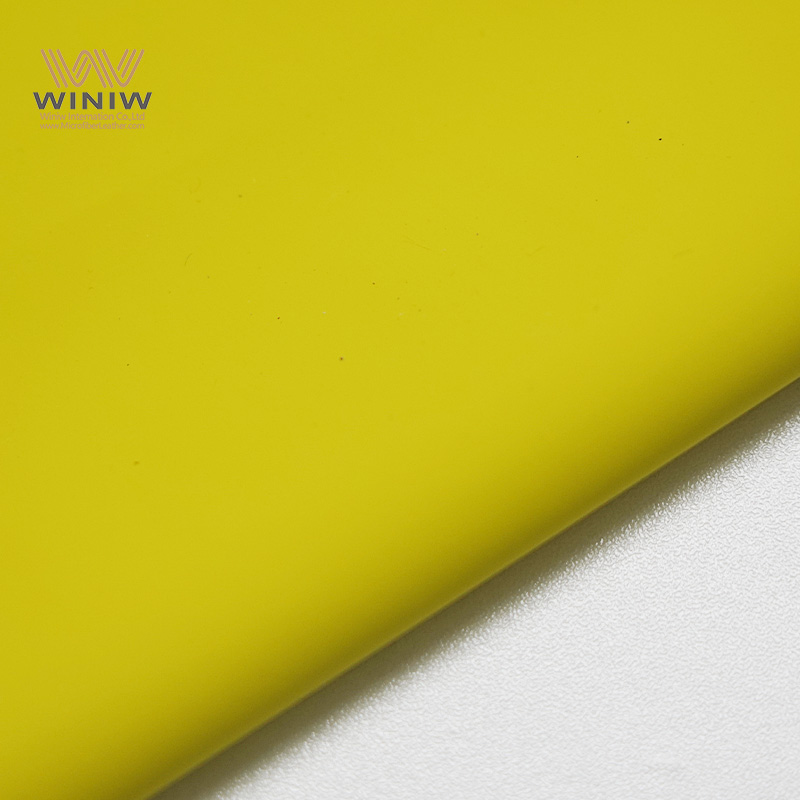
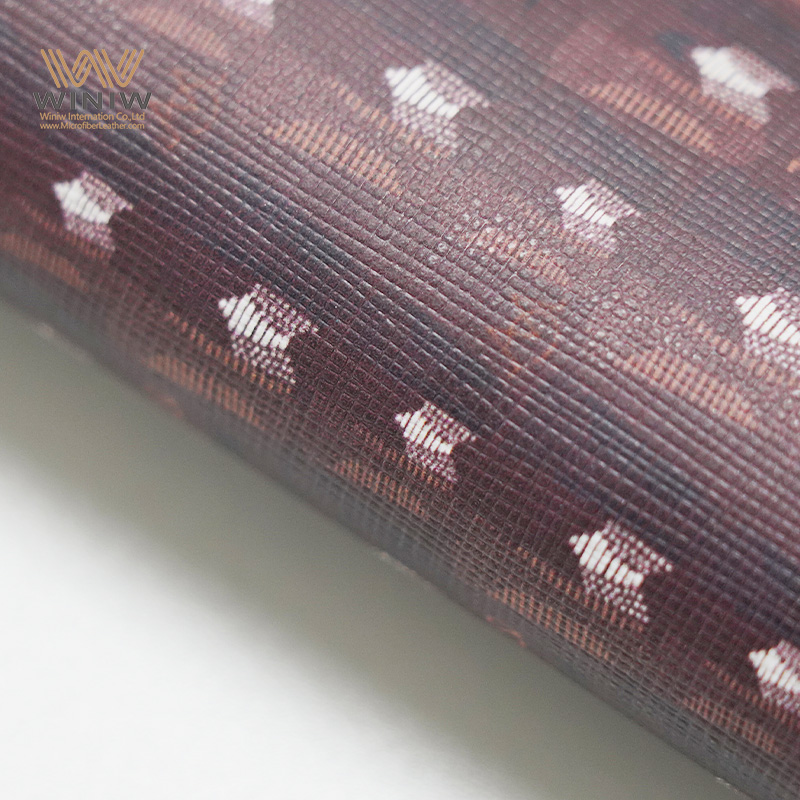
Polyurethane (PU) leather, commonly referred to as faux or synthetic leather, is a high-performance alternative to genuine leather. It is manufactured by applying a polyurethane coating to a base material—typically a textile such as polyester or a non-woven fabric—resulting in a durable, flexible, and aesthetically versatile material. PU leather replicates the texture, appearance, and feel of real leather while offering enhanced consistency, cost-efficiency, and environmental benefits. Unlike genuine leather, which relies on animal hides and resource-intensive tanning processes, PU leather is engineered for controlled quality and sustainable production.
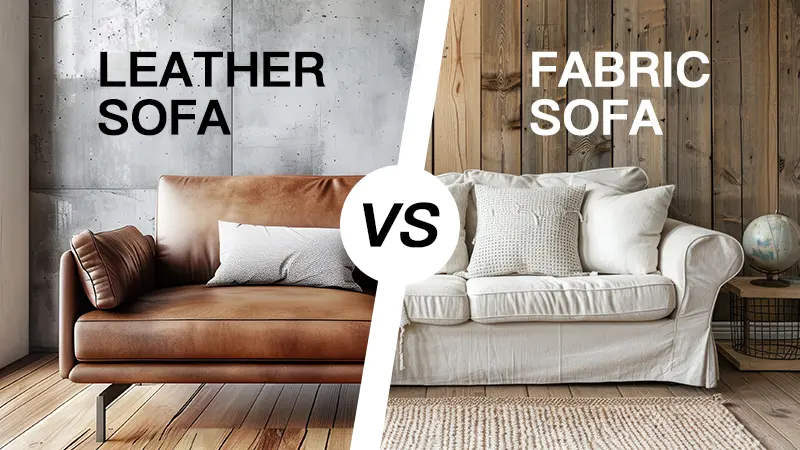
Faux leather has become the preferred choice across numerous industries—including furniture, automotive interiors, fashion accessories, and footwear—due to its superior adaptability and ethical profile. It provides manufacturers with a consistent supply of material that meets strict quality standards without the variability associated with natural hides. Additionally, PU leather is inherently more eco-friendly, reducing reliance on animal agriculture and minimizing the use of harmful chemicals typically found in traditional leather tanning.
- Resistant to fading, cracking, and staining when properly formulated
- Offers design flexibility with customizable textures, colors, and finishes
- Lighter in weight compared to genuine leather, improving product ergonomics
- Supports sustainable manufacturing with lower carbon footprint and water usage
As a leading innovator in synthetic leather solutions, WINIW has over 20 years of specialized experience in developing high-quality, eco-conscious PU leather materials for global B2B clients. Our advanced production technologies and commitment to sustainability have positioned us as a trusted partner in the synthetic leather industry. WINIW’s products are engineered to meet rigorous performance standards while aligning with environmental regulations and market demands for ethical materials.
We serve a wide range of industries with tailored solutions that balance durability, aesthetics, and sustainability—ensuring our clients remain competitive in an evolving marketplace.
Technical Performance & Standards
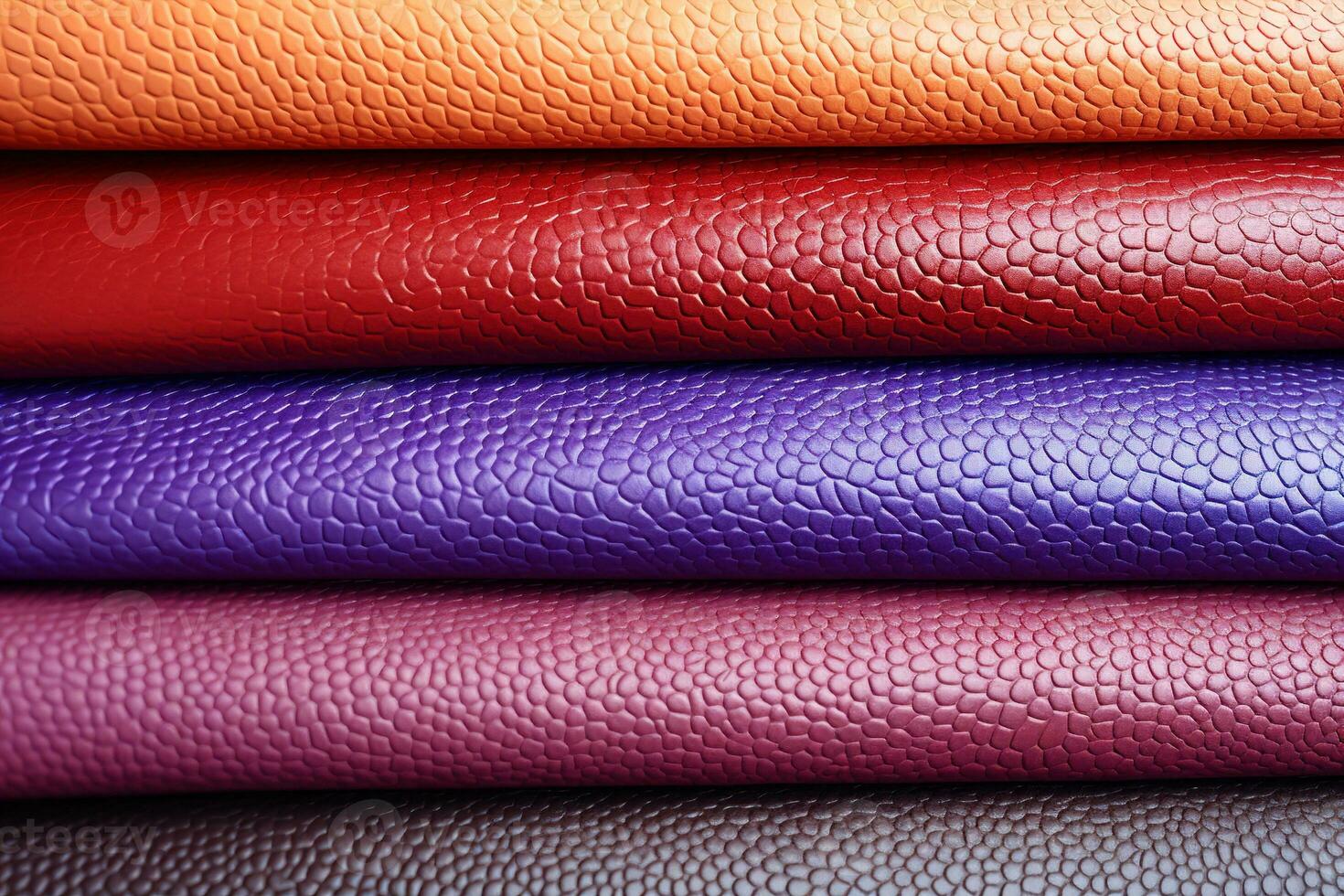
WINIW Synthetic Leather: Technical Advantages for Sustainable Manufacturing
WINIW Synthetic Leather (often referenced in industry contexts as “PU leather”) represents a precision-engineered alternative to genuine leather, utilizing polyurethane resins bonded to textile substrates. This advanced material delivers consistent performance while addressing critical sustainability and operational demands in modern manufacturing. Unlike terminology ambiguities (“PU leather meaning”), WINIW’s formulation is engineered for specific technical outcomes, eliminating performance guesswork for B2B partners.
Core Technical Advantages
- Cost-Effective Production Stability: Reduces material waste by up to 30% versus genuine leather due to uniform grain structure and edge consistency. Eliminates yield loss from natural hide imperfections, stabilizing per-unit costs despite volatile rawhide markets. Water-based production processes lower energy consumption by 25% compared to solvent-based alternatives, directly reducing operational overhead.
- Enhanced Durability Metrics: Achieves 50,000+ double-rub cycles (Martindale test, ASTM D4966), outperforming many genuine leathers in abrasion resistance. Resists cracking at -20°C and maintains integrity under UV exposure (1,000+ hours QUV testing), ensuring longevity in automotive, furniture, and footwear applications.
- Precision Color Customization: Utilizes digital color-matching technology (Pantone® certified) for batch-to-batch accuracy within ΔE < 0.5 tolerance. Supports custom pigment integration during resin synthesis, enabling non-standard hues (e.g., metallics, fluorescents) without post-production dyeing—reducing lead times by 15-20 days.
- REACH Compliance Assurance: Formulated without SVHCs (Substances of Very High Concern), phthalates, or heavy metals (Cd, Pb, Hg, Cr⁶⁺). Full traceability via batch-specific EC Declarations of Conformity, eliminating customs delays and ensuring market access across EU, UK, and North America.
- ISO 9001-Certified Quality Control: Rigorous in-line testing at every production stage (substrate prep, coating, finishing). Real-time monitoring of thickness, tensile strength, and color consistency ensures <0.5% defect rate, minimizing production line disruptions for clients.
WINIW Synthetic Leather Technical Specifications
| Property | Test Standard | WINIW Performance | Industry Avg. |
|---|---|---|---|
| Thickness Tolerance | ISO 2417 | ±0.05 mm | ±0.15 mm |
| Tensile Strength | ISO 1767 | 28-32 N/mm² | 20-25 N/mm² |
| Elongation at Break | ISO 2427 | 220-250% | 180-200% |
| Martindale Abrasion | ASTM D4966 | 50,000+ cycles | 30,000 cycles |
| Color Fastness to Rubbing | ISO 105-X12 | Grade 4-5 | Grade 3-4 |
| VOC Emissions | EN 14041 | <10 μg/m³ | <50 μg/m³ |
| Recycled Content | GRSCertified™ | Up to 40% | 0-10% |
WINIW’s synthetic leather delivers quantifiable operational advantages: predictable costing through material efficiency, extended product lifecycles via engineered durability, and accelerated time-to-market with agile color solutions. Our REACH-compliant, ISO 9001-managed production ensures regulatory security while reducing environmental impact—proving that sustainable manufacturing aligns with commercial viability. Partner with WINIW to integrate traceable, high-performance materials into your supply chain without compromise.
Why Choose Synthetic over Real Leather
B2B Product Guide: PU Leather vs. Real Leather
In the evolving landscape of sustainable materials, synthetic alternatives like PU leather have become increasingly prominent in industries ranging from furniture and automotive to fashion and accessories. As a leading provider of high-performance synthetic leathers, WINIW offers eco-conscious businesses a reliable, ethical, and cost-effective alternative to traditional materials. This guide compares PU leather and real leather across key business considerations: cost, durability, and environmental impact.
Understanding PU Leather and Real Leather
PU (polyurethane) leather is a synthetic material engineered to replicate the look, feel, and performance of genuine leather. It is created by applying a polyurethane coating to a fabric backing, often made from polyester or recycled fibers. Modern advancements, especially in water-based PU systems, have significantly improved its breathability, softness, and longevity.
Real leather, by contrast, is derived from animal hides—typically bovine—that undergo a tanning process to preserve and stabilize the material. While valued for its natural texture and aging properties, real leather carries higher environmental and ethical costs.
Key differences between the two materials include sourcing, production impact, performance characteristics, and total cost of ownership.
Comparison: PU Leather vs. Real Leather
| Factor | Cuero PU | Real Leather |
|---|---|---|
| Cost | Lower upfront cost; economical for large-scale production | Higher cost due to raw material scarcity and labor-intensive processing |
| Durabilidad | Resistant to fading, cracking, and staining; performs well in controlled environments; lifespan of 3–7 years depending on use | Naturally durable; develops a patina over time; can last 10+ years with proper care; susceptible to moisture damage and mold |
| Eco-Friendliness | Water-based PU options are low-VOC, recyclable, and animal-free; reduced carbon footprint during production | Resource-intensive (land, water, feed); involves hazardous chemicals in tanning (e.g., chromium); generates significant waste byproducts |
Advantages of PU Leather for B2B Applications
- Consistent Quality: Uniform texture and color across batches ensure reliability in manufacturing.
- Design Flexibility: Available in a wide range of colors, finishes, and textures—including custom options—without the variability of natural hides.
- Lower Maintenance: Resists staining and requires no conditioning, reducing lifecycle costs.
- Sustainability Compliance: Supports ESG goals with cruelty-free, low-impact production; ideal for brands targeting eco-certifications.
- Scalability: Faster production cycles and no dependency on livestock supply chains enhance supply chain resilience.
Considerations for Real Leather Use
While real leather remains a premium choice in luxury markets, its use requires careful evaluation of ethical sourcing, environmental regulations, and long-term sustainability commitments. Tanneries must comply with strict waste management standards, and traceability is increasingly demanded by consumers and regulators alike.
Conclusion
For forward-thinking B2B partners, PU leather presents a strategic alternative to real leather—balancing performance, cost-efficiency, and environmental responsibility. WINIW’s advanced PU leather solutions are engineered to meet rigorous industry standards while supporting sustainable innovation. By choosing high-quality synthetic leather, businesses can reduce ecological impact without compromising on aesthetics or functionality.
WINIW Factory Capabilities
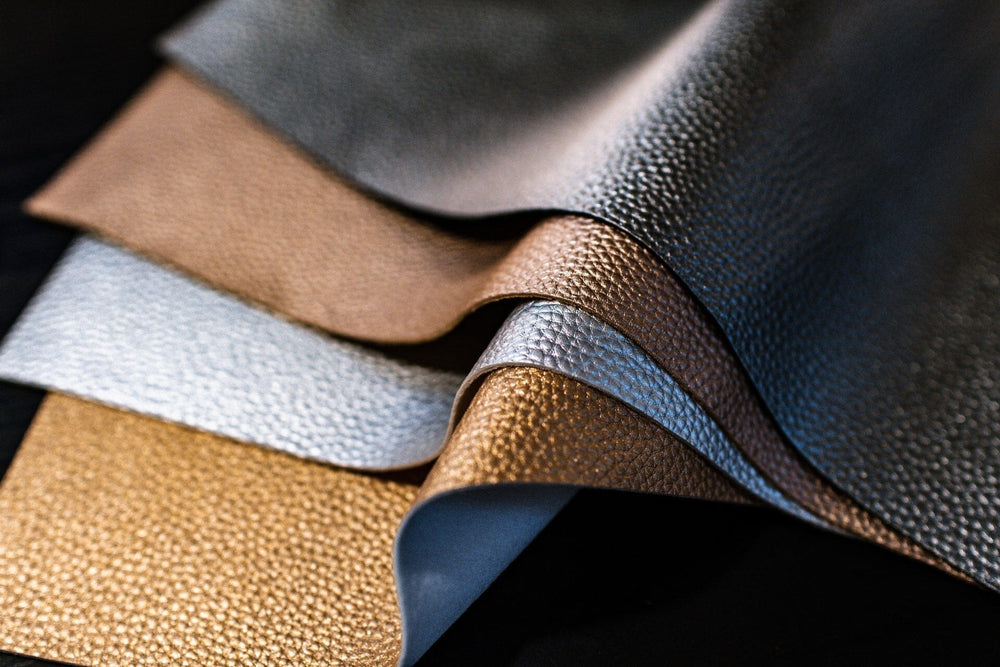
WINIW Synthetic Leather: Engineered Reliability for Global Brands
WINIW delivers premium synthetic leather solutions through vertically integrated manufacturing and rigorous quality assurance. Our operational excellence ensures consistent performance for demanding B2B applications across automotive, furniture, and luxury goods sectors.
Core Manufacturing Strengths
- 100,000 sqm Integrated Production Campus: Centralized facility housing coating, embossing, finishing, and testing under one roof, enabling end-to-end process control and rapid scalability for large-volume orders.
- Dedicated R&D Team of 40+ Specialists: Continuously develops eco-innovative materials, including water-based PU formulations, recycled content substrates (up to 50% post-consumer PET), and low-VOC emission technologies compliant with EU REACH and US CPSIA standards.
- Triple-Layer Quality Assurance System:
- Raw material screening via ISO 17025-accredited lab
- Real-time in-line monitoring of thickness, color fastness, and abrasion resistance
- Final batch validation against AATCC, ASTM, and brand-specific protocols
Global Compliance & Market Reach
WINIW maintains active export partnerships across 30+ countries, with certified shipments to Tier-1 automotive suppliers in Germany, sustainable furniture manufacturers in Scandinavia, and premium accessory brands in North America. Our facility holds:
– ISO 9001:2015 (Quality Management)
– ISO 14001:2015 (Environmental Management)
– OEKO-TEX® STANDARD 100 Class I certification
This infrastructure guarantees on-time delivery of materials meeting the strictest regional safety and sustainability requirements, reducing supply chain risk for global clients. WINIW’s factory ecosystem transforms material specifications into reliably executed production outcomes—without compromise.
Contact Us for Samples
B2B Product Guide: Understanding PU Leather – Performance, Applications & Sustainability
PU leather, short for polyurethane leather, is a high-performance synthetic leather alternative engineered to deliver the look and feel of genuine leather without the environmental and ethical concerns associated with animal hides. At WINIW, we specialize in advanced microfiber PU leather solutions designed for durability, aesthetic versatility, and sustainable manufacturing.
Our PU leather is widely used across industries including automotive interiors, furniture upholstery, footwear, fashion accessories, and electronics due to its consistent texture, excellent abrasion resistance, and customizable finishes. Unlike traditional PVC leather, PU leather offers superior breathability, flexibility, and eco-friendly processing.
- Made from a polyurethane coating applied to a fabric or microfiber base
- Free from animal byproducts, aligning with cruelty-free and vegan product standards
- Available in a wide range of colors, textures, and thicknesses for design flexibility
- Resistant to cracking, fading, and abrasion under regular use
- Lighter in weight compared to genuine leather, ideal for performance-driven applications
WINIW’s PU leather is produced with an emphasis on environmental responsibility. Our manufacturing processes reduce water consumption, eliminate hazardous solvents, and support circular economy initiatives through recyclable materials and low-emission production.
Key Benefits for B2B Partners:
– Cost-effective alternative to genuine leather with consistent quality
– Scalable production to meet OEM and bulk order requirements
– Custom development services for color, texture, and functional performance (e.g., anti-microbial, flame retardant)
– Compliance with global standards including REACH, RoHS, and OEKO-TEX®
Technical Overview (Typical Specifications):
| Property | Value / Range |
|---|---|
| Thickness | 0.6 mm – 2.0 mm |
| Coating Material | Polyurethane (PU) |
| Base Material | Microfiber or knitted fabric |
| Abrasion Resistance | >20,000 cycles (Martindale) |
| Color Fastness | Grade 4–5 (ISO 105-B02) |
| Environmentally Compliant | REACH, RoHS, free of DMF |
For detailed insights into “PU leather meaning”, including material science, industry applications, and sustainability benchmarks, contact our materials team directly.
Request Free Samples Today
Explore the quality and versatility of WINIW PU leather with complimentary samples tailored to your industry needs.
CTA: Learn more about PU leather meaning and request your free sample kit.
Correo electrónico: MKT88@MicrofiberLeather.com
WINIW – Innovating Sustainable Leather Solutions for Global B2B Partners
💰 Leather Cost Savings Calculator
See how much you save by switching to WINIW Microfiber Leather.