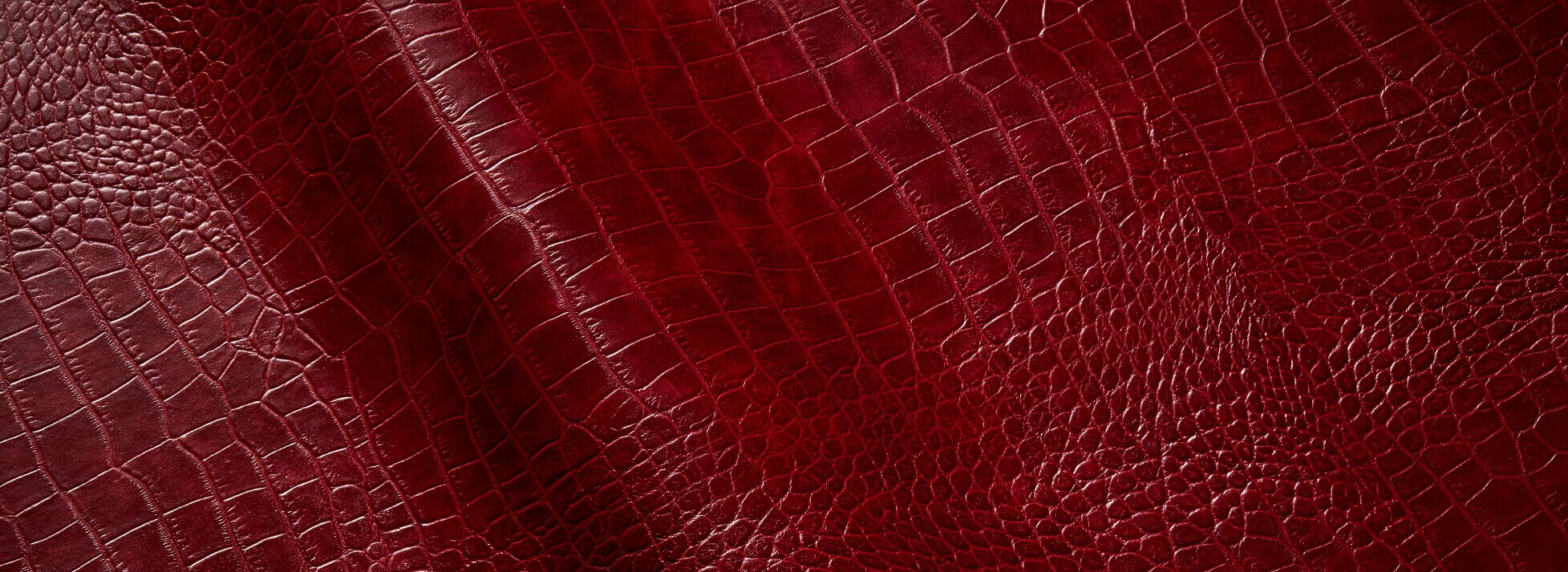



When I choose vegan purses, I look for eco-friendly materials like PU leather, cactus, pineapple, apple biomaterial, cork, recycled plastics, raffia, organic cotton, and hemp. These animal-free leather alternatives support ethical fashion and offer a sustainable alternative to leather. I love that sustainable vegan handbags and bags use innovative, cruelty-free style options that do not harm animals. Some vegan handbags use durable vegan tote bags made from sustainable materials, which helps promote environmental sustainability. I find luxury vegan handbag brands now focus on both style and sustainability for those who want sustainable vegan bags.
Key Takeaways
- Vegan purses use eco-friendly materials like PU leather, cork, and plant-based leathers, promoting ethical fashion.
- Cuero PU is popular for its durability, flexibility, and variety of styles, making it a great choice for everyday use.
- Plant-based leathers, such as cactus and pineapple, are sustainable options that require less water and produce fewer emissions.
- Cork is a renewable resource that is lightweight, water-resistant, and adds a unique look to vegan purses.
- Recycled materials, like ocean plastics and PET bottles, help reduce waste and support a cleaner environment.
- Natural fibers like organic cotton and hemp are biodegradable and provide a soft, durable option for vegan bags.
- When choosing a vegan purse, consider your lifestyle needs, sustainability priorities, and budget to find the best fit.
- Luxury vegan purses made from innovative materials like mycelium leather offer stylish options without harming animals.

Materials for Vegan Purses
Cuero PU
Características
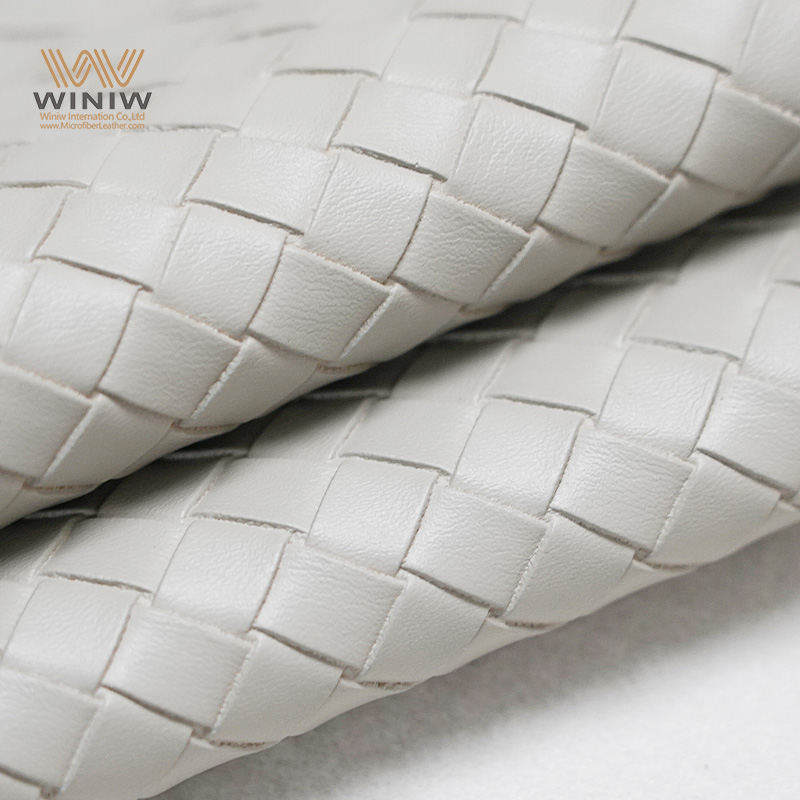
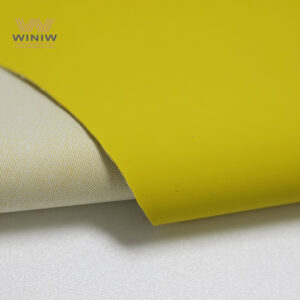
I often see Cuero PU as one of the most popular materials in vegan purses. Manufacturers create PU leather by coating a fabric base with polyurethane, which gives it a smooth, flexible texture. This material feels soft and looks similar to animal leather. I notice that PU leather is breathable and holds up well in everyday use. Many vegan handbags use PU leather because it offers a balance between style and durability.
PU leather stands out for its versatility. I find it in many colors and finishes, which makes it easy to match with different outfits.
Here’s a quick look at how PU leather compares to other vegan materials:
| Type of Vegan Leather | Source/Manufacturing Process | Characteristics |
|---|---|---|
| Polyurethane (PU) Leather | Synthetic, derived from polyurethane | Flexible, breathable, common in quality vegan bags |
| Cork Leather | Harvested from cork oak trees | Lightweight, water-resistant, durable |
| Pineapple Leather (Piñatex) | Made from pineapple leaf fibers | Textured, natural look, moderate strength |
| Mushroom Leather (Mylo) | Grown from mycelium | Mimics real leather structure, luxury appeal |
| Apple, Grape, Cactus Leather | Byproducts of food industries | Innovative, low-impact, promising durability |
Pros and Cons
I choose PU leather for vegan handbags because it offers several advantages. It has a much lower carbon footprint than real leather. For example, PU leather produces about 15.8 kg CO2e per square meter, while animal leather creates 110 kg CO2e. This difference helps reduce greenhouse gas emissions.
- Pros:
- Lower carbon footprint than animal leather
- Breathable and flexible
- Available in many styles and colors
- Durable for everyday use
- Cons:
- Non-biodegradable
- Can contribute to pollution if not recycled
- May not last as long as some natural materials
I always consider these factors when picking vegan purses made from PU leather.
Cuero PVC
Características
PVC leather is another synthetic option I see in vegan bags. Manufacturers make PVC leather by coating fabric with polyvinyl chloride. This process gives the material a shiny finish and a firm texture. PVC leather often feels stiffer than PU leather. I notice that some handbags use PVC leather for its water resistance and affordability.
| Feature | Cuero PU | Cuero PVC |
|---|---|---|
| Durabilidad | High — resists cracking and peeling for 3–5 years with care | Low — prone to cracking within 1–2 years |
| Eco-Friendliness | Lower toxicity; recyclable in some cases | Contains chlorine; releases harmful dioxins when burned |
Pros and Cons
I think about the pros and cons before choosing PVC leather for vegan handbags.
- Pros:
- Water-resistant
- Affordable
- Easy to clean
- Cons:
- Prone to cracking and peeling within 1–2 years
- Contains chlorine, which can release harmful chemicals
- Less eco-friendly than PU leather
PVC leather works for short-term use, but I prefer PU leather for better durability and lower toxicity.
Plant-Based Leathers
Cactus Leather
Cactus leather comes from the Nopal cactus. I like that this material uses minimal water during production. Manufacturers harvest cactus leaves, process them into a soft, flexible sheet, and blend them with bio-based polymers. Cactus leather feels smooth and looks stylish in vegan purses. It is biodegradable and offers a cruelty-free alternative to animal leather.
Pineapple Leather
Pineapple leather, known as Piñatex, uses fibers from pineapple leaves. Farmers collect the leaves after harvesting fruit, then process them into a mesh that forms the base of the material. I appreciate that Piñatex repurposes agricultural waste, making it both sustainable and biodegradable. The texture feels natural and slightly rough, which adds character to vegan handbags.
Apple Leather
Apple leather uses apple peels left over from juice production. Manufacturers blend these peels with bio-based polymers to create a durable sheet. Apple leather feels soft and flexible. I find it a sustainable choice because it reduces reliance on fossil fuels and minimizes plastic waste.
Plant-based leathers like cactus, pineapple, and apple offer innovative solutions for cruelty-free fashion. These materials require less water, produce fewer emissions, and avoid animal slaughter.
I choose vegan purses made from plant-based leathers when I want a stylish, eco-friendly, and cruelty-free option.
Cork
Características
I find cork to be one of the most fascinating materials used in vegan purses. Cork comes from the bark of cork oak trees, which grow mainly in Mediterranean regions. The harvesting process does not harm the trees. Instead, workers carefully strip the bark, and the tree regenerates its bark over time. This process can continue for up to 200 years, making cork a truly renewable resource.
- Cork is harvested in a way that does not harm the cork oak trees.
- The bark of the tree regenerates over a period of 200 years.
- This makes cork one of the most sustainable materials available.
Cork feels lightweight and smooth to the touch. I notice that it has a unique, natural texture with small pores and a soft, flexible structure. Many designers use cork for its water resistance and durability. I like how cork adds a natural, earthy look to vegan purses.
Pros and Cons
When I choose cork for my accessories, I weigh its benefits and drawbacks.
Pros:
- Renewable and sustainable
- Lightweight and comfortable to carry
- Naturally water-resistant and easy to clean
- Hypoallergenic and antimicrobial
Cons:
- Can show wear over time, especially at corners or folds
- Limited color options compared to synthetic leathers
- May not offer the same structured look as traditional leather
I recommend cork for anyone who wants a lightweight, eco-friendly purse with a unique appearance.
Raffia & Fabric
Características
Raffia and fabric materials bring a different style and feel to vegan purses. Raffia comes from the leaves of the raffia palm, which grows in tropical regions of Africa and Madagascar. The process of turning raffia into usable material involves handweaving or semi-mechanized methods. This allows for a lot of customization in patterns and textures. I often see raffia blended with other fibers like cotton, linen, or jute. These blends make the material stronger while keeping it sustainable.
- Raffia is sourced from the leaves of the raffia palm, which is native to tropical regions of Africa and Madagascar.
- The processing of raffia involves handweaving or semi-mechanized methods, allowing for customization.
- Raffia can be blended with other materials like cotton, linen, or jute to enhance durability while maintaining sustainability.
Fabrics used in vegan purses often include organic cotton, recycled polyester, or blends of natural fibers. I notice that tote bags made from recycled plastic bottles, organic cotton, or cork are gaining popularity for their low environmental impact. These materials feel soft and flexible, and they come in many colors and patterns.
Pros and Cons
I always consider the advantages and disadvantages of raffia and fabric purses before making a choice.
Pros:
- Highly customizable in color, pattern, and texture
- Lightweight and breathable
- Made from renewable or recycled sources
- Brands that use these materials often promote transparency in sourcing and manufacturing
Cons:
- Less water-resistant than cork or synthetic leathers
- Can lose shape if overloaded
- May require gentle cleaning to maintain appearance
I choose raffia or fabric purses when I want a casual, eco-friendly accessory that stands out with its texture and design.
Recycled Materials in Sustainable Vegan Handbags
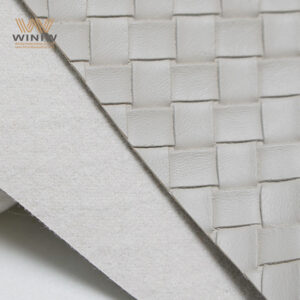
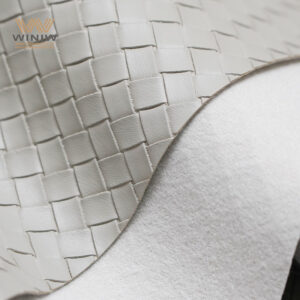
When I look for sustainable vegan purses, I often see brands using recycled materials. These eco-friendly materials help reduce waste and give new life to items that would otherwise pollute the environment. I notice that many bags now feature blends of recycled fibers, plastics, and textiles. These blends create strong, stylish, and sustainable materials for everyday use.
Ocean Plastics
Características
I find it inspiring that some vegan bags use ocean plastics as their main material. Ocean plastics, such as PET or HDPE, are collected from coastlines and waterways. Workers gather these plastics and send them to processing centers. There, the plastics are transformed into fibers, pellets, or films. Manufacturers then use these forms to create the fabric for vegan purses and other soft goods. This process not only cleans up the oceans but also provides a valuable resource for eco-friendly fashion.
Using ocean plastics in bags helps protect marine life and supports a cleaner planet.
Pros and Cons
I always weigh the benefits and drawbacks before choosing a purse made from ocean plastics.
Pros:
- Reduces plastic pollution in oceans and waterways
- Supports the circular economy by reusing waste
- Creates durable and water-resistant bags
Cons:
- Collection and processing can be energy-intensive
- Some ocean plastics may contain contaminants
- Limited color and texture options compared to other eco-friendly materials
PET Bottles & Textile Waste
Características
Many of my favorite sustainable bags use recycled PET bottles and textile waste. Manufacturers collect used plastic bottles and old fabrics, then break them down into small pieces. These pieces are melted and spun into new fibers. The result is a strong, flexible material that works well for vegan purses. I like that this process keeps plastic and fabric waste out of landfills. It also reduces the need for new raw materials.
Some brands blend recycled PET fibers with other sustainable materials to improve strength and texture. This approach creates eco-friendly purses that look and feel great.
Pros and Cons
I consider the following points when I choose bags made from recycled PET bottles and textile waste.
Pros:
- Diverts waste from landfills and reduces environmental impact
- Produces strong, lightweight, and long-lasting bags
- Supports innovation in sustainable materials
Cons:
- Recycling process may use chemicals and energy
- Some recycled fabrics may not be as soft as natural fibers
- Quality can vary depending on the source of the recycled materials
I recommend bags made from recycled PET bottles and textile waste for anyone who wants a practical, eco option that supports a cleaner planet.
Natural Fibers for Vegan Purses
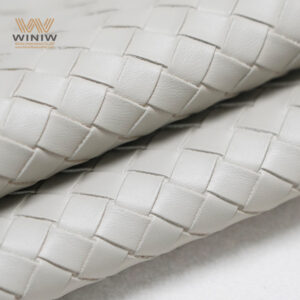
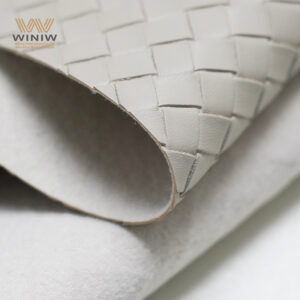
When I look for sustainable vegan purses, I often choose natural fibers. These materials come from plants, so they break down more easily in the environment. I find that natural fibers like organic cotton and hemp make bags that feel soft, last a long time, and support eco-friendly fashion. Many brands use these sustainable materials because they want to reduce pollution and protect the planet.
Organic Cotton
Características
I love using organic cotton in vegan bags. This fiber comes from cotton plants grown without toxic chemicals. I notice that organic cotton feels soft and gentle on my skin. It also holds color well, so my purses look bright and fresh. Many of my favorite brands use organic cotton certified by GOTS, which means the cotton is grown and processed without harmful pesticides or synthetic fertilizers.
Organic cotton uses much less water than regular cotton. The water used during production is often recycled, which helps save resources.
Here’s a quick comparison of organic cotton and conventional cotton:
| Benefit | Organic Cotton | Conventional Cotton |
|---|---|---|
| Water Usage | 95% Less | Higher |
| Pesticides Used | 0 | Present |
Pros and Cons
When I pick a vegan purse made from organic cotton, I consider these points:
- Organic cotton uses 91% less water than conventional cotton.
- GOTS certification ensures no toxic chemicals touch the fibers.
- The production process recycles water, making it even more sustainable.
- Organic cotton feels soft and comfortable, perfect for everyday bags.
Pros:
- Uses much less water, which helps the environment
- No synthetic pesticides or fertilizers
- Soft, breathable, and gentle on skin
- Supports sustainable farming practices
Cons:
- Can cost more than regular cotton
- May wrinkle more easily
- Not as water-resistant as some other materials
Hemp
Características
Hemp stands out as one of the oldest and strongest plant fibers. I like that hemp grows quickly and needs little water or pesticides. The plants improve soil health, so farmers can grow hemp without harming the land. I find that hemp fibers make sturdy, long-lasting bags. The texture feels a bit rough at first, but it softens with use. Hemp also resists mold and UV rays, which keeps my vegan purses looking good for years.
Pros and Cons
I always weigh the benefits and drawbacks before choosing hemp for my bags.
Pros:
- Grows fast with little water or chemicals
- Very strong and durable
- Naturally resists mold and sun damage
- Biodegradable and eco-friendly
Cons:
- Can feel stiff until broken in
- Fewer color options than cotton
- Sometimes costs more due to limited supply
I recommend hemp for anyone who wants a sturdy, sustainable purse that lasts a long time.
Natural fibers like organic cotton and hemp help me support sustainable fashion. These vegan materials offer a great balance of comfort, durability, and eco-friendliness in my favorite bags.
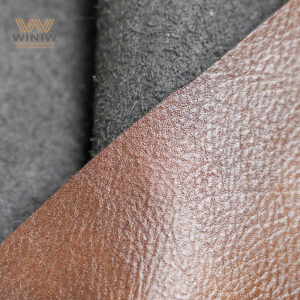
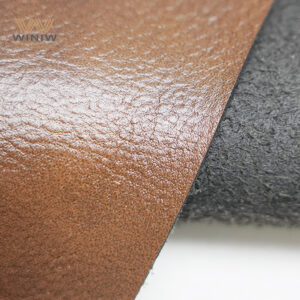
Comparing Vegan Purse Materials
Durabilidad
When I shop for vegan purses, I always check how long the material will last. Durability matters because I want my bag to look good and hold up to daily use. I notice that different vegan materials have different lifespans. For example, PU leather usually lasts about 2 to 4 years before it starts to show wear, like cracks or peeling. Plant-based leathers, such as apple or cactus leather, can last longer if I take care of them. Some, like cactus leather, can last up to 10 years with simple maintenance.
Here’s a table that helps me compare the average lifespan and care needs of popular vegan purse materials:
| Material | Avg. Lifespan (Years) | Maintenance Needs |
|---|---|---|
| Cuero PU | 2–4 | Wipe clean; avoid sharp objects |
| Apple Leather | 5–8 | Spot clean only; sensitive to moisture |
| Cactus Leather | 7–10 | Low maintenance; wipe with damp cloth |
| Mycelium Leather | 8–12 (projected) | Delicate; needs protective coating |
I find that most vegan leathers start to show small cracks or peeling after about 3 to 5 years, even if I use them carefully. They can also get damaged by rough surfaces. If I want a purse that lasts, I look for cactus or mycelium leather, since they have the longest projected lifespans.
Sustainability
Sustainability is important to me when I choose a vegan purse. I want to support brands that use materials with a low impact on the environment. Plant-based leathers, like cactus, apple, and pineapple, use less water and fewer chemicals than traditional leather. Cork is another sustainable choice because it comes from tree bark that grows back, so the tree stays healthy. Recycled materials, such as PET bottles or ocean plastics, help reduce waste and keep plastic out of landfills and oceans.
I notice that PU leather is less sustainable than plant-based options because it is made from fossil fuels and does not break down easily. However, some brands now use recycled PU, which helps lower its environmental impact. When I want a truly sustainable purse, I pick one made from plant-based leather, cork, or recycled materials.
I always feel good knowing my vegan purse supports a cleaner planet.
Style
Style plays a big role in my decision. Vegan purses come in many colors, textures, and shapes. PU leather offers the widest range of styles, from classic black totes to bold, colorful clutches. Plant-based leathers, like apple and cactus, have a unique texture that makes my bag stand out. Cork purses give a natural, earthy look, while raffia and fabric bags feel casual and light—perfect for summer.
I like that vegan materials let me express my style without harming animals. Some luxury brands now use mycelium leather, which looks and feels like real leather but is cruelty-free. No matter my taste, I can always find a vegan purse that matches my style and values.
Price
When I shop for vegan purses, I always look at the price tag first. The cost of a purse often determines whether I can add it to my collection or not. I notice that vegan purse materials come in a wide range of prices. Some options, like PU leather and recycled PET, offer affordable choices. Others, such as cactus leather or mycelium leather, cost more because they use new technology or require special processing.
I find that faux leather purses usually cost much less than real leather bags. For example, I often see faux leather purses priced between $100 and $250. Real leather purses, on the other hand, can cost anywhere from $800 to $1,500. This big difference makes vegan purses more accessible for many people. I can buy several vegan bags for the price of one luxury leather purse.
Here’s a table that helps me compare the price and lifespan of faux leather and real leather purses:
| Material | Price Range | Average Lifespan | Annual Cost |
|---|---|---|---|
| Piel sintética | $100 – $250 | 3 years | $67 |
| Real Leather | $800 – $1,500 | 20 years | $60 |
I see that faux leather purses cost less upfront, but they may need replacing sooner. Real leather purses last longer, so their annual cost is similar to faux leather. When I choose a vegan purse, I think about how often I want to update my style. If I like to change my bag every few years, faux leather or plant-based options work well for me.
Plant-based leathers, such as cactus, pineapple, and apple, usually fall in the mid-range. I find cactus leather purses priced between $200 and $400. Pineapple and apple leather bags often cost about $150 to $350. These prices reflect the innovative process and the sustainable benefits. I feel good spending a little more on these materials because they support eco-friendly fashion.
Cork and hemp purses tend to be affordable. I often see cork bags for $80 to $200. Hemp purses usually cost $60 to $180. These materials offer good value, especially if I want a durable and sustainable option without spending too much.
Luxury vegan purses made from mycelium leather or designer recycled materials can cost as much as real leather. I sometimes see these bags priced at $500 or more. I consider these purchases an investment in cutting-edge fashion and sustainability.
I always balance price with durability, style, and sustainability. I ask myself how long I want the purse to last and how much I value eco-friendly materials. For me, spending a little more on a vegan purse that supports the planet feels worth it.
When I compare prices, I look for sales, ethical brands, and certifications. I believe that the right vegan purse fits my budget and matches my values. I encourage others to think about both the upfront cost and the long-term value when choosing a vegan handbag.
Choosing Vegan Purse Materials
Lifestyle Needs
When I pick a vegan purse, I always start by thinking about my daily routine. My lifestyle shapes the type of bag and material that works best for me. If I need a purse for work, I look for something that holds its shape and stands up to daily wear. PU leather or high-quality plant-based leathers, like cactus or apple, give me a polished look and last through busy days at the office. For travel, I want a bag that is lightweight, water-resistant, and easy to clean. Recycled PET or cork purses fit these needs because they resist spills and pack well in a suitcase.
If I want a purse for casual outings, I choose softer materials like organic cotton or raffia. These feel comfortable and add a relaxed vibe to my outfit. I also think about how much I carry. When I need to bring a laptop or heavy items, I pick a purse made from sturdy hemp or reinforced recycled materials. Durability, environmental impact, and my specific needs for work, travel, or casual use all play a role in my decision. I always check if the material matches my lifestyle before making a choice.
I find that matching my purse material to my lifestyle helps me get the most use and value from my bag.
Sustainability Priorities
I care about the planet, so I always consider how my choices affect the environment. When I want a sustainable vegan purse, I look for materials that use fewer resources and create less pollution. Plant-based leathers, such as cork and Piñatex, come from renewable sources and break down more easily than plastics. I avoid traditional PU and PVC when possible because they can contribute to microplastic pollution.
- Vegan leather offers an animal-friendly alternative to traditional leather. I see options made from PU, PVC, and plant-based materials like cork and pineapple fibers.
- Some vegan leathers use plant-derived materials, which can lower their environmental impact compared to fossil fuel-based options.
- Not all vegan leathers are equally eco-friendly. PU and PVC may still harm the environment, so I choose carefully.
I always read labels and research brands to make sure they use responsible sourcing and production methods. When I find a purse made from recycled or plant-based materials, I feel confident that my choice supports a cleaner world.
Style Preferences
Style matters to me just as much as function. I want my purse to match my personal taste and wardrobe. PU leather gives me the most variety in colors and finishes, so I can find everything from classic black to bold prints. Plant-based leathers, like apple or cactus, offer unique textures that make my bag stand out. If I want a natural, earthy look, I pick cork or raffia. For a casual, laid-back style, I love organic cotton or hemp purses.
I also pay attention to details like stitching, hardware, and shape. Some brands offer custom options, letting me choose the color or add personal touches. I always try to balance style with practicality, so I end up with a purse that looks great and fits my needs.
I believe that choosing the right material helps me express my style while staying true to my values.
Budget
When I shop for vegan purses, I always set a budget before I start looking. Price plays a big role in my decision, but I also think about how long the purse will last and how often I plan to use it. I have learned that spending a little more upfront can save me money in the long run if the bag holds up well.
I often compare different price ranges and what I get for my money. Here is a table that helps me see the differences:
| Price Range | Material Type | Longevity Consideration |
|---|---|---|
| Budget ($20–$80) | Synthetic materials | Short-term utility, limited longevity |
| Mid-Range ($80–$300) | Durable vegan leathers, canvas, or blends | Good balance of quality and affordability |
| Premium ($300–$1,000+) | High-end plant-based leathers, artisan techniques | Often associated with designer labels and resale value |
I notice that budget-friendly purses, usually made from basic synthetic materials, work well for short-term use. These bags often last a season or two. If I want something that lasts longer, I look at the mid-range options. These purses use better vegan leathers, canvas, or fabric blends. They feel sturdier and often look more stylish. Premium vegan purses cost more, but they use high-end materials like cactus or apple leather and sometimes feature artisan craftsmanship. These bags can last for years and may even hold their value if I decide to resell them.
When I choose a purse, I always consider the cost per use. For example, if I buy a $200 purse and use it every day for three years, it costs me about $0.18 per day. This can be a better deal than buying a $40 purse that only lasts a few months. I try to think about how often I will use the bag and if it fits my daily needs.
Here are some tips I use to make sure I get the best value for my money:
- I check the thickness of vegan leather. I look for materials at least 1.2mm thick because they last longer and feel more substantial.
- I avoid purses with strong chemical odors. A good vegan purse should not smell harsh or artificial.
- I look for fabric blends with coated finishes. These resist stains and are easier to clean.
- I consider the durability of different materials. Polyurethane vegan leather may degrade faster than plant-based options like cork or cactus leather.
- I think about the style and how formal I need the purse to be. Canvas and nylon are lightweight and water-resistant, but they may not work for every occasion.
I always remind myself that a higher price does not always mean better quality. I read reviews, check the stitching, and feel the material before I buy. By balancing my budget with my needs, I find vegan purses that look great, last longer, and fit my lifestyle.
I have explored many vegan materials for purses, from recycled blends to plant-based options. Each offers unique benefits for style, durability, and sustainability. Here is a quick comparison:
| Factor | Real Leather | Vegan Leather (Synthetic) | Vegan Leather (Plant-Based) |
|---|---|---|---|
| Lifespan | 10–20+ years | 2–5 years | 4–7 years (est.) |
| Water Resistance | Moderate | Alta | Low to moderate |
| Biodegradability | Yes | No | Yes (if untreated) |
I recommend sustainable vegan handbags for anyone who values cruelty free fashion. I love that vegan handbags and bags use recycled and sustainable materials. I encourage you to try sustainable vegan bags and make informed choices for a better planet.
PREGUNTAS FRECUENTES
What makes a purse vegan?
A vegan purse uses no animal products. I look for materials like Cuero PU, cork, or recycled plastics. Brands often label these bags as “vegan” or “cruelty-free.” I always check the tag or product description for confirmation.
How do I clean my vegan purse?
I wipe my vegan purse with a damp cloth. For stains, I use mild soap and water. I avoid harsh chemicals. I let the bag air dry. I never put vegan purses in the washing machine.
Are vegan purses durable?
Yes, many vegan purses last for years. I find that plant-based leathers and quality PU leather hold up well. I avoid overloading my bag and store it properly to extend its life.
Do vegan purses look like real leather?
Many vegan purses look and feel like real leather. I often see brands use textures and finishes that mimic animal leather. Some plant-based leathers even have unique patterns that stand out.
Are vegan purses more eco-friendly than leather purses?
Most vegan purses use less water and energy than animal leather. I choose plant-based or recycled materials for the lowest impact. Some synthetic leathers, like PVC, are less eco-friendly, so I read labels carefully.
Can I find luxury vegan purses?
Yes, many luxury brands now offer vegan purses. I see options made from cactus, apple, or mycelium leather. These bags often feature high-quality craftsmanship and stylish designs.
What should I look for when buying a vegan purse?
I check the material, durability, and brand ethics. I read reviews and look for certifications like GOTS or PETA-approved. I also consider my style and budget before making a choice.
Do vegan purses cost less than leather purses?
Usually, vegan purses cost less than real leather. I find affordable options in synthetic and recycled materials. High-end plant-based or designer vegan purses may cost more, but they offer unique style and sustainability.