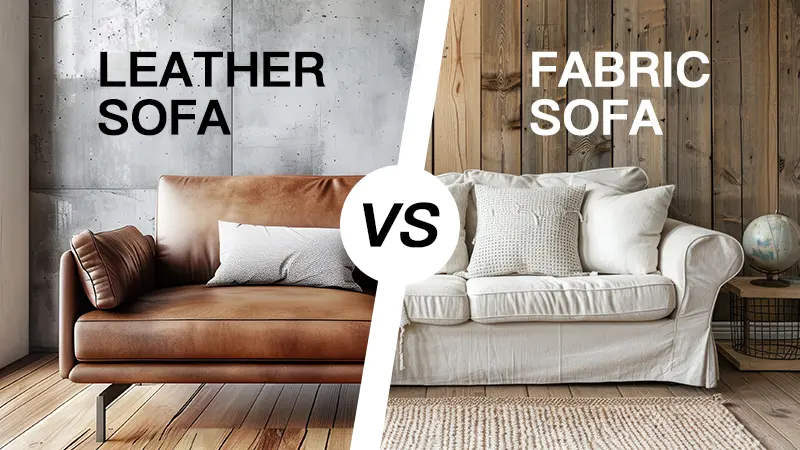

I see clear upsides and downsides when I consider buying a vegan leather sofa. The biggest advantage is an animal-friendly approach and easy cleaning. The main drawback comes from durability concerns. People who value ethical choices or want a stylish, affordable sofa may find vegan options appealing. Compared to traditional leather, vegan leather offers more color choices and costs less. Fabric sofas usually feel softer but require more care.
Key Takeaways
- Vegan leather sofas are animal-friendly, containing no animal products, making them a great choice for ethical consumers.
- These sofas are generally more affordable than real leather, allowing budget-conscious shoppers to find stylish options without overspending.
- Vegan leather offers a wide variety of colors and textures, enabling personalization to match different home decor styles.
- Maintenance is easy; simply wipe with a damp cloth to clean, making vegan leather a practical choice for busy households.
- However, durability can be a concern, as vegan leather may peel or crack over time, leading to a shorter lifespan compared to real leather.
- Vegan leather sofas may not soften with age like real leather, which can affect comfort over time.
- Consider the environmental impact; some vegan leathers are made from plant-based materials, which are more sustainable than plastic-based options.
- For families with pets or children, choose darker colors or patterns to hide wear and consider protective covers to extend the sofa’s life.
Vegan Leather Sofa Pros

Animal-Friendly Choice
No Animal Products
I always look for furniture that aligns with my values. A vegan leather sofa stands out because it contains no animal products. This means no animals are raised, harmed, or killed in the process. I see this as a major advantage for anyone who cares about animal welfare. When I compare vegan leather to real leather, the difference becomes clear:
| Feature | Cuero vegano | Real Leather |
|---|---|---|
| Animal Welfare | Cruelty-free, no animals harmed | Animals raised, killed, and skinned |
| Environmental Impact | Uses less water, fewer chemicals | Significant environmental issues |
| Cost | Typically less expensive | Generally more expensive |
This table shows that choosing a vegan leather sofa supports a cruelty-free lifestyle and helps protect the environment.
Supports Ethical Living
I believe that every purchase can reflect my ethical choices. By selecting a vegan leather sofa, I support companies that prioritize animal rights and sustainable practices. Many people in my circle want to reduce their impact on the environment. They choose vegan options because these products use fewer resources and create less pollution. I find that making this choice gives me peace of mind, knowing I am not contributing to animal suffering.
Affordable Option
Lower Price Point
When I shop for a new sofa, cost always plays a big role in my decision. Vegan leather sofas usually come with a lower price tag than real leather. This makes them accessible to more people, including students and young professionals. I have noticed that I can get a stylish, modern piece without stretching my budget. The lower cost does not mean I have to compromise on appearance or comfort.
Good Value for Trend Seekers
I often see trends change quickly in home decor. If I want to update my living room without a huge investment, a vegan leather sofa offers a cost effective solution. I can enjoy the latest styles and colors without worrying about a long-term commitment. For those who like to refresh their space often, this option makes sense financially and aesthetically.
Easy Maintenance
Simple Cleaning
I appreciate furniture that is easy to clean. Vegan leather sofas require minimal effort to keep them looking fresh. I usually wipe the surface with a damp cloth, and most spills come off easily. This feature saves me time and reduces stress, especially when I host guests or have children at home.
Tip: I recommend using a soft cloth and mild soap for regular cleaning. Avoid harsh chemicals to maintain the sofa’s finish.
Stain Resistance
In my experience, vegan leather resists stains better than many fabric sofas. Liquids tend to bead up on the surface, giving me time to clean before they soak in. This quality makes vegan leather a practical choice for busy households or anyone who wants a low-maintenance lifestyle. I find that my sofa stays looking new for longer, even with daily use.
Style and Variety
Modern Designs
I notice that modern design trends influence the look of every vegan leather sofa I see in stores. Designers create pieces that fit contemporary homes and urban apartments. I often find clean lines, sleek silhouettes, and minimalist shapes. These features help my living room feel updated and stylish. I appreciate how manufacturers experiment with new forms and details. They add metal legs, tufted backs, or geometric stitching. I see these touches in many showrooms, and they make each sofa stand out.
Note: I recommend browsing catalogs from several brands. You will see a wide range of modern styles that suit different tastes and spaces.
Color and Texture Options
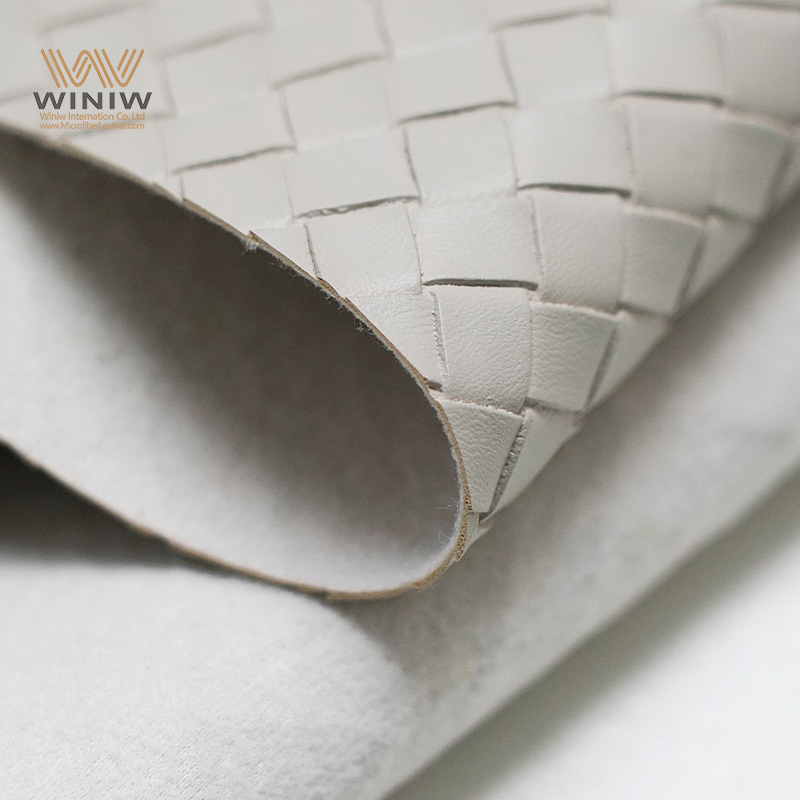
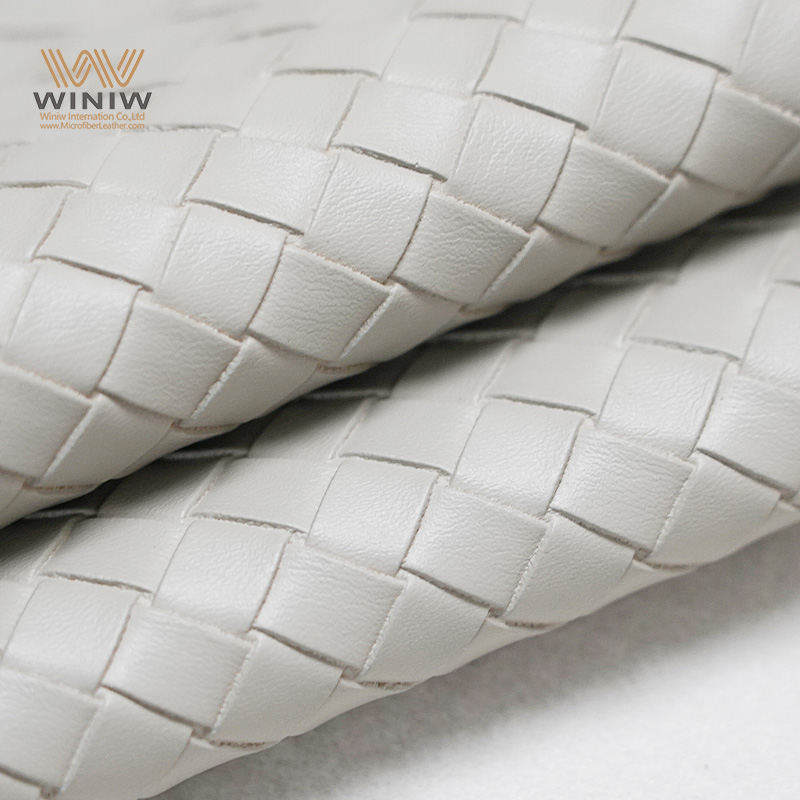
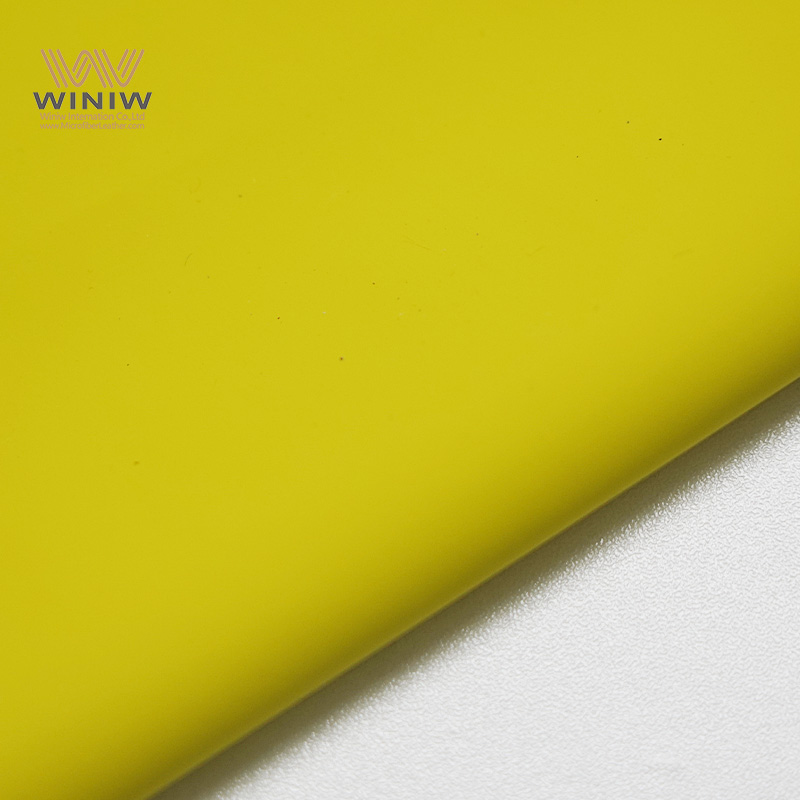
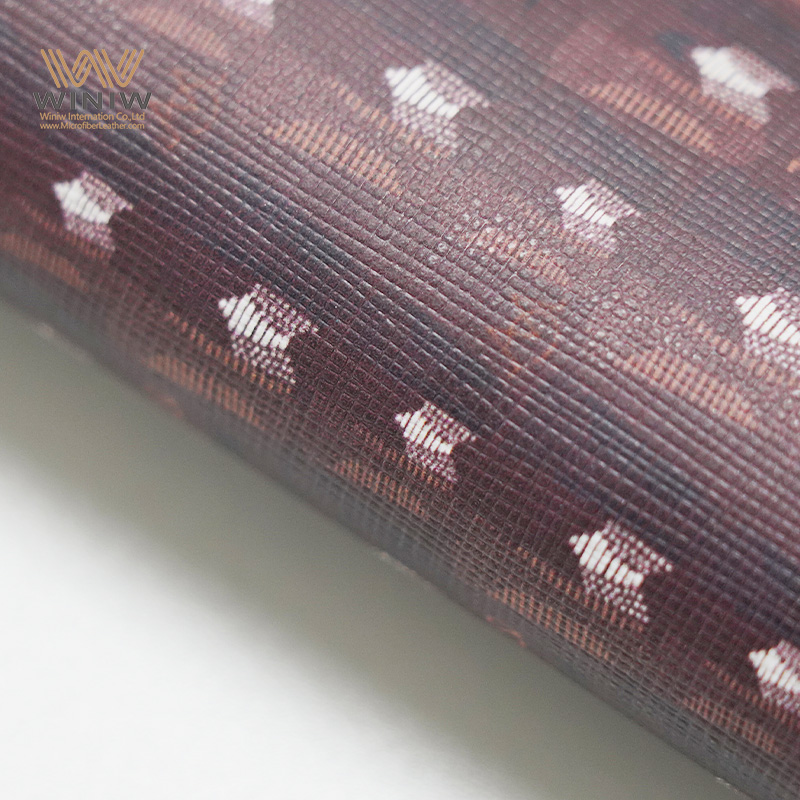
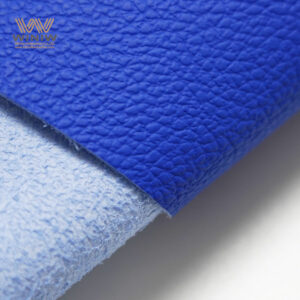
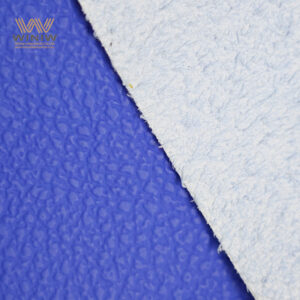
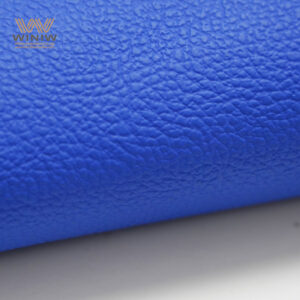
When I shop for a sofa, I want choices that match my decor. Vegan leather offers a broader palette than traditional leather. I find vibrant reds, cool blues, and soft neutrals. Some brands even produce pastel shades and bold patterns. This variety lets me personalize my space. I also notice that vegan leather comes in different textures. Some finishes mimic the grain of real leather. Others feel smooth or have a subtle sheen. I can select a texture that fits my comfort needs and design preferences.
- Popular color choices:
- Charcoal gray
- Navy blue
- Cream white
- Forest green
- Common textures:
- Matte finish
- Pebbled surface
- Glossy sheen
I enjoy mixing colors and textures to create a unique look in my home.
Environmental Benefits
Plant-Based Alternatives
I pay close attention to the materials in my furniture. Some vegan leather sofas use plant-based alternatives, such as pineapple leaves, apple peels, or cork. These materials reduce reliance on plastics and fossil fuels. I see brands highlight their use of renewable resources. Plant-based vegan leather feels soft and looks natural. I believe these options support a more sustainable lifestyle.
Lower Carbon Footprint (Some Types)
I care about the environmental impact of my purchases. Plant-based vegan leather often has a lower carbon footprint than conventional synthetic leather. Manufacturers use less energy and water during production. I read reports that show reduced greenhouse gas emissions. When I choose a sofa made from these materials, I support efforts to fight climate change. I encourage others to research the source of their vegan leather before buying.
Tip: Ask retailers about the origin of their vegan leather. Some types offer better environmental benefits than others.
Vegan Leather Sofa Cons
Durability Issues
Peeling and Cracking
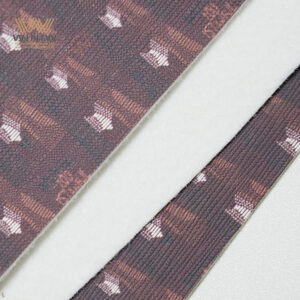
I have noticed that durability often becomes a concern with a vegan leather sofa. Peeling and cracking appear frequently, especially in synthetic materials. After a few years of regular use, the surface can start to break down. The structure of faux leather makes it prone to flaking and delamination. I have seen sofas lose their original quality much faster than expected. The following table highlights the most common durability issues I have encountered:
| Durability Issue | Descripción |
|---|---|
| Peeling | Common in synthetic materials, occurs within 1-3 years of use. |
| Flaking | Similar to peeling, arises due to the material’s structure. |
| Delamination | Layers of synthetic materials can separate, reducing lifespan. |
| Heat Trapping | Vegan leather can trap heat, affecting comfort. |
| Moisture Trapping | Can lead to discomfort, especially in furniture. |
I find that peeling and cracking not only affect the appearance but also reduce the overall comfort and value of the sofa.
Shorter Lifespan
In my experience, vegan leather sofas do not last as long as those made from real leather. The synthetic layers tend to wear out quickly. I have seen sofas begin to show signs of damage within a few years. The shorter lifespan means I need to replace the furniture more often, which increases waste and impacts the environment. I always consider the long-term costs before choosing a vegan leather option.
Comfort Differences
Less Breathable
Comfort plays a major role in my decision-making process. Vegan leather does not allow air to circulate as well as natural fabrics like cotton or linen. I often feel heat building up when I sit for extended periods. Real leather offers some breathability due to its natural pores, but vegan leather, especially PVC-based types, traps heat and moisture. This can make the sofa uncomfortable during warm weather or long use.
Natural fabrics such as cotton and linen provide excellent air circulation. I find them much more comfortable, especially in summer. Vegan leather lacks this breathability, which affects my overall satisfaction with the furniture.
May Not Soften Over Time
I have noticed that vegan leather does not soften with age the way real leather does. The surface remains firm and sometimes feels sticky in humid conditions. Fabric sofas tend to become softer and more inviting over time. The following table compares comfort factors between different materials:
| Comfort Factor | Leather (including Vegan Leather) | Fabric |
|---|---|---|
| Surface Smoothness | Stays smooth, fewer impressions | Can develop wrinkles |
| Temperature Sensitivity | Can be hot in summer, cold in winter | Generally more stable |
| Personal Preference | Can feel sticky in humidity | May snag on clothing |
| Return to Original Form | Returns readily | May misshape over time |
I prefer a sofa that adapts to my body and feels comfortable throughout the year. Vegan leather often falls short in this area.
Environmental Concerns
Fossil Fuel-Based Materials
When I evaluate the environmental impact, I pay close attention to the materials used in vegan leather. Many conventional vegan leather sofas rely on plastic-based materials such as PU or PVC. These materials contribute to microplastic pollution and require significant resources during production. The table below outlines the environmental concerns associated with different types of vegan leather:
| Type of Vegan Leather | Environmental Concerns |
|---|---|
| Plastic-based (PU/PVC) | Contributes to microplastic pollution; high resource use |
| Plant-based | Lower ecological footprint; less harmful to the environment |
I always look for plant-based alternatives, but most options on the market still use plastics. This reliance on fossil fuels increases the environmental burden and raises questions about sustainability.
Disposal Challenges
Disposal presents another challenge for vegan leather sofas. Synthetic materials do not break down easily in landfills. I have learned that these sofas can persist for decades, adding to waste and harming the environment. Recycling options remain limited, and most municipal systems cannot process faux leather efficiently. I consider the end-of-life impact before making a purchase, knowing that my choice affects the environment long after I stop using the sofa.
Note: I recommend asking retailers about recycling programs or take-back schemes for old furniture. Responsible disposal helps reduce waste and supports a healthier environment.
Appearance Over Time
Fading or Discoloration
I have observed that vegan leather sofas often struggle to maintain their original color. Over time, sunlight and regular use can cause fading or discoloration. I notice this issue especially in rooms with large windows or direct sunlight. The vibrant hues that first attracted me to a faux sofa may lose their intensity after a few years. Unlike real leather, which develops a patina that many find attractive, vegan leather tends to show uneven color changes. This shift in appearance can make the furniture look older than it actually is.
I recommend rotating cushions and keeping the sofa out of direct sunlight when possible. These simple steps help slow down fading. However, I have found that even with careful maintenance, some color loss is inevitable with vegan leather.
Texture Loss
Texture plays a significant role in how a sofa feels and looks. When I first purchase a vegan leather sofa, I enjoy the smooth or pebbled finish. Over time, I notice the surface can become flat or sticky, especially in high-use areas. The original texture may wear away, leaving patches that feel different from the rest of the sofa. This change affects both comfort and visual appeal.
I have seen faux leather develop a shiny, plastic-like sheen as the top layer wears down. This transformation makes the sofa look less natural and more artificial. I find that texture loss often goes hand-in-hand with peeling and cracking, further diminishing the overall appearance.
Repair Limitations
Hard to Restore
When my vegan leather sofa suffers damage, I face significant challenges in restoring it. Small scratches or cracks can quickly become larger problems. Unlike real leather, which responds well to conditioning and professional repair, vegan leather does not absorb treatments. Most repair kits only offer temporary fixes. I have tried patching small areas, but the results rarely last.
Expert repair work can extend the life of real leather sofas. In contrast, vegan leather often requires complete replacement of panels or upholstery. This process can be expensive and time-consuming. I find that the lack of effective restoration options makes vegan leather a less durable choice for long-term use.
Limited Professional Repair Options
I have searched for professionals who specialize in repairing vegan leather, but the options remain limited. Most upholstery experts focus on real leather or fabric. When I inquire about repairs, I often hear that faux materials cannot be restored to their original condition. The following table outlines common repair types and their effectiveness for different materials:
| Repair Type | Descripción |
|---|---|
| Burns & Holes | Repair cigarette burns, punctured holes, and large holes due to wear. |
| Scratches & Cracks | Cover up scratches and cracks on sofas, shoes, or car seats. |
| Cuts, Rips & Tears | Fix cuts, rips, or tears on sofas, car seats, and leather bags. |
- Fabric tears often require complete reupholstering, which can be costly.
- Damaged leather can sometimes be repaired, enhancing its lifetime.
I have learned that expert repair work significantly enhances the lifetime of leather-based sofas. Vegan leather, on the other hand, rarely benefits from such interventions. Most professionals recommend replacement rather than repair. This limitation adds to the long-term cost and environmental impact of choosing a vegan leather sofa.

Pros and Cons of Faux Leather vs. Other Sofas
Vegan Leather vs. Real Leather
Cost and Longevity
When I compare the pros and cons of cuero de imitación to real leather, I notice clear differences in cost and longevity. I often see that a faux leather sofa costs less upfront. This makes it a practical choice for buyers who want style without a high price tag. However, I have found that real leather usually lasts longer. Over time, real leather develops a unique patina and maintains its quality, while faux options may show wear sooner.
Here is a table that summarizes these points:
| Feature | Vegan Leather (Faux Leather) | Real Leather |
|---|---|---|
| Cost | Generally more affordable | Typically more expensive |
| Durabilidad | May show wear over time | Ages naturally and develops a unique patina |
| Appearance | Can mimic real leather but lacks natural textures | Offers natural textures and breathability |
I always weigh the initial savings against the long-term value when choosing between these materials.
Look and Feel
The look and feel of a sofa matter to me. Faux leather can closely mimic the appearance of real leather, but it often lacks the depth and texture that come from natural hides. When I touch real leather, I notice its breathability and softness. Faux leather feels smoother and sometimes less inviting. For those who want a vegan option, faux leather offers a cruelty-free alternative, but it may not deliver the same tactile experience as genuine leather.
Vegan Leather vs. Fabric Sofas
Maintenance and Cleaning
I consider maintenance a key factor in my decision. The pros and cons of cuero de imitación become clear when I compare cleaning routines. I find that faux leather is easy to clean. I usually wipe it with a damp cloth, and stains rarely set in. In contrast, fabric sofas require more effort. I need to vacuum them regularly, treat stains immediately, and sometimes use deep cleaning methods like steam cleaning. Fabric also needs annual deep cleaning and cushion rotation to maintain its quality.
Here is a quick comparison:
- Faux leather sofa: Wipe with a moist cloth, avoid harsh chemicals, and spot clean as needed.
- Fabric sofa: Vacuum often, treat stains right away, and deep clean yearly.
I prefer faux leather when I want a low-maintenance option.
Style and Comfort
Style and comfort influence my choice as well. Faux leather comes in many colors and finishes, which helps me match my decor. However, fabric sofas offer a softer, cozier feel. I notice that fabric adapts to my body and feels warmer in winter and cooler in summer. Faux leather can feel firmer and less breathable, which may affect comfort during long periods of sitting. I always test both types in person to decide which suits my needs best.
Tip: If you have pets or children, consider how easy it is to clean each material before making your final choice.
The pros and cons of faux leather stand out when I look at maintenance, style, and comfort. I recommend thinking about your lifestyle and preferences before choosing a sofa.
Who Should Buy a Vegan Leather Sofa?
Best Fit for Ethical Shoppers
I always look for products that align with my values. When I choose a vegan leather sofa, I know I am making an ethical decision. I do not support industries that use animal products. I want my home to reflect my commitment to animal welfare and sustainability. Many of my friends feel the same way. They want to reduce their environmental impact and avoid supporting animal agriculture. I find that a vegan leather sofa fits perfectly into a lifestyle focused on conscious consumerism. I also appreciate brands that use plant-based materials or recycled content. These companies show leadership in ethical manufacturing. I believe that shoppers who prioritize ethics will feel satisfied with this choice.
Note: If you want your furniture to match your values, a vegan leather sofa offers a clear path.
Good for Budget and Style Seekers
I often need to balance style with affordability. When I shop for furniture, I set a strict budget. I want my living space to look modern and inviting, but I do not want to overspend. I have found that faux leather sofas offer a wide range of trendy designs at a lower cost than real leather. I can choose from many colors and finishes. This flexibility helps me create a stylish room without breaking the bank. I also notice that faux leather works well for people who like to update their decor often. The lower price point makes it easier to swap out pieces as trends change. I recommend this option to anyone who wants a fashionable home on a budget.
- Reasons I choose faux leather for style and savings:
- Wide variety of colors and textures
- Affordable price compared to real leather
- Easy to match with different decor themes
Not Ideal for Durability Needs
I value durability in my furniture. I want my sofa to last for many years, especially if I use it every day. In my experience, vegan leather does not hold up as well as real leather or heavy-duty fabrics. I have seen faux leather peel, crack, or fade after a few years of regular use. If I need a sofa for a high-traffic area or a busy family room, I look for more robust materials. I do not recommend vegan leather for buyers who want a long-term investment. The shorter lifespan can lead to higher replacement costs over time. I always weigh the pros and cons before making a final decision.
Tip: If durability is your top priority, consider traditional leather or reinforced fabric options.
Considerations for Families and Pets
I always pay close attention to how my furniture fits into a busy household. Families with children or pets face unique challenges when choosing a vegan leather sofa. I have learned that daily life can be unpredictable. Kids spill drinks, drop snacks, and climb on cushions. Pets scratch, shed, and sometimes leave muddy paw prints. These realities shape my approach to selecting the right sofa.
When I evaluate vegan leather for family use, I start by assessing my pet’s habits. My dog loves to nap on the couch, and my cat sometimes scratches the corners. I ask myself if the material can withstand this kind of wear. I also consider how much time I want to spend cleaning. Some days, I need a sofa that wipes clean quickly. I look for brands that offer warranties against pet damage. This extra protection gives me peace of mind.
I find that color and pattern play a big role in maintenance. Darker tones hide fur and scuffs better than lighter shades. I often choose charcoal or navy for my living room. Patterns can also help disguise minor stains or scratches. I recommend testing materials in person. I bring a small piece of fabric or a sample home to see how it holds up against my pets.
Here are some practical tips I follow to keep my vegan leather sofa looking its best:
- Assess your pet’s habits before buying. Scratching, drooling, and shedding affect the longevity of the sofa.
- Determine your cleaning capacity. Choose a sofa that matches your willingness to maintain it.
- Look for warranties or guarantees that cover pet-related damage.
- Select darker colors or patterned designs to minimize visible wear.
- Use washable throws or pet-specific seat covers for added protection.
I also use an ordered approach when preparing my home for a new sofa:
- I place washable covers on the seating area to catch fur and spills.
- I test the material in person to check its resistance to scratches and stains.
- I choose easy-to-clean surfaces that simplify my daily routine.
For families with young or active pets, I sometimes recommend performance fabric over vegan leather. Performance fabric often handles rough play and frequent cleaning better than leather or faux alternatives. I always select a material that matches my real-world habits and my pet’s behavior.
Tip: Regularly vacuum the sofa and use gentle cleaners to extend its lifespan. Quick attention to spills and scratches prevents long-term damage.
I believe that thoughtful planning helps families enjoy their vegan leather sofa for years. By considering pet habits, cleaning needs, and protective measures, I create a comfortable and stylish space that works for everyone.
I see clear advantages and disadvantages when I choose a vegan leather sofa. The main upsides include animal-friendly materials, easy cleaning, and a wide range of appearance options. Downsides often involve durability, repair challenges, and changes in appearance over time. I recommend a vegan sofa for ethical shoppers and those who want affordable style. If appearance matters most, faux options offer many choices. I suggest checking the material type and testing the appearance in person before buying.
| Upside | Downside |
|---|---|
| Animal-friendly | Durability issues |
| Easy cleaning | Repair limitations |
| Stylish appearance | Fading appearance |
Tip: I always ask about warranties and care instructions to keep my sofa looking its best.

PREGUNTAS FRECUENTES
What is vegan leather made from?
I see cuero vegano made from polyurethane, PVC, or plant-based materials like pineapple leaves and apple peels. Manufacturers use these alternatives to avoid animal products and create a similar look and feel.
How do I clean a vegan leather sofa?
I wipe the surface with a damp cloth and mild soap. I avoid harsh chemicals. For tough stains, I use a gentle cleaner designed for synthetic upholstery.
Does a vegan leather sofa last as long as real leather?
In my experience, vegan leather sofas usually have a shorter lifespan. I notice peeling and cracking after a few years, especially with heavy use.
Is a faux leather sofa comfortable?
I find faux leather sofas comfortable for short periods. They feel smooth and supportive. However, they can trap heat and may not soften over time like real leather or fabric.
Can I repair damage on a vegan leather sofa?
I have tried repair kits, but results rarely last. Most professionals recommend replacing damaged panels instead of repairing vegan leather.
Are vegan leather sofas eco-friendly?
Some vegan leather sofas use plant-based materials and have a lower carbon footprint. Many options still rely on plastics, which impact the environment during production and disposal.
How to choose a leather sofa for my home?
I consider my lifestyle, budget, and design preferences. I test comfort in person, check material durability, and ask about warranties. I also compare vegan, faux, and real leather options to find the best fit.
Do vegan leather sofas stain easily?
I find vegan leather resists most stains. Liquids bead on the surface, so I can wipe them away quickly. I still clean spills promptly to prevent discoloration.