
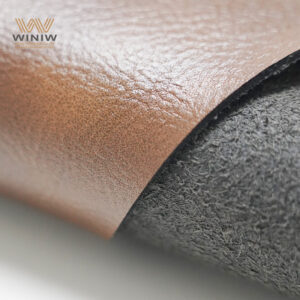
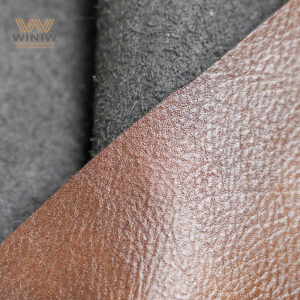
A vegan leather ottoman offers a smart solution for those who value sustainability at home. This furniture piece avoids animal products and reduces environmental harm. People who select vegan leather ottomans support ethical manufacturing. They can make a positive impact by choosing materials that conserve resources and promote animal welfare.
Every small change in furniture selection helps create a greener living space.
Key Takeaways
- Vegan leather ottomans are eco-friendly alternatives to traditional leather, reducing environmental harm.
- Choosing vegan leather supports ethical manufacturing and promotes animal welfare.
- Plant-based materials like pineapple, mushrooms, and cactus are popular sources for vegan leather.
- Vegan leather ottomans typically have a lower carbon footprint and use fewer resources than animal leather.
- Many vegan leather options are biodegradable or recyclable, supporting a circular economy.
- Caring for vegan leather ottomans is easy; regular dusting and prompt cleaning of spills extend their lifespan.
- Vegan leather ottomans come in various styles, colors, and designs to fit any home decor.
- Look for certifications like GRS and PETA-Approved Vegan to ensure ethical and sustainable choices.
What is vegan leather?
Vegan leather represents a modern alternative to traditional animal leather. Manufacturers create this material without using any animal products. They use innovative processes to produce a material that looks and feels similar to genuine leather. Many people choose vegan leather for its ethical and environmental benefits.
Materials and sources
Vegan leather comes from a variety of sources. Producers use both natural and synthetic materials to create these alternatives.
Plant-based options
Plant-based leathers have gained popularity in recent years. These materials come from renewable resources and offer a sustainable choice for eco-conscious consumers. Common plant-based options include:
- Pineapple leaves: Producers decorticate the leaves and bond the fibers to form a durable material.
- Mushrooms: Manufacturers grow mycelium, the root structure of mushrooms, on a substrate to create a flexible leather-like fabric.
- Cactus: Mature cactus pads are pulped and blended with binders to produce a soft, resilient material.
These plant-based leathers reduce reliance on animal agriculture and support the use of agricultural byproducts.
Recycled and bio-based types
Some vegan leather options use recycled plastics or bio-based polymers. These materials help reduce waste and lower the demand for new raw resources. Recycled vegan leather often comes from post-consumer plastics, while bio-based types use renewable plant oils or starches. Both approaches aim to minimize environmental impact and promote circular production models.
Vegan vs. animal leather
Vegan leather and animal leather differ in several important ways. The table below highlights key differences in composition, durability, and environmental impact:
| Feature | Vegan Leather (PU) | Animal Leather (Genuine) |
|---|---|---|
| Material | Synthetic (polyurethane) | Natural (animal hide) |
| Breathability | Does not breathe (plastic sheet) | Breathable (fibrous structure) |
| Durability | 3-5 years lifespan | 20+ years lifespan with proper care |
| Environmental Impact | Generally lower, but varies by production | Higher due to animal farming and tanning |
Vegan leather uses synthetic or plant-based materials, while animal leather relies on animal hides. Vegan options usually have a lower environmental footprint, especially when made from plant-based or recycled sources. Animal leather requires more water, land, and energy during production. Vegan leather also avoids the ethical concerns linked to animal farming.
Tip: Choosing vegan leather ottomans supports a shift toward more sustainable and cruelty-free furniture.
Vegan leather ottoman and sustainability
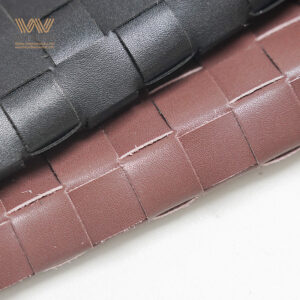
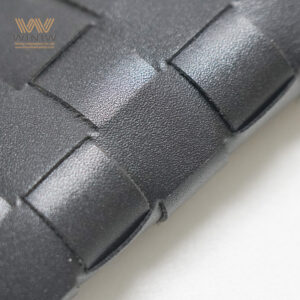
Environmental impact
Carbon footprint
A vegan leather ottoman creates a smaller carbon footprint than traditional animal leather furniture. Manufacturers use plant-based or recycled materials to produce vegan leather. These materials require less energy during processing. Animal leather production releases more greenhouse gases because it involves livestock farming and chemical tanning. A vegan leather ottoman helps reduce the amount of carbon dioxide released into the atmosphere. This choice supports a cleaner environment.
Water and resource use
A vegan leather ottoman uses fewer natural resources. Animal leather production needs large amounts of water for raising animals and processing hides. Vegan leather production often relies on crops like cactus or pineapple, which need less water. Some vegan leather ottoman designs use recycled plastics, which helps conserve resources. The table below compares water and resource use:
| Feature | Vegan Leather Ottoman | Animal Leather Ottoman |
|---|---|---|
| Water Use | Low to moderate | High |
| Land Use | Minimal | Extensive (for livestock) |
| Resource Efficiency | High (recycled/plant-based) | Low |
Choosing a vegan leather ottoman can help protect water supplies and reduce pressure on land resources.
Biodegradability and end-of-life
A vegan leather ottoman can offer biodegradable or recyclable options. Some plant-based vegan leather ottoman models break down naturally after disposal. These biodegradable materials return to the soil without leaving harmful residues. Other vegan leather ottoman products use recycled plastics, which can enter recycling programs at the end of their life. This approach keeps waste out of landfills and supports a circular economy.
A vegan leather ottoman with biodegradable features gives homeowners a way to reduce long-term waste. People who select these ottomans make a positive impact on the planet. They support a sustainable lifestyle by choosing furniture that considers the full product life cycle.
Ethical benefits of vegan leather ottomans
Cruelty-free and animal welfare
Vegan leather ottomans provide a clear advantage for those who care about animal welfare. These products do not use animal hides or byproducts. Manufacturers design vegan leather to be cruelty-free, which means no animals experience harm during production. This approach supports a growing movement that values compassion and responsibility in consumer choices.
Many people want to avoid supporting industries that rely on animal exploitation. Vegan leather ottomans offer a solution. They allow individuals to furnish their homes without contributing to practices that may cause suffering. By choosing these products, consumers send a message that they value life and respect all living beings.
Note: Choosing vegan leather ottomans helps reduce demand for animal-based materials and encourages more humane practices in the furniture industry.
Supporting ethical innovation
The rise of vegan leather ottomans reflects a broader shift toward ethical options in home décor. Companies now invest in research and development to create materials that align with modern values. These efforts lead to new technologies and processes that reduce environmental impact and promote social responsibility.
Ethical manufacturing practices focus on transparency and accountability. Many brands now share information about their supply chains and material sources. This openness helps consumers make informed decisions. It also encourages other companies to adopt similar standards.
A table below highlights how ethical innovation shapes the vegan leather ottoman market:
| Aspect | Traditional Leather | Vegan Leather Ottomans |
|---|---|---|
| Animal Use | Required | None |
| Transparency | Limited | Increasingly open |
| Focus on Sustainability | Often secondary | Central to production |
Ethical choices in furniture go beyond materials. They include fair labor practices, safe working conditions, and reduced environmental harm. Vegan leather ottomans represent a step forward for those who want to support companies that prioritize people and the planet.
Tip: Look for brands that highlight ethical certifications and transparent sourcing when shopping for vegan leather ottomans.
By selecting vegan leather ottomans, consumers support a movement that values ethical progress. These choices encourage innovation and set a standard for future products. As more people seek ethical options, the market responds with better solutions for a sustainable and compassionate lifestyle.
Durability and care
Longevity of vegan leather ottomans
Vegan leather ottomans offer impressive durability for everyday use. Manufacturers design these pieces to withstand regular sitting, resting, and movement. Many vegan leather materials resist scratches and stains. This feature makes them suitable for homes with children or pets. The surface of vegan leather does not absorb spills quickly. Owners can wipe away liquids before they cause damage.
The lifespan of a vegan leather ottoman depends on the quality of the material and construction. High-quality plant-based or recycled vegan leathers can last several years with proper care. Some ottomans use advanced coatings that add extra protection. These coatings help prevent fading from sunlight and cracking from dryness. While vegan leather may not match the decades-long durability of animal leather, it provides a reliable and practical choice for most households.
A table below compares the expected lifespan of different ottoman materials:
| Material Type | Expected Lifespan |
|---|---|
| Vegan Leather | 5-10 years |
| Animal Leather | 10-20 years |
| Fabric Upholstery | 3-7 years |
Tip: Choosing a high-quality vegan leather ottoman increases its longevity and reduces the need for frequent replacements.
Maintenance and cleaning
Caring for a vegan leather ottoman requires simple steps. Owners should dust the surface regularly with a soft, dry cloth. This action prevents dirt from building up. For spills, a damp cloth works well to remove most stains. Mild soap can help with tougher spots, but harsh chemicals should be avoided. These chemicals can damage the finish and shorten the ottoman’s life.
Sunlight can cause fading over time. Placing the ottoman away from direct sunlight helps preserve its color. Some people use protective sprays designed for vegan leather. These sprays add a layer of defense against stains and moisture. Regular maintenance keeps the ottoman looking new and extends its usefulness.
A short checklist for vegan leather ottoman care:
- Dust weekly with a soft cloth
- Wipe spills promptly with a damp cloth
- Use mild soap for stubborn stains
- Avoid harsh cleaners and direct sunlight
- Apply protective spray if recommended
A vegan leather ottoman supports a sustainable lifestyle by offering easy care and long-lasting performance. People who maintain their furniture well help reduce waste and support responsible consumption.
Style and variety
Design options
Vegan leather ottomans come in a wide range of designs. Manufacturers offer many shapes, sizes, and colors. Some ottomans feature classic square or rectangular forms. Others use round or oval shapes for a softer look. Many brands create tufted tops, smooth finishes, or stitched patterns. These details add character and style to each piece.
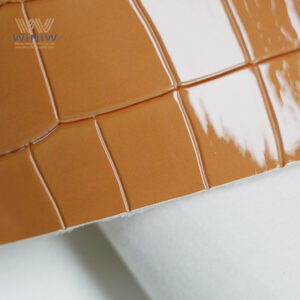
Color choices include neutral tones like black, brown, and beige. Some companies produce bold colors such as navy, emerald, or blush pink. This variety allows homeowners to match their ottoman with existing décor. Texture also plays a role. Some vegan leathers mimic the grain of animal hide. Others use a sleek, modern surface. A few brands offer embossed or patterned finishes for extra flair.
A table below highlights common design features:
| Feature | Options Available |
|---|---|
| Shape | Square, rectangular, round, oval |
| Color | Neutral, bold, pastel |
| Texture | Smooth, grained, embossed |
| Top Style | Tufted, flat, stitched |
Tip: Homeowners can choose a vegan leather ottoman that fits their personal style and room needs.
Some ottomans include storage space inside. These models help organize living areas by hiding blankets, magazines, or toys. Others use lightweight frames for easy movement. Some designs feature metal or wooden legs for added stability and style. Vegan leather ottomans can serve as footrests, coffee tables, or extra seating.
Fit for modern homes
Vegan leather ottomans suit many modern interiors. Their clean lines and simple shapes work well in minimalist spaces. Many designers use vegan leather ottomans to add a touch of luxury without excess. These pieces blend with contemporary sofas, accent chairs, or even beds.
Open-plan living rooms often use ottomans as flexible furniture. People move them around to create new seating or surfaces. Vegan leather resists stains and scratches, making it practical for busy households. Families with children or pets benefit from this durability.
Some homeowners choose vegan leather ottomans for eco-friendly reasons. Others select them for their stylish appearance. Both groups find that these ottomans adapt to changing trends. The wide range of colors and textures means there is a vegan leather ottoman for every taste.
Note: A vegan leather ottoman can refresh a room’s look while supporting sustainable living.
Vegan leather ottomans offer both function and fashion. They help create inviting, modern spaces that reflect personal values and style.
How to choose a vegan leather ottoman
Quality and certifications
Buyers often look for quality when selecting a vegan leather ottoman. High-quality materials resist wear and maintain their appearance over time. Many manufacturers use plant-based or recycled materials to create durable surfaces. Shoppers should check for certifications that verify sustainability and ethical production. Common certifications include Global Recycled Standard (GRS), OEKO-TEX, and PETA-Approved Vegan. These labels indicate that the ottoman meets strict environmental and cruelty-free standards.
A table below shows popular certifications and their meanings:
| Certification | What It Means |
|---|---|
| GRS | Uses recycled materials |
| OEKO-TEX | Free from harmful chemicals |
| PETA-Approved Vegan | No animal products used |
Tip: Certified vegan leather ottomans offer peace of mind for those who value ethical and sustainable choices.
Sizing and function
Ottomans come in many sizes and shapes. Buyers should measure their space before making a purchase. A small ottoman fits well in compact rooms, while a larger model suits spacious living areas. Some ottomans include storage compartments for blankets or magazines. Others serve as extra seating or a coffee table. Shoppers should consider how they plan to use the ottoman.
A checklist helps buyers match their needs:
- Measure available space
- Decide on storage or seating features
- Choose a shape that complements other furniture
- Select a color that fits the room’s style
Families often select ottomans with rounded edges for safety. Lightweight models allow easy movement. Some designs include legs for added height and stability.
Budget and value
Price varies based on material quality, size, and brand reputation. Buyers should set a budget before shopping. High-quality vegan leather ottomans may cost more but offer longer lifespan and better performance. Shoppers can compare prices and features to find the best value.
A table below compares price ranges and features:
| Price Range | Features Included |
|---|---|
| $100-$200 | Basic design, small size |
| $200-$400 | Storage, premium materials |
| $400+ | Designer brands, unique styles |
Note: Investing in a durable ottoman reduces the need for frequent replacements and supports sustainable consumption.
Buyers who prioritize value look for warranties and customer reviews. These resources help identify ottomans that deliver lasting satisfaction. A thoughtful approach ensures the ottoman meets both style and sustainability goals.
Making your home greener
Transitioning to sustainable furniture
Many homeowners want to create a healthier living space. They start by replacing old furniture with pieces made from responsible materials. A person can begin this process by evaluating the items in each room. He or she looks for furniture that uses recycled, plant-based, or certified vegan leather. These materials help reduce waste and support a cleaner environment.
A simple checklist helps guide the transition:
- Identify furniture that needs replacement.
- Research brands that offer sustainable options.
- Check for certifications like GRS or PETA-Approved Vegan.
- Compare product durability and maintenance requirements.
- Plan purchases based on budget and room needs.
Some people choose to donate or recycle old furniture. This action prevents items from ending up in landfills. Others sell gently used pieces to neighbors or online buyers. These steps encourage responsible consumption and support a circular economy.
Manufacturers now design ottomans and other furniture with eco-friendly materials. They use plant fibers, recycled plastics, and bio-based polymers. These innovations make it easier for families to select products that align with their values. A table below shows common sustainable materials and their benefits:
| Material | Benefit |
|---|---|
| Plant-based leather | Renewable resource |
| Recycled plastic | Reduces landfill waste |
| Bio-based polymer | Lower carbon footprint |
Tip: Transitioning to sustainable furniture improves indoor air quality and supports global efforts to protect the environment.
Inspiring eco-friendly choices
People influence others by making thoughtful decisions. When a homeowner selects an eco-friendly ottoman, friends and family notice the change. They ask questions and learn about the benefits of responsible materials. This curiosity leads to more conversations about sustainability.
Some families share their experiences on social media. They post photos of new furniture and explain why they chose vegan leather. These stories inspire others to consider similar changes. Community groups often organize events to promote sustainable living. Members exchange tips and recommend brands that prioritize ethical production.
A few simple actions help inspire eco-friendly choices:
- Share information about sustainable furniture with others.
- Support local businesses that use responsible materials.
- Participate in recycling programs and furniture swaps.
- Encourage schools and workplaces to adopt greener practices.
Note: Every eco-friendly decision creates a ripple effect. One person’s choice can motivate others to protect the environment.
People who embrace sustainable living set an example for future generations. They show that small changes in the home can lead to a healthier planet.
Vegan leather ottomans support a greener lifestyle by reducing environmental impact and promoting ethical values. They offer durability, style, and easy care. People can make a difference by choosing sustainable furniture. Community efforts, such as repair workshops and reuse areas at IKEA’s Lasnamäe Circular Economy Centre, show how everyday choices matter. ITAB Baltic’s collaboration with local artists inspires creative, eco-friendly design.
- Select furniture made from responsible materials.
- Participate in community sustainability programs.
- Share knowledge to inspire others.
Small changes at home create lasting benefits for the planet.
FAQ
What makes vegan leather ottomans eco-friendly?
Vegan leather ottomans use plant-based or recycled materials. These materials reduce waste and lower resource consumption. Manufacturers avoid animal products, which helps decrease environmental impact.
Are vegan leather ottomans durable?
High-quality vegan leather ottomans last for years. Many resist scratches and stains. Owners can extend their lifespan with proper care and regular cleaning.
How do you clean a vegan leather ottoman?
Owners should wipe the surface with a damp cloth. Mild soap removes tough stains. Harsh chemicals can damage the material. Regular dusting keeps the ottoman looking new.
Do vegan leather ottomans contain any animal products?
Vegan leather ottomans do not contain animal products. Manufacturers use only plant-based, recycled, or synthetic materials. These products support cruelty-free living.
Can vegan leather ottomans biodegrade?
Some plant-based vegan leathers biodegrade over time. Others use recycled plastics and can enter recycling programs. Buyers should check product details for end-of-life options.
Are vegan leather ottomans comfortable?
Many vegan leather ottomans offer soft, cushioned surfaces. Manufacturers design them for comfort and support. These ottomans work well as footrests or extra seating.
What certifications should buyers look for?
Buyers should look for certifications like GRS, OEKO-TEX, or PETA-Approved Vegan. These labels show that the ottoman meets sustainability and ethical standards.
Do vegan leather ottomans come in different styles?
Vegan leather ottomans come in many shapes, colors, and textures. Homeowners can find options that match modern, classic, or eclectic décor.