Catalog
Material Insight: What Are The Different Kinds Of Leather
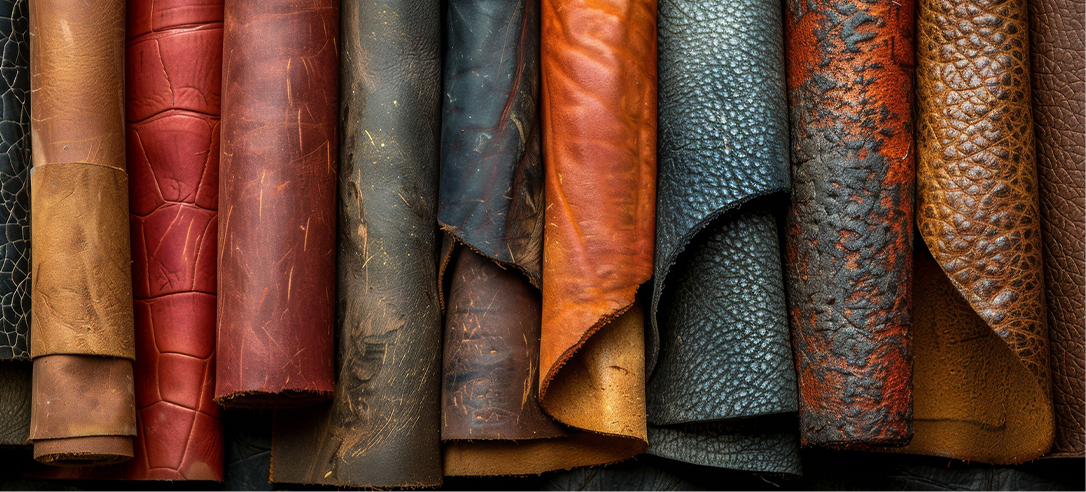
B2B Product Guide: Understanding Leather Types and the Advantages of Faux Leather
When selecting materials for commercial and industrial applications, understanding the different kinds of leather is essential for making informed, sustainable, and cost-effective decisions. Traditionally, leather is categorized into three primary types: genuine leather, bonded leather, and faux (synthetic) leather. Genuine leather, derived from animal hides, offers natural texture and durability but comes with environmental and ethical concerns. Bonded leather combines leather fibers with a polyurethane base, providing a lower-cost alternative but with reduced longevity and performance. Faux leather, engineered from high-performance synthetic materials such as polyurethane (PU) or polyvinyl chloride (PVC), delivers a cruelty-free, consistent, and customizable solution suitable for a broad range of industries.
Faux leather stands out as the best choice for modern B2B applications due to its versatility, sustainability, and performance consistency. Unlike natural leather, faux leather can be precisely engineered to meet specific requirements—offering uniform thickness, enhanced resistance to wear, UV exposure, and moisture, and a significantly reduced environmental footprint. It supports ethical sourcing standards and allows for scalable production without the variability associated with animal hides. For industries such as automotive interiors, furniture manufacturing, fashion accessories, and consumer electronics, these benefits translate into reliable supply chains, lower total cost of ownership, and alignment with corporate sustainability goals.
WINIW is a leading innovator in synthetic leather solutions with over 20 years of industry experience. Specializing in high-performance faux leather, WINIW combines advanced material science with eco-conscious manufacturing practices to deliver premium-quality products tailored for global B2B clients. Our R&D-driven approach ensures that every material we produce meets rigorous standards for durability, aesthetics, and environmental responsibility. From custom textures and colors to enhanced breathability and softness, WINIW’s synthetic leather solutions are designed to outperform traditional materials while supporting a more sustainable future.
Technical Performance & Standards
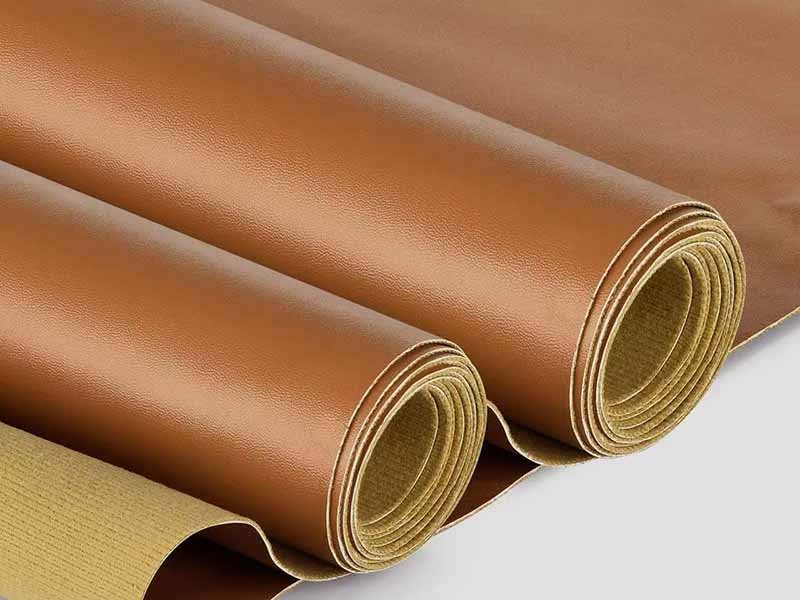
WINIW Synthetic Leather: Technical Advantages for Industrial Procurement
WINIW delivers high-performance synthetic leather engineered for demanding B2B applications, combining operational efficiency with uncompromised sustainability. Our materials eliminate the inconsistencies and ethical complexities of genuine leather while providing measurable technical and economic advantages for manufacturers in automotive, furniture, footwear, and technical textiles.
Core Technical Advantages
- Cost-Effective Lifecycle Value: Achieve 20-30% lower total cost of ownership versus premium genuine leather through consistent yield rates (>95%), reduced waste in cutting (optimized grain structure), and elimination of tanning chemical costs. No seasonal price volatility.
- Engineered Durability: Surface resistance tested to 20,000+ double-rub cycles (Martindale, ISO 12947), 3x industry baseline. Enhanced tear strength (≥45 N) and cold crack resistance (-30°C) ensure longevity in harsh environments. Hydrolysis-resistant formulations prevent degradation in humid climates.
- Precision Color Customization: Full Pantone® matching capability (within ΔE ≤1.0) with 99% batch-to-batch color consistency. UV-stable pigments maintain integrity through 500+ hours of xenon-arc weathering (ISO 105-B02), critical for outdoor and automotive interiors.
- REACH Title IV Compliance: Zero SVHCs (Substances of Very High Concern) and full traceability of all chemical inputs. Pre-certified for Annex XIV/Apollo list compliance, eliminating supply chain audit delays for EU market access.
- ISO 9001-Certified Consistency: Rigorous in-line spectrophotometric monitoring and automated thickness control (±0.05mm tolerance) guarantee uniform performance. Documented process validation reduces QC rejection rates by up to 40%.
Performance Specification Comparison
| Property | WINIW Standard | Industry Baseline | Advantage |
|---|---|---|---|
| Tensile Strength (MPa) | ≥25 | 18-22 | 35% higher load tolerance |
| Elongation at Break (%) | 280-320 | 200-250 | Enhanced flexibility for complex forming |
| Color Fastness (ISO 105-C06) | 4-5 | 3-4 | Minimal fading after 50 washes |
| Martindale Abrasion (cycles) | 20,000+ | 6,000-8,000 | Triple the wear life |
| VOC Emissions (mg/m²) | <10 | 50-200 | Exceeds LEED/Cradle to Cradle standards |
| Production Lead Time | 15-20 dias | 30-45 days | 50% faster time-to-market |
WINIW’s synthetic leather is engineered for manufacturers who require predictable performance, regulatory safety, and sustainable economics. Our closed-loop production system uses 70% less water than traditional tanning, with 100% traceable raw materials—delivering not just cost savings, but strategic risk mitigation in volatile supply chains. Partner with us to specify materials that meet exact technical thresholds while advancing ESG commitments.
Why Choose Synthetic over Real Leather
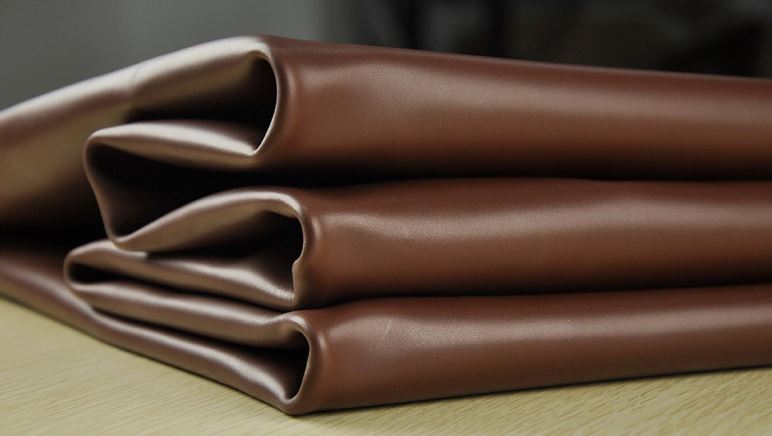
B2B Product Guide: Understanding Leather Alternatives vs. Real Leather
In the modern market, businesses across fashion, furniture, and accessories sectors face a critical decision when selecting materials: whether to use real leather or opt for alternative leather types. With increasing demand for sustainable and ethical materials, understanding the differences between real leather and its alternatives—particularly synthetic and bio-based leathers—is essential for informed sourcing and product development.
What Are the Different Kinds of Leather?
The term “leather” traditionally refers to animal hides that have undergone a tanning process. However, the market now includes several alternative materials marketed as “leather,” though they differ significantly in composition, performance, and impact.
- Real Leather: Made from animal hides (commonly cow, sheep, or goat), processed through tanning to preserve and strengthen the material. Known for its durability, breathability, and natural aesthetic.
- Synthetic Leather (PU Leather): Made from polyurethane applied to a fabric backing. Offers a leather-like appearance at a lower cost but lacks breathability and long-term durability.
- Couro PVC: An older form of synthetic leather made from polyvinyl chloride. Less flexible and less eco-friendly due to chlorine content and non-biodegradability.
- Couro de microfibra: A high-performance synthetic composed of ultra-fine fibers and polyurethane. Often used in automotive and luxury goods for its texture and strength.
- Plant-Based or Bio-Leather: Emerging materials made from sources like mushroom mycelium, pineapple leaves (Piñatex), or apple waste. Designed to reduce environmental impact while mimicking leather’s texture.
While these alternatives offer benefits in cost and sustainability, they vary widely in performance and lifecycle impact compared to real leather.
Comparative Analysis: Real Leather vs. Leather Alternatives
The following table compares real leather with common leather alternatives across three key metrics relevant to B2B buyers: cost, durability, and eco-friendliness.
| Material Type | Cost (Relative) | Durability (Lifespan) | Eco-Friendliness (Production & End-of-Life) |
|---|---|---|---|
| Real Leather | Elevado | 10–20+ years | Moderate: Uses animal byproducts; tanning can involve harmful chemicals (especially chrome tanning); biodegradable under proper conditions |
| Couro PU | Low to Medium | 2–5 years | Low: Petroleum-based; non-biodegradable; microplastic shedding |
| Couro PVC | Low | 1–3 years | Very Low: Contains chlorine; releases toxic byproducts; not recyclable or biodegradable |
| Couro de microfibra | Medium to High | 5–10 years | Low to Moderate: Durable and long-lasting but still plastic-based; limited recyclability |
| Plant-Based Leather | Elevado | 3–7 years (varies) | High: Biodegradable components; low environmental impact in production; scalability challenges remain |
Key Considerations for B2B Buyers
- Sustainability Goals: Brands committed to circularity and reduced carbon footprint may favor plant-based leathers despite higher costs and evolving performance standards.
- Product Lifecycle: Real leather excels in longevity, making it ideal for premium, long-wear products. Alternatives suit short-cycle or cost-sensitive applications.
- Ethical Sourcing: While real leather utilizes animal byproducts from the food industry, transparent sourcing and chrome-free tanning (e.g., vegetable tanning) can improve its ethical profile.
- Innovation in Synthetics: High-end microfiber and next-gen bio-leathers are closing the performance gap, offering viable alternatives for luxury and performance markets.
WINIW specializes in advanced synthetic leather solutions that balance performance, aesthetics, and environmental responsibility. Our PU and microfiber leathers are engineered for durability and reduced ecological impact, supporting B2B partners in meeting both market demands and sustainability targets.
WINIW Factory Capabilities
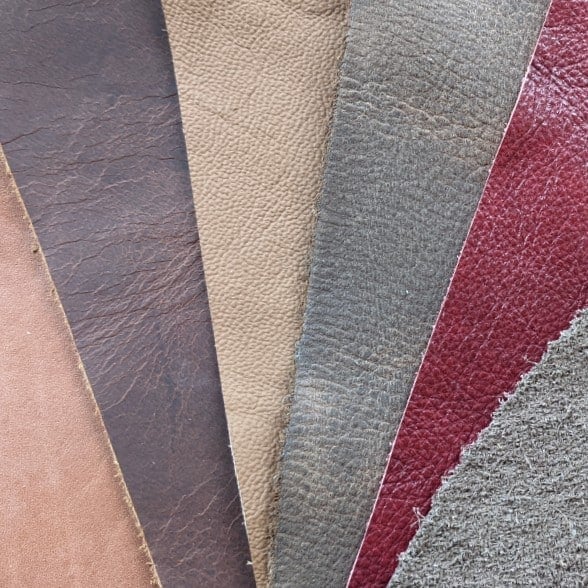
WINIW Synthetic Leather: Manufacturing Excellence for Global B2B Partners
WINIW stands as a strategic manufacturing partner for discerning brands seeking premium, sustainable synthetic leather solutions. Our vertically integrated production ecosystem, built on scale, innovation, and uncompromising quality, ensures reliable supply and technical excellence for demanding international markets.
Core Manufacturing Capabilities
- Industry-Leading Scale: Operate a state-of-the-art 100,000 sqm manufacturing facility – one of Asia’s largest dedicated synthetic leather production hubs – enabling high-volume output with agile lead times.
- Dedicated R&D Engine: A 50+ member technical team drives continuous innovation in material science, specializing in:
- Custom formulations for performance (abrasion resistance, hydrolysis stability)
- Eco-conscious material development (recycled content, water-based PU, PFC-free finishes)
- Rapid prototyping for client-specific aesthetic and functional requirements
- Audit-Ready Quality Control: Implement ISO 9001-certified processes with:
- 100% inline inspection at critical production stages
- Batch traceability from raw material to finished roll
- Third-party lab validation (SGS, Intertek) for global compliance
Global Compliance & Market Readiness
Our production rigor meets the strictest international standards, facilitating seamless market entry:
| Key Market | Primary Compliance Requirements | WINIW Assurance |
|---|---|---|
| European Union | REACH SVHC, OEKO-TEX® STANDARD 100, EN 14362 | Full material disclosure; annual chemical screening; certified eco-labels available |
| United States | CA Prop 65, CPSIA, FTC labeling | Proactive restricted substance list (RSL) management; detailed compliance documentation |
| Global Luxury/Performance | Brand-specific QMS, durability benchmarks | Co-developed testing protocols; dedicated quality liaison for tier-1 clients |
Why Partner with WINIW?
- Supply Chain Resilience: Dual production lines and strategic raw material partnerships ensure 99.2% on-time delivery performance.
- Sustainability Integration: 30%+ product portfolio features certified recycled content (GRS) or bio-based polymers, with full LCA reporting available.
- Market Acceleration: Leverage our EU/US regulatory expertise to reduce time-to-market by 25% versus new supplier onboarding.
WINIW transforms synthetic leather manufacturing from a procurement challenge into a competitive advantage. We deliver not just materials, but engineered solutions backed by industrial scale, scientific rigor, and an uncompromising commitment to environmental stewardship – ensuring your brand meets performance and sustainability goals in every global market.
Contact Us for Samples
WINIW Microfiber Leather – B2B Product Guide
WINIW is a leading innovator in high-performance synthetic leather solutions, serving global industries with sustainable, durable, and premium-quality microfiber materials. Our advanced manufacturing processes ensure consistency, versatility, and environmental responsibility—making WINIW the preferred choice for forward-thinking brands across furniture, automotive, apparel, footwear, and accessories.
Our microfiber leather replicates the look, feel, and performance of genuine leather while offering enhanced benefits such as improved abrasion resistance, easier maintenance, and reduced environmental impact. As part of our commitment to sustainability, all WINIW products are free from harmful substances and produced using eco-conscious methods.
Key Advantages of WINIW Microfiber Leather:
- Superior durability and wear resistance for long-term performance
- Consistent thickness and color across large production runs
- High breathability and soft hand feel for enhanced comfort
- Resistant to fading, cracking, and staining under regular use
- Lightweight construction ideal for automotive and footwear applications
- Available in custom textures, colors, and finishes to meet brand specifications
- REACH, OEKO-TEX®, and RoHS compliant—safe for people and the planet
Industry Applications:
- Automotive interiors (seats, dashboards, door panels)
- Furniture upholstery (sofas, chairs, office seating)
- Footwear (athletic, casual, and safety shoes)
- Fashion and accessories (handbags, wallets, belts)
- Electronics (cases, covers, wearable devices)
- Sports and outdoor equipment (gloves, luggage, protective gear)
We understand that selecting the right material is critical to your product’s success. To help you make an informed decision, we offer comprehensive support on material selection, customization, and compliance.
What Are the Different Kinds of Leather?
From full-grain and top-grain to bonded and synthetic leathers, the market offers a wide range of options—each with distinct characteristics and use cases. WINIW specializes in high-end microfiber leather, engineered to outperform traditional leather alternatives in strength, sustainability, and consistency.
Contact us today to explore the full spectrum of leather types and discover why microfiber is the future of responsible material innovation.
For product inquiries, technical specifications, or to request free samples, contact:
MKT88@MicrofiberLeather.com
Elevate your products with WINIW—where performance meets planet-friendly innovation.
💰 Leather Cost Savings Calculator
See how much you save by switching to WINIW Microfiber Leather.