Catalog
Material Insight: Leather Grading
B2B Product Guide: Understanding Leather Grading and the Advantages of Faux Leather
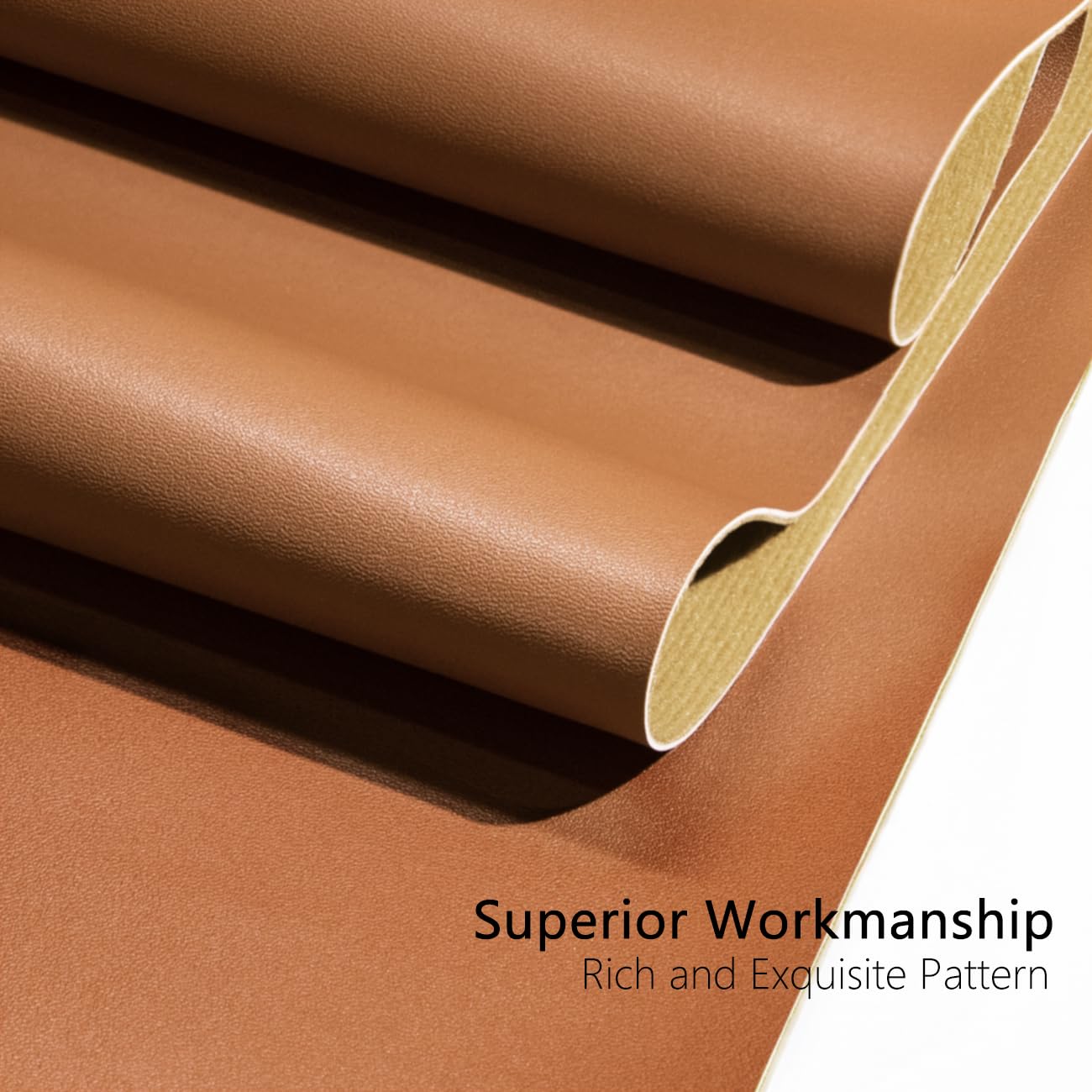
Leather grading is a standardized classification system used to evaluate the quality, durability, and aesthetic characteristics of leather materials. Traditionally applied to genuine leather, grading considers factors such as surface finish, grain consistency, thickness, and the presence of natural imperfections. However, in modern manufacturing and design—especially within industries prioritizing sustainability, consistency, and ethical production—the limitations of genuine leather have led to a shift toward high-performance alternatives. This is where faux leather, particularly premium engineered solutions, offers a superior and future-forward option.
Faux leather has evolved significantly over the past two decades, now delivering performance and aesthetics that rival—and in many cases surpass—natural leather. It provides uniform texture and color batch-to-batch, eliminating the inconsistencies inherent in animal hides. Additionally, faux leather is more sustainable, requiring less water and energy to produce, and avoids the environmental and ethical concerns associated with livestock farming and tanning processes. Its resistance to cracking, fading, and microbial growth makes it ideal for high-traffic commercial environments, including furniture, automotive interiors, and hospitality applications.
WINIW is a leading innovator in the development and production of high-quality synthetic leather solutions, with over 20 years of industry expertise. Specializing in microfiber and PU-based materials, WINIW combines advanced manufacturing techniques with eco-conscious practices to deliver durable, luxurious, and sustainable alternatives to genuine leather. Our products are engineered to meet rigorous international standards for performance, safety, and environmental impact, making WINIW a trusted partner for global brands across multiple sectors.
By choosing WINIW’s faux leather solutions, businesses gain access to:
– Consistent material quality with minimal waste
– Customizable textures, colors, and performance features
– Reduced environmental footprint without compromising aesthetics
– Long-term cost efficiency through enhanced durability and lower maintenance
As industries increasingly prioritize sustainability and supply chain reliability, WINIW stands at the forefront, redefining what synthetic leather can achieve.
Technical Performance & Standards
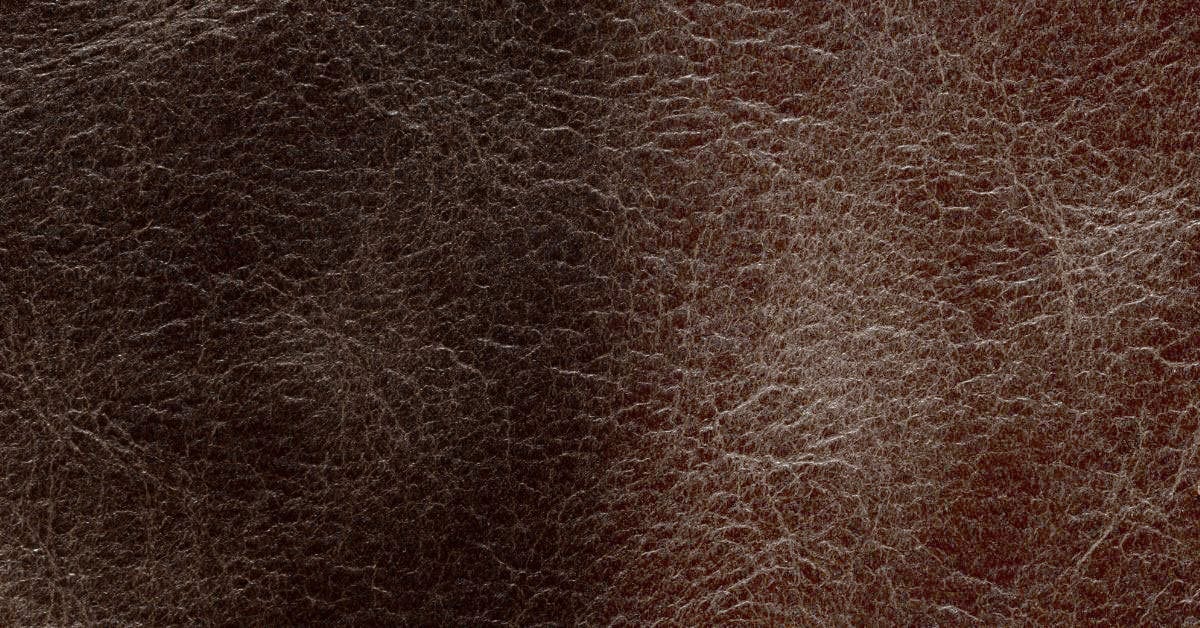
WINIW Synthetic Leather Grading System: Precision Engineering for B2B Excellence
WINIW’s proprietary “leather grading” system represents a scientific approach to synthetic leather classification, moving beyond subjective quality tiers. Our grading defines precise technical parameters for thickness, density, surface finish, and performance characteristics—ensuring consistent, application-specific material selection. This engineered standardization delivers measurable operational and sustainability advantages for manufacturers, upholsterers, and product designers seeking reliable, eco-conscious materials.
Technical Advantages of WINIW Grading
-
Cost-Effective Production Optimization:
Eliminates material waste through exact thickness tolerances (±0.1mm) and uniform roll yields. Predictable performance reduces prototyping iterations and production line downtime, lowering total cost of ownership by up to 18% versus ungraded synthetics. -
Engineered Durability for Longevity:
Grading integrates accelerated aging tests (500+ hours UV, 100k+ Martindale cycles) and abrasion resistance (Taber CS-10 wheels, 1000+ cycles) into baseline specs. Each grade is validated for specific end-use stressors—ensuring 3–5x longer product lifespan in automotive, furniture, and footwear applications. -
Precision Color Customization:
Leverages digital color matching (Pantone® certified) with batch-to-batch Delta E < 0.5 tolerance. Our grading system locks color consistency across 50,000+ linear meters, enabling brand-accurate large-scale production without retooling costs. -
Guaranteed REACH Compliance:
All graded materials undergo third-party screening for SVHCs (Substances of Very High Concern). WINIW’s grading documentation includes full chemical disclosure reports, ensuring zero use of restricted phthalates, azo dyes, or heavy metals—critical for EU/UK market access. -
ISO 9001-Integrated Quality Assurance:
Grading parameters are controlled via WINIW’s ISO 9001-certified production ecosystem. Real-time statistical process control (SPC) monitors 12+ critical variables per batch, guaranteeing spec adherence before material leaves our facility.
WINIW Grading Technical Specifications
| Parâmetro | Standard Grade (SG) | Performance Grade (PG) | Premium Grade (PX) | Testing Standard |
|---|---|---|---|---|
| Thickness Tolerance | ±0.15mm | ±0.10mm | ±0.05mm | ISO 2418 |
| Tensile Strength | ≥25 MPa | ≥35 MPa | ≥45 MPa | ISO 1798 |
| Martindale Abrasion | 50,000 cycles | 100,000 cycles | 200,000 cycles | ISO 12947-2 |
| Color Fastness (Light) | Grade 6 | Grade 7 | Grade 8 | ISO 105-B02 |
| REACH SVHC Compliance | Full Disclosure | Full Disclosure | Full Disclosure | EC 1907/2006 |
| Custom Color Range | 500+ options | 1,000+ options | Unlimited | Pantone® LTP/LTC |
| Minimum Order Quantity | 1,000m | 500m | 200m | — |
WINIW’s grading system transforms synthetic leather from a commodity into a precision-engineered component. By embedding cost control, durability metrics, color science, and regulatory assurance into every grade, we empower B2B partners to accelerate time-to-market while meeting global sustainability mandates. All materials are produced in ISO 14001-certified facilities using water-based, solvent-free processes—aligning performance with planetary responsibility.
WINIW: Engineered Innovation. Ethically Delivered.
Why Choose Synthetic over Real Leather
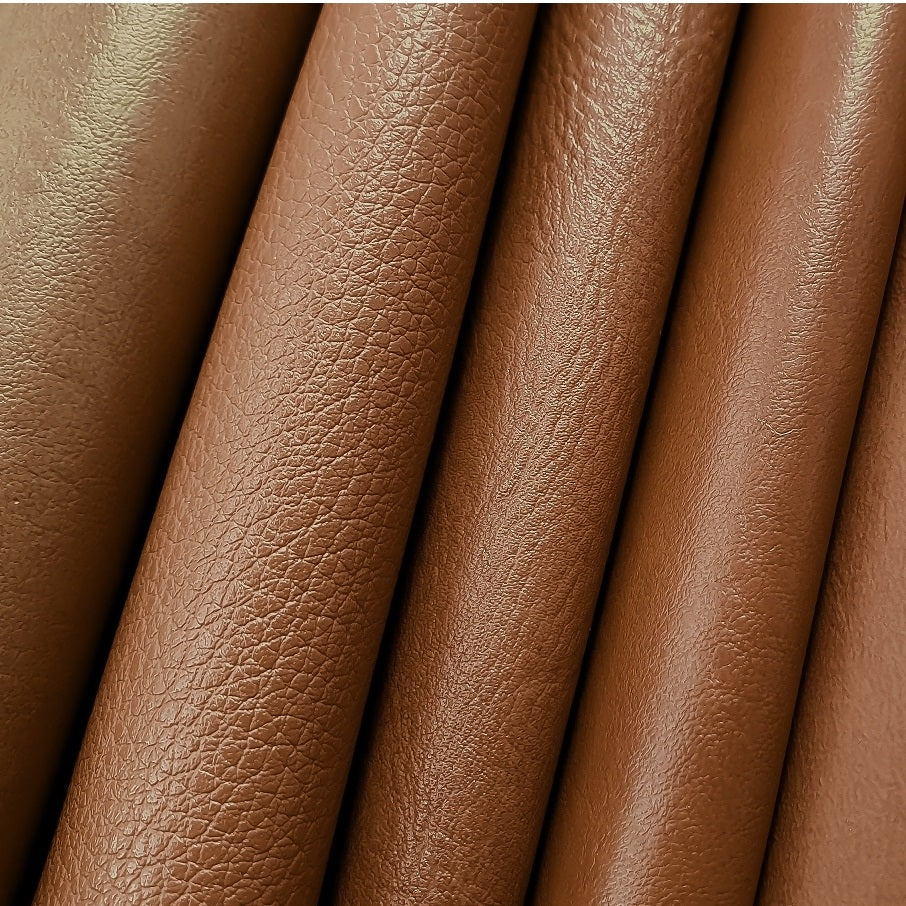
B2B Product Guide: Synthetic Leather vs Real Leather – A Professional Comparison
In the global materials market, both synthetic and real leather remain key choices for industries ranging from automotive and fashion to furniture and accessories. Understanding the differences in grading, performance, and sustainability is essential for informed procurement and product development decisions.
Leather Grading: Synthetic vs Real Leather
Real leather is derived from animal hides and undergoes extensive processing—including tanning and finishing—before it reaches the market. It is graded based on the quality of the hide, with common classifications such as:
- Full-Grain Leather: The highest quality, featuring the complete grain layer; durable and develops a natural patina.
- Top-Grain Leather: Sanded and refinished to remove imperfections; slightly less durable than full-grain.
- Genuine Leather: Made from the lower layers of the hide; often bonded and coated, offering lower durability.
- Bonded Leather: Composed of leather fibers bonded with polyurethane; lowest grade with limited longevity.
In contrast, synthetic leather—such as polyurethane (PU) or polyvinyl chloride (PVC) leather—does not rely on animal hides. Instead, it is engineered using textile backings laminated with polymer coatings. While synthetic leather is not “graded” in the same way as real leather, its quality is determined by:
- Coating thickness and uniformity
- Base fabric composition (e.g., polyester, cotton, or recycled fibers)
- Manufacturing process (e.g., wet-laid, dry-laid)
- Performance testing (abrasion resistance, tensile strength, color fastness)
WINIW’s advanced microfiber and PU synthetic leathers are engineered to mimic or exceed the performance of mid- to high-grade real leathers, with consistent quality and traceable production.
Comparative Analysis: Cost, Durability, and Eco-Friendliness
| Factor | Real Leather | Synthetic Leather (WINIW Standard) |
|---|---|---|
| Cost | High (raw material scarcity, labor-intensive processing) | Moderate to low (scalable production, stable input costs) |
| Durabilidade | High (especially full-grain); ages well but susceptible to moisture and UV damage | High (resistant to cracking, fading, and staining; performance-tunable) |
| Eco-Friendliness | Moderate to low (high water/energy use, chemical runoff, byproduct waste) | High (especially with water-based PU, recycled backings, low-VOC emissions) |
Key Advantages of Synthetic Leather for B2B Applications
- Consistent appearance and performance across batches
- Customizable textures, colors, and functional properties (e.g., antimicrobial, flame-retardant)
- Reduced environmental footprint when using eco-conscious manufacturing
- Animal-free and cruelty-free—aligns with global ESG and vegan product standards
- Lower long-term maintenance costs in commercial settings
As sustainability and supply chain transparency become central to brand value, synthetic leather offers a responsible, high-performance alternative without compromising on aesthetics or durability. WINIW’s eco-engineered solutions support forward-thinking manufacturers in meeting both regulatory demands and consumer expectations.
WINIW Factory Capabilities
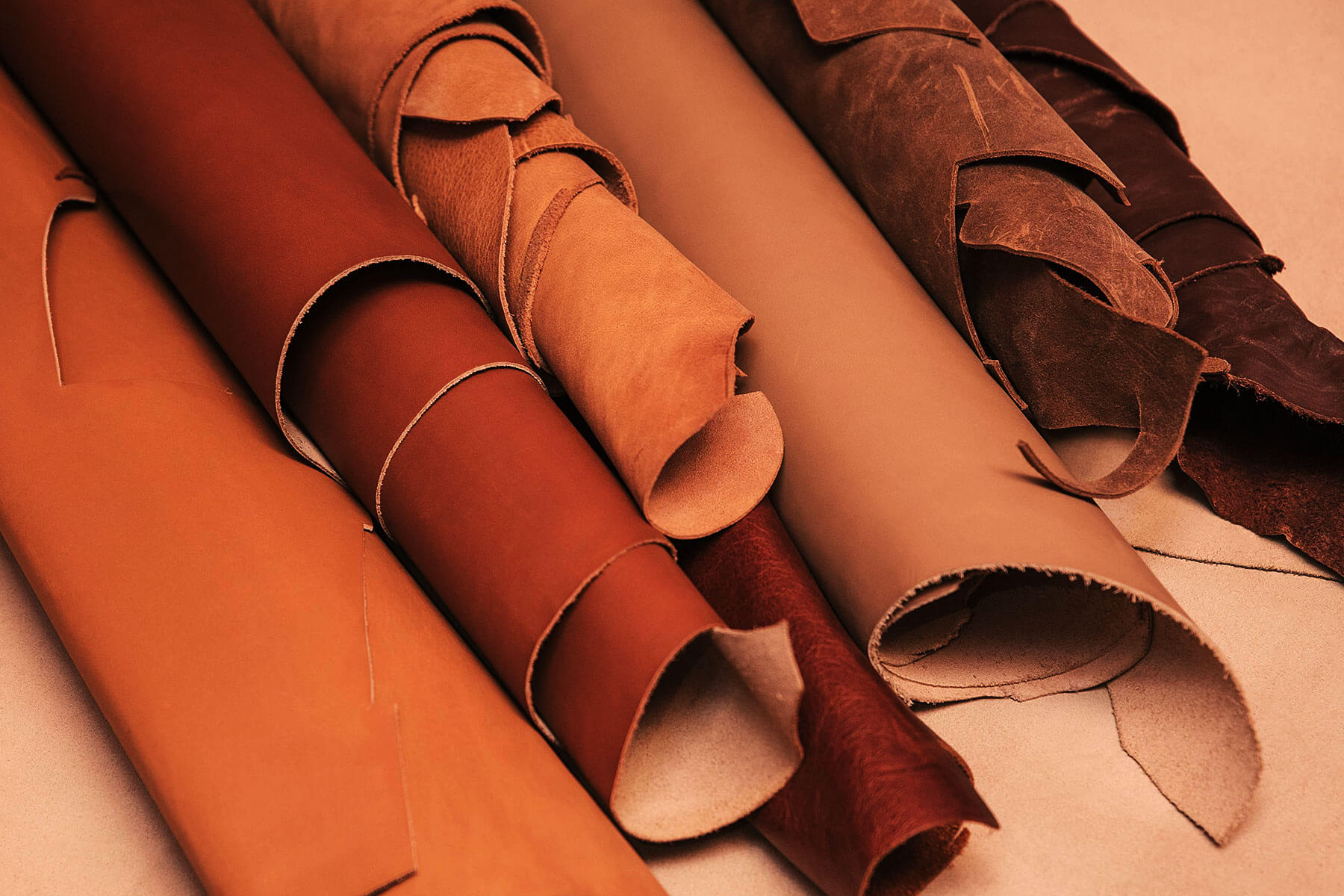
WINIW Synthetic Leather: Engineered for Global B2B Excellence
WINIW stands as a leading manufacturer of high-performance synthetic leather, engineered to meet the stringent demands of global brands in fashion, automotive, and furniture sectors. Our vertically integrated manufacturing ecosystem delivers unmatched consistency, innovation, and reliability for discerning B2B partners.
Core Factory Strengths
- 100,000 sqm Advanced Manufacturing Campus: A fully integrated facility in China dedicated to end-to-end production, from polymer formulation to finished roll goods. This scale ensures agile capacity for large-volume contracts while maintaining precise lead times for international clients.
- Dedicated R&D Innovation Hub: A 50+ member technical team continuously advances material science, focusing on eco-conscious formulations (water-based PU, recycled content), enhanced durability, and bespoke aesthetics. Over 30 patents underpin our sustainable technology pipeline.
- Strict ISO-Certified Quality Control: Multi-stage QC protocols enforced at every production phase, including:
- Raw material traceability and chemical compliance (REACH, CPSIA, OEKO-TEX®)
- Real-time performance testing for abrasion, colorfastness, and tensile strength
- Final audit against AQL 1.0 standards for defect-free shipments
Global Market Validation
WINIW products are trusted by Tier-1 suppliers across Europe and North America, with 70% of annual output exported to these regions. Our adherence to:
– EU Ecolabel and U.S. EPA guidelines
– Carbon footprint reduction initiatives (solar-powered production lines)
– Full documentation for customs and sustainability reporting
ensures seamless integration into global supply chains. Partner with WINIW for synthetic leather that balances ecological responsibility with uncompromising performance.
Contact Us for Samples
WINIW B2B Product Guide: Premium Synthetic Microfiber Leather Solutions
WINIW is a leading innovator in high-performance synthetic microfiber leather, delivering sustainable, durable, and customizable materials for global B2B clients across industries including automotive, furniture, footwear, and luxury accessories. Engineered to surpass traditional leather in both performance and environmental impact, WINIW microfiber leather offers a responsible alternative without compromising on quality or aesthetics.
Our advanced manufacturing process ensures consistent thickness, superior tensile strength, and exceptional abrasion resistance. Designed for high-volume production and precision applications, WINIW materials support eco-conscious supply chains with reduced water usage, zero animal sourcing, and compliance with global environmental standards.
Key Advantages of WINIW Microfiber Leather:
- Exceptional durability with high tear and abrasion resistance for long product life cycles
- Consistent thickness and color across large production batches for seamless integration
- Customizable textures, finishes, and colors to meet specific brand and design requirements
- Breathable, lightweight structures ideal for performance footwear and automotive interiors
- Eco-friendly production with recyclable backings and low-VOC emissions
- REACH, RoHS, and OEKO-TEX® compliant for global market readiness
Industry Applications:
- Automotive: Seat covers, dashboards, door panels, and steering wheel wraps
- Furniture: Upholstery for residential, commercial, and hospitality environments
- Footwear: Upper materials for athletic, casual, and safety shoes
- Accessories: Handbags, wallets, watch straps, and luggage
- Electronics: Protective cases and smart device covers
Technical Performance Overview (Typical Values):
| Property | Test Method | Typical Value |
|---|---|---|
| Tensile Strength | ASTM D6824 | ≥ 30 N/cm |
| Tear Resistance | ASTM D6824 | ≥ 45 N |
| Abrasion Resistance | DIN 53352 | ≥ 50,000 cycles (Martindale) |
| Thickness Tolerance | ISO 2417 | ±0.1 mm |
| Color Fastness (Rubbing) | AATCC 8 | Grade 4–5 |
| VOC Emissions | ISO 12219-2 | < 10 µg/g (low emission) |
Leather Grading System
WINIW offers a transparent leather grading framework to help partners select the optimal material for their application:
- Grade A (Premium): Highest durability and aesthetic precision; ideal for luxury automotive and high-end furniture
- Grade B (Commercial): Balanced performance for mid-to-high volume production in footwear and seating
- Grade C (Economy): Cost-effective solution for non-critical wear areas and short lifecycle products
Each grade is available in multiple backings (PU, PET, TPU) and can be customized for flame retardancy, antimicrobial properties, or water resistance.
Request Your Free Sample Kit Today
Experience the quality and versatility of WINIW microfiber leather firsthand. We offer free sample kits tailored to your industry and application needs.
Call to Action:
Contact us to request your leather grading guide and free material samples:
MKT88@MicrofiberLeather.com
WINIW – Engineering Sustainable Performance, One Fiber at a Time.
💰 Leather Cost Savings Calculator
See how much you save by switching to WINIW Microfiber Leather.