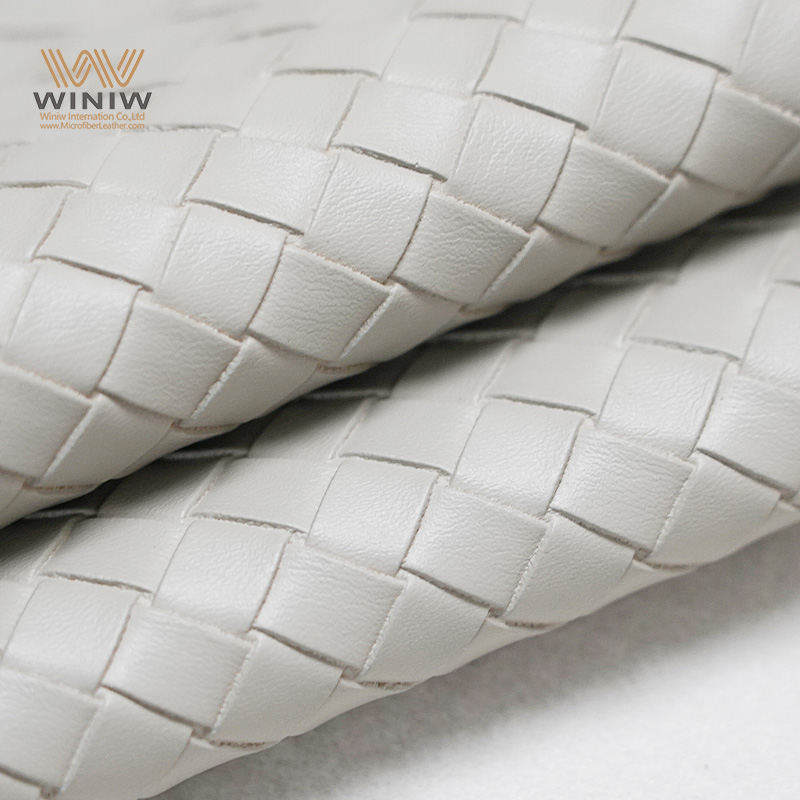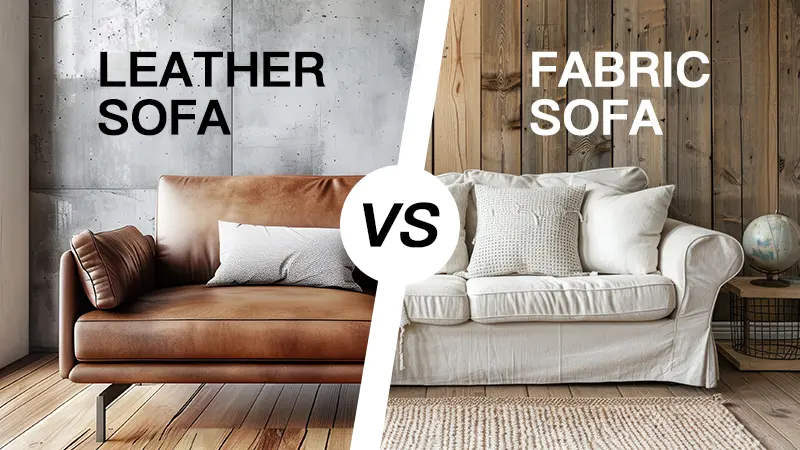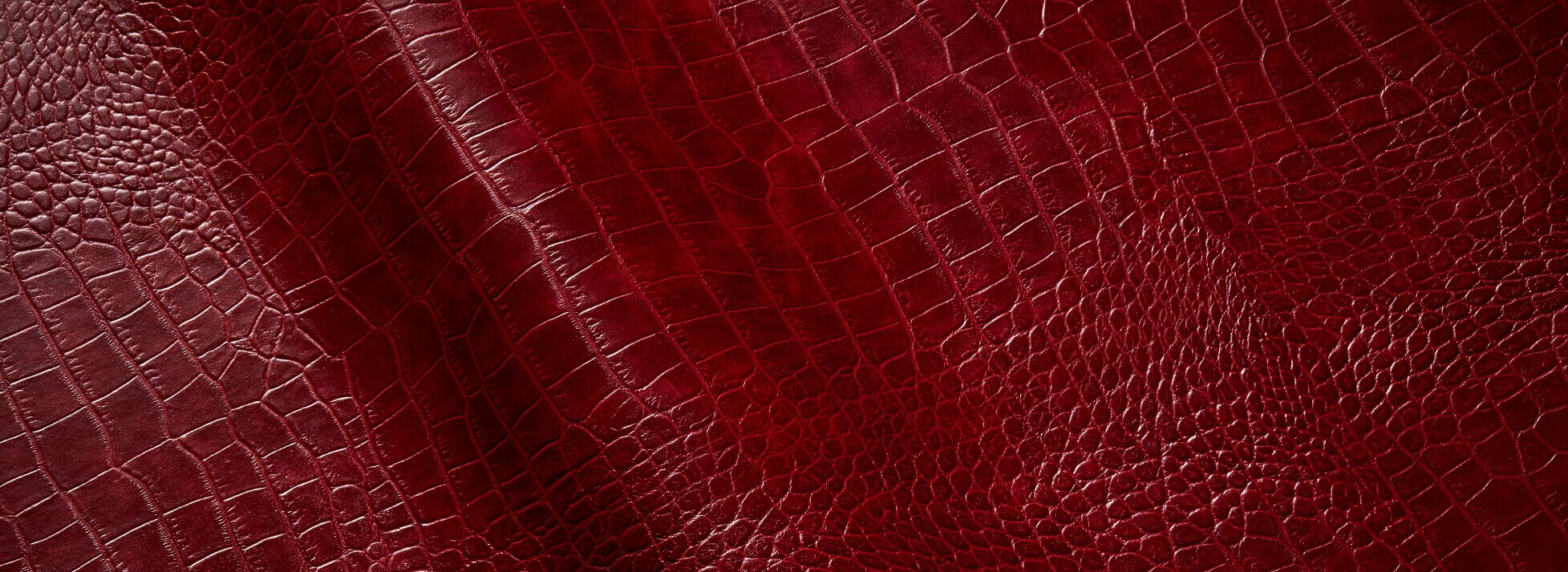

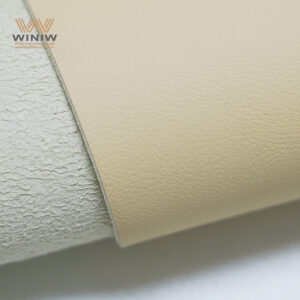

When I examine Polyurethane Leather Vegan, I see both promise and challenges for the environment. The global market size reached USD 1.5 billion in 2024, with forecasts showing strong growth due to rising demand for sustainable products. I notice concerns about sustainability, especially with emissions and microplastic pollution. Recent market trends favor water-based and solvent-free polyurethane, which reduce hazardous air pollutants and support healthier indoor environments. I encourage you to compare the entire lifecycle of this material with animal and other vegan leathers.
| Environmental Concern | Descrição |
|---|---|
| Sustainability Issues | Production using urethane resin raises concerns about environmental sustainability. |
| Need for Eco-friendly Alternatives | Demand grows for eco-friendly alternatives and production processes. |
Key Takeaways
- Polyurethane vegan leather offers a cruelty-free alternative to animal leather, but it raises concerns about sustainability and microplastic pollution.
- Look for brands that use water-based or solvent-free polyurethane to reduce harmful emissions and support healthier environments.
- Consider the entire lifecycle of materials when choosing between polyurethane vegan leather and animal leather, as both have significant environmental impacts.
- Research plant-based alternatives like Piñatex and Mylo, which may offer lower carbon footprints and reduce reliance on fossil fuels.
- Stay informed about the environmental claims of vegan leather products, as not all options are equally eco-friendly or biodegradable.


What Is Polyurethane Leather Vegan
How Polyurethane Vegan Leather Is Made
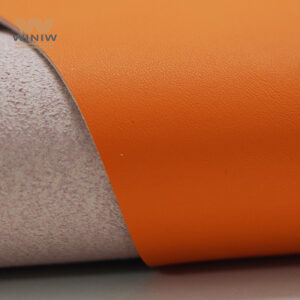
I often see confusion about how manufacturers create polyurethane leather vegan. The process starts with a plastic base, usually polyurethane, which is then coated to mimic the look and feel of animal leather. Manufacturers use several types of materials to achieve this effect.
- PU leather (polyurethane)
- PVC leather (polyvinyl chloride)
- Microfiber-based PU blends
These materials combine a synthetic base with a surface treatment that gives the final product its texture and appearance. I notice that the chemical composition of polyurethane leather vegan differs from traditional polyurethane because it focuses on replicating leather’s flexibility and durability. Water-based and solvent-free methods have become more popular, reducing harmful emissions during production. This shift reflects the industry’s commitment to safer and more sustainable practices.
Key Features and Uses
Polyurethane leather vegan stands out for its versatility and performance. I find that it offers a lightweight feel, resistance to water, and a smooth finish. Many brands choose this material because it provides a cruelty-free alternative to animal leather. The durability and ease of cleaning make it suitable for a wide range of products. I see its use expanding in both fashion and industrial sectors.
| Aplicação | Industry |
|---|---|
| Footwear | Fashion |
| Apparel | Fashion |
| Bags | Fashion |
| Furniture | Furniture |
| Automotive | Automotive |
I often recommend polyurethane leather vegan for consumers who want style and sustainability. Its adaptability allows designers to create products that meet modern demands. I believe that ongoing innovations will continue to improve its environmental profile and expand its uses. Polyurethane leather vegan remains a leading choice for those seeking ethical and practical solutions.
Environmental Impact of Polyurethane Vegan Leather


Production and Resource Use
I see the production of polyurethane vegan leather as a process that demands careful consideration of environmental factors. Manufacturers rely on petrochemical resources to create polyurethane, which means the industry depends on fossil fuels. This reliance raises questions about sustainability and resource depletion. Water-based and solvent-free polyurethane methods have gained popularity in recent years. These innovations reduce the use of hazardous chemicals and lower the risk of environmental contamination. I notice that the shift toward eco-friendly production aligns with consumer demand for sustainable materials. Regulatory policies play a crucial role in shaping these practices. They enforce environmental compliance and chemical safety standards, motivating manufacturers to adopt greener methods. I believe that ongoing improvements in resource management will help minimize the environmental footprint of polyurethane vegan leather.
Emissions and VOC Regulations
I pay close attention to emissions during the manufacturing process. Traditional polyurethane production often releases volatile organic compounds (VOCs), which contribute to air pollution and pose health risks. Stricter global policies against VOC emissions have changed the landscape. Manufacturers now adopt solvent-free formulations and dry-processing techniques, which emit fewer pollutants. Governments and environmental agencies continue to tighten regulations on VOCs, compelling the industry to shift toward more sustainable production methods. These regulatory shifts influence the adoption of cleaner technologies and support market expansion for eco-friendly polyurethane vegan leather. I see this trend as a positive step for environmental protection and public health.
Tip: When shopping for vegan leather products, I recommend looking for brands that highlight water-based or solvent-free polyurethane. These options often reflect a commitment to reducing environmental impact.
Microplastics and Waste
I recognize that polyurethane vegan leather contributes to plastic pollution, especially in aquatic environments. The material is non-biodegradable, which means it persists in ecosystems for many years. As products wear down, they release microplastics into soil and water. This long-term accumulation poses a threat to both terrestrial and aquatic systems. I have seen studies that link synthetic vegan leather substitutes to significant microplastic pollution. The environmental consequences extend beyond visible waste, affecting wildlife and food chains. I believe that addressing plastic pollution requires innovation in material science and responsible disposal practices. The industry must continue to explore biodegradable alternatives and recycling solutions to reduce environmental hazards.
| Environmental Issue | Impact on Polyurethane Vegan Leather |
|---|---|
| Resource Use | Relies on fossil fuels |
| VOC Emissions | Air pollution, health risks |
| Microplastic Pollution | Long-term ecosystem accumulation |
| Waste Management | Non-biodegradable, landfill burden |
I view the environmental impact of polyurethane vegan leather as a complex challenge. The industry has made progress with water-based and solvent-free technologies, but plastic pollution and waste remain significant concerns. I encourage ongoing collaboration between manufacturers, regulators, and consumers to drive further improvements.
Polyurethane Leather Vegan vs. Animal Leather

Production Footprint
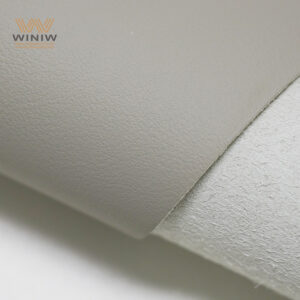
I often compare the environmental footprint of polyurethane vegan leather and animal leather. Polyurethane vegan leather relies on petrochemical resources, which means manufacturers use fossil fuels during production. This process consumes energy and generates greenhouse gas emissions. Animal leather production involves raising livestock, which requires land, water, and feed. Tanning animal hides uses chemicals that can pollute water sources. I see that both materials have significant impacts, but the sources differ. Polyurethane vegan leather avoids the ethical concerns of animal farming, yet it depends on non-renewable resources. Animal leather production creates methane emissions and contributes to deforestation. I recommend considering the entire supply chain when evaluating sustainability.
| Material | Main Resource Use | Key Environmental Impact |
|---|---|---|
| Polyurethane Vegan Leather | Fossil fuels | Greenhouse gas emissions |
| Animal Leather | Land, water, livestock | Methane, chemical pollution |
Durability and Use
I notice that durability plays a major role in material selection. Polyurethane vegan leather offers a cruelty-free alternative, but its lifespan is shorter than animal leather. In my experience, animal leather products last for decades with proper care. Polyurethane vegan leather typically lasts between 2-5 years before showing signs of wear. The strong collagen fiber structure in animal leather gives it superior durability. Synthetic materials like PU or PVC lack this structure, so they degrade faster.
- Polyurethane vegan leather usually lasts 2-5 years.
- Animal leather can last for decades with regular maintenance.
- Collagen fibers in animal leather provide strength and longevity.
- Synthetic vegan leather degrades more quickly due to its composition.
I advise consumers to weigh longevity against ethical and environmental priorities when choosing between these materials.
End-of-Life Impact
I pay close attention to what happens when products reach the end of their useful life. Polyurethane vegan leather does not biodegrade, so it often ends up in landfills. Over time, it releases microplastics into the environment. Animal leather, while also slow to break down, can decompose under certain conditions. However, the chemicals used in tanning animal hides may leach into soil and water. I believe that recycling options for both materials remain limited. I encourage manufacturers to develop better end-of-life solutions, such as recycling programs or biodegradable alternatives.
Tip: I recommend checking for brands that offer take-back or recycling programs for leather goods. These initiatives help reduce landfill waste and support a circular economy.

Polyurethane Leather Vegan vs. Other Vegan Leather
PU vs. PVC Leather
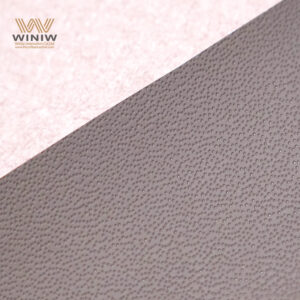
When I compare polyurethane (PU) vegan leather to polyvinyl chloride (PVC) leather, I see clear differences in both environmental and performance aspects. PU leather uses polyurethane as its main component, while PVC leather relies on polyvinyl chloride. I notice that PU leather usually feels softer and more flexible. PVC leather often feels stiffer and less breathable.
From an environmental perspective, I find that PU leather has a lower impact than PVC. The production of PVC releases more hazardous chemicals, including dioxins and phthalates. These substances can harm both workers and the environment. PU leather, especially when made with water-based or solvent-free methods, produces fewer toxic emissions.
| Feature | Couro PU | Couro PVC |
|---|---|---|
| Main Material | Polyurethane | Polyvinyl Chloride |
| Flexibility | Elevado | Moderate |
| Respirabilidade | Good | Poor |
| Environmental Impact | Lower (with eco methods) | Higher (toxic byproducts) |
Note: I recommend choosing PU leather over PVC when possible. PU offers better comfort and a smaller environmental footprint.
Plant-Based and Next-Gen Alternatives
I see a growing interest in plant-based and next-generation vegan leathers. These materials use renewable resources like pineapple leaves, apple peels, mushrooms, or cactus fibers. I have tested products made from Piñatex (pineapple), Mylo (mushroom), and Desserto (cactus). They often provide a unique texture and a lower carbon footprint.
Plant-based leathers usually avoid fossil fuels and reduce microplastic pollution. Many brands now invest in these alternatives to meet consumer demand for sustainability. However, I notice that some plant-based leathers still use a thin PU coating for durability. This means they are not always fully biodegradable.
- Piñatex: Made from pineapple leaf fibers
- Mylo: Created from mycelium (mushroom roots)
- Desserto: Uses cactus fibers
I encourage readers to research the composition of plant-based leathers. Look for certifications and transparency from brands. I believe these next-gen materials represent a promising step toward a more sustainable future.
Environmental Hazards and Misconceptions
Is Vegan Leather Always Eco-Friendly?
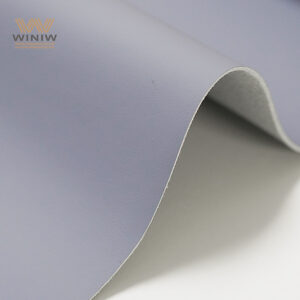
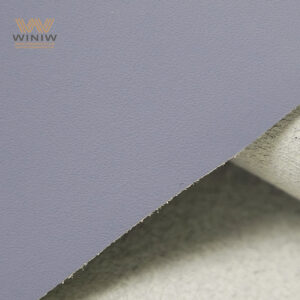
I often hear claims that couro vegan is always better for the environment. In my experience, this statement oversimplifies the issue. Polyurethane vegan leather avoids animal farming, which reduces methane emissions and land use. However, I see that environmental hazards still exist. Manufacturers use toxic chemicals during production. These chemicals can pollute water and air if not managed properly. Some brands use water-based processes to lower the risk, but hazards remain in the supply chain.
I compared vegan leather and animal leather using recent research. The table below shows key features:
| Feature | Couro vegan | Animal Leather |
|---|---|---|
| Carbon Footprint | Reduced by up to 13-fold | Higher carbon emissions |
| Biodegradability | Fully soil-degradable | Not biodegradable |
| Water Resistance | Comparable to animal leather | Varies |
| Aesthetic and Tactile Feel | Replicates natural leather properties | Natural leather characteristics |
I notice that vegan leather can offer a lower carbon footprint and better biodegradability. Still, environmental hazards from chemicals and toxic chemicals in production cannot be ignored. I advise consumers to look beyond marketing claims and consider the full lifecycle of each material.
Note: I recommend checking for certifications that verify reduced use of toxic chemicals and responsible manufacturing practices.
Biodegradability and Microplastic Myths
Many people believe that all vegan leathers break down naturally. I find this misconception common among shoppers. Polyurethane vegan leather does not biodegrade easily. It can persist in landfills for decades. As products wear out, they release microplastics into the environment. These microplastics create environmental hazards for wildlife and water systems.
I see confusion about the role of chemicals in vegan leather. Some brands claim their products are biodegradable, but they still use toxic chemicals for durability and color. These chemicals can slow down decomposition and add hazards to soil and water. I encourage readers to research the actual biodegradability of each product. Not all vegan leathers are created equal.
- Polyurethane vegan leather resists natural breakdown.
- Microplastics from synthetic fibers accumulate in ecosystems.
- Toxic chemicals in coatings and dyes increase environmental hazards.
I believe that understanding the true impact of chemicals and toxic chemicals helps consumers make informed choices. I urge manufacturers to develop safer alternatives and improve transparency about environmental hazards.

Sustainable Innovations and Challenges
Advances in Eco-Friendly PU
I have seen the market for sustainable faux leather grow rapidly. The vegan footwear sector, which relies heavily on eco-friendly polyurethane, is projected to expand at a CAGR of 10.7% from 2025 to 2032. This growth reflects a strong demand for sustainable alternatives to traditional leather. Manufacturers now invest in new technologies to make faux leather more sustainable and less toxic.
Some of the most exciting advances include:
- Drothane Bio-Polyols, which use castor oil as a base, help reduce toxic emissions and meet strict REACH standards.
- Polyethercarbonate polyols now use carbon dioxide in production, which lowers the carbon footprint and improves the properties of faux leather.
- Polyurethane nanoparticles have found use in biomaterials because of their excellent biocompatibility, making faux leather safer and more sustainable.
- Many companies focus on renewable inputs and water-based processes to create eco-friendly alternatives that avoid toxic solvents.
I also notice a shift toward AI integration and supply chain modernization. These changes help manufacturers produce sustainable faux leather more efficiently and with fewer toxic byproducts. Regions like Asia Pacific and North America lead the way in aligning production with sustainability goals.
Ongoing Environmental Concerns
Despite these advances, I still see several challenges in making faux leather truly sustainable. High production costs remain a barrier. Many sustainable alternatives cost more than traditional options, which limits their adoption. Raw materials for eco-friendly faux leather are not always available in large quantities, which can slow down market growth.
Continuous innovation is necessary to improve the quality and durability of sustainable faux leather. Some products still rely on toxic chemicals for color or strength, which undermines their eco-friendly claims. I believe the industry must address these toxic inputs to create a genuinely sustainable alternative.
Key challenges include:
- High costs of sustainable production
- Limited raw material supply for eco-friendly alternatives
- Ongoing need to eliminate toxic chemicals from the process
- Ensuring faux leather matches the durability of traditional materials
Note: I recommend that consumers look for brands that clearly state their commitment to sustainable and non-toxic production. This transparency helps drive the market toward safer and more responsible faux leather options.
I see polyurethane vegan leather as a material with both strengths and challenges. It offers durability and versatility, which explains why it holds over 57% of the synthetic leather market in 2024. However, I remain concerned about microplastic pollution and end-of-life waste. I recommend that consumers look for brands using water-based or bio-based PU. I always consider the full lifecycle before making a choice.
| Key Takeaway | Details |
|---|---|
| Market Growth | Artificial leather market will reach $115.39 billion by 2033. |
| Sustainability Trend | Eco-friendly materials drive adoption of bio-based synthetic leathers. |
FAQ
What makes vegan leather different from animal leather?
I see vegan leather as a synthetic material that avoids animal products. Manufacturers use polyurethane or recycled materials to create it. Vegan leather alternatives often use eco-friendly materials or natural materials like piñatex. These options help reduce the plastic pollution crisis and support healthier ecosystems.
Can vegan leather be recycled or reused?
I recommend choosing vegan leather made from recycled materials. Some brands offer take-back programs for recycled vegan leather. I have seen recycled vegan leather used in bags and shoes. Recycling helps reduce waste and supports a circular economy.
Is vegan leather biodegradable?
Most vegan leather does not break down naturally. I have found that some new products use plant-based fibers or claim to offer a biodegradable solution. However, many vegan leather items still contain hazardous additives, which slow decomposition and may harm the environment.
Are there eco-friendly materials used in vegan leather alternatives?
I notice brands now use eco-friendly materials like piñatex, cactus, and apple peels in vegan leather alternatives. These natural materials reduce reliance on fossil fuels. I believe these innovations help protect ecosystems and offer a more sustainable choice.
Does vegan leather contribute to the plastic pollution crisis?
I see vegan leather as a contributor to the plastic pollution crisis. Synthetic fibers release microplastics into water and soil. I recommend looking for vegan leather made from recycled or natural materials to help reduce harm to the environment.