Catalog
Material Insight: Artificial Leather
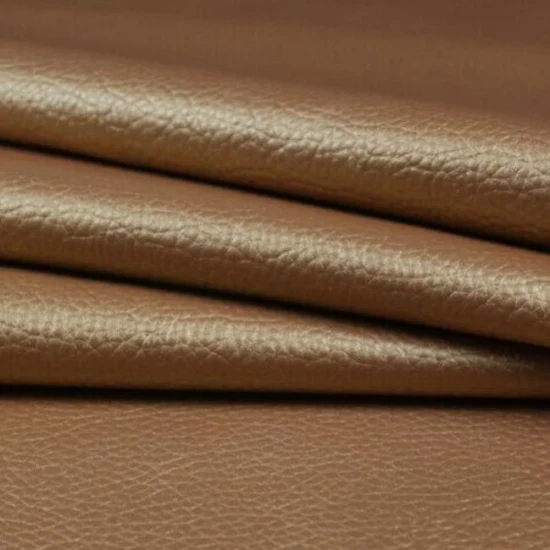
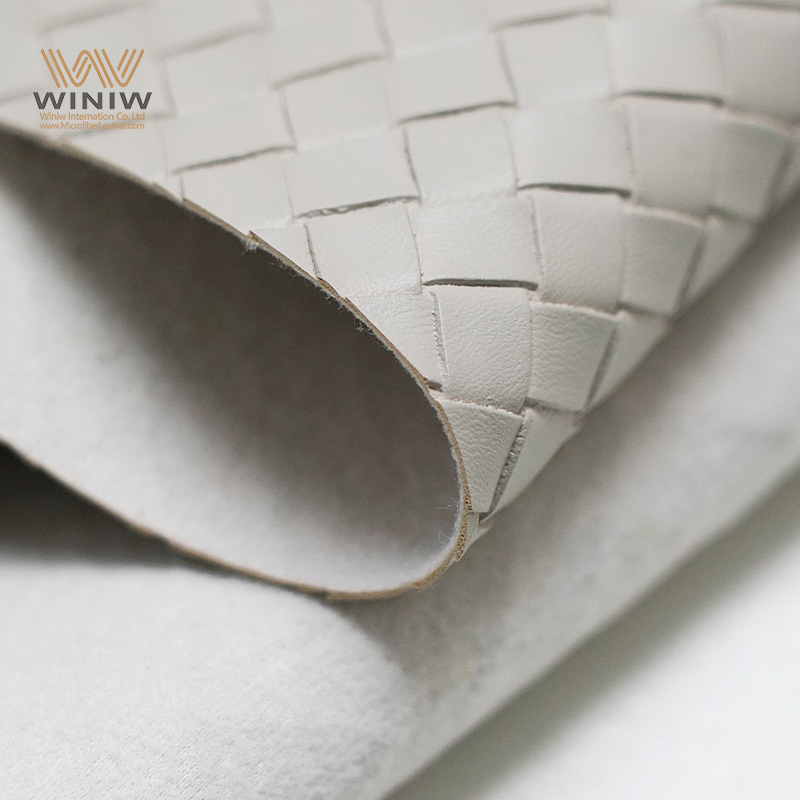
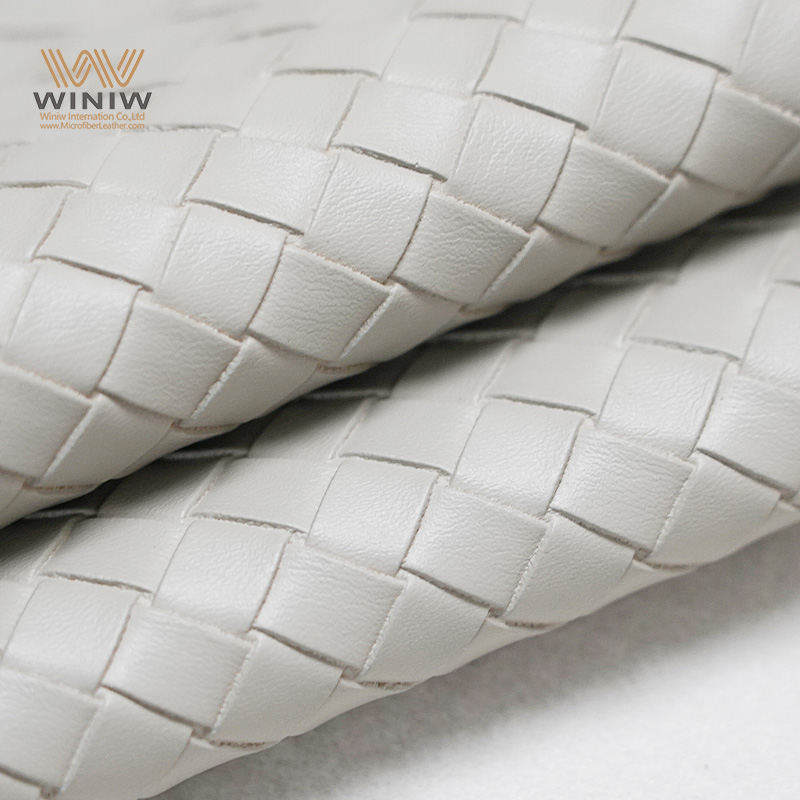
Artificial leather, also known as faux leather or synthetic leather, is a high-performance material engineered to replicate the look, feel, and durability of genuine leather—without the environmental impact or ethical concerns associated with animal-derived products. Composed primarily of polyurethane (PU), polyvinyl chloride (PVC), or advanced microfiber technologies, artificial leather offers consistent quality, enhanced workability, and superior resistance to wear, moisture, and UV exposure. Its versatility makes it ideal for a broad range of industries, including automotive interiors, furniture, footwear, fashion, electronics, and more.
Faux leather stands out as the best choice for modern commercial and industrial applications due to its sustainable production methods, customizable aesthetics, and long-term cost efficiency. Unlike genuine leather, it allows for precise control over texture, color, thickness, and performance characteristics, ensuring uniformity across large production runs. Additionally, faux leather supports eco-conscious manufacturing, with many variants now incorporating recycled materials and low-emission processes—aligning with global sustainability standards and consumer demand for greener alternatives.
WINIW is a leading innovator in the synthetic leather industry, with over 20 years of experience in research, development, and production. Specializing in high-quality microfiber and PU leather solutions, WINIW serves a global network of B2B clients across multiple sectors. Our advanced manufacturing processes, rigorous quality control, and commitment to environmental responsibility have established us as a trusted partner for brands seeking durable, ethical, and aesthetically superior materials. With a focus on customization and technical excellence, WINIW delivers performance-driven faux leather solutions that meet the evolving needs of modern design and manufacturing.
Technical Performance & Standards
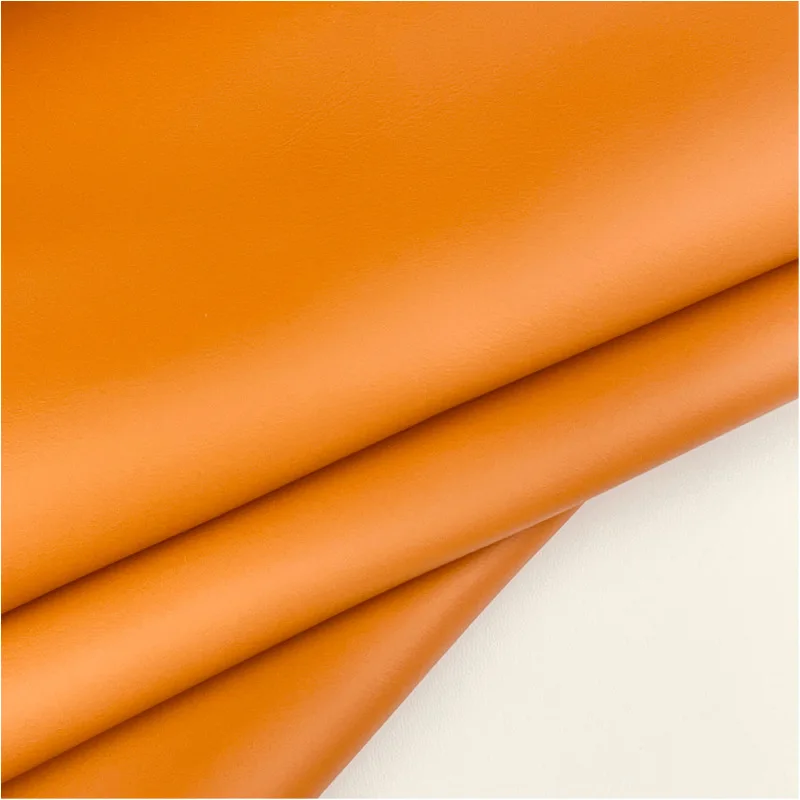
WINIW Synthetic Leather: Technical Product Guide for B2B Applications
WINIW Synthetic Leather delivers engineered performance for demanding commercial and industrial applications, combining operational efficiency with stringent environmental responsibility. Our PU/PVC-based materials are precision-manufactured to exceed industry standards for consistency, safety, and lifecycle value—eliminating the volatility of natural leather while supporting sustainable procurement goals.
Core Technical Advantages
-
Cost-Effectiveness Through Operational Efficiency
WINIW reduces total cost of ownership via consistent roll dimensions (minimizing cutting waste), faster processing times (no pre-treatment required), and 30% lower maintenance costs versus genuine leather in high-traffic settings. Predictable pricing shields buyers from livestock market fluctuations. -
Engineered Durability for High-Use Environments
Validated through 100,000+ Martindale abrasion cycles (ISO 12947) and 500+ flex tests (ISO 7854), our formulations resist cracking, fading, and staining under continuous use. UV-stabilized variants maintain integrity after 1,000+ hours of accelerated weathering (ISO 4892-2). -
Precision Color Customization
Achieve brand-perfect consistency with Pantone®-matched dyeing (ΔE < 1.0) across batches. Our digital color management system supports 1,200+ standard options or bespoke formulations, with zero lead-time penalties for small-volume custom orders. -
Full REACH Compliance & Chemical Safety
All WINIW materials undergo comprehensive SVHC screening per REACH Annex XIV/XVII. Certificates of Conformity explicitly verify absence of 200+ restricted substances (e.g., phthalates, AZO dyes, heavy metals), ensuring seamless market access in EU/UK supply chains. -
ISO 9001-Certified Quality Assurance
Every production batch adheres to our ISO 9001:2015-certified QMS, guaranteeing ±0.05mm thickness tolerance, <3% width variation, and traceable raw material sourcing. Real-time in-line monitoring prevents defect propagation.
Technical Specifications Overview
| Parâmetro | Standard Range | Test Method | Performance Benchmark |
|---|---|---|---|
| Thickness | 0.6mm – 2.0mm | ISO 2418 | ±0.05mm tolerance |
| Tensile Strength | 25 – 45 N/mm² | ISO 1798 | Exceeds EN 13336 commercial grade |
| Elongation at Break | 150% – 300% | ISO 2285 | Optimized for upholstery flex |
| Color Fastness (Light) | Grade 6 – 8 (ISO Blue Wool) | ISO 105-B02 | 1,000+ hrs @ 550 W/m² |
| Martindale Abrasion | 50,000 – 150,000 cycles | ISO 12947 | Pass/fail at 100k cycles |
| VOC Emissions | <10 μg/g | ISO 12219-2 | 90% below EU Ecolabel limits |
| Base Material Options | PU, PVC, Bio-based PU (30%) | — | Recycled PET backing available |
WINIW’s technical documentation includes full test reports, SDS files, and compliance certificates for seamless integration into your quality audit workflows. Our engineering team collaborates with B2B partners to tailor specifications for automotive seating, contract furniture, medical equipment, and retail fixtures—ensuring your production line gains reliability without compromising sustainability.
WINIW: Precision Materials for Responsible Manufacturing
Why Choose Synthetic over Real Leather
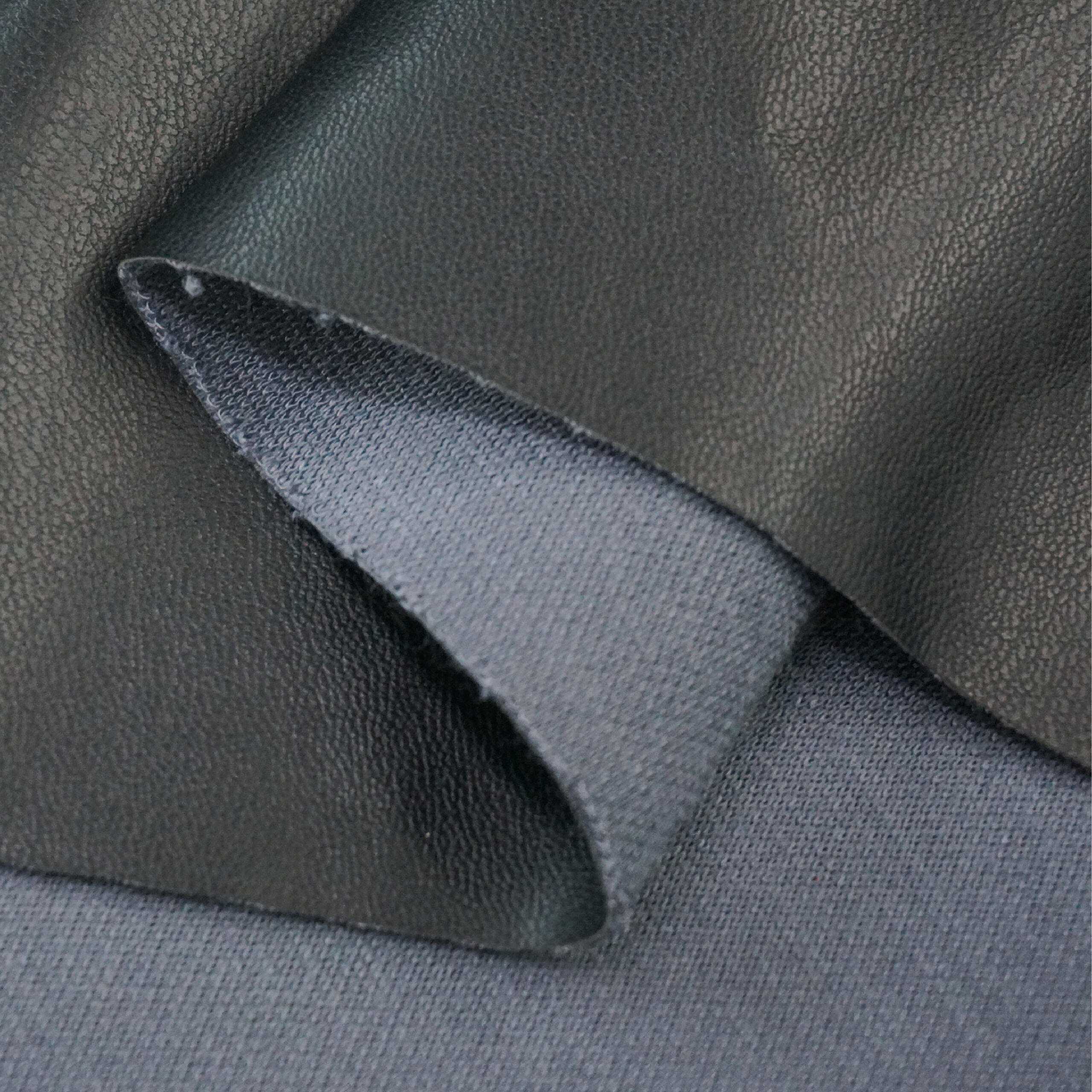
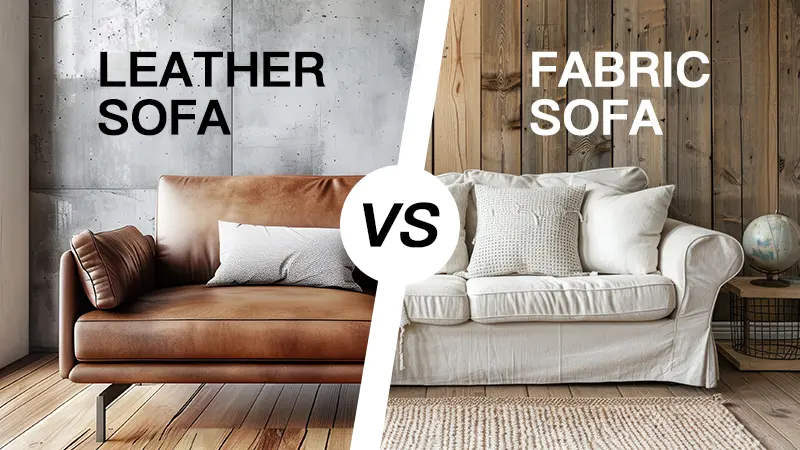
B2B Product Guide: Artificial Leather vs Real Leather
In the modern manufacturing and design landscape, material selection plays a critical role in balancing performance, cost, and sustainability. Two of the most widely used materials in upholstery, fashion, automotive interiors, and accessories are artificial leather and real leather. Understanding their differences enables businesses to make informed sourcing decisions aligned with product goals and brand values.
Artificial leather, often referred to as synthetic leather or faux leather, is a man-made material engineered to replicate the look and feel of genuine animal hide. Real leather, by contrast, is derived from animal skins—typically bovine—that undergo tanning and finishing processes to enhance durability and aesthetics.
While both materials have their place in commercial applications, key differentiators include cost, durability, and environmental impact.
- Artificial leather is generally more cost-effective to produce and purchase in bulk, making it ideal for high-volume manufacturing.
- It offers consistent texture and color, with fewer natural imperfections compared to real leather.
- Modern synthetic leathers, especially those made from polyurethane (PU) or recycled materials, are increasingly designed with sustainability in mind.
- Real leather is valued for its premium texture, breathability, and aging characteristics, developing a natural patina over time.
- However, it requires more intensive resource inputs, including water, energy, and chemicals during tanning.
- Supply chain variability and higher raw material costs make real leather more expensive.
Below is a comparative overview of artificial and real leather across three critical business and sustainability metrics:
| Metric | Couro artificial | Real Leather |
|---|---|---|
| Cost | Lower upfront cost; economical for large-scale production | Higher cost due to raw material and processing expenses |
| Durabilidade | Good resistance to wear and fading; may crack or peel over time under heavy use | High durability and longevity; improves with age when properly maintained |
| Eco-friendliness | Varies by formulation; PU-based and bio-based options offer lower environmental impact; recyclable variants available | High environmental footprint due to land use, methane emissions, and chemical tanning (e.g., chromium) |
WINIW specializes in high-performance, eco-conscious artificial leather solutions designed for B2B applications. Our materials combine affordability, consistency, and reduced environmental impact—ideal for brands aiming to scale sustainably without compromising on quality.
Choosing between artificial and real leather ultimately depends on your product requirements, target market, and sustainability strategy. For businesses prioritizing ethical sourcing, cost efficiency, and innovation, advanced artificial leather presents a compelling alternative to traditional leather.
WINIW Factory Capabilities
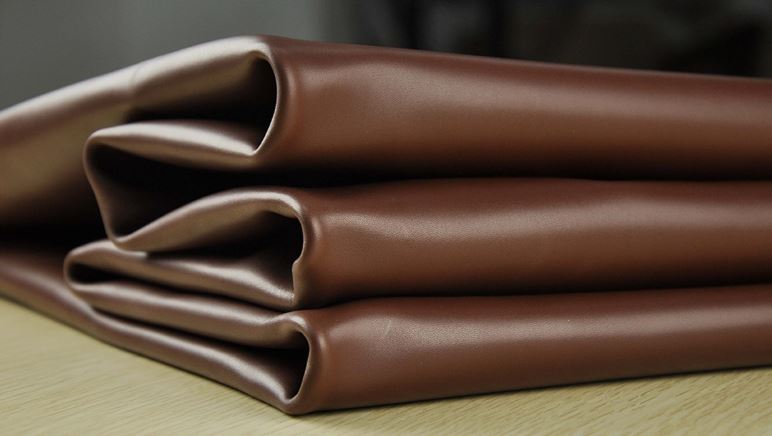
WINIW Synthetic Leather: Manufacturing Excellence for Global Partners
WINIW operates a state-of-the-art manufacturing facility spanning 100,000 square meters, engineered to deliver scalable, high-precision synthetic leather solutions for demanding B2B applications. Our integrated production ecosystem combines industrial capacity with rigorous environmental stewardship, ensuring partners receive consistent, sustainable materials compliant with global regulatory frameworks.
Core Factory Strengths
- Industrial Scale & Efficiency: A 100,000 sqm facility enables agile production scaling from 500,000 to 5 million+ linear meters monthly, supporting just-in-time logistics for multinational supply chains.
- Dedicated R&D Innovation: A 20+ member technical team pioneers eco-conscious material science, specializing in:
- Recycled PET-based substrates (up to 92% post-consumer content)
- Water-based, solvent-free coating systems
- Custom performance engineering (abrasion resistance, UV stability, breathability)
- Global Compliance Infrastructure: Direct export operations to 40+ countries, with deep expertise in meeting EU REACH, U.S. CPSIA, and California Proposition 65 standards.
Quality Assurance Framework
All materials undergo WINIW’s 7-stage QC protocol, validated by third-party laboratories (SGS, Intertek). Critical checkpoints include:
| Stage | Process | Compliance Standard |
|---|---|---|
| 1 | Raw Material Screening | ISO 9001:2015 |
| 2 | In-Process Color & Thickness | AATCC TM179 |
| 3 | Eco-Toxicology Testing | OEKO-TEX® STANDARD 100 |
| 4 | Physical Performance | ASTM D3884 (abrasion), ISO 1766 (tear) |
| 5 | Batch Traceability | Digital lot-tracking system |
| 6 | Final Audit | Customer-specific specs |
| 7 | Shipment Certification | REACH SVHC < 0.1% |
Our vertically integrated facility—certified ISO 14001 and ZDHC MRSL Level 3—ensures end-to-end control from polymer synthesis to finished roll. This infrastructure guarantees European and North American brands a reliable source of premium, audit-ready synthetic leather that meets evolving sustainability mandates without compromising performance. Partner with WINIW for supply chain resilience rooted in transparency and technical excellence.
Contact Us for Samples
WINIW B2B Product Guide: Premium Artificial Leather Solutions
WINIW is a leading innovator in high-performance artificial leather, delivering sustainable, durable, and customizable microfiber solutions for global industries. Engineered for excellence, our artificial leather meets rigorous B2B demands across automotive, furniture, footwear, and accessories. With a strong commitment to eco-friendly manufacturing and consistent quality, WINIW supports forward-thinking brands in reducing environmental impact without compromising on performance or aesthetics.
Our advanced production processes ensure superior strength, breathability, and texture—closely replicating the look and feel of genuine leather while offering enhanced functionality and ethical sourcing.
Key Advantages of WINIW Artificial Leather:
- Sustainable Material: Made from high-grade microfiber and eco-conscious polyurethane, reducing reliance on animal products and lowering carbon footprint.
- High Durability: Resistant to abrasion, tearing, and UV exposure—ideal for high-use commercial applications.
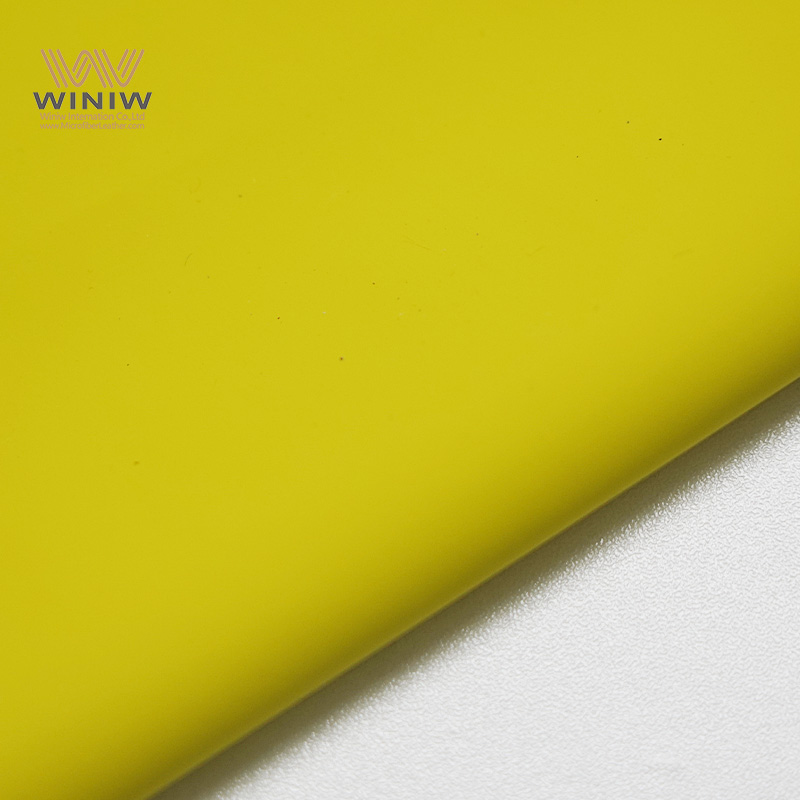
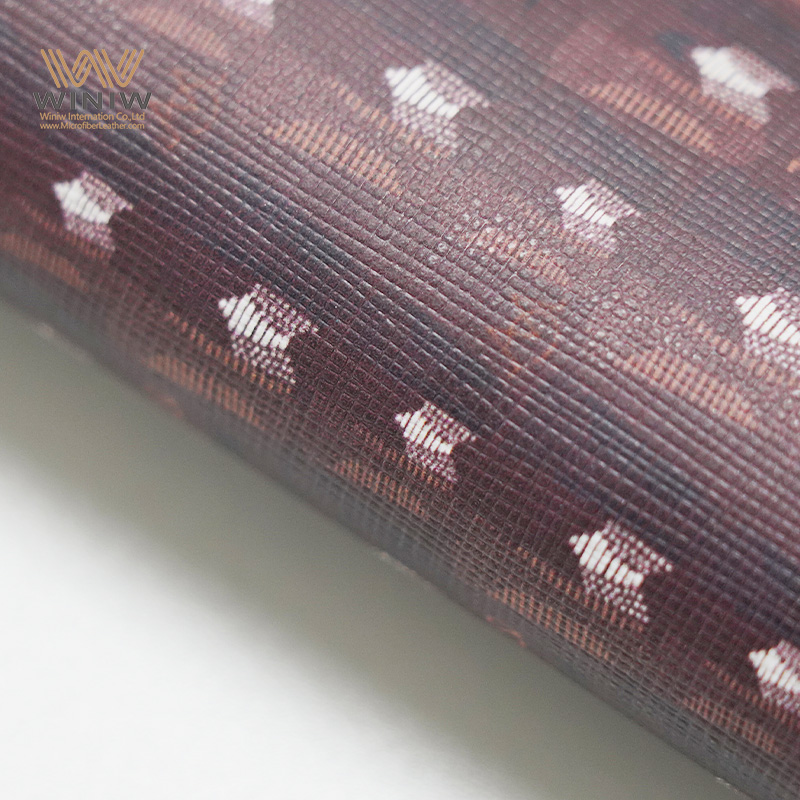
- Customizable Finishes: Available in a wide range of textures (suede, grain, smooth), colors, and thicknesses to match brand specifications.
- Eco-Friendly Production: Utilizes low-emission processes and complies with international environmental standards (REACH, RoHS, OEKO-TEX®).
- Lightweight & Flexible: Offers superior comfort and ease of processing in manufacturing environments.
- Consistent Quality: Uniform structure across rolls ensures minimal waste and efficient cutting yields.
Industry Applications:
- Automotive interiors (seats, dashboards, door panels)
- Residential and commercial furniture upholstery
- Performance and casual footwear
- Luggage, handbags, and fashion accessories
- Electronics casing and interior trims
Technical Specifications (Standard Grade):
| Property | Especificação |
|---|---|
| Base Material | Ultra-fine microfiber (nylon/polyester) |
| Coating | High-resilience polyurethane (PU) |
| Thickness Range | 0.6 mm – 2.0 mm |
| Width per Roll | 137 cm / 54 inches |
| Weight | 280 – 450 g/m² |
| Abrasion Resistance | >30,000 cycles (Martindale) |
| Color Fastness | Grade 4–5 (ISO 105-B02) |
| Cold Crack Resistance | Passes -30°C test |
Custom specifications available upon request, including flame-retardant, anti-bacterial, and water-resistant variants.
Request Free Samples Today
Experience the quality and versatility of WINIW artificial leather firsthand. We offer complimentary sample kits to qualified B2B partners to support product development and design integration.
For inquiries, collaboration, or sample requests:
Contact our marketing team at MKT88@MicrofiberLeather.com
Elevate your product line with sustainable, high-performance artificial leather—engineered for the future.
💰 Leather Cost Savings Calculator
See how much you save by switching to WINIW Microfiber Leather.