
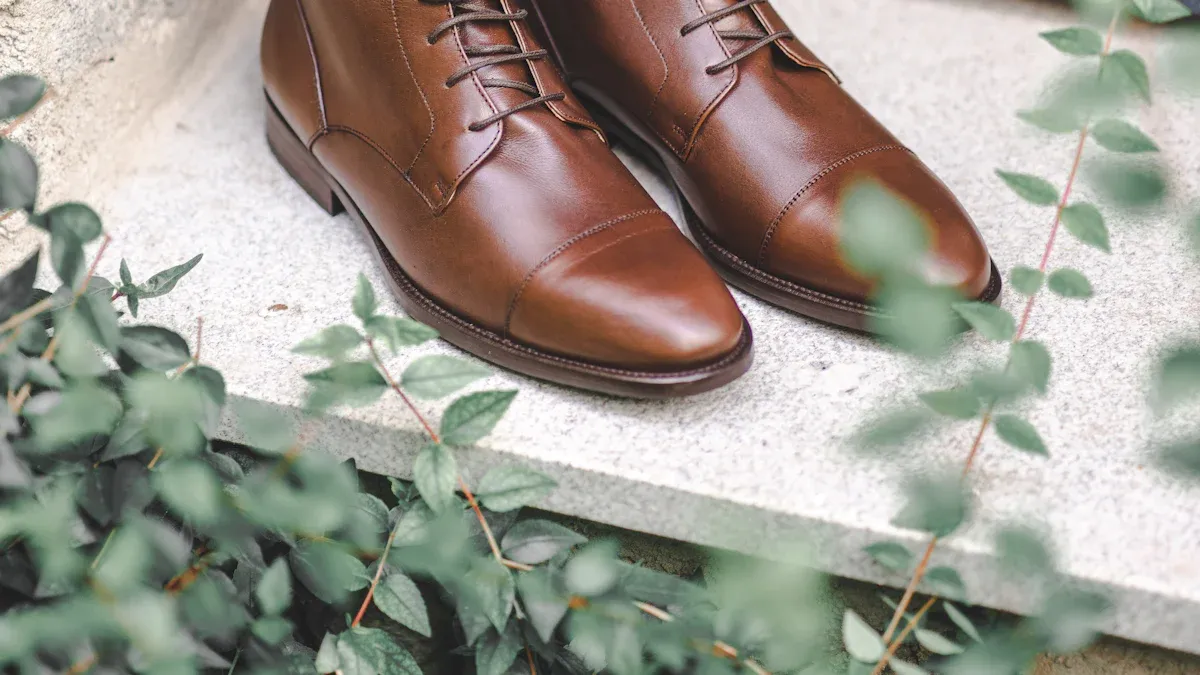
Caring for veg tan leather remains simple and accessible. Individuals who follow basic leather care advice can preserve vegetable-tanned leather for years. Vegetable-tanned leather responds well to consistent attention. Professionals recommend these four essential steps:
- Cleaning removes dirt and prevents buildup.
- Conditioning keeps vegetable-tanned leather supple.
- Protecting shields surfaces from stains and sunlight.
- Maintaining includes regular checks and gentle handling.
Small habits help vegetable tanned leather stay beautiful and durable.
Key Takeaways
- Regularly clean vegetable-tanned leather with a soft cloth to prevent dirt buildup and maintain its beauty.
- Condition leather every few months to restore moisture and flexibility, especially in dry environments.
- Protect leather from stains and sunlight by storing it in cool, dry places and using covers when outdoors.
- Avoid common cleaning mistakes, such as using harsh chemicals or excessive water, to prolong the life of the leather.
- Implement daily care routines, like gentle wiping and regular inspections, to keep leather items in excellent condition.
Veg Tan Leather Cleaning
Regular Cleaning Steps
Routine cleaning forms the foundation of effective care for vegetable-tanned leather. Professionals recommend using a soft, dry cloth to gently wipe away dust and surface dirt. This simple habit prevents buildup and keeps the leather looking fresh. For optimal longevity, regular cleaning should occur at least once a week, especially for items exposed to daily use.
A basic cleaning routine includes these steps:
- Remove loose dirt with a soft, dry cloth.
- Use a slightly damp cloth to address any remaining spots.
- Allow the leather to air dry away from direct sunlight or heat sources.
Tip: Consistent regular cleaning helps maintain the natural beauty of veg tan leather and reduces the risk of permanent stains.
Deep Cleaning Tips
Occasionally, vegetable-tanned leather requires more thorough attention. Deep cleaning becomes necessary when the surface shows signs of embedded dirt or stubborn marks. Begin by selecting a mild saddle soap or a cleaner specifically designed for natural vegetable tanned leather. Avoid harsh chemicals, as they can damage the material.
Follow these steps for deep cleaning:
- Test the cleaner on a small, hidden area to ensure compatibility.
- Dampen a clean cloth with water and apply a small amount of saddle soap.
- Gently work the soap into the leather using circular motions.
- Wipe away excess soap with a separate damp cloth.
- Let the leather dry naturally, away from heat or sunlight.
Deep cleaning should not occur frequently. Most professionals suggest performing this process only when necessary, such as after exposure to heavy dirt or spills.
Cleaning Mistakes to Avoid
Proper care tips include knowing what not to do during cleaning. Many people make mistakes that can shorten the life of vegetable-tanned leather.
Common cleaning mistakes include:
- Using too much water, which can cause the leather to warp or stain.
- Applying harsh detergents or alcohol-based products, which strip away natural oils.
- Scrubbing aggressively, leading to scratches or surface damage.
- Drying leather with direct heat, which promotes cracking and dryness.
Note: Always use gentle motions and mild products when cleaning vegetable tanned leather. Avoid shortcuts that promise quick results but risk long-term harm.
By following these guidelines, anyone can keep vegetable-tanned leather in excellent condition. Consistent care and attention to detail ensure that the material remains supple and attractive for years.
Conditioning Veg Tan Leather
Why Condition Leather
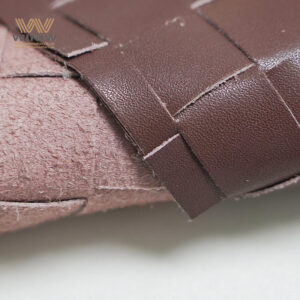
Vegetable-tanned leather requires regular conditioning to maintain its natural beauty and durability. Over time, exposure to air, sunlight, and daily handling can cause the material to lose moisture. Without proper care, the surface may become dry, stiff, or even crack. Conditioning restores essential oils, keeping the fibers flexible and resilient.
Leather care guides highlight several signs that indicate when vegetable-tanned leather needs conditioning:
- The leather appears lighter in color than when it was new.
- The surface feels dry to the touch.
- The material has lost some of its original suppleness.
Regular conditioning prevents premature aging and helps preserve the unique character of natural vegetable tanned leather.
How to Condition
Proper conditioning involves a few straightforward steps. Individuals should condition vegetable-tanned leather occasionally to prevent drying out. The frequency depends on the environment and usage. In dry climates or with heavy use, conditioning every few months works best. In humid environments or with light use, once or twice a year usually suffices.
Follow these steps for effective conditioning:
- Clean the leather thoroughly before applying any product.
- Select a high-quality leather conditioner or salve.
- Apply a small amount of conditioner to a soft cloth.
- Work the conditioner into the leather using gentle, circular motions.
- Allow the conditioner to absorb for several hours.
- Buff the surface with a clean, dry cloth to remove any excess.
Conditioning restores moisture, enhances color, and maintains the leather’s flexibility. Skipping this step can lead to dryness and cracking, reducing the lifespan of the item.
Choosing a Conditioner
Selecting the right conditioner ensures the best results for vegetable-tanned leather. Experts recommend using a natural leather conditioner with ingredients such as beeswax, lanolin, or natural oils. Products like Skidmore’s Leather Cream offer reliable performance and gentle care.
When choosing a conditioner, avoid harsh chemicals and petroleum-based ingredients. These substances can damage the fibers and strip away beneficial oils. Instead, opt for products specifically formulated for vegetable-tanned leather.
| Recommended Ingredients | Ingredients to Avoid |
|---|---|
| Beeswax | Harsh chemicals |
| Lanolin | Petroleum-based products |
| Natural oils |
Tip: Always test a new conditioner on a small, hidden area before treating the entire surface.
A good natural leather conditioner nourishes the material, preserves its appearance, and extends its life. Consistent use of the right product supports the overall care routine for veg tan leather.
Protecting Leather from Damage
Preventing Stains
Leather care professionals emphasize the importance of preventing stains on vegetable-tanned leather. They recommend regular use, which allows natural oils from hands to condition the surface. After each use, individuals should gently wipe the leather with a soft, dry cloth to remove dust and debris. This habit helps maintain the appearance and integrity of the material. For tougher stains, a slightly damp cloth with mild saddle soap can address the issue, but users must avoid saturating the leather with water. Prolonged exposure to moisture or harsh chemicals can cause irreversible damage. Consistent care tips include keeping vegetable-tanned leather away from food, ink, and other staining substances.
Tip: Immediate attention to spills and stains prevents them from setting and keeps vegetable tanned leather looking its best.
Water and Sun Protection
Vegetable-tanned leather remains sensitive to water and sunlight. Water can cause discoloration, warping, or even mold growth if not managed properly. Sunlight may fade the color and dry out the fibers, leading to cracks. To protect against these risks, individuals should store items in cool, dry places and avoid leaving them in direct sunlight for extended periods. When venturing outdoors, they can use covers or bags to shield the leather from rain and UV rays. Quick drying with a soft cloth after accidental water exposure helps minimize damage.
| Risk | Prevention Method |
|---|---|
| Woda | Store in dry areas, wipe dry immediately |
| Sunlight | Avoid direct exposure, use covers |
Using Leather Protectors
Applying leather protectors offers an extra layer of defense for natural vegetable tanned leather. These products create a barrier against moisture, stains, and environmental damage. Professionals suggest using protectors designed specifically for vegetable-tanned leather to avoid altering its natural finish. Individuals should follow manufacturer instructions and test products on a hidden area before full application. Regular use of protectors, combined with other care tips, ensures long-lasting durability and beauty for veg tan leather items.
Note: Leather protectors do not replace regular cleaning and conditioning but enhance overall care.
Storage and Maintenance
Storing Veg Tan Leather
Proper storage plays a crucial role in the long-term maintenance of vegetable-tanned leather. Museum conservation guidelines recommend several best practices. Individuals should store vegetable-tanned leather in a cool, dry place. Direct sunlight and heat sources can cause drying and cracking. Air circulation remains essential, so leather items should never be kept in plastic bags or airtight containers. Hot environments, such as cars exposed to sunlight or areas near radiators, increase the risk of permanent damage.
- Store in a cool, dry location
- Avoid direct sunlight and heat
- Use breathable containers
- Keep away from hot environments
Tip: Consistent storage habits help preserve the natural qualities of veg tan leather and prevent unnecessary wear.
Daily Care Tips
Daily maintenance ensures vegetable-tanned leather retains its beauty and strength. Individuals should wipe surfaces with a soft, dry cloth to remove dust and debris. Regular inspection allows early detection of dryness or discoloration. Rotating items in use prevents uneven wear. Avoid overloading bags or stretching straps, as this can deform the material.
- Wipe with a soft cloth
- Inspect for signs of dryness
- Rotate items in use
- Prevent overloading and stretching
Note: Simple daily routines support overall maintenance and extend the life of vegetable tanned leather.
Handling Wet Leather
Water exposure poses a significant threat to vegetable-tanned leather. Prolonged contact with moisture can lead to warping or stains. If the leather becomes wet, individuals should gently blot the surface with a dry cloth. Air drying remains the safest method; heat sources such as hair dryers or radiators should never be used.
- Avoid prolonged water exposure
- Blot gently with a dry cloth
- Allow to air dry naturally
Quick action after water exposure prevents permanent damage and supports effective maintenance.
Troubleshooting Issues
Fixing Scratches
Scratches often appear on vegetable-tanned leather after daily use. He can address light surface scratches by gently rubbing the area with a clean fingertip. Natural oils from the skin help blend the mark into the leather. For deeper scratches, she should apply a small amount of leather conditioner or beeswax using a soft cloth. Circular motions work best to restore the surface. If the scratch remains visible, they may use a leather repair cream designed for vegetable-tanned leather.
Tip: Always test any product on a hidden spot before treating the entire area.
Treating Dryness
Vegetable-tanned leather sometimes feels stiff or looks dull. He should recognize dryness as a sign that the leather needs moisture. She can restore flexibility by applying a natural leather conditioner. The process involves cleaning the leather first, then spreading a thin layer of conditioner with a soft cloth. They should allow the product to absorb for several hours. Buffing the surface with a dry cloth finishes the treatment.
Signs of Dryness:
- Leather feels rough or rigid
- Color appears faded
- Surface shows fine lines
Note: Regular conditioning prevents dryness and keeps leather supple.
Correcting Discoloration
Discoloration may result from sunlight, water, or contact with chemicals. He should identify the cause before choosing a solution. For minor fading, she can use a color-restoring leather balm that matches the original shade. They should apply the balm sparingly and buff gently. If water stains appear, a damp cloth followed by air drying often helps. For chemical stains, professional advice may be necessary.
| Cause | Solution |
|---|---|
| Sunlight | Color-restoring balm |
| Woda | Damp cloth, air dry |
| Chemicals | Seek professional assistance |
Immediate action reduces the risk of permanent discoloration.
Caring for veg tan leather involves four essential steps: clean, condition, protect, and maintain. Individuals who follow these simple routines observe remarkable benefits over time:
- Enhanced durability, with leather lasting for decades.
- Unique aging, as the color deepens and develops character.
- Supple texture, maintained through proper conditioning.
- Personalized appearance, reflecting individual use.
Consistent care ensures lasting beauty and reliability. Anyone can start today and enjoy the transformation that comes with dedicated attention to quality leather.

FAQ
How often should he condition vegetable-tanned leather?
He should condition vegetable-tanned leather every three to six months. Frequent use or exposure to dry climates may require more regular conditioning. Proper intervals help maintain flexibility and prevent cracking.
Can she use household cleaners on veg tan leather?
She should avoid household cleaners. Many contain harsh chemicals that damage leather fibers. Only products designed for vegetable-tanned leather provide safe and effective cleaning.
What should they do if veg tan leather gets wet?
They should blot the surface gently with a dry cloth. Air drying in a cool area preserves the leather’s structure. Heat sources and direct sunlight increase the risk of warping and cracking.
Does veg tan leather change color over time?
Veg tan leather develops a patina with age. Exposure to sunlight and handling deepens the color. This natural process enhances the leather’s character and uniqueness.
Which conditioner works best for vegetable-tanned leather?
| Conditioner Type | Recommended Use |
|---|---|
| Beeswax-based | Deep conditioning |
| Lanolin-infused | Regular maintenance |
| Natural oil blends | Restoring flexibility |
Tip: Always test conditioners on a hidden area before full application.