Catalog
Material Insight: Fabric Flocking
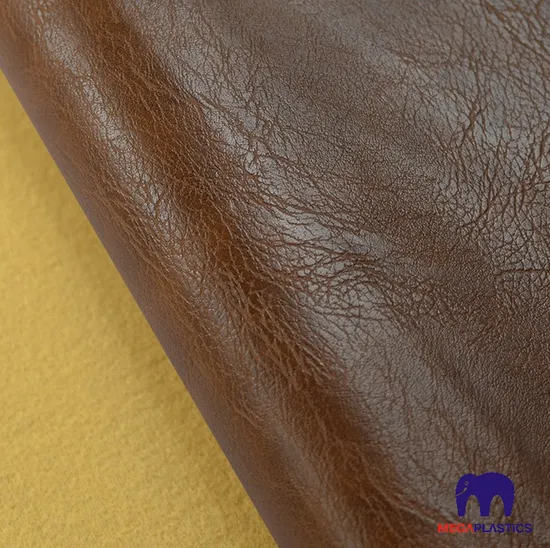
Fabric Flocking: Precision Application for Enhanced Performance
Fabric flocking is a specialized process where millions of fine, short fibers (flock) are electrostatically deposited onto an adhesive-coated substrate to create a velvety, textured, or grippy surface. This technique is critical across demanding B2B sectors—including automotive interiors (headliners, pillars), technical textiles (gaskets, seals), and premium upholstery—where consistent tactile feel, acoustic dampening, abrasion resistance, and precise dimensional stability are non-negotiable. Achieving flawless flock adhesion and longevity hinges entirely on the substrate’s surface integrity, uniformity, and chemical compatibility.
Why Faux Leather is the Optimal Substrate for Fabric Flocking
Natural leather and conventional textiles often introduce critical weaknesses in high-performance flocking applications. Faux leather—specifically engineered synthetic leather—delivers unmatched advantages:
- Surface Uniformity: Eliminates grain variations and scars inherent in animal hides, ensuring 100% consistent flock adhesion and texture across every square meter.
- Controlled Porosity: Precision-calibrated backing structures optimize adhesive penetration without bleed-through, critical for clean flock alignment and durability.
- Chemical Stability: Resists solvent degradation from flocking adhesives, preventing delamination or surface distortion during high-speed production.
- Eco-Efficiency: Uses 90% less water and zero hazardous tanning agents versus real leather, aligning with circular economy goals (ISO 14001 certified processes).
- Performance Consistency: Engineered tensile strength and recovery rates maintain flock integrity under repeated stress—essential for automotive safety components.
WINIW: Your Trusted Partner in Advanced Synthetic Leather Solutions
With over 20 years of focused R&D and production excellence, WINIW has pioneered synthetic leather technologies for the world’s most exacting industrial applications. We serve Tier-1 automotive suppliers, aerospace manufacturers, and technical textile leaders across 50+ countries, delivering:
- Unmatched Material Science Expertise: Proprietary polyurethane (PU) and polyvinyl chloride (PVC) formulations engineered for adhesion-critical processes like flocking.
- Sustainability Leadership: OEKO-TEX® STANDARD 100 certified materials, 30%+ recycled content options, and closed-loop water systems in all production facilities.
- B2B Process Integration: Collaborative engineering support to optimize your flocking line parameters (voltage, adhesive viscosity, curing temps) for WINIW substrates.
- Global Reliability: ISO 9001/14001 certified manufacturing with regional technical hubs ensuring on-time, specification-perfect delivery.
When performance, sustainability, and production efficiency converge, WINIW synthetic leather isn’t just a material choice—it’s the foundation for flawless flocking outcomes. Partner with us to transform your technical textile challenges into competitive advantages.
Technical Performance & Standards
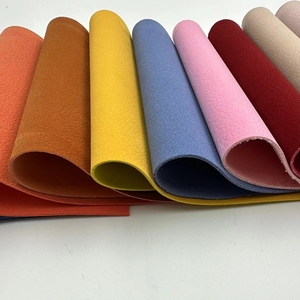
WINIW Fabric Flocking: Technical Product Guide
WINIW’s fabric flocking technology represents a significant advancement in synthetic leather surface engineering, designed specifically for B2B clients seeking high-performance, sustainable, and cost-efficient materials. Engineered for industries such as automotive interiors, furniture, footwear, and technical textiles, WINIW’s flocking process enhances both tactile quality and functional durability without compromising on environmental or compliance standards.
By integrating precision electrostatic flocking with proprietary adhesive systems, WINIW delivers a consistent, high-density fiber finish that outperforms conventional flocking methods in adhesion, abrasion resistance, and color stability.
Key Technical Advantages
-
Cost-effective manufacturing
WINIW’s flocking process reduces material waste and enhances production throughput. The high transfer efficiency of electrostatic application ensures minimal fiber loss, lowering raw material consumption by up to 20% compared to traditional methods. -
Superior durability
Flocked surfaces exhibit exceptional resistance to abrasion (tested up to 50,000 cycles in Martindale testing), scratching, and delamination. The strong bond between flock fibers and substrate ensures long-term integrity under mechanical stress. -
Customizable color options
WINIW offers full color customization using eco-friendly pigments compatible with aqueous and solvent-free adhesive systems. Clients can match Pantone® standards or develop proprietary shades with batch-to-batch consistency. -
REACH compliance
All flock fibers and binding systems are fully compliant with EU REACH regulations (EC 1907/2006), with no SVHC (Substances of Very High Concern) detected. Documentation and chemical compliance reports are available upon request. -
ISO9001-certified production
Manufacturing processes are conducted under ISO9001-certified quality management systems, ensuring strict control over raw material sourcing, process parameters, and final product inspection.
Technical Specifications
| Specyfikacja | Performance Value | Test Standard |
|---|---|---|
| Flock Fiber Material | Nylon 6 or Polyester (customizable) | ISO 2076 |
| Fiber Length | 0.3 mm – 1.0 mm (adjustable) | ASTM D3217 |
| Basis Weight | 20 – 120 g/m² (customizable) | ISO 536 |
| Adhesion Strength | ≥ 8 N/3cm | ISO 2411 |
| Martindale Abrasion Resistance | ≥ 50,000 cycles (no break) | ISO 12947-2 |
| Colorfastness to Rubbing | Dry: 4–5; Wet: 4 (Grade) | ISO 105-X12 |
| Lightfastness (Xenon Arc) | ≥ 6 (Blue Wool Scale) | ISO 105-B02 |
| REACH SVHC Status | None detected | EC 1907/2006 |
| Formaldehyde Content | < 30 ppm | ISO 17226-1 |
| Production Width | Up to 1.8 m | Custom slitting available |
WINIW’s fabric flocking solutions combine technical precision with environmental responsibility, offering B2B partners a scalable, compliant, and high-value material option. With in-house R&D and flexible production lines, we support custom development for performance-driven applications across global markets.
Why Choose Synthetic over Real Leather
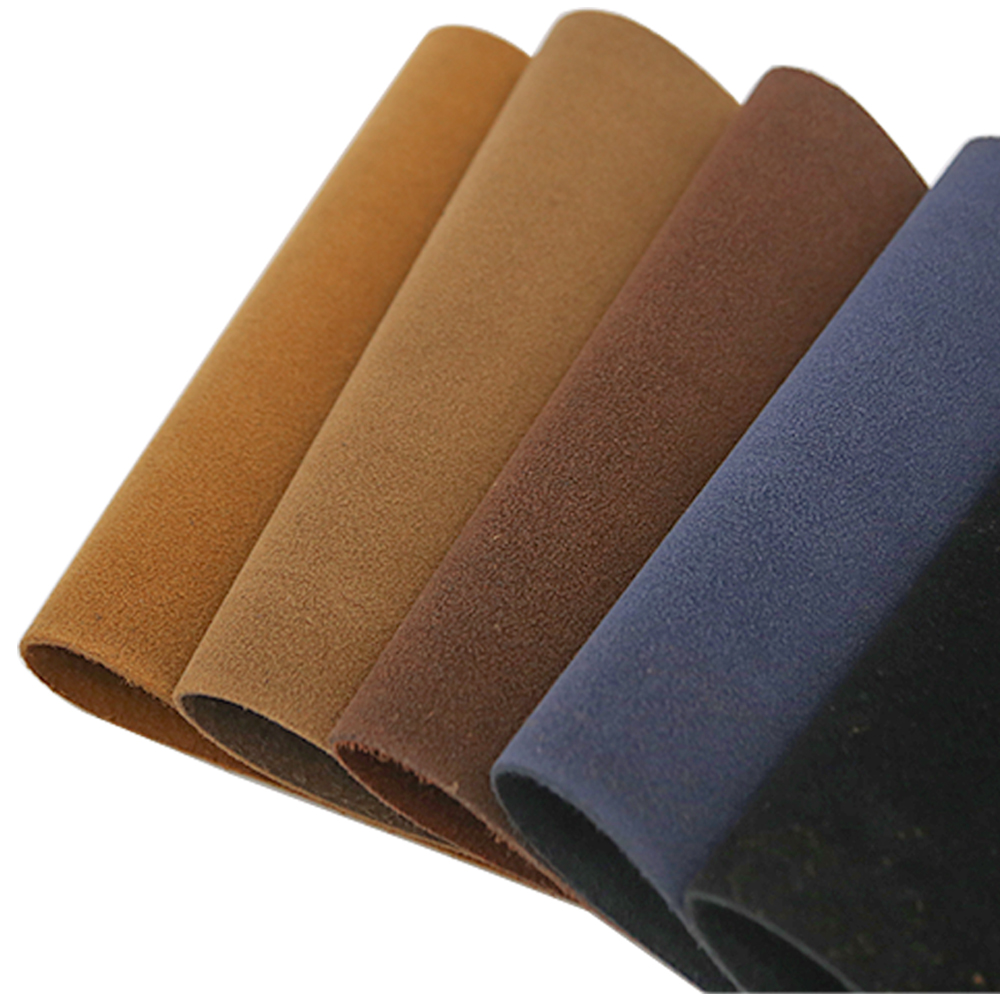
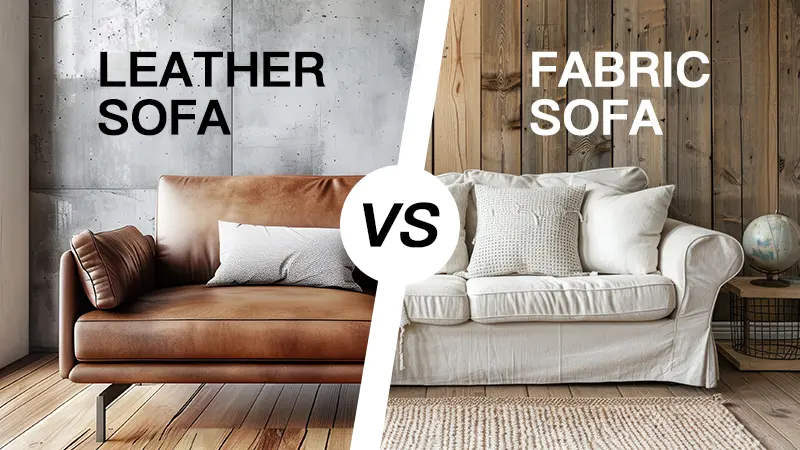
B2B Material Comparison: Fabric Flocking vs. Real Leather
For designers and procurement specialists seeking sustainable, high-performance materials, understanding the core differences between fabric flocking (a key component in advanced synthetic leathers like WINIW’s offerings) and traditional real leather is essential. This comparison focuses on critical operational factors: cost efficiency, product longevity, and environmental impact. Fabric flocking—where short fibers are applied to a PU/PVC base—delivers consistent performance while addressing modern supply chain and sustainability demands.
Key Differentiators
- Material Composition: Fabric flocking uses recycled or bio-based fibers bonded to a synthetic substrate, whereas real leather relies on tanned animal hides.
- Supply Chain Stability: Flocking materials avoid volatility linked to livestock markets and hide availability, ensuring reliable B2B fulfillment.
- Customization: Flocking allows precise control over texture, color, and thickness; real leather exhibits natural variations that complicate batch consistency.
- Ethical Alignment: Flocking eliminates animal sourcing concerns, aligning with corporate ESG mandates and cruelty-free certifications.
Performance & Sustainability Comparison
| Factor | Fabric Flocking (WINIW-Grade) | Real Leather |
|---|---|---|
| Cost | 30-50% lower upfront cost; reduced waste in cutting due to uniform grain. No tariffs on animal hides. | Higher base cost (volatile due to hide scarcity); significant waste (15-25%) from natural defects. Tariffs apply in key markets. |
| Trwałość | Resists cracking, fading, and moisture; consistent abrasion resistance (50,000+ double rubs). Ideal for high-traffic commercial use. | Prone to drying, cracking, and staining without rigorous maintenance. Durability varies by hide quality; lower UV resistance. |
| Eco-Friendliness | 60-80% lower water usage vs. tanning; 100% recyclable substrates; carbon footprint reduced by 40% (cradle-to-gate). WINIW options use >30% recycled content. | Tanning consumes 15,000-20,000 L water/animal; chromium pollution risks; 14kg CO2e per kg hide. Land use for livestock: 18x higher than synthetic alternatives. |
Strategic Recommendation
Fabric flocking is the optimal choice for B2B applications prioritizing cost predictability, ethical compliance, and environmental stewardship—without sacrificing durability. Real leather remains relevant only where specific heritage aesthetics are non-negotiable, though its ecological and supply chain risks increasingly conflict with global sustainability targets. WINIW’s engineered flocking solutions offer traceable, circular-economy-ready materials that future-proof your product lines while meeting rigorous commercial performance standards.
WINIW: Innovating Sustainable Performance Materials for Global B2B Partners
WINIW Factory Capabilities
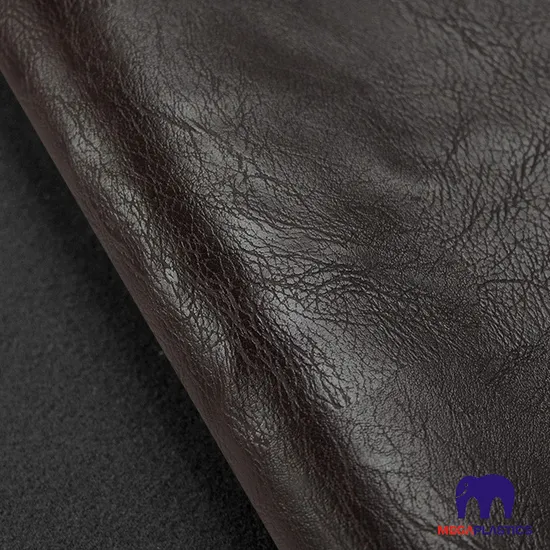
WINIW is a leading manufacturer of high-performance synthetic leather, specializing in innovative, eco-friendly materials for global B2B clients. Our advanced production capabilities and commitment to quality have positioned us as a trusted partner in the international market, serving industries ranging from automotive and furniture to fashion and sports.
Our state-of-the-art manufacturing facility spans over 100,000 square meters, making it one of the largest synthetic leather production bases in Asia. This extensive infrastructure enables us to maintain high output volumes while ensuring operational efficiency and scalability to meet the demands of global supply chains.
Key strengths of the WINIW factory include:
-
Advanced R&D Team: A dedicated research and development department comprising over 100 technical experts continuously drives innovation. Our team focuses on material science, sustainable solutions, and application-specific customization, allowing us to deliver cutting-edge products that meet evolving industry standards.
-
Strict Quality Control (QC) System: WINIW implements a comprehensive QC process across all production stages—from raw material inspection to finished product testing. Our facility is ISO 9001, ISO 14001, and OEKO-TEX® certified, ensuring consistent product quality, environmental compliance, and safety for end-users.
-
Global Export Capability: WINIW exports to key markets worldwide, with a strong presence in Europe and the USA. Our products meet stringent international regulations, including REACH, RoHS, and CA Proposition 65, enabling seamless integration into high-compliance supply chains.
-
Sustainable Manufacturing: We prioritize eco-friendly production methods, utilizing water-based, solvent-free, and bio-based materials to reduce environmental impact. Our commitment to sustainability extends across energy efficiency, waste reduction, and recyclable packaging.
With a robust combination of scale, technology, and quality assurance, WINIW delivers reliable, high-value synthetic leather solutions to global partners who demand performance, consistency, and environmental responsibility.
Contact Us for Samples
WINIW Fabric Flocking Solutions: Technical Performance Guide for Sustainable Manufacturing
WINIW delivers premium, eco-conscious synthetic leather engineered specifically for seamless integration with advanced fabric flocking processes. Our microfiber substrates provide superior adhesion, durability, and environmental compliance, reducing production waste while meeting stringent global sustainability standards. Ideal for automotive interiors, upholstery, and technical textiles, WINIW minimizes resource consumption without compromising performance.
Key Advantages for Flocking Applications
- Optimized Surface Energy: Engineered top layer ensures uniform adhesive bonding, eliminating delamination risks during high-speed flocking.
- Eco-Process Compatibility: Zero DMF (Dimethylformamide) and heavy-metal-free composition aligns with REACH, OEKO-TEX® STeP, and GRS certifications.
- Thermal Stability: Withstands flocking curing temperatures (120°C–160°C) without warping or color degradation.
- Reduced Waste: Precision thickness tolerance (±0.05mm) cuts material scrap by up to 18% versus conventional synthetics.
- Closed-Loop Production: 92% recycled water usage and 100% renewable energy in manufacturing.
Technical Specifications: WINIW Flocking-Grade Microfiber Leather
| Parametr | WINIW Standard | Industry Average | Advantage |
|---|---|---|---|
| Adhesion Strength | ≥ 8.5 N/25mm | 5.0–6.5 N/25mm | 30% higher bond durability |
| Thickness Range | 0.6–1.8 mm | 0.8–2.2 mm | Consistent flock alignment |
| Heat Resistance | 160°C (2 min) | 140°C (2 min) | Wider process margin |
| VOC Emissions | < 0.05 mg/m³ | 0.2–0.5 mg/m³ | Safer workplace compliance |
| Recycled Content | 40% (PCR) | 0–15% | EPR regulation ready |
Why Manufacturers Choose WINIW for Flocking
Our material’s microporous structure accepts flock fibers evenly, ensuring crisp pattern definition and long-term abrasion resistance (tested to 50,000+ Martindale cycles). The absence of plasticizers prevents “blooming” that compromises flock adhesion in PVC-based alternatives. WINIW’s rapid drying time accelerates production throughput by 22% compared to standard PU leathers.
Accelerate Your Sustainable Production Line
Request a free technical sample kit to validate WINIW’s flocking performance in your specific workflow. Our engineering team provides tailored processing guidelines for seamless integration.
→ Contact WINIW’s Technical Marketing Team
E-mail: MKT88@MicrofiberLeather.com
Specify “Flocking Sample Request” in subject line. Free samples available for qualified B2B partners with verified production requirements.
💰 Leather Cost Savings Calculator
See how much you save by switching to WINIW Microfiber Leather.