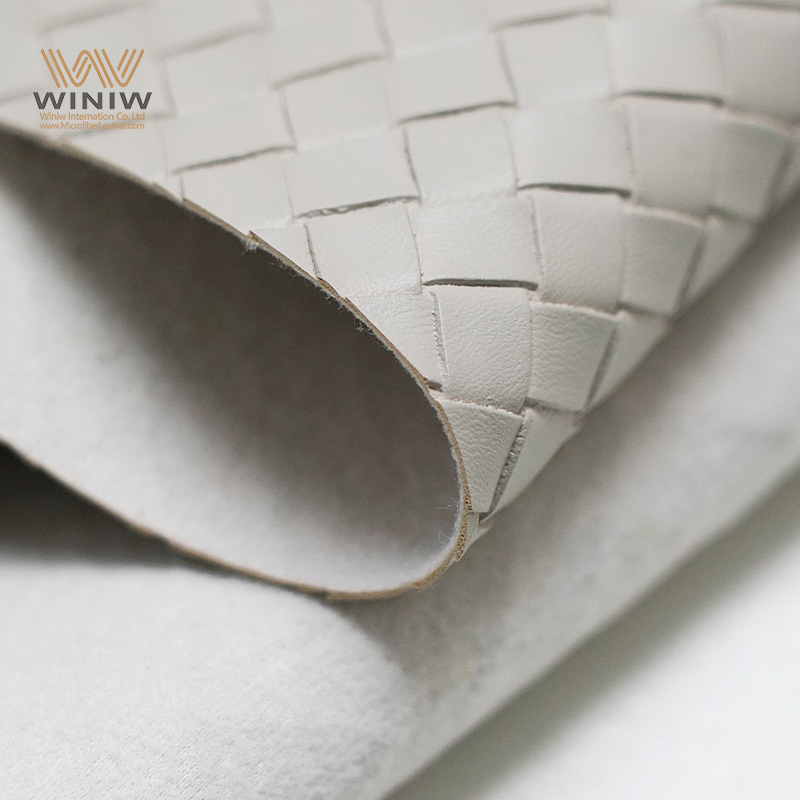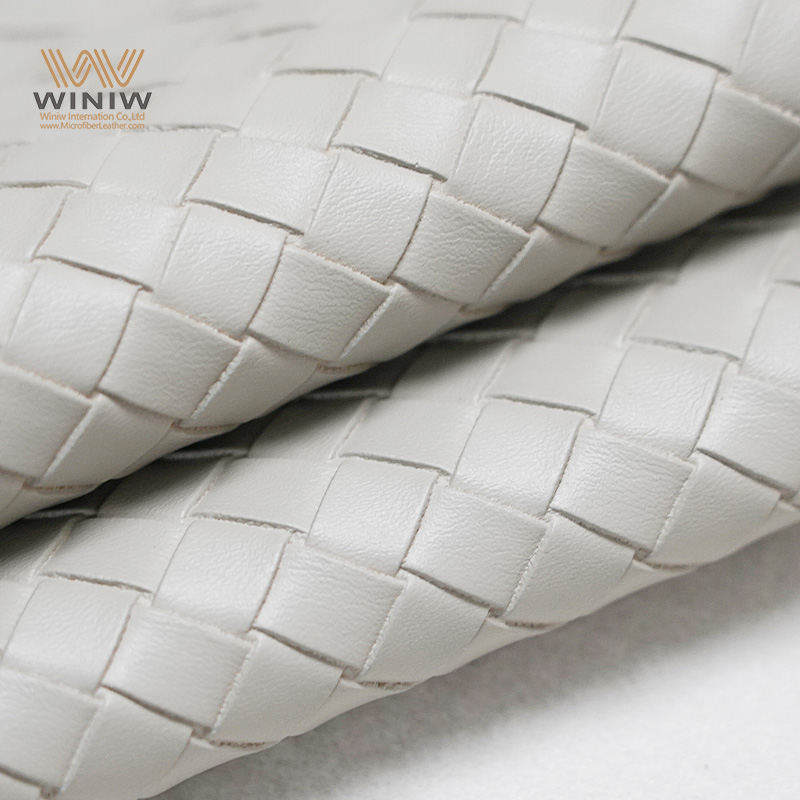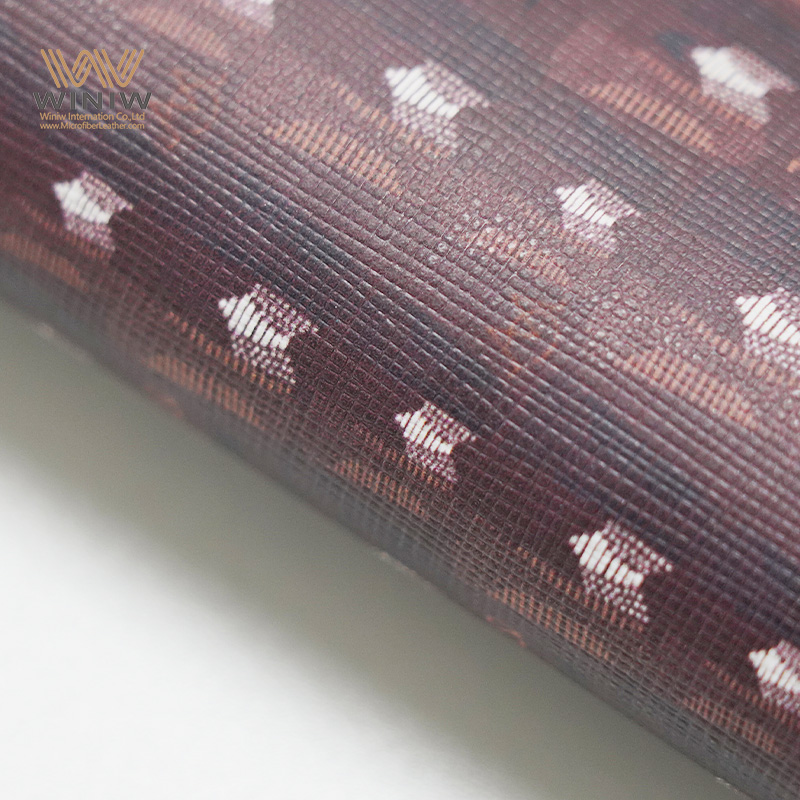

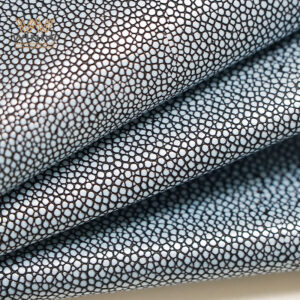

Vegan leather wallets set a new standard for both ethical shoppers and those who value modern style. Many consumers appreciate that vegan leather withstands daily wear, stays attractive without special care, and remains practical for everyday life. Designers continue to innovate with vegan leather, offering materials that perform well and support a responsible lifestyle.
Key Takeaways
- Vegan leather wallets are made from plant-based fibers and recycled materials, promoting cruelty-free practices.
- Choosing vegan leather supports brands that prioritize animal welfare and sustainable production methods.
- Vegan leather wallets require less water and energy to produce, reducing their environmental impact compared to genuine leather.
- Many vegan leather options are durable, resisting wear and tear while maintaining their appearance for years.
- Vegan leather wallets offer a wide variety of styles and customization options, allowing consumers to express their individuality.
- Look for certification labels when shopping to ensure the wallet meets ethical and sustainable standards.
- Vegan leather wallets are often lighter and more compact, making them convenient for everyday use.
- By choosing vegan leather, consumers contribute to a more responsible and eco-friendly fashion industry.
Ethical Advantages of Vegan Leather Wallets

Animal-Free Materials
No Animal Cruelty
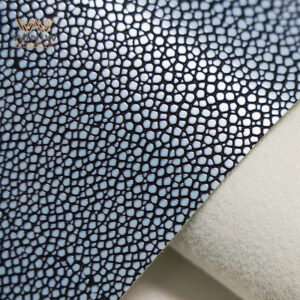
Vegan leather wallets eliminate the need for animal-derived materials. Manufacturers use plant-based fibers, recycled plastics, and innovative bio-polymers instead of animal hides. This approach prevents animal suffering and supports a cruelty-free supply chain. Consumers who select vegan leather demonstrate a commitment to ethical treatment of animals. They reject the practices associated with genuine leather production, which often involve intensive farming and slaughter.
Supporting Compassionate Choices
Many individuals seek products that reflect their values. Vegan leather offers a compassionate alternative for those who prioritize animal welfare. By choosing vegan leather wallets, shoppers support brands that invest in humane practices. These brands often promote eco-friendly and sustainable production methods, reinforcing a culture of empathy and responsibility. The rise of faux leather and plant-based materials signals a shift toward more ethical consumer habits.
Ethical Consumer Values
Transparency in Sourcing
Ethical consumer values are reshaping the wallet market. Shoppers increasingly demand products that are sustainably and ethically sourced. Brands respond by emphasizing transparency and ethical labor practices. Technology plays a crucial role in this process. The table below illustrates how leading vegan leather wallet brands ensure transparency in sourcing materials:
| Technology | Role in Transparency |
|---|---|
| Artificial Intelligence | Simulates molecular interactions and predicts performance metrics of bio-polymers, enhancing material innovation. |
| Machine Learning | Optimizes sourcing and transportation of agricultural waste, reducing emissions and costs. |
| Blockchain | Provides verifiable transparency, allowing consumers to trace products back to their plant source. |
These advancements help brands build trust with consumers who value sustainable wallets and eco-friendly production.
Certifications and Standards
Certifications and standards verify the ethical production of vegan leather wallets. Argentina has introduced a Vegan Product Certification scheme that ensures products are free from animal-derived components and have not undergone animal testing. Common certifications for vegan leather include:
- Environmental compliance
- Chemical safety standards
- Sustainability audits
These certifications assure buyers that vegan leather wallets meet strict ethical and sustainable criteria. Brands that pursue these standards demonstrate leadership in responsible manufacturing. Consumers can confidently choose sustainable wallets, knowing they align with global best practices.
Tip: Look for certification labels when shopping for vegan leather wallets. These labels indicate that the product meets recognized ethical and sustainable benchmarks.
Vegan leather continues to evolve, offering ethical advantages that genuine leather cannot match. The market for sustainable wallets grows as consumers seek products that reflect their values and support a more responsible future.
Environmental Impact of Vegan Leather
Resource Efficiency
Water and Land Use
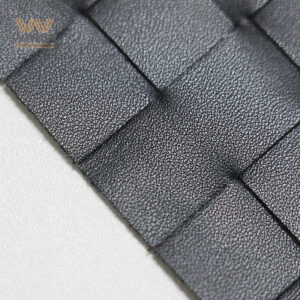
Manufacturers of vegan leather wallets prioritize resource efficiency. Genuine leather production demands significant water and land resources for livestock farming. Plant-based leather alternatives require less water and land, reducing strain on natural ecosystems. Brands that produce sustainable wallets often source materials from crops with minimal environmental impact. This shift supports conservation efforts and aligns with eco-friendly practices.
Energy Consumption
Energy consumption remains a critical factor in wallet production. Genuine leather processing involves energy-intensive steps such as tanning and finishing. Vegan leather production, especially with plant-based and recycled materials, uses less energy. The industry continues to innovate, adopting methods that lower energy requirements and promote sustainability.
Pollution and Waste
Chemical Use in Production
Genuine leather manufacturing relies on chemicals like chromium salts, which can pollute water and soil. Vegan leather production avoids these hazardous substances. Many brands use plant-based materials free from PVC and microplastics, ensuring safer production environments. The table below compares the carbon footprint of wallet materials:
| Product | Carbon Footprint (kg CO2 e/m²) |
|---|---|
| Real Leather | 17.0 |
| Synthetic Leather | 15.8 |
Vegan leather wallets demonstrate a lower carbon footprint than genuine leather, supporting sustainable wallets that minimize environmental harm.
Waste Reduction and Recycling
Waste reduction and recycling practices drive sustainability in the vegan leather wallet industry. Brands utilize eco-friendly materials such as recycled plastics and plant-based leather to decrease waste. European governments promote initiatives that encourage manufacturers to improve recyclability. Funding programs and regulations foster innovation in sustainable practices, leading to better waste management.
- Brands use recycled plastics and plant-based leather to reduce waste.
- Governments support initiatives for improved recyclability.
- Regulations and funding drive sustainable innovation and waste management.
Sustainable Innovations in Vegan Leather
Plant-Based and Recycled Materials
Sustainable wallets rely on advanced materials. Plant-based options like Viridis® derive from European corn and wheat, containing up to 69% plant-derived raw materials. These materials exclude harmful substances such as PVC and microplastics. Certifications like Animal Free by LAV and Oeko-Tex Standard 100 verify ethical and environmentally conscious production. Recycled materials repurpose post-consumer textiles and plastic bottles, further enhancing sustainability.
| Material Type | Beschrijving | Sustainability Aspect |
|---|---|---|
| PU synthetic leather | Affordable, petroleum-based, less durable over time | Less sustainable due to petroleum base |
| Plant-based alternatives | Includes Viridis®, made from corn and wheat, up to 69% plant-derived | More sustainable, free from PVC and microplastics |
| Recycled materials | Derived from post-consumer textiles or plastic bottles | Sustainable as it repurposes existing materials |
Biodegradability
Biodegradability represents a major advancement in vegan leather. Recent innovations include natural cork wallets, upcycled denim wallets, and biodegradable wallets made from plant-based materials. These sustainable wallets safely decompose after disposal, reducing landfill waste. Modern vegan leather wallets also feature durable materials like microfiber and upcycled innertube, which maintain shape and resist wear. The industry continues to develop leather alternatives that combine longevity with sustainability.
Note: Sustainable wallets made from plant-based and recycled materials can last over four years without deformation or discoloration. Most wallets are replaced every two to three years, but these options show no signs of wear that would justify replacement.
Vegan leather wallets offer a clear environmental advantage over genuine leather and faux leather. The industry’s focus on sustainability, eco-friendly materials, and innovative leather alternatives supports a responsible future for wallet production.


Durability and Style: Vegan Leather Wallets vs Genuine Leather
Durability Comparison
Lifespan and Wear
Many consumers believe genuine leather offers unmatched durability. Recent advancements in vegan leather challenge this perception. High-quality vegan leather wallets now resist scratches, stains, and daily wear. Manufacturers use innovative materials that maintain their structure and appearance for years. Faux leather and synthetic leather options have improved, offering wallets that do not sag or lose shape. Sustainable wallets crafted from plant-based or recycled materials often last as long as traditional options. These improvements make vegan leather a reliable choice for those seeking both longevity and sustainability.
Maintenance Needs
Vegan leather wallets require minimal care compared to genuine leather. Owners do not need to condition or treat them with special products. The following list highlights key differences in maintenance:
- Vegan leather wallets are more resilient and do not require special treatment.
- Genuine leather wallets need conditioning and careful handling to maintain their appearance.
- High-quality vegan wallets maintain their structure and do not sag or lose shape over time.
This ease of maintenance appeals to busy individuals who want sustainable wallets that look great with little effort.
Style and Versatility
Design Options
Designers embrace vegan leather for its flexibility and creative potential. Faux leather and plant-based materials allow for a wide range of colors, textures, and finishes. Sustainable wallets now feature bold patterns, minimalist styles, and classic looks. Brands use biotech innovations to create unique designs that meet diverse consumer preferences. This versatility ensures that every shopper can find a wallet that matches their personal style.
Customization Trends
Customization has become a major trend in the wallet industry. Vegan leather wallets offer more options for personalization than genuine leather. Brands can easily emboss names, add custom colors, or create limited-edition designs. Sustainable materials support these trends by allowing for cost-effective mass production and innovative techniques. Consumers enjoy expressing their individuality while supporting ethical and sustainable practices.
Practical Features
Lightweight and Compact Designs
Vegan leather wallets often weigh less than their genuine leather counterparts. Manufacturers design them to be slim and compact, making them easy to carry in any pocket or bag. This lightweight quality adds to their appeal for people who value convenience and practicality.
Functionality and Convenience
Sustainable wallets made from vegan leather provide practical features for modern life. Many include RFID-blocking technology, multiple card slots, and secure closures. Brands highlight these benefits while promoting cruelty-free production and environmental responsibility. Marketing efforts focus on the ethical and sustainable advantages, such as reduced water, energy, and chemical use. Early adoption of biotech innovations helps brands stand out and reinforces their commitment to sustainability.
Tip: When choosing a wallet, consider both style and function. Vegan leather wallets deliver on both fronts, offering sustainable solutions without compromising on quality or design.
Vegan leather wallets stand out for their ethical production, reduced environmental impact, and modern durability. Environmentally conscious consumers benefit from these wallets in several ways:
- They reduce environmental impact by using renewable or recycled materials.
- They lower carbon footprints through energy-efficient manufacturing.
- They support ethical supply chains and fair labor practices.
- They encourage circular fashion by promoting upcycling and recycling.
- They offer long-lasting durability with sustainable materials.
Shoppers can choose vegan leather wallets to reflect their values and enjoy both style and responsibility.
FAQ
What materials do vegan leather wallets use?
Manufacturers use plant-based fibers, recycled plastics, and innovative bio-polymers. Some brands incorporate cork, pineapple leaves, or apple peels. These materials offer durability and a cruelty-free alternative to animal hides.
How long does a vegan leather wallet last?
High-quality vegan leather wallets often last three to five years. Advanced materials resist scratches and stains. Proper care extends their lifespan, making them a reliable choice for daily use.
Are vegan leather wallets waterproof?
Most vegan leather wallets resist water better than genuine leather. Many brands add protective coatings. Users should still avoid soaking wallets to maintain appearance and structure.
How do you clean a vegan leather wallet?
Owners can wipe vegan leather wallets with a damp cloth. Mild soap removes stains. Harsh chemicals or abrasive sponges may damage the surface. Regular cleaning keeps the wallet looking new.
Do vegan leather wallets look like real leather?
Many vegan leather wallets closely mimic the texture and appearance of genuine leather. Designers offer a wide range of colors and finishes. Some styles even surpass traditional leather in visual appeal.
Are vegan leather wallets environmentally friendly?
Vegan leather wallets use fewer resources and produce less pollution than genuine leather. Brands often use recycled or plant-based materials. Certifications verify sustainable practices and ethical sourcing.
Can vegan leather wallets be recycled?
Some vegan leather wallets use fully recyclable materials. Brands that use recycled plastics or plant-based fibers support circular fashion. Consumers should check product labels for recycling information.
Do vegan leather wallets cost more than genuine leather?
Vegan leather wallets often cost less than genuine leather options. Prices vary by brand, material, and design. Many affordable choices exist without sacrificing quality or style.