
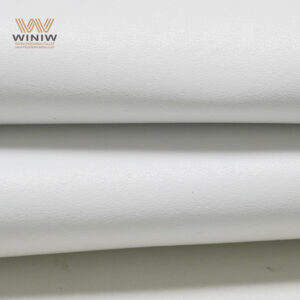

Vegan leather sneakers use innovative materials that do not contain animal products or animal-derived glues. The Skwama Vegan climbing shoe demonstrates this difference by featuring a SkinLike insole made from synthetic materials, which increases breathability and comfort. Vegan leather offers a cruelty-free alternative to traditional sneakers and supports sustainability. These choices reflect a commitment to ethics and promote responsible consumer habits.
Key Takeaways
- Vegan leather sneakers use no animal products, making them a cruelty-free choice.
- They often feature innovative materials like synthetic leathers and plant-based fibers.
- Vegan sneakers can be just as durable as traditional sneakers with proper care.
- Many brands focus on sustainable practices, reducing water and energy use during production.
- Vegan leather sneakers come in various styles, colors, and textures, appealing to diverse tastes.
- Breathable materials in vegan sneakers help keep feet cool and comfortable.
- Choosing vegan sneakers supports animal welfare and promotes responsible consumer habits.
- Vegan leather options are evolving, with new materials improving comfort and environmental impact.
What Are Vegan Leather Sneakers
Definition
Vegan leather sneakers represent footwear designed without animal-derived materials. Manufacturers avoid using animal hides, wool, silk, or animal-based glues. Instead, they select synthetic or plant-based alternatives to create a cruelty-free product. These sneakers often feature innovative materials that mimic the look and feel of traditional leather. The absence of animal ingredients makes vegan leather sneakers a popular choice for those who value ethical fashion.
Key Features
Vegan leather sneakers offer several distinct features.
- They use materials such as polyurethane (PU), recycled plastics, or plant-based fibers.
- Many brands focus on sustainable practices, including water-saving production methods and reduced carbon emissions.
- Vegan leather provides breathability and comfort, often with washable and seam-free designs.
- Manufacturers frequently use glue-free construction to ensure the product remains entirely vegan.
- These sneakers appeal to consumers seeking cruelty-free and environmentally conscious options.
Tip: Vegan leather sneakers often last as long as traditional sneakers when cared for properly.
Types of Vegan Leather
Manufacturers use a variety of vegan leather types in sneaker production. The table below highlights the most common options, along with their advantages and disadvantages.
| Type | Pros | Cons |
|---|---|---|
| Synthetic (PU/PVC) | Water-resistant, affordable, widely available | Non-biodegradable, derived from fossil fuels |
| Plant-Based (Piñatex, AppleSkin, etc.) | Made from agricultural waste, lower carbon footprint | Often coated with PU, reducing biodegradability |
| Recycled Plastic (rPET) | Uses post-consumer waste, reduces plastic pollution | Still sheds microplastics, not biodegradable |
| Innovative Bio-based (Mycelium, Cork) | Biodegradable, low environmental impact | Expensive, limited availability |
Synthetic options like PU and PVC dominate the market due to their affordability and durability. Plant-based sneakers use materials such as pineapple leaves or apple peels, which help reduce agricultural waste. Recycled plastic vegan leather incorporates post-consumer waste, supporting sustainability efforts. Innovative bio-based leathers, including mycelium and cork, offer biodegradable solutions but remain less common because of higher costs and limited supply.
Vegan leather sneakers continue to evolve as technology advances. Brands experiment with new materials to improve comfort, style, and environmental impact. Consumers can choose from a wide range of vegan, cruelty-free, and plant-based options that suit their preferences and values.
Vegan Leather Materials
Synthetic Options (PU, etc.)
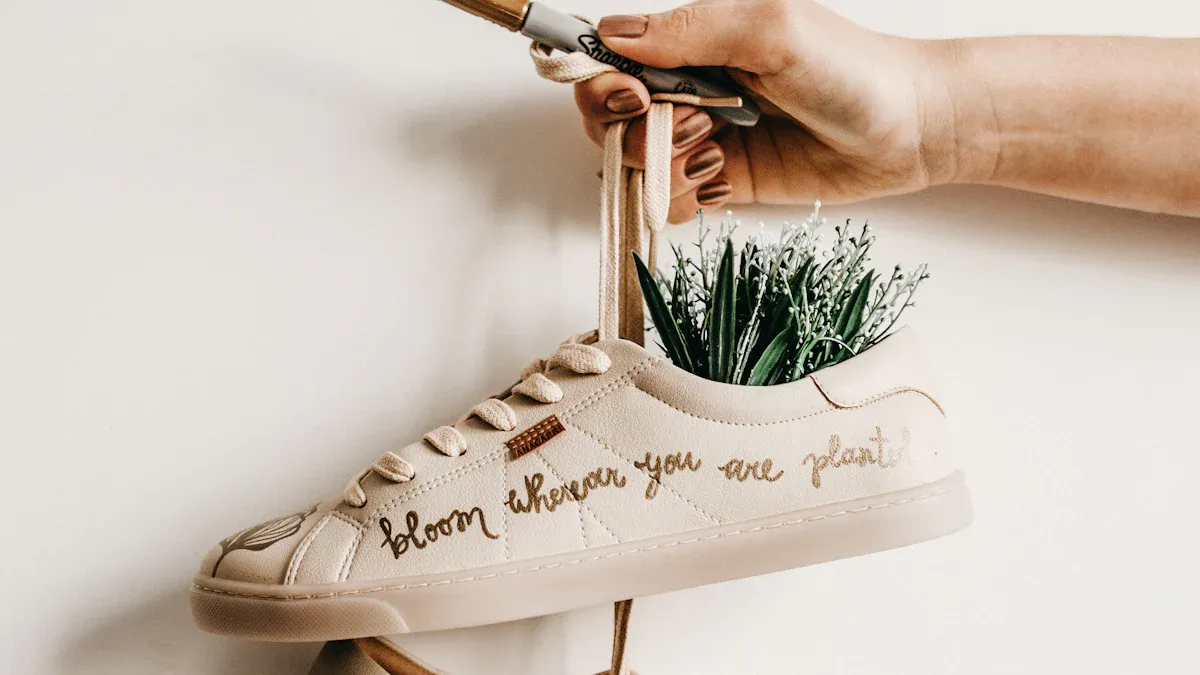
Synthetic materials play a major role in the production of vegan leather sneakers. Polyurethane (PU) stands out as the most common synthetic option. Manufacturers choose PU because it offers durability, water resistance, and a leather-like appearance. These sneakers often feature rubber soles, which provide flexibility and grip. Many brands use advanced techniques to create washable and breathable uppers, making the shoes easy to maintain. Glue-free and seam-free designs further enhance the vegan credentials of these sneakers. By avoiding animal-based adhesives, companies ensure that every component aligns with vegan values. Synthetic vegan leather requires less water during production compared to animal leather, which helps reduce the overall environmental impact.
Plant-Based Leathers
Plant-based materials have become increasingly popular in the vegan sneaker industry. These materials use natural sources to create leather alternatives that are both sustainable and innovative. Common plant-based leathers include:
- Mushroom leather: Made from Phellinus ellipsoideus, this material is eco-friendly, water-repellent, nontoxic, and durable.
- Pineapple leather (Piñatex): Created from pineapple leaves, it utilizes food waste and supports a circular economy.
- Biofabricated leather (Zoa™): Developed from lab-grown collagen, it remains free from animal products and toxic chemicals.
Plant-based vegan leathers offer several sustainability benefits:
- They serve as alternatives to traditional animal leather, which often causes significant environmental harm.
- Animal leather production releases chemicals that pollute soil, air, and water.
- Growing consumer demand for cruelty-free and eco-friendly products encourages manufacturers to adopt plant-based leathers, leading to more sustainable practices in the sneaker industry.
These plant-based options often result in sneakers that are lightweight, flexible, and comfortable. Many designs feature breathable and washable surfaces, making them practical for daily wear.
Recycled Materials
Recycled materials contribute to the sustainability of vegan leather sneakers. Brands incorporate recycled plastics, such as rPET, and bio-based polymers to create durable uppers and linings. Ohoskin® combines bio-based and recycled polymers, which not only increases the durability of the material but also lowers its environmental footprint. Using recycled plastics helps reduce plastic pollution and supports a circular economy. Many vegan sneakers with recycled components feature rubber soles for added comfort and grip. Washable and seam-free construction makes these shoes easy to care for and extends their lifespan.
Note: Vegan leather sneakers made with recycled materials often match or exceed the durability of traditional sneakers, while offering a lower environmental impact.
Vegan leather materials continue to evolve as technology advances. Synthetic, plant-based, and recycled options each offer unique benefits, allowing consumers to choose sneakers that align with their values and lifestyle.
Manufacturing Process
Vegan Sneaker Production Steps
Vegan sneaker production begins with the selection of alternative materials. Manufacturers choose recycled plastics, organic cotton, or plant-based leathers as the foundation. They often layer polyurethane over a base fabric to create a strong and flexible upper. This process gives the sneakers a leather-like appearance without using animal products.
The next step involves cutting and shaping the materials. Machines and skilled workers ensure each piece fits together precisely. Many vegan sneakers use glue-free construction, which avoids animal-derived adhesives. Instead, manufacturers rely on stitching or water-based glues to assemble the shoes.
During production, companies focus on sustainability. They use less water and energy compared to traditional methods. Factories often recycle waste and minimize emissions. The final stage includes attaching rubber soles and adding finishing touches, such as washable linings and breathable panels. Quality checks confirm that the sneakers meet durability and comfort standards.
Tip: Vegan sneaker production often results in shoes that are lightweight and easy to clean.
Comparison with Traditional Methods
Traditional sneaker production relies on animal hides as the main material. Workers prepare the hides through tanning, which uses chemicals and large amounts of water. This process creates leather that is strong but can harm the environment.
Vegan sneaker production uses different materials and techniques. The table below highlights the main differences:
| Type of Sneaker | Materials Used |
|---|---|
| Vegan Leather Sneakers | Recycled plastics, organic cotton, plant-based leathers |
| Traditional Leather Sneakers | Animal hides |
Traditional methods require animal-based glues and finishing treatments. These steps add to the environmental impact. In contrast, vegan sneakers avoid animal products at every stage. Manufacturers use synthetic or plant-based materials and water-based adhesives.
- Vegan sneaker production often involves layering polyurethane over fabric for strength.
- Traditional sneaker production uses animal hides, which need tanning and finishing.
Vegan sneaker factories prioritize eco-friendly practices. They reduce water usage and recycle materials. Traditional factories focus on durability but may produce more waste and pollution.
Vegan sneaker production continues to evolve. Brands experiment with new materials and techniques to improve quality and sustainability. Consumers can choose sneakers that reflect their values and support responsible manufacturing.

Durability and Performance
Longevity
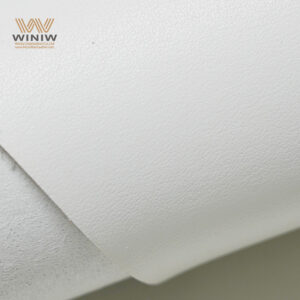
Vegan leather sneakers have gained popularity for their innovative materials and ethical appeal. Many brands use polyurethane (PU) leather, which offers water resistance and a sleek look. PU does not absorb moisture easily, so it helps keep sneakers clean and fresh. However, PU leather does not mold to the foot over time. This characteristic may affect comfort and fit after extended use. Genuine leather often adapts to the wearer’s foot, which can increase longevity in high-contact areas. Vegan sneakers can last for several years with proper care, but their lifespan may vary depending on the material and usage.
Wear Resistance
Wear resistance plays a crucial role in evaluating the performance of vegan sneakers. PU leather stands out for its ability to resist moisture and maintain a polished appearance. People who wear vegan sneakers for everyday activities benefit from easy cleaning and minimal staining. PU leather does not stretch or conform like animal leather, so it may show creases or cracks in high-stress zones. This limitation means vegan sneakers may not match the durability of traditional leather in demanding environments, such as sports or heavy outdoor use. Many users find vegan sneakers suitable for casual wear, light exercise, and urban settings.
Tip: Rotating between pairs of sneakers can help extend the life of vegan footwear.
Care and Maintenance
Proper care ensures vegan sneakers remain in good condition. Different cleaning products suit various materials and needs. The table below summarizes recommended practices:
| Product Type | Best For | Pros | Cons |
|---|---|---|---|
| Foam-Based Cleaners | Mesh, knit uppers, canvas, foam midsoles | Gentle on delicate fibers, lifts dirt without abrasion, often biodegradable | May require multiple applications; not effective on oil-based stains |
| Liquid Sprays (Water & Stain Repellents) | Synthetic leathers, textile blends, outdoor footwear | Quick drying, creates invisible barrier, reduces absorption of liquids | Needs reapplication every few weeks; some contain chemicals that may discolor light fabrics |
| Conditioning Wipes | On-the-go maintenance, travel, mixed-material shoes | Convenient, pre-measured dosage, portable packaging | Less thorough than deep-cleaning methods; single-use generates waste |
| Brush Kits with Specialized Heads | Textured soles, laces, hard-to-reach seams | Reusable, customizable pressure, eco-friendly alternative to wipes | Requires manual effort; incorrect bristle hardness can scratch surfaces |
| Odor Neutralizers & Deodorizing Sprays | Athletic shoes, gym footwear, shared-use environments | Eliminates bacteria-caused odors, often alcohol-free, safe for insoles | Temporary effect; doesn’t clean visible grime. |
Regular cleaning with foam-based products helps maintain mesh and knit areas. Liquid sprays protect synthetic vegan leather from stains and water damage. Conditioning wipes offer quick solutions for travelers. Brush kits clean textured soles and seams, while odor neutralizers keep sneakers fresh. People should avoid harsh chemicals and rough scrubbing, which can damage vegan materials. Following these steps helps preserve the appearance and function of vegan sneakers.
Appearance and Style
Visual Differences
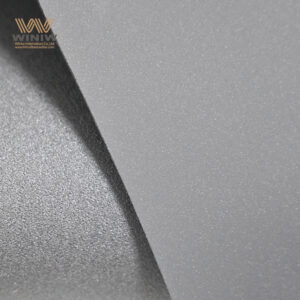
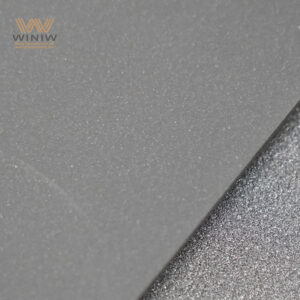
Vegan leather sneakers often display a modern look that sets them apart from traditional footwear. Manufacturers use synthetic and plant-based materials to create surfaces that mimic genuine leather. Some vegan sneakers feature a smooth finish, while others show embossed patterns or unique textures. The absence of natural imperfections, such as scars or grain variations, gives vegan leather a more uniform appearance. Many brands choose minimalist designs, which appeal to consumers who prefer clean lines and simple shapes. Others experiment with bold details, including geometric stitching or contrasting panels. Vegan leather allows for creative expression without relying on animal hides.
Note: Vegan leather can replicate the shine and matte qualities found in traditional leather, offering similar visual appeal.
Color and Texture
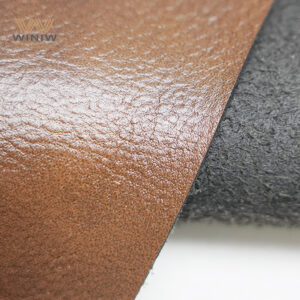
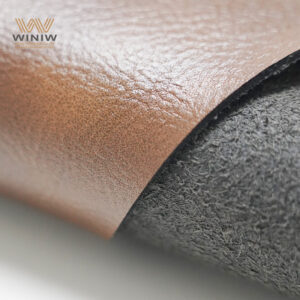
Color selection plays a significant role in the style of vegan leather sneakers. Manufacturers can produce vegan leather in almost any shade, from classic black and white to vibrant hues like red, blue, or green. Synthetic materials accept dyes easily, which results in consistent and long-lasting colors. Plant-based leathers also support a wide range of tones, although some natural fibers may influence the final shade. Texture options include smooth, pebbled, or embossed finishes. Some brands use embossing techniques to imitate the grain of animal leather or to create exotic patterns. These choices give designers flexibility to match current fashion trends or to develop signature looks.
- Smooth textures create a sleek and polished effect.
- Pebbled surfaces add depth and interest.
- Embossed patterns introduce variety and uniqueness.
Design Flexibility
Vegan leather offers manufacturers significant control over design elements. They can adjust the thickness of polyurethane (PU) leather to achieve a customized feel and appearance. Thicker materials provide structure and support, while thinner options allow for lightweight and flexible designs. Color choices remain virtually unlimited, enabling brands to launch seasonal collections or limited-edition releases. Texture manipulation, such as embossing, lets designers mimic natural leather grains or invent new patterns.
The table below highlights key aspects of design flexibility in vegan leather sneaker production:
| Design Element | Description |
|---|---|
| Thickness | Manufacturers can control the thickness of PU leather, allowing for a customized feel and look. |
| Color | The color of PU leather can be varied, providing a wide range of aesthetic options. |
| Texture | PU leather can be embossed to mimic natural leather grains or exotic patterns, enhancing design versatility. |
Designers use these features to create sneakers that appeal to diverse tastes. Vegan leather supports innovation in style, making it possible to produce footwear that stands out in the market.
Tip: Vegan leather’s adaptability encourages brands to experiment with new shapes, finishes, and color combinations.
Comfort and Wearability
Breathability
Breathability plays a key role in the comfort of vegan leather sneakers. Many brands use advanced synthetic or plant-based materials that allow air to circulate inside the shoe. This airflow helps keep feet cool and dry during daily activities. Some vegan leathers, such as those made from recycled PET or pineapple fibers, feature micro-perforations or mesh panels. These design choices increase ventilation and reduce moisture buildup. Breathable sneakers can prevent odors and discomfort, especially during warm weather or long periods of wear.
Tip: Shoes with breathable linings and uppers often feel lighter and more comfortable throughout the day.
Fit and Flexibility
Fit and flexibility determine how well vegan leather sneakers support the foot. Manufacturers select materials that balance structure and movement. For example, plant-based foams and recycled plastics provide a flexible base while maintaining shape. Cushioning inside the shoe absorbs impact and adds comfort. The table below highlights the main factors that influence fit and flexibility in vegan leather sneakers:
| Factors Influencing Fit and Flexibility | Description |
|---|---|
| Material | Environmentally responsible materials (e.g., recycled PET, plant-based foams) contribute to the overall fit and flexibility of the sneakers. |
| Breathability | The breathability of the materials used in vegan leather can affect comfort and fit. |
| Cushioning | Adequate cushioning is essential for flexibility and comfort in sneakers. |
Designers often use lightweight soles and flexible uppers to improve movement. Some vegan sneakers include elastic panels or adjustable laces for a more personalized fit. These features help the shoe adapt to different foot shapes and walking styles. Flexible sneakers can reduce fatigue and support natural foot motion.
User Experience
User experience with vegan leather sneakers varies based on design and material choice. Many wearers report that vegan sneakers feel lighter than traditional leather shoes. The absence of animal-based materials can make the shoe softer and less rigid. Some users appreciate the quick break-in period, as vegan leather often requires less time to adjust to the foot.
- Many people enjoy the easy maintenance of vegan sneakers. Most models clean easily with a damp cloth or mild soap.
- Vegan sneakers often resist stains and water, making them suitable for various environments.
- Some users notice that vegan leather does not stretch as much as animal leather, which can affect long-term fit.
Note: Choosing the right size and style ensures the best comfort and wearability for vegan leather sneakers.
Overall, vegan leather sneakers offer a comfortable and practical option for everyday wear. Their breathable materials, flexible construction, and easy care make them a popular choice for those seeking both style and comfort.
Sustainability and Ethics
Environmental Impact
Vegan leather sneakers offer a more eco-responsible choice compared to traditional leather footwear. Manufacturers focus on easy-on-the-environment footwear by selecting materials that require less water and land. The production of vegan sneakers often results in a lower carbon footprint. The table below highlights key differences between vegan and traditional leather sneaker production:
| Aspect | Vegan Leather | Traditional Leather |
|---|---|---|
| Carbon Footprint | Lower (15.8kg CO2e per square meter) | Higher (110.0kg CO2e for cow skin leather) |
| Water Use | Less water required | Significant water use (17,128 liters per tote) |
| Land Use | Requires less land | Large amounts needed for cattle farming |
| Pollution | Contributes to microplastic pollution | Generates hazardous waste during tanning |
| Biodegradability | Not biodegradable (often plastic-based) | Biodegradable but resource-intensive |
| Sustainability Potential | Plant-based options emerging | Resource-heavy and less sustainable |
Vegan sneaker brands continue to develop plant-based options that improve sustainability. Although some synthetic materials contribute to microplastic pollution, companies strive to create eco-friendly products by using recycled and bio-based materials. These efforts support responsible vegan fashion and reduce the environmental impact of footwear.
Note: Choosing cruelty-free solutions in footwear helps lower resource consumption and supports a cleaner planet.
Animal Welfare
Vegan leather sneakers promote cruelty-free practices by eliminating animal-derived materials. Manufacturers avoid using animal hides, wool, or animal-based glues. This approach reduces harm and death among animals, which remains common in traditional leather production. Many consumers select vegan sneakers because they align with cruelty-free values and ethics. The absence of animal ingredients in these shoes supports animal welfare and encourages brands to adopt more humane manufacturing processes.
People who care about animal rights often prefer vegan footwear. They recognize that cruelty-free solutions in fashion can make a significant difference. The shift toward vegan products reflects a growing demand for responsible choices in the industry.
Resource Use
Resource use in vegan sneaker production differs from traditional methods. Vegan leather requires less water and land, which helps conserve natural resources. Manufacturers often use recycled plastics, plant-based fibers, and bio-based polymers. These materials support sustainability and reduce the strain on ecosystems.
Traditional leather production relies on cattle farming, which consumes large amounts of land and water. Tanning processes generate hazardous waste and use toxic chemicals. Vegan brands focus on creating eco-friendly products that minimize resource use and pollution.
- Vegan sneakers often feature washable and durable designs.
- Companies invest in cruelty-free solutions to improve efficiency.
- Responsible vegan fashion encourages the use of renewable resources.
Vegan leather sneakers represent an eco-responsible and cruelty-free alternative in the footwear market. Their production supports sustainability, animal welfare, and ethics, making them a preferred choice for conscious consumers.
Vegan leather sneakers differ from traditional sneakers in materials, manufacturing, and ethical impact. They use cruelty-free and eco-friendly alternatives, which appeal to consumers who value sustainability and style. Ethical considerations influence choices in several ways:
- The fashion industry creates global waste and climate challenges.
- New brands focus on fair trade and eco-friendly materials.
- Many people choose vegan options to reflect their values.
Vegan leather sneakers offer durability and comfort. Thoughtful decisions support a cleaner planet and promote responsible fashion.
FAQ
Are vegan leather sneakers waterproof?
Most vegan leather sneakers resist water due to synthetic materials like polyurethane. Some plant-based options offer water-repellent features. Users should check product details for specific waterproof ratings.
Do vegan leather sneakers last as long as traditional leather sneakers?
Vegan leather sneakers often match the lifespan of traditional sneakers. Proper care extends durability. Material quality and usage patterns influence longevity.
Can people wash vegan leather sneakers in a washing machine?
Manufacturers recommend hand washing vegan leather sneakers. Machine washing may damage synthetic or plant-based materials. Spot cleaning with mild soap preserves the shoe’s appearance.
Are vegan leather sneakers comfortable for daily wear?
Many users find vegan leather sneakers comfortable. Breathable linings and flexible soles support all-day wear. Comfort depends on design and material choice.
Do vegan leather sneakers use animal-based glue?
Brands producing vegan sneakers avoid animal-based glues. They use water-based or synthetic adhesives. This ensures the product remains cruelty-free.
Are vegan leather sneakers environmentally friendly?
Vegan leather sneakers use less water and land than traditional leather. Some models use recycled or plant-based materials. Synthetic options may contribute to microplastic pollution.
Do vegan leather sneakers look like real leather?
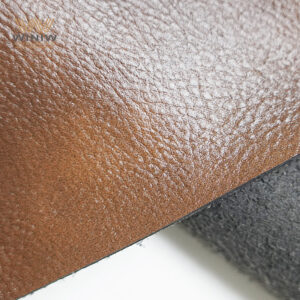
Vegan leather sneakers often mimic the appearance of genuine leather. Designers use embossing and color treatments to achieve similar textures and finishes.
Can people recycle vegan leather sneakers?
Some vegan leather sneakers contain recyclable components. Users should check local recycling guidelines. Mixed materials may limit recycling options.