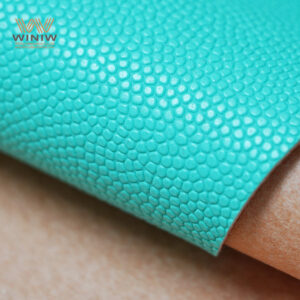
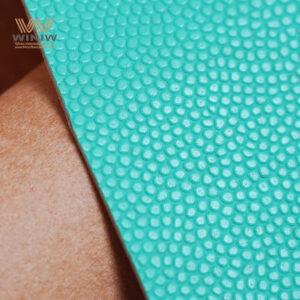
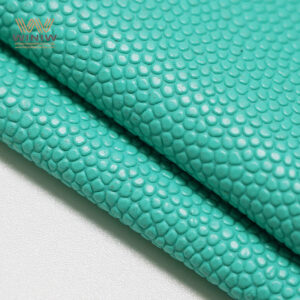
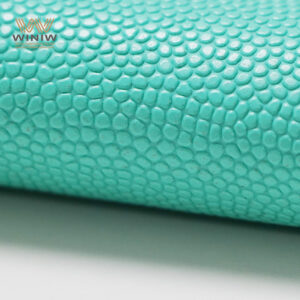
PVC leather football stands out for its impressive durability, making it a popular choice among players who value a high-quality football that can withstand frequent use. Many users express concerns about how long these balls last, their resistance to wear, and their performance in different environments. Common issues include chemical odors, valve cracks, heavy weight, and peeling panels, as shown below:
| Complaint Description |
|---|
| Smelled strongly of chemicals when first opened. |
| Valve cracked after two weeks of pumping. |
| Too heavy—it doesn’t roll naturally. |
| Peeling panels after one month outside. |
Players should consider where and how they use their football to match their needs with the right product.
Wichtigste Erkenntnisse
- PVC leather footballs are known for their impressive durability, making them ideal for frequent use.
- Multi-layer casings enhance the ball’s strength and water resistance, ensuring it maintains shape during play.
- The stitching method affects durability; hand-stitched balls typically last longer than machine-stitched ones.
- Players should choose a ball based on their skill level; skilled players can extend the ball’s lifespan through better control.
- Proper care, including regular cleaning and correct storage, can significantly prolong the life of a PVC leather football.
- PVC leather footballs are affordable, providing excellent durability and performance for schools and recreational players.
- These footballs perform well on various surfaces, including grass and artificial turf, making them versatile for different playing conditions.
- Signs of wear, such as peeling panels or air leaks, indicate when it’s time to replace the ball for optimal performance.
PVC Leather Football Material Strength
PVC Composition and Layers
Types of PVC Used
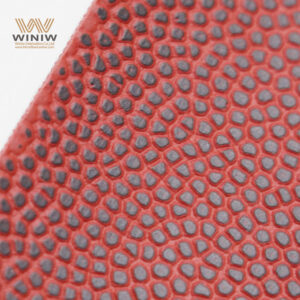
Manufacturers use different types of polyvinyl chloride (PVC) to create the outer layer of footballs. Some brands choose soft PVC for a more flexible touch, while others select harder PVC for increased durability. The choice of PVC affects how the ball feels and how long it lasts. Soft PVC offers a smoother surface, but it may show signs of wear faster. Harder PVC resists scratches and scuffs, making it a strong option for rough play. Many companies blend PVC with other soccer ball materials to improve performance and extend the ball’s lifespan.
Multi-Layer Casing Benefits
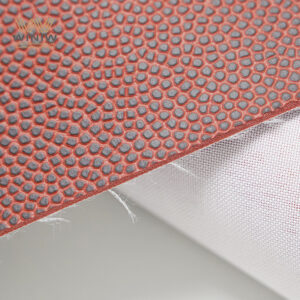
A multi-layer casing increases the durability of PVC leather footballs. Most high-quality balls feature several layers beneath the outer PVC shell. These layers often include polyester or cotton fabric, which adds strength and helps the ball keep its shape. The combination of layers protects the ball from water damage and reduces the risk of panels peeling. Players notice that multi-layer construction helps the ball stay firm and round, even after many games. This structure also improves water resistance, which is important for outdoor play in wet conditions.
Tip: Multi-layer casings not only boost durability but also help maintain consistent performance across different playing surfaces.
Stitching and Panel Design
Stitching Methods
The way a football is stitched plays a big role in its durability. Hand-stitched balls usually last longer because each stitch is tight and secure. Machine-stitched balls can offer good quality, but they may not hold up as well under heavy use. Some manufacturers use thermal bonding instead of stitching, which creates a seamless surface and improves water resistance. The stitching method affects how well the ball holds together during intense matches.
Panel Shape and Number
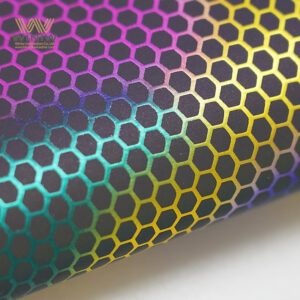
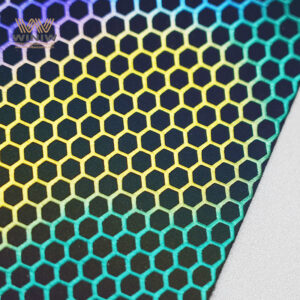
Panel design impacts both the strength and the feel of a football. Traditional balls use 32 panels, but some modern designs feature fewer or more panels. Fewer panels mean fewer seams, which can reduce water absorption and make the ball more aerodynamic. More panels can give the ball a softer touch, but they may increase the risk of seams splitting over time. The shape of each panel also matters. Hexagonal and pentagonal panels distribute pressure evenly, which helps the ball keep its shape and boosts durability.
| Panel Number | Common Shape | Durability Impact |
|---|---|---|
| 32 | Hex/Pentagon | Balanced, classic feel |
| 18-26 | Larger panels | Fewer seams, more robust |
| 42+ | Smaller panels | Softer, but more seams |
Players who want a ball that lasts should look for strong stitching and a panel design that matches their playing style. The right combination of soccer ball materials, stitching, and panel layout ensures the ball can handle frequent use and different field conditions.
Performance of PVC Leather Footballs
Durability in Play
Regular Use and Wear
Players often choose pvc leather footballs for their durability during regular play. These balls withstand repeated kicks, passes, and tackles without losing shape or integrity. The outer layer resists scuffs and scratches, which helps maintain a clean appearance. Many users report that the ball retains its bounce and structure after months of use. The multi-layer casing protects the inner bladder, reducing the risk of leaks or deflation. This durability makes pvc leather footballs a reliable option for school teams and recreational leagues.
Note: Consistent use on rough surfaces may accelerate wear, but most pvc leather footballs show superior performance compared to cheaper alternatives.
Impact of Player Skill
Player skill influences how long a football lasts. Skilled players tend to control the ball with precision, which reduces unnecessary stress on the panels and stitching. Beginners may kick harder or mishandle the ball, causing more rapid wear. Coaches often recommend pvc leather footballs for training because they offer improved performance and withstand frequent mistakes. The ball’s quality ensures that both novice and experienced players experience consistent play, regardless of skill level.
Consistency Across Surfaces
Grass Fields
Grass fields provide a natural cushion for football play. Pvc leather footballs perform well on grass, maintaining their round shape and bounce. The material resists moisture absorption, so wet grass does not affect the ball’s weight or flight. Players notice that the ball rolls smoothly and responds predictably to passes and shots. The durability of the pvc leather football ensures that it remains in good condition, even after games in damp conditions.
Artificial Turf
Artificial turf presents a tougher surface for footballs. The synthetic fibers can cause increased friction, which tests the ball’s durability. Pvc leather footballs show superior performance on turf because the outer layer resists abrasion. The ball’s multi-layer construction prevents deformation, even after repeated impacts. Players appreciate the consistent touch and control, which supports improved performance during fast-paced matches.
| Surface Type | Performance Features | Durability Impact |
|---|---|---|
| Grass | Smooth roll, moisture resistant | Maintains shape, resists wear |
| Artificial Turf | Abrasion resistant, firm touch | Superior performance, long-lasting |
| Indoor | Stable bounce, easy control | Preserves quality, minimal damage |
Indoor Play
Indoor courts require footballs with stable bounce and easy control. Pvc leather footballs deliver reliable performance indoors. The material stiffness provides a firm touch, which helps players execute accurate passes and shots. The ball’s quality construction prevents damage from hard surfaces. Many coaches select pvc leather footballs for indoor training because they offer improved performance and maintain their durability over time.
Tip: Material stiffness affects touch and control. Firmer balls respond quickly to foot movements, while softer balls may absorb more impact and slow down play.
Players who value superior performance across different environments often prefer pvc leather footballs. The combination of durability, quality, and consistent performance features makes these balls suitable for a wide range of playing conditions.
Comparing Football Materials
PVC vs. PU Leather
Durability and Feel
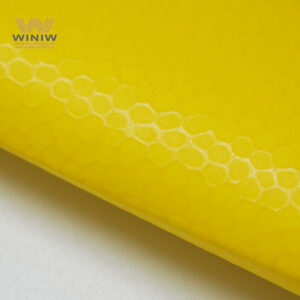
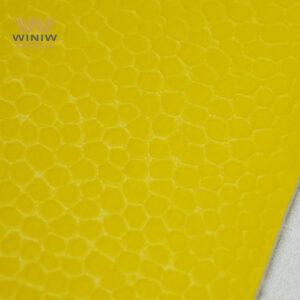
Players often compare PVC leather footballs with PU leather balls when choosing the right equipment. PVC leather offers strong durability, making it suitable for frequent play and rough conditions. PU leather, on the other hand, provides a softer touch and a more natural feel. Many athletes notice that PU leather balls deliver better performance during matches because they respond well to foot movements. However, PU leather tends to wear out faster, especially on hard or abrasive surfaces. PVC leather footballs maintain their shape and resist scratches, which increases their lifespan. Coaches recommend PVC leather for training sessions that demand long-lasting soccer ball materials.
| Merkmal | PVC Leather Football | PU Leather Football |
|---|---|---|
| Dauerhaftigkeit | Hoch | Moderate |
| Feel | Firm | Weich |
| Lifespan | Extended | Shorter |
| Cost | Erschwinglich | Höher |
Tip: Players who value durability and cost-effectiveness often choose PVC leather footballs for regular practice.
Water Resistance
Water resistance plays a key role in football performance. PVC leather footballs excel in wet conditions because the material repels moisture. PU leather balls absorb more water, which can affect their weight and flight. Teams that play outdoors in rainy weather prefer PVC leather for its reliable performance and consistent quality. PU leather may offer a better touch, but it loses its advantages when exposed to water. PVC leather stands out among soccer ball materials for its ability to maintain performance regardless of weather.
PVC vs. Genuine Leather
Longevity
Genuine leather footballs have a classic reputation for quality and tradition. They provide excellent performance on dry, natural grass fields. However, genuine leather requires careful maintenance to preserve its durability. PVC leather footballs last longer with less care, making them ideal for schools and recreational leagues. Genuine leather can crack or fade over time, especially if exposed to moisture or rough surfaces. PVC leather resists these issues and keeps its shape through many games.
Note: Teams seeking a long-lasting football often select PVC leather for its low maintenance and reliable durability.
Touch and Softness
Touch and softness influence how players control the ball. Genuine leather feels soft and comfortable, which enhances performance for skilled athletes. PVC leather offers a firmer touch, which some players prefer for fast-paced matches. The difference in soccer ball materials affects the overall experience. Genuine leather provides a premium feel, but PVC leather delivers consistent quality and performance across various environments. Coaches often choose PVC leather footballs for their balance of durability and affordability.
- Genuine leather: Soft, premium touch, requires maintenance.
- PVC leather: Firm, consistent feel, easy to care for.
Players should consider their playing style and environment before selecting a football. Each material offers unique benefits, but PVC leather stands out for its combination of durability, performance, and quality.
Longevity and Care
Expected Lifespan
PVC leather footballs offer a lifespan that meets the needs of most players. Many users report that these balls last for several seasons when used for regular training or recreational matches. The durability of the outer layer and multi-layer casing helps the ball resist common damage. Schools and clubs often choose PVC leather footballs because they maintain their shape and bounce over time. The expected lifespan depends on how often players use the ball and the type of surface.
Factors Affecting Longevity
Several factors influence how long a football remains in good condition:
- Frequency of Use: Balls used daily wear out faster than those used occasionally.
- Playing Surface: Grass fields cause less damage than artificial turf or concrete.
- Storage Conditions: Balls stored in dry, cool places last longer.
- Skill Level: Beginners may cause more stress to the panels and stitching.
Note: Proper care extends the lifespan of soccer ball materials and preserves performance.
Signs of Wear
Players should watch for signs that indicate a football needs replacement. Common signs include:
- Peeling or cracked panels
- Loss of shape or uneven bounce
- Faded colors or worn logos
- Air leaks from the valve or seams
A table can help players identify when to replace their ball:
| Sign of Wear | Impact on Play |
|---|---|
| Peeling panels | Reduces durability |
| Misshapen ball | Affects performance |
| Air leaks | Lowers quality |
Maintenance Tips
Cleaning and Storage
Regular cleaning keeps a football in top condition. Players should wipe the ball with a damp cloth after each game. Mild soap removes dirt without damaging the surface. Avoid soaking the ball in water, as this can weaken the soccer ball materials. Store the ball in a cool, dry place away from direct sunlight. Proper storage prevents the panels from peeling and maintains the ball’s quality.
Preventing Common Issues
Players can prevent common problems by following simple steps:
- Check the air pressure before each use.
- Avoid kicking the ball against rough walls or sharp objects.
- Rotate balls during practice to reduce wear.
- Use the ball on recommended surfaces.
Tip: Regular inspection helps players catch issues early and maintain performance.
Taking care of a PVC leather football ensures that it delivers consistent durability and reliable performance. Good habits protect the investment and allow players to enjoy the game with a high-quality ball.
Value and Suitability
Cost vs. Durability
Preisspanne
Many players and coaches consider the price of a football before making a purchase. PVC leather footballs usually fall within an affordable price range, making them accessible for schools, clubs, and recreational players. The cost varies depending on brand, size, and construction. Most entry-level models cost less than premium alternatives. This affordability allows teams to buy multiple balls for practice and games without straining their budgets.
Tip: Choosing a football with a reasonable price helps schools and beginners maximize their resources while still enjoying reliable equipment.
Durability per Dollar
When evaluating value, durability per dollar becomes a key factor. PVC leather footballs offer strong durability for their cost. The multi-layer casing and tough outer material help these balls withstand frequent use and rough surfaces. Players notice that the quality remains consistent over time, even with regular play. Investing in a PVC leather football provides long-term savings because the ball lasts through many seasons. Teams often find that the initial investment pays off with fewer replacements needed.
| Preisspanne | Durability Level | Value for Money |
|---|---|---|
| Low to Moderate | Hoch | Ausgezeichnet |
| Hoch | Premium | Varies |
Best Users for PVC Leather Footballs
Beginners and Schools
Schools and beginner players benefit greatly from using PVC leather footballs. These balls provide superior grip, which helps new players handle and control the ball more easily. Water resistance ensures that games can continue in different weather conditions. The design encourages skill development, allowing students to learn fundamental techniques such as throwing, catching, and spatial awareness. Coaches appreciate that PVC leather footballs promote physical activity and social interaction among students. Safe sizes and non-tackle variants reduce injury risk, making these balls ideal for young players.
| Advantage | Beschreibung |
|---|---|
| Superior Grip | Provides better handling and control for beginners. |
| Water Resistance | Suitable for various weather conditions, enhancing usability. |
| Develops Skills | Helps in learning fundamental throwing, catching, and awareness. |
| Encourages Activity | Promotes physical engagement and social interaction. |
| Safe Sizes | Available in age-appropriate sizes and weights for safety. |
| Non-tackle Variants | Reduces injury risk while maintaining excitement. |
Recreational vs. Competitive Play
Recreational players often choose PVC leather footballs because they deliver sufficient performance at a lower cost. These balls meet the needs of casual games and practice sessions, providing reliable quality without the expense of premium materials. Competitive players, however, may prefer footballs made from premium polyurethane leather for superior touch, flight accuracy, and enhanced durability. The choice depends on the level of play and specific requirements.
| Player Type | Preferred Material | Performance Level |
|---|---|---|
| Recreational Players | PVC synthetic leather | Sufficient performance at a lower cost |
| Competitive Players | Premium polyurethane leather | Superior touch, flight accuracy, durability |
Note: PVC leather footballs suit beginners, schools, and recreational players who value durability, quality, and affordability. Competitive athletes may seek advanced materials for higher performance.
Players should assess their needs and playing environment before selecting a football. PVC leather footballs offer a balanced combination of cost, durability, and quality, making them a practical choice for many users.
PVC leather footballs deliver reliable durability and consistent performance for schools, beginners, and recreational players. Buyers should match their needs and budget to the right material. The table below helps guide selection:
| Intended Use | Recommended Material | Budget Consideration |
|---|---|---|
| Competitive Play | FIFA-certified models with thermal bonding | Higher budget for quality and performance |
| Training | Durable, mid-priced options with reinforced stitching | Moderate budget for durability |
| Casual Play | Affordable options focusing on safety | Lower budget, avoid poorly made imports |
Players who value long-lasting equipment and affordability benefit most from PVC leather footballs.
FAQ
How long does a PVC leather football usually last?
Most PVC leather footballs last one to three years with regular use. Players who follow proper care routines extend the lifespan. Schools and clubs often report consistent performance over multiple seasons.
Can PVC leather footballs be used in wet weather?
PVC leather resists water well. Players use these footballs outdoors during rain without worrying about damage. The multi-layer casing prevents moisture from affecting shape or bounce.
What is the best way to clean a PVC leather football?
Wipe the ball with a damp cloth after each game. Mild soap removes dirt. Avoid soaking the ball in water. Store in a cool, dry place to maintain quality.
Are PVC leather footballs suitable for competitive matches?
Coaches recommend PVC leather footballs for training and recreational play. Competitive leagues often prefer premium materials like PU or genuine leather for enhanced touch and flight accuracy.
Why do some PVC leather footballs have a strong chemical smell?
Manufacturers use chemicals during production. The odor usually fades after airing out the ball for a few days. Players should store new balls in ventilated areas before first use.
Do PVC leather footballs require special storage?
Players should store footballs in cool, dry places away from direct sunlight. Proper storage prevents panels from peeling and maintains air pressure. Avoid leaving balls outdoors overnight.
What surfaces work best for PVC leather footballs?
Grass and artificial turf suit PVC leather footballs. The material resists abrasion and maintains shape. Indoor courts also provide a good environment for consistent bounce and control.
How can players tell when to replace their PVC leather football?
Signs include peeling panels, loss of shape, faded colors, and air leaks. Players notice reduced bounce or uneven flight. A quick inspection before each game helps identify issues early.