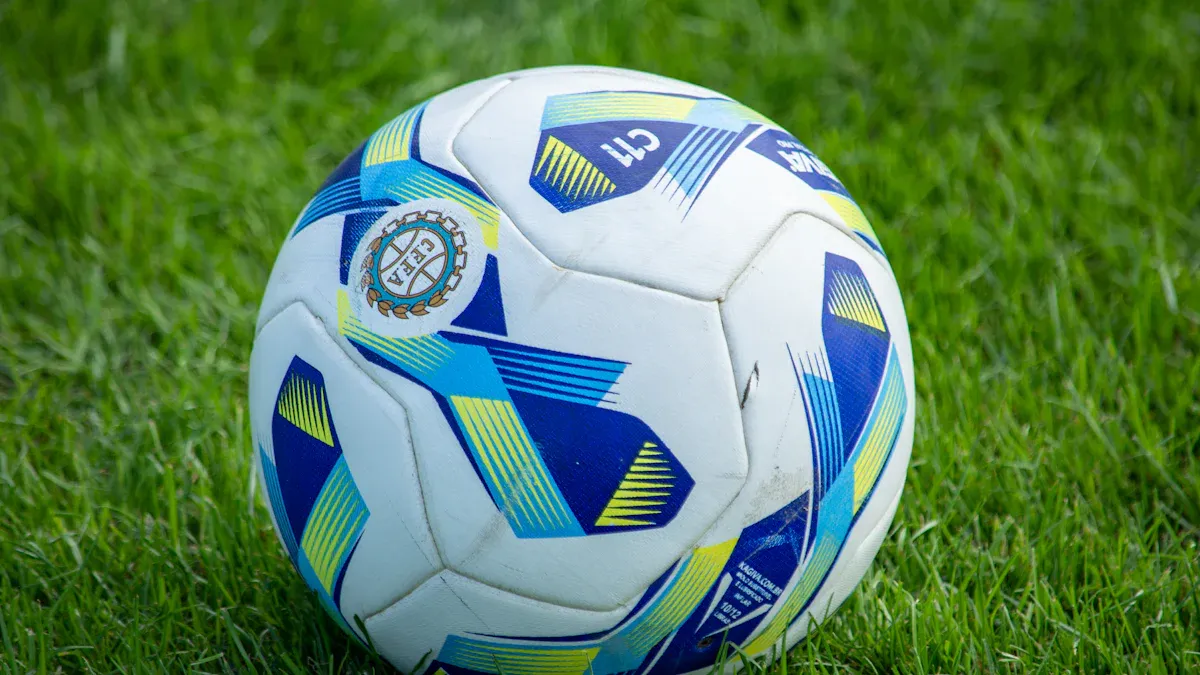
I always start by checking the ball size, durability, and features before I buy a soccer ball. Matching PVC leather soccer balls to a player’s age, skill level, and playing surface helps me guarantee comfort and performance. I trust these simple steps to guide anyone toward the right soccer choice.
- Pick the correct size for age and skill.
- Look for durable materials and solid construction.
- Match the ball to the playing environment.
Tip: With these basics, you can select a ball with confidence.
Wichtigste Erkenntnisse
- Choose the right soccer ball size based on the player’s age and skill level to enhance comfort and performance.
- Select durable materials like PVC leather for better longevity and weather resistance during play.
- Match the soccer ball to the playing surface to ensure optimal performance and prevent damage.
- Inspect the ball’s stitching and bladder quality to guarantee durability and consistent play.
- Regularly check and maintain the soccer ball to ensure it remains in good condition for safe and effective training.
Why the Right Ball Matters
Performance and Comfort
When I choose a soccer ball, I focus on how it feels during play. The right ball improves my touch and control, making every pass and shot more accurate. I notice that a well-matched PVC leather soccer ball responds better to my footwork, allowing me to develop my skills faster. The grip and texture of the ball help me maintain control, especially when dribbling or changing direction quickly. I always look for a ball that feels comfortable in my hands and under my feet. A ball that matches my age and skill level makes training sessions more productive and enjoyable.
Note: A comfortable soccer ball encourages longer practice sessions and helps players build confidence on the field.
Safety and Development
I pay close attention to safety when selecting a soccer ball, especially for younger players. Using the correct size ball reduces the risk of injury and supports healthy skill development. I have learned that oversized balls can cause poor technique and increase the chance of accidents, particularly when heading or passing. Proper ball size allows me to position my feet and body correctly, which is essential for learning fundamental soccer skills.
- Choosing the right soccer ball size helps young players develop proper technique.
- Appropriately sized balls prevent injuries linked to oversized equipment.
- Correct sizing supports better foot positioning and body mechanics.
- Smaller balls reduce the risk of injury to sensitive areas like wrists and face.
I always recommend checking the size chart before buying a soccer ball. This simple step ensures that every player, regardless of age, can train safely and progress confidently.
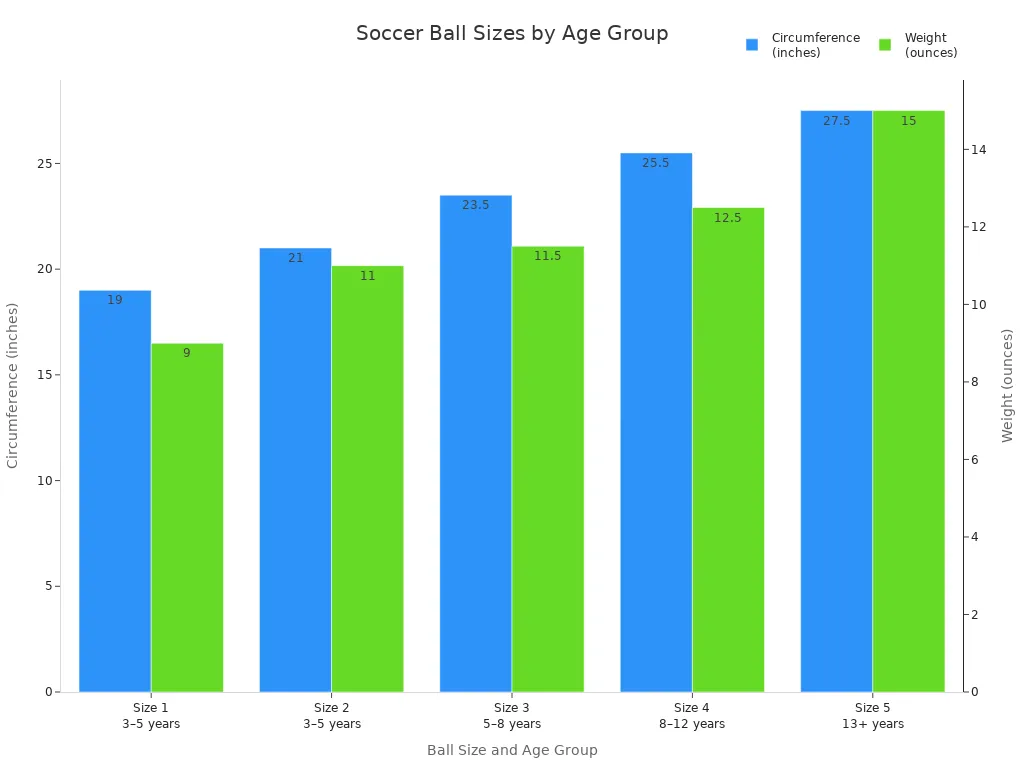
Soccer Ball Sizes by Age
Size Chart
I always check the official size chart before I select a soccer ball. Using the right size ensures that every player can develop skills safely and effectively. Here is a quick-reference table I rely on when matching ball size to age group:
| Soccer Ball Size | Age Group | Circumference (inches) | Weight (ounces) | League/Division |
|---|---|---|---|---|
| Size 1 | 3–5 years | 18-20 | 8-10 | Pre-K, Toddler |
| Size 2 | 3–5 years | 20-22 | 10-12 | Preschool programs |
| Size 3 | 5–8 years | 23-24 | 11-12 | U6, U7, U8 |
| Size 4 | 8–12 years | 25-26 | 12-13 | U9, U10, U11, U12 |
| Size 5 | 13+ years | 27-28 | 14-16 | U13 and above |
Tip: I always match the ball size to the player’s age for the best training results and to reduce the risk of injury.
Youth and Teen Recommendations
When I coach young players, I choose a ball that fits their age and skill level. For children ages 5 to 8, I use a Size 3 soccer ball. This size helps them control the ball and learn basic techniques without straining their muscles. For players ages 8 to 12, I switch to Size 4. This size supports more advanced skills and prepares them for the transition to full-size play. I have seen that using the correct ball size improves confidence and encourages creativity on the field.
| Wichtige Punkte | Explanation |
|---|---|
| Skill Development | Properly sized balls enhance control, leading to better touches and confidence. |
| Safety | Oversized balls can lead to injuries, especially during heading attempts. |
| Game Experience | Correct sizes ensure the game is challenging yet achievable for all ages. |
Adult Player Choices
For teens and adults, I always recommend Size 5. This is the official size for all competitive and recreational soccer matches for players aged 13 and above. I find that this size allows for the best performance, whether in training or competition. Using the right ball size helps me maintain proper technique and reduces the risk of injury, especially during intense play.
| Soccer Ball Size | Beschreibung | Suitable Age Group |
|---|---|---|
| Size 5 | Official size for adult and youth competitions | Players aged 12 and above |
Note: I never compromise on ball size. The right choice supports skill development, safety, and enjoyment for every player.
Choosing PVC Leather Soccer Balls
Material and Construction
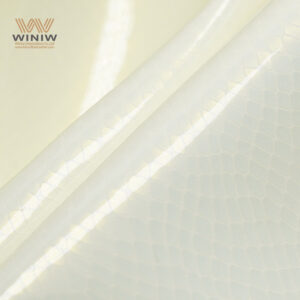
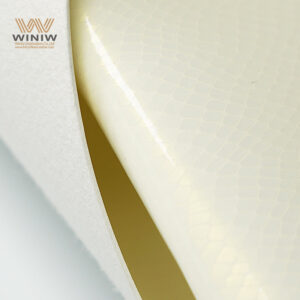
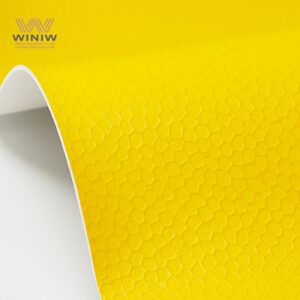
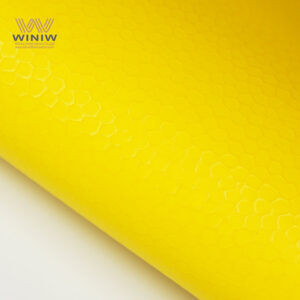
When I compare soccer ball materials, I always start with the outer cover. PVC leather soccer balls stand out for their affordability and durability. I notice that Kunstleder, especially PVC, resists water and holds up well during regular practice. This makes it ideal for players who train in different weather conditions. Genuine leather offers a classic feel and superior grip, but it requires more maintenance and struggles in wet environments. I find that synthetic leather maintains its shape and control, while genuine leather absorbs water and becomes heavy.
- PVC leather soccer balls are affordable and water-resistant.
- Genuine leather balls need more care and lose performance in wet conditions.
- Synthetic covers help the ball last longer and perform consistently.
Tip: When comparing soccer ball materials, I always choose PVC leather for regular training and unpredictable weather.
Durability and Stitching
I pay close attention to how the ball is stitched. Machine stitching provides uniform seams and increases the ball’s lifespan. Hand stitching, while traditional, can sometimes result in uneven panels. I prefer PVC leather soccer balls with reinforced stitching because they withstand repeated kicks and rough play. Sponge-backed covers add an extra layer of protection, making the ball more comfortable and durable.
| Material Type | Characteristics | Suitability |
|---|---|---|
| PVC-Leder | Anti-water, poor low-temperature and aging resistance | Heavier, less responsive, suitable for beginners |
| Cowhide Leather | Premium feel, unique texture and control | May not withstand repeated use as well as PU |
| PU Synthetic Leather | Flexible, consistent performance | Preferred for professional use |
I always check the seams and stitching before buying. Strong construction means the ball will last through many games and practices.
Bladder Quality
The bladder inside the ball affects air retention and bounce. I look for PVC leather soccer balls with butyl bladders because they hold air longer and provide consistent bounce. Latex bladders offer a softer touch but require frequent inflation. I recommend butyl for most players who want a reliable soccer ball that stays inflated and performs well.
- Butyl bladders: Best for air retention and durability.
- Latex bladders: Softer feel, but need more maintenance.
Note: A quality bladder keeps the ball round and responsive throughout the season.
Grip and Control
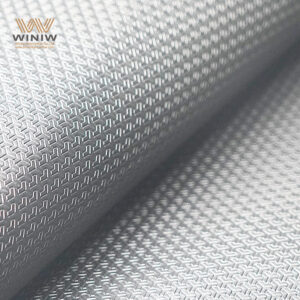
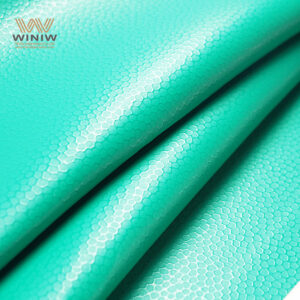
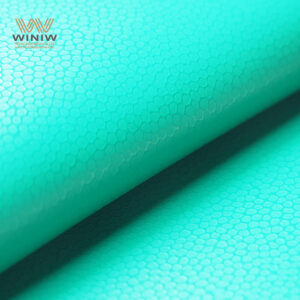
Grip and control matter to me, especially when playing in wet or humid conditions. The pebbled texture on PVC leather soccer balls enhances finger and foot traction. This feature leads to more accurate throws, catches, and kicks. I find that textured panels help me maintain control during fast-paced games and quick direction changes.
- Pebbled texture improves grip and handling.
- Better traction means more precise play.
- Textured panels help in wet conditions.
Tip: I always choose soccer ball materials with textured surfaces for better control and confidence.
Playing Surface Fit
I match my soccer ball to the playing surface for the best results. PVC leather soccer balls work well on grass, turf, and even hard courts. Their water-resistant cover protects the ball from moisture and dirt. I avoid genuine leather on wet fields because it absorbs water and loses shape. When comparing soccer ball materials, I find that PVC leather offers the most versatility for different environments.
- PVC leather soccer balls suit multiple surfaces.
- Water-resistant covers protect against mud and rain.
- Synthetic covers maintain shape and performance.
Note: I always select soccer ball materials based on where I play most often. PVC leather gives me confidence on any field.
Special Features to Consider
Weather Resistance
I always check for weather resistance when I select a new ball. PVC leather soccer balls with a water-resistant coating perform well in rain or on damp fields. I have played in many conditions, and I know that a waterlogged ball feels heavy and unpredictable. I look for balls with sealed seams and treated covers. These features keep moisture out and help the ball maintain its shape and weight. I recommend this for players who practice outdoors year-round.
Tip: A water-resistant soccer ball keeps performance consistent, even in wet weather.
Reinforced Stitching
I inspect the stitching before I make a purchase. Reinforced stitching adds strength to the panels and prevents splitting during intense play. I prefer balls with double or even triple stitching. This construction holds up against hard kicks and rough surfaces. I have seen that machine-stitched balls offer more uniformity and durability than hand-stitched options. I always choose reinforced seams for training and matches.
- Double or triple stitching increases ball lifespan.
- Machine stitching provides consistent quality.
- Reinforced seams resist wear from frequent use.
Additional Comfort Features
I value comfort during long training sessions. Some PVC leather soccer balls include sponge backing under the outer layer. This feature softens impact and reduces foot fatigue. I notice that textured panels also improve grip and control, especially for younger players. I look for balls with a slightly cushioned feel. This makes dribbling and shooting more enjoyable. I always recommend testing the ball’s feel before buying.
| Merkmal | Benefit |
|---|---|
| Sponge backing | Softer touch, less fatigue |
| Textured panels | Better grip and control |
| Cushioned surface | Enhanced comfort for all ages |
Note: Comfort features help players stay focused and enjoy the game longer.
Tips for Every Player
Youth Player Tips
I always recommend that young players start with the right ball size. I encourage parents to supervise ball selection and check for a soft, cushioned surface. This helps children avoid injuries and build confidence. I suggest practicing basic skills like dribbling and passing with a lightweight ball. I also advise rotating the ball during training to prevent uneven wear.
Tip: I always remind young players to store their ball indoors to extend its lifespan.
Teen and Adult Advice
I advise teens and adults to focus on durability and performance. I look for reinforced stitching and a quality bladder for consistent play. I test the grip and texture before making a purchase. I also recommend choosing a ball that matches the main playing surface, whether turf or grass. For competitive players, I always check if the ball meets league standards.
| Merkmal | Warum es wichtig ist |
|---|---|
| Reinforced seams | Withstand powerful kicks |
| Butyl bladder | Maintains air and shape |
| Textured panels | Improves control and accuracy |
Beginners vs. Advanced
I believe beginners should prioritize comfort and control. I select balls with sponge backing and a softer touch for new players. For advanced players, I choose balls with a firmer feel and precise flight. I always test the ball’s responsiveness during drills. I recommend advanced players invest in higher-quality materials for better performance.
When to Buy a Soccer Ball
I buy a new ball when I notice loss of shape, frequent deflation, or visible damage. I check for worn panels and faded grip. I also replace my ball at the start of each season to ensure optimal performance. I always keep a backup ball for unexpected needs during soccer practice or matches.
Note: Regular inspection helps me maintain top performance and safety on the field.
When I choose a PVC leather soccer ball, I always follow these steps:
- Select the correct size for the player’s age and skill.
- Check the material and stitching for durability.
- Match the ball to the playing surface and comfort needs.
Using these tips, I feel confident every time I buy a soccer ball. The right choice improves my game and makes every session more enjoyable.

FAQ
What size soccer ball should I buy for my child?
I always check the age chart before buying. For ages 5–8, I pick Size 3. For ages 8–12, I choose Size 4. For ages 13 and up, I use Size 5.
How do I clean a PVC leather soccer ball?
I use a damp cloth with mild soap. I avoid harsh chemicals. I dry the ball with a towel after cleaning. I never soak the ball in water.
How often should I inflate my soccer ball?
I check the ball’s firmness before each session. I add air if the ball feels soft. I use a pressure gauge for accuracy. I avoid over-inflating to prevent damage.
Can I use a PVC leather soccer ball on artificial turf?
I use PVC leather balls on turf fields often. The material resists abrasion and moisture. I find these balls last longer on synthetic surfaces compared to genuine leather.