

I believe choosing a vegan leather ball makes a real difference for the environment. When I look at how vegan leather uses plant-based materials and agricultural byproducts, I see less waste and a lower carbon footprint compared to animal leather. Vegan leather also supports cruelty-free production, which matters to me as a conscious athlete. I find that using vegan options is an eco-friendly step for anyone who cares about the planet.
Key Takeaways
- Vegan leather balls use plant-based materials, reducing waste and carbon footprints compared to traditional leather.
- Choosing vegan leather supports cruelty-free production, aligning with ethical values and animal welfare.
- Vegan leather production requires less land and water, helping to conserve vital resources and protect ecosystems.
- Innovative materials like apple leather and Piñatex turn agricultural byproducts into durable sports equipment, promoting sustainability.
- Vegan leather balls are often more durable and perform well, making them a reliable choice for athletes.
- Many brands are adopting eco-friendly practices, encouraging consumers to support sustainable and ethical products.
- Recycling programs for synthetic vegan leather help reduce waste and promote responsible disposal of sports equipment.
- Athletes and organizations advocating for sustainability can inspire broader change in the sports industry and beyond.
Traditional Leather Ball Impact
Resource Use
Land and Water
I see that traditional leather balls rely heavily on animal agriculture. Raising livestock for leather demands large areas of land. Farmers clear forests to create grazing fields, which leads to deforestation. Water use is another major concern. Cattle need huge amounts of water for drinking and maintaining their health. The environmental impact of this process stretches far beyond the farm. I notice that water scarcity becomes worse in regions where livestock farming is intense. This impact affects both local communities and wildlife.
Feed and Energy
Producing leather balls requires feeding livestock over many years. I learned that the feed used for cattle often comes from crops that need fertilizers and pesticides. These chemicals can harm the soil and water. Energy use is also significant. Factories that process leather consume electricity and fuel. I found a table that shows the average feed and energy consumption per traditional leather ball:
| المعلمة | Value | الوصف |
|---|---|---|
| Power Consumption | 0.4–0.6 kWh per hr | With servo motor |
| Efficiency Rate | 92–95% | Under standard production conditions |
This table highlights the energy required for production. The environmental impact of this energy use adds to the overall impact of traditional leather balls.
Pollution
Carbon Emissions
I notice that traditional leather ball production releases carbon emissions at every stage. Raising cattle produces methane, a greenhouse gas with a strong environmental impact. Transporting raw materials and processing leather also adds to the carbon footprint. Factories burn fossil fuels, which increases air pollution. The impact of these emissions contributes to climate change.
Chemical Runoff
The tanning process for leather uses toxic chemicals like chromium. I learned that most tanneries use chrome tanning, which leads to chromium pollution. Basic chromium sulfate and pigments release harmful substances into the environment. These chemicals can leach into soil and water, affecting wildlife and ecosystems. I see that the environmental impact of chemical runoff is long-lasting. Toxic substances remain in the environment for years, causing health problems for animals and people.
I believe that the environmental impact of traditional leather balls is serious. The impact includes land use, water consumption, feed and energy demands, carbon emissions, and chemical pollution. These factors make me think carefully about the choices I make as an athlete.
Vegan Leather Ball Environmental Benefits
Sustainable Materials
Plant-Based Options
I have seen how plant-based leather changes the game for sports equipment. When I choose a vegan leather ball, I know that many brands use agricultural byproducts instead of animal hides. For example, apple leather comes from leftover apple pomace after juice and cider production. Piñatex uses discarded pineapple leaves, which gives farmers extra income and reduces waste. Desserto uses the Nopal cactus, which grows with little water and creates a durable material. I find these options both innovative and sustainable.
| Agricultural Byproduct | الوصف |
|---|---|
| Apple Leather | Utilizes waste from apple juice and cider production, transforming apple pomace into a durable material. |
| Piñatex | Made from discarded pineapple leaves, providing strength and breathability while offering farmers additional income. |
| Desserto | Created from the Nopal cactus, known for its durability and minimal environmental impact. |
I believe that plant-based vegan leather balls help reduce the pressure on land and water resources. They also support a circular economy by turning waste into something useful.
Synthetic Alternatives
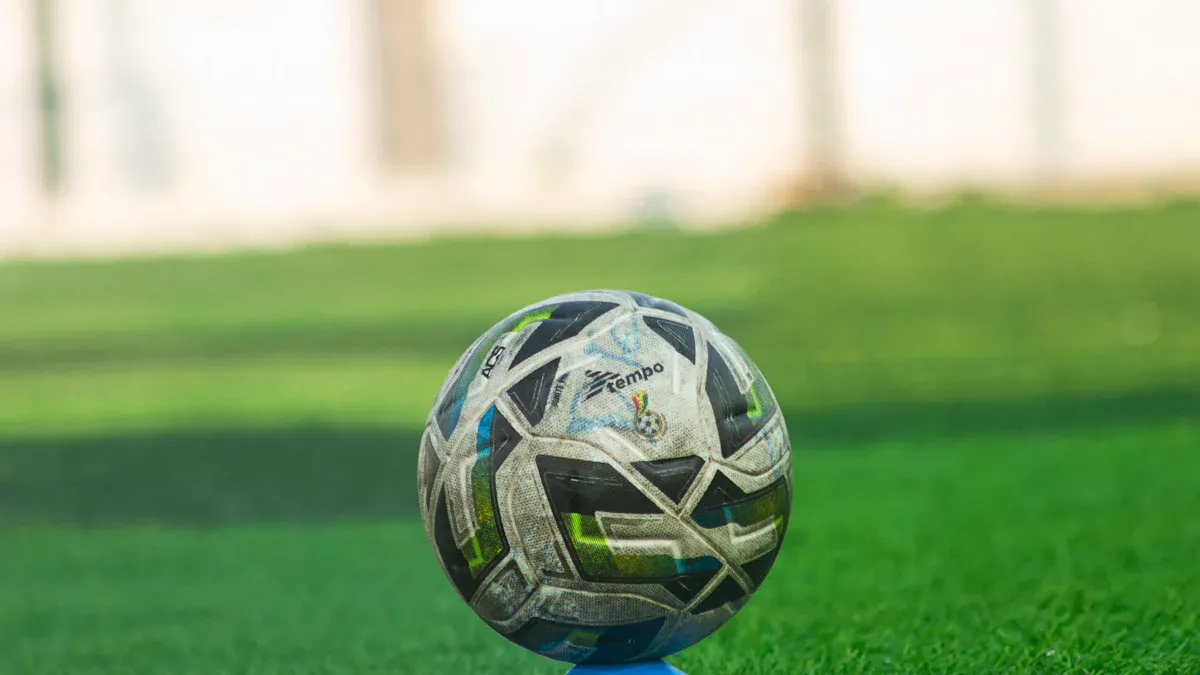
I notice that not all vegan leather balls use plant-based materials. Some use advanced synthetics like TPU (thermoplastic polyurethane). I like TPU because it is biodegradable, recyclable, and non-toxic. It does not contain harmful chemicals such as BPA, lead, or phthalates. These features make synthetic vegan leather a safer and more sustainable choice for athletes and the environment.
- TPU is biodegradable and recyclable.
- TPU is free from harmful chemicals.
- Synthetic vegan leather balls last long and perform well.
Lower Carbon Footprint
Efficient Production
When I compare the carbon footprint of a vegan leather ball to a traditional leather ball, I see a big difference. Cow skin leather has a carbon footprint of 110 kg CO2e per square meter. Real leather, after processing, drops to 17 kg CO2e. Synthetic leather, which includes many vegan options, is even lower at 15.8 kg CO2e. This shows that vegan leather production uses less energy and creates fewer emissions.
| المواد | Carbon Footprint (kg CO2e/m²) |
|---|---|
| Cow Skin Leather | 110.0 |
| Real Leather (after processing) | 17.0 |
| جلد صناعي | 15.8 |
I have learned that new production methods make vegan leather even greener. Water-based PU leather reduces VOC emissions by up to 95%. Bio-based PU leather uses renewable plants and cuts CO2 emissions by about 40%. Some factories even use CO2-based polyurethane, which captures greenhouse gases from the air.
- Water-based PU leather lowers air pollution.
- Bio-based PU leather uses renewable resources.
- CO2-based polyurethane helps fight climate change.
Reduced Water Use
I appreciate that vegan leather ball production uses much less water than animal leather. Plant-based and synthetic materials do not need the same amount of water as raising cattle. This helps protect water supplies and reduces the risk of pollution from animal farming.
Waste Reduction
Use of Byproducts
I value how vegan leather balls use agricultural byproducts. Turning apple pomace, pineapple leaves, and cactus into sports equipment keeps waste out of landfills. This approach supports farmers and helps the environment.
Less Industrial Waste
I see that vegan leather production creates less industrial waste. Advances in recycling technology allow factories to regenerate raw materials from old products. Some vegan leathers are biodegradable and break down within two to five years. This means less waste and a cleaner planet.
I believe that choosing a vegan leather ball supports a sustainable future. I see the benefits in lower emissions, less waste, and smarter use of resources. As an athlete, I feel proud to make choices that help the planet.
Vegan Leather Ethics & Responsibility
Cruelty-Free Production
No Animal Harm
I feel proud when I choose sports equipment that does not harm animals. Vegan leather balls avoid the use of animal hides. This means no animals suffer or lose their lives for my game. I believe cruelty-free production respects animal welfare and supports a more compassionate world. Many athletes and fans share this value. I see that cruelty-free choices help build trust and inspire others to make ethical decisions.
Ethical Consumerism
I notice that ethical consumerism is changing the sports industry. People want products that match their values. I see more athletes and fans looking for sustainable and stylish alternatives. Consumers aged 25 to 40 lead this movement. They demand vegan leather sports equipment and push brands to innovate. Material science advances make vegan leather balls more appealing. I observe that growth in emerging markets and e-commerce expands access to these products. Online retail educates buyers and breaks down barriers. Investors support companies that focus on environmentally conscious products.
- Ethical consumerism drives demand for vegan leather sports equipment.
- Consumers aged 25 to 40 seek sustainable and stylish alternatives.
- Innovations in material science enhance vegan leather products.
- Growth in emerging markets and e-commerce expands access.
- Online retail increases consumer education.
- Investment flows to environmentally conscious companies.
Social Impact
Supporting Sustainable Brands
I see sustainable brands benefit from producing vegan leather balls. They meet rising demand for ethical products and improve their market appeal. Brands like Adidas and Nike lead this trend. They show commitment to eco-friendly materials and connect with consumers who care about the environment. This shift aligns with sustainability goals and inspires other companies to follow.
Choosing vegan leather balls supports brands that value ethics and sustainability. I believe my choices encourage companies to invest in greener practices.
Community Benefits
I notice that vegan leather production creates positive effects for communities. Farmers who supply plant-based materials earn extra income. Factories that use agricultural byproducts reduce waste and pollution. Local economies grow when brands invest in sustainable production. I feel that supporting vegan leather balls helps build healthier communities and protects natural resources.
| Community Benefit | الوصف |
|---|---|
| Extra Income | Farmers earn more by selling plant-based materials |
| Waste Reduction | Factories use byproducts, lowering landfill waste |
| Economic Growth | Sustainable brands invest in local economies |
| Healthier Environment | Less pollution protects people and wildlife |
I believe that ethical and social responsibility matters in sports. My choices as an athlete can make a real difference for animals, brands, and communities.
Performance & Quality Concerns
المتانة
Wear Resistance
I have tested many sports balls on rough outdoor courts. I noticed that vegan leather balls hold up well against harsh surfaces. The material resists tears and keeps its shape after many games. I learned that manufacturers use a dense, tear-resistant core. This core helps the ball resist abrasion. The material also goes through a special compression process. This process increases fiber density and makes the ball last longer.
- The material withstands rough outdoor surfaces.
- The core resists tears and abrasion.
- The compression process increases fiber density for long-lasting use.
Longevity
I value sports equipment that lasts. I found that vegan leather balls keep their performance over time. The strong outer layer protects the ball from scuffs and scratches. I do not see the ball losing shape or grip quickly. This means I can use the same ball for many seasons. I save money and reduce waste by not replacing balls often.
Playability
Feel and Function
I care about how a ball feels in my hands. I want a ball that gives me good grip and control. I noticed that vegan leather balls offer a soft touch and consistent bounce. The surface feels smooth but not slippery. I can dribble and shoot with confidence. The ball responds well in different weather conditions. Rain or heat does not affect the grip or bounce.
Professional Acceptance
I wanted to know how professional athletes rate these balls. I found a table that compares different types of sports balls. The table shows that vegan leather balls score well in durability, touch, and weather resistance. They work best for ethical play and for casual to intermediate use.
| Type | المتانة | Touch & Feel | Weather Resistance | Best Use Case |
|---|---|---|---|---|
| جلد نباتي | Good | Good | ممتاز | Ethical play, casual to intermediate use |
I believe that vegan leather balls meet the needs of most athletes. They offer durability, great feel, and strong performance in many conditions. I trust them for both practice and games.
End-of-Life & Recycling
Biodegradability
Plant-Based Disposal
I always think about what happens to my sports equipment after it wears out. When I choose a vegan leather ball made from plant-based materials, I know it will break down naturally. Many plant-based leathers, like apple leather and cactus leather, decompose in composting facilities. This process turns the ball into useful soil instead of landfill waste. I find this option much better for the environment.
| Type of Leather | Biodegradability | Compostable in Industrial Facilities |
|---|---|---|
| Plant-Based Leather | Yes | Yes |
This table shows that plant-based leather balls are biodegradable and compostable in industrial settings. I feel confident that my choice supports a cleaner planet.
Synthetic Recycling
I see that some vegan leather balls use synthetic materials like TPU. These balls do not break down as quickly as plant-based ones. However, I learned that factories can recycle TPU and other synthetics. Recycling programs collect old balls and turn them into new products. I appreciate that this reduces waste and keeps plastics out of landfills. I look for brands that offer recycling options for their synthetic balls.
Eco-Friendly Programs
Collection Initiatives
I notice more companies launching collection programs for used sports balls. These initiatives make it easy for athletes like me to return old equipment. Some brands set up drop-off points at sports stores or gyms. Others provide mail-in options. I like that these programs encourage responsible disposal and support recycling efforts.
- Drop-off points at local stores
- Mail-in recycling for used balls
- Incentives for returning old equipment
I believe collection initiatives help athletes make eco-friendly choices. They show that companies care about the environment and want to reduce waste.
Industry Solutions
I see the sports industry working on better solutions for end-of-life management. Manufacturers develop new materials that break down faster or recycle more efficiently. Some brands partner with environmental groups to create closed-loop systems. These systems reuse old balls to make new ones. I feel excited about these innovations. They show that the industry is moving toward sustainability.
| Solution | الوصف |
|---|---|
| Biodegradable Materials | Balls break down naturally after use |
| Closed-Loop Recycling | Old balls become new products |
| Partnerships | Brands work with environmental organizations |
I believe that choosing eco-friendly sports equipment makes a difference. I see that vegan leather balls offer better end-of-life options, from biodegradability to recycling. My choices help protect the planet and inspire others to do the same.
Future of Vegan Leather in Sports
Innovation
New Materials
I see new materials shaping the future of sports equipment. Manufacturers now use eco-friendly substances that improve both durability and playability. Footballs feature non-toxic vegan leather, which feels great and lasts longer. Sustainable manufacturing processes help reduce waste and pollution. End-of-life recycling programs make it easier for athletes like me to dispose of old balls responsibly. I notice that synthetic materials, such as advanced polymers, enhance the longevity of cricket balls. These innovations mean I do not need to replace my equipment as often, saving money and supporting sustainability.
- Eco-friendly materials boost durability and playability.
- Non-toxic vegan leather ensures safety for athletes.
- Sustainable manufacturing reduces environmental impact.
- Recycling programs support responsible disposal.
Technology Trends
I observe technology trends driving change in sports gear. Factories adopt eco-friendly manufacturing methods that align with environmental responsibility. The shift to synthetic alternatives challenges traditional craftsmanship and promotes industrial efficiency. I see that these advances make sports equipment more accessible and affordable. Sports organizations benefit from lower long-term costs and improved product quality. The industry continues to invest in research and development, seeking new ways to minimize ecological impact.
| Trend | Benefit |
|---|---|
| Eco-friendly methods | Lower pollution, safer products |
| Synthetic materials | Longer lifespan, less waste |
| Industrial efficiency | Affordable, accessible gear |
Environmental Leadership
Athlete Advocacy
I believe athletes play a key role in promoting sustainability. Many professionals now advocate for eco-friendly practices, including the use of vegan leather balls. I see teams and players raising awareness about environmental issues. Their actions inspire fans and other athletes to make greener choices. When I use sustainable equipment, I feel part of a movement that values the planet.
Athletes lead by example, showing that environmental responsibility matters in sports.
Organizational Change
Sports organizations drive broader change by adopting sustainable practices. I notice that professional leagues and clubs increasingly use eco-friendly equipment. These initiatives reflect a commitment to reducing ecological impact. The movement toward sustainability in sports has the power to influence other industries and communities. I believe that when organizations prioritize environmental leadership, they set standards for the future.
- Professional sports organizations adopt eco-friendly practices.
- Initiatives reduce ecological impact and inspire global change.
- Sustainability becomes a core value in the sports industry.
I feel excited about the future of sports. Innovations in materials and technology, combined with strong environmental leadership, promise a cleaner and more responsible industry. My choices as an athlete help shape this future.
I see vegan leather balls as a greener choice for sports. They use sustainable materials, reduce waste, and avoid animal harm. I notice that athletes and organizations benefit from lower carbon footprints and ethical production.
- Vegan leather balls help protect the environment.
- They support cruelty-free and responsible sports.
I encourage everyone to choose sustainable sports equipment. I believe small changes make a big impact for our planet.
الأسئلة الشائعة
Are vegan leather balls as durable as traditional leather balls?
I have used vegan leather balls for many games. They resist wear and tear well. The material stays strong and keeps its shape. I trust them for both practice and competition.
How do vegan leather balls help the environment?
I see جلد نباتي balls use fewer resources. They rely on plant-based or recycled materials. This reduces waste and lowers carbon emissions. Choosing vegan leather supports cleaner production.
Can I compost a vegan leather ball after use?
I check the label for plant-based materials. If the ball uses apple or cactus leather, I can compost it in an industrial facility. Synthetic balls need recycling instead.
Do vegan leather balls feel different during play?
I notice a soft touch and steady grip. The bounce stays consistent. I feel confident dribbling and shooting. The surface works well in rain or heat.
Are vegan leather balls accepted in professional sports?
I see more leagues and teams using vegan leather balls. They meet performance standards for durability and playability. Ethical play is gaining support among athletes.
What brands make vegan leather sports balls?
I have found brands like Adidas, Nike, and Eco Sports offer vegan leather balls. They use sustainable materials and support ethical production. I look for their eco-friendly product lines.