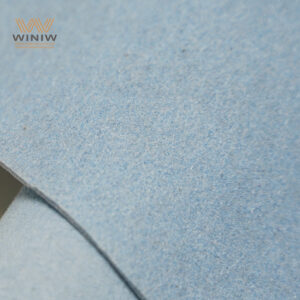
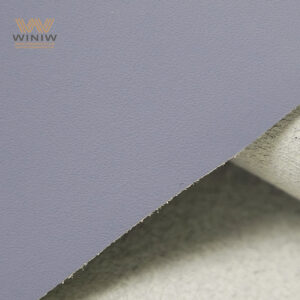
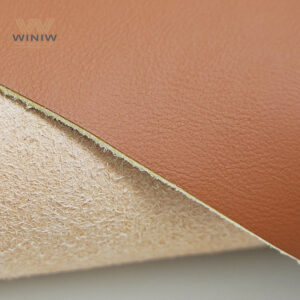
I see plant leather as a sustainable alternative that redefines what responsible fashion means. When I examine leather alternatives, I notice mushroom mycelium leather stands out for its eco-friendly profile, using minimal water and energy while reducing greenhouse gas emissions. This makes the environmental impact far lower than traditional animal leather. I value how plant leather resists daily wear, and with proper care, it lasts for years. I encourage you to choose plant leather for its ethical strength and modern appeal.
Key Takeaways
- Plant leather is a sustainable alternative to traditional leather, using less water and energy while reducing greenhouse gas emissions.
- Выберите plant-based materials like cactus, mushroom, and hemp for vegan leather to support a circular economy and minimize waste.
- Plant leather is biodegradable and breaks down naturally, unlike synthetic leather, which can harm the environment for decades.
- Look for products made with plant-based tanning methods to ensure durability and eco-friendliness in your fashion choices.
- Selecting vegan leather supports animal welfare and promotes ethical practices in the fashion industry.
What Is Plant Leather?


Plant-Based Materials
When I first explored веганская кожа, I discovered a world of innovation. Plant leather stands out as a leader among plant-based alternatives. I see manufacturers using materials like cactus, mushroom mycelium, pineapple leaves, and hemp fibers. These sources offer a renewable foundation for vegan leather. I often find that cactus leather, for example, uses less water and grows quickly in arid regions. Mushroom leather, made from mycelium, impresses me with its soft texture and strength. Hemp fibers create a durable and flexible vegan leather that works well for shoes and bags. Pineapple leaves, often discarded as waste, now become a valuable resource for sustainable leather.
Note: I always look for vegan leather made from these materials because they support a circular economy and reduce waste.
How Vegan Leather Differs
I notice many people confuse vegan leather with synthetic leather. Vegan leather refers to materials that do not use animal products. Some vegan leather comes from plants, while others use plastics like polyurethane or PVC. I prefer plant-based alternatives because they offer a lower environmental impact. Synthetic vegan leather often relies on fossil fuels and does not biodegrade. In contrast, plant leather breaks down naturally and uses fewer chemicals during production.
I see a clear difference in quality and sustainability. Plant leather feels soft, flexible, and strong. It matches or even exceeds the performance of animal leather in many cases. I recommend choosing vegan leather made from plants for a more ethical and eco-friendly lifestyle. When I select sustainable leather, I know I am making a responsible choice for the planet.
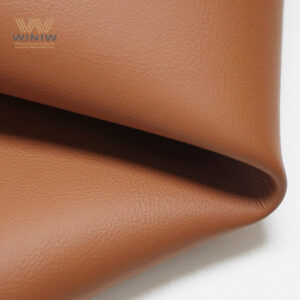
Plant Leather Sustainability
Lower Water & Emissions
I have seen firsthand how the production of plant leather transforms the environmental impact of fashion. When I compare water usage, cactus leather stands out. It requires only about one-fifth the water needed for animal leather. Mushroom-derived leather also impresses me with its minimal water consumption and energy requirements. I notice that these materials use fewer chemicals during processing, which helps reduce pollution. The carbon footprint of mushroom leather is much lower than both animal-based and synthetic leathers. I believe this shift in manufacturing methods leads to cleaner air and healthier communities.
I often discuss with colleagues how plant leather manufacturers face challenges in scaling up production sustainably. Higher initial costs and the complexity of green manufacturing processes make it difficult to reach mass markets. I see that educating consumers about the durability and benefits of eco-leather remains essential. The lack of standardized certifications sometimes causes confusion about eco-friendly claims. Building transparent supply chains requires collaboration among many stakeholders. Despite these hurdles, I remain optimistic about the future of sustainable materials in fashion.
Renewable & Biodegradable
I choose plant leather because it comes from renewable sources. Cactus, mushrooms, hemp, and pineapple leaves grow quickly and replenish naturally. These materials do not deplete the earth’s resources. I appreciate that plant leather products often use plant-based tanning methods, recycled materials, and biofabrication. These techniques support circular economy initiatives in the fashion and accessories industries.
- Plant leather products utilize sustainable materials and innovative production techniques.
- Many brands incorporate plant-based tanning methods, recycled materials, and biofabrication.
- These practices help reduce waste and promote resource efficiency.
I value the biodegradable nature of plant leather. Unlike synthetic leather, which can persist in landfills for decades, plant-based alternatives break down naturally. This feature reduces long-term environmental harm. I encourage others to consider how their choices impact the planet. By selecting sustainable products, we support a healthier future for everyone.
Plant Leather Strength
Durability & Performance
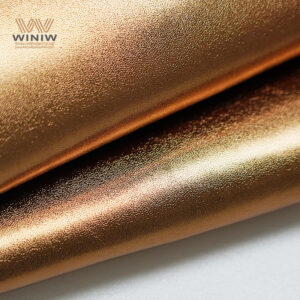
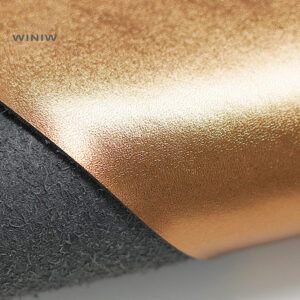
When I test vegan leather, I notice its impressive durability. Many plant-based options, such as cactus and mushroom leather, match the strength and flexibility of animal leather. I often find that vegan leather resists scratches and daily wear. The softness of mushroom-based vegan leather surprises me. It feels comfortable and adapts well to different uses. I have seen hemp-based vegan leather hold up under heavy use, especially in shoes and backpacks. These materials do not crack or peel easily. I trust vegan leather for both its performance and its comfort.
Recent innovations have improved the quality of vegan leather. Manufacturers now use advanced plant-based tanning methods. These techniques avoid harsh chemicals and make the final product more biodegradable. I value holistic botanical tanning, which uses natural tannins from plants. This process creates a softer, more flexible vegan leather. I also appreciate that new production methods reduce water and chemical usage. These changes make vegan leather more sustainable and safer for the environment.
- Plant-based tanning methods use natural sources instead of chemicals.
- Holistic botanical tanning relies on plant tannins for biodegradable leather.
- Reduced water and chemical usage lowers environmental impact.
Real-World Uses
I see vegan leather in many products today. Fashion brands use cactus leather for handbags and wallets. I have worn shoes made from hemp-based vegan leather that last for years. Mushroom leather appears in luxury car interiors and designer jackets. These products show that vegan leather can handle daily stress and still look new. I notice that many companies choose vegan leather for its sustainable qualities and strong performance. I recommend vegan leather for anyone seeking a reliable, ethical, and modern material.
Tip: Choose vegan leather products with plant-based tanning for the best mix of durability and eco-friendliness.
Ethical & Practical Benefits
Animal Welfare
I care deeply about animal welfare. When I choose vegan leather, I know I am supporting a movement that reduces harm to animals. The rise of plant-based leathers and other leather alternatives is changing the global leather industry. I see that more people now prefer products that do not rely on animal hides. This shift comes from growing environmental awareness and ethical considerations. I believe that every purchase of vegan leather sends a message to manufacturers. It encourages them to adopt cruelty-free practices and rethink traditional production methods. I feel proud to support brands that value animal welfare and offer ethical choices.
Note: By selecting vegan leather, I help decrease the demand for animal hides and promote a more compassionate approach to fashion.
Consumer Choice
I notice that vegan leather is becoming more accessible in major retail markets. Many brands now launch eco-conscious lines made from ethical, plant-based tanning processes. I see shelves filled with handbags, shoes, and accessories crafted from innovative leather alternatives. This trend makes it easier for me to find products that match my values. I appreciate that companies focus on traceable supply chains and eco-friendly tanning methods. These efforts give me confidence in the sustainability of my purchases.
- The market is shifting toward sustainable leather alternatives.
- Brands offer products sourced from ethical, plant-based tanning.
- Increased awareness drives innovation in supply chains and tanning methods.
I find vegan leather practical for everyday use. It resists wear, feels comfortable, and looks stylish. I can choose from a wide range of colors and textures. Plant leather stands out for its strength and eco-friendly profile. I believe that as more consumers demand ethical options, the industry will continue to innovate. I encourage others to explore vegan leather for its accessibility, durability, and positive impact on the planet.
I see plant leather as a smart choice for anyone who values sustainability, durability, and ethical responsibility. I trust its strength and appreciate how it supports a cleaner environment. I recommend exploring these products for daily use.
- Plant leather offers real environmental benefits.
- Vegan leather alternatives last and look great.
- Choosing eco-friendly materials supports responsible fashion.
Tip: I always look for plant leather when I want to make a positive impact with my purchases.
ЧАСТО ЗАДАВАЕМЫЕ ВОПРОСЫ
What makes plant leather different from synthetic vegan leather?
I choose plant leather because it uses natural fibers like cactus or mushroom. Synthetic vegan leather relies on plastics such as PVC or polyurethane. Plant leather breaks down naturally and uses fewer chemicals. I see it as a more sustainable and eco-friendly choice.
How do I care for plant leather products?
I clean plant leather with a soft cloth and mild soap. I avoid soaking or using harsh chemicals. I store my items away from direct sunlight. Regular care keeps plant leather looking new and extends its lifespan.
Tip: I use plant-based conditioners for extra softness.
Is plant leather as durable as animal leather?
I have tested plant leather in daily use. It resists scratches and holds up well. Many brands offer products that last for years. I trust plant leather for shoes, bags, and accessories because it combines strength with flexibility.
Can plant leather be recycled or composted?
I prefer plant leather because it is biodegradable. Some products can be composted at home. I check with brands for recycling options. Plant leather breaks down faster than synthetic alternatives, reducing landfill waste.
| Материал | Biodegradable | Compostable |
|---|---|---|
| Кожа растений | ✅ | ✅ |
| Synthetic | ❌ | ❌ |
Where can I find plant leather products?
I shop at eco-conscious brands and major retailers. Many companies now offer plant leather handbags, shoes, and accessories. I look for labels that mention cactus, mushroom, or hemp leather. Online stores often provide detailed product information.
Note: I always check for certifications to ensure authenticity.