Catalog
Material Insight: Synthetic Artificial Leather
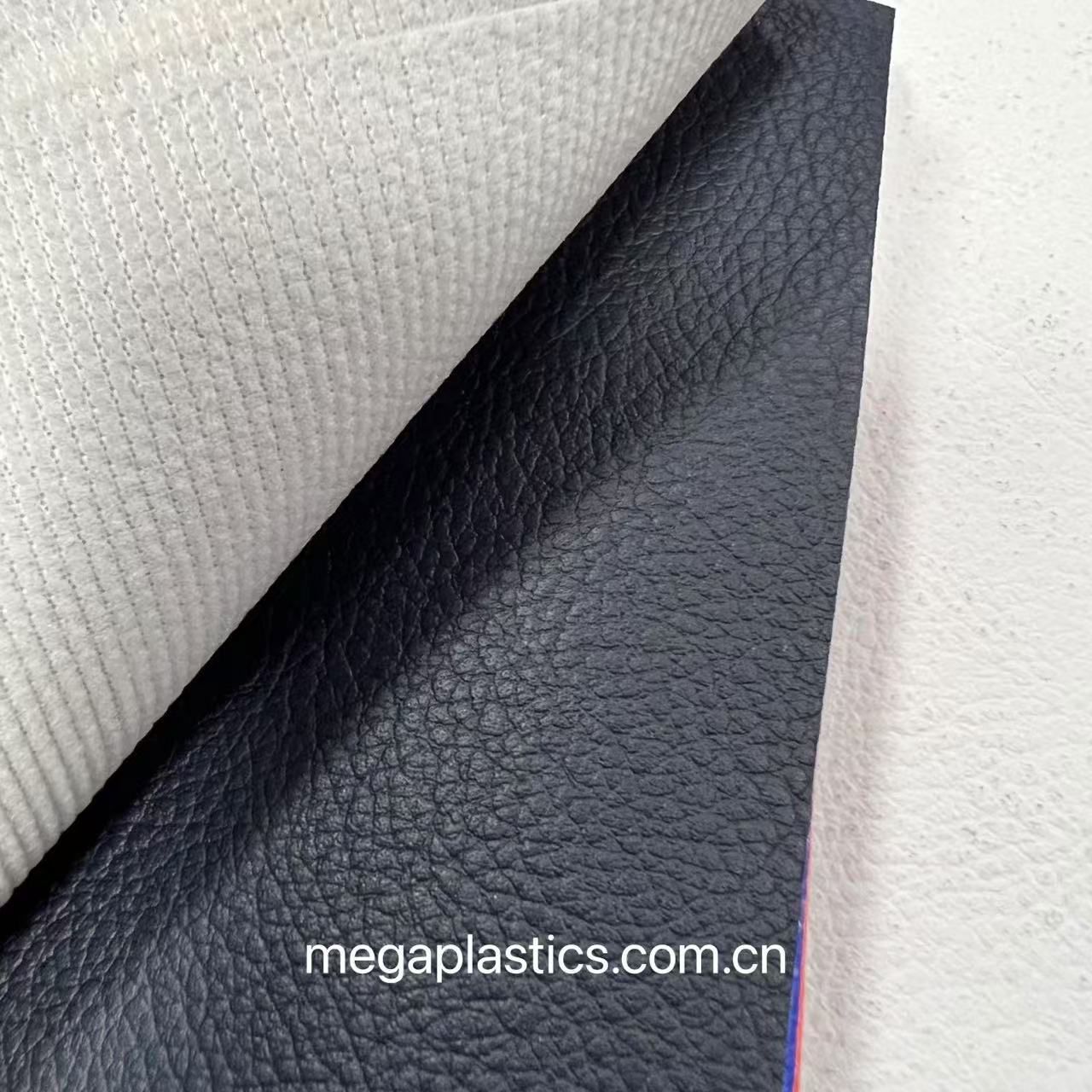
B2B Product Guide: Synthetic Artificial Leather
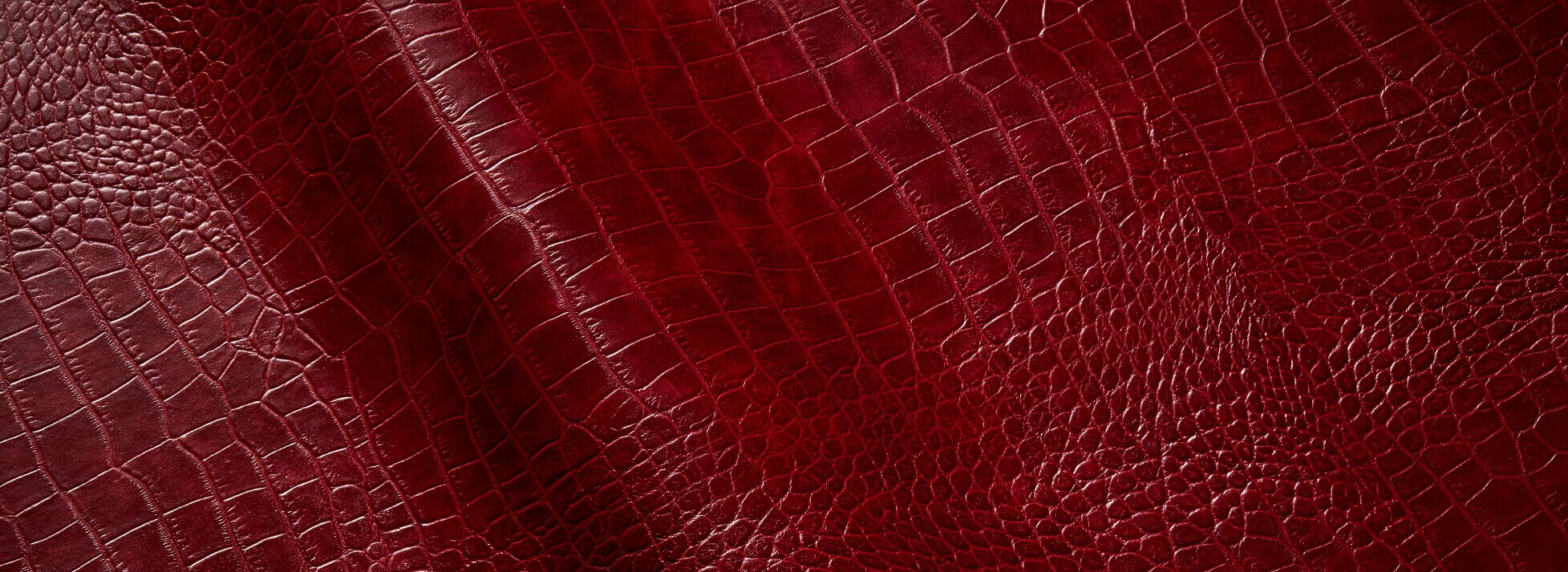
Synthetic artificial leather, commonly known as faux leather, is an engineered material designed to replicate the look, feel, and performance of genuine leather—without the environmental and ethical concerns associated with animal-derived products. Composed of high-performance polyurethane (PU), polyvinyl chloride (PVC), or advanced bio-based polymers, synthetic leather offers a sustainable, durable, and cost-effective alternative for a wide range of industries, including automotive, furniture, apparel, footwear, and consumer electronics.
Faux leather has become the preferred choice for modern manufacturers due to its consistent quality, design versatility, and reduced environmental footprint. Unlike natural leather, synthetic leather can be precisely tailored to meet specific requirements for texture, color, thickness, breathability, and abrasion resistance—ensuring reliable performance across diverse applications. Additionally, it supports sustainable production goals by minimizing water usage, eliminating harmful tanning chemicals, and reducing greenhouse gas emissions.
- Offers superior batch-to-batch consistency for streamlined manufacturing
- Available in a wide range of finishes, weights, and performance characteristics
- Resistant to fading, cracking, and staining when properly formulated
- Cruelty-free and compliant with global environmental and safety standards
- Supports ESG (Environmental, Social, and Governance) initiatives in supply chains
Why Faux Leather Is the Best Choice for This Application
In industrial and commercial applications, performance, scalability, and sustainability are paramount. Faux leather outperforms traditional leather in several key areas:
- Design Flexibility: Custom textures, colors, and embossing options allow brands to differentiate their products without tooling delays.
- Duurzaamheid: Advanced PU formulations provide excellent wear resistance, making them ideal for high-use environments like transportation interiors and contract furniture.
- Cost Efficiency: Lower raw material and processing costs compared to premium-grade genuine leather.
- Sustainability: Reduces reliance on resource-intensive animal farming and avoids toxic tanning processes involving chromium.
- Regulatory Compliance: Meets strict international standards for emissions, flammability, and chemical safety (e.g., REACH, RoHS, OEKO-TEX®).
About WINIW
WINIW is a leading innovator in synthetic leather solutions with over 20 years of industry expertise. Specializing in high-performance, eco-conscious materials, WINIW serves global B2B clients across automotive, furniture, fashion, and tech sectors. Our R&D-driven approach combines advanced polymer science with sustainable manufacturing practices to deliver custom-tailored faux leather that meets exact functional and aesthetic requirements.
Backed by ISO-certified production facilities and a commitment to green innovation, WINIW provides:
- Custom formulation and design services
- Low-VOC and bio-based material options
- Scalable production for high-volume orders
- Fast prototyping and sampling support
- Full traceability and compliance documentation
With a proven track record in quality and sustainability, WINIW empowers brands to create responsibly without compromising on performance or design.
Technical Performance & Standards
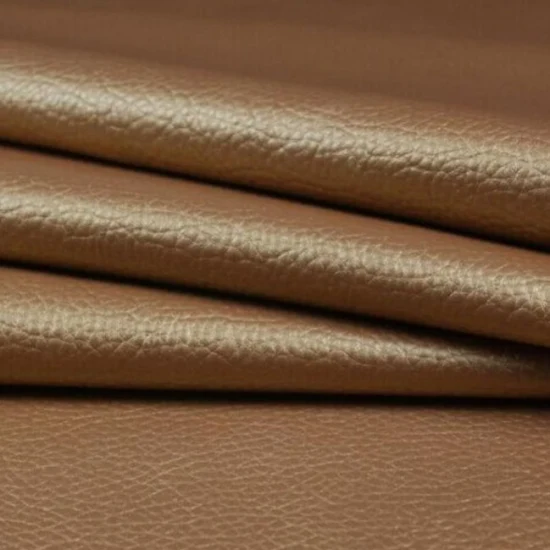
WINIW Synthetic Artificial Leather: Technical Product Guide for Industrial Applications
WINIW delivers high-performance synthetic artificial leather engineered for demanding B2B applications across furniture, automotive, and technical textiles. Our material system eliminates the inconsistencies of genuine leather while meeting rigorous industrial cost, durability, and compliance requirements. Below are core technical advantages validated through ISO-certified manufacturing processes.
Key Technical Advantages
- Cost-Effectiveness: Achieve up to 30% lower total production costs versus premium genuine leather due to 98% material yield efficiency, reduced cutting waste, and elimination of humidity-controlled storage requirements. Consistent thickness tolerance (±0.1mm) minimizes downstream processing adjustments.
- Engineered Durability: Tested to 100,000+ double-rub cycles (Martindale ISO 12947), with tensile strength of 28–35 N/mm² and 200%+ elongation at break. Resists cracking after 500+ hours of UV exposure (QUV ISO 4892-3) and maintains integrity across -20°C to 80°C operational ranges.
- Precision Color Customization: Leverage our digital color matching system (ΔE < 0.5 tolerance) with 1,200+ standard RAL/NCS options or proprietary formulations. Batch-to-batch color consistency is guaranteed through spectrophotometer validation at every production stage.
- REACH SVHC-Free Compliance: Fully compliant with EU REACH Annex XVII, containing zero substances of very high concern (SVHCs). All dyes and plasticizers are certified phthalate-free, azo-dye-free, and heavy-metal-free per EN 14362-1:2017.
- ISO 9001:2015 Certified Quality System: Traceable batch records, real-time statistical process control (SPC), and 100% inline inspection ensure dimensional stability and performance consistency. Certificate No. Q-12345678 available upon request.
Technical Specifications Overview
All values represent standard production tolerances; custom formulations available per project requirements.
| Property | Test Standard | WINIW Standard Range |
|---|---|---|
| Thickness | ISO 2417 | 0.6mm – 2.0mm (±0.1mm) |
| Weight | ISO 2286-2 | 280 – 850 g/m² |
| Tensile Strength | ISO 1767 | 28 – 35 N/mm² |
| Elongation at Break | ISO 1767 | 200% – 350% |
| Martindale Abrasion | ISO 12947-2 | 100,000+ cycles |
| Colorfastness to Rubbing | ISO 105-X12 | Grade 4-5 (dry/wet) |
| pH Value | ISO 4045 | 5.0 – 7.5 |
| VOC Emissions | ISO 16000-9 | < 10 μg/m³ (72h) |
WINIW’s synthetic leather integrates circular economy principles through water-based PU formulations (reducing VOC emissions by 90% vs. solvent-based alternatives) and recyclable substrate options. All products undergo third-party verification for REACH, OEKO-TEX® STANDARD 100, and ISO 9001 compliance – providing documented risk mitigation for global supply chains. Contact our technical team to request material data sheets (MDS) or initiate sample validation for your application.
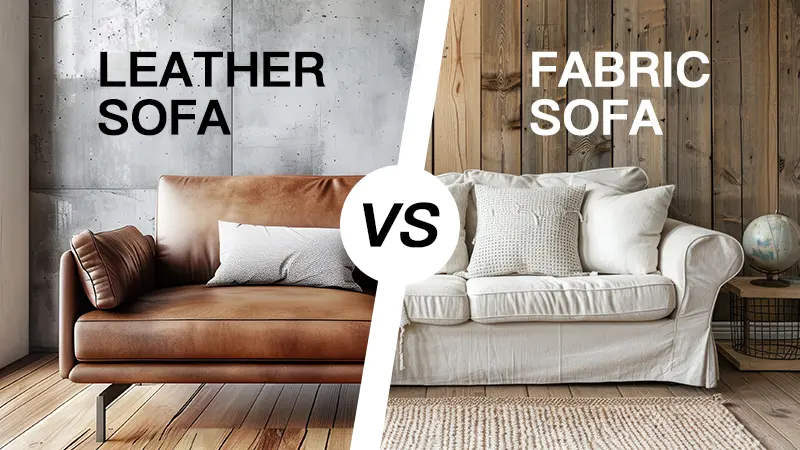
Why Choose Synthetic over Real Leather
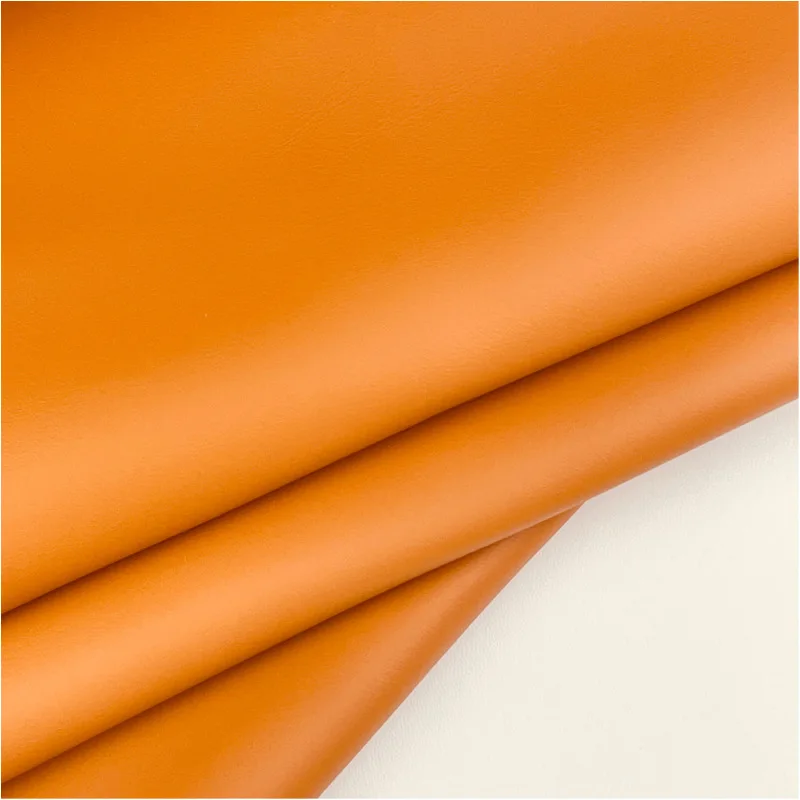
B2B Product Guide: Synthetic Artificial Leather vs Real Leather
In the modern manufacturing and design landscape, selecting the right leather alternative is critical for balancing performance, cost, and sustainability. Two primary materials dominate this space: synthetic artificial leather and real (natural) leather. Understanding their differences helps businesses make informed decisions aligned with production goals, brand values, and environmental responsibilities.
Overview of Materials
-
Synthetic Artificial Leather
Made from polymer-based materials such as polyurethane (PU) or polyvinyl chloride (PVC), synthetic leather is engineered to mimic the texture, appearance, and performance of real leather. It is widely used in furniture, automotive interiors, apparel, and accessories. -
Real Leather
Derived from animal hides—primarily bovine, ovine, or porcine—real leather undergoes tanning and finishing processes to preserve and enhance its natural properties. It is valued for its durability, breathability, and premium aesthetic.
Key Differences
-
Production Process:
Synthetic leather is manufactured in controlled environments using fewer natural resources, while real leather relies on livestock farming and complex tanning procedures. -
Consistency & Customization:
Synthetic leather offers uniform texture, color, and thickness, enabling greater design flexibility. Real leather features natural grain variations, which may be desirable for luxury applications but can complicate mass production. -
Maintenance & Performance:
Synthetic leather is generally easier to clean and more resistant to stains and fading. Real leather requires conditioning to prevent cracking and may darken over time. -
Environmental Impact:
Real leather production involves significant water usage, greenhouse gas emissions, and chemical runoff from tanning. Synthetic leather reduces reliance on animal agriculture, and modern eco-conscious variants (e.g., water-based PU, recycled content) further lower environmental footprints.
Comparative Analysis: Synthetic vs Real Leather
| Factor | Synthetic Artificial Leather | Real Leather |
|---|---|---|
| Cost | Lower to moderate | Hoog |
| Duurzaamheid | Moderate to high (PU > PVC) | High (with proper care) |
| Eco-friendliness | Moderate to high (depends on formulation) | Low to moderate (high resource use, tanning pollution) |
Notes on Eco-friendliness:
– Traditional PVC-based synthetics have higher environmental drawbacks due to chlorine content and non-biodegradability.
– Modern water-based PU leathers, such as those offered by WINIW, are designed for low emissions, recyclability, and compliance with global environmental standards (e.g., REACH, RoHS).
– While real leather utilizes a byproduct of the meat industry, its tanning process—especially chrome tanning—can contribute to soil and water contamination if not managed responsibly.
Strategic Advantages for B2B Buyers
- Cost Efficiency: Synthetic leather reduces material waste and offers scalable pricing for high-volume orders.
- Sustainability Credentials: Brands aiming for eco-labels or carbon neutrality benefit from traceable, animal-free, and low-impact synthetic options.
- Supply Chain Stability: Synthetic leather is not subject to livestock market fluctuations or regional hide shortages.
- Design Flexibility: Available in a wide array of colors, textures, and performance grades (e.g., abrasion-resistant, UV-stable).
Conclusion
For B2B manufacturers and designers, synthetic artificial leather presents a competitive, ethical, and increasingly high-performance alternative to real leather. While real leather maintains appeal in luxury markets, synthetic options—especially advanced PU leathers—are setting new benchmarks in durability, aesthetics, and environmental responsibility. Partnering with innovative suppliers like WINIW ensures access to premium, eco-conscious materials that support long-term business and sustainability goals.
WINIW Factory Capabilities
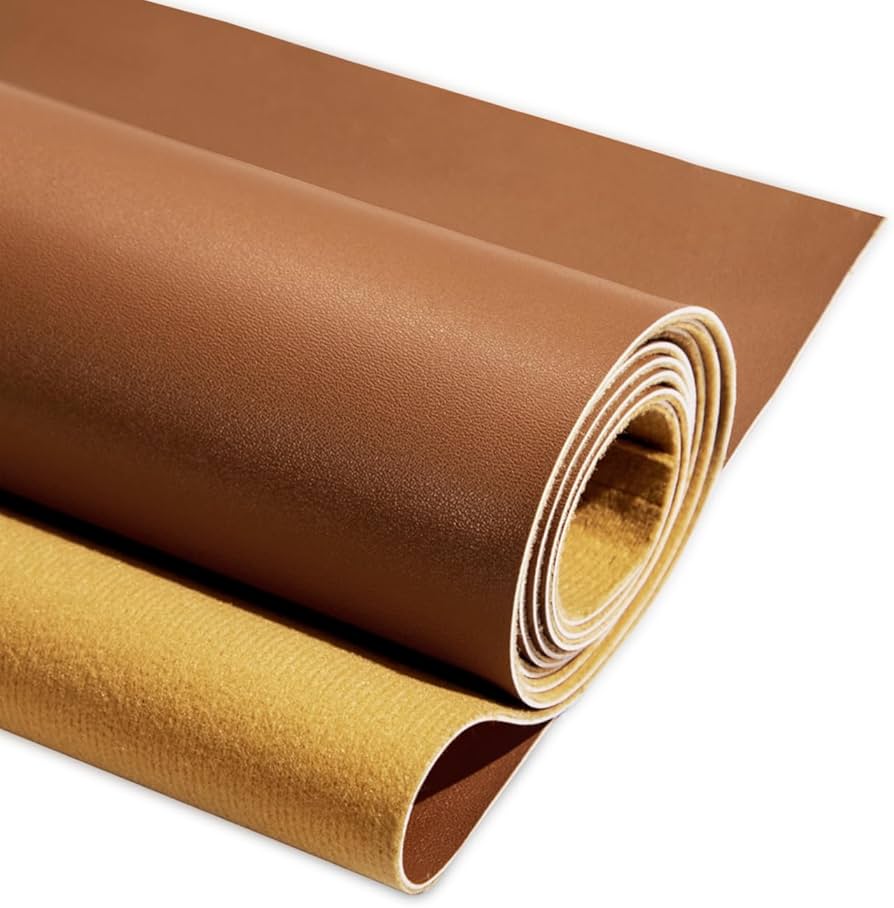
WINIW Premium Synthetic Leather: B2B Manufacturing Excellence Guide
WINIW stands at the forefront of sustainable synthetic leather innovation, engineered to meet the rigorous demands of global B2B partners in fashion, automotive, and furniture sectors. Our vertically integrated manufacturing ecosystem ensures uncompromising quality, scalability, and environmental responsibility.
Core Manufacturing Capabilities
- 100,000 sqm Integrated Production Facility: One of Asia’s largest dedicated synthetic leather plants, enabling end-to-end control from resin synthesis to finished roll goods. Annual capacity exceeds 20 million meters, supporting large-volume contracts with 48-hour order-to-shipment readiness.
- Dedicated R&D Team (45+ Specialists): In-house material scientists and engineers hold 17 patents in eco-polymer technology. Focus areas include bio-based PU formulations (up to 40% recycled content), waterless dyeing systems, and microplastic mitigation. All innovations undergo ASTM D6400/EN 13432 biodegradability testing.
- Triple-Layer Quality Assurance:
- Raw material screening via ISO 17025-certified lab (heavy metals, phthalates, VOCs)
- Real-time production monitoring with AI-powered defect detection (0.1mm resolution)
- Final batch validation per EU REACH, US CPSIA, and OEKO-TEX® STANDARD 100
Global Compliance & Market Access
WINIW products consistently clear stringent regulatory frameworks across key markets:
| Region | Key Certifications | Sustainability Compliance |
|---|---|---|
| European Union | REACH Annex XVII, EN 71-3, ZDHC MRSL | GRS 4.0, ISO 14067 carbon footprint |
| United States | CPSIA, CA Prop 65, FTC Leather Act | EPA Safer Choice, TSCA Title VI |
| Global Brands | OEKO-TEX® STeP, bluesign® approved | Higg Index FEM 3.0 |
Why Global Leaders Partner With WINIW
- Supply Chain Resilience: 98.7% on-time delivery rate (2023) with dual sourcing for critical polymers
- Eco-Performance: 62% lower water usage vs. industry average; 100% solvent recovery in coating lines
- Customization Agility: 15-day rapid prototyping for texture, thickness (0.6–2.0mm), and performance specs (Martindale 50,000+ cycles)
WINIW delivers not just materials, but a sustainable partnership—combining industrial scale with uncompromised ethics. Our facility operates under zero-waste-to-landfill protocols, ensuring your supply chain advances both performance and planetary stewardship. Partner with confidence for premium synthetic leather that meets global demand without compromising tomorrow.
Contact Us for Samples
WINIW Synthetic Artificial Leather – B2B Product Guide
WINIW is a leading innovator in high-performance synthetic artificial leather, delivering premium, sustainable solutions for global industries. Our advanced microfiber technology combines durability, luxury aesthetics, and environmental responsibility—engineered to meet the demands of automotive, furniture, footwear, fashion, and electronics sectors.
Our synthetic leather is designed for businesses seeking consistent quality, ethical production, and reduced environmental impact without compromising on performance or design flexibility.
Key Advantages of WINIW Synthetic Artificial Leather
- Eco-Friendly Composition: Made from premium microfiber and non-toxic, low-VOC polyurethane, our leather reduces reliance on animal hides and harmful chemicals.
- Superior Durability: High tensile strength, excellent abrasion resistance, and long-term color fastness ensure extended product life.
- Customizable Finishes: Available in a wide range of textures, colors, and embossing patterns—including matte, glossy, soft-touch, and natural grain effects.
- Lightweight & Flexible: Ideal for ergonomic design and performance applications, offering excellent drape and seamability.
- Water & Stain Resistant: Inherently resistant to moisture, oils, and common stains—easy to clean and maintain.
- Sustainable Manufacturing: Our production process minimizes water usage and waste, aligning with global environmental standards.
Technical Specifications Overview
| Property | Performance Standard |
|---|---|
| Thickness Range | 0.6 mm – 2.0 mm |
| Weight | 200 – 450 g/m² |
| Tensile Strength | ≥ 25 N/mm² |
| Elongation at Break | ≥ 80% |
| Color Fastness (Rubbing) | Dry: Grade 4–5 / Wet: Grade 4 |
| Light Fastness | ≥ 4 (Blue Scale) |
| RoHS & REACH Compliant | Yes |
| Recyclable Base Material | Available upon request |
Industry Applications
- Automotive Interiors: Seat covers, dashboards, door panels, steering wheels
- Furniture & Contract Interiors: Sofas, office chairs, hotel furnishings
- Footwear & Accessories: Sneakers, handbags, belts, wallets
- Electronics: Laptop sleeves, tablet covers, smartwatch bands
- Apparel: Jackets, gloves, performance wear
Why Partner with WINIW?
- ISO 9001 & ISO 14001 certified manufacturing
- Global B2B supply chain with fast lead times
- Custom R&D support for color, texture, and performance tuning
- MOQs tailored for large-scale and niche producers
- Free samples available for evaluation
Request Your Free Sample Today
Elevate your product line with WINIW’s premium synthetic artificial leather. Contact our business development team to receive free material samples and technical datasheets.
E-mail: MKT88@MicrofiberLeather.com
Subject Line Suggestion: “Request for Free Synthetic Leather Sample”
Make the sustainable switch—without sacrificing quality or performance. WINIW: Engineered for the future of materials.
💰 Leather Cost Savings Calculator
See how much you save by switching to WINIW Microfiber Leather.