Catalog
Material Insight: Leather Grades
Leather Grades: A B2B Product Guide
Understanding leather grades is essential for manufacturers and designers seeking durable, consistent, and cost-effective materials for their products. Genuine leather is categorized into various grades—such as full grain, top grain, corrected grain, and bonded leather—each offering different levels of quality, appearance, and performance. However, natural leather grades often come with inherent inconsistencies due to animal origin, including variations in grain, scars, and thickness, which can impact production efficiency and final product uniformity.
For many industrial and commercial applications, these inconsistencies present challenges in scaling production and maintaining quality control. This is where high-performance faux leather—also known as synthetic or engineered leather—emerges as a superior alternative. Faux leather offers uniform texture, consistent thickness, and enhanced durability while eliminating the ethical and environmental concerns associated with animal hides.
Why Faux Leather Is the Best Choice for This Application
– Consistent quality across large production runs ensures minimal waste and fewer defects.
– Customizable textures, colors, and performance properties (e.g., abrasion resistance, UV stability) meet specific industry requirements.
– Eco-friendly options available, including water-based and recycled materials, supporting sustainable manufacturing goals.
– Lower maintenance and greater resistance to moisture, fading, and cracking compared to many genuine leather grades.
– Ethically produced without animal byproducts, aligning with global compliance and brand responsibility standards.
Introducing WINIW
WINIW is a leading innovator in high-performance synthetic leather solutions with over 20 years of industry expertise. Specializing in microfiber and PU-based materials, WINIW serves global markets including automotive interiors, furniture, footwear, and performance apparel. Our advanced manufacturing processes and commitment to R&D enable us to deliver materials that replicate the look and feel of premium leather—without the variability or environmental impact.
Backed by ISO certifications and a focus on sustainable innovation, WINIW partners with manufacturers to provide scalable, reliable, and eco-conscious leather alternatives. With in-house coloring, lamination, and finishing capabilities, we offer tailored solutions that enhance product performance and brand value in competitive markets.
Technical Performance & Standards
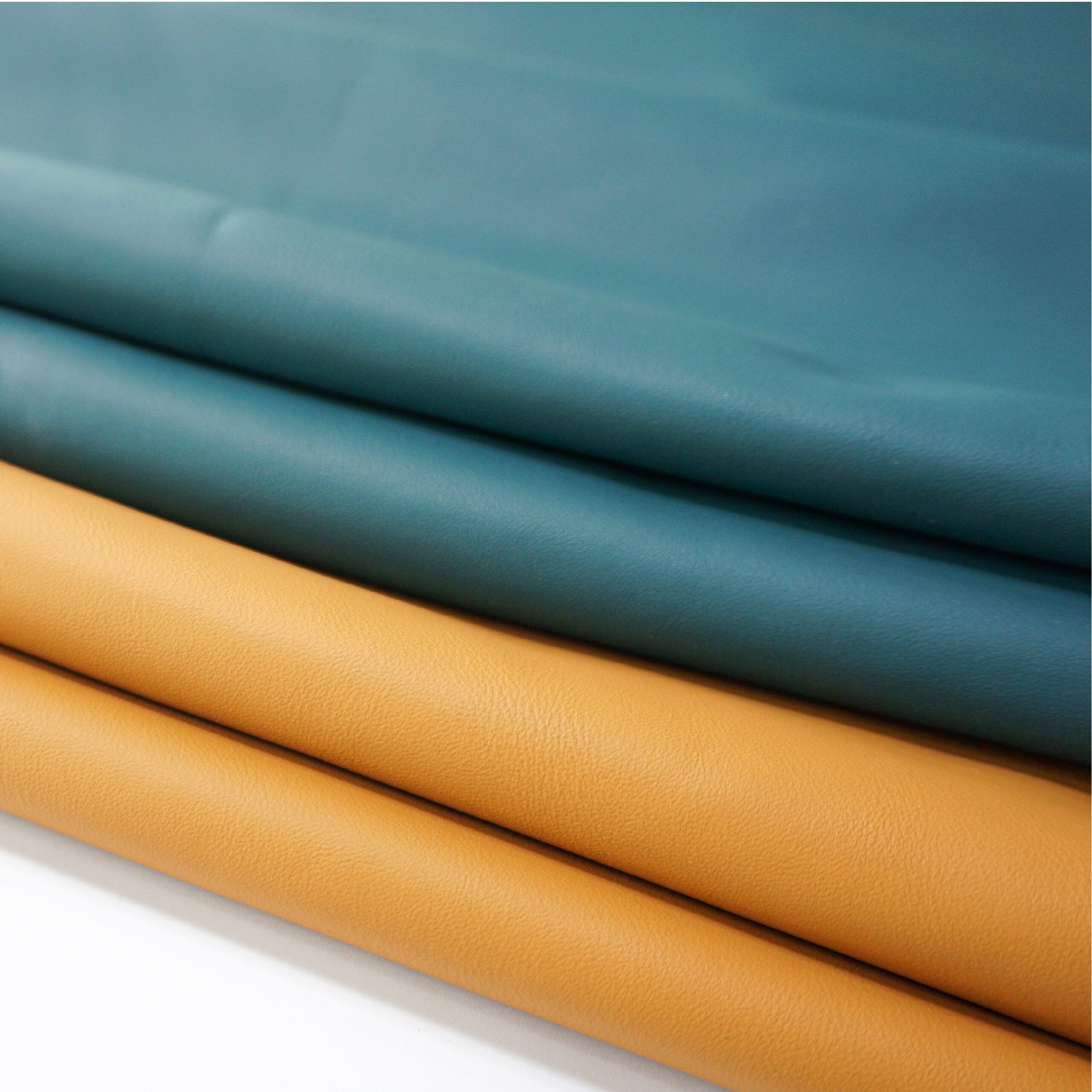
WINIW Synthetic Leather: Technical Product Guide for Industrial Applications
WINIW delivers high-performance synthetic leather engineered for B2B manufacturing excellence. Our proprietary production system prioritizes resource efficiency without compromising on quality, ensuring your supply chain meets stringent environmental and operational demands. Below are the technical advantages of our core leather grades, designed for cost-sensitive, high-volume production environments.
Key Technical Advantages
- Cost-Effective Production: Optimized manufacturing processes reduce material waste by up to 18% compared to industry averages. Our grades require no pre-treatment, lowering downstream processing costs and accelerating time-to-market.
- Superior Durability: Engineered with high-density polyurethane matrices and reinforced backings, WINIW grades withstand 50,000+ double-rub cycles (Martindale test), outperforming standard synthetics in abrasion, flexing, and seam strength for extended product lifecycles.
- Customizable Color System: Access 1,200+ standardized color references (Pantone®/RAL) with <1.5 ΔE color deviation tolerance. Rapid custom color matching (7-day turnaround) supports brand-specific requirements without minimum order penalties.
- REACH Compliance Guaranteed: All grades are fully compliant with EU REACH (EC 1907/2006) Annex XVII, with zero detection of SVHCs (Substances of Very High Concern), phthalates, or heavy metals. Full chemical disclosure reports available upon request.
- ISO 9001-Certified Consistency: Rigorous in-line quality control ensures batch-to-batch uniformity in thickness, color, and physical properties. Traceability from raw material to finished roll minimizes production variances.
WINIW Core Leather Grades: Technical Specifications
| Property | WINIW Grade 1 (Heavy Duty) | WINIW Grade 2 (Standard) | WINIW Grade 3 (Lightweight) |
|---|---|---|---|
| Thickness (mm) | 0.90 ± 0.05 | 0.75 ± 0.05 | 0.60 ± 0.05 |
| Weight (g/m²) | 850 ± 30 | 720 ± 30 | 580 ± 30 |
| Abrasion Resistance | 100,000+ cycles | 75,000+ cycles | 50,000+ cycles |
| Tensile Strength | 28 MPa (MD), 25 MPa (CD) | 24 MPa (MD), 22 MPa (CD) | 20 MPa (MD), 18 MPa (CD) |
| Color Fastness | Class 4-5 (ISO 105-B02) | Class 4 (ISO 105-B02) | Class 4 (ISO 105-B02) |
| REACH Status | Fully Compliant | Fully Compliant | Fully Compliant |
| Primary Applications | Automotive seating, Industrial upholstery | Furniture, Footwear, Bags | Apparel linings, Accessories |
MD = Machine Direction; CD = Cross Direction; All tests per ISO 9001-validated protocols
WINIW’s synthetic leather grades eliminate the volatility of natural leather sourcing while delivering predictable performance and lifecycle value. Our closed-loop production system reduces water usage by 90% versus traditional tanning, aligning with global ESG mandates without inflating unit costs. Partner with WINIW to secure a stable, audit-ready material supply chain that meets tomorrow’s regulatory standards—today.
Why Choose Synthetic over Real Leather
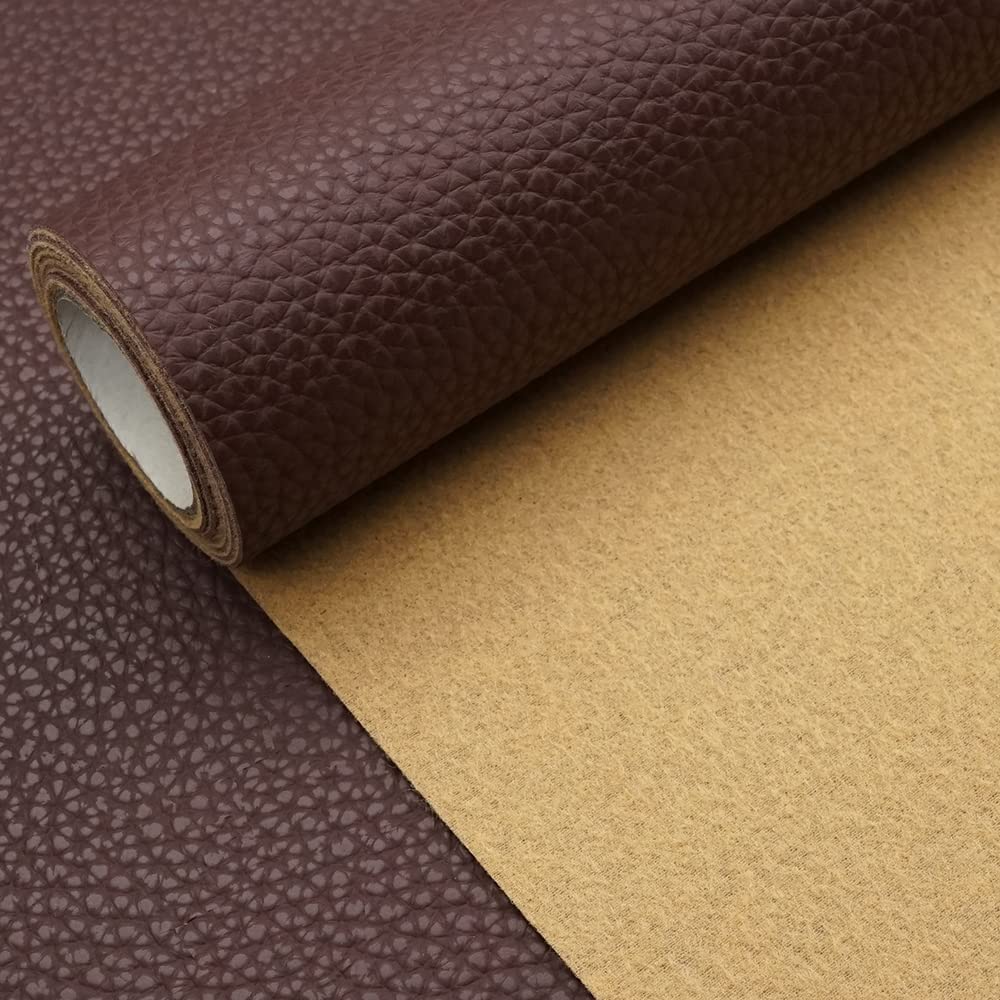
WINIW B2B Product Guide: Synthetic vs. Real Leather – A Comparative Overview
In today’s evolving market, material selection plays a pivotal role in product development, sustainability goals, and cost efficiency. For manufacturers and brand partners, understanding the differences between synthetic leather grades and real leather is essential for making informed, strategic decisions. This guide outlines key distinctions in performance, cost, and environmental impact.
Understanding Leather Grades and Real Leather
“Leather grades” typically refer to classifications of real leather (e.g., full-grain, top-grain, genuine, and bonded leather), which are derived from animal hides and vary in quality, texture, and durability. In contrast, synthetic leather—such as PU (polyurethane) and microfiber leather—offers an engineered alternative designed to replicate the aesthetic and functional properties of real leather without relying on animal materials.
While real leather is often praised for its natural texture and aging characteristics, it comes with significant environmental and ethical challenges. Synthetic leather, particularly high-grade microfiber variants, provides a consistent, cruelty-free, and increasingly sustainable alternative.
Key Differences:
- Source Material: Real leather is made from animal hides (primarily bovine), whereas synthetic leather uses polymer-based materials such as PU or PVC over a fabric backing.
- Consistency: Synthetic leather offers uniform texture and color across batches, ideal for mass production. Real leather may have natural imperfections and variations.
- Customization: Synthetic leather can be engineered for specific performance needs (e.g., water resistance, abrasion resistance, breathability), while real leather properties depend on hide quality and tanning processes.
- Sustainability: Real leather production involves high water consumption, chemical tanning, and greenhouse gas emissions. Synthetic leather, especially eco-conscious options like WINIW’s recycled microfiber leather, reduces environmental impact and supports circular economy goals.
Performance and Cost Comparison
| Criteria | Real Leather (Full-Grain) | High-Grade Synthetic Leather (Microfiber) | Standard Synthetic Leather (PU) |
|---|---|---|---|
| Cost (per sqm) | $80 – $150 | $40 – $70 | $15 – $30 |
| Durability (years) | 10 – 15+ | 8 – 12 | 3 – 5 |
| Eco-Friendliness | Low (high carbon footprint, chemical use, waste byproducts) | High (low VOC emissions, recyclable materials, water-based processing) | Medium (depends on formulation; some contain harmful solvents) |
Why Choose High-Grade Synthetic Leather?
- Lower Total Cost of Ownership: Reduced maintenance, longer service life in controlled environments, and consistent supply chains.
- Enhanced Sustainability Profile: WINIW’s microfiber leather uses up to 80% recycled content and water-based lamination, meeting REACH and OEKO-TEX® standards.
- Design Flexibility: Available in a wide range of textures, colors, and performance finishes (e.g., anti-microbial, UV-resistant).
- Ethical Compliance: Fully animal-free, supporting cruelty-free and vegan product lines.
Conclusion
For B2B partners in furniture, automotive, fashion, and electronics, high-grade synthetic leather presents a competitive, future-ready alternative to real leather. With comparable durability, superior customization, and a significantly lower environmental footprint, it aligns with global sustainability targets and evolving consumer expectations.
WINIW continues to lead in innovative synthetic leather solutions, combining performance excellence with eco-conscious manufacturing. Partner with us to build durable, ethical, and forward-thinking products.
WINIW Factory Capabilities
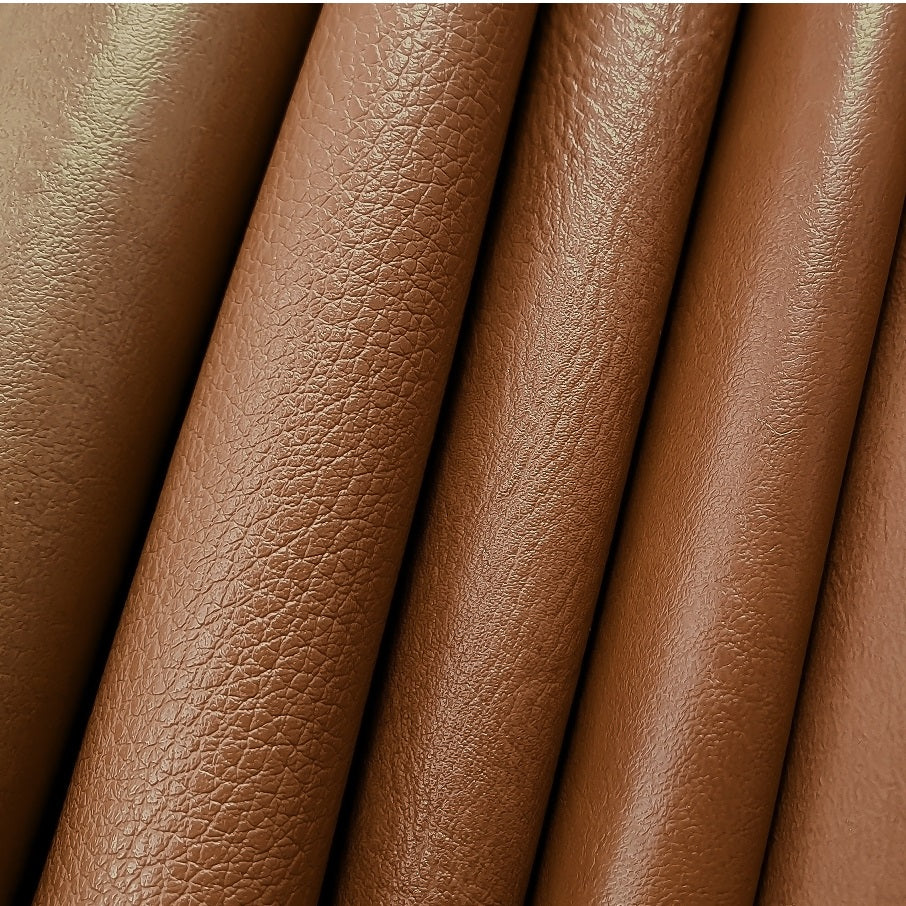
WINIW Synthetic Leather: Engineered for Global Excellence
WINIW stands as a leader in sustainable synthetic leather manufacturing, delivering premium materials trusted by global brands across fashion, automotive, and furniture sectors. Our vertically integrated operations combine ecological responsibility with industrial scale, ensuring consistent quality for demanding international markets. Below is an overview of our core manufacturing strengths.
Unmatched Manufacturing Scale & Infrastructure
Our state-of-the-art facility spans 100,000 square meters in Anhui, China, purpose-built for high-volume, eco-conscious production. This scale enables agile fulfillment for global partners while maintaining rigorous environmental controls:
– Fully automated coating and embossing lines with precision thickness tolerance (±0.05mm)
– On-site wastewater treatment plant supporting closed-loop water systems
– Solar-powered energy integration reducing carbon footprint by 30% vs. industry average
– Dedicated R&D pilot lines for rapid material prototyping (72-hour sample turnaround)
Advanced R&D Capabilities
Innovation drives our sustainability mission. WINIW’s 45-member R&D team holds 30+ patents in bio-based polymers and low-impact finishing technologies:
– Proprietary water-based PU/PE resins eliminating DMF and VOC emissions
– Development of recycled PET carrier fabrics (up to 80% post-consumer content)
– Collaborative material customization for specific performance needs (e.g., UV resistance, antimicrobial properties)
– Annual reinvestment of 8% of revenue into eco-material research
Stringent Quality Assurance System
WINIW implements a 5-stage QC protocol exceeding European and North American standards. Every batch undergoes comprehensive testing before shipment:
| Test Parameter | Standard Requirement | WINIW Actual Performance | Certification Compliance |
|---|---|---|---|
| Colorfastness (Xenon) | ISO 105-B02: ≥4 | Avg. 4.5-5 | OEKO-TEX® STANDARD 100 |
| Martindale Abrasion | 20,000 cycles | 35,000+ cycles | REACH, CPSIA |
| Tensile Strength | ≥20 MPa | 28-35 MPa | ISO 1728 |
| Heavy Metals | Below EU limits | Non-detectable | EN 71-3 |
- All materials batch-traceable via blockchain-enabled system
- Third-party validation by SGS, Intertek, and Bureau Veritas
- 99.2% defect-free rate across 2023 global shipments
Global Supply Chain Reliability
WINIW serves 60+ countries with dedicated compliance expertise for key markets:
– Europe: Full REACH SVHC compliance, GRS-certified recycled content documentation
– USA: CPSIA-compliant phthalates testing, Prop 65 adherence
– Logistics: FCL/LCL options via Shanghai/Ningbo ports with 15-day average lead times
– Certifications: ISO 9001, ISO 14001, ISO 45001, ZDHC MRSL Level 3
Our integrated manufacturing ecosystem—spanning raw material innovation to final inspection—ensures partners receive not just materials, but certified sustainable solutions ready for global commerce. WINIW’s commitment to ecological integrity never compromises on performance or scalability. Partner with us to elevate your product lines with responsibly engineered synthetic leather.
Contact Us for Samples
WINIW Microfiber Leather – B2B Product Guide
WINIW is a leading innovator in high-performance synthetic leather solutions, delivering premium microfiber leather products tailored for industries including automotive, furniture, footwear, and accessories. Our eco-conscious manufacturing process combines durability, luxury aesthetics, and sustainability—making WINIW the preferred choice for forward-thinking brands.
Our advanced production technology ensures consistent quality, superior texture, and excellent physical properties such as abrasion resistance, color fastness, and flexibility. WINIW microfiber leather offers a sustainable alternative to genuine leather without compromising on performance or design.
Key Advantages of WINIW Microfiber Leather
- Exceptional durability and wear resistance for long-term use
- Eco-friendly production with low environmental impact
- High breathability and soft hand feel for comfort-focused applications
- Customizable thickness, color, texture, and finish to meet brand specifications
- Excellent resistance to UV, water, and chemicals
- Consistent roll-to-roll quality with high yield efficiency
- REACH and RoHS compliant; suitable for global markets
Industry Applications
- Automotive interiors (seats, dashboards, door panels)
- Upholstered furniture and contract seating
- Performance footwear and luxury accessories
- Electronics cases and protective covers
- Sports and marine equipment
Our Leather Grades
WINIW offers a comprehensive range of microfiber leather grades engineered for specific performance demands:
| Grade | Thickness Range | Key Features | Ideal For |
|---|---|---|---|
| WINIW ProFlex | 0.6 – 1.2 mm | Lightweight, high flexibility, excellent drapability | Footwear, apparel, lightweight upholstery |
| WINIW AutoGrade | 1.0 – 1.8 mm | High abrasion resistance, dimensional stability | Automotive seating and trim |
| WINIW EcoLux | 1.2 – 2.0 mm | Premium texture, eco-certified materials | Luxury furniture, hospitality interiors |
| WINIW SportShield | 1.5 – 2.2 mm | Enhanced tear strength, moisture resistance | Sports equipment, heavy-use applications |
For detailed specifications and technical data sheets, request our full leather grades portfolio.
Request Free Samples
Evaluate WINIW microfiber leather firsthand with complimentary material samples. Ideal for product development, design validation, and client presentations.
Contact us today to explore the right grade for your application:
MKT88@MicrofiberLeather.com
Elevate your products with sustainable performance—partner with WINIW.
💰 Leather Cost Savings Calculator
See how much you save by switching to WINIW Microfiber Leather.