Catalog
Material Insight: How Long Does Faux Leather Last
B2B Product Guide: Understanding Faux Leather Longevity
Faux leather (synthetic leather) has evolved into a strategic asset for commercial applications where durability, consistency, and sustainability are non-negotiable. Understanding its lifespan is critical for procurement decisions, as it directly impacts total cost of ownership, maintenance schedules, and environmental compliance. Unlike natural leather, which varies significantly by hide and requires intensive resource inputs, modern high-performance faux leather offers predictable longevity tailored to demanding B2B environments—from contract furniture and automotive interiors to retail displays and hospitality furnishings.
When engineered with precision, quality faux leather outperforms expectations. Key factors influencing its service life include:
– UV resistance (critical for sun-exposed applications like automotive seating or outdoor furniture)
– Abrasion tolerance (measured in Martindale cycles for upholstery)
– Flexibility and cold-crack resistance (essential for dynamic applications)
– Stain and chemical resistance (vital for healthcare, hospitality, and public transit)
– Proper installation and maintenance protocols
Why Faux Leather is the Superior B2B Choice for Longevity & Sustainability
Faux leather isn’t merely a substitute—it’s the optimal solution for applications prioritizing lifecycle value and ESG goals. Natural leather tanning consumes vast water resources and generates hazardous waste, while faux leather from responsible manufacturers like WINIW uses significantly less water, eliminates toxic chromium, and leverages recycled content. Crucially, its uniform structure ensures consistent performance across every square meter, eliminating the weak points inherent in biological materials. For high-traffic commercial settings, this translates to:
– 5–15+ years of service life (vs. natural leather’s 8–12 years in comparable conditions, with higher variability)
– Lower replacement frequency due to engineered resistance to fading, tearing, and microbial growth
– Reduced waste through precision cutting and recyclable backing materials
– Compliance with global sustainability standards (REACH, OEKO-TEX®) without compromising durability
WINIW: Precision-Engineered Synthetic Leather for Demanding B2B Applications
With over 20 years of specialized R&D in synthetic leather innovation, WINIW delivers solutions where performance meets planetary responsibility. We partner with global manufacturers to create custom faux leather that exceeds industry longevity benchmarks through:
– Proprietary PU/PVC formulations with enhanced UV stabilizers and anti-hydrolysis technology
– Backing systems using up to 30% recycled polyester (GRS-certified) for dimensional stability
– Rigorous in-house testing (50,000+ Martindale cycles, 1,000+ hours QUV exposure)
– Transparent lifecycle assessments supporting LEED and BREEAM certifications
WINIW’s expertise ensures your faux leather isn’t just a material—it’s a durable, eco-conscious investment engineered to perform reliably across its entire service life. Let’s collaborate to specify the exact solution for your application’s longevity requirements.
Technical Performance & Standards
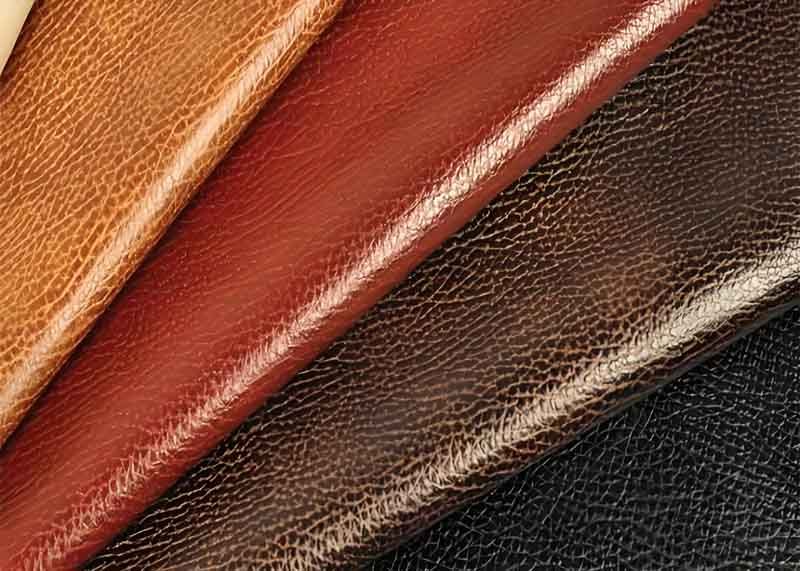
WINIW Faux Leather: Technical Advantages & Product Guide
WINIW specializes in high-performance synthetic leather solutions designed for long-term durability and industrial versatility. Our faux leather products are engineered to meet the demanding requirements of B2B clients across automotive, furniture, footwear, and specialty interiors. With a focus on sustainability, compliance, and customization, WINIW delivers cost-effective alternatives to genuine leather without compromising on quality or performance.
Technical Advantages
-
Cost-Effective Solution
WINIW’s faux leather reduces material and production costs significantly compared to genuine leather. With consistent thickness and reduced waste during cutting, our products optimize manufacturing efficiency and lower total cost of ownership. -
Exceptional Durability
Engineered with advanced polyurethane (PU) and microfiber backings, WINIW’s faux leather resists abrasion, tearing, and cracking. Products maintain structural integrity and aesthetic appeal over extended use—typically lasting 5 to 10 years under normal conditions, outperforming many standard leather alternatives. -
Customizable Colors and Finishes
WINIW offers full color customization with batch-to-batch consistency. Clients can select from matte, gloss, soft-touch, or textured finishes. Our digital color matching system ensures precise replication across large production runs, supporting brand-specific design requirements. -
REACH Compliance
All WINIW products are REACH-compliant, free from SVHCs (Substances of Very High Concern), and safe for use in consumer and industrial applications across the EU and global markets. Our chemical management systems ensure ongoing regulatory adherence. -
ISO 9001 Certified Manufacturing
WINIW’s production processes are ISO 9001 certified, ensuring consistent quality control, traceability, and continuous improvement. This certification underscores our commitment to reliability and customer satisfaction in every batch.
Performance Specifications
| Property | Specificatie | Test Standard |
|---|---|---|
| Tensile Strength | ≥ 60 N/cm (warp), ≥ 55 N/cm (weft) | ISO 1421 |
| Elongation at Break | ≤ 30% | ISO 1421 |
| Martindale Abrasion Resistance | ≥ 50,000 cycles (no break) | ISO 12947-2 |
| Color Fastness to Rubbing | Grade 4–5 (dry), Grade 3–4 (wet) | ISO 105-X12 |
| Color Fastness to Light | ≥ Grade 6 (after 40 hrs UV exposure) | ISO 105-B02 |
| Cold Crack Resistance | No cracking at -20°C | ISO 4646 |
| Thickness | 0.6 mm – 1.8 mm (customizable) | ISO 2417 |
| Weight | 200 – 450 g/m² | ISO 9073-1 |
| REACH SVHC Status | Compliant (None detected) | EC 1907/2006 |
| ISO Certification | ISO 9001:2015 | Quality Management System |
Longevity and Real-World Performance
WINIW’s faux leather is designed for extended service life. In controlled indoor environments, such as office furniture or automotive interiors, product lifespan typically exceeds 8 years with minimal wear. In high-traffic or outdoor-exposed applications (with UV-resistant coating), service life ranges from 5 to 7 years, depending on maintenance and environmental conditions.
Accelerated aging tests confirm resistance to fading, hydrolysis, and microbial growth, making WINIW a preferred choice for clients seeking both longevity and low maintenance.
Choose WINIW for a sustainable, high-performance synthetic leather solution that delivers durability, compliance, and full design flexibility—engineered for the future of industrial manufacturing.
Why Choose Synthetic over Real Leather
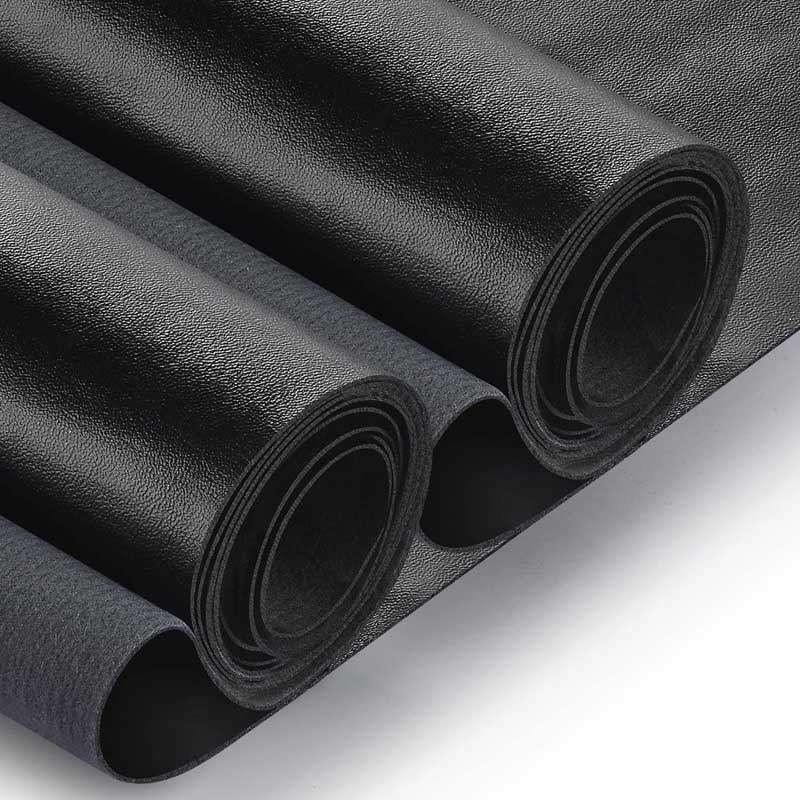
B2B Product Guide: Faux Leather vs. Real Leather Longevity & Performance Comparison
Understanding material longevity is critical for commercial applications, from furniture upholstery to automotive interiors. While both faux (synthetic) leather and genuine leather offer distinct value propositions, their performance lifespans differ significantly based on composition, usage, and environmental factors. Below is a factual comparison to inform strategic procurement decisions.
Core Longevity Factors
- Faux Leather (Modern PU/TPU-based): Engineered for consistent performance. High-quality synthetics (e.g., WINIW’s plant-based PU) typically last 5–12 years in commercial settings. Degradation is primarily driven by UV exposure, abrasion, and plasticizer migration in lower-grade PVC variants. Premium eco-synthetics resist cracking and fading longer due to advanced polymer stability.
- Real Leather: A natural product with variable lifespan. Full-grain leather lasts 10–20+ years with rigorous maintenance but is vulnerable to moisture, stains, and drying. Lower grades (corrected grain, bonded) may degrade in 5–10 years. Patina development is desirable but doesn’t equate to structural longevity.
Comparative Analysis: Cost, Durability & Eco-Friendliness
| Criteria | Faux Leather (Premium PU/TPU) | Real Leather (Full-Grain) |
|---|---|---|
| Cost | – Lower upfront cost (30–50% less than full-grain) – Minimal maintenance expenses – Predictable replacement cycle |
– 2–3x higher initial cost – Requires ongoing conditioning/cleaning – Unplanned repairs increase TCO |
| Duurzaamheid | – Consistent resistance to stains/moisture – Uniform surface (no weak spots) – UV-stable grades resist fading (5–12 yr commercial life) |
– Develops patina but prone to cracking/drying – Vulnerable to water damage & microbial growth – Lifespan highly maintenance-dependent (10–20+ yr) |
| Eco-Friendliness | – WINIW plant-based PU: 40%+ bio-content, PVC-free – Lower water/energy in production – Recyclable via specialized streams (growing infrastructure) |
– Uses leather waste but relies on resource-intensive livestock – Tanning chemicals (e.g., chromium) pose pollution risks – Biodegradable only if vegetable-tanned (rare in commercial grades) |
Strategic Considerations for B2B Buyers
- Total Cost of Ownership (TCO): Faux leather often delivers better TCO in high-traffic commercial spaces (e.g., hospitality, public transit) due to lower replacement frequency and zero maintenance costs. Real leather’s premium cost is justified only where heritage aesthetics outweigh functional demands.
- Sustainability Alignment: Modern eco-synthetics (like WINIW’s certified materials) outperform conventional leather in carbon footprint and chemical safety. Specify PVC-free, bio-based options to meet ESG goals without compromising durability.
- Application Fit: Prioritize faux leather for moisture-prone or high-abrasion environments (e.g., healthcare seating, outdoor furniture). Reserve real leather for low-traffic luxury segments where natural aging is a design feature.
WINIW’s advanced synthetic leathers are engineered to bridge performance and sustainability, offering commercial-grade longevity with verifiable eco-credentials. For sector-specific lifespan validation (e.g., automotive vs. contract furniture), request our technical datasheets with ISO abrasion/UV test results.
WINIW Factory Capabilities

WINIW is a leading manufacturer of high-performance synthetic leather, specializing in innovative, eco-friendly materials for global B2B clients. With a strong commitment to sustainability and quality, WINIW serves diverse industries including automotive, fashion, furniture, and accessories.
Our manufacturing capabilities are anchored in a state-of-the-art production facility spanning 100,000 square meters. This expansive campus integrates advanced production lines with automated systems to ensure consistent output and scalability for large-volume orders. The facility is fully compliant with international environmental and safety standards, supporting our mission to deliver green alternatives to traditional leather.
Key strengths of WINIW’s factory include:
- A dedicated R&D team of over 100 engineers and material scientists focused on developing cutting-edge synthetic leather solutions.
- Continuous investment in innovation, resulting in proprietary technologies for breathability, durability, and low-VOC emissions.
- Strict quality control protocols implemented at every stage of production, from raw material selection to final packaging.
- Comprehensive in-house testing laboratory accredited to ISO standards, enabling precise monitoring of physical properties, color fastness, and environmental compliance.
WINIW proudly exports to key markets worldwide, with established distribution and partnership networks across Europe and the USA. Our products meet stringent regional regulations, including REACH, RoHS, and California Proposition 65, ensuring seamless market entry for our clients.
By combining scale, innovation, and rigorous quality assurance, WINIW delivers reliable, sustainable synthetic leather solutions tailored to the evolving needs of global industries.
Contact Us for Samples
WINIW Premium Synthetic Leather: Durability & Performance Guide for B2B Partners
WINIW Microfiber Leather represents the pinnacle of sustainable, high-performance synthetic materials engineered for demanding commercial applications. Our eco-conscious manufacturing process utilizes up to 40% recycled content and water-based PU systems, eliminating harmful solvents while delivering exceptional physical properties. Designed for furniture, automotive interiors, luggage, and technical upholstery, WINIW offers a responsible alternative to traditional leather without compromising longevity or aesthetics.
Key Factors Influencing Faux Leather Longevity
The service life of synthetic leather varies significantly based on application and environmental factors. WINIW’s advanced formulations are engineered for extended durability, with typical lifespans determined by:
- Material Grade & Thickness: WINIW’s commercial-grade series (e.g., 0.8mm–1.2mm thickness) withstands 50,000+ double rubs (Martindale test), suitable for high-traffic contract furniture.
- Environmental Exposure: UV resistance (tested per ASTM G154), humidity control, and temperature stability directly impact degradation rates.
- Usage Intensity: Frequency of abrasion, flexing, and cleaning protocols in settings like public transport vs. residential furniture.
- Installation Quality: Proper tensioning and substrate adhesion prevent premature stress fractures.
- Maintenance Regimen: WINIW’s stain-resistant finishes require only pH-neutral cleaners; harsh chemicals accelerate wear.
Expected Service Life by Application Environment
The table below reflects WINIW’s performance under standardized testing (ISO 11640, ISO 5470) and field data:
| Application Environment | Typical WINIW Service Life | Key Influencing Factors |
|---|---|---|
| Residential Furniture | 7–10+ years | Moderate UV exposure, standard cleaning |
| Commercial Office Seating | 5–8 years | High abrasion cycles, frequent use |
| Automotive Interiors (Seats) | 6–9 years | UV exposure, temperature fluctuations |
| Public Transport (Buses/Trains) | 4–6 years | Extreme abrasion, high occupancy density |
| Hospitality (Hotels/Lounges) | 5–7 years | Chemical exposure (spills), 24/7 usage |
Note: WINIW’s EcoPro Series extends lifespan 15–20% in UV-intensive environments through proprietary UV stabilizers.
Maximizing Product Longevity
WINIW recommends:
– Selecting the appropriate weight and finish (e.g., abrasion-resistant TopGrain for automotive, soft-touch Nubuck for upholstery).
– Adhering to ISO 105-X12 cleaning guidelines to preserve surface integrity.
– Avoiding prolonged direct sunlight exposure (>50,000 lux) without UV window film.
How long does faux leather last? With WINIW’s advanced engineering and proper application-specific selection, commercial synthetic leather achieves lifespans rivaling top-grain leather—typically 5–10 years in professional settings. Exact longevity depends on the factors above, but our materials consistently exceed industry durability benchmarks.
Request Technical Data or Free Samples
Validate WINIW’s performance for your specific application. Contact our Material Science Team for:
– Custom durability testing reports
– Free 15cm x 15cm samples (assorted grades/colors)
– Lifecycle analysis (LCA) documentation
→ Contact MKT88@MicrofiberLeather.com to specify requirements and arrange sampling.
WINIW: Engineered Sustainability. Uncompromised Performance.
💰 Leather Cost Savings Calculator
See how much you save by switching to WINIW Microfiber Leather.