
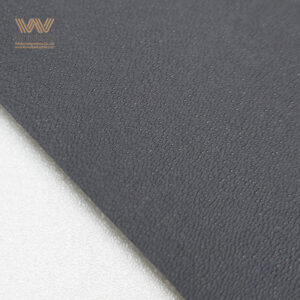
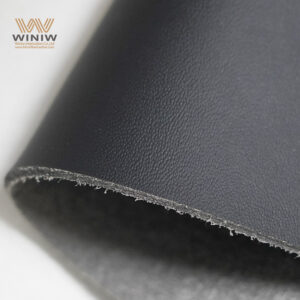
Choosing the right safety footwear depends on the demands of the workplace. Nappa Safety Shoes deliver unmatched comfort, eco-friendly materials, and eliminate the need for a break-in period. Traditional work boots often prioritize rugged protection and durability. > Workers seeking maximum comfort or sustainability often prefer Nappa Safety Shoes, while those who need heavy-duty safety may favor traditional boots. This comparison helps identify the best fit for each environment.
Key Takeaways
- Nappa safety shoes offer immediate comfort with no break-in period, making them ideal for long hours on your feet.
- Traditional work boots provide superior protection for heavy-duty jobs, featuring steel toe caps and rugged materials.
- Choose Nappa safety shoes for indoor environments where comfort and style are essential; they blend well with business-casual attire.
- For outdoor or high-risk jobs, traditional work boots excel with waterproofing and slip-resistant soles to prevent accidents.
- Consider maintenance needs: Nappa safety shoes require minimal care, while traditional boots may need regular cleaning and re-soling.
Types of Safety Footwear Compared
Nappa Safety Shoes Overview
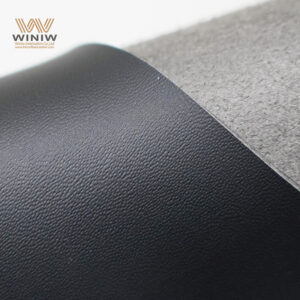
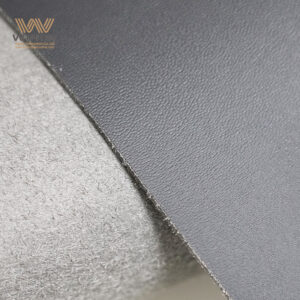
Nappa safety shoes represent a modern approach among the many types of safety footwear available today. These shoes use soft, high-quality Nappa leather, which provides a comfortable fit from the first wear. Workers often choose this type of safety footwear for its lightweight design and flexibility. Nappa safety shoes do not require a break-in period, which helps reduce discomfort during long shifts. Many manufacturers use eco-friendly materials in their construction, making them a sustainable choice for those who value environmental responsibility.
This type of safety footwear offers reliable protection for light to medium-duty jobs. The shoes often include slip-resistant soles and reinforced toe caps. These features help protect against common workplace hazards. Nappa safety shoes also promote breathability, which keeps feet cool and dry throughout the day. Many professionals in offices, warehouses, and healthcare settings prefer this type of safety footwear for its blend of comfort and protection.
Tip: Nappa safety shoes work best for jobs that require long hours on your feet but do not involve extreme hazards.
Traditional Work Boots Overview
Traditional work boots remain one of the most recognized types of safety footwear. They are designed for demanding environments where maximum safety is essential. These boots use tough materials and advanced construction methods to withstand harsh conditions. The table below highlights the defining features of traditional work boots:
| Feature | Beschrijving |
|---|---|
| Steel Toe | Maximum protection, thinner profile, heavy, conducts cold |
| Composite Toe | Lightweight, temperature neutral, slightly bulkier toe box |
| Alloy Toe | Lightest weight, thin profile, more expensive |
| Construction | Goodyear Welt construction ensures durability |
| Intended Use | Designed for professionals needing durable, safe protection in demanding jobs |
Traditional work boots provide superior durability and protection compared to other types of safety footwear. Many models include features such as puncture-resistant soles and waterproof materials. These boots excel in construction, manufacturing, and outdoor work where safety risks are high. Workers rely on this type of safety footwear to guard against heavy impacts, sharp objects, and electrical hazards.
When comparing types of safety footwear, it becomes clear that both nappa safety shoes and traditional work boots serve specific needs. Choosing the right type depends on the level of safety required and the work environment.
Comfort and Fit in Nappa Safety Shoes
Cushioning and Flexibility
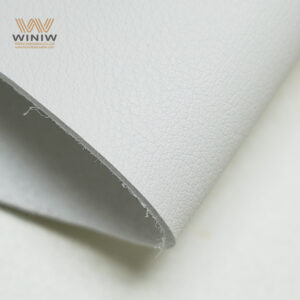
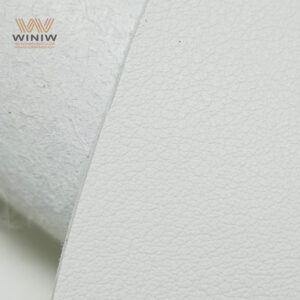
Nappa safety shoes set a new standard for comfort in safety footwear. The softness of Nappa leather creates a gentle, glove-like fit that adapts to the shape of the foot. Workers experience immediate comfort from the first wear. There is no need for a break-in period, which often causes discomfort with traditional work boots. The padded collar and cushioned insole provide extra support during long shifts. This design reduces fatigue and helps maintain energy throughout the day.
Flexibility stands out as a key advantage. Nappa safety shoes bend and move with the foot, allowing for natural motion. Workers can crouch, climb, or walk for hours without feeling restricted. The lightweight construction further enhances comfort, making these shoes ideal for jobs that require constant movement. In contrast, traditional work boots often feel stiff and heavy. They may require weeks to soften and adjust to the wearer’s foot.
Note: Many professionals report that the comfort of Nappa safety shoes leads to fewer foot aches and less overall fatigue.
Breathability and Weight
Breathability plays a crucial role in overall comfort. Nappa safety shoes use high-quality leather that allows air to circulate. This feature keeps feet cool and dry, even during long hours in warm environments. Moisture-wicking linings add another layer of protection against sweat, reducing the risk of blisters and odor. Workers who spend most of their day indoors or in climate-controlled spaces benefit greatly from this level of comfort.
Weight also impacts comfort and performance. Nappa safety shoes weigh significantly less than most traditional work boots. The lighter design reduces strain on the legs and back. Workers can move quickly and easily, which improves productivity and reduces the risk of fatigue-related accidents. Traditional work boots, built for maximum safety in harsh conditions, often use thick soles and heavy materials. This extra weight can cause discomfort, especially during extended wear.
The table below highlights the main comfort differences between nappa safety shoes and traditional work boots:
| Feature | Nappa Safety Shoes | Traditional Work Boots |
|---|---|---|
| Break-in Period | None | Required |
| Weight | Lichtgewicht | Heavy |
| Flexibility | Hoog | Low |
| Ademend vermogen | Excellent | Moderate to Low |
| Cushioning | Superior | Standard |
Nappa safety shoes excel in providing comfort without sacrificing essential safety features. They meet industry standards for protection while ensuring that workers remain comfortable throughout their shifts. For those who value comfort as much as safety, this type of safety footwear offers a clear advantage over traditional options.

Safety Features and Protection
Toe Protection
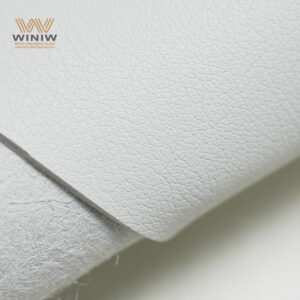
Toe protection stands as a critical factor in safety footwear selection. Nappa safety shoes often feature reinforced toe caps made from composite materials or lightweight alloys. These designs meet industry safety standards for impact and compression. Workers in light-duty environments benefit from the comfort and flexibility of these toe caps. Nappa safety shoes provide reliable protection against dropped tools and minor impacts.
Traditional work boots typically use steel toe caps. Steel offers maximum protection against heavy objects and severe impacts. Construction workers and those in manufacturing environments rely on this level of safety. Steel toe boots comply with strict safety regulations, including ASTM and OSHA standards. Composite and alloy toe options also exist in traditional boots, offering lighter weight and temperature neutrality.
| Feature | Nappa Safety Shoes | Traditional Work Boots |
|---|---|---|
| Toe Cap Material | Composite/Alloy | Steel/Composite/Alloy |
| Impact Resistance | Meets standards | Exceeds standards |
| Comfort | Hoog | Moderate |
| Weight | Licht | Heavy |
Tip: Workers should match toe protection to the hazards present in their workplace. Nappa safety shoes suit offices and warehouses, while traditional boots fit construction and heavy industry.
Slip Resistance
Slip-resistant shoes play a vital role in workplace safety. Nappa safety shoes use advanced rubber compounds and tread patterns to maximize grip. These shoes perform well on smooth floors, tile, and other indoor surfaces. Slip-resistant shoes help prevent falls and injuries, especially in environments where spills or moisture occur.
Traditional work boots often feature deeper lugs and oil-resistant soles. These boots excel outdoors and in rugged conditions. Workers in construction, landscaping, and manufacturing benefit from the superior traction. Many traditional boots meet or exceed slip resistance standards set by regulatory agencies.
- Nappa safety shoes:
- Best for indoor use
- Lightweight slip-resistant shoes
- Easy to clean soles
- Traditional work boots:
- Designed for outdoor and industrial settings
- Heavy-duty slip-resistant shoes
- Enhanced durability
Note: Slip-resistant shoes reduce the risk of workplace accidents. Both types of safety footwear offer protection, but the choice depends on the work environment.
Electrical Hazard Safety
Electrical hazard safety remains essential for many industries. Nappa safety shoes often include non-conductive soles and materials. These features protect workers from electrical shocks in office, warehouse, and healthcare settings. Manufacturers design Nappa safety shoes to meet ASTM standards for electrical hazard protection.
Traditional work boots provide advanced electrical hazard safety. Many models use thick rubber outsoles and insulation layers. These boots protect against high-voltage risks found in construction and utility work. Workers in these fields require safety footwear that meets or exceeds regulatory requirements.
| Safety Feature | Nappa Safety Shoes | Traditional Work Boots |
|---|---|---|
| Electrical Hazard | Meets basic standards | Meets advanced standards |
| Insulation | Moderate | Hoog |
| Intended Use | Indoor/light-duty | Outdoor/heavy-duty |
Workers should always check safety footwear labels for electrical hazard ratings. Proper protection ensures compliance and reduces risk.
Meeting Safety Standards and Compliance
Both Nappa safety shoes and traditional work boots meet essential safety standards. Manufacturers test safety footwear for impact, compression, slip resistance, and electrical hazard protection. Nappa safety shoes excel in comfort and eco-friendly design while maintaining compliance for light to medium-duty jobs. Traditional work boots offer maximum protection and durability for high-risk environments.
- Nappa safety shoes:
- Meet ASTM and OSHA standards for toe protection and slip resistance
- Provide electrical hazard safety for office and warehouse settings
- Traditional work boots:
- Exceed safety standards for impact, puncture, and electrical hazard protection
- Designed for compliance in construction, manufacturing, and outdoor work
Choosing the right safety footwear depends on the level of protection required. Workers should assess hazards and select footwear that meets or exceeds safety standards.
Durability of Safety Footwear
Nappa Leather Longevity
Nappa safety shoes use premium Nappa leather, which stands out for its resistance to cracking and surface damage. This leather maintains its softness and comfort over time, even with daily wear. Workers notice that the material does not stiffen or lose flexibility, which helps preserve comfort throughout the shoe’s lifespan. Nappa leather also resists scuffs and minor abrasions, making it a reliable choice for those who value both appearance and durability in safety footwear.
Maintenance for Nappa safety shoes remains simple. Regular cleaning with a damp cloth and occasional conditioning keeps the leather supple and extends its life. Unlike some traditional materials, Nappa leather does not require heavy treatments or specialized products. Workers appreciate the low-maintenance routine, which saves time and effort. The combination of comfort and durability makes Nappa safety shoes a strong option for light to medium-duty environments.
Tip: Nappa safety shoes offer a balance of comfort and durability, making them ideal for professionals who need reliable safety footwear without sacrificing ease of care.
Boot Material Resilience
Traditional work boots rely on a range of durable materials and construction techniques to maximize safety and longevity. The table below highlights the most common materials and their performance in long-term wear:
| Material Type | Beschrijving |
|---|---|
| Premium Leather | Sourced from Horween Leather Company, improves with wear and offers long-lasting integrity. |
| Rough Out Leather | Features a rugged character and is treated with waxes for enhanced durability. |
| Chromexcel Leather | Full-grain leather that gains character with wear, providing superior comfort and durability. |
| Vibram Outsole | Offers excellent traction and functionality, contributing to the boot’s overall durability. |
| Goodyear Welt Construction | Allows for re-soling, extending the life of the boot significantly. |
These materials help traditional work boots withstand harsh conditions and heavy use. Premium and Chromexcel leathers develop a unique patina, while maintaining comfort and durability. Vibram outsoles resist wear and provide strong traction, which enhances safety in demanding environments. Goodyear welt construction allows boots to be resoled, further increasing their lifespan.
Maintenance for traditional work boots often involves regular cleaning, conditioning, and occasional re-soling. Workers who invest in high-quality safety footwear benefit from extended durability and consistent protection. The resilience of these materials ensures that boots remain effective, even after years of use.
Note: Choosing safety footwear with proven durability and comfort helps workers stay protected and productive in any environment.

Style and Versatility
Workplace Appearance
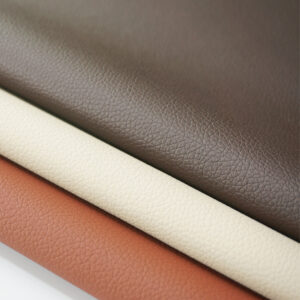
Nappa safety shoes offer a modern look that fits well in professional settings. Many workers choose this type of safety footwear because it blends style with function. The sleek design and soft leather finish create a polished appearance. These shoes match business-casual attire and help workers maintain a professional image. Traditional work boots, on the other hand, present a rugged style. They often feature thick soles and reinforced stitching. This design signals durability and high safety standards. Some workplaces require a tough appearance to match the job’s demands. In these environments, traditional boots remain the preferred choice.
| Feature | Nappa Safety Shoes | Traditional Work Boots |
|---|---|---|
| Appearance | Sleek, modern | Rugged, classic |
| Matches Office Wear | Yes | Rarely |
| Comfort | Hoog | Moderate |
| Workplace Versatility | Excellent | Limited |
Note: Workers who value both comfort and a professional look often select Nappa safety shoes for daily use.
Off-Duty Use
Versatility extends beyond the workplace. Nappa safety shoes transition easily to off-duty activities. Their lightweight build and high comfort level make them suitable for errands, social events, or travel. Many people appreciate that this safety footwear does not look out of place outside work. The shoes provide ongoing support and safety, even after hours. Traditional work boots, while durable, feel heavy and less comfortable for casual wear. Their design focuses on maximum safety, which can limit flexibility in non-work settings.
- Nappa safety shoes:
- Blend comfort and style for all-day wear
- Support feet during long periods of standing or walking
- Offer safety features without sacrificing appearance
- Traditional work boots:
- Prioritize safety and durability
- Best suited for demanding tasks, not casual use
Choosing the right safety footwear means considering both workplace needs and lifestyle. Nappa safety shoes deliver comfort, safety, and style, making them a versatile option for many professionals.
Value and Cost of Safety Footwear
Initial Price
When comparing initial costs, Nappa safety shoes often carry a higher price tag than many entry-level traditional work boots. This difference reflects the use of premium Nappa leather and advanced comfort features. Buyers pay for immediate comfort, eco-friendly materials, and a modern design. Traditional work boots, especially those made with basic materials, can cost less upfront. However, high-end models with advanced safety features and durable construction may match or exceed the price of Nappa safety shoes.
| Footwear Type | Typical Price Range | Notable Features |
|---|---|---|
| Nappa Safety Shoes | $$–$$$ | Premium leather, comfort, style |
| Traditional Work Boots | $–$$$ | Rugged build, heavy-duty safety |
Tip: Investing in quality safety footwear can reduce the need for frequent replacements and improve workplace comfort.
Maintenance and Longevity
Nappa safety shoes require minimal maintenance. Owners can clean them with a damp cloth and use occasional leather conditioner. The leather resists cracking and maintains its softness, which extends the shoe’s lifespan. Traditional work boots demand more care. Regular cleaning, conditioning, and sometimes re-soling keep them in top condition. Boots with Goodyear welt construction allow for re-soling, which can significantly extend their usable life.
Longevity depends on the work environment and usage. Nappa safety shoes perform best in light to medium-duty settings. They maintain comfort and appearance over time. Traditional work boots excel in harsh environments. Their rugged materials and construction withstand heavy use and exposure to tough conditions.
- Nappa safety shoes: Lower maintenance, long-lasting comfort, best for offices and warehouses.
- Traditional work boots: Higher maintenance, exceptional durability, ideal for construction and outdoor work.
Choosing the right safety footwear involves balancing initial price, maintenance needs, and expected lifespan. Workers should consider both immediate costs and long-term value when selecting safety footwear for their specific safety requirements.
Best Use Cases for Safety Footwear
Office and Light-Duty Jobs
Professionals in office settings and light-duty roles often prioritize comfort and appearance when selecting safety footwear. Nappa safety shoes provide a soft leather finish and a lightweight structure, which supports all-day wear. Employees in administrative, healthcare, and warehouse environments benefit from shoes that offer breathability and flexibility. These features help reduce fatigue and maintain productivity during long shifts.
Nappa safety shoes meet essential safety requirements for toe protection and slip resistance. Workers in these environments rarely encounter heavy machinery or extreme hazards. The footwear’s sleek design matches business-casual attire, allowing individuals to maintain a professional image. Maintenance remains simple, which suits busy professionals who need reliable safety footwear without extra effort.
Tip: Nappa safety shoes work best for jobs that require frequent movement, standing, or walking in controlled environments.
Heavy-Duty and Outdoor Work
Heavy-duty and outdoor work demands robust safety footwear that withstands harsh conditions. Industry experts highlight steel toe protection as a critical feature for impact and compression resistance. Workers in construction, manufacturing, and landscaping face risks from falling objects and heavy equipment. Steel toe boots provide the highest level of safety in these scenarios.
Waterproofing keeps feet dry in wet or muddy environments. Slip-resistant soles prevent falls on uneven or oily surfaces. Compliance with safety standards, such as ASTM F2413, ensures that the footwear meets necessary safety requirements. Traditional work boots excel in durability and resilience, making them suitable for demanding tasks.
The table below summarizes which type of safety footwear fits each job environment:
| Job Environment | Recommended Footwear | Key Safety Features |
|---|---|---|
| Office/Light-Duty | Nappa Safety Shoes | Comfort, slip resistance, style |
| Heavy-Duty/Outdoor | Traditional Work Boots | Steel toe, waterproofing, standards |
Workers should assess workplace hazards before choosing safety footwear. Selecting the right type improves safety and supports long-term health.
Nappa safety shoes deliver comfort, eco-friendly materials, and reliable durability, making them ideal for professionals who value style and ease of wear. Traditional work boots offer robust protection for demanding environments. When considering how to choose the right safety footwear, users should review safety footwear standards and safety footwear regulations. They should also weigh comfort and long-term value. Understanding how to choose the right safety footwear ensures compliance and safety on the job.
FAQ
What makes Nappa safety shoes more comfortable than traditional work boots?
Nappa safety shoes use soft leather and cushioned insoles. Workers experience immediate comfort. Traditional boots often feel stiff and require a break-in period.
Are Nappa safety shoes suitable for outdoor or heavy-duty work?
Nappa safety shoes perform best in light to medium-duty environments. Traditional work boots provide better protection for outdoor and heavy-duty tasks.
How do maintenance requirements differ between Nappa safety shoes and work boots?
Nappa safety shoes need simple cleaning and occasional conditioning. Traditional work boots require regular cleaning, conditioning, and sometimes re-soling.
Do both types meet workplace safety standards?
Both Nappa safety shoes and traditional work boots meet essential safety standards. Workers should check labels for compliance with ASTM and OSHA regulations.
Which safety footwear offers better value over time?
| Footwear Type | Maintenance | Duurzaamheid | Best Use Case |
|---|---|---|---|
| Nappa Safety Shoes | Low | Moderate | Office, warehouse |
| Traditional Work Boots | Hoog | Hoog | Construction, outdoor |