
I always look for a vegan leather sofa that stands out for its durability, comfort, sustainability, and lasting style. A high-quality sofa should feel supportive, look elegant, and hold up to daily use. I value vegan materials for their ethical benefits and modern performance. When I shop, I weigh the environmental impact alongside the practical features. I believe the right choice blends responsible sourcing with everyday comfort.
Key Takeaways
- Look for sofas made from ethically sourced materials to support sustainability and indoor air quality.
- Kies vegan leather with low or no VOCs to promote a healthier home environment.
- Inspect the frame for solid construction, using hardwood or engineered wood for durability.
- Prioritize high-density foam cushions for comfort and longevity, ensuring they retain their shape.
- Check for double-stitched seams to enhance durability and prevent splitting over time.
- Seek out vegan leather options that are plant-based or recycled to minimize environmental impact.
- Verify certifications like GREENGUARD or OEKO-TEX to ensure safety and low chemical emissions.
- Test the sofa in-store for comfort, support, and features before making a purchase decision.
What Defines a Quality Vegan Leather Sofa
Key Features of Vegan Leather Sofas
When I evaluate a high-quality vegan leather sofa, I focus on several essential features that set it apart. I look for:
- Ethically sourced materials that avoid harmful synthetic fibers and chemicals. This helps protect indoor air quality and aligns with my values.
- Low or no VOCs (volatile organic compounds) in the materials. I want a sofa that supports a healthy home environment.
- Innovative vegan alternatives, such as bamboo silk or pineapple leather. These options use natural resources or agricultural waste, which makes them both sustainable and ethical.
- Solid construction and attention to detail. I check for sturdy frames, reinforced corners, and high-quality vegan leather upholstery that resists wear.
I believe these features ensure both comfort and long-term value. I always prioritize sofas that balance ethical sourcing with durability and style.
Vegan Leather vs. Traditional Leather
I often compare vegan leather sofas to traditional leather options before making a decision. Here’s what I have learned:
- Durability: Traditional leather sofas can last 15 years or more with proper care. High-quality vegan leather sofas, especially those made with microfiber PU, usually last between 5 and 10 years.
- Maintenance: Leather requires regular conditioning every few months to prevent cracking. Vegan leather, especially microfiber PU, is much easier to clean. I can usually wipe it down with a damp cloth and vacuum it as needed.
- Stain Resistance: Leather resists most stains and wipes clean easily. Microfiber PU vegan leather offers waterproof qualities, which helps prevent liquid stains from soaking in.
I find that vegan leather sofas offer a practical choice for busy households. They require less maintenance and provide good stain resistance, though they may not last as long as top-grain leather.
Types of Vegan Leather
I have seen several types of vegan leather used in sofas, each with unique properties:
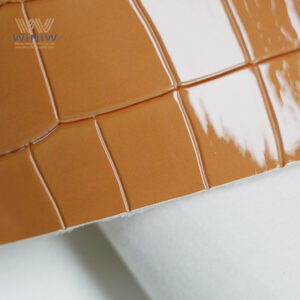
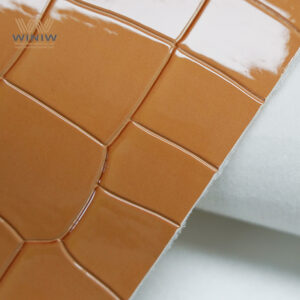
- Distressed vegan leather (polyurethane) features a non-porous surface that looks and feels like real leather. It comes pre-textured with color and grain variations.
- This material resists cracking, hides scratches well, and is easy to clean. I appreciate its affordability and classic look.
- However, distressed vegan leather is less breathable than fabric or real leather. It usually lasts 5 to 7 years, which is shorter than the 20+ years I expect from top-grain leather.
I also notice more brands using plant-based and recycled vegan leather. These options support ethical and sustainable living, which matters to me when I choose a sofa.
Durability in Vegan Leather Sofas
Frame Materials
Hardwood and Engineered Wood
When I select a vegan leather sofa, I always check the frame first. The frame forms the backbone of the sofa and determines how well it will hold up over time. I prefer sofas built with kiln-dried hardwood or solid woods like oak, beech, or maple. These materials resist warping and provide a stable foundation. Engineered wood can also offer strength when manufacturers use high-quality plywood or reinforced joinery.
Here’s a quick comparison of common frame materials and their impact on durability:
| Frame Material | Impact on Durability |
|---|---|
| Kiln-dried hardwood | Avoids warping and ensures long-term stability |
| Solid wood (oak, beech, maple) | Provides a robust structure that enhances longevity |
| Corner-blocked frames | Reduces wobble and distributes weight effectively |
| Reinforced joinery | Increases overall strength and durability |
I always look for corner-blocked frames and reinforced joints. These features help distribute weight evenly and prevent the sofa from wobbling or creaking after years of use.
Frame Construction
A well-constructed frame makes a huge difference in how durable a vegan leather sofa feels. I inspect the joints and connections. Mortise-and-tenon or dowel joints, glued and screwed together, create a solid structure. I avoid sofas that rely only on staples or nails, since these can loosen over time. I also check for extra bracing in high-stress areas, such as corners and seat rails. This attention to detail ensures the sofa will withstand daily wear and tear.
Suspension and Support
Spring Systems
The suspension system supports the cushions and affects both comfort and longevity. I prefer sofas with sinuous (S-shaped) springs or eight-way hand-tied springs. Sinuous springs run from front to back and provide consistent support. Eight-way hand-tied springs, though more expensive, offer superior comfort and last longer. I press down on the seat to test for even resistance and minimal sagging.
Webbing and Reinforcement
Some vegan leather sofas use webbing instead of springs. High-quality webbing, tightly woven and reinforced, can provide good support. I look for sofas with double webbing or additional cross-supports. This prevents sagging and helps the sofa maintain its shape over time. I avoid sofas with loose or minimal webbing, as these tend to lose support quickly.
Vegan Leather Material Quality
PU, PVC, and Plant-Based Options
The type of vegan leather used on the sofa plays a major role in its durability. I see polyurethane (PU) as the most common choice. PU offers a soft feel and resists cracking better than older PVC options. PVC can feel stiff and may crack or peel with heavy use. I also notice more brands using plant-based vegan leather made from materials like pineapple leaves or apple peels. These options are not only eco-friendly but can also be surprisingly durable when properly finished.
Surface Coating and Thickness
I always check the thickness and surface coating of the vegan leather upholstery. Thicker materials resist punctures and abrasions better. A high-quality surface coating adds a protective layer that guards against stains and fading. I run my hand over the surface to feel for consistency and check for any weak spots. Sofas with a robust coating and substantial thickness tend to look new for longer and handle daily use with ease.
Tip: I recommend asking the retailer about the specific type of vegan leather and its abrasion rating. Higher ratings mean better resistance to wear and tear.
A durable vegan leather sofa combines a strong frame, reliable suspension, and high-quality upholstery. I always prioritize these features to ensure my investment lasts for years.
Stitching and Seams
When I assess a vegan leather sofa, I always pay close attention to the stitching and seams. These details often reveal the true quality of the craftsmanship. Even the strongest frame and upholstery can fail if the seams do not hold up under daily use. I have learned that well-executed stitching not only improves the appearance but also plays a critical role in making the sofa more durable.
Double-Stitching
I look for double-stitching along the seams and welt cords. This technique uses two rows of stitches instead of one, which significantly increases the strength of the seam. Double-stitching helps prevent the seams from splitting or unraveling, especially in high-stress areas like seat cushions and armrests.
Welt cords and seams should be double-stitched with tough thread. This detail indicates that double-stitching enhances the strength and longevity of the seams, preventing them from coming apart under stress.
In my experience, sofas with double-stitched seams maintain their shape and structure much longer. I run my fingers along the seams to check for even, tight stitches. If I see loose threads or uneven spacing, I know the sofa may not last as long as I expect. Double-stitching is a small detail, but it makes a big difference in the overall durability of the piece.
Seam Placement
Seam placement also affects how well a vegan leather sofa stands up to everyday wear. I prefer sofas where the seams are strategically placed in low-stress areas. Manufacturers often hide seams along the edges or underneath cushions to reduce the risk of splitting. When seams run across the middle of a cushion or along the top of an armrest, they face more tension and are more likely to fail over time.
I always check the alignment of the seams. Straight, well-placed seams show that the manufacturer took care during assembly. Crooked or poorly aligned seams can lead to weak spots that compromise the sofa’s structure. I also look for reinforced seams in areas that get the most use, such as the front edge of the seat and the corners.
A vegan leather sofa with double-stitching and smart seam placement will feel more durable and look better for years. These features give me confidence that my investment will withstand daily life and continue to look stylish.
Comfort in Vegan Leather Sofas
Cushion Quality
High-Density and Memory Foam
When I choose a vegan leather sofa, I always start by testing the cushions. The right cushion material makes a huge difference in how comfortable and durable the sofa feels. I prefer high-density foam for its excellent support and long lifespan. Memory foam also offers good comfort, molding to my body for a cozy feel, though it tends to soften over time.
Here is a quick comparison of common cushion materials I have encountered:
| Cushion Material | Longevity | Comfort Level |
|---|---|---|
| High-density foam | 10+ years | Excellent |
| Memory foam | 5-7 years | Good |
| Down/feather | 5-8 years | Very Cozy |
| Synthetic fiber | 3-5 years | Budget-friendly |
I always press down on the cushions to check for resilience. High-density foam bounces back quickly and keeps its shape, which helps the sofa stay supportive for years. Memory foam feels softer and contours to my body, but I notice it can lose firmness faster than high-density options. For a vegan leather sofa that remains comfortable and durable, I recommend looking for high-density foam as the core material.
Cushion Depth and Softness
Cushion depth and softness play a big role in overall comfort. I look for sofas with deep, plush cushions that invite me to sit back and relax. A cushion depth of at least 20 inches gives enough space to lounge or curl up. I test the softness by sitting for several minutes. The best sofas balance a soft top layer with a firm base, so I never feel like I am sinking too far in. This combination supports my back and legs, making the sofa ideal for long movie nights or reading sessions.
Seat Design and Ergonomics
Deep Seating
Deep seating transforms a standard sofa into a true relaxation spot. I always measure the seat depth before buying. Sofas with deep seats let me stretch out and change positions easily. This feature is especially important if I want to nap or share the sofa with family. Deep seating also works well for taller people, providing better thigh support and reducing pressure on the knees.
Back and Arm Support
Ergonomic design matters just as much as cushion quality. I look for sofas with a curved, wraparound backrest that supports my spine. Armrests should be at a comfortable height, allowing me to rest my arms without straining my shoulders. Plush, foam-filled seats add lasting comfort, while a well-shaped backrest encourages good posture.
Here is a summary of seat design features that I find most effective:
| Feature | Beschrijving |
|---|---|
| Ergonomic Support | Curved Wraparound Open Backrest |
| Lasting Comfort | Plush, Foam-Filled Seat |
A vegan leather sofa with these ergonomic features helps me avoid back pain and makes lounging much more enjoyable.
Tip: I always sit on the sofa for at least ten minutes in the store. This helps me judge whether the seat depth and back support feel right for my body.
Upholstery Texture and Breathability
Smooth vs. Textured Vegan Leather
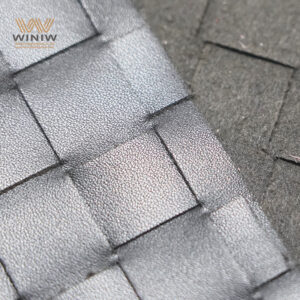
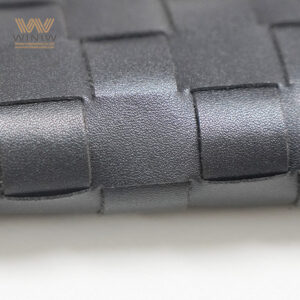
The texture of the upholstery affects both the look and feel of the sofa. I have tried both smooth and textured vegan leather. Smooth finishes create a sleek, modern appearance and feel cool to the touch. Textured options, such as those with a subtle grain, add visual interest and help hide minor scratches or scuffs. I choose the texture based on my style preferences and how much wear I expect the sofa to handle.
Airflow and Comfort
Breathability is another factor I consider. Some vegan leather materials trap heat, making the sofa feel warm after extended use. I look for upholstery with micro-perforations or a breathable backing. These features improve airflow and keep the seat comfortable, even during long periods of sitting. I avoid sofas with thick, non-breathable coatings, as they can cause discomfort in warmer weather.
A comfortable vegan leather sofa combines high-quality cushions, thoughtful seat design, and breathable upholstery. I always test these features in person when possible, ensuring the sofa will provide lasting comfort and support for my home.
Sustainability and Safety
When I shop for vegan leather furniture, I always consider how my choices affect the environment and the people who make these products. I want my home to reflect my values, so I look for sofas that support sustainability and safety at every stage.
Eco-Friendly Vegan Leather
Plant-Based and Recycled Materials
I prefer plant-based vegan leather because it uses agricultural waste and reduces the need for fossil fuels. Many brands now create upholstery from pineapple leaves, apple peels, or other natural fibers. These materials offer an eco-friendly alternative to leather and help minimize waste. Some plant-based options still use plastic binders for durability, but they use far less plastic than traditional synthetic versions.
I also see more sofas made with recycled materials. These products give new life to old plastics or textiles, keeping them out of landfills. I always ask brands about the source of their vegan leather and whether they use recycled content.
Here’s a comparison of the environmental impact of different types of vegan leather:
| Type of Vegan Leather | Environmental Impact |
|---|---|
| Synthetic (Plastic-Based) | Derived from fossil fuels, non-biodegradable, raises concerns about microplastic pollution and long-term waste. |
| Plant-Based | Utilizes agricultural waste, reduces reliance on fossil fuels, but may still use plastic binders for durability. |
I choose plant-based or recycled vegan leather whenever possible because I want my furniture to support a healthier planet.
Non-Toxic Finishes
I always check for non-toxic finishes on vegan leather sofas. Many manufacturers now use water-based adhesives and dyes that do not release harmful chemicals. This protects my indoor air quality and makes my home safer for my family. I avoid products with strong chemical odors or unclear labeling about finishes.
Sustainable Manufacturing
Ethical Labor
Ethical practices matter to me as much as the materials themselves. I look for brands that treat workers fairly and provide safe working conditions. Companies that value ethical labor often share information about their factories and labor standards. I support these brands because I want my purchases to reflect my commitment to fairness and respect.
Resource Efficiency
Resource efficiency plays a big role in sustainability. I prefer companies that use less water, energy, and raw materials during production. Some brands recycle water or use renewable energy in their factories. I believe these steps help reduce the overall impact on the environment and show a real commitment to being environmentally conscious.
Certifications for Vegan Leather Sofas
I rely on sustainability certifications to help me identify the safest and most responsible products. These certifications give me confidence that the sofa meets strict standards for health, safety, and environmental impact.
GREENGUARD
I look for the GREENGUARD certification when I shop for vegan leather sofas. This label means the product has low chemical emissions and supports better indoor air quality. I trust GREENGUARD because it uses independent testing and strict criteria.
OEKO-TEX
The OEKO-TEX certification assures me that the materials are free from harmful substances. I see this label on many high-quality vegan leather sofas. It tells me the product is safe for my family and better for the environment.
Here are some other important certifications I consider:
| Certification Name | Beschrijving |
|---|---|
| FSC Certification | Ensures that products sourced from forests are obtained responsibly and sustainably, providing assurance to consumers that their products meet global sustainability standards. |
| EUDR Certification | Aims to eliminate deforestation from supply chains by requiring businesses to ensure that their products are not linked to illegal deforestation or forest degradation. |
I always check for these sustainability certifications before making a purchase. They help me choose vegan leather sofas that align with my ethical values and support a safer, cleaner world.
Tip: I recommend asking retailers about the certifications their vegan leather furniture carries. This simple question can help you make a more informed and responsible choice.
Style and Design in Vegan Leather Furniture
Matching Home Decor
When I select a vegan leather sofa, I always consider how it will blend with my existing home decor. I look at the overall style of my living space before making a decision. A sofa should complement the room, not clash with it. For a modern or minimalist room, I prefer clean lines and simple silhouettes. In a traditional setting, I choose sofas with tufted backs or rolled arms. I also pay attention to the scale of the sofa. A large sectional can overwhelm a small room, while a compact loveseat fits better in tight spaces.
Tip: I bring fabric swatches or photos of my room when shopping. This helps me visualize how the sofa will look in my space.
I often use a simple checklist to match my sofa to my decor:
- Identify the dominant colors in the room.
- Note the style of other furniture pieces.
- Decide if I want the sofa to stand out or blend in.
- Measure the available space to ensure a good fit.
Modern and Practical Features
I value modern features that make my vegan leather sofa both stylish and functional. Many brands now offer sofas with built-in USB ports, adjustable headrests, or hidden storage compartments. These features add convenience to my daily life. I also look for modular designs that allow me to rearrange sections as needed. This flexibility works well in homes where I might want to change the layout for guests or special occasions.
Here are some practical features I often consider:
| Feature | Benefit |
|---|---|
| USB charging ports | Keeps devices powered and accessible |
| Adjustable headrests | Provides personalized comfort |
| Storage compartments | Reduces clutter in the living room |
| Modular sections | Offers layout flexibility |
I always test these features in-store when possible. I want to make sure they work smoothly and feel sturdy.
Color and Finish Options
Color plays a major role in the overall look of my vegan leather sofa. I see a wide range of options, from classic black and brown to bold shades like navy or emerald green. Neutral tones create a timeless look and pair well with most decor styles. Bold colors make a statement and can serve as the focal point of the room. I also pay attention to the finish. Matte finishes give a soft, understated appearance, while glossy finishes add a touch of luxury.
Note: I check how the color looks in different lighting. Showroom lighting can differ from my home, so I ask for samples or view the sofa near a window.
When I choose a finish, I consider both style and practicality. Textured finishes hide minor scratches and scuffs, which is helpful in busy households. Smooth finishes are easier to wipe clean but may show wear more quickly.
A well-chosen vegan leather sofa enhances my living space and reflects my personal style. I take my time exploring different styles, features, and finishes to find the perfect fit for my home.
Maintenance and Care for Vegan Leather Couches
Cleaning Vegan Leather
I always appreciate how easy to clean vegan leather couches are compared to other upholstery. I start by vacuuming the surface with a soft brush attachment to remove dust and crumbs. For everyday messes, I use a damp microfiber cloth to wipe down the material. I avoid harsh chemicals and stick to mild soap mixed with water for tougher spots. I never soak the surface, since excess moisture can damage the finish. I dry the area with a clean towel to prevent water spots.
Tip: I test any new cleaning solution on a hidden spot before using it on visible areas. This helps me avoid discoloration or damage.
Stain and Scratch Resistance
Vegan leather couches offer impressive stain and soil resistance, which makes them a low maintenance material for busy homes. When I notice a spill, I blot it immediately with a dry cloth. I never rub, since that can push the stain deeper into the surface. For sticky or oily spots, I use a gentle soap solution and rinse with a damp cloth. I find that most stains lift easily if I act quickly.
I also value the scratch resistance of high-quality vegan leather. I keep pets’ nails trimmed and avoid placing sharp objects on the couches. If I see a minor scratch, I gently buff it with a soft cloth. Many vegan leathers have a protective coating that helps prevent permanent marks.
| Issue | My Solution |
|---|---|
| Food or drink stain | Blot, then wipe with mild soap |
| Ink mark | Dab with rubbing alcohol, test first |
| Pet scratch | Buff gently with soft cloth |
Tips for Longevity
To keep my vegan leather couches looking new, I follow a simple care routine. I rotate the cushions every few weeks to ensure even wear. I keep the couches out of direct sunlight to prevent fading and cracking. I use throws or covers in high-traffic areas for extra protection. I dust the frame and legs regularly to maintain the overall appearance.
I believe that regular, gentle care extends the life of vegan leather furniture. I appreciate that these couches are easy to clean and maintain, which saves me time and effort. With the right habits, I keep my living space stylish and comfortable for years.
Price and Value in Vegan Leather Sofas
Price Ranges
When I shop for a vegan leather sofa, I notice a wide range of prices. Entry-level models often start around $400. These sofas usually feature basic designs and simple construction. Mid-range options fall between $800 and $1,500. I find that these sofas offer better materials, improved comfort, and more style choices. Premium vegan leather sofas can cost $2,000 or more. At this level, I expect advanced features, designer finishes, and exceptional craftsmanship.
Here is a quick overview of what I see at each price point:
| Price Range | What to Expect |
|---|---|
| $400 – $800 | Basic frame, simple design, limited durability |
| $800 – $1,500 | Better support, improved comfort, more style options |
| $1,500+ | High-end materials, advanced features, superior quality |
I always set a budget before I start shopping. This helps me focus on sofas that meet my needs without overspending.
Quality vs. Cost
I have learned that price does not always guarantee quality. Some expensive sofas look stylish but use lower-grade materials. I always check the frame, suspension, and upholstery before making a decision. High-quality vegan leather feels soft and resists cracking. A sturdy frame and strong stitching add to the value. I look for brands that share details about their construction and materials. This transparency helps me judge if the price matches the quality.
I also compare features like cushion density, ergonomic design, and eco-friendly materials. Sometimes, a mid-range sofa offers better long-term value than a flashy, high-priced model. I focus on what matters most to me—comfort, durability, and ethical sourcing.
Warranty and After-Sales Support
Warranty and after-sales support play a big role in my buying decision. A good warranty shows that the brand stands behind its product. I look for at least a one-year warranty on the frame and upholstery. Some premium brands offer longer coverage, which gives me extra peace of mind.
I always read the warranty terms carefully. I check what is covered and how to make a claim if needed.
After-sales support matters, too. I prefer brands with responsive customer service. Quick help with repairs or replacement parts can save time and stress. I ask about return policies and support options before I buy. This way, I know I will get help if any issues come up after my purchase.
A smart investment balances price, quality, and support. I take my time to compare options and choose a sofa that delivers real value for my home.
Practical Tips for Buying Vegan Leather Sofas
In-Store Evaluation
When I visit a showroom, I always use a hands-on approach to evaluate a vegan leather sofa. I follow a simple process to make sure I get the best value:
- I do the wiggle test. I lift one corner of the sofa. If it feels light or twists easily, I know the frame lacks strength. A quality sofa should feel solid and stable.
- I inspect the joints. I look for reinforced corners and strong connections. I avoid sofas that rely only on staples or glue.
- I check the cushions. I prefer removable cushions with a firm, high-density foam core. Limp cushions lose their shape quickly and make the sofa less comfortable.
- I feel the finish. I run my hand across any wood surfaces. A smooth, consistent finish shows attention to detail.
This method helps me spot weak construction and ensures I choose a sofa that will last.
Online Shopping Tips
Shopping online for a vegan leather sofa requires a careful approach. I always zoom in on product photos to check the texture and stitching. I read the full product description to confirm the frame material, cushion type, and upholstery details. I look for mentions of features like easy to clean surfaces or stain resistance. I also check the return policy before I buy. If the retailer offers fabric swatches, I request them to see the color and texture in my own home.
Tip: I always compare measurements from the listing with my available space. This prevents surprises when the sofa arrives.
Reading Reviews and Specs
I rely on customer reviews to get honest feedback about a vegan leather sofa. I focus on comments about comfort, durability, and how easy to clean the upholstery is. I pay attention to repeated complaints, such as issues with cushion sagging or stain problems. I also check if reviewers mention the sofa feeling comfortable after months of use.
I study the product specifications for details about the vegan leather type, frame construction, and warranty. I look for clear information about materials and certifications. A detailed spec sheet shows that the brand values transparency.
By combining in-store tests, smart online shopping, and careful review reading, I make confident decisions and find a vegan leather sofa that fits my needs and values.
Vegan Leather Sofa Buyer’s Checklist
Must-Have Features
When I evaluate vegan leather couches, I focus on features that guarantee comfort, durability, and sustainability. I always look for:
- A sturdy hardwood or engineered wood frame for long-lasting support.
- High-density foam or memory foam cushions that retain their shape.
- Double-stitched seams and reinforced corners to prevent splitting.
- Vegan leather upholstery with a substantial thickness and a protective coating.
- Plant-based or recycled materials that reflect eco-friendly values.
- Certifications like GREENGUARD or OEKO-TEX for safety and sustainability.
- Modern features such as modular sections or built-in storage for added convenience.
I believe these features set a high standard for vegan leather furniture and ensure my investment will last.
Questions to Ask
Before I purchase a vegan leather sofa, I prepare a list of questions to clarify important details:
- What type of vegan leather does this sofa use, and where do the materials come from?
- Does the sofa carry any sustainability or safety certifications?
- What is the abrasion rating or expected lifespan of the upholstery?
- How is the frame constructed, and what materials are used?
- What kind of warranty and after-sales support does the brand provide?
- Are the cushions removable and easy to clean?
- Does the sofa contain any harmful chemicals or VOCs?
These questions help me make an informed decision and avoid surprises after my purchase.
Tip: I always ask for fabric swatches and detailed specifications before finalizing my choice.
Red Flags to Avoid
I have learned to watch for warning signs when shopping for vegan leather couches. Some issues signal poor quality or unreliable brands:
- Lack of detailed specifications about frame, upholstery, or construction.
- Missing information about the origin of vegan leather materials.
- Unresponsive or unhelpful customer service.
- Overwhelmingly negative reviews mentioning problems like squeaks, sagging, or rapid wear.
- No mention of certifications or eco-friendly practices.
- Strong chemical odors or unclear labeling about finishes.
- Very low prices that seem too good to be true.
If I notice any of these red flags, I move on to other options. I want my vegan leather sofa to reflect my values and provide lasting comfort.
Note: Careful research and attention to detail help me avoid disappointment and choose couches that meet my standards.
I always focus on durability, comfort, and sustainability when I select a vegan leather sofa. I balance quality with style to ensure my home reflects my values. I use my checklist to compare options and make informed decisions. I believe that thoughtful research leads to the best vegan leather furniture for any space. I encourage you to take your time and prioritize long-term value.
FAQ
What is vegan leather made from?
I often see vegan leather made from polyurethane (PU), polyvinyl chloride (PVC), or plant-based materials like pineapple leaves or apple peels. Some brands use recycled plastics. I always check the label to confirm the source.
How long does a vegan leather sofa last?
In my experience, a high-quality vegan leather sofa lasts 5 to 10 years with proper care. The lifespan depends on the material, frame, and how often I use it. I rotate cushions and clean regularly to extend its life.
Is vegan leather easy to clean?
I find vegan leather very easy to clean. I use a damp microfiber cloth for daily maintenance. For stains, I apply mild soap and water. I avoid harsh chemicals, which can damage the finish.
Does vegan leather scratch or peel easily?
Quality vegan leather resists scratches and peeling. I keep pets’ nails trimmed and avoid sharp objects. I choose sofas with a protective coating for extra durability. Lower-quality options may show wear faster.
Are vegan leather sofas comfortable in hot weather?
I notice some vegan leathers can feel warm after long use. I look for breathable options with micro-perforations or a fabric backing. These features help improve airflow and comfort, especially in summer.
Can I repair damage to vegan leather?
Minor scratches often buff out with a soft cloth. For deeper damage, I use repair kits designed for synthetic leather. I always test products on a hidden spot first.
Are vegan leather sofas safe for people with allergies?
I prefer vegan leather because it does not trap dust or pet dander like fabric. I find it a good choice for allergy sufferers. I always check for non-toxic finishes to ensure safety.
Do vegan leather sofas have a strong odor?
Most high-quality vegan leather sofas have little to no odor. I avoid products with strong chemical smells. I look for certifications like GREENGUARD or OEKO-TEX, which indicate low emissions and safer indoor air.