
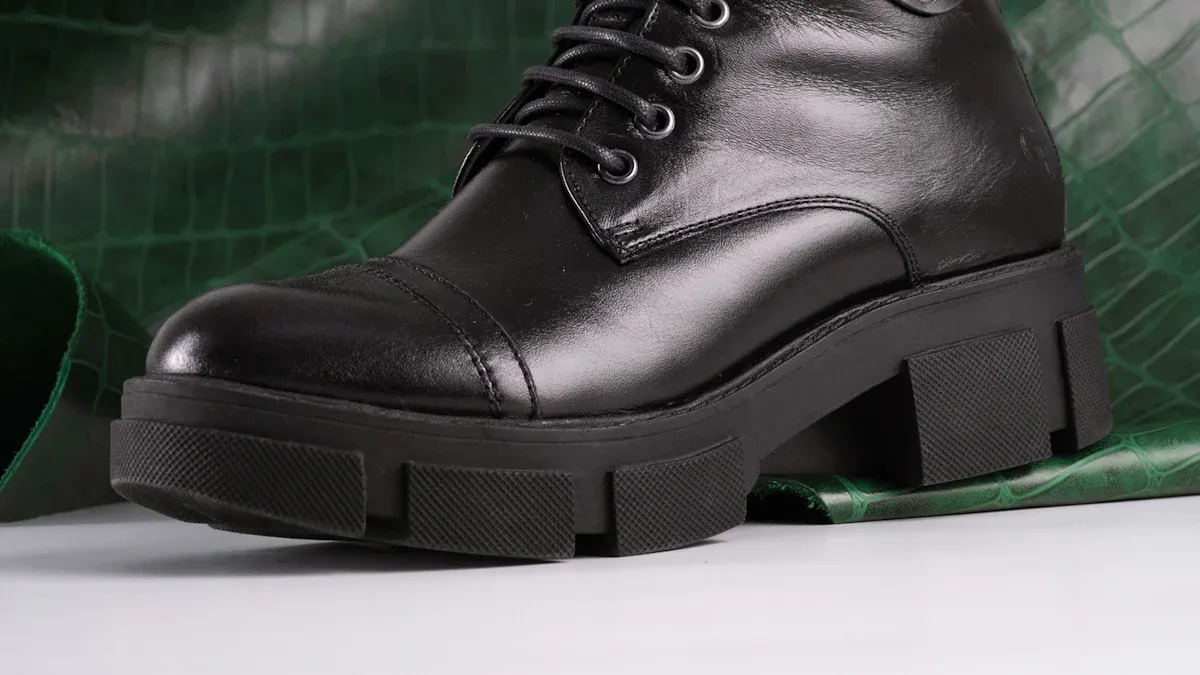
I always choose Black Safety Shoes that protect me on the job. I look for safety, comfort, and the right fit before I make a decision. I find that a quick checklist saves me time and helps me avoid mistakes. I study the hazards in my workplace and match shoe features to those risks. This method keeps my feet safe and my workday smooth.
Key Takeaways
- Understand workplace hazards to choose the right black safety shoes. Match shoe features to risks for optimal protection.
- Look for ASTM and OSHA certifications to ensure safety compliance. These standards guarantee your footwear meets necessary safety requirements.
- Prioritize slip resistance in your shoes. Choose outsoles that meet SRC standards for maximum grip on wet or oily surfaces.
- Select shoes with proper cushioning and arch support. Comfort is key for long shifts to prevent fatigue and distractions.
- Choose materials based on your work environment. Leather offers durability, while synthetic materials provide flexibility and lightweight comfort.
- Consider toe protection options. Steel toe boots offer maximum safety, while composite toe shoes provide a lighter alternative with electrical hazard protection.
- Use a printable checklist when shopping for safety shoes. This helps you compare features and make informed decisions quickly.
- Shop from trusted retailers to avoid counterfeit products. Always check return policies and certifications to ensure quality.
Safety Requirements for Your Job
Choosing the right black safety shoes starts with understanding the specific hazards I face at work. I always match my footwear to the risks in my environment and make sure my shoes meet the required standards for safety and protection.
Common Hazards
Physical Risks
I encounter many physical risks on the job. Heavy items, large machinery, and sharp tools can all cause serious injuries if I do not wear the right shoes. I rely on safety footwear to shield my feet from these dangers. Here is a table that summarizes the most frequent hazards I consider:
| Hazard Type | Beschrijving |
|---|---|
| Heavy Items | Environments like construction sites and warehouses where heavy items are lifted and moved. |
| Large, Movable Machinery | Areas with large machines that can cause severe injuries if they roll over unprotected feet. |
| Sharp Materials or Tools | Jobs involving sharp tools or live wires that pose risks of cuts or electrical shocks. |
| Slippery Floors | Workplaces with wet or slippery floors requiring sturdy footwear for better traction. |
Chemical Exposure
Some workplaces expose me to chemicals that can damage my shoes or harm my skin. I always check if my safety shoes offer chemical resistance. This feature keeps my feet safe from spills and splashes, especially in manufacturing and healthcare settings.
Safety Standards
ASTM
I look for shoes that meet ASTM standards. These standards guarantee that my footwear provides the right level of protection for my job. ASTM tests shoes for impact, compression, and resistance to hazards like punctures and chemicals.
OSHA
OSHA sets the rules for workplace safety in the United States. I make sure my shoes comply with OSHA regulations. This step helps me avoid fines and ensures my employer meets legal requirements for employee protection.
Tip: I always check the label or product description for ASTM and OSHA compliance before I buy new safety shoes.
Industry Needs
Every industry has unique safety requirements. I choose my shoes based on the specific hazards I face in my field. The table below shows how safety footwear requirements differ across industries:
| Industry | Safety Footwear Requirement | Beschrijving |
|---|---|---|
| Construction | Steel toe shoes | Essential for protection against falling objects and heavy items. |
| Manufacturing | Steel toe shoes | Required in areas with large machinery to prevent injuries from accidents. |
| Healthcare | Non-conductive steel toe boots | Important for electricians to protect against cuts and electrical hazards. |
| Food Service | Slip-resistant steel toe shoes | Necessary for environments with slippery floors to prevent falls. |
| Warehousing | Steel toe boots | Critical for lifting and moving heavy items to protect against foot injuries. |
I always match my safety shoes to my industry’s needs. In construction, I never skip steel toe protection. In food service, I focus on slip resistance. For healthcare, I look for shoes that resist chemicals and offer electrical hazard protection. This approach keeps me safe and comfortable throughout my workday.
Key Features of Black Safety Shoes
Slip Resistance
Slip resistance stands out as one of the most important features I look for in black safety shoes. My work environment often exposes me to wet or oily surfaces, so I need footwear that keeps me steady and reduces the risk of falls.
Outsole Material
I always check the outsole material before making a purchase. The right material can make a huge difference in grip and durability. I rely on industry testing to guide my choices. Here is a table that summarizes the most effective outsole materials for slip resistance:
| Outsole Type | Testing Method | Slip Resistance Characteristics |
|---|---|---|
| SRA | Ceramic tile with detergent | Grip on clean, dry areas |
| SRB | Steel floors with glycerol | Performance in oily/slippery conditions |
| SRC | Meets both SRA and SRB | Highest slip resistance across environments |
| Rubber | – | Excellent slip resistance and durability |
| PU | – | Lighter, resists oil, chemicals, and abrasions |
| TPU | – | Highly responsive and flexible for high-impact activities |
| PVC | – | Cost-effective but may not last as long as rubber or PU |
For optimal slip resistance in all environments, I look for outsoles that meet SRC standards. Rubber outsoles give me reliable grip and last longer, while PU and TPU offer flexibility and resistance to chemicals.
Tread Design
Tread design plays a critical role in preventing slips. I choose footwear with deep grooves and multidirectional patterns. These features channel away liquids and increase surface contact. I notice that shoes with aggressive tread patterns perform better on slick floors. I always inspect the tread before buying new black safety shoes to ensure maximum safety.
Comfort and Support
Long shifts demand footwear that keeps my feet comfortable and supported. I never compromise on comfort because sore feet can distract me and reduce my productivity.
Cushioning
Cushioning absorbs shock and reduces fatigue. I prefer shoes with advanced foam technologies. For example, REVIVE™ foam cushioning provides lightweight support and 20% more rebound, which keeps my steps energized throughout the day. Max cushioning also helps me stay comfortable during extended wear.
| Feature | Benefit |
|---|---|
| REVIVE™ Foam Cushioning | Extremely lightweight foam that reduces foot fatigue & pressure while providing 20% more rebound for energized steps |
| Max Cushioning | Provides enhanced comfort and support for long hours of wear |
Arch Support
Arch support prevents strain and keeps my feet aligned. I look for footwear with built-in arch support, especially if I stand or walk for most of my shift. Proper support reduces the risk of injury and improves my overall comfort.
Weight
Heavy shoes slow me down and tire my legs. I choose lightweight options like Purofort, which keeps my feet fresh until the job is done. Sneaker Fit construction eliminates heel slippage and adds to my comfort. I always compare the weight of different black safety shoes before making a decision.
| Feature | Benefit |
|---|---|
| Lightweight and flexible Purofort | Helps keep your feet fresh until the job is done |
| Sneaker Fit construction | Eliminates heel slippage |
Materials
De material of my footwear affects durability, protection, and comfort. I select materials based on my work environment and the hazards I face.
Leather
Leather offers excellent durability and protection. I choose leather shoes when I need strong resistance to abrasion and a professional appearance. Leather also adapts to my foot shape over time, increasing comfort.
Synthetic
Synthetic materials provide lightweight comfort and flexibility. I prefer synthetic shoes for jobs that require quick movement and less exposure to heavy objects. These shoes often resist water and chemicals, which adds to their safety features.
Rubber
Rubber stands out for its slip resistance and chemical protection. I rely on rubber footwear in environments with frequent spills or oily surfaces. Rubber also lasts longer under tough conditions, making it a smart choice for demanding jobs.
I always match the material of my black safety shoes to my workplace needs. Leather gives me durability, synthetic materials offer flexibility, and rubber ensures safety in slippery or hazardous areas.
Toe Protection
Steel Toe
I always prioritize steel toe boots when I need maximum protection on the job. These boots shield my toes from falling objects and heavy impacts. I have worked in environments where tools and materials drop unexpectedly. Steel toe boots give me peace of mind because I know my feet have a strong barrier against injury. Many workplaces require steel toe boots for compliance with safety standards. I check for proper certification before I buy a new pair. The steel cap inside the boot absorbs force and prevents crushing injuries. I recommend steel toe boots for construction, manufacturing, and warehouse jobs where heavy items move frequently.
Composite Toe
Sometimes I need a lighter option that still offers reliable protection. I choose composite toe shoes for jobs that involve metal detectors or require less weight. Composite toes use materials like Kevlar, carbon fiber, or plastic. These materials do not conduct electricity, which adds another layer of safety in electrical environments. I notice that composite toe shoes feel more comfortable during long shifts because they reduce fatigue. They also keep my feet warmer in cold conditions since they do not transfer temperature like steel. I select composite toe footwear when I want a balance of safety, comfort, and lightweight design.
Oil and Chemical Resistance
I often work in areas where spills and hazardous substances are common. I need black safety shoes that protect me from oil and chemicals. These features keep my feet safe and extend the life of my footwear. I rely on shoes that combine oil and chemical resistance with slip-resistant soles and waterproof materials. This combination reduces the risk of slips and keeps my feet dry and comfortable.
Here is a table that summarizes the benefits of oil and chemical resistant features:
| Feature | Benefit |
|---|---|
| Oil and chemical resistance | Protects against harmful substances and spills |
| Slip-resistant | Reduces the risk of slips and falls |
| Waterdicht | Keeps feet dry in wet conditions |
| Steel toe | Protects against heavy impacts |
| Steel midsole | Provides puncture resistance |
| Antibacterial comfort | Enhances hygiene and comfort |
Easy to Clean
I prefer shoes that are easy to clean, especially after exposure to oil or chemicals. Smooth surfaces and minimal stitching help me wipe away spills quickly. I use a damp cloth or mild soap to maintain my shoes and keep them looking professional. Easy-to-clean footwear saves me time and ensures my shoes last longer.
Oil-Resistant Soles
Oil-resistant soles are essential for my safety in kitchens, factories, and garages. These soles prevent oil from breaking down the material, which keeps my grip strong and stable. I always check for oil-resistant labeling before I make a purchase. This feature helps me avoid slips and falls, even when floors are slick.
Tip: I always choose oil-resistant soles for any job that involves machinery, food service, or automotive work.
Puncture Resistance
Protective Midsoles
Sharp objects on the ground pose a serious risk to my feet. I trust protective midsoles to stop nails, glass, or metal shards from penetrating my shoes. Steel midsole plates offer the highest level of puncture resistance. I look for this feature in steel toe boots when I work on construction sites or in warehouses. Protective midsoles give me confidence to move freely without worrying about hidden hazards. I always check the product description to confirm puncture resistance before I buy new footwear.
Note: Puncture resistance adds another layer of safety, especially in unpredictable work environments.
Style Options
When I choose black safety shoes, I always consider the style. The right style affects my comfort, protection, and how well my shoes fit into my work environment. I have tried many types of safety boots, and I know that style can make a big difference in my daily routine.
Clogs
Clogs offer a unique blend of durability and convenience. I prefer clogs when I need to slip my shoes on and off quickly. Many healthcare and food service professionals rely on clogs for their lightweight design and easy maintenance. I notice that clogs often feature slip-resistant soles and reinforced toes, which provide reliable protection against spills and impacts. The open-back design improves ventilation, keeping my feet cool during long shifts. I find that clogs made from high-quality synthetic or rubber materials last longer and resist wear from frequent cleaning.
Tip: I always check for clogs with padded insoles. This feature increases comfort and reduces fatigue, especially when I stand for hours.
Here is a quick comparison of clogs features:
| Feature | Benefit |
|---|---|
| Slip-on design | Easy to put on and take off |
| Slip-resistant sole | Reduces risk of falls |
| Reinforced toe | Adds extra protection |
| Ventilated upper | Keeps feet cool |
| Synthetic/rubber build | Improves durability |
Sneaker-Style
Sneaker-style safety shoes combine the look of athletic footwear with the durability and protection I need at work. I choose sneaker-style boots when I want a modern appearance without sacrificing safety. These types of safety boots often include advanced cushioning, flexible soles, and lightweight construction. I appreciate the comfort and support sneaker-style shoes provide, especially during active shifts. Many models feature steel or composite toes, slip-resistant outsoles, and breathable mesh uppers. I find that sneaker-style safety shoes adapt well to warehouse, manufacturing, and retail environments.
- Advantages I notice with sneaker-style safety boots:
- Athletic fit improves comfort and reduces foot fatigue.
- Lightweight materials increase mobility and decrease strain.
- Modern designs match workplace uniforms and casual outfits.
- Reinforced toe caps ensure protection against impacts.
- Durable outsoles withstand daily wear and tear.
Note: I always select sneaker-style safety shoes with certified toe protection and oil-resistant soles. These features guarantee safety and durability in demanding workplaces.
When I compare different types of safety boots, I focus on style options that match my job requirements. Clogs work best for quick changes and easy cleaning. Sneaker-style boots deliver comfort and durability for active roles. I always choose styles that balance protection, comfort, and long-lasting performance.
Choosing the Right Fit for Safety Footwear
Selecting the right fit for my safety shoes makes a huge difference in my workday. I always start by measuring my feet and checking sizing charts. This process helps me avoid discomfort and ensures my shoes support me throughout long shifts.
Sizing Tips
Measuring Feet
I measure my feet at home before I shop for new safety footwear. I place a sheet of paper on the floor, stand on it, and trace the outline of each foot. I use a ruler to measure the length from heel to toe and the width at the widest part. I record these numbers and compare them to the manufacturer’s sizing guide. Accurate measurements help me find shoes that match my foot shape and prevent blisters or pressure points.
Sizing Charts
I always consult the sizing chart provided by the brand. Each manufacturer uses slightly different sizing standards. I look for charts that list both US and EU sizes, along with foot length in inches or centimeters. If I fall between sizes, I choose the larger option for extra comfort and fit. Here is a sample sizing chart I use:
| US Size | EU Size | Foot Length (inches) |
|---|---|---|
| 7 | 40 | 9.6 |
| 8 | 41 | 9.9 |
| 9 | 42 | 10.2 |
| 10 | 43 | 10.5 |
Tip: I always double-check the return policy before I buy, in case the shoes do not fit as expected.
Trying On
Work Socks
I try on safety shoes with the same socks I wear at work. Thick work socks can change the fit and feel of the shoe. I bring my socks to the store or wear them when testing shoes at home. This step helps me avoid surprises and ensures the comfort and fit I need for my job.
Time of Day
I shop for shoes in the afternoon or evening. My feet tend to swell after hours of standing or walking. Trying on shoes later in the day gives me a more accurate sense of how they will fit during a long shift. I walk around the store and check for tight spots or slipping.
Foot Shape and Support
Wide/Narrow Options
I pay attention to my foot shape. Some brands offer wide or narrow options. I look for shoes that match my foot width to avoid pinching or sliding. If I have wide feet, I choose models labeled as “wide” to ensure proper fit and comfort.
Orthotic Compatibility
I sometimes use orthotic insoles for extra support. I check if the safety shoes have removable insoles or enough space for custom inserts. Orthotic compatibility improves comfort and fit, especially if I have specific foot health needs.
Note: I never ignore the importance of comfort and fit. The right size and support keep me safe and productive all day.
Quick Safety Boots Comparison Checklist
When I need to choose black safety shoes quickly, I rely on a simple checklist. This method helps me compare options side by side and make confident decisions. I always print my checklist and bring it when I shop or browse online.
Printable Checklist
Safety Features
- Check for ASTM F2413 certification.
- Look for slip-resistant outsoles.
- Confirm toe protection (steel or composite).
- Inspect for electrical hazard protection.
- Verify puncture-resistant midsoles.
Comfort
- Test cushioning and arch support.
- Assess shoe weight for long shifts.
- Try on with work socks.
- Ensure proper fit for foot shape.
Duurzaamheid
- Examine material quality (leather, synthetic, rubber).
- Review stitching and construction.
- Check for oil and chemical resistance.
- Look for easy-to-clean surfaces.
Compliance
- Confirm OSHA compliance.
- Review manufacturer’s safety standards.
- Check for required certifications in your industry.
I always use this checklist to avoid missing critical features. It saves me time and ensures I select the best pair for my job.
Top Brands and Models
I have tested many brands and models over the years. I always choose shoes that meet industry standards and receive positive feedback from experts and users. Here are my top picks for each job type:
Construction Picks
| Merk | Model | Key Features |
|---|---|---|
| Timberland PRO | Boondock | Steel toe, waterproof, slip-resistant, durable |
| KEEN Utility | Pittsburgh | Composite toe, electrical hazard, oil-resistant |
| Caterpillar | Second Shift | Steel toe, leather upper, ASTM certified |
Manufacturing Picks
| Merk | Model | Key Features |
|---|---|---|
| Reebok Work | RB491 | ASTM F2413, slip-resistant, composite toe, XTR® Brand Composite Toe Cap, electrical hazard protection, no metal |
| Skechers Work | Workshire | Steel toe, memory foam, oil-resistant outsole |
| Wolverine | Floorhand | Waterproof, steel toe, comfortable fit |
Healthcare Picks
| Merk | Model | Key Features |
|---|---|---|
| Dansko | Professional | Slip-resistant, easy to clean, padded insole |
| Reebok Work | Guide Work | Composite toe, electrical hazard, lightweight |
| Crocs | Specialist II | Slip-resistant, waterproof, easy to clean |
Food Service Picks
| Merk | Model | Key Features |
|---|---|---|
| Shoes For Crews | Evolution II | Slip-resistant, lightweight, water-resistant |
| Skechers Work | Sure Track | Slip-resistant, memory foam, easy to clean |
| MOZO | Maven | Slip-resistant, comfortable, stylish |
Warehouse Picks
| Merk | Model | Key Features |
|---|---|---|
| Reebok Work | RB491 | ASTM F2413, slip-resistant, composite toe, electrical hazard protection, XTR® Brand Composite Toe Cap, no metal |
| Timberland PRO | Powertrain | Alloy toe, anti-fatigue, lightweight |
| KEEN Utility | Sparta | Composite toe, breathable mesh, oil-resistant |
I always check for ASTM certification and slip resistance first. The Reebok Work RB491 stands out in manufacturing and warehouse environments because it offers composite toe protection, electrical hazard safety, and no metal parts. This model meets all my requirements for durability and compliance.
I use this checklist and brand guide to make my selection process fast and reliable. I never skip steps when choosing footwear for safety and comfort.
Where to Buy Black Safety Shoes & What to Avoid
Trusted Retailers
Finding the right place to buy safety footwear makes a big difference in my experience. I always choose trusted retailers to guarantee quality and compliance with workplace safety standards.
Online Stores
I often shop for safety footwear online because it saves me time. I look for established websites that specialize in workplace gear. These stores usually offer a wide selection of black safety shoes and provide detailed product descriptions. I always check for clear photos, sizing guides, and customer reviews. Reliable online retailers include Zappos, Amazon (from official brand stores), and Grainger. I make sure the site lists all safety certifications and offers a secure checkout process.
Tip: I read return and exchange policies before I place an order. This step protects me if the safety footwear does not fit or meet my workplace requirements.
In-Store Options
Sometimes I prefer to try on safety footwear in person. I visit local workwear shops or large chains like Walmart and Dick’s Sporting Goods. These stores let me test the fit and comfort of different models. I ask staff about workplace safety standards and certifications. I also check if the store carries brands known for durable safety footwear. Shopping in-store helps me compare styles and find the best option for my workplace.
Red Flags
I stay alert for warning signs when I shop for safety footwear. Not every retailer meets workplace safety standards or offers genuine products.
Fake Certifications
I always verify that safety footwear has authentic certifications. Some sellers display fake labels or use misleading language. I check for official marks like ASTM or OSHA on the packaging and product description. If I cannot confirm the certification, I avoid buying from that retailer. Authentic safety footwear protects me and meets workplace safety requirements.
Poor Return Policies
A poor return policy signals a risky purchase. I read the return and exchange terms before I buy safety footwear. Trusted retailers offer clear policies and reasonable time frames. If a store refuses returns or charges high fees, I look elsewhere. Good return policies give me confidence that I can exchange shoes if they do not fit my workplace needs.
Unrealistic Prices
Prices that seem too low often mean poor quality or counterfeit safety footwear. I compare prices across several retailers to spot fair market value. If a deal looks suspicious, I research the seller and read reviews from other workplace professionals. I invest in quality safety footwear because it protects me in the workplace and supports workplace safety.
Note: I never compromise on workplace safety to save a few dollars. Quality safety footwear is an investment in my health and job performance.
I always match my industrial shoes to my job’s hazards. I check features like slip resistance and toe protection before I decide. I use my printable checklist to compare industrial shoes quickly. Trusted sources help me avoid fake certifications and poor quality. I act fast when I need new industrial shoes because safety and comfort matter most. My checklist keeps me compliant with industrial standards and ready for any workplace challenge.
I recommend using the checklist today to find the perfect pair of industrial shoes for your job.
FAQ
What makes safety boots different from regular boots?
I choose safety boots because they protect my feet from workplace hazards. These boots have reinforced toes, slip-resistant soles, and meet strict safety standards. Regular boots do not offer the same level of protection or compliance for industrial environments.
How do I know if my safety boots meet industry standards?
I always check for ASTM and OSHA certifications on my safety boots. The label or product description lists these standards. Certified boots guarantee protection against impact, compression, and other job-specific risks.
Can I wear safety boots outside of work?
I often wear safety boots outside of work for yard projects or hiking. These boots provide extra protection and durability. However, I prefer lighter boots for casual use since safety boots can feel heavier than regular footwear.
How often should I replace my safety boots?
I replace my safety boots every 12 to 18 months or when I see signs of wear. Damaged boots lose their protective features. I inspect my boots regularly for cracks, worn soles, or broken toe caps.
Are safety boots comfortable for long shifts?
I find safety boots comfortable when they have proper cushioning, arch support, and a good fit. I always try on boots with my work socks. Lightweight safety boots help reduce fatigue during long shifts.
What is the best way to clean safety boots?
I clean my safety boots with a damp cloth and mild soap. For leather boots, I use conditioner to keep them flexible. I avoid harsh chemicals that can damage the boots. Regular cleaning extends the life of my safety boots.
Do safety boots protect against electrical hazards?
I choose safety boots with electrical hazard protection for jobs near live wires. These boots have non-conductive soles and meet ASTM standards. I always check the product description to confirm this feature before buying new boots.
Can I use orthotic insoles in my safety boots?
I use orthotic insoles in my safety boots for extra support. Many safety boots have removable insoles, which makes it easy to add custom inserts. I always check for orthotic compatibility when selecting new boots.
Tip: I always measure my feet before buying safety boots to ensure the best fit and comfort.
| Feature | Benefit |
|---|---|
| Slip-resistant | Prevents workplace falls |
| Steel toe | Shields against impacts |
| Waterdicht | Keeps feet dry |
| Lichtgewicht | Reduces fatigue |