

Vegan leather car seats feature animal-free materials, which include synthetic and plant-based options. Manufacturers use polyurethane, polyvinyl chloride, cork, pineapple, and mushroom fibers to replace traditional leather. Many buyers believe these seats offer ethical solutions, but animal-free production does not guarantee environmental responsibility. The projected market for plant-based leather in automobile interiors will grow at a compound annual growth rate of 5.8% from 2026 to 2033. North America and Europe lead this shift because of strict regulations and consumer demand for eco-friendly products. These facts raise important questions: Do vegan leather car seats meet ethical standards, and are they truly vegan?
- Market trends for plant-based leather:
- Growth rate of 5.8% CAGR (2026-2033)
- North America and Europe dominate the market
- Demand driven by eco-friendly consumer preferences and regulatory pressures
Key Takeaways
- Vegan leather car seats use animal-free materials like polyurethane, cork, and pineapple fibers, but not all are environmentally friendly.
- The market for plant-based leather in cars is growing, with a projected annual growth rate of 5.8% from 2026 to 2033, especially in North America and Europe.
- Always check for reputable certifications like PETA-Approved Vegan to ensure that vegan leather products are truly animal-free.
- Synthetic vegan leathers, while popular, often rely on fossil fuels and can contribute to pollution, making plant-based options a more sustainable choice.
- Research brands and ask for detailed material lists to avoid misleading claims and ensure ethical purchasing decisions.
Vegan Leather Car Seat Materials

Synthetic Materials Overview
Automotive manufacturers often use synthetic materials to create vegan leather car seats. Polyurethane (PU) and polyvinyl chloride (PVC) are two of the most common choices. PU offers a soft texture and flexibility, which makes it popular for car interiors. PVC provides durability and resistance to moisture. Some companies also use microfiber, a blend of polyester and polyamide, to mimic the feel of real leather. These synthetic options allow for mass production and consistent quality. However, their production relies on fossil fuels, which raises concerns about environmental sustainability.
Plant-Based Alternatives
Plant-based materials have gained attention as alternatives to traditional synthetics in vegan leather car seats. These materials use renewable resources and often appeal to eco-conscious consumers. Some of the main plant-based options include:
- Pineapple husk fibers, which create a durable and flexible surface.
- Cork, valued for its softness and natural texture.
- Mushroom mycelium, which forms a strong and biodegradable material.
- Apple peels and other fruit waste, which manufacturers process into leather-like fabrics.
Production volumes for plant-based leathers remain lower than those of synthetic materials. Synthetic options like PU and PVC still dominate the market due to established supply chains and lower costs. Plant-based alternatives continue to grow in popularity, especially in regions with strong demand for sustainable products.
Animal-Free Verification
Not every product labeled as vegan leather meets strict animal-free standards. Manufacturers must ensure that all components, including adhesives, dyes, and backing fabrics, contain no animal-derived substances. Some adhesives may use casein or gelatin, both of which come from animals. Dyes and finishes can also include animal-based ingredients. Third-party certifications, such as PETA-Approved Vegan or the Vegan Society Trademark, help verify that vegan leather car seats are truly animal-free. Consumers should look for these labels and request detailed material information when making a purchase.
Tip: Always check for reputable vegan certifications to confirm that every part of the car seat is free from animal products.
Defining ‘Vegan’ In Car Seats
What ‘Vegan’ Means In Automotive
Automotive manufacturers define “vegan” as the absence of animal-derived materials in car seats and interiors. They focus on replacing traditional leather with synthetic or plant-based alternatives. The term covers not only the main seat material but also adhesives, dyes, and backing fabrics. Industry standards require that every component avoids animal products. Some companies use third-party certifications to confirm compliance. For example, the Vegan Society Trademark and PETA-Approved Vegan labels indicate that a product meets strict animal-free criteria.
A table below shows the main areas where animal ingredients may appear:
| Component | Possible Animal Ingredient | Vegan Alternative |
|---|---|---|
| Seat Cover | Leather | PU, PVC, plant fibers |
| Adhesive | Casein, gelatin | Synthetic glue |
| Dye/Finish | Animal-based pigments | Plant or mineral dyes |
| Backing Fabric | Wool, silk | Polyester, cotton |
Note: Manufacturers must check every part of the seat to ensure it meets vegan standards.
Common Misconceptions
Many buyers believe that vegan leather car seats always offer ethical and sustainable solutions. In reality, some products labeled as vegan may still contain hidden animal ingredients. Adhesives and dyes often use animal-derived substances. Industry standards do not always guarantee full transparency. Some companies use the term “vegan” for marketing without strict verification.
Common misconceptions include:
- All vegan leather car seats are environmentally friendly.
- Vegan means cruelty-free in every aspect.
- Synthetic materials never contain animal traces.
Consumers should ask for detailed material lists and look for reputable certifications. They can avoid misleading claims by researching the manufacturing process. Education helps buyers make informed choices.
Ethical And Environmental Issues
Sustainability Concerns
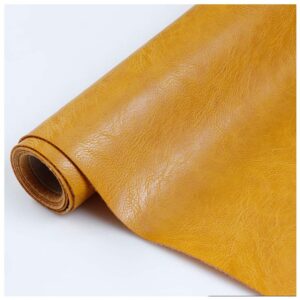
Sustainability remains a major topic in the discussion about vegan leather car seats. Synthetic materials like polyurethane and polyvinyl chloride rely on petroleum, which raises questions about their environmental impact. Critics argue that many vegan leather products are simply vinyl, a material that does not decompose and can contribute to pollution. Some people worry that the popularity of synthetic vegan leather encourages mass consumerism, which harms the environment. Plant-based alternatives offer a more sustainable option because they use renewable resources and often require less energy during production. However, these materials still face challenges with scalability and consistent quality.
Note: Not all vegan leather options are equally sustainable. Consumers should consider the source and manufacturing process before making a decision.
Durability And Performance
Durability plays a key role in the appeal of vegan leather car seats. Quality vegan leather can withstand abrasion and UV exposure, making it suitable for automotive use. Manufacturers design these materials to handle daily wear and tear, similar to traditional leather. Premium eco-leather requires less maintenance than real leather, which often needs regular conditioning. This ease of care makes vegan leather a practical choice for car interiors. Synthetic leather has gained popularity because it offers resistance to wear and affordability. Many drivers prefer materials that last without demanding frequent upkeep.
Environmental Impact Of Vegan Leather Car Seats
Le environmental impact of vegan leather car seats depends on the materials used. Synthetic options, especially those made from plastics, do not break down easily and can persist in landfills for decades. Production of these materials often releases pollutants into the air and water. Plant-based leathers, such as those made from pineapple or mushroom fibers, offer better biodegradability and lower emissions. Still, the industry faces ethical complexity. Animal-free does not always mean eco-friendly. Consumers must weigh the benefits of avoiding animal products against the potential harm caused by synthetic materials.
Tip: Look for car seats made from plant-based vegan leather if sustainability is a priority.
Marketing Claims And Transparency
Identifying Genuine Vegan Leather Car Seats
Many brands promote vegan leather car seats, but not all products meet strict animal-free standards. Shoppers can spot authentic options by checking the materials and asking for detailed information. They should look for seats made from polyurethane, plant fibers, or other synthetic materials. Some companies provide transparency by listing every component, including adhesives and dyes. Buyers can use these tips to identify genuine seats:
- Request a full material breakdown from the manufacturer.
- Search for third-party vegan certifications.
- Examine product descriptions for hidden animal ingredients.
Tip: Ask questions about the manufacturing process. Companies that offer clear answers often produce more trustworthy products.
Certifications And Labels
Certifications play a key role in verifying vegan claims. Organizations such as PETA and the Vegan Society offer labels that confirm animal-free status. These certifications require strict checks of all materials, including adhesives and finishes. The table below shows common certifications and what they guarantee:
| Certification | What It Verifies | Who Issues It |
|---|---|---|
| PETA-Approved Vegan | No animal-derived ingredients | PETA |
| Vegan Society Trademark | Animal-free and ethical | Vegan Society |
| OEKO-TEX Standard 100 | Safe chemicals, not always vegan | OEKO-TEX |
Shoppers should look for these labels when choosing vegan leather car seats. Certified products usually provide more reliable information.
Greenwashing Risks
Some companies use greenwashing to attract eco-conscious buyers. They may label seats as vegan without meeting strict standards. Greenwashing often involves vague claims or misleading marketing. Buyers can avoid these risks by researching the brand and checking for certifications. They should read reviews and ask for proof of animal-free materials. Education helps shoppers make informed decisions and avoid deceptive advertising.
Note: Not every product labeled as vegan leather car seats is truly animal-free or sustainable. Careful research protects buyers from misleading claims.
Shoppers can identify truly vegan and ethical car seats by checking materials, certifications, and manufacturing transparency. Labels alone do not guarantee animal-free or eco-friendly products. Buyers should:
- Review third-party certifications like PETA-Approved Vegan.
- Ask for detailed material lists.
- Research the brand’s environmental practices.
Tip: Responsible choices require attention to both animal welfare and environmental impact. Informed consumers drive positive change in the automotive industry.
FAQ
Are vegan leather car seats more sustainable than traditional leather?
Plant-based vegan leather often uses renewable resources. Synthetic vegan leather relies on petroleum. Traditional leather production creates pollution and uses animal products. Sustainability depends on the material and manufacturing process.
How can buyers verify that a car seat is truly vegan?
Buyers should check for certifications like PETA-Approved Vegan or Vegan Society Trademark. They can request a full material list from the manufacturer. Transparency helps confirm animal-free status.
Tip: Always look for third-party certification labels.
Do vegan leather car seats last as long as real leather?
Manufacturers design quality vegan leather to resist abrasion and UV exposure. Synthetic options often match traditional leather in durability. Plant-based materials continue to improve in performance.
What are the main environmental concerns with synthetic vegan leather?
Synthetic vegan leather uses plastics like PU and PVC. These materials do not biodegrade easily. Production can release pollutants. Plant-based options offer better biodegradability.
| Matériau | Biodegradable | Pollution Risk |
|---|---|---|
| PU/PVC | No | Haut |
| Plant-based | Yes | Low |