Catalog
Material Insight: Faux Leather Definition
Faux Leather Definition – B2B Product Guide
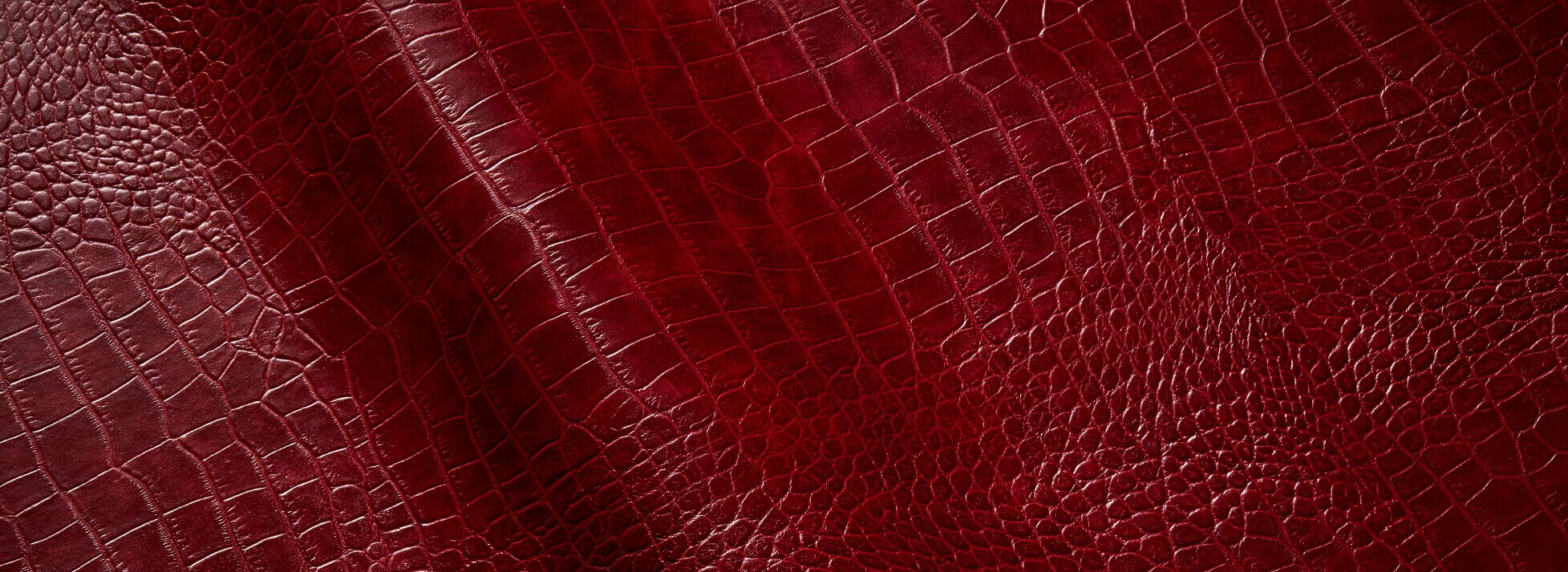
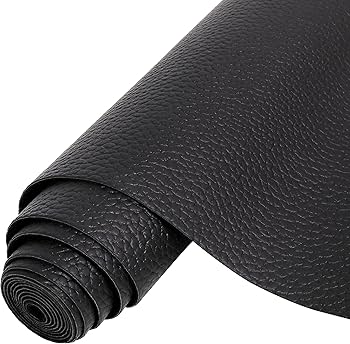
Faux leather, also known as synthetic leather or artificial leather, is a human-made material designed to replicate the look, feel, and performance of genuine leather. Constructed primarily from polyurethane (PU) or polyvinyl chloride (PVC) layered onto a fabric backing, modern faux leather delivers consistent quality, enhanced durability, and greater design flexibility. Unlike genuine leather, it does not rely on animal hides, making it a more sustainable and ethical alternative for industrial and commercial applications.
- Faux leather offers uniform texture and thickness, ensuring reliable performance across large-scale production runs.
- It is highly customizable in terms of color, finish, and texture, allowing manufacturers to meet precise design and functional requirements.
- Resistant to fading, cracking, and staining when properly engineered, high-performance faux leather maintains its appearance over extended use.
- As a cruelty-free and often more eco-conscious option, it aligns with growing global demand for sustainable materials in manufacturing.
Why Faux Leather Is the Best Choice for Industrial and Commercial Applications
In sectors ranging from automotive interiors and furniture manufacturing to fashion accessories and electronic device casings, faux leather stands out for its versatility and cost-efficiency. Its production process allows for tighter control over material properties, resulting in consistent batch-to-batch performance. Additionally, modern PU-based faux leathers offer breathability, softness, and tensile strength that rival or exceed those of natural leather—without the environmental burden of tanning or the variability of hide grading.
For B2B clients focused on scalability, compliance, and sustainability, switching to advanced synthetic leather reduces lead times, minimizes waste, and supports ESG (Environmental, Social, and Governance) goals—making it the strategic material of choice.
About WINIW
WINIW is a leading innovator in high-performance synthetic leather solutions, serving global B2B clients for over 20 years. Specializing in PU and microfiber leather technologies, WINIW combines deep material science expertise with eco-conscious manufacturing practices to deliver premium faux leather that meets rigorous industrial standards.
- Over two decades of R&D investment focused on durability, aesthetics, and sustainability.
- ISO-certified production facilities committed to low-emission processes and recyclable material development.
- Custom formulation services to match specific mechanical, thermal, and aesthetic requirements.
- Trusted partner to brands in automotive, furniture, electronics, and lifestyle product industries.
With a mission to advance the future of sustainable materials, WINIW provides reliable, scalable, and environmentally responsible synthetic leather solutions—engineered for performance, designed for tomorrow.
Technical Performance & Standards
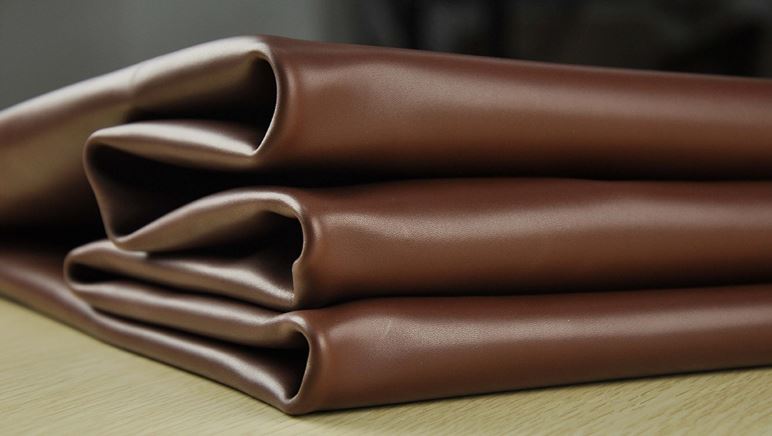
WINIW Synthetic Leather: Technical Definition & Performance Advantages for B2B Applications
WINIW defines its premium synthetic leather as a high-performance, polyurethane (PU) or polyvinyl chloride (PVC)-based engineered material, meticulously constructed with a textile substrate (typically high-tenacity polyester) and a wear-resistant top layer. This definition emphasizes technical superiority over basic imitation leather, delivering consistent physical properties, environmental compliance, and manufacturing efficiency for industrial clients. Our process integrates advanced coating, embossing, and finishing technologies under stringent quality control, ensuring the material meets demanding application requirements while adhering to global sustainability standards.
Core Technical Advantages for Industrial Buyers
-
Cost-Effectiveness Through Operational Efficiency
WINIW’s optimized production process minimizes material waste and energy consumption. The consistent thickness tolerance (±0.05mm) and high yield per roll reduce cutting losses by up to 15% compared to variable conventional synthetics. Enhanced tear strength (≥50N) and seam strength (≥80N) lower failure rates during manufacturing and extend product lifespan, significantly reducing total cost of ownership (TCO) over the product lifecycle. -
Engineered Durability for Demanding Environments
Our proprietary PU/PVC formulations achieve exceptional resistance to abrasion (≥100,000 cycles Taber abrasion, CS-10F wheels, 1kg load), light fastness (≥Grade 5, ISO 105-B02), and flex cracking (≥100,000 cycles, MIT flex test). The high-density backing prevents delamination under stress, while hydrolysis-resistant additives ensure performance stability in humid or variable climates, critical for automotive interiors and outdoor furniture. -
Precision Color Customization & Consistency
WINIW utilizes digital color matching systems (tolerance ΔE ≤ 0.5) against global standards (Pantone, RAL, NCS) for exact brand replication. Our closed-loop dyeing process and UV-stable pigments guarantee batch-to-batch color consistency (ΔE ≤ 1.0) across large orders, eliminating costly reworks. Over 1,500 standard colors are available, with bespoke development supported by in-house R&D for unique market differentiation. -
Guaranteed REACH Compliance & Chemical Safety
All WINIW formulations undergo rigorous screening against REACH Annex XVII and SVHC lists. We proactively exclude substances like phthalates (DEHP, DBP, BBP < 0.1%), CMR agents, and heavy metals (Cd, Pb, Hg, Cr⁶⁺ < 10ppm), verified by accredited 3rd-party labs (SGS, Intertek). Full Material Disclosure (FMD) and SCIP database submissions are standard, de-risking global supply chains. -
ISO 9001-Certified Quality Assurance
Our integrated quality management system (certified to ISO 9001:2015) ensures every meter meets exact specifications. Real-time process monitoring, statistical process control (SPC), and 100% inline visual inspection guarantee dimensional stability, surface uniformity, and performance consistency. This minimizes defects, accelerates time-to-market, and provides full traceability from raw material to finished roll.
WINIW Synthetic Leather Technical Specifications (Standard Grade)
| Technical Parameter | WINIW Standard Value | Test Method |
|---|---|---|
| Basis Weight | 450 – 800 g/m² | ISO 2286-2 |
| Total Thickness | 0.8 – 1.8 mm (±0.05mm) | ISO 2424 |
| Tensile Strength (MD/CD) | ≥ 250 / ≥ 220 N | ISO 1767 |
| Tear Strength | ≥ 50 N | ISO 8068 (Elmendorf) |
| Taber Abrasion (Loss) | ≤ 0.08 g (1000 cycles) | ISO 5470-1 |
| Color Fastness to Rubbing | ≥ Grade 4 (Dry/Wet) | ISO 105-X12 |
| Light Fastness | ≥ Grade 5 | ISO 105-B02 |
| Hydrolysis Resistance | Pass (90 days, 70°C/65% RH) | ISO 1419 (B Method) |
| REACH SVHC Compliance | < 0.1% (All Listed Substances) | EC 1907/2006 |
| ISO 9001 Certification | Certified (Scope: Mfg. of Synthetic Leather) | ISO 9001:2015 |
WINIW’s technical definition transcends basic imitation leather by embedding performance, compliance, and efficiency into the material’s core structure. Partner with us to leverage synthetic leather that reduces operational costs, ensures regulatory security, and delivers the consistent quality demanded by premium B2B markets. Our engineering team is available for collaborative specification development to meet your exact application requirements.
Why Choose Synthetic over Real Leather
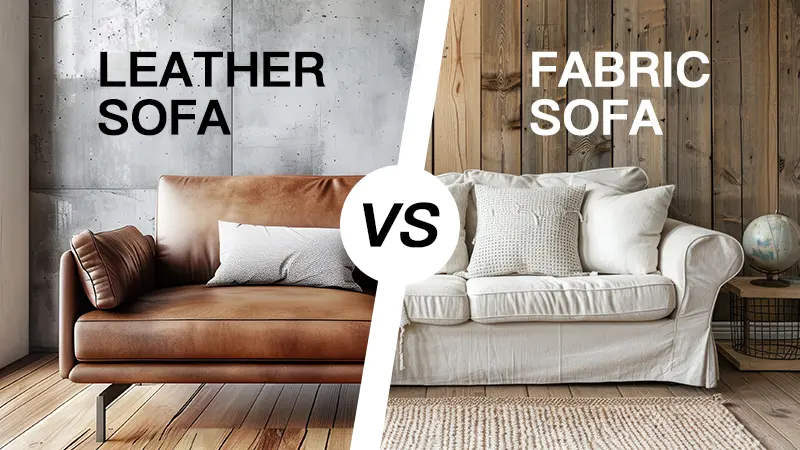
B2B Product Guide: Faux Leather vs. Real Leather
In the modern manufacturing and design landscape, selecting the right leather alternative is critical for balancing performance, sustainability, and cost-efficiency. As industries shift toward eco-conscious and ethical material sourcing, synthetic options like faux leather—particularly high-performance variants such as WINIW’s engineered leather alternatives—are gaining prominence. This guide provides a clear comparison between faux leather and real leather, focusing on key decision-making factors for business buyers.
Definition of Faux Leather
Faux leather, also known as synthetic or artificial leather, is a human-made material designed to replicate the look, feel, and functionality of genuine leather. It is typically manufactured using polyurethane (PU) or polyvinyl chloride (PVC) layered over a fabric backing. Advanced versions, such as those developed by WINIW, incorporate microfiber technology and eco-friendly processing to enhance durability, breathability, and texture while minimizing environmental impact.
Definition of Real Leather
Real leather is a natural material derived from animal hides—most commonly bovine, ovine, or porcine—through a tanning and finishing process. It is valued for its unique grain patterns, long-term aging characteristics, and premium tactile qualities. However, its production involves significant environmental and ethical considerations, including land use, water consumption, and chemical runoff.
The following table compares faux leather and real leather across three critical B2B evaluation metrics: cost, durability, and eco-friendliness.
| Criteria | Faux Leather | Real Leather |
|---|---|---|
| Cost | Lower upfront cost; consistent pricing due to controlled production | Higher cost due to raw material scarcity, labor-intensive processing, and variability in hide quality |
| Durability | High resistance to cracking, fading, and staining (especially premium PU-based versions); uniform structure ensures predictable performance | Naturally durable but prone to drying, cracking, and discoloration over time; quality varies significantly by hide grade and tanning method |
| Eco-Friendliness | Lower carbon footprint; no animal sourcing; modern variants (e.g., water-based PU, recycled backing) are recyclable and low-emission | High environmental cost: significant water usage, greenhouse gas emissions from livestock, and hazardous chemicals in tanning (e.g., chromium) |
Key Advantages of Faux Leather for B2B Applications
– Scalable and consistent production for bulk orders
– Reduced lead times and greater supply chain stability
– Customizable textures, colors, and performance features (e.g., UV resistance, breathability)
– Alignment with corporate sustainability goals and ESG reporting
– Compliance with animal welfare and vegan product standards
Industries such as automotive interiors, furniture manufacturing, fashion accessories, and electronics casing increasingly adopt advanced faux leather solutions to meet both performance demands and environmental targets.
Conclusion
While real leather maintains a niche in luxury markets, high-quality faux leather offers a compelling, future-ready alternative for forward-thinking B2B buyers. With superior cost control, consistent durability, and a significantly lower environmental footprint, synthetic leather—especially eco-engineered options from leaders like WINIW—is positioned as the strategic material of choice for sustainable industrial innovation.
WINIW Factory Capabilities
WINIW Synthetic Leather: Industrial Manufacturing Excellence for Global Partners
WINIW operates as a vertically integrated manufacturer of premium synthetic leather, engineered to meet the rigorous demands of international B2B markets. Our foundation lies in scalable, sustainable production capabilities backed by stringent quality assurance—ensuring consistency for brands prioritizing performance and compliance.
Core Manufacturing Strengths
- Industrial-Scale Production Facility: A dedicated 100,000 sqm manufacturing complex enabling high-volume output while maintaining agile customization for diverse client specifications.
- Advanced R&D Capabilities: An in-house team of 50+ material scientists and engineers continuously innovating in eco-friendly formulations, durability enhancements, and application-specific solutions.
- Certified Quality Control: Multi-stage QC protocols aligned with EU REACH, U.S. CPSIA, and ISO 9001 standards, including real-time lab testing for colorfastness, abrasion resistance, and chemical compliance.
- Global Compliance & Logistics: Proven export infrastructure serving Tier-1 automotive, furniture, and fashion brands across Europe and North America, with full documentation for customs and sustainability reporting.
Why Global Brands Partner with WINIW
Our operational scale and technical rigor directly address critical B2B priorities: mitigating supply chain risk, ensuring batch-to-batch reliability, and accelerating time-to-market. By integrating sustainable manufacturing practices—from water-based PU synthesis to waste-reduction systems—we deliver materials that align with evolving ESG mandates without compromising performance.
WINIW’s factory is engineered for partnership: scalable capacity meets uncompromising quality, providing the stability global enterprises require in a dynamic market. We invite qualified manufacturers to leverage our infrastructure for resilient, future-proof material sourcing.
Contact Us for Samples
B2B Product Guide: Understanding Faux Leather for Industrial Applications
Faux leather, also known as synthetic leather or artificial leather, is a durable, cost-effective, and sustainable alternative to genuine leather. Engineered for performance, it delivers consistent quality, enhanced workability, and reduced environmental impact—making it ideal for industries including automotive interiors, furniture manufacturing, fashion accessories, and electronics.
Unlike genuine leather, which varies in grain and thickness due to natural animal hide inconsistencies, faux leather offers uniform texture and thickness across production runs. This ensures higher yield rates and fewer material rejections during cutting and lamination processes.
- Composed primarily of polyurethane (PU) or polyvinyl chloride (PVC) layered over a fabric backing
- Available in a range of weights, thicknesses, and finishes—matte, glossy, embossed, or custom textures
- Designed to mimic the look and feel of real leather while offering superior resistance to fading, cracking, and abrasion
- Highly customizable in color, breathability, and flexibility to meet specific OEM requirements
WINIW’s advanced microfiber-based faux leather solutions go beyond conventional synthetics. Our materials are engineered with ultra-fine fibers and high-density structures to replicate the softness, drape, and durability of premium animal leather—without the environmental cost.
Key Advantages for B2B Clients:
– Reduced lead times with roll-to-roll consistency
– Lower carbon footprint compared to traditional leather tanning
– Compliant with REACH, RoHS, and other international safety standards
– Ideal for brands pursuing LEED certification or ESG goals
| Specification | Standard PU Faux Leather | WINIW Microfiber Faux Leather |
|---|---|---|
| Thickness Range | 0.6 – 1.2 mm | 0.8 – 1.5 mm |
| Tensile Strength | 80 – 120 N/5cm | 180 – 250 N/5cm |
| Abrasion Resistance | 20,000 – 30,000 cycles | 50,000+ cycles |
| Eco Certification | Available on request | OEKO-TEX® & GRS Certified |
| Customization | Color & finish | Full customization (texture, performance additives) |
For a complete faux leather definition, including technical data sheets and application guidelines, contact our materials team directly.
Free samples are available for qualified B2B partners evaluating materials for large-scale production.
CTA: Learn more about the science and sustainability behind modern faux leather.
Contact: MKT88@MicrofiberLeather.com
💰 Leather Cost Savings Calculator
See how much you save by switching to WINIW Microfiber Leather.