
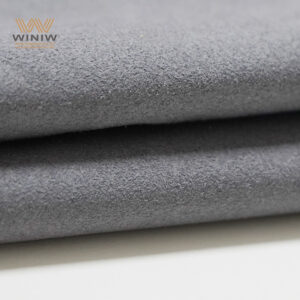
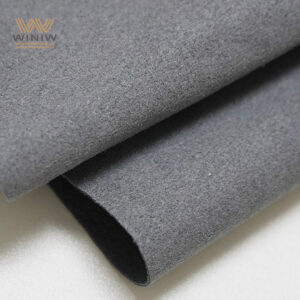
Vegan suede leather presents a smart and ethical choice for individuals seeking style with a conscience. The fashion industry now embraces vegan alternatives, driven by demand for ethical fashion and eco-friendly materials. Vegan suede and vegan leather options allow shoppers to express personal style without sacrificing values. Many consumers reflect on how vegan products protect animals and preserve the planet. Anyone, whether new or experienced with vegan leather, finds a welcoming space in this movement.
Wichtigste Erkenntnisse
- Vegan suede leather is a stylish and ethical alternative to traditional suede, allowing consumers to express their fashion sense without harming animals.
- Manufacturers create vegan suede from synthetic or plant-based materials, ensuring no animal products are used in the process.
- Choosing vegan suede supports sustainability by reducing water and land use compared to animal-based suede production.
- Vegan suede leather can incorporate recycled materials, promoting a circular economy and minimizing waste.
- Plant-based vegan suede options are often biodegradable, offering a more eco-friendly choice that reduces long-term pollution.
- Consumers can look for certifications like OEKO-TEX® and Leather Working Group to ensure they are purchasing high-quality, sustainable vegan suede products.
- Vegan suede jackets are versatile, available in various colors and textures, making them suitable for different styles and occasions.
- Investing in quality vegan suede supports ethical fashion and encourages brands to adopt more sustainable practices.
What Is Vegan Suede Leather?
Definition and Materials
Animal-Free Composition
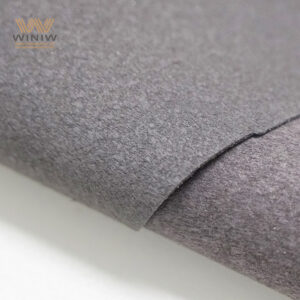
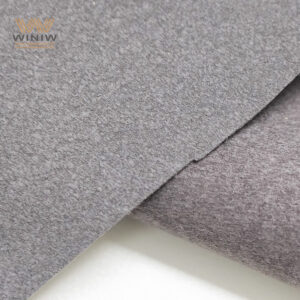
Vegan suede leather represents a modern alternative to animal-based suede. Manufacturers create vegan suede using synthetic or plant-based fibers, ensuring no animal products enter the process. They often select materials such as polyester, polyurethane, or innovative plant-based textiles. These choices reflect a commitment to cruelty-free fashion and align with the values of those seeking vegan leather options. The absence of animal-derived components makes vegan suede suitable for individuals who prioritize animal welfare and ethical consumption.
Recycled and Plant-Based Options
Many producers now incorporate recycled materials into vegan suede leather. They source fibers from post-consumer plastics or industrial waste, reducing the environmental impact associated with virgin resources. Plant-based alternatives have gained popularity, with companies utilizing fibers from mushrooms, pineapples, and even apples. These plant-based options offer a renewable resource base and contribute to a lower environmental footprint. The use of recycled and plant-based materials supports the circular economy and advances sustainable fashion practices.
How It Differs from Traditional Suede
Production Process
Traditional suede relies on animal hides, typically from cattle, which undergo a tanning process to achieve the desired texture. This method involves significant water and land use, as well as chemicals that can harm the environment. In contrast, vegan suede leather production eliminates animal involvement and often uses plant-based or synthetic fibers. Manufacturers may employ chemical solvents, especially for polyurethane and PVC-based vegan leather, which can pose environmental challenges. Plant-based vegan suede offers a more sustainable approach, minimizing reliance on petroleum-based inputs.
Auswirkungen auf die Umwelt
The environmental impact of vegan suede leather differs from that of traditional suede. The following table highlights key aspects:
| Aspekt | Traditional Suede | Vegan Suede |
|---|---|---|
| Animal Welfare | Involves animal harm | No animal harm involved |
| Resource Use | Higher land/water use due to cattle farming | Lower land/water use for plant-based types |
| Production Impact | Higher greenhouse gases from cattle | Fewer greenhouse gases, but chemical solvents may be used |
| Waste & Pollution | Biodegradable if sourced responsibly | Microplastic shedding and landfill persistence for PU/PVC types |
- Traditional suede utilizes materials from the meat industry, which can lower its carbon footprint if sourced responsibly.
- Vegan suede, especially those made from PU and PVC, can contribute to plastic pollution and does not biodegrade.
While traditional suede leverages waste from the meat industry, it raises ethical concerns regarding animal welfare and tanning practices. Vegan suede leather avoids animal exploitation but may introduce environmental challenges if made from petroleum-based plastics. Plant-based vegan leather options help mitigate these concerns by offering biodegradable and renewable alternatives. The choice between traditional and vegan suede involves weighing animal welfare, resource use, and overall environmental impact.
Tip: Consumers seeking the lowest environmental footprint should look for vegan suede leather made from recycled or plant-based materials rather than petroleum-based synthetics.
Sustainability of Vegan Suede Leather
Lower Environmental Impact
Fewer Resources Used
Vegan suede leather production demonstrates a significant reduction in resource consumption compared to animal-based suede. Manufacturers select plant-based fibers, such as pineapple leaves, mushroom mycelium, and apple peels, which require less water and land. Synthetic vegan leather options also use fewer agricultural resources. The environmental benefits become clear when comparing the inputs needed for cattle farming and tanning with those for plant-based textiles.
- Plant-based vegan leather relies on renewable crops.
- Water usage drops dramatically in vegan suede manufacturing.
- Energy requirements decrease due to streamlined processes.
A study by the Material Innovation Initiative found that plant-based vegan suede leather uses up to 90% less water than traditional animal-based suede. This shift supports sustainability and aligns with eco-friendly goals in the fashion industry.
Less Waste Created
Vegan suede leather production generates less waste than conventional methods. Animal-based suede creates byproducts, including hazardous chemicals from tanning and organic waste from processing hides. In contrast, vegan leather manufacturing, especially with plant-based and recycled materials, minimizes landfill contributions.
| Waste Type | Animal-Based Suede | Vegan Suede Leather |
|---|---|---|
| Chemical Byproducts | Hoch | Low |
| Organic Waste | Significant | Minimal |
| Microplastic Pollution | Keine | Possible (synthetic types) |
| Agricultural Waste | Hoch | Low (plant-based) |
Manufacturers who adopt sustainable practices in vegan suede production further reduce environmental impact. They recycle water, repurpose waste, and optimize energy use. These efforts contribute to a cleaner, more sustainable alternative for eco-conscious consumers.
Tip: Brands that disclose their waste management strategies often lead the way in sustainability and environmental responsibility.
Circular Economy Benefits
Use of Recycled Materials
Vegan suede leather supports the circular economy by incorporating recycled materials. Producers utilize post-consumer plastics, industrial textile scraps, and agricultural byproducts to create new vegan leather products. This approach diverts waste from landfills and reduces the demand for virgin resources.
- Recycled polyester and polyurethane form the base for many vegan leather items.
- Plant-based vegan suede incorporates agricultural residues, such as fruit skins and stalks.
- Companies close the loop by designing products for recyclability at the end of their lifecycle.
The circular economy model encourages continuous reuse and recycling, which enhances sustainability and reduces environmental impact.
Biodegradability in Industrial Settings
Plant-based vegan suede leather offers potential for biodegradability in controlled industrial environments. Unlike petroleum-based synthetics, plant-based vegan leather breaks down more readily when exposed to composting conditions. Some manufacturers engineer vegan suede to decompose within months, leaving minimal environmental residue.
- Biodegradable vegan suede leather reduces long-term pollution.
- Industrial composting facilities accelerate the breakdown of plant-based materials.
- Brands invest in research to improve the environmental profile of vegan leather.
Note: Consumers should check product labels for information about biodegradability and compostability to ensure alignment with eco-friendly values.
Sustainability remains central to the evolution of vegan suede leather. The use of plant-based materials, recycled inputs, and biodegradable designs positions vegan suede as a leader in sustainable practices. This eco-friendly approach supports environmental health and offers a responsible choice for fashion enthusiasts.
Vegan Suede Leather and Carbon Footprint
Emissions Comparison
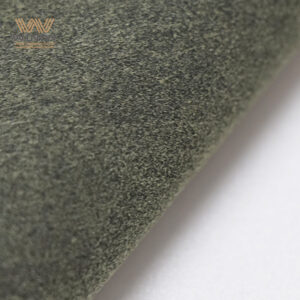
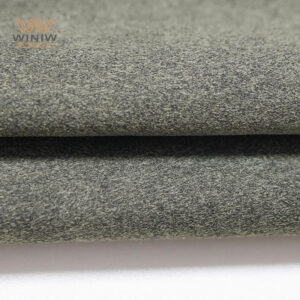
Vegan suede leather offers a significant reduction in environmental emissions compared to traditional animal-based suede. The production of animal-based suede generates high levels of greenhouse gases, mainly due to livestock farming. Cattle farming releases methane, a potent greenhouse gas, which contributes to global warming. In contrast, vegan leather manufacturing avoids these emissions by eliminating animal agriculture from the process.
A recent study by the European Commission found that vegan leather production emits up to 80% less carbon dioxide than animal-based leather. This reduction in emissions supports sustainability goals and helps fashion brands lower their environmental impact. Plant-based vegan leather, in particular, demonstrates even lower emissions because it uses renewable resources and often incorporates agricultural waste.
The following table highlights the differences in emissions between animal-based suede and vegan leather:
| Material Type | Greenhouse Gas Emissions | Main Sources of Emissions |
|---|---|---|
| Animal-Based Suede | Hoch | Livestock, tanning chemicals |
| Synthetic Vegan Leather | Moderate | Polymer production |
| Plant-Based Vegan Leather | Low | Crop cultivation, processing |
Note: Brands that prioritize plant-based vegan leather can further reduce their environmental footprint and support eco-friendly initiatives.
Energy Efficiency
Energy consumption plays a crucial role in the environmental sustainability of fashion materials. Animal-based suede requires large amounts of energy for raising livestock, processing hides, and tanning. These steps involve intensive use of fossil fuels and water, which increases the overall environmental burden.
Vegan leather production, especially when using recycled or plant-based materials, uses less energy. Manufacturers streamline processes by sourcing raw materials that do not require animal husbandry or complex chemical treatments. This approach aligns with sustainability principles and reduces the environmental impact of fashion products.
- Plant-based vegan leather uses energy-efficient methods, such as mechanical processing and low-temperature treatments.
- Recycled vegan leather leverages existing materials, which minimizes the need for new resource extraction and processing.
- Many companies invest in renewable energy sources to power their vegan leather production facilities.
The shift toward vegan suede leather reflects a broader commitment to environmental responsibility and sustainability in the fashion industry. By choosing vegan leather, brands and consumers support lower emissions, reduced energy use, and a more eco-friendly future.
Tip: Consumers can look for certifications or brand disclosures about energy use and emissions to make informed, sustainable choices.
Resource Conservation
Water Savings
Water conservation stands as a critical factor in evaluating the sustainability of materials used in fashion. Traditional leather production, especially animal-based suede, consumes vast amounts of water throughout the supply chain. Cattle farming requires water for drinking, feed crops, and cleaning. The tanning process also uses significant water volumes and often leads to water pollution.
Vegan leather production, particularly plant-based and recycled types, dramatically reduces water usage. Manufacturers of vegan leather do not depend on livestock, which eliminates the need for water-intensive animal husbandry. Many plant-based vegan leather options, such as those made from pineapple leaves or apple peels, use agricultural byproducts that require little or no additional irrigation. Synthetic vegan leather also uses less water during manufacturing compared to animal-based processes.
A comparison table highlights the difference:
| Material Type | Water Usage (per m²) | Water Pollution Risk |
|---|---|---|
| Animal-Based Suede | High (up to 17,000L) | Significant |
| Synthetic Vegan Leather | Low (approx. 500L) | Moderate |
| Plant-Based Vegan Leather | Very Low (100-300L) | Minimal |
Water savings achieved through vegan leather production support sustainability goals and help conserve one of the planet’s most precious resources.
Land Use Reduction
Land use efficiency represents another major advantage of vegan leather. Animal agriculture occupies large areas of land for grazing and feed crop cultivation. This land use contributes to deforestation, habitat loss, and biodiversity decline. Traditional suede production relies on these extensive land resources, which places pressure on ecosystems.
Vegan leather, especially plant-based and recycled varieties, requires far less land. Producers often utilize agricultural waste or fast-growing crops that thrive on marginal land. This approach reduces the need for new farmland and helps preserve natural habitats. Synthetic vegan leather manufacturing also avoids the land-intensive requirements of livestock farming.
Key benefits of reduced land use include:
- Preservation of forests and wildlife habitats
- Lower risk of soil degradation and erosion
- Enhanced potential for rewilding and ecosystem restoration
Sustainable practices in vegan leather production further minimize land impact. Many companies adopt eco-friendly sourcing and invest in regenerative agriculture. These efforts position vegan leather as a sustainable alternative to animal-based materials.
Choosing vegan suede supports sustainability by conserving both water and land, making it an eco-friendly option for conscious consumers.
Ethical Reasons for Choosing Vegan Suede Leather
Animal Welfare
Cruelty-Free Fashion
Vegan suede leather stands as a symbol of cruelty-free fashion. Designers and manufacturers choose vegan materials to avoid harming animals. They eliminate the need for animal hides, which supports animal welfare and aligns with ethical consumerism. Many brands highlight their commitment to cruelty-free practices by using vegan suede in shoes, bags, and jackets. This approach appeals to individuals who value compassion and seek ethical alternatives in their wardrobes.
Choosing vegan suede leather allows consumers to express their style while supporting animal welfare. The fashion industry recognizes the importance of ethical concerns and responds by offering more vegan options.
Reducing Animal Exploitation
Animal exploitation remains a major ethical concern in traditional leather production. Cattle and other animals face harsh conditions in the supply chain. Vegan suede leather provides a solution by removing animal-derived inputs from the process. Manufacturers use synthetic or plant-based fibers, which reduces the demand for animal farming. This shift helps decrease the number of animals raised and slaughtered for fashion.
A table illustrates the impact:
| Aspekt | Traditional Suede | Vegan Suede Leather |
|---|---|---|
| Animal Use | Hoch | Keine |
| Animal Welfare Risk | Significant | Minimal |
| Ethical Concerns | Hoch | Low |
Vegan suede supports ethical consumerism by addressing animal welfare and reducing exploitation. Consumers who choose vegan products contribute to a kinder and more responsible fashion industry.
Social Responsibility
Faire Arbeit
Social responsibility extends beyond animal welfare. Ethical concerns also include fair labor practices in the production of vegan suede leather. Many companies prioritize safe working conditions and fair wages for employees. They partner with suppliers who follow labor standards and avoid exploitative practices. This commitment ensures that workers receive respect and protection throughout the supply chain.
Manufacturers often disclose their labor policies to build trust with ethical consumers. Brands that invest in fair labor practices set a positive example for the industry.
Responsible Sourcing
Responsible sourcing plays a vital role in the ethical profile of vegan suede leather. Producers select raw materials with care, focusing on sustainability and transparency. They incorporate recycled fibers and bio-based polymers to minimize environmental impact. Many companies adopt low-emission production processes and reduce water and chemical usage.
An unordered list highlights key social responsibility standards:
- Synthetic suede eliminates animal-derived inputs.
- It reduces water and chemical usage during manufacturing.
- Many producers incorporate recycled raw materials and bio-based polymers.
- Low-emission production processes are being adopted.
Responsible sourcing addresses ethical concerns by promoting eco-friendly and sustainable practices. Brands that follow these standards support both people and the planet.
Ethical consumerism encourages individuals to consider the social and environmental impact of their purchases. Vegan suede leather offers a path toward a more ethical and eco-friendly fashion future.
Style and Practical Benefits
Fashion Versatility
Colors and Textures
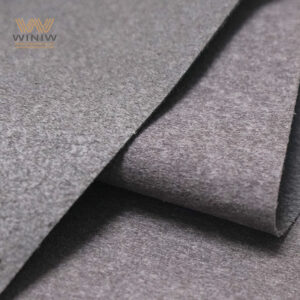
Designers have embraced vegan suede jackets for their ability to deliver a wide range of colors and textures. The manufacturing process allows for precise control over dye application, resulting in vibrant hues and subtle earth tones. Vegan suede jackets often feature finishes that mimic the softness and depth of traditional suede, yet they remain lightweight and flexible. Consumers can select jackets in bold reds, classic blacks, or muted greens, matching personal style preferences. The texture of vegan suede jackets feels smooth and luxurious, offering a tactile experience that rivals animal-based suede.
Suitability for Different Looks
Vegan suede jackets adapt to many fashion styles. They complement casual outfits, such as jeans and t-shirts, and elevate formal attire with tailored cuts. Many brands design vegan suede jackets for layering, making them suitable for both warm and cool weather. The versatility of vegan suede jackets appeals to individuals who value adaptability in their wardrobe. Designers create cropped, oversized, and fitted silhouettes, ensuring that vegan suede jackets meet the needs of diverse body types and fashion tastes.
A table highlights style trends that have emerged due to the adoption of vegan suede leather:
| Trend | Beschreibung | Warum es wichtig ist |
|---|---|---|
| Sustainable Fabrics | Recycled blends, vegan leather, eco dyes | Reduces environmental impact |
Fashion houses now prioritize sustainable fabrics, including vegan suede jackets, to reduce their environmental footprint. This trend supports eco-friendly values and encourages responsible consumption.
Durability and Care
Maintenance Tips
Vegan suede jackets offer practical benefits in terms of care and maintenance. Owners can clean most vegan suede jackets with a damp cloth, avoiding harsh chemicals. Many vegan suede jackets resist stains and water, making them suitable for everyday wear. Manufacturers recommend storing vegan suede jackets in cool, dry places to preserve their appearance. Regular brushing with a soft brush helps maintain the texture and remove surface dust.
Tip: Spot cleaning vegan suede jackets immediately after spills prevents permanent marks and extends the life of the garment.
Longevity
Vegan suede jackets demonstrate impressive durability. The fibers used in vegan suede resist stretching and tearing, which helps jackets retain their shape over time. Many vegan suede jackets withstand frequent wear without fading or pilling. Brands often reinforce seams and use high-quality zippers to enhance longevity. Consumers who invest in vegan suede jackets benefit from garments that maintain their look and feel for years.
Vegan suede jackets combine style, versatility, and practicality. They offer a sustainable alternative to traditional suede, supporting both fashion and environmental goals. The adoption of vegan suede jackets reflects a commitment to ethical and responsible fashion choices.
How to Choose Quality Vegan Suede
Labels and Certifications
Selecting quality vegan products requires attention to recognized certifications and labels. These certifications help consumers identify items that meet strict environmental, safety, and quality standards. Many reputable brands display these labels to demonstrate their commitment to responsible manufacturing.
The following table outlines key certifications to look for when purchasing vegan suede:
| Certification | Purpose |
|---|---|
| Leather Working Group | Environmental standards |
| OEKO-TEX® | Safety and sustainability |
| ISO 9001 | Quality management |
The Leather Working Group evaluates environmental practices in the leather and alternative materials industry. OEKO-TEX® certification ensures that textiles are free from harmful substances and produced sustainably. ISO 9001 focuses on quality management systems, which guarantee consistent product quality. Shoppers who prioritize these certifications can feel confident in their choices.
Tip: Always check product tags or brand websites for certification details. These labels provide assurance that the vegan item meets high standards for both safety and sustainability.
Einkaufstipps
Finding the best vegan suede involves more than just checking labels. Shoppers should consider several factors to ensure they select durable and eco-friendly products. First, examine the texture and finish. High-quality vegan suede feels soft and even, with a consistent color throughout. Uneven surfaces or strong chemical odors may indicate lower quality.
Next, review the brand’s transparency. Companies that share information about their sourcing and manufacturing processes often produce more reliable vegan goods. Look for brands that use recycled or plant-based materials, as these options support sustainability and reduce environmental impact.
A few practical tips can help guide the shopping experience:
- Read customer reviews for insights on durability and comfort.
- Ask about care instructions to ensure the product fits your lifestyle.
- Compare prices, but remember that higher cost sometimes reflects better materials and ethical practices.
- Choose brands that offer repair or recycling programs for their vegan products.
Shoppers should also consider the intended use. For everyday wear, select vegan items with reinforced seams and sturdy construction. For special occasions, focus on style and finish. Many brands now offer a wide range of vegan options, making it easier to find products that match both ethical values and personal taste.
Note: Investing in quality vegan suede supports a more sustainable and compassionate fashion industry. Thoughtful choices encourage brands to continue developing innovative and responsible materials.
Vegan suede leather offers a smart solution for those who value ethical and environmental impacts in fashion. This eco-friendly choice supports animal welfare and protects the environment. Individuals who select vegan suede contribute to a kinder industry.
- Ethical decisions shape a better future.
- Eco-friendly materials reduce harm to the planet.
Every conscious purchase inspires positive change in fashion and beyond.
FAQ
What makes vegan suede leather different from traditional suede?
Vegan suede leather uses plant-based or synthetic fibers. Traditional suede comes from animal hides. Vegan options avoid animal exploitation and often use fewer resources. Many brands now choose vegan suede for its ethical and environmental benefits.
Is vegan suede leather durable for everyday use?
Vegan suede leather offers impressive durability. Many products resist stretching, tearing, and fading. Proper care, such as regular cleaning and storage, extends the lifespan. Consumers often find vegan suede jackets suitable for daily wear.
How should someone clean vegan suede leather?
Most vegan suede leather cleans easily with a damp cloth. For stains, a soft brush or mild soap works well. Manufacturers recommend avoiding harsh chemicals. Always check care labels for specific instructions.
Does vegan suede leather feel like real suede?
Many vegan suede products mimic the softness and texture of real suede. Advanced manufacturing techniques create a luxurious feel. Consumers often cannot distinguish between high-quality vegan suede and animal-based suede by touch alone.
Can vegan suede leather biodegrade?
Plant-based vegan suede leather can biodegrade in industrial composting facilities. Synthetic types, such as those made from polyurethane, do not break down easily. Consumers should check product labels for biodegradability information.
Are vegan suede leather products more expensive?
Prices for vegan suede leather vary. Some high-quality vegan options cost more due to sustainable materials and ethical production. Many brands offer affordable choices. Consumers often find value in the durability and ethical benefits.
What certifications should buyers look for?
Buyers should look for certifications such as OEKO-TEX®, Leather Working Group, and ISO 9001. These labels indicate high standards for safety, sustainability, and quality. Certified products provide assurance of responsible manufacturing.