Catalog
Material Insight: Vegan Leather Material
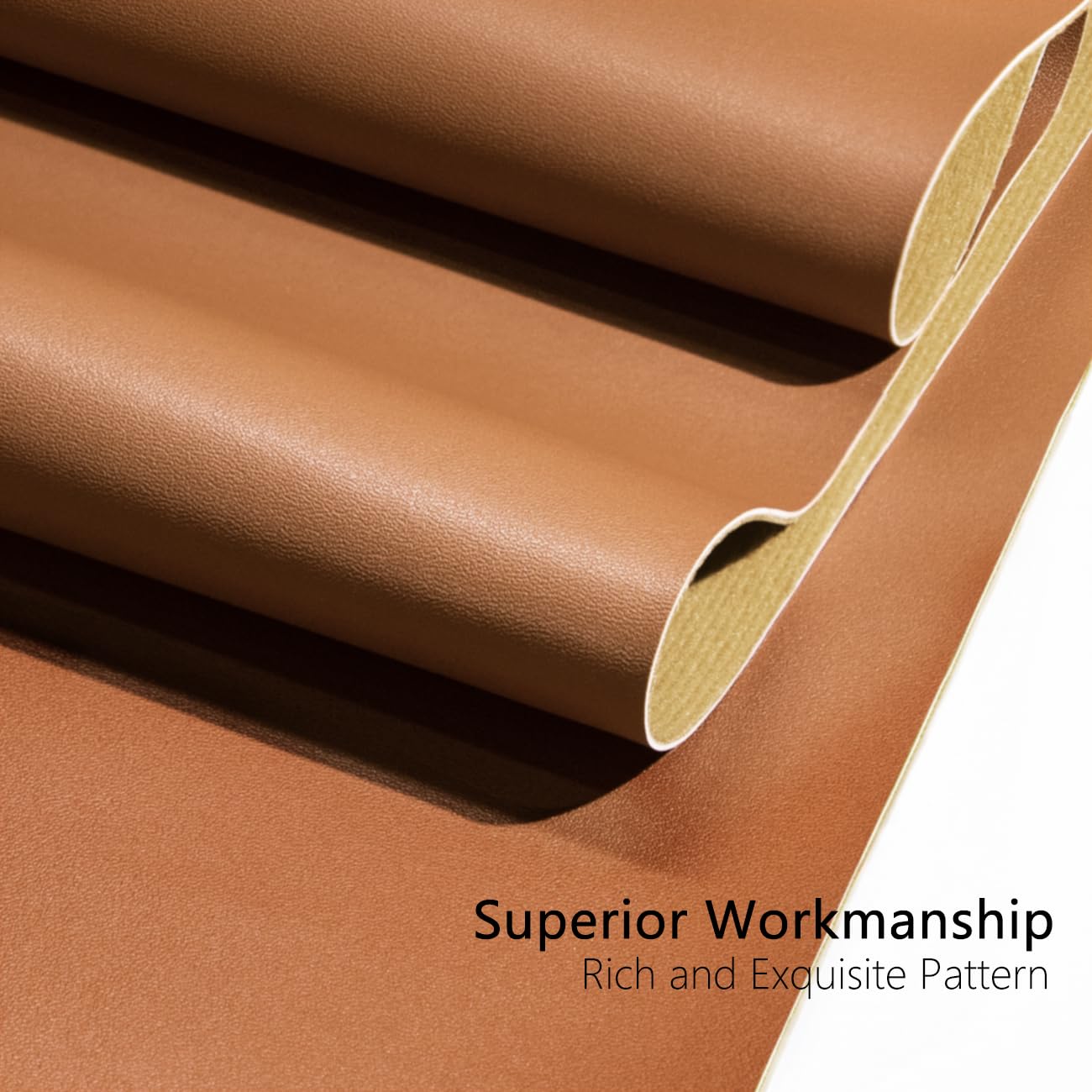
B2B Product Guide: Vegan Leather Material
Introduction to Vegan Leather Material
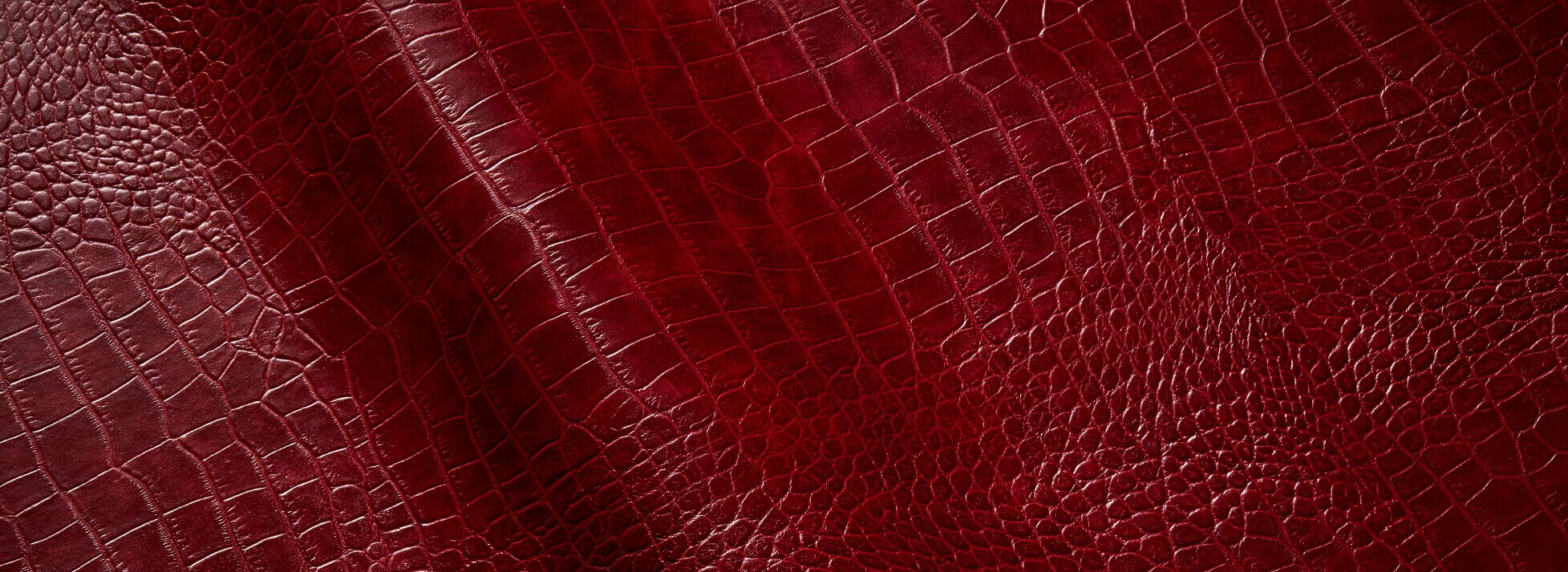
Vegan leather, also known as faux or synthetic leather, is a sustainable, cruelty-free alternative to traditional animal hides. Engineered to deliver the look, feel, and performance of genuine leather—without the environmental and ethical concerns—vegan leather has become a preferred material across industries including fashion, automotive, furniture, and accessories. Made primarily from polyurethane (PU) or innovative bio-based polymers, modern vegan leather combines durability, design flexibility, and eco-conscious production methods.
As global demand for sustainable materials rises, brands are increasingly turning to high-performance vegan leathers that meet rigorous quality standards while aligning with environmental, social, and governance (ESG) goals.
Why Faux Leather Is the Best Choice for This Application
Faux leather offers a compelling combination of performance, sustainability, and cost-efficiency, making it ideal for a wide range of commercial and industrial applications. Key advantages include:
- Ethical Sourcing: Free from animal by-products, supporting cruelty-free and vegan-certified product lines.
- Consistent Quality: Uniform texture and thickness across batches, ensuring reliability in manufacturing.
- Design Versatility: Available in a broad spectrum of colors, finishes, and textures—from matte to glossy, smooth to embossed.
- Environmental Benefits: Lower carbon footprint compared to traditional leather tanning, especially when using water-based PU and recycled substrates.
- Durability & Performance: Resistant to cracking, fading, and moisture, with excellent abrasion resistance for high-use applications.
- Customization for B2B Needs: Easily tailored for specific requirements such as flame retardancy, anti-microbial properties, or enhanced breathability.
About WINIW
WINIW is a leading innovator and manufacturer of high-performance vegan leather materials, with over 20 years of expertise in synthetic leather development. Specializing in PU and microfiber leather solutions, WINIW serves global B2B clients across fashion, automotive interiors, consumer electronics, and home furnishings.
Our commitment to sustainability drives continuous innovation in eco-friendly materials, including water-based production processes, recycled backings, and low-VOC emissions. With advanced R&D capabilities and a vertically integrated supply chain, WINIW delivers consistent quality, fast turnaround times, and full customization to meet the evolving needs of forward-thinking brands.
Trusted by industry leaders worldwide, WINIW combines technical excellence with environmental responsibility—setting the standard for next-generation vegan leather.
Technical Performance & Standards
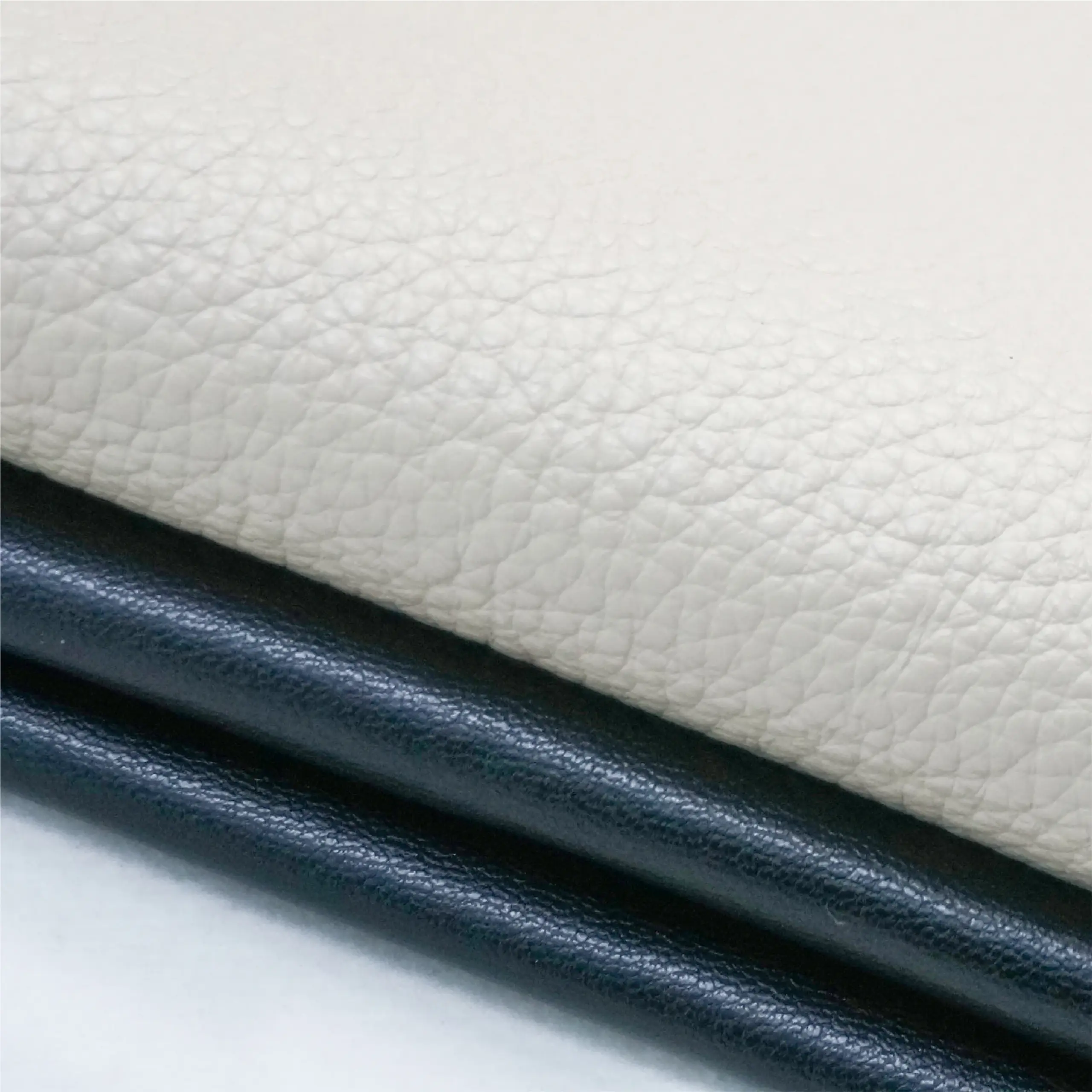
WINIW Vegan Leather Material: Technical Product Guide for B2B Applications
WINIW’s premium vegan leather material delivers a scientifically engineered solution for brands demanding uncompromising performance, ethical sourcing, and commercial viability. Formulated through advanced polymer technology, our material eliminates reliance on animal-derived inputs while exceeding industry benchmarks for durability and customization. Designed explicitly for B2B integration into furniture, automotive interiors, fashion accessories, and technical goods, WINIW offers a sustainable material partner that aligns with global regulatory frameworks and cost-efficiency goals.
Core Technical Advantages
- Cost-Effective Performance: Achieves 20-30% lower total cost of ownership versus premium animal leathers through optimized manufacturing yield, reduced waste during cutting, and elimination of tanning chemical overheads. Enhanced durability directly lowers replacement frequency and lifecycle maintenance costs for end products.
- Engineered Durability: Features a proprietary polyurethane matrix with reinforced microfiber backing, delivering exceptional resistance to abrasion (tested to 50,000+ Martindale cycles), tearing, and flex cracking. Maintains structural integrity under UV exposure, temperature fluctuations (-20°C to +70°C), and repeated mechanical stress, ensuring longevity in demanding applications.
- Precision Color Customization: Supports full Pantone® color matching (including metallics and complex effects) with batch-to-batch color consistency (ΔE < 1.0). Advanced pigment dispersion technology ensures colorfastness to light (ISO 105-B02: Grade 7-8) and rubbing (ISO 105-X12: Grade 4-5), critical for brand integrity across large production runs.
- REACH SVHC Compliance: Fully documented compliance with EU REACH regulation (EC 1907/2006), including zero content of Substances of Very High Concern (SVHCs) above threshold limits. Comprehensive chemical inventory and safety data sheets (SDS) are provided, mitigating supply chain regulatory risk for global brands.
- ISO 9001 Certified Quality Management: Manufactured under a rigorously audited ISO 9001:2015 certified quality management system. Ensures consistent material properties (thickness, tensile strength, color), traceability from raw material to finished roll, and rapid corrective action protocols for 100% batch reliability.
Technical Specifications Overview
| Property | Test Method | WINIW Standard Performance | Industry Benchmark |
|---|---|---|---|
| Thickness | ISO 2417 | 0.6 mm – 1.2 mm (custom) | 0.8 mm – 1.5 mm |
| Weight | ISO 2418 | 180 g/m² – 250 g/m² | 200 g/m² – 300 g/m² |
| Tensile Strength | ISO 1767 | ≥ 25 N/mm² (MD & CD) | ≥ 20 N/mm² |
| Tear Strength | ISO 3377-2 | ≥ 45 N (Elmendorf) | ≥ 35 N |
| Abrasion Resistance | ISO 12947 (Martindale) | ≥ 50,000 cycles (no wear) | ≥ 30,000 cycles |
| Colorfastness to Light | ISO 105-B02 | Grade 7-8 | Grade 5-6 |
| Colorfastness to Rubbing | ISO 105-X12 | Dry: Grade 4-5 / Wet: Grade 4 | Dry: Grade 3-4 |
| pH Value | ISO 4045 | 5.0 – 7.0 | 4.0 – 9.0 |
| VOC Emissions | ISO 12219-2 | < 10 µg/g (total) | < 50 µg/g |
MD = Machine Direction, CD = Cross Direction
WINIW vegan leather represents the convergence of ecological responsibility and industrial-grade performance. Our commitment to water-based, solvent-free production processes further reduces environmental impact without sacrificing the technical attributes demanded by commercial manufacturers. Partner with WINIW to secure a durable, compliant, and economically optimized material solution that future-proofs your product line against evolving market and regulatory demands.
Why Choose Synthetic over Real Leather
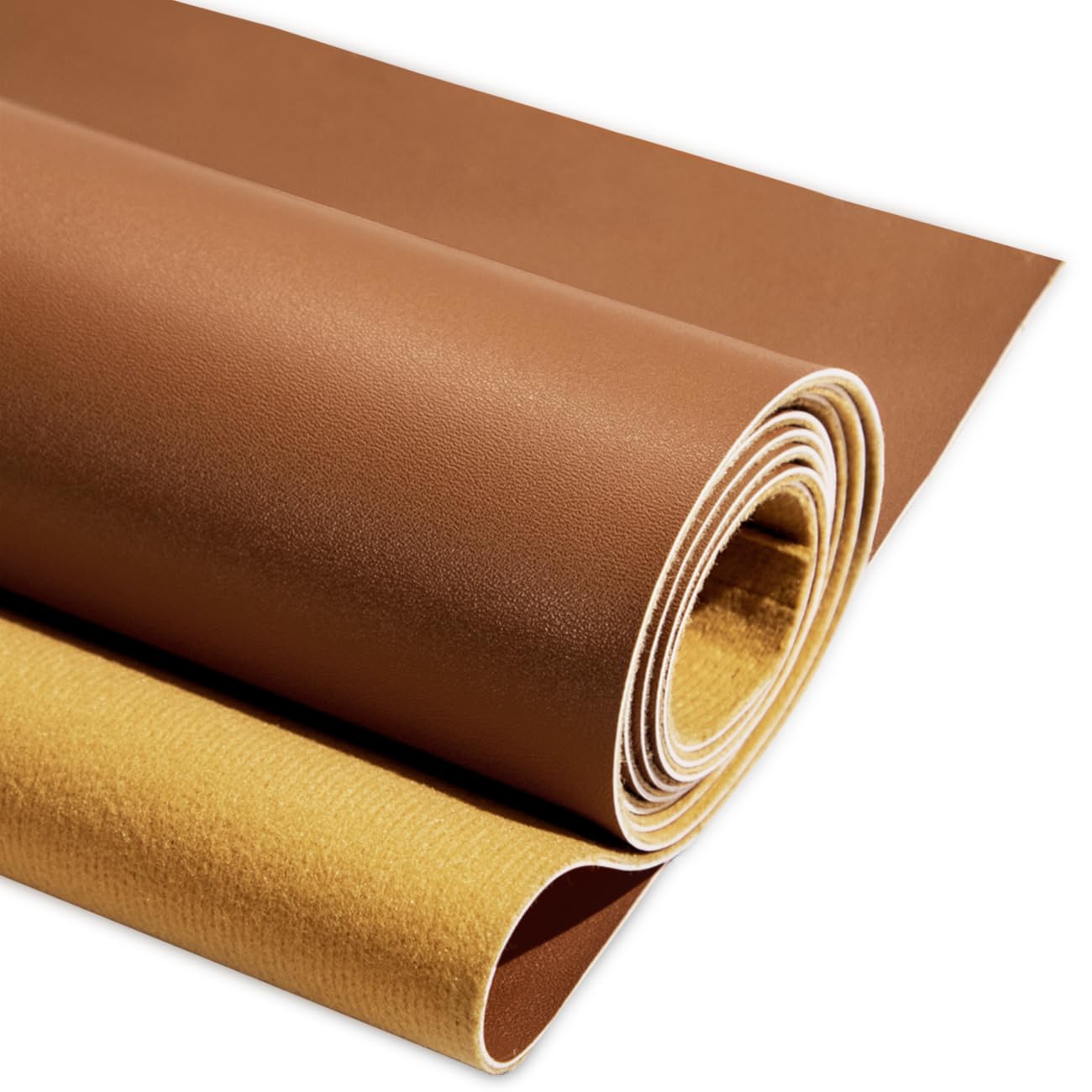
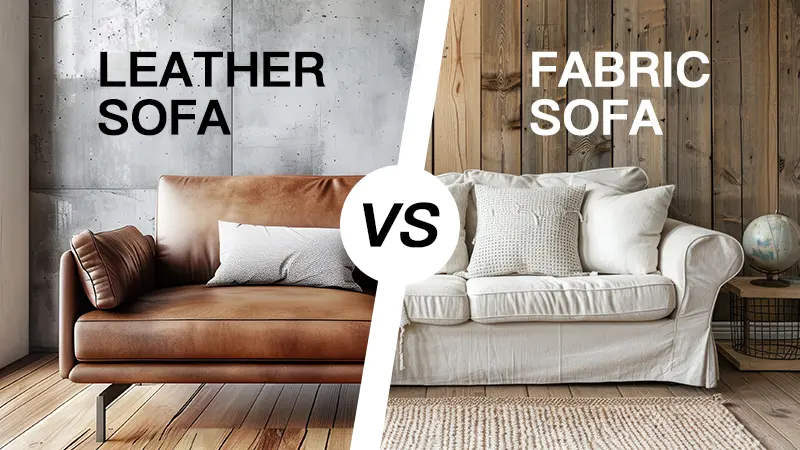
B2B Product Guide: Vegan Leather vs Real Leather
In today’s sustainability-driven market, businesses across fashion, furniture, and accessories industries are evaluating material choices to align with ethical standards and consumer demand. Two of the most prominent materials in this decision-making process are vegan leather and real leather. Understanding the differences in performance, cost, and environmental impact is essential for informed procurement and product development.
Overview of Materials
- Veganes Leder: A synthetic or plant-based material designed to mimic the look and feel of animal leather without using animal hides. Common types include polyurethane (PU) leather, polyvinyl chloride (PVC) leather, and next-generation bio-based leathers made from materials like mushroom mycelium, pineapple fibers (Piñatex), or apple waste.
- Real Leather: Made from tanned animal hides, primarily bovine, but also ovine, caprine, and exotic species. It is a natural material valued for its durability, breathability, and aging characteristics.
Key Differences
- Quelle: Vegan leather is animal-free, while real leather relies on the byproducts of the meat industry.
- Manufacturing Process: Real leather involves resource-intensive tanning (often using chromium), whereas vegan leather production varies—PU-based versions are less toxic than PVC, and bio-based alternatives are emerging with lower environmental footprints.
- Performance: Real leather generally offers superior breathability and develops a desirable patina over time. Vegan leather can be engineered for specific textures and colors but may lack longevity under heavy use.
- End-of-Life Impact: Most real leather is biodegradable under proper conditions, though tanning chemicals can hinder this. Conventional vegan leathers (PVC/PU) are not biodegradable and contribute to microplastic pollution.
Comparative Analysis: Cost, Durability, and Eco-Friendliness
| Kategorie | Veganes Leder | Real Leather |
|---|---|---|
| Cost | Lower to moderate (USD $3–$15/sq yd) | Moderate to high (USD $15–$50+/sq yd) |
| Dauerhaftigkeit | Moderate; prone to cracking over time (especially PVC); newer bio-based versions improving | High; long lifespan with proper care; resistant to wear |
| Eco-Friendliness | Varies: PVC is highly polluting; PU is better; plant-based options score highest in sustainability | Mixed: uses animal byproducts but involves high water/chemical use and greenhouse gas emissions |
Considerations for B2B Buyers
- Sustainability Goals: Brands committed to cruelty-free and low-impact production may favor certified vegan leathers, especially those derived from renewable biomass.
- Supply Chain Transparency: Real leather requires traceability to ensure ethical sourcing and responsible tanning practices. Vegan leather supply chains are often more centralized and easier to audit.
- Customization & Scalability: Vegan leather offers greater flexibility in color, texture, and thickness with faster production turnaround, ideal for fast fashion and tech-integrated designs.
- Regulatory Trends: Increasing restrictions on chromium in tanning and microplastics may influence long-term viability of certain leather types in EU and North American markets.
Conclusion
The choice between vegan and real leather hinges on brand values, product application, and lifecycle considerations. While real leather remains a premium option for longevity and aesthetic depth, innovative vegan leathers—particularly bio-based and recycled-content variants—are closing the performance gap while offering compelling environmental and ethical advantages. For forward-thinking B2B partners, integrating both materials with clear labeling and sustainability certifications ensures market relevance and responsible growth.
WINIW Factory Capabilities
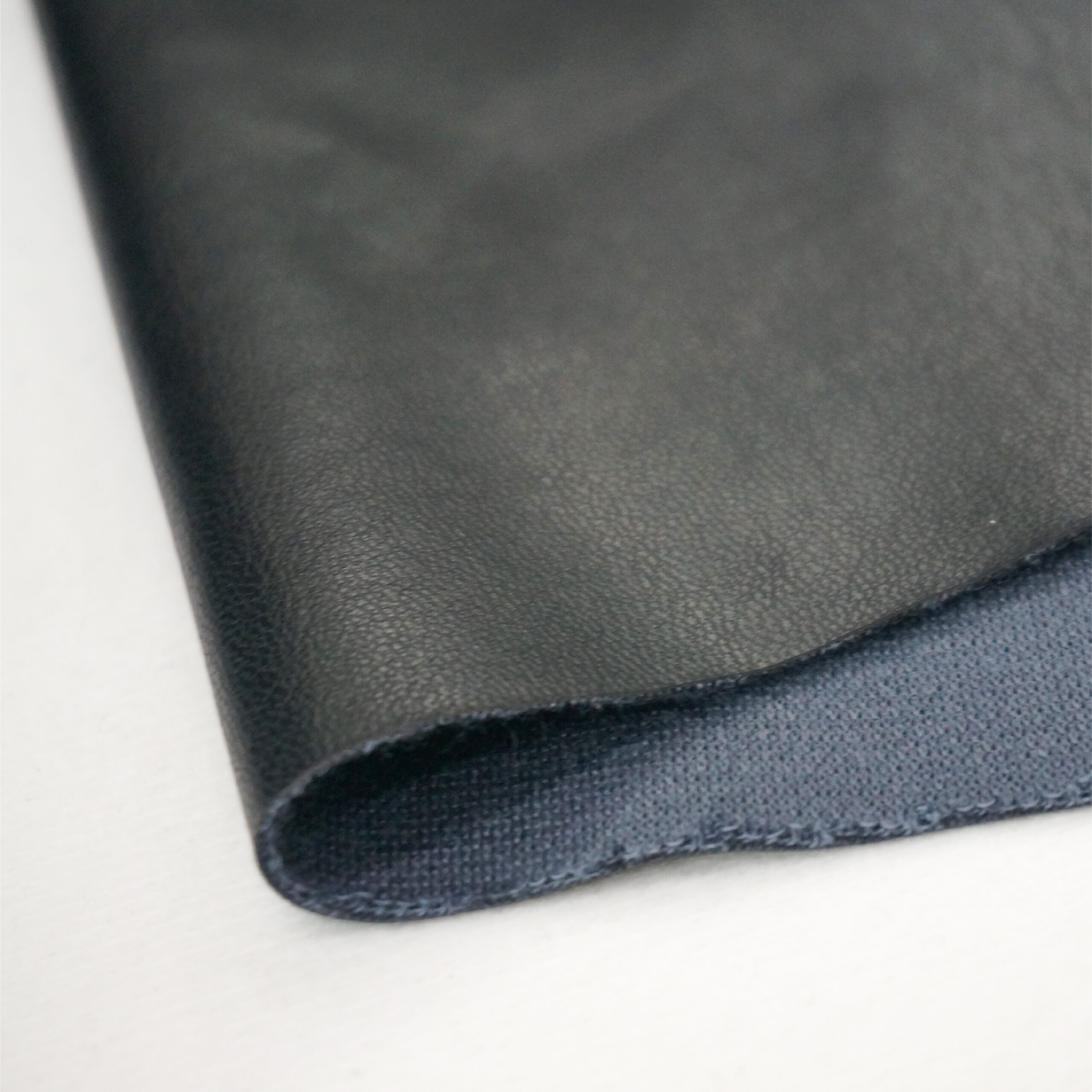
WINIW Synthetic Leather: Manufacturing Excellence for Global Brands
WINIW operates one of the industry’s most advanced and scalable production ecosystems, engineered to deliver consistent quality, innovation, and reliability for international B2B partners. Our vertically integrated facility spans 100,000 square meters in Anhui, China, enabling end-to-end control from raw material processing to finished goods. This strategic scale ensures agile response to high-volume orders while maintaining rigorous environmental and ethical standards aligned with global sustainability expectations.
Our competitive manufacturing foundation rests on three pillars:
- Advanced R&D Capabilities: A dedicated team of 50+ material scientists and engineers drives continuous innovation in performance, texture, and eco-compliance. We collaborate directly with clients to develop custom solutions—from ultra-microfiber substrates to water-based PU formulations—that meet specific functional and sustainability targets (e.g., GRS, OEKO-TEX®).
- Strict Quality Control Protocols: Every production batch undergoes 18+ automated and manual testing stages, including colorfastness, abrasion resistance, and eco-toxicology screening. Our ISO 9001-certified QC system enforces compliance with REACH, CPSIA, and EU Ecolabel standards, eliminating compliance risks for global supply chains.
- Global-Ready Compliance & Logistics: WINIW exports to 30+ countries, with 65% of shipments serving EU and North American markets. Our facility maintains full traceability via blockchain-integrated production logs and adheres to ILO labor standards, ensuring seamless customs clearance and brand reputation protection.
This integrated approach—combining industrial scale, scientific rigor, and uncompromising compliance—positions WINIW as a trusted manufacturing partner for brands demanding ethical, high-performance synthetic leather at commercial volumes. We enable your sustainability commitments through verifiable production integrity, not just product specifications.
Contact Us for Samples
WINIW B2B Product Guide: Sustainable Vegan Leather Solutions
WINIW is a leading innovator in high-performance, eco-friendly synthetic leather for global B2B partners across fashion, automotive, furniture, and electronics industries. Our vegan leather materials are engineered to deliver durability, aesthetic versatility, and environmental responsibility—without compromising on quality or scalability.
Designed for brands committed to sustainability, WINIW’s microfiber leather offers a cruelty-free, low-impact alternative to animal hides while meeting rigorous industrial standards for wear, texture, and longevity.
Key Advantages of WINIW Vegan Leather
- Made from 100% animal-free materials, ensuring full compliance with vegan and cruelty-free certifications
- Ultra-durable microfiber base with superior abrasion resistance and tensile strength
- Low-VOC emissions and compliant with REACH, RoHS, and OEKO-TEX® standards
- Customizable in texture, thickness (0.6mm to 2.0mm), color, and finish (matte, glossy, soft-touch, etc.)
- Water-resistant, stain-resistant, and easy to clean—ideal for high-use applications
- Available in rolls up to 52” (132 cm) wide for efficient production integration
- Significantly lower carbon footprint compared to traditional leather and many PU alternatives
Industry Applications
- Apparel & Footwear: Lightweight, flexible grades ideal for vegan shoes, jackets, and accessories
- Furniture & Upholstery: Heavy-duty options with enhanced breathability and wear resistance
- Automotive Interiors: Flame-retardant and fog-resistant variants meeting automotive safety standards
- Electronics & Accessories: Precision-thin materials for phone cases, watch straps, and laptop sleeves
Environmental Commitment
WINIW prioritizes sustainability at every stage of production. Our manufacturing process uses recycled polyester content, water-based polyurethane coatings, and energy-efficient technologies to minimize ecological impact. We support circular economy goals through recyclable materials and reduced waste output.
Request Free Samples Today
Experience the quality and versatility of WINIW vegan leather firsthand. We offer complimentary material samples tailored to your industry needs.
For inquiries and sample requests, contact:
MKT88@MicrofiberLeather.com
Let WINIW power your brand’s transition to sustainable, high-performance synthetic leather—engineered for the future.
💰 Leather Cost Savings Calculator
See how much you save by switching to WINIW Microfiber Leather.