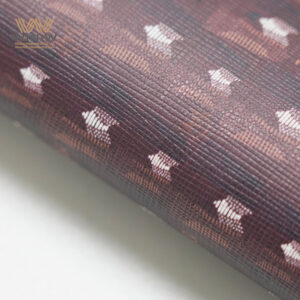
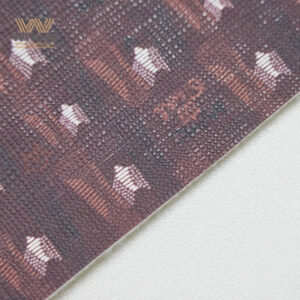
Plant based leather is good for the environment and lasts a long time. Many brands use things that can grow again and new ways to make products. These choices are better for the Earth and animals.
- Lab-grown leather fibers use plant cells. They make vegan leather that is better for the environment.
- Mycelium-based materials grow in special places. They make leather that can break down naturally.
- Bio-polymer synthesis uses algae and farm waste. This helps use less fossil fuel and is better for the planet.
- Genetic engineering makes the material stronger and more bendy. This helps plant based leather last longer.
Wichtigste Erkenntnisse
- Plant-based leather is better for the environment and causes less pollution than regular leather. Using things like pineapple leaves and mushrooms helps save resources and supports a healthy planet. Plant-based leather does not hurt animals, so it is kinder and supports good fashion choices. Many brands now use plant-based leather because people want products that are good for the earth and animals. Biotechnology makes plant-based leather strong and useful for many types of clothes and accessories.
Environmental Impact of Plant Based Leather


Kohlenstoff-Fußabdruck
Plant based leather is better for the environment than animal leather or petroleum-based vegan leather. Making real leather creates a lot of pollution. This is because raising animals gives off methane and needs a lot of land and food. Vegan leather made from oil, like PVC or PU, also makes a lot of greenhouse gases when it is made. Plant based leather uses things like cactus, pineapple leaves, or mycelium. These plants take in carbon dioxide as they grow. Many companies use ways to make leather that save energy and lower pollution. This makes plant based leather a good choice for people who want to help the planet.
Sustainable leather helps fight climate change by using less energy and fewer fossil fuels.
Wasserverbrauch
Making real leather uses a lot of water. Tanning animal skins needs thousands of liters for each item. Vegan leather made from oil also uses water in its chemical steps. Plant based leather uses much less water. Some ways to make it use farm waste, so they do not need extra water.
The main ways plant-based leather saves water are:
- Using plant fibers that do not need to be soaked like animal skins.
- Not needing big water tanks for tanning.
- Using new ways to keep the material fresh, like hexamethylenetetramine, which saves water.
Sustainable leather brands try to save water at every step. This makes vegan leather a smart pick for people who care about water.
Chemical Pollution
Old ways of making leather use dangerous chemicals like chromium salts. These can get into rivers and hurt workers. Vegan leather made from oil also uses strong chemicals to make it soft. Plant based leather does not use many of these bad chemicals. Many ways to make it use natural colors and gentle steps. This means less pollution and safer work for people and the Earth.
Sustainable leather is a safe and green choice. It helps the planet by making less toxic waste and keeping nature safe. People who pick vegan leather help stop pollution and support cleaner ways to make things.
Choosing sustainable leather alternatives helps keep water, air, and soil clean for future generations.
Ethical and Cruelty-Free Advantages
No Animal Exploitation
Plant-based leather gives us a way to make things without hurting animals. Regular leather comes from animal skins. This hurts animals and makes people worry about their safety. Vegan leather uses things like pineapple leaves, mushrooms, and cactus. These plants do not need animals to grow. They grow fast and do not need animal farms.
A lot of companies pick vegan leather because it is the right thing to do. They want their products to be better for the Earth. People who love animals often buy vegan leather shoes, bags, and jackets. They know plant-based leather does not use animal parts. This helps keep wild and farm animals safe.
When you pick vegan leather, you help animals live safely.
Cruelty-Free Fashion
Cruelty-free fashion is getting more popular now. Brands want to show their items do not hurt animals. Vegan leather helps them do this. Designers can make cool clothes without using animal skins. Many big brands now use vegan leather in their lines.
Shoppers want to buy things that are kind to animals. They check tags and ask about what things are made of. Vegan leather lets them know they are making a good choice. People who care about the Earth also like plant-based leather.
Here is a table that shows how traditional leather and vegan leather are different in cruelty-free fashion:
| Merkmal | Traditionelles Leder | Veganes Leder |
|---|---|---|
| Animal Use | Ja | Nein |
| Ethische Produktion | Rare | Common |
| Auswirkungen auf die Umwelt | Hoch | Unter |
Vegan leather helps make a future where fashion is kind to animals and nature. People can wear nice things and feel proud of their choices.
Sustainability and Circular Economy
Renewable Materials
Lots of brands use renewable materials for plant based leather. These materials come from plants and farm leftovers. Ohoskin uses citrus waste to make leather alternatives. They use orange peels and other stuff from juice factories. This way, they save resources and keep waste out of landfills.
Some brands use pineapple leaves to make piñatex. Mushroom leather and mycelium leather come from fungi that grow fast. Cork leather uses bark from cork trees. The bark grows back after it is taken. These choices help save resources and lower harm to the environment.
- Citrus waste turns into leather, saving water and energy.
- Pineapple leaves and cork bark get reused, so there is less waste.
- Mycelium leather grows quickly and needs little land.
Using renewable materials helps make a greener and eco-friendly future.
Biologische Abbaubarkeit
Biodegradability means a material can break down on its own. Many plant based leather options have this feature. Mushroom leather and mycelium leather break down in soil. Piñatex and cork leather also break down without leaving bad chemicals.
Regular leather and synthetic types stay in landfills for many years. Plant based leather helps fix this problem. It goes back to nature after use. This lowers pollution and helps keep things sustainable.
Here is a table that shows how materials break down:
| Material | Biodegradable | Time to Decompose | Harmful Residue |
|---|---|---|---|
| Mycelium leather | Ja | Months | Nein |
| Piñatex | Ja | Months | Nein |
| Cork leather | Ja | Months | Nein |
| Synthetisches Leder | Nein | Decades | Ja |
Circular Economy
The circular economy keeps materials in use for a long time. Plant based leather fits this idea. Brands use farm waste and leftovers to make new things. Ohoskin’s citrus leather shows how waste can become useful.
Cork leather and piñatex use extra plant parts. Mushroom leather and mycelium leather grow from waste and go back to the soil after use. This cycle lowers landfill waste and supports green habits.
Strong materials like cactus leather last a long time. They stay tough and let air through, so they are good for shoes and bags. When these items are done, they break down safely. The circular economy helps fashion stay green and responsible.
Picking plant based leather alternatives helps the circular economy and keeps the planet safe.
Plant Based Leather in Fashion

Brand Adoption
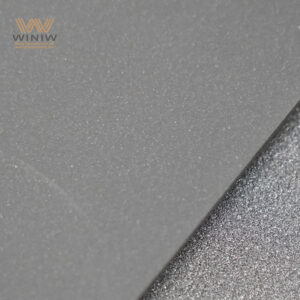
Many famous brands use plant based leather now. They want to help the planet and give shoppers new choices. The table below shows how brands use vegan leather and what happens:
| Marke | Plant-Based Leather Material | Outcome/Notes |
|---|---|---|
| Adidas | Mylo (mycelium) | Used in Stan Smith Mylo concept shoe |
| Kuyichi Pure Denim | Ohoskin (orange and cactus byproducts) | Advocates for sustainable alternatives to PVC |
| Various | Muskin (mycelium from chestnut trunks) | Lower carbon footprint than traditional leather |
These brands prove vegan leather works for shoes and denim. They show companies can help the planet by picking these materials.
Consumer Demand
People want more vegan leather items. This makes the market grow fast. Some trends help this growth:
- The plant-based vegan leather market will grow 9.6% each year from 2026 to 2033.
- More people care about the planet and being green.
- Car makers use vegan leather to make cars better for the environment.
Shoppers look for materials that are kind to animals and nature. They want brands to use green options. Many buyers pick products that fit their values. They trust brands that share clear facts about their materials. This change helps vegan leather become more popular.
Biotechnology Customization
Biotechnology makes vegan leather stronger and more useful. New ways let designers make many colors and styles. Some cool changes include:
- Lab-grown leather fibers from plant cells or microorganisms. These fibers act like real leather but are better for the planet.
- Mycelium-based materials from fungi. These materials break down naturally and can have different looks.
- Bio-polymer synthesis uses renewable resources to make leather-like sheets. This process uses less fossil fuel.
- Genetic engineering changes plant cells or microorganisms. This makes vegan leather tougher and more bendy.
Biotechnology lets brands make vegan leather with special features. They can change how thick, soft, or colorful it is. This makes plant based leather a great pick for green fashion. It also helps the industry move toward being more sustainable.
Plant based leather gives brands and shoppers more choices for stylish, green, and ethical products.
Plant-based leather is making fashion better for the planet and animals. Brands use farm waste and cut down pollution. Shoppers want products that do not use animals. They also want to know where things come from. Companies see new chances in fast-growing areas like cars. Experts think faux leather will be worth $138.6 billion by 2033. New materials and helpful rules push this change.
| Benefit Type | Beschreibung |
|---|---|
| Environmental | Less pollution by using farm waste and better transport. |
| Ethical | More people want animal-free items and clear sourcing. |
| Economic | Car makers use old factories to make plant-based leather. |
- Faux leather will get more popular soon.
- People and new inventions help this happen.
- Plant-based leather keeps fashion green and fair.
FAQ
What is plant-based leather made from?
Plant-based leather uses things like pineapple leaves, mushrooms, cactus, and citrus waste. Brands pick these because they grow fast and do not hurt animals.
Is plant-based leather durable?
Many plant-based leathers, like cactus leather, are strong. These materials do not break easily. Designers use them for shoes, bags, and jackets.
Does plant-based leather biodegrade?
Most plant-based leathers break down by themselves. Mushroom leather and piñatex go away in soil in a few months. Synthetic leather stays in landfills for many years.
Picking materials that break down helps keep Earth clean.
Are plant-based leathers safe for sensitive skin?
Plant-based leathers use fewer strong chemicals. Many brands skip toxic dyes and finishes. People with sensitive skin think these materials are safer.
How do brands use plant-based leather in fashion?
Brands make shoes, bags, jackets, and car seats with plant-based leather. They use biotechnology to change colors and textures.
| Product Type | Plant-Based Leather Used |
|---|---|
| Shoes | Mycelium, cactus |
| Bags | Piñatex, cork |
| Jackets | Mushroom, citrus waste |