
Catalog
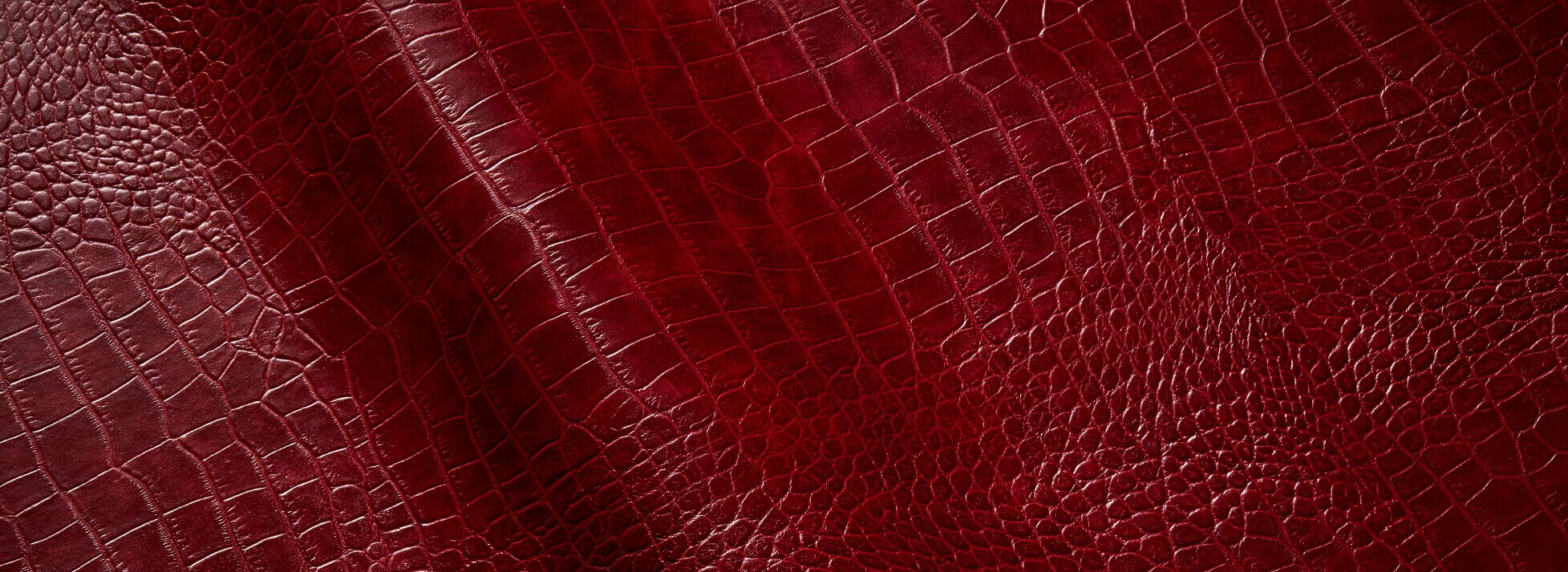
Material Insight: Automotive Seat Leather
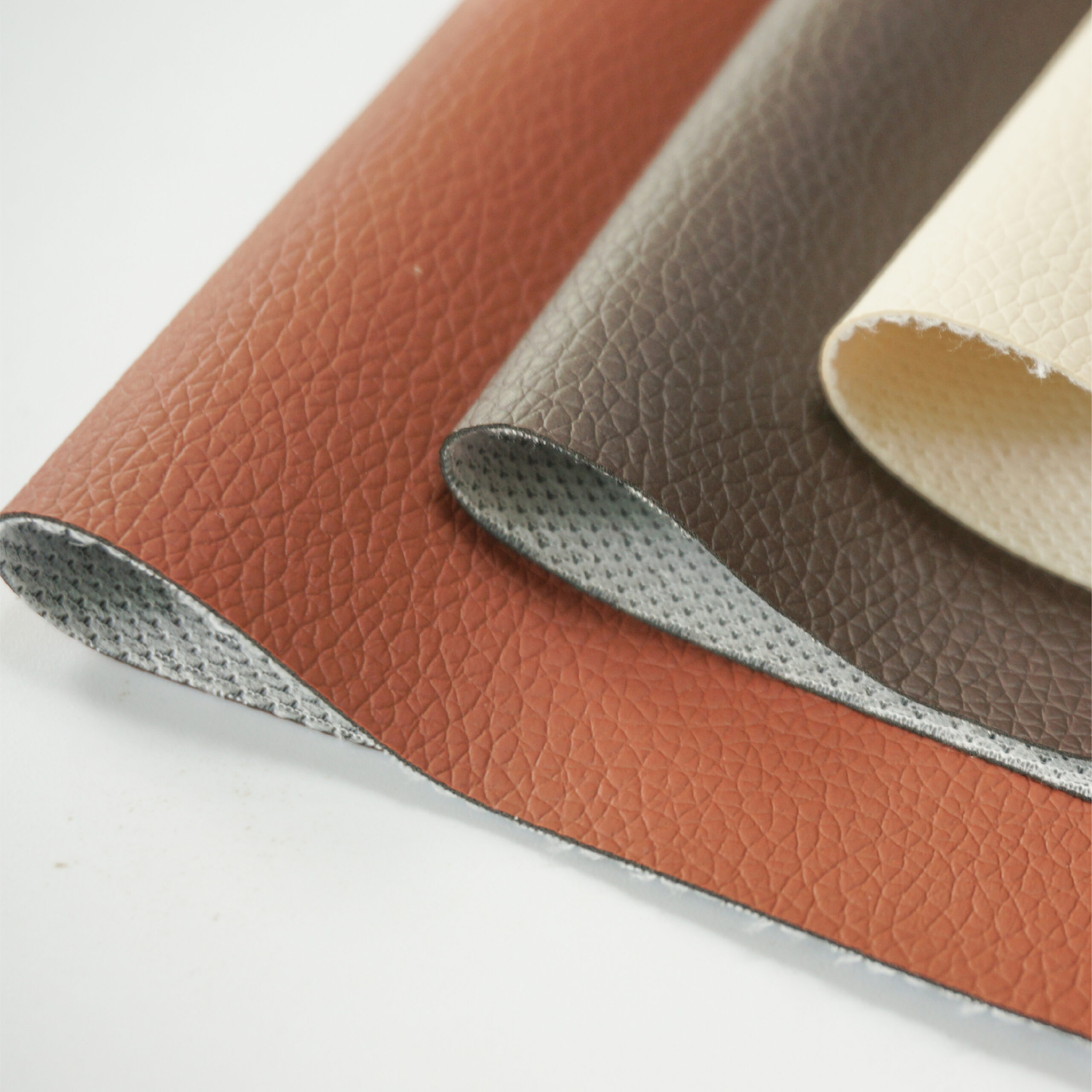
B2B Product Guide: Automotive Seat Leather
Introduction to Automotive Seat Leather
Automotive seat leather is a critical component in vehicle interior design, combining comfort, durability, and aesthetic appeal. As consumer expectations rise and vehicle interiors become more sophisticated, the demand for high-performance, sustainable, and premium materials has never been greater. Genuine and synthetic leather alternatives must meet stringent requirements for abrasion resistance, color fastness, UV stability, and long-term resilience under varying environmental conditions.
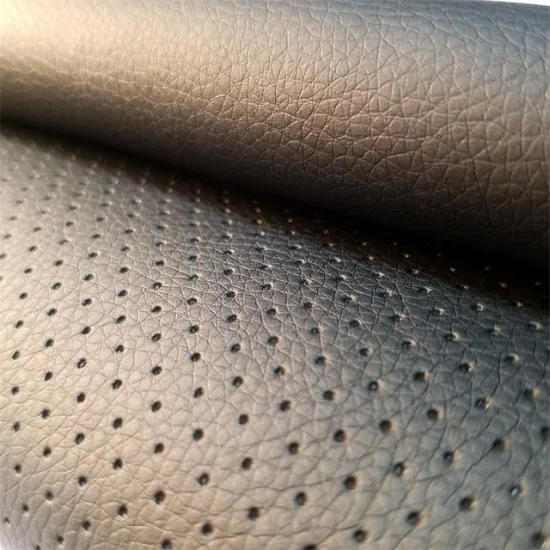
Among the available options, automotive-grade synthetic leather stands out as a superior choice—delivering the luxurious look and feel of natural leather while offering enhanced performance, consistency, and environmental benefits. Engineered for the rigors of daily use, synthetic leather provides excellent resistance to wear, cracking, and fading, making it ideal for both mass-market and premium vehicle segments.
Why Automotive Leather Is the Best Choice for This Application
- Consistent quality and texture across large production runs, ensuring uniform appearance in vehicle interiors.
- Superior durability with high resistance to abrasion, tearing, and environmental stressors such as heat, humidity, and UV exposure.
- Enhanced design flexibility—available in a wide range of colors, finishes, and textures to match OEM specifications.
- Lightweight properties contribute to improved fuel efficiency and reduced vehicle emissions.
- Eco-friendly production processes with low-VOC emissions and compliance with global environmental standards (e.g., REACH, RoHS).
- Animal-friendly and sustainable alternative to genuine leather, aligning with the automotive industry’s shift toward ethical and greener materials.
Introducing WINIW
WINIW is a leading innovator in high-performance synthetic leather solutions, with over 20 years of expertise in developing advanced materials for the automotive industry. Our state-of-the-art manufacturing processes and deep understanding of automotive requirements enable us to deliver premium synthetic leather that meets the highest standards of quality, safety, and sustainability.
We specialize in microfiber and PU-based synthetic leathers engineered specifically for seating, door panels, dashboards, and other interior applications. Partnering with global automotive manufacturers and tier suppliers, WINIW consistently delivers materials that combine luxury, functionality, and environmental responsibility—driving the future of interior innovation.
Technical Performance & Standards
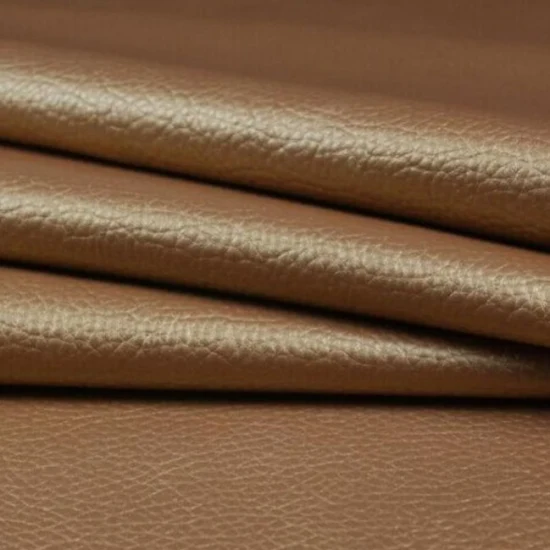
WINIW Automotive Seat Leather: Technical Performance & Compliance Guide
WINIW’s premium synthetic leather for automotive seating delivers uncompromising performance, sustainability, and regulatory adherence. Engineered for Tier 1 suppliers and OEMs, our material eliminates traditional leather’s variability while exceeding industry durability and environmental standards. Below are the core technical advantages validated through rigorous independent testing.
Key Technical Advantages
- Abrasion Resistant: Withstands 100,000+ Martindale cycles (ASTM D4966) without noticeable wear, ensuring longevity in high-use seating zones. Superior to standard PU leathers (typically 50,000 cycles) and comparable to top-grain leather, reducing replacement costs and warranty claims.
- UV Resistant: Passes 1,000+ hours of Xenon arc testing (ISO 105-B06) with <1 ΔE color change. Prevents fading, cracking, and surface degradation under prolonged solar exposure, critical for sunroof-equipped and convertible vehicle interiors.
- VOC Free: Emits <10 μg/m³ total VOCs (ISO 12219-2), well below automotive cabin air standards (e.g., VDA 276). Eliminates odor issues and health risks, supporting OEMs’ low-emission cabin initiatives.
- REACH Compliant: Fully conforms to EU REACH Regulation (EC) No 1907/2006, with all Substances of Very High Concern (SVHCs) below 0.1% threshold. Includes full disclosure of chemical composition for supply chain transparency.
- ISO 9001 Certified: Manufactured under an integrated quality management system audited to ISO 9001:2015. Guarantees batch-to-batch consistency, precise thickness tolerance (±0.1mm), and defect rates <0.5%.
Performance Specifications
The table below details WINIW’s automotive seat leather against critical industry benchmarks. All tests performed per OEM-specified protocols.
| Property | WINIW Standard | Test Method | Result |
|---|---|---|---|
| Abrasion Resistance | >100,000 cycles | ASTM D4966 | 120,000 cycles (no wear) |
| Light Fastness (UV) | >1,000 hours | ISO 105-B06 | 1,200 hours (ΔE < 0.8) |
| Total VOC Emissions | <10 μg/m³ | ISO 12219-2 | 6.2 μg/m³ |
| Tensile Strength | >30 MPa | ISO 1798 | 34.5 MPa |
| Tear Strength | >45 N | ISO 3377-2 | 52.1 N |
| REACH SVHC Compliance | Below 0.1% | EC 1907/2006 | Full compliance report |
| Thickness Tolerance | ±0.1 mm | ISO 2418 | ±0.08 mm |
WINIW’s material reduces total cost of ownership through extended lifespan, zero rework for VOC/REACH failures, and seamless integration into automated cutting systems. As a 100% animal-free solution, it aligns with global OEM sustainability roadmaps while meeting the most stringent technical demands of modern vehicle interiors. Request our full test dossier and sample swatches for engineering validation.
Why Choose Synthetic over Real Leather
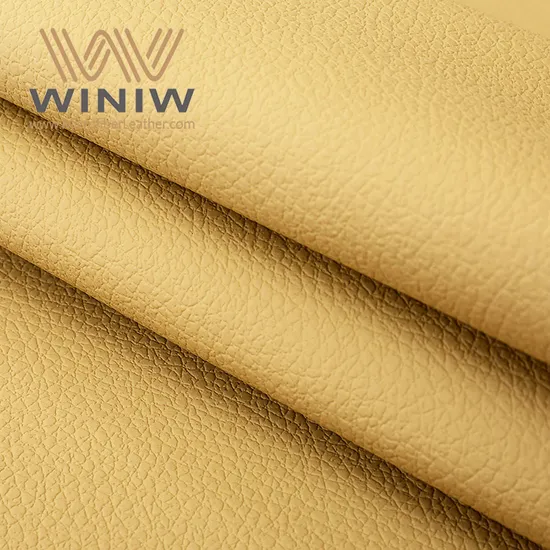
B2B Product Guide: Synthetic Automotive Seat Leather vs. Real Leather
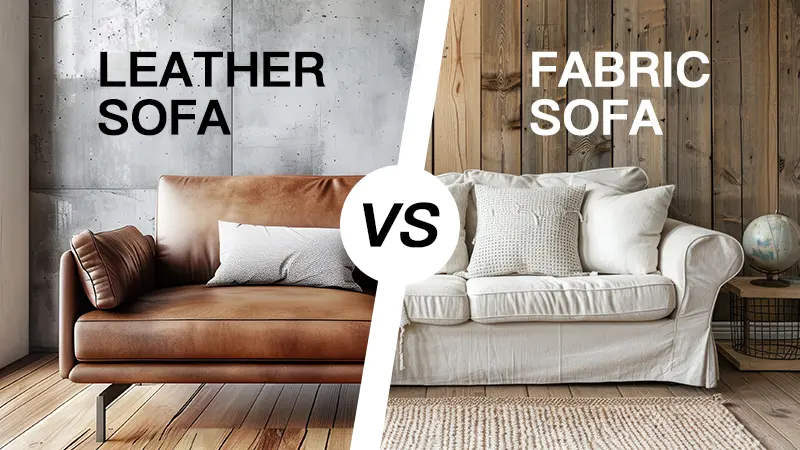
In the automotive manufacturing and interior design industry, selecting the right upholstery material is critical for balancing performance, cost, and sustainability. Two primary options dominate the market: synthetic automotive seat leather (such as PU or microfiber leather) and real (natural) leather. Each offers distinct advantages and trade-offs in terms of cost, durability, and environmental impact.
Synthetic automotive seat leather, developed using advanced polymer technologies like those from WINIW, is engineered to replicate the look and feel of real leather while offering enhanced consistency, design flexibility, and eco-efficiency. Real leather, derived from animal hides, has long been valued for its natural texture and premium perception but comes with higher environmental and ethical considerations.
Below is a comparative analysis of the two materials across key business and sustainability metrics.
| Category | Synthetic Automotive Seat Leather | Real Leather |
|---|---|---|
| Cost | Lower material and processing costs; consistent pricing | Higher due to raw material scarcity and labor-intensive tanning |
| Durability | High resistance to abrasion, UV, and staining; uniform structure ensures predictable performance | Variable quality; prone to cracking and fading over time; sensitive to UV and moisture |
| Eco-Friendliness | Lower carbon footprint; no animal sourcing; recyclable options available; reduced water and chemical use in production | High environmental cost; significant water usage, chemical pollution (e.g., chromium), and greenhouse gas emissions from livestock and tanning |
Key Advantages of Synthetic Automotive Seat Leather:
– Consistent texture and color batch-to-batch, improving manufacturing efficiency
– Lightweight properties contribute to vehicle energy efficiency
– Customizable finishes, textures, and colors to meet brand-specific design needs
– Compliant with global environmental standards (e.g., REACH, OEKO-TEX)
– Suitable for vegan and cruelty-free vehicle certification
Key Considerations for Real Leather:
– Perceived luxury and traditional appeal in premium vehicle segments
– Natural breathability and tactile qualities
– Longer biodegradation cycle but higher production footprint
– Subject to supply chain volatility due to agricultural dependencies
For automotive OEMs and tier suppliers focused on sustainability, cost control, and scalable production, synthetic automotive seat leather presents a high-performance, future-ready alternative to real leather. With continuous innovation in bio-based polymers and closed-loop manufacturing, synthetic leathers are setting new benchmarks in eco-friendly interior solutions.
WINIW Factory Capabilities
WINIW Synthetic Leather: Engineered for Global B2B Excellence
WINIW stands as a leading manufacturer of high-performance synthetic leather, engineered to meet the rigorous demands of global B2B partners. Our vertically integrated production ecosystem combines scale, innovation, and uncompromising quality assurance to deliver materials that exceed industry standards.
Core Manufacturing Strengths
- Advanced Production Capacity: Operates a 100,000 sqm state-of-the-art manufacturing facility, enabling large-volume production with agile scalability to support global supply chain requirements.
- Dedicated R&D Innovation: Houses a 120+ member technical team specializing in material science, sustainability engineering, and application-specific development. Annual R&D investment exceeds 5% of revenue, driving advancements in eco-conscious formulations and performance textiles.
- Certified Quality Assurance: Implements a 7-stage QC protocol aligned with ISO 9001 and IATF 16949 standards. Every batch undergoes rigorous testing for color fastness, abrasion resistance, chemical compliance, and physical durability before shipment.
- Global Compliance & Export Readiness: All materials meet stringent EU REACH, US CPSIA, and OEKO-TEX® STANDARD 100 requirements. Currently supplies 40+ countries, with 65% of exports destined for European and North American markets serving automotive, furniture, and luxury goods sectors.
Why Global Brands Partner with WINIW
WINIW’s vertically integrated model ensures traceability from raw material sourcing to finished product, eliminating supply chain vulnerabilities. Our eco-conscious manufacturing reduces water usage by 80% and CO₂ emissions by 45% compared to conventional processes, supporting partners’ ESG commitments without compromising performance. With 15+ years of export experience to regulated markets, we deliver consistent quality, on-time logistics, and technical collaboration for complex B2B projects.
Partner with WINIW for synthetic leather solutions where scale, sustainability, and scientific precision converge.
Contact Us for Samples
WINIW Automotive Microfiber Leather – Premium Synthetic Leather for Vehicle Interiors
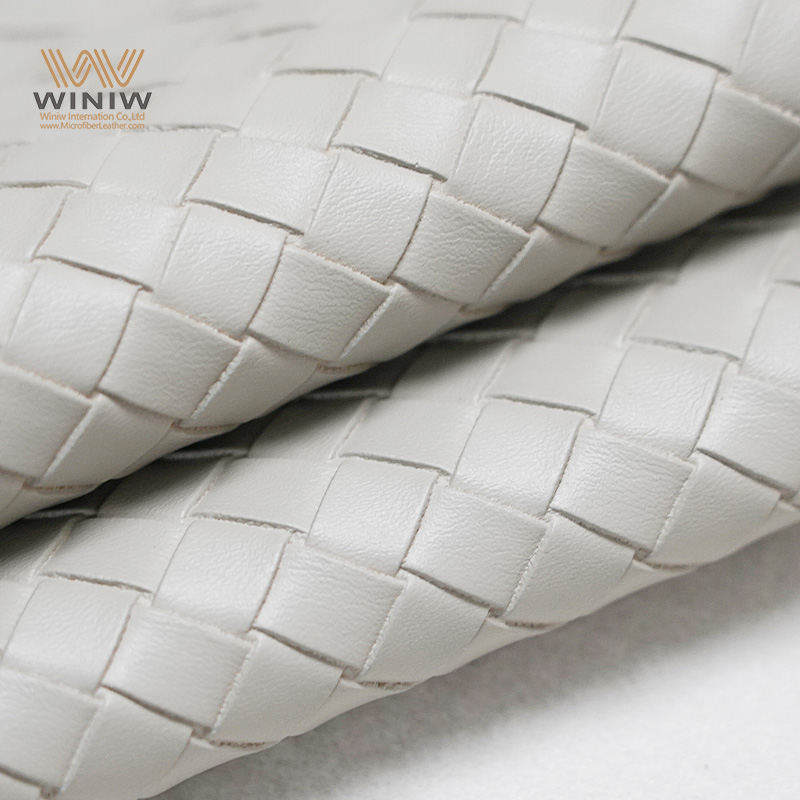
WINIW delivers high-performance, eco-friendly microfiber leather engineered specifically for automotive seating applications. Our advanced synthetic leather solutions combine durability, comfort, and sustainability to meet the rigorous demands of modern vehicle manufacturing. Trusted by leading automotive OEMs and Tier-1 suppliers, WINIW offers a sustainable alternative to genuine leather without compromising on aesthetics or performance.
Designed for both interior comfort and long-term resilience, WINIW automotive seat leather is ideal for luxury, electric, and mass-market vehicles. Our material supports lightweighting initiatives, enhances design flexibility, and aligns with global sustainability goals.
Key Features & Benefits
- Exceptional durability with high abrasion resistance (≥50,000 cycles Martindale)
- Superior tensile and tear strength for long-term seat integrity
- Excellent color fastness and UV resistance for consistent appearance
- Soft hand feel and premium texture comparable to top-grain leather
- Breathable structure enhances passenger comfort and reduces heat retention
- Lightweight—up to 30% lighter than natural leather, supporting fuel efficiency
- Seamless large-width formats (up to 1.5m) reduce waste and improve yield
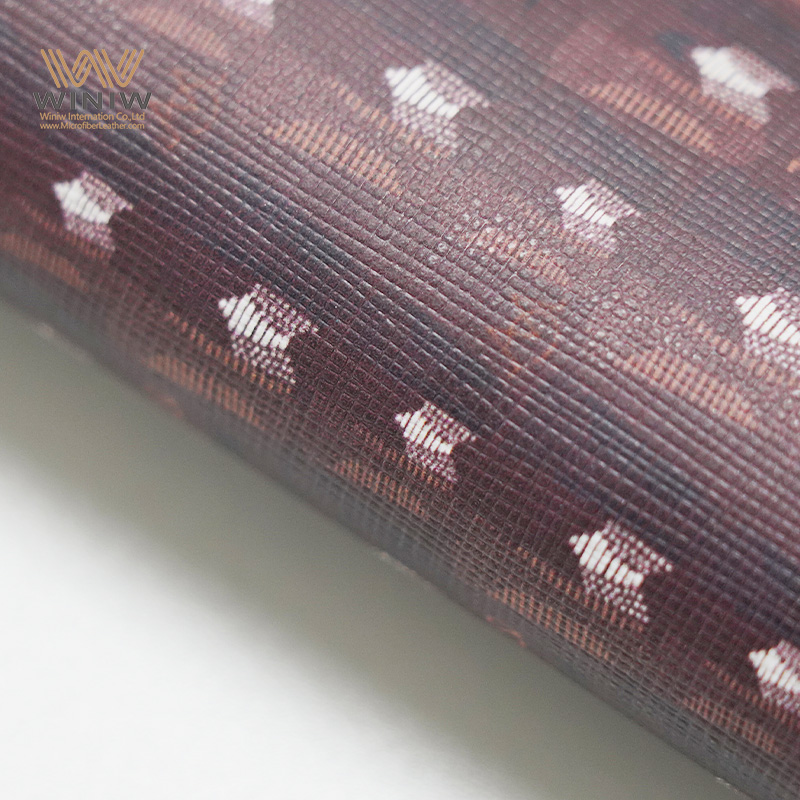
- Customizable embossing, color, and surface finishes to match brand identity
Sustainability Advantages
- Made from 100% non-animal, synthetic microfiber—cruelty-free and ethical
- Reduced carbon footprint compared to bovine leather production
- OEKO-TEX® STANDARD 100 certified—free from harmful substances
- Recyclable and compliant with automotive environmental standards (REACH, RoHS)
- Water-based, low-VOC production process supports indoor air quality (VDA 276 compliant)
Technical Specifications
| Property | Standard Test Method | Performance Value |
|---|---|---|
| Thickness | ISO 2417 | 1.0 – 1.8 mm |
| Tensile Strength | ISO 1766 | ≥25 MPa |
| Elongation at Break | ISO 1766 | ≥80% |
| Tear Strength | ISO 13934-1 | ≥80 N |
| Martindale Abrasion | ISO 12947-2 | ≥50,000 cycles |
| Color Fastness to Rubbing | ISO 105-X12 | Grade 4–5 (dry/wet) |
| Light Fastness | ISO 105-B02 | ≥6 (on Blue Scale) |
| Width | – | Up to 1.5 meters |
Applications
- Driver and passenger seat upholstery
- Center consoles and armrests
- Door panels and trim accents
- Headrests and rear-seat backs
- Electric vehicle (EV) interior systems
Why Choose WINIW for Automotive Seating?
- ISO 9001 and IATF 16949 certified manufacturing
- In-house R&D for rapid prototyping and customization
- Global supply chain with JIT delivery options
- Collaborative design support for seamless integration
Request Free Samples for Your Next Project
Experience the performance and premium feel of WINIW automotive microfiber leather firsthand. Free samples are available for qualified automotive manufacturers, designers, and suppliers.
Contact our technical sales team today:
MKT88@MicrofiberLeather.com
Elevate your vehicle interiors with sustainable innovation—choose WINIW.
💰 Leather Cost Savings Calculator
See how much you save by switching to WINIW Microfiber Leather.