

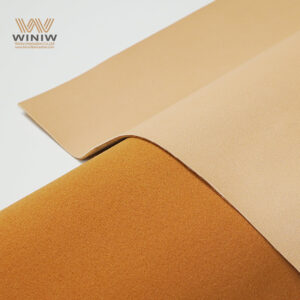
I see a revolution in fashion every time I spot a new leatherette vegan jacket or bag on the street. The rise of cactus and mushroom-based vegan leathers signals a shift toward more sustainable and ethical choices. Leatherette vegan materials now offer designers creative freedom and consumers peace of mind. The global vegan products market reached USD 583.3 billion in 2024 and continues to grow. Leatherette vegan options combine innovative design with a reduced environmental impact. I believe the evolution of vegan materials will keep changing what fashion means for everyone.
Key Takeaways
- Leatherette vegan materials are revolutionizing fashion by offering sustainable and ethical alternatives to traditional leather.
- Innovations in synthetic vegan leathers, like PU and PVC, have improved durability, breathability, and aesthetic appeal.
- Plant-based leathers, such as Desserto (cactus) and Piñatex (pineapple), provide unique properties and are more environmentally friendly.
- The vegan leather market is rapidly growing, projected to reach USD 26.8 billion by 2032, driven by consumer demand for sustainable products.
- High fashion brands are increasingly adopting synthetic vegan leather, making it a popular choice for luxury items.
- Transparency in sourcing and production is crucial; consumers should seek brands that clearly communicate their materials’ origins.
- Ongoing research in biotechnology and material science is paving the way for even more innovative and sustainable vegan leather options.
- Choosing cruelty-free and sustainable fashion not only supports animal welfare but also contributes to a healthier planet.
Leatherette Vegan Origins
Early Substitutes
19th-Century Inventions
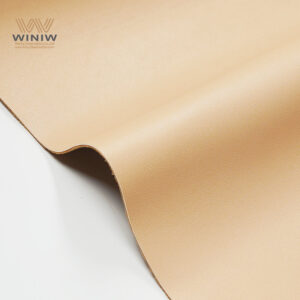
I find the story of artificial leather fascinating. In the 19th century, inventors searched for alternatives to animal hides. They wanted to create materials that looked and felt like leather but did not require animal products. Early artificial leather often used cloth coated with oils or rubber. These first attempts did not match the strength or appearance of real leather, but they opened the door for new ideas. People called these early materials pleather, a playful blend of “plastic” and “leather.” I see how these early pleather products offered a glimpse of what synthetic materials could become.
Post-war Developments
After World War II, the demand for affordable and accessible materials grew. Manufacturers needed alternatives to traditional leather for shoes, bags, and car interiors. They turned to synthetic options, especially pleather, to meet this need. I noticed that artificial leather became more common in everyday products. The industry experimented with different coatings and fabrics. Pleather gained popularity because it was cheaper and easier to produce than animal leather. These changes set the stage for the next wave of innovation.
Synthetic Vegan Leather Milestones
PVC and PU Leathers
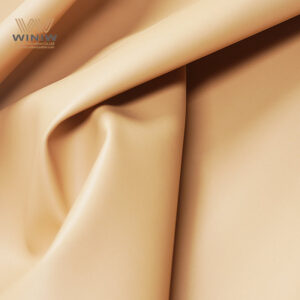
The real breakthrough came with the introduction of PVC and pu leather. I learned that PVC, or polyvinyl chloride, appeared first. It offered a waterproof and flexible surface, but it sometimes felt stiff and less breathable. Soon after, pu leather entered the market. This material, made from polyurethane, quickly became the standard for synthetic vegan leather. I see pu leather everywhere now, from jackets to handbags. It feels softer and more natural than earlier versions. Manufacturers use pu leather because it mimics the texture of real leather while staying animal-free. Pleather, as a term, often refers to both PVC and pu leather products. I notice that pleather and pu leather have become almost interchangeable in fashion conversations.
Texture and Durability Advances
Over time, synthetic vegan leathers improved in many ways. I want to highlight some key advances:
| Improvement Type | الوصف |
|---|---|
| المتانة | Enhanced manufacturing processes have led to stronger and longer-lasting synthetic leathers. |
| Breathability | New technologies have improved airflow, making synthetic options more comfortable to wear. |
| Aesthetic Appeal | Advances allow for a wider range of textures and colors, increasing visual appeal. |
| Customization | Synthetic leathers can be tailored in color, texture, and thickness for various applications. |
| Sustainability | Innovations in bio-based and recycled materials are addressing environmental concerns. |
I see how these improvements make pleather and pu leather more attractive to designers and consumers. Synthetic vegan leather now offers durability and style. I often choose pleather products because they come in many colors and textures. The ability to customize synthetic materials gives brands more creative freedom. I believe that as synthetic alternatives continue to evolve, they will replace traditional leather in even more products. Artificial leather, pleather, and pu leather now stand as strong alternatives to animal-based materials. I expect the next generation of synthetic vegan leather to push boundaries even further.
Vegan Leather Innovations
Plant-Based Materials
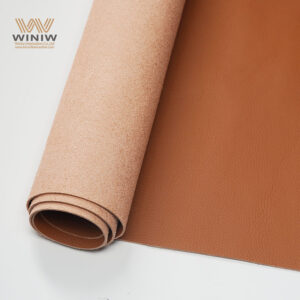
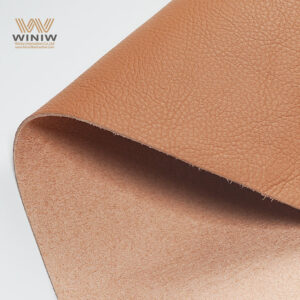
I have watched plant-based vegan leathers transform the fashion world. These materials come from unexpected sources and offer a real alternative to animal leather. I see more brands using these options because they combine sustainability with style. Each plant-based vegan leather brings unique properties to the table. I want to share a comparison of some of the most significant materials:
| Alternative Material | Properties | Sustainability Aspect |
|---|---|---|
| Piñatex | Made from waste pineapple leaf fiber | Most sustainable vegan leather commercially available |
| Leap Flex | Elongation rate of 130%, tensile strength of 8 MPa, flex resistance up to 50,000 times | Made from upcycled apple waste |
| Desserto | Cactus-based, free from polyurethane or plastic | Environmentally friendly alternative to traditional leather |
Cactus (Desserto)
I find cactus-based vegan leather, known as Desserto, especially impressive. This material uses mature cactus leaves, which grow with little water and no pesticides. I have seen how Desserto feels soft and flexible, much like animal leather. It stands out because it does not rely on plastics or harmful chemicals. Many designers now choose Desserto for bags, shoes, and even car interiors. I believe cactus-based vegan leather sets a new standard for eco-friendly innovation.
Mushroom Leather
Mushroom leather, often called mycelium leather, fascinates me. Mycelium grows quickly and can be shaped into sheets that mimic the look and feel of traditional leather. I have noticed that mushroom-based vegan leather is lightweight and strong. It also breaks down naturally, which helps reduce waste. I see more companies investing in mushroom leather because it supports both sustainability and innovation.
Apple and Other Sources
Apple-based vegan leather, like Leap Flex, uses leftover apple peels from the food industry. I appreciate how this approach turns waste into a valuable resource. Leap Flex offers impressive durability and flexibility, making it suitable for many products. I have also seen vegan leather made from grapes, corn, and even coffee grounds. These plant-based vegan leathers show how innovation can turn almost any plant material into a stylish, animal-free option.
Biotech Advances
Projects like FABULOSE
I have followed the rise of biotech innovation in vegan leather closely. Projects like FABULOSE lead the way in creating new animal-free materials.
- The FABULOSE project received €3.5 million in EU funding to develop sustainable vegan leather.
- The team uses biotechnologically produced cellulose, which comes from industrial CO2 and food waste.
- This approach reduces reliance on both animals and plastics, pushing the boundaries of what vegan leather can achieve.
I see biotech innovation as the next big leap for vegan fashion. Ongoing research continues to unlock new possibilities. I believe that as more companies invest in these technologies, vegan leather will become even more advanced and accessible. The future of fashion depends on this kind of bold innovation.
Synthetic Vegan Leather in Fashion

Design Shifts
New Creative Options
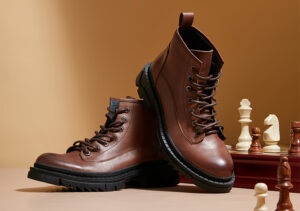
I have seen synthetic vegan leather spark a wave of creativity in fashion. Designers now have access to a wider range of textures, colors, and finishes than ever before. This material allows me to experiment with bold patterns and innovative shapes that traditional leather cannot achieve. I notice that plant-based vegan leather is gaining popularity because consumers care more about sustainability and ethical practices. The market for these materials grows rapidly as people demand eco-friendly options. I see that innovations in material science improve the quality and look of synthetic vegan leather, making it a favorite in luxury goods and accessories. Manufacturers invest heavily in research and development to create more durable and visually appealing options. This shift aligns with the growing trend toward sustainable alternatives in fashion.
- The plant-based vegan leather market is expanding quickly due to increased consumer awareness of sustainability and ethics.
- Advances in material science enhance the quality and aesthetics of vegan leather, leading to broader acceptance in luxury and mainstream fashion.
- Manufacturers focus on developing more durable and attractive synthetic vegan leather, supporting the move toward eco-friendly products.
Manufacturing Changes
The rise of synthetic vegan leather has transformed how I view production in the fashion industry. Brands now source materials like pineapple leaves and cork, which changes the entire supply chain. Factories adapt their processes to handle these new inputs. I see a clear move toward sustainable and ethical production methods. The industry now prioritizes animal-free and cruelty-free materials, which reflects a broader commitment to ethical values. Improvements in texture and durability also push manufacturers to upgrade their technology and processes. These changes make synthetic vegan leather more competitive and appealing for a wide range of applications.
| Evidence Description | Impact on Manufacturing Changes |
|---|---|
| The shift towards cruelty-free leather from plant-based materials like pineapple leaves and cork. | Indicates a move towards sustainable materials, altering sourcing and production methods in the fashion industry. |
| The industry is increasingly adopting sustainable, ethical, and animal-free materials. | Suggests a broader trend in manufacturing practices that prioritize ethical considerations in material selection. |
| Innovations improving texture and durability of synthetic vegan leathers. | Reflects advancements in manufacturing processes, enhancing product quality and market competitiveness. |
Brand Adoption
High Fashion
I have watched high fashion brands embrace synthetic vegan leather with enthusiasm. Luxury designers now use these materials in handbags, shoes, and even runway collections. I see that the improved quality and appearance of synthetic vegan leather make it suitable for high-end applications. Designers appreciate the flexibility and creative freedom it offers. Many luxury brands now highlight their use of vegan leather as a selling point, appealing to consumers who value both style and ethics. This shift signals a major change in the perception of synthetic materials within the fashion elite.
Mainstream Retailers
Mainstream retailers have also adopted synthetic vegan leather at a rapid pace. I notice that stores now offer a wide variety of faux leather jackets, bags, and accessories. These products attract shoppers who want affordable, stylish, and ethical options. The increased demand for vegan leather encourages retailers to expand their collections and invest in new designs. I see synthetic vegan leather used in everything from shoes to wallets, making it accessible to a broad audience. This widespread adoption helps normalize animal-free materials in everyday fashion.
Consumer Trends
Market Growth
I observe a strong surge in demand for synthetic vegan leather products. Consumers now prefer sustainable and ethical choices, which drives the market forward. The value of the vegan leather market is projected to reach USD 26.8 billion by 2032, with a compound annual growth rate of 11.7% from 2025 to 2032. This growth reflects the expanding use of plant-based materials and ongoing technological innovation. I see more brands investing in synthetic vegan leather to meet this rising demand. The market for synthetic vegan leather is expected to grow from 4.95 billion USD in 2024 to 19.38 billion USD by 2033, with a compound annual growth rate of 16.7%. Advancements in biotechnology and consumer interest in sustainable products fuel this rapid expansion.
- The synthetic vegan leather market will grow from 4.95 billion USD in 2024 to 19.38 billion USD by 2033.
- This represents a compound annual growth rate of 16.7%.
- Rising consumer demand for sustainable products and advancements in biotechnology drive this growth.
Changing Values
I notice a clear shift in consumer values toward sustainability and ethics. More people care about animal rights and want cruelty-free fashion. This change drives the demand for vegan leather and synthetic vegan leather products. Government initiatives that promote sustainability encourage brands to adopt vegan leather options. The fashion industry now integrates more sustainable materials, including synthetic vegan leather, to meet consumer expectations. I see the plant-based vegan leather market expanding quickly as people become more aware of environmental and ethical issues. Innovations in material science lead to more durable and attractive products. Manufacturers invest in research and development to create eco-friendly alternatives to traditional leather. The demand for synthetic vegan leather continues to rise as consumers seek products that align with their values.
- There is a notable increase in consumer ethical values and animal rights activism, which are key factors driving the demand for vegan leather.
- Government initiatives that promote sustainability encourage brands to adopt vegan leather options.
- The fashion industry is increasingly integrating sustainable materials, including vegan leather, to align with consumer expectations.
- The plant-based vegan leather market is rapidly expanding due to heightened consumer awareness regarding sustainability and ethical issues.
- Innovations in material science are leading to the development of durable and appealing vegan leather products.
- The demand for eco-friendly alternatives to traditional leather is prompting significant investment in research and development by manufacturers.
🌱 I believe synthetic vegan leather is not just a trend. It represents a fundamental change in how we think about fashion, production, and our impact on the world.
Sustainability Impact
Environmental Benefits
Biodegradability
I have seen many people ask if vegan leather is better for the environment than traditional leather. When I look at plant-based and plastic-free leather, I notice a clear advantage in biodegradability. Many new vegan materials, like mushroom and apple leather, break down naturally. These options do not linger in landfills for decades. I find that plastic-free leather supports a healthier eco-cycle of production. Traditional leather, on the other hand, often uses harsh chemicals in tanning. These chemicals can harm the environment and water sources. I believe that choosing biodegradable vegan materials helps reduce the environmental impact of fashion.
Reduced Carbon Footprint
I always consider the carbon footprint of the products I buy. Synthetic vegan leather, especially when made from plant sources, usually requires less energy and water than animal leather. The production of traditional leather involves raising livestock, which releases greenhouse gases and uses large amounts of land and water. By switching to sustainable alternative materials, I see a real drop in environmental harm. Many brands now focus on sustainable practices to lower their carbon emissions. I notice that eco-friendly products made from vegan leather support a cleaner environment and promote eco-friendliness in the industry.
Challenges
Plastics and Recycling
While I support the move toward vegan and synthetic materials, I recognize some challenges. Many synthetic vegan leathers, such as those made from PVC and PU, contain plastics. These plastics can release microplastics into the environment. I worry about the long-term effects on the environment and wildlife. Recycling also poses a problem. Many areas lack proper recycling systems for synthetic vegan leather. This makes it hard to keep these materials out of landfills. Here are some key issues I have noticed:
- The vegan leather industry struggles with the environmental consequences of materials such as PVC and PU, which are known to release microplastics.
- There is a significant challenge due to inadequate recycling systems in many areas, making it difficult to recycle these materials effectively.
I believe that the industry must invest in better recycling infrastructure and develop more plastic-free leather options to improve sustainability.
Industry Barriers
I have learned that the path to wider adoption of sustainable vegan leather faces several barriers. The industry must overcome supply chain disruptions and high research and development costs. Many producers cannot reach industrial-scale output because of these expenses. I see that current synthetic materials sometimes lack the durability needed for everyday use. This means more innovation is necessary. The table below shows some of the main barriers I have observed:
| Barrier Type | الوصف |
|---|---|
| Supply Chain Disruptions | Interruptions in the supply chain hinder the availability of sustainable vegan leather alternatives. |
| High R&D Costs | Significant investment is required for research and development to create viable alternatives. |
| Technological Advancements Needed | Current materials may lack the durability required for widespread use, necessitating innovation. |
| Supply Chain Fragmentation | Fragmented supply chains complicate the production and distribution of sustainable materials. |
| High R&D Costs | Only a small percentage of producers can achieve industrial-scale output due to costs. |
I believe that overcoming these barriers will require a strong commitment to sustainable practices and innovation. The industry must work together to create more eco-friendly and plastic-free leather options. I see a future where synthetic vegan leather supports both the environment and the values of eco-conscious consumers.
Animal Welfare and Ethics
Cruelty-Free Fashion
I have always cared about the treatment of animals in the fashion industry. When I learned about synthetic materials, I saw a real opportunity to support cruelty-free alternatives. Synthetic vegan leather gives me a way to enjoy stylish products without supporting animal suffering. I notice that many people now choose synthetic options because they want to avoid animal-derived counterparts. These choices help reduce the demand for animal hides and lower the environmental impact of fashion.
I see more brands promoting cruelty-free alternatives in their collections. They use synthetic materials to create shoes, bags, and jackets that look and feel like traditional leather. I find that these products often match or even surpass the quality of animal-derived counterparts. When I wear synthetic vegan leather, I feel confident that my choices align with my values. I believe that cruelty-free fashion is not just a trend. It represents a shift in how we think about style, ethics, and responsibility.
Choosing cruelty-free alternatives lets me express my style while supporting animal welfare and a better future for fashion.
Transparency
I have noticed that transparency has become a key issue in the world of synthetic vegan leather. Many people want to know the true composition of vegan leather before they buy. I always check labels and brand statements to make sure I understand what I am purchasing. Some companies use synthetic materials that look like vegan options but may still contain animal-derived ingredients. I believe that clear information helps me make better choices.
Leading fashion brands now focus on transparency and ethical sourcing in their synthetic vegan leather production. I see companies like GreenSkin and EarthSkin setting high standards for supply chain transparency. They make it easy for me to trace the origins of raw materials and understand how products are made. When I shop, I look for brands that value traceability and honest communication.
- Brands highlight transparent supply chains for synthetic vegan leather.
- Companies evaluate vendors based on supply chain transparency and traceability of raw materials.
- I trust brands that share clear details about the true composition of vegan leather.
I think transparency builds trust between brands and consumers. It also encourages more companies to adopt ethical practices. As the demand for synthetic vegan leather grows, I expect even more focus on honest labeling and responsible sourcing.
Future of Synthetic Vegan Leather
Ongoing Research
I see the future of synthetic vegan leather shaped by rapid advances in research and technology. Scientists and engineers now use artificial intelligence to improve synthetic leather formulations. These new methods help create materials that perform better and last longer. I notice that automation in production lines also reduces costs and improves quality. Many companies now focus on recycling synthetic materials to make eco-friendly products. I find that bio-based synthetic leathers, made from renewable resources, are gaining attention as well. The table below shows some of the most promising areas of ongoing research:
| Area of Research | Key Advancements |
|---|---|
| Material Optimization | AI algorithms improve synthetic leather formulations for better performance. |
| Production Efficiency | AI-enabled automation reduces manufacturing costs and enhances quality control. |
| Design Personalization | AI tools facilitate bespoke interior designs tailored to consumer preferences. |
| Recycled Synthetic Leathers | Development of eco-friendly materials through recycling initiatives. |
| Bio-based Synthetic Leathers | Innovations in creating materials from renewable resources. |
I believe these research efforts will make synthetic materials more sustainable and appealing. The future of synthetic vegan leather depends on continued innovation in these areas.
Mainstream Adoption
I have watched synthetic vegan leather move from niche markets to mainstream fashion and beyond. More brands now use synthetic materials in their collections. I see consumers choosing synthetic options for their durability, style, and ethical appeal. The future of synthetic vegan leather looks bright as more people demand cruelty-free products. I expect to see synthetic materials in everything from shoes and bags to furniture and electronics. Companies now invest in marketing and education to show the benefits of synthetic alternatives. I think this trend will only grow as technology improves and prices become more competitive.
Industry Transformation
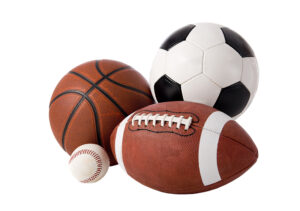
I believe the future of synthetic vegan leather will transform many industries, not just fashion. Automakers now seek eco-friendly interior materials for their vehicles. This shift drives the growth of the synthetic leather market. I see rising consumer demand for cruelty-free and sustainable products. Many industries, including automotive, now explore synthetic leather options. Furniture makers, tech companies, and even sports equipment brands join this movement. The future of synthetic vegan leather will depend on how well these industries adopt and promote new materials.
🌟 I feel excited about the changes ahead. The future of synthetic vegan leather promises more sustainable choices, better products, and a positive impact on the world.
Global Trends
Regional Adoption
I have noticed that the adoption of synthetic vegan leather varies greatly around the world. In Europe, I see many fashion brands leading the way. Countries like Italy, France, and Germany invest heavily in research and development. They produce high-quality synthetic materials and set trends for the rest of the world. I often find that European consumers care deeply about sustainability and animal welfare. This drives demand for synthetic options in both luxury and everyday products.
In North America, I observe a strong focus on innovation. Many companies in the United States and Canada use synthetic vegan leather in shoes, bags, and even car interiors. I see big brands promoting their use of synthetic materials as a selling point. The market here grows quickly because consumers want cruelty-free and eco-friendly choices.
Asia shows a different pattern. I see rapid growth in countries like China, Japan, and South Korea. Manufacturers in these regions produce large volumes of synthetic leather for both local and global markets. I notice that Asian consumers value affordability and style. Synthetic materials help brands meet these needs. In India, I see a rise in plant-based and synthetic vegan leather, especially among younger shoppers.
Here is a quick comparison:
| Region | Key Trends |
|---|---|
| Europe | Focus on quality, sustainability, and luxury |
| North America | Innovation, ethical branding, fast market growth |
| Asia | High production, affordability, rising demand |
I believe that regional differences shape how synthetic vegan leather evolves and spreads worldwide.
Cultural Shifts
I have seen cultural attitudes toward synthetic materials change over time. In the past, many people viewed synthetic leather as a cheap substitute. Now, I see a growing respect for its role in sustainable fashion. Young people, in particular, drive this shift. They want products that reflect their values. I notice that social media plays a big part in spreading awareness. Influencers and celebrities often showcase synthetic vegan leather in their outfits.
Many cultures now celebrate cruelty-free and eco-friendly choices. I see fashion weeks in major cities highlighting synthetic materials on the runway. Designers use synthetic leather to express creativity and responsibility. I also notice that traditional views about luxury are changing. People now see synthetic options as modern and desirable.
- More consumers ask about the origins of their clothing.
- Brands respond by sharing information about synthetic materials.
- Schools and universities teach about sustainability in fashion.
I feel inspired by these cultural shifts. They show that synthetic vegan leather is not just a trend. It represents a new way of thinking about style, ethics, and the environment.
I have seen leatherette vegan materials change fashion in many ways. Designers now use these materials for handbags, wallets, and footwear. The table below shows how these changes impact the industry:
| التطبيق | الوصف | Impact on Fashion Industry |
|---|---|---|
| Handbags, Wallets | Innovative designs and color options | Appeals to consumers seeking stylish, affordable products |
| Footwear | Variety of styles with ethical standards | Supports the rise of cruelty-free fashion choices |
I notice more people want sustainable and cruelty-free products. The global Vegan Leather Market could reach USD 26.8 billion by 2032. I feel excited to see plant-based materials like pineapple leaves and cork become more common. I encourage you to think about your choices and support brands that value ethics and innovation. Will the next big trend in fashion come from a new vegan material?
الأسئلة الشائعة
What is leatherette vegan material?
I describe leatherette vegan material as a synthetic or plant-based alternative to animal leather. It mimics the look and feel of real leather. I often see it made from polyurethane, PVC, or innovative plant fibers like cactus or apple.
How durable is vegan leather compared to real leather?
I find that high-quality vegan leather can last several years with proper care. It resists cracking and fading. While traditional leather may age differently, many vegan options now offer impressive durability for daily use.
Can I recycle vegan leather products?
I notice that recycling vegan leather depends on the material. Plant-based leathers break down more easily. Synthetic types like PVC or PU often require special recycling programs. I always check local guidelines before disposing of these items.
Is vegan leather waterproof?
I have tested many vegan leather products. Most synthetic versions, such as PU and PVC, resist water well. Plant-based leathers may need extra care. I recommend checking the care label for specific instructions.
Does vegan leather feel like real leather?
I often compare the two. Modern vegan leathers feel soft and flexible. Some plant-based options closely mimic the texture of animal leather. I suggest touching samples in-store to find your favorite.
How do I clean and care for vegan leather?
I usually wipe vegan leather with a damp cloth. For stains, I use mild soap and water. I avoid harsh chemicals. I keep products away from direct sunlight to prevent fading.
Are vegan leathers more sustainable than animal leather?
I believe many vegan leathers, especially plant-based ones, have a lower environmental impact. They use fewer resources and avoid animal cruelty. However, I always research the specific material to ensure it aligns with my values.
What products use leatherette vegan materials?
I see vegan leather in handbags, shoes, jackets, wallets, and even car interiors. Many brands now offer a wide range of stylish and ethical options. I enjoy exploring new products made from these innovative materials.