
Cleaning Nubuck Safety Shoes proves simple when users follow the correct steps. Gentle cleaning techniques protect the material and extend the lifespan of the shoes. Regular care allows shoes to maintain a professional appearance at work and home. Anyone can clean these shoes with confidence using recommended methods.
Consistent, gentle care ensures Nubuck stays supple and durable for years.
Key Takeaways
- Use a horsehair brush regularly to remove dust and dirt without damaging the nubuck material.
- A nubuck eraser effectively removes stubborn marks and scuffs; use it on dry shoes for best results.
- Apply a specialized suede-nubuck cleaner for deep cleaning, ensuring it does not alter the color of the shoes.
- Condition nubuck shoes every few months to maintain their softness and prevent cracking.
- Waterproofing spray protects nubuck from moisture and stains; reapply every four to six weeks for ongoing protection.
- Prepare shoes for cleaning by removing laces and insoles to ensure thorough cleaning and hygiene.
- Inspect shoes regularly for stains or damage; early detection allows for prompt treatment.
- Store nubuck shoes in a cool, dry place and avoid direct sunlight to prevent fading and damage.
Essential Tools for Nubuck Safety Shoes
Horsehair Brush
A horsehair brush stands as a fundamental tool for maintaining nubuck safety shoes. The soft, natural bristles lift away surface dust and dirt without scratching or damaging the delicate nap. Regular brushing keeps the shoes looking fresh and prevents debris from embedding into the material. Professionals recommend using gentle, even strokes to preserve the texture and appearance of nubuck. This brush also helps restore the natural fibers after cleaning, ensuring the shoes retain their signature velvety finish.
Tip: Always use a dedicated horsehair brush for nubuck to avoid transferring oils or residues from other materials.
Nubuck Eraser
A nubuck eraser targets stubborn marks and scuffs that brushing alone cannot remove. This specialized eraser gently rubs away surface stains, restoring the original look of the leather. It works best on dry shoes, as moisture can cause the eraser to smear dirt rather than lift it. Users should apply light pressure and work in small, circular motions for the best results. The nubuck eraser proves especially useful for spot treatments between deeper cleaning sessions.
Suede-Nubuck Cleaner
A suede-nubuck cleaner provides a safe and effective solution for deep cleaning. These cleaners use gentle formulas designed specifically for delicate materials. The right cleaner removes embedded dirt and stains without altering the color or damaging decorative elements. Many modern suede-nubuck cleaners feature eco-friendly, non-toxic ingredients, making them safe for both the user and the environment.
- The cleaning formula is safe for suede and nubuck.
- Eco-friendly, non-toxic ingredients protect all materials.
- The cleaner effectively cleans delicate materials like suede and nubuck without changing their color or damaging decorative elements.
Choosing a high-quality suede-nubuck cleaner ensures shoes remain in top condition after each clean. Always follow the manufacturer’s instructions for application and drying to achieve the best results.
Leather Conditioner
Leather conditioner plays a vital role in maintaining the suppleness and durability of nubuck safety shoes. Unlike standard leather, nubuck features a soft, velvety surface that can dry out or crack if neglected. A high-quality conditioner designed for nubuck nourishes the fibers and prevents premature aging.
Professionals recommend applying conditioner sparingly. Too much product can saturate the material and alter its texture. The best approach involves using a small amount on a clean, soft cloth and working it gently into the surface. This method ensures even coverage and avoids over-conditioning.
Note: Always test the conditioner on a hidden area first. Some products may darken the nubuck slightly.
A regular conditioning routine offers several benefits:
- Maintains the natural flexibility of the leather.
- Reduces the risk of cracks and splits.
- Enhances resistance to daily wear and tear.
- Preserves the rich color and velvety nap.
Conditioning should occur every few months or after deep cleaning sessions. Shoes exposed to harsh environments may require more frequent care. By investing in a quality conditioner, users extend the life of their nubuck safety shoes and keep them looking professional.
Waterproofing Spray
Waterproofing spray acts as a protective shield for nubuck safety shoes. Nubuck, by nature, absorbs moisture easily. Without protection, water, mud, and spills can stain or damage the surface. A specialized waterproofing spray creates an invisible barrier that repels liquids while allowing the material to breathe.
To apply, users should hold the spray can about six inches from the shoe and coat the surface evenly. It is important to cover all exposed areas, including seams and stitching. After application, shoes should air dry completely before use.
Tip: Apply waterproofing spray in a well-ventilated area to avoid inhaling fumes.
Key advantages of using waterproofing spray include:
- Shields shoes from rain, snow, and accidental spills.
- Prevents water stains and salt marks.
- Makes cleaning easier by reducing dirt absorption.
- Maintains the original appearance of the nubuck.
Regular reapplication ensures ongoing protection. Most experts suggest treating shoes every four to six weeks, especially during wet seasons. By incorporating waterproofing spray into their care routine, users safeguard their investment and ensure their nubuck safety shoes remain reliable in any environment.
Preparing to Clean Nubuck Shoes
Before starting the cleaning process, proper preparation ensures the best results and protects the integrity of nubuck safety shoes. Each step in the preparation phase contributes to a more effective and safe cleaning experience.
Remove Laces and Insoles
Removing laces and insoles is the first step in preparing nubuck safety shoes for cleaning. This simple action offers several advantages:
- It allows for better access to all areas of the shoe, ensuring a more thorough clean.
- It prevents the laces from tangling during the washing process.
- It protects delicate components of the shoes from potential damage during cleaning.
Laces and insoles often collect dirt and sweat. Cleaning them separately helps maintain overall shoe hygiene. Users should hand wash laces in mild soap and water, then let them air dry. Insoles, if removable, benefit from a gentle wipe with a damp cloth and mild detergent. Allow both to dry completely before reinserting them.
Tip: Place laces in a mesh laundry bag to prevent loss or tangling during washing.
Brush Off Dust and Dirt
Brushing off dust and dirt is a crucial step before applying any gentle cleaning techniques. A horsehair brush works best for this task. The soft bristles lift loose particles from the nubuck surface without causing abrasion. Brushing should start at the toe and move toward the heel, using short, even strokes. This method prevents dirt from embedding deeper into the material.
Regular brushing not only keeps shoes looking fresh but also prepares the surface for deeper cleaning. It removes debris that could otherwise scratch or damage the delicate nap during later steps.
Inspect for Stains or Damage
After removing surface dirt, a careful inspection helps identify stains, scuffs, or areas of wear. Users should check seams, stitching, and high-contact zones for any signs of damage. Early detection allows for targeted treatment and prevents minor issues from becoming major problems.
A well-lit area makes it easier to spot discoloration or marks on nubuck. If stains appear, note their location and type. This information guides the selection of appropriate cleaning products and methods. Addressing stains promptly increases the chances of successful removal and preserves the shoe’s appearance.
Note: Always handle nubuck with clean hands to avoid transferring oils or dirt during inspection.
Preparing shoes with these steps sets the foundation for effective cleaning. Proper preparation ensures that gentle cleaning techniques deliver the best results and extend the life of nubuck safety shoes.
Step-by-Step Clean Nubuck Safety Shoes
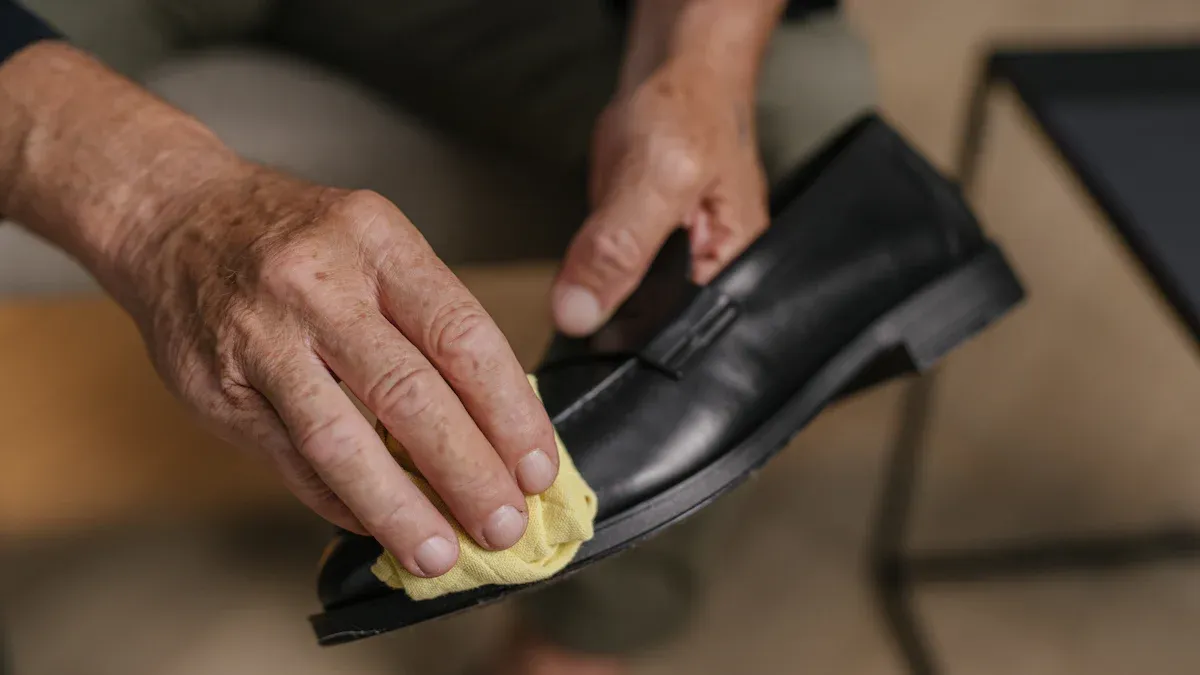
Dry Brushing
Dry brushing stands as the first and most essential step in cleaning nubuck shoes. This process removes loose dirt and prepares the surface for deeper cleaning. Regular dry brushing prevents debris from embedding into the material, which can cause long-term damage.
Brushing Techniques
A horsehair brush works best for cleaning nubuck shoes. The user should hold the shoe firmly and use gentle, even strokes. Short, brisk movements lift dust and dirt from the nap without flattening the fibers. Brushing in one direction helps maintain the uniform appearance of the material. For stubborn spots, a back-and-forth motion can dislodge particles trapped in the texture.
Tip: Always brush nubuck when it is completely dry. Moisture can cause dirt to smear and settle deeper into the fibers.
Focus Areas
Certain areas of nubuck safety shoes collect more dirt than others. The toe box, heel, and seams often show the most buildup. The user should pay extra attention to these zones during cleaning. Brushing around the eyelets and along the sole edge ensures a thorough clean. Consistent focus on high-contact areas keeps the entire shoe looking fresh.
Spot Cleaning with Eraser
After dry brushing, some marks or scuffs may remain. A nubuck eraser targets these stubborn spots. The user should gently rub the eraser over the affected area using small, circular motions. This action lifts stains without damaging the nap. For best results, the shoe must stay dry during this step. Excessive pressure can flatten the fibers, so a light touch works best.
Spot cleaning with an eraser proves effective for removing pencil-like marks, minor scuffs, and surface stains. If the eraser leaves behind residue, a quick brush with the horsehair brush restores the texture.
Deep Clean with Cleaner
Some situations require a deeper approach to cleaning nubuck shoes. Embedded dirt, heavy stains, or overall dullness signal the need for a specialized cleaner. Using a suede-nubuck cleaner ensures the material stays safe and the color remains vibrant.
Applying Cleaner
The user should shake the cleaner bottle and apply a small amount to a clean, soft cloth or sponge. Working in sections, they should gently rub the cleaner onto the nubuck using circular motions. It is important to avoid soaking the material. Excess moisture can cause water stains or alter the nap. The user should cover the entire shoe evenly, paying extra attention to stained or dirty areas.
Note: Always test the cleaner on a hidden part of the shoe before full application. Some products may slightly darken the nubuck.
Air Drying Shoes
After cleaning nubuck shoes with a cleaner, proper drying is crucial. The user should place the shoes in a well-ventilated area away from direct sunlight or heat sources. High temperatures can shrink or warp the material. Air drying preserves the natural shape and texture of the shoes. Stuffing the shoes with paper towels helps them retain their form and absorb excess moisture.
Patience during the drying process ensures the best results. Rushing with artificial heat can damage the delicate fibers. Once dry, a final brush with the horsehair brush restores the nap and prepares the shoes for conditioning and protection.
Reminder: Never use a hair dryer, radiator, or direct sunlight to dry nubuck. Air drying keeps the material healthy and long-lasting.
By following these steps, anyone can clean nubuck shoes effectively and maintain their professional appearance. Consistent care and the right techniques extend the life of nubuck safety shoes and keep them looking their best.
Restore Nap
Brushing to Lift Fibers
After every clean, restoring the nap of nubuck safety shoes becomes essential. The nap refers to the soft, raised fibers that give nubuck its signature velvety texture. Over time, these fibers can become flat or matted, especially after exposure to dirt or moisture. Gentle brushing revives the nap and enhances both the look and feel of the shoes.
A horsehair brush works best for this process. The user should hold the shoe steady and use light, even strokes across the surface. Brushing in multiple directions helps lift the fibers and prevents the leather from appearing worn or dull. This technique also removes any remaining dust, ensuring the shoes stay fresh after each clean.
- Restoring the nap enhances the shoes’ appearance by reviving their natural softness.
- The process prevents the leather from becoming flat or matted, which can detract from its visual appeal.
- Gentle brushing is essential to lift dirt and restore the texture, maintaining both aesthetic and functional qualities.
Consistent attention to the nap keeps nubuck safety shoes looking professional and comfortable. Regular brushing not only maintains the material’s softness but also extends the life of the shoes.
Apply Conditioner and Protection
Using Leather Cream
Conditioning plays a vital role in the care of nubuck safety shoes. Specialized shoe creams, such as Saphir Médaille D’Or, provide nourishment to the leather while enhancing shine and water resistance. The user should apply a small amount of cream to a clean, soft cloth and work it gently into the surface. This step ensures the conditioner reaches the fibers without oversaturating the material.
Using a high-quality conditioner improves the durability of nubuck safety shoes. The product helps prevent the leather from drying out or cracking, which can occur after repeated exposure to harsh environments. Conditioning also supports the shoe’s ability to repel water and maintain its original color.
Note: Always test the conditioner on a hidden area before full application. Some creams may slightly darken the nubuck.
Waterproofing Spray
Protection remains the final step in the care routine. A waterproofing spray creates an invisible barrier that shields the shoes from moisture, stains, and everyday wear. The user should hold the spray can six inches from the shoe and apply an even coat, covering all exposed areas. Allowing the shoes to air dry after spraying ensures the protective layer sets properly.
Waterproofing not only guards against rain and spills but also makes future clean efforts easier. Treated nubuck resists dirt and stains, helping the shoes retain their professional appearance. Regular reapplication, especially during wet seasons, keeps the protection effective.
By following these steps, anyone can maintain the texture, durability, and appearance of nubuck safety shoes. Proper care ensures the shoes remain comfortable and reliable for daily use.
Stain Removal for Nubuck Shoes
Water and Salt Stains
Water and salt stains often appear on nubuck shoes after exposure to rain, snow, or de-icing chemicals. These stains can leave unsightly marks and may cause discoloration if not treated promptly. Proper removal techniques help preserve the shoe’s appearance and prevent long-term damage.
To safely remove water and salt stains from nubuck, follow these steps:
- Act Fast: Blot the affected area with a clean, dry cloth as soon as possible. Quick action prevents moisture from soaking deeper into the material.
- Use a Damp Sponge or Cloth: Gently wipe the stained area with a slightly damp sponge. Avoid soaking the shoe, as excess water can damage the delicate fibers.
- Treat Tougher Stains: For persistent marks, use a colorless gum eraser or a suede brush. Work gently to lift the stain without harming the nap.
- Avoid Soaking or Harsh Chemicals: Never immerse nubuck shoes in water or use bleach. These actions can cause irreversible damage and discoloration.
Tip: Always allow shoes to air dry naturally after cleaning. Direct heat or sunlight can warp the material and set stains.
Consistent care and immediate attention to water and salt stains help maintain the original look of nubuck footwear. Regular inspection and gentle cleaning keep shoes looking professional and extend their lifespan.
Scuffs and Scratches
Scuffs and scratches often appear on nubuck safety shoes after regular use in demanding environments. These marks can diminish the professional look of the footwear and may lead to deeper damage if left untreated. Addressing scuffs and scratches promptly helps maintain the integrity and appearance of nubuck.
Identifying Scuffs and Scratches
Scuffs usually present as lighter or shinier patches where the nap has flattened or rubbed away. Scratches create visible lines or grooves in the surface. Workers often notice these imperfections on high-contact areas such as the toe box, heel, and sides.
Effective Removal Techniques
Professionals recommend several methods for treating scuffs and scratches on nubuck:
- Dry Brushing
Use a horsehair brush to gently lift the nap around the affected area. Brushing in multiple directions helps restore the texture and minimize the appearance of scuffs. - Nubuck Eraser
Apply a nubuck eraser to the scuffed or scratched spot. Rub lightly in small circles. This technique removes surface marks and revives the nap. Avoid excessive pressure to prevent further damage. - Steam Treatment
Hold the shoe above a pot of hot water for a few seconds. The steam softens the fibers. Brush the area immediately after steaming to lift the nap.Tip: Do not let the shoe touch the water. Steam only softens the surface for easier restoration.
- Specialized Nubuck Cleaner
For deeper scratches, use a suede-nubuck cleaner. Apply a small amount to a clean cloth and dab the area. Allow the shoe to air dry, then brush to restore the nap.
Prevention Strategies
Maintaining nubuck safety shoes reduces the risk of scuffs and scratches. Consider these strategies:
- Store shoes in a cool, dry place away from direct sunlight.
- Use shoe trees to help maintain shape and prevent creasing.
- Apply waterproofing spray regularly to protect the surface from environmental hazards.
- Avoid contact with rough surfaces or sharp objects.
Quick Reference Table: Scuff and Scratch Care
| Problem | Solution | Tool Needed | Frequency |
|---|---|---|---|
| Light Scuff | Dry Brushing | Horsehair Brush | Weekly |
| Surface Scratch | Nubuck Eraser | Nubuck Eraser | As Needed |
| Deep Scratch | Nubuck Cleaner + Brush | Cleaner, Brush | Monthly |
| Flattened Nap | Steam + Brushing | Steam, Brush | As Needed |
Note: Always test any cleaning product on a hidden area before full application. Some products may alter the color or texture of nubuck.
Consistent attention to scuffs and scratches ensures nubuck safety shoes retain their professional appearance. Regular care and prompt treatment extend the life of the footwear and support comfort on the job.
Nubuck Shoe Care Tips
Regular Cleaning Schedule
A consistent cleaning schedule preserves the quality and appearance of nubuck safety shoes. Workers who wear these shoes daily encounter dust, dirt, and stains. Weekly brushing with a horsehair brush removes surface debris and prevents buildup. Spot cleaning with a nubuck eraser addresses minor marks before they become permanent. Monthly deep cleaning with a suede-nubuck cleaner maintains the material’s integrity. Employees who work in harsh environments may need to clean their shoes more frequently. A regular routine supports the longevity of the shoes and keeps them looking professional.
Tip: Set a reminder on your phone or calendar to help maintain a regular cleaning schedule.
Proper Storage
Proper storage plays a vital role in nubuck shoe care. Shoes stored in a cool, dry place avoid exposure to moisture and direct sunlight. Excess humidity can cause mold, while sunlight may fade the color. Shoe trees help maintain the shape and prevent creasing. Workers should avoid stacking shoes or placing heavy objects on top. A breathable shoe bag or box protects the shoes from dust and accidental spills. Employees who travel often should pack their shoes with care, using soft cloths to separate pairs and prevent scuffs.
Storage Checklist for Nubuck Safety Shoes:
- Store in a cool, dry area
- Use shoe trees to maintain shape
- Avoid direct sunlight and humidity
- Place in a breathable bag or box
- Keep away from heavy objects
Note: Never store nubuck shoes in plastic bags. Lack of airflow can damage the material.
When to Condition and Protect
Conditioning and protection form essential steps in nubuck shoe care. Shoes exposed to outdoor elements or heavy use require conditioning every few months. A specialized leather conditioner restores moisture and prevents cracking. Workers should apply conditioner after deep cleaning and allow the shoes to air dry. Waterproofing spray provides an extra layer of defense against rain, mud, and spills. Reapply the spray every four to six weeks, especially during wet seasons. Employees who notice fading or dryness should condition and protect their shoes promptly.
A proactive approach to conditioning and protection ensures nubuck safety shoes remain comfortable and durable. Regular attention to these steps reduces the risk of damage and extends the life of the footwear.
What to Avoid
Proper nubuck shoe care requires more than just knowing what to do; understanding what to avoid is equally important. Many individuals unintentionally damage their shoes by making common mistakes during cleaning and maintenance. Recognizing these pitfalls helps preserve the unique texture and durability of nubuck safety shoes.
Some practices can cause irreversible harm to the material. Direct heat, harsh chemicals, and improper cleaning methods often lead to premature wear or unsightly stains. To maintain the integrity of nubuck, users should steer clear of the following missteps:
- Never use direct heat sources such as hairdryers, radiators, or heaters to dry nubuck shoes. High temperatures can shrink, warp, or crack the leather. Air drying in a well-ventilated area remains the safest method.
- Avoid aggressive scrubbing or using stiff brushes. Vigorous cleaning crushes the delicate nap and leaves the surface looking flat or shiny. Gentle brushing with a horsehair brush preserves the soft, velvety texture.
- Refrain from using soap and water. Traditional soaps and excessive moisture can create water stains, discoloration, and a rough texture. Specialized suede-nubuck cleaners offer a safer alternative.
- Do not apply household cleaners, bleach, or alcohol-based products. These substances strip away natural oils and damage the fibers, resulting in faded color and weakened material.
- Skip colored or oily conditioners not designed for nubuck. These products may darken the leather or leave behind sticky residues that attract dirt.
- Never store nubuck shoes in plastic bags or airtight containers. Lack of airflow encourages mold growth and causes the material to deteriorate.
- Avoid exposing shoes to prolonged sunlight. UV rays fade the color and dry out the leather, leading to cracks and brittleness.
- Do not ignore stains or spills. Delaying treatment allows marks to set, making them harder to remove and increasing the risk of permanent damage.
Tip: Always test any new product or cleaning method on a hidden area before applying it to the entire shoe. This precaution helps prevent unwanted changes in color or texture.
By steering clear of these common mistakes, individuals can extend the lifespan of their footwear and maintain a professional appearance. Consistent attention to what not to do forms a crucial part of any effective nubuck shoe care routine. With the right approach, shoes remain comfortable, attractive, and ready for any work environment.
Troubleshooting and Extra Care
Persistent Odors
Nubuck safety shoes can develop persistent odors after long hours of wear. Odor often results from trapped moisture and bacteria inside the shoe. Effective odor control starts with regular cleaning and proper drying. Several proven methods help eliminate unpleasant smells:
- Baking soda neutralizes bad odors and absorbs excess moisture. Sprinkle a generous amount inside the shoes and leave it overnight. Shake out the powder before wearing.
- White vinegar offers a natural deodorizing solution. Mix equal parts water and vinegar in a spray bottle. Lightly spritz the inside of the shoes and allow them to air dry completely.
- Essential oils, such as tea tree oil, provide a fresh scent and antifungal benefits. Add a few drops to a cotton ball and place it inside each shoe overnight.
- Shoe deodorizers, including activated charcoal or cedar inserts, absorb odors and maintain a pleasant smell.
- Clean, dry feet prevent odor buildup. Wash feet daily and dry thoroughly before putting on shoes.
Tip: Rotate between pairs of shoes to allow each pair to air out between uses.
Color Fading
Color fading can affect the appearance of nubuck safety shoes over time. Sunlight, harsh cleaning agents, and frequent exposure to moisture contribute to this issue. To minimize fading, store shoes in a cool, shaded area away from direct sunlight. Use only cleaners and conditioners designed for nubuck. Avoid household chemicals, as they strip away natural oils and pigments.
If fading occurs, specialty nubuck color restorers can revive the original shade. Apply these products according to the manufacturer’s instructions. Always test on a hidden area first to ensure color compatibility. Regular application of a waterproofing spray also helps protect against environmental damage and preserves color vibrancy.
When to Seek Professional Help
Some problems require expert attention. Deep stains, severe discoloration, or structural damage may exceed the scope of home care. Professional cobblers possess specialized tools and products for advanced nubuck shoe care. They can restore color, repair stitching, and address persistent issues without risking further damage.
Consider professional help when:
- Stains do not respond to standard cleaning methods.
- Shoes show signs of cracking, splitting, or severe fading.
- The nap remains flat or rough despite repeated brushing.
- Odors persist after multiple deodorizing attempts.
Note: Investing in professional care extends the lifespan of nubuck safety shoes and maintains their professional appearance.
Maintaining nubuck safety shoes requires a straightforward approach. Regular care preserves both appearance and durability. Experts recommend these essential steps:
- Air dry shoes after every clean, away from heat or sunlight.
- Use a suede-safe waterproofing spray and test on a hidden patch.
- Apply spray in even layers and allow shoes to cure before wearing.
- Brush shoes regularly to lift the nap and remove dirt.
- Store shoes in a cool, dry place with shoe trees for shape.
- Refresh with suede conditioner as needed.
Consistent attention to these practices ensures long-lasting, professional footwear.
الأسئلة الشائعة
How often should someone clean nubuck safety shoes?
Most professionals recommend brushing nubuck safety shoes weekly. Deep cleaning works best once a month or after heavy use. Regular care prevents dirt buildup and extends shoe life.
Can someone use regular soap or detergent on nubuck?
No. Regular soap or detergent can damage nubuck. Specialized suede-nubuck cleaners protect the material and maintain its texture. Always choose products designed for delicate leathers.
What should someone do if nubuck shoes get wet?
Blot excess moisture with a clean cloth. Allow shoes to air dry in a well-ventilated area. Avoid direct heat or sunlight. Once dry, brush the nap to restore texture.
Is it safe to use a hair dryer to speed up drying?
No. Direct heat from a hair dryer can shrink, warp, or crack nubuck. Air drying remains the safest method. Place shoes in a cool, dry space for best results.
How can someone prevent color fading in nubuck shoes?
Store shoes away from sunlight. Use only nubuck-safe cleaners and conditioners. Apply waterproofing spray regularly. These steps help preserve color and prevent fading.
Can someone remove oil stains from nubuck at home?
Yes. Sprinkle cornstarch or talcum powder on the stain. Let it sit overnight to absorb oil. Brush off the powder the next day. Repeat if needed.
Are nubuck and suede the same?
No. Nubuck comes from the outer side of the hide and feels velvety. Suede comes from the inner side and feels softer. Both require gentle care but have different textures.
When should someone seek professional cleaning for nubuck shoes?
Seek professional help for deep stains, severe discoloration, or structural damage. Cobblers have specialized tools and products for advanced nubuck care.