Catalog
Material Insight: Pu Leather Definition
PU Leather Definition – B2B Product Guide
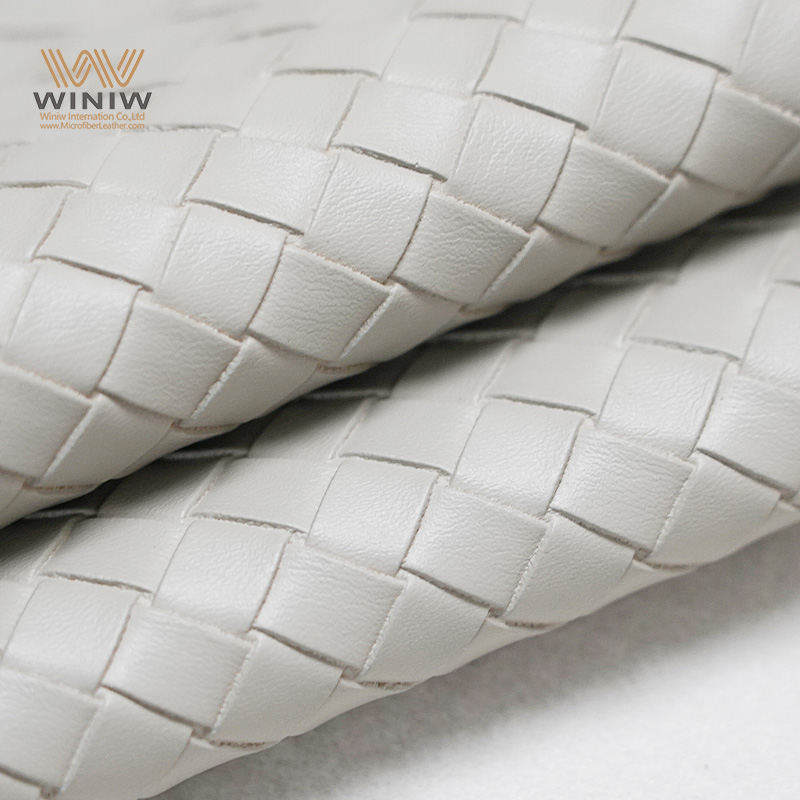
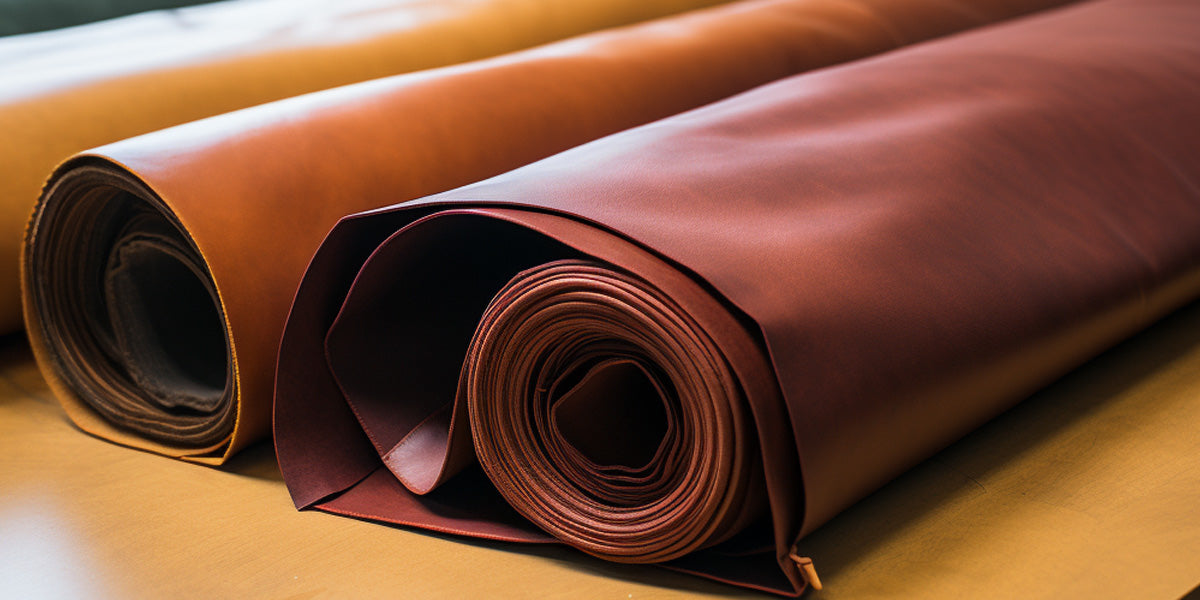
Polyurethane (PU) leather, often referred to as synthetic or faux leather, is a high-performance alternative to genuine leather. It is manufactured by applying a polyurethane coating to a fabric backing, typically composed of polyester or a cotton-polyester blend. This engineered material replicates the texture, appearance, and durability of natural leather while offering enhanced control over physical properties such as thickness, color consistency, abrasion resistance, and environmental impact.
Designed for industrial and commercial applications, PU leather delivers a sustainable, cost-effective, and ethical solution without compromising on aesthetics or functionality. It is widely used across furniture, automotive interiors, footwear, fashion accessories, and electronic device covers due to its versatility and consistent quality.
- PU leather is free from the natural inconsistencies found in animal hides, ensuring uniform appearance across large production runs.
- It offers superior resistance to fading, cracking, and staining when properly formulated.
- The manufacturing process allows for precise customization of thickness, texture, and color to meet specific client requirements.
- As a non-animal-derived material, PU leather supports cruelty-free and vegan product lines.
Why Faux Leather Is the Best Choice for This Application
Faux leather, particularly high-grade PU leather, stands out as the optimal material choice for modern B2B applications due to its balance of performance, sustainability, and design flexibility.
- Consistency & Scalability: Unlike genuine leather, which varies from hide to hide, PU leather provides uniform quality essential for mass production and global supply chains.
- Eco-Friendly Production: Advanced PU formulations reduce VOC emissions and are often free from harmful phthalates and heavy metals, aligning with global environmental regulations (REACH, RoHS, OEKO-TEX®).
- Cost Efficiency: Lower raw material and processing costs make PU leather a financially sustainable option without sacrificing premium aesthetics.
- Durability & Maintenance: Resistant to wear, moisture, and UV exposure, PU leather maintains its appearance over time with minimal upkeep—ideal for high-use environments.
- Design Freedom: Manufacturers can engineer specific textures (suede, grain, embossed), colors, and performance features (anti-microbial, flame retardant) tailored to industry needs.
Introducing WINIW – Trusted Synthetic Leather Expertise Since 2003
WINIW has been a leading innovator in synthetic leather solutions for over 20 years. Specializing in high-performance PU and microfiber leather, we serve global clients across automotive, furniture, electronics, and fashion industries. Our commitment to R&D, eco-conscious manufacturing, and customer-centric customization has positioned us as a preferred B2B partner for brands seeking reliable, sustainable, and premium-quality materials.
- 20+ years of technical expertise in synthetic leather development
- ISO 9001 and ISO 14001 certified production facilities
- In-house design and engineering teams for rapid prototyping and customization
- Strong focus on sustainability: water-based PU, recyclable substrates, low-emission processes
- Global supply network with consistent quality control and on-time delivery
At WINIW, we don’t just supply materials—we deliver engineered solutions that elevate product performance and support your brand’s sustainability goals.
Technical Performance & Standards
WINIW Premium Synthetic Leather: Technical Product Guide
WINIW delivers high-performance polyurethane (PU) synthetic leather engineered explicitly for discerning B2B manufacturers seeking sustainable, reliable, and versatile material solutions. Our proprietary manufacturing process defines a superior standard in synthetic leather, moving beyond basic imitation to offer tangible technical and operational advantages critical for your production efficiency and market competitiveness.
Technical Advantages of WINIW PU Leather Definition
- Cost-Effectiveness Without Compromise: Our optimized production process significantly reduces material waste and energy consumption compared to traditional leather and lower-grade synthetics. WINIW PU leather offers consistent thickness and width, minimizing cutting losses. Its inherent durability translates to lower replacement rates and reduced warranty claims for your finished goods, providing a superior total cost of ownership (TCO) over the product lifecycle.
- Engineered Durability for Demanding Applications: WINIW PU leather undergoes rigorous testing to exceed industry standards for longevity. Key features include exceptional resistance to abrasion (tested per Martindale or Taber methods), outstanding tear strength, superior seam strength, and excellent resistance to hydrolysis and aging. This ensures your products withstand daily use, maintaining aesthetic appeal and structural integrity far longer than conventional alternatives, directly enhancing your brand’s reputation for quality.
- Unmatched Color Customization & Consistency: Leverage WINIW’s advanced pigment dispersion technology for precise and extensive color matching. We offer full Pantone® matching capabilities across our entire product range, ensuring your specific brand colors are replicated accurately and consistently batch after batch. Our stable dyeing process guarantees excellent color fastness to light (tested per ISO 105-B02), rubbing (dry & wet, per ISO 105-X12), and perspiration, preventing fading or bleeding in end-use applications.
- Guaranteed REACH Compliance & Chemical Safety: WINIW proactively adheres to the strictest global chemical regulations. Our PU leather is rigorously tested and certified free from Substances of Very High Concern (SVHCs) listed under REACH Annex XIV and restricted substances under REACH Annex XVII. Comprehensive testing ensures compliance with limits for heavy metals (e.g., Cd, Pb, Hg, Cr(VI)), phthalates, and other hazardous chemicals, providing you with full documentation (including full material disclosure upon request) for seamless market access, particularly within the EU.
- ISO 9001 Certified Quality Management: Every meter of WINIW PU leather is produced under our rigorously maintained ISO 9001 certified Quality Management System. This guarantees consistent product specifications, stringent in-process quality control, traceability from raw material to finished roll, and a continuous improvement culture focused on meeting and exceeding your exacting requirements. You receive reliable, predictable material performance batch after batch.
WINIW Premium PU Leather: Key Technical Specifications
| Property | Specification | Test Method (Reference) |
|---|---|---|
| Thickness | 0.6mm – 1.8mm (Customizable) | ISO 2424 |
| Weight | 250g/m² – 550g/m² (Customizable) | ISO 2424 |
| Abrasion Resistance | ≥ 50,000 cycles (Martindale) | ISO 12947-2 |
| Tear Strength | ≥ 30 N (Elmendorf) | ISO 13937-3 |
| Seam Strength | ≥ 120 N | ISO 13935-1 |
| Color Fastness (Light) | Grade 6-7 (1-8 scale) | ISO 105-B02 |
| Color Fastness (Rubbing) | Dry: Grade 4-5; Wet: Grade 4 | ISO 105-X12 |
| Hydrolysis Resistance | Pass (50°C, 70% RH, 14 days) | ISO 1419 / ASTM D3900 |
| REACH Compliance | Full SVHC Screening & Restricted Substances | EC 1907/2006 (Annexes XIV, XVII) |
| Production Standard | ISO 9001 Certified QMS | ISO 9001:2015 |
WINIW PU leather provides the essential technical foundation for manufacturing premium, durable, and compliant products while optimizing your production costs and supply chain reliability. Our commitment to quality, sustainability, and partnership ensures you receive a material solution that actively supports your business goals and market demands. Request our detailed technical data sheets and sample swatches to experience the WINIW advantage.
Why Choose Synthetic over Real Leather
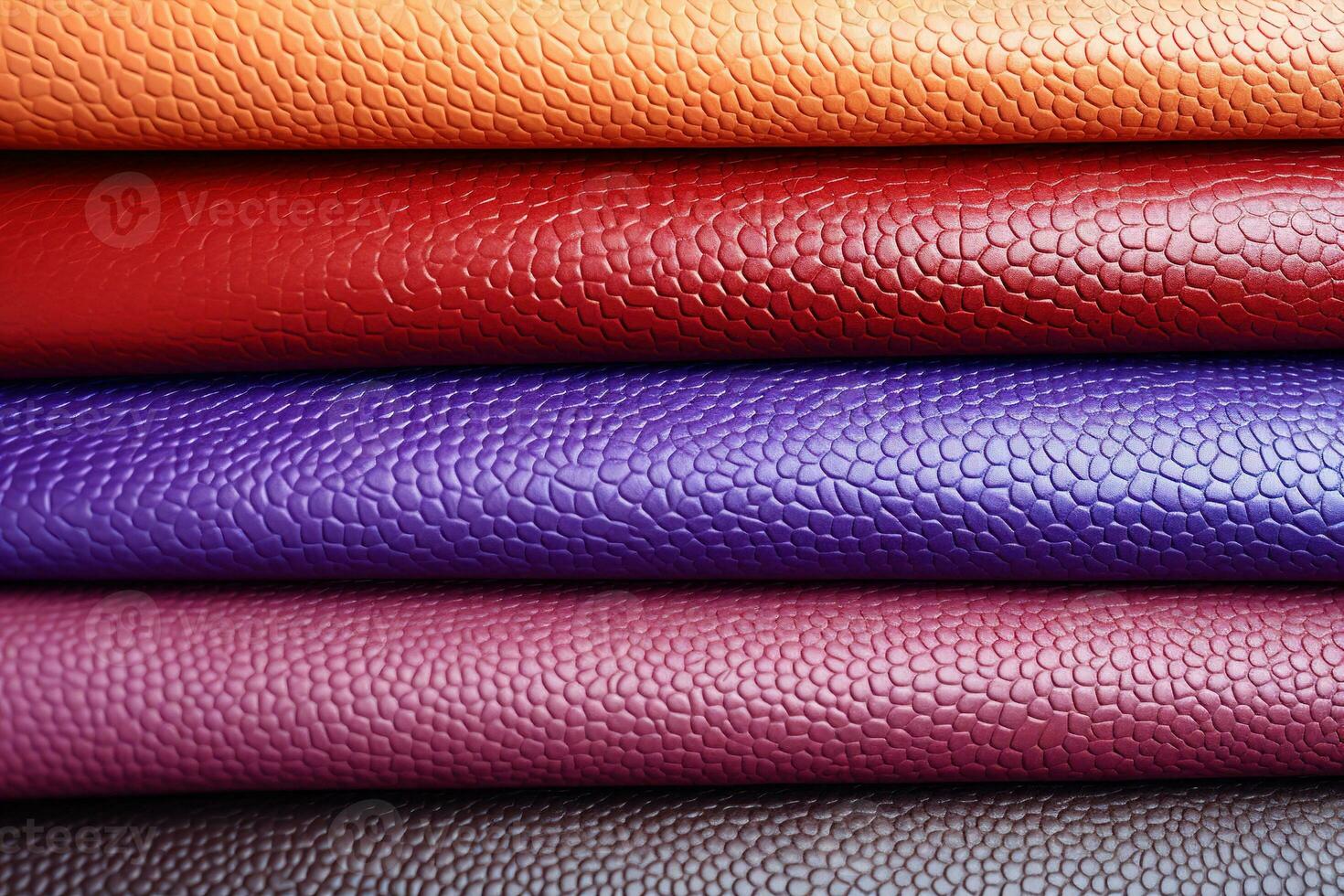
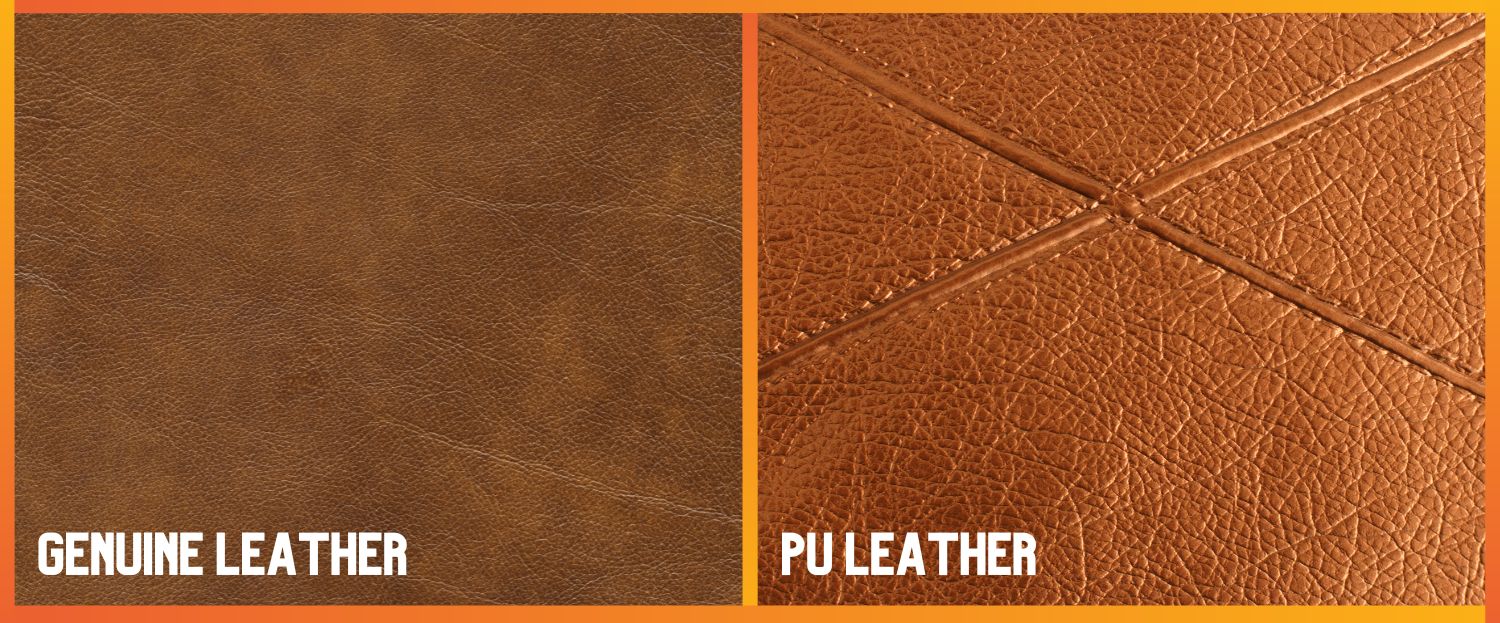
B2B Product Guide: PU Leather vs. Real Leather
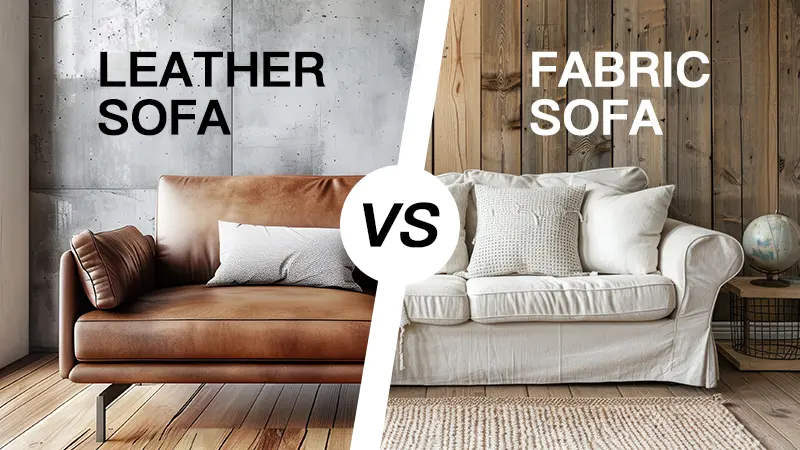
In the modern manufacturing and design landscape, selecting the right leather material is critical for balancing performance, cost, and sustainability. Polyurethane (PU) leather and real (genuine) leather are two widely used materials across industries such as furniture, automotive interiors, fashion, and accessories. Understanding their differences enables businesses to make informed sourcing decisions aligned with quality, budget, and environmental goals.
Definition of PU Leather
PU leather is a synthetic leather alternative made by applying a polyurethane coating to a fabric backing, typically polyester or cotton. It is engineered to mimic the texture, appearance, and feel of real leather while offering advantages in cost and consistency. As a cruelty-free and more sustainable option compared to traditional leather, PU leather supports eco-conscious manufacturing practices.
Definition of Real Leather
Real leather, also known as genuine leather, is derived from animal hides—most commonly from cattle. It undergoes tanning and finishing processes to preserve the material and enhance its aesthetic and functional qualities. Real leather is valued for its natural grain, durability, and premium tactile experience. However, its production involves significant environmental and ethical considerations.
Key Differences: PU Leather vs. Real Leather
- Origin: PU leather is synthetic and animal-free; real leather is a natural animal byproduct.
- Texture & Appearance: Real leather features unique, irregular grain patterns and develops a natural patina over time. PU leather offers consistent texture and color with customizable finishes.
- Breathability: Real leather is more breathable due to its natural fiber structure. PU leather has lower breathability, though advanced micro-PU formulations are improving this.
- Maintenance: PU leather is easier to clean and resistant to staining and fading. Real leather requires conditioning to prevent drying and cracking.
- Environmental Impact: PU leather eliminates the need for animal farming and reduces land/water use, but depends on petrochemicals. Real leather utilizes a byproduct of the meat industry but involves high water, energy, and chemical use in tanning (especially chrome tanning).
The following table compares the two materials across key business decision factors:
| Criteria | PU Leather | Real Leather |
|---|---|---|
| Cost | Lower upfront cost | Higher cost due to raw material and processing |
| Durability | Moderate; lasts 3–5 years with regular use | High; can last 10+ years with proper care |
| Eco-friendliness | Higher; lower carbon footprint, no animal use, recyclable options available | Lower; high environmental cost in tanning, methane emissions from livestock |
Strategic Considerations for B2B Buyers
- Choose PU leather for cost-effective, scalable production, especially in markets prioritizing animal welfare and sustainability.
- Opt for real leather when premium quality, longevity, and natural aesthetics are central to brand value.
- Consider eco-PU or bio-based PU leather innovations for enhanced sustainability without compromising performance.
WINIW specializes in high-performance, eco-friendly PU leather solutions designed for durability and low environmental impact. Our materials meet international safety and sustainability standards, making them ideal for forward-thinking brands in furniture, transportation, and lifestyle product manufacturing.
WINIW Factory Capabilities
WINIW Synthetic Leather: Engineered Manufacturing Excellence for Global Brands
WINIW operates at the forefront of sustainable synthetic leather production, backed by industrial-scale capabilities designed to meet the rigorous demands of international B2B partners. Our vertically integrated manufacturing ecosystem ensures consistent quality, traceability, and scalability for global supply chains—particularly serving regulated markets in Europe and the USA.
Core Factory Strengths
- 100,000 sqm Advanced Production Campus: One of Asia’s largest dedicated synthetic leather facilities, featuring automated coating lines, digital printing suites, and closed-loop water treatment systems. This scale enables batch consistency for orders exceeding 500,000 meters monthly while maintaining LEED-compliant resource efficiency.
- Dedicated R&D Innovation Hub: A 65+ member technical team (including material scientists and chemical engineers) drives 30+ annual patents in eco-materials. Focus areas include:
- Bio-based PU/PVC formulations (≥30% plant-derived content)
- Heavy-metal-free dyes compliant with EU REACH/EPA standards
- Recycled substrate integration (up to 100% post-industrial rPET)
- Triple-Layer Quality Assurance: Every meter undergoes:
- Stage 1: Raw material screening via ICP-MS spectroscopy (detecting 60+ restricted substances)
- Stage 2: In-line AI visual inspection (defect detection at 0.1mm resolution)
- Stage 3: Final batch validation against ISO 9001/14001 protocols, with full traceability from resin to roll
Global Compliance & Export Readiness
WINIW’s production framework is audited annually by third parties to guarantee adherence to destination-market regulations. Key certifications include:
| Standard | Scope | Validated Markets |
|---|---|---|
| OEKO-TEX® STeP | Sustainable manufacturing | EU, USA, Japan |
| ISO 14001 | Environmental management | Global |
| UL ECV | Eco-certified content (≥25%) | North America |
| REACH SVHC | <0.1% restricted substances | European Union |
This infrastructure supports seamless integration into multinational supply chains, with 78% of our output shipped directly to Tier-1 automotive, furniture, and fashion manufacturers in Germany, Italy, and the United States. WINIW delivers not just materials—but certified, scalable solutions that mitigate compliance risk while advancing circular economy goals.
WINIW: Where Industrial Capacity Meets Planetary Responsibility.
Contact Us for Samples
B2B Product Guide: Understanding PU Leather with WINIW
PU leather, also known as polyurethane leather, is a high-performance synthetic leather designed for commercial and industrial applications. At WINIW, we specialize in advanced microfiber-based PU leather solutions that deliver durability, flexibility, and a sustainable alternative to genuine leather. Our materials are engineered for industries including automotive, furniture, footwear, and fashion accessories.
As a leading B2B supplier, WINIW combines innovation with environmental responsibility. Our PU leathers are free from harmful phthalates, REACH compliant, and produced using low-impact manufacturing processes. This ensures our clients receive not only premium-quality materials but also align with global sustainability standards.
Key Benefits of WINIW PU Leather:
– Superior abrasion and wear resistance for long-term use
– Excellent tensile and tear strength
– Consistent thickness and surface finish for seamless production
– High breathability and soft hand feel, closely mimicking genuine leather
– Eco-friendly formulation with reduced VOC emissions
– Customizable textures, colors, and performance properties (e.g., UV resistance, water repellency)
Our PU leather is ideal for high-volume manufacturing where consistency, cost-efficiency, and environmental compliance are critical. With advanced coating and lamination technologies, WINIW delivers tailored solutions for diverse application demands.
For detailed technical specifications or to request free samples, contact our materials team at MKT88@MicrofiberLeather.com.
CTA: Learn more about the full definition, composition, and industrial applications of PU leather. Contact MKT88@MicrofiberLeather.com today—free samples available for qualified B2B partners.
💰 Leather Cost Savings Calculator
See how much you save by switching to WINIW Microfiber Leather.