Catalog
Material Insight: Leather Furniture Vs Fabric
B2B Product Guide: Leather Furniture vs. Fabric Upholstery
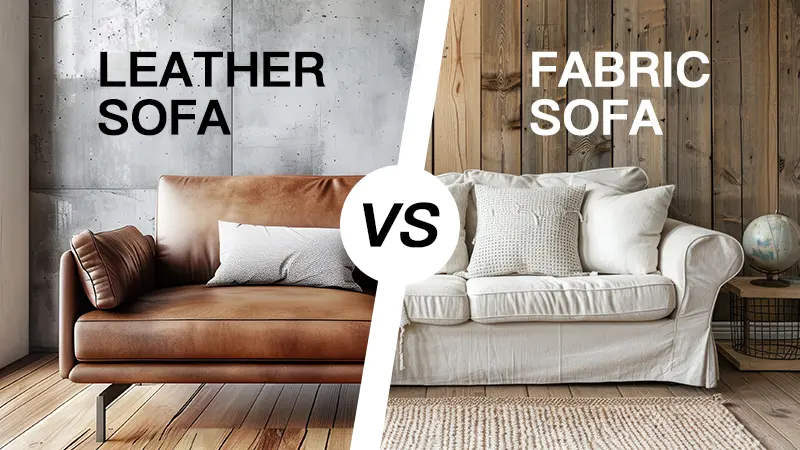
When selecting materials for commercial and high-end residential furniture, the choice between leather and fabric is a critical decision that impacts durability, aesthetics, maintenance, and overall lifecycle value. While fabric upholstery offers a wide range of colors and textures, genuine leather—particularly high-quality upholstery leather—delivers superior performance in demanding environments. Its resilience to wear, ease of cleaning, and timeless elegance make it the preferred choice for luxury seating, hospitality settings, office furniture, and premium home furnishings.
Upholstery leather stands out for several key reasons:
– Exceptional durability and resistance to abrasion, ensuring long-term use even in high-traffic areas.
– Natural breathability and temperature regulation, enhancing user comfort.
– Easy maintenance and cleanability, making it ideal for environments requiring strict hygiene standards.
– Aged patina development, where the leather gains character over time without compromising integrity.
– Higher perceived value and premium aesthetic, supporting brand positioning in luxury markets.
For over 20 years, WINIW has been at the forefront of synthetic leather innovation, delivering sustainable, high-performance upholstery solutions tailored for the global B2B market. Combining advanced manufacturing techniques with eco-conscious materials, WINIW offers leather alternatives that match the look and feel of genuine leather while exceeding industry standards for durability and environmental responsibility. Our expertise in PU and microfiber leather enables us to provide customizable, low-VOC, and recyclable options that meet the evolving needs of furniture manufacturers, designers, and specifiers worldwide.
Technical Performance & Standards
WINIW Synthetic Leather: Technical Advantages for Premium Furniture Applications (B2B Guide)
WINIW Synthetic Leather delivers engineered performance specifically for commercial and high-end residential furniture, outperforming traditional fabric across critical technical benchmarks. Our solution addresses key operational, safety, and compliance demands faced by furniture manufacturers and specifiers, providing a sustainable, low-maintenance alternative without compromising aesthetics or comfort.
Core Technical Advantages vs. Standard Fabric
-
Superior Fire Retardancy (Inherently Compliant): WINIW formulations integrate fire-retardant (FR) properties directly into the polymer matrix, eliminating the need for topical chemical treatments that degrade over time or through cleaning. This ensures permanent compliance with stringent global standards:
- UK: Exceeds BS 5852:2015 (Crib 5) requirements for public space furniture.
- US: Meets or exceeds CAL TB 117-2013 (Section A & B) and NFPA 260 for smoldering ignition and open flame resistance.
Fabric Limitation: Most textiles require post-production FR treatments that can wash out, wear off, or compromise fabric hand feel and colorfastness, leading to potential non-compliance during product lifecycle.
-
Exceptional Easy Clean Performance: The non-porous, closed-surface structure of WINIW leather prevents liquid and stain penetration. Spills (including oils, inks, and common beverages) remain on the surface for simple removal with mild soap/water or approved cleaners, per ISO 105-X12 stain resistance testing.
Fabric Limitation: Textile fibers are inherently porous, absorbing liquids and stains rapidly, requiring aggressive (and often damaging) spot cleaning or professional remediation, increasing long-term maintenance costs. -
Consistent Premium Soft Touch: WINIW achieves a luxurious, suede-like or full-grain leather tactile experience through advanced embossing and surface finishing technologies. Surface roughness (Ra) is precisely controlled (typically 5-15µm) to deliver consistent softness and warmth to the touch, meeting high-end furniture expectations.
Fabric Limitation: While some fabrics offer softness initially, pilling, matting, and fiber breakdown from use/cleaning rapidly degrade the tactile quality and appearance. -
Guaranteed REACH Compliance: WINIW proactively screens all raw materials and finished products against the REACH SVHC (Substances of Very High Concern) list. Full documentation (including SCIP notifications where applicable) is provided, ensuring compliance with EU Chemicals Regulation (EC 1907/2006) and mitigating supply chain risk.
Fabric Limitation: Complex textile dyeing and finishing processes often involve multiple chemical suppliers, increasing the risk of unintentional SVHC presence and complicating compliance verification. -
Robust Quality Assurance (ISO 9001 Certified): WINIW’s manufacturing is governed by a certified ISO 9001:2015 Quality Management System. This ensures rigorous process control from raw material sourcing through production, including:
- Batch-to-batch consistency in color, thickness, and physical properties.
- Comprehensive in-process and final product testing (abrasion, seam slippage, colorfastness).
- Traceability for every meter produced.
Fabric Limitation: Textile production variability (fiber sourcing, dye lots, finishing) often leads to greater batch inconsistencies, requiring stricter incoming inspection by furniture makers.
Performance Specification Comparison
| Property | WINIW Synthetic Leather | Typical Upholstery Fabric |
|---|---|---|
| Fire Retardancy | Inherently FR; UK BS 5852 Crib 5; US CAL TB 117-2013 (Sec A/B) | Requires topical treatment; efficacy degrades with cleaning/use |
| Stain Resistance | High (Non-porous surface; ISO 105-X12 compliant); Easy wipe-clean | Low (Absorbent); Requires aggressive stain removal |
| Surface Cleanability | Excellent (Mild soap/water; no fiber damage) | Poor to Moderate (Risk of water marks, shrinkage, fiber damage) |
| Tactile Consistency | High (Controlled Ra 5-15µm; no pilling/matting) | Degrades significantly with use/cleaning |
| REACH Compliance | Full SVHC screening & documentation; Proactive SCIP | Complex supply chain; Higher SVHC risk; Documentation often fragmented |
| Quality Management | ISO 9001:2015 Certified Production | Varies significantly by supplier; Often lacks certified QMS |
| Durability (Abrasion) | > 100,000+ double rubs (Martindale) | Typically 15,000 – 50,000 double rubs |
| Eco-Profile | Contains recycled content options; Low-VOC emissions; Halogen-free FR options | Often high water/energy use in dyeing; FR treatments may contain restricted substances |
WINIW Synthetic Leather provides furniture manufacturers with a technically superior, specification-grade material that reduces compliance risk, lowers lifetime maintenance costs, and meets evolving sustainability demands – all while delivering the premium aesthetic and tactile experience end-users expect. Our engineered solutions ensure your furniture performs reliably in the most demanding environments.
Why Choose Synthetic over Real Leather
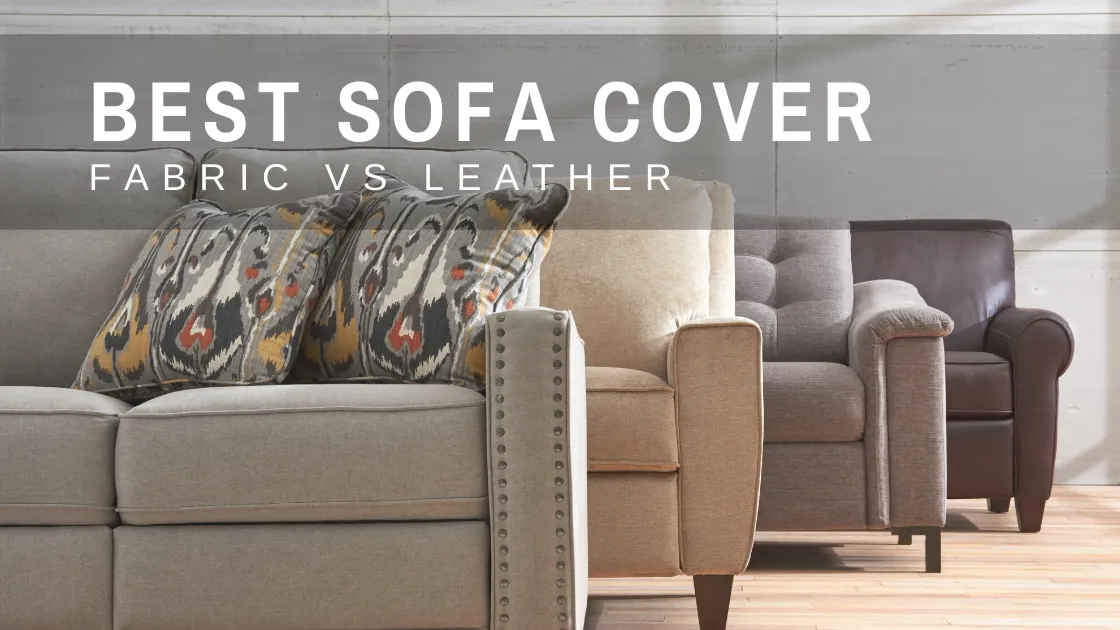
B2B Product Guide: Synthetic Leather vs Fabric vs Real Leather for Furniture Applications
When sourcing materials for commercial and residential furniture, manufacturers and designers must balance aesthetics, performance, cost, and sustainability. Synthetic leather, fabric, and real leather each offer distinct advantages and trade-offs. This guide provides a comparative analysis to support informed B2B decision-making.
Overview of Materials
-
Synthetic Leather (e.g., WINIW Microfiber Leather)
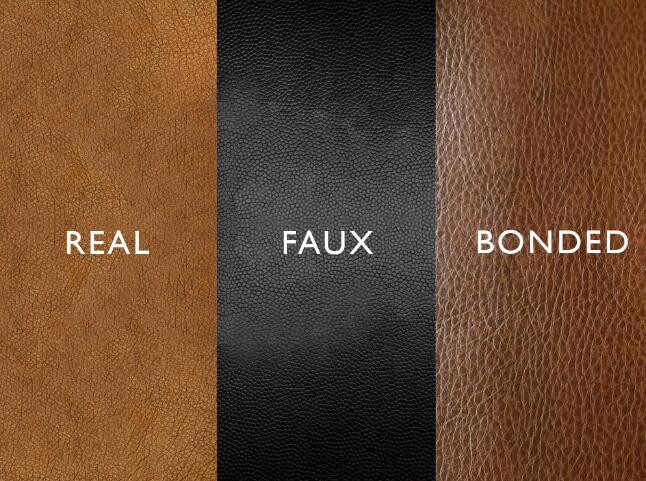
Engineered from high-performance polyurethane (PU) and ultra-fine fibers, synthetic leather replicates the look and feel of genuine leather. It is highly customizable in texture, color, and finish. WINIW’s formulations emphasize eco-efficiency, using water-based processes and recyclable components. -
Fabric Upholstery
Available in a wide range of textiles—from cotton and wool to performance-grade synthetics—fabric offers versatility in design and comfort. However, it may lack the premium aesthetic and durability required in high-traffic environments. -
Real (Animal) Leather
Derived from bovine hides, real leather is valued for its natural grain, longevity, and luxury appeal. However, it involves significant environmental costs in tanning and resource use, and quality can vary batch to batch.
Key Comparison: Cost, Durability, and Eco-Friendliness
| Factor | Synthetic Leather | Fabric | Real Leather |
|---|---|---|---|
| Cost (per yard) | $15 – $35 | $10 – $40 (varies widely) | $30 – $80+ |
| Durability | High – resistant to cracking, fading, and abrasion; ideal for high-use settings | Moderate – prone to pilling, staining, and wear over time | High – develops patina but susceptible to drying, cracking, and UV damage |
| Eco-Friendliness | High (WINIW-specific) – low-VOC, water-based production, reduced waste, and recyclable substrates | Variable – natural fibers are biodegradable but may require high water/energy in processing; synthetics often non-recyclable | Low – resource-intensive (land, water, feed); tanning uses chromium and toxic chemicals; significant carbon footprint |
Advantages by Category
- Synthetic Leather
- Consistent quality and color matching across large production runs
- Easier to clean and maintain; stain- and moisture-resistant
- Cruelty-free and suitable for vegan product lines
-
Lower lifetime environmental impact when produced sustainably (e.g., WINIW Green Series)
-
Fabric
- Wide range of textures, patterns, and breathability options
- Preferred for casual or residential aesthetics
-
Can incorporate recycled fibers (e.g., RPET) for improved sustainability
-
Real Leather
- Premium tactile experience and natural variation
- Long service life when properly maintained
- Strong resale and perceived value in luxury markets
Strategic Recommendations for B2B Clients
- For contract furniture (hotels, offices, healthcare), synthetic leather offers the best balance of durability, hygiene, and sustainability.
- For residential collections emphasizing comfort and design variety, fabric remains a strong choice—especially when blended with recycled content.
- Real leather is best reserved for luxury segments where natural materials are a key selling point, though transparency in sourcing and tanning practices is increasingly expected.
WINIW supports furniture manufacturers in transitioning to high-performance, eco-conscious materials without compromising on quality or design. Our synthetic leather solutions are engineered for scalability, compliance, and long-term value.
WINIW Factory Capabilities
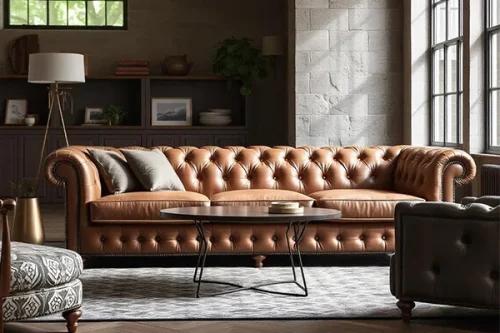
WINIW Synthetic Leather: Engineered for Global Excellence
WINIW stands as a leading manufacturer of high-performance synthetic leather, serving discerning B2B partners worldwide with unwavering commitment to quality, innovation, and sustainable manufacturing. Our vertically integrated production ecosystem ensures end-to-end control over material science and output, delivering consistent, certified solutions that meet the most stringent international market demands.
Core Manufacturing Strengths
- 100,000 sqm Advanced Production Facility: Our state-of-the-art campus integrates precision engineering, solvent-free coating lines, and automated finishing systems, enabling scalable production of 15+ million meters annually while maintaining eco-conscious resource management.
- Dedicated R&D Team: 40+ material scientists and engineers drive continuous innovation, developing proprietary formulations for enhanced durability, breathability, and recyclability—backed by 12+ global patents in bio-based PU/PVC alternatives.
- Strict Quality Control Protocol: Triple-stage validation (raw material intake, in-process monitoring, final shipment) aligned with ISO 9001 standards; every batch undergoes 27+ physical/chemical tests (including Martindale abrasion, colorfastness, VOC emissions) for EU REACH and US CPSIA compliance.
- Global Export Infrastructure: Direct supply to Tier-1 automotive, furniture, and fashion brands across Europe (Germany, Italy, Sweden) and North America (USA, Canada), supported by regional logistics hubs ensuring <30-day delivery timelines and full documentation traceability.
Our facility operates under globally recognized environmental certifications (OEKO-TEX® STANDARD 100, ISO 14001), utilizing >30% recycled content in base materials and zero-waste water treatment systems. This rigorous foundation allows WINIW to transform technical specifications into market-ready elegance—delivering not just materials, but performance-proven partnerships for the future.
Contact Us for Samples
WINIW® B2B Product Guide: Premium Synthetic Leather for Furniture Manufacturing
WINIW is a leading innovator in high-performance synthetic leather solutions, serving furniture manufacturers, contract suppliers, and design studios worldwide. Our advanced microfiber leather technology delivers the luxurious look and feel of genuine leather with enhanced durability, sustainability, and cost-efficiency—ideal for commercial and residential furniture applications.
Engineered for performance, WINIW synthetic leather offers superior abrasion resistance, color fastness, and ease of maintenance. Our eco-conscious production process reduces environmental impact without compromising quality, supporting brands committed to sustainable growth and responsible sourcing.
Key Advantages of WINIW Synthetic Leather
- Durability: Resists wear, tearing, and fading—ideal for high-traffic environments such as hospitality, healthcare, and office furniture.
- Sustainability: Made with eco-friendly materials and processes; free from harmful substances (REACH, RoHS compliant).
- Consistent Quality: Uniform texture and thickness across rolls ensure seamless production and minimal waste.
- Design Flexibility: Available in a wide range of colors, textures, and finishes—including matte, soft-touch, and embossed patterns.
- Easy Maintenance: Wipe-clean surface resists stains and spills, reducing lifecycle costs for end users.
- Animal-Friendly: 100% cruelty-free alternative to genuine leather.
Leather Furniture vs Fabric: A B2B Comparison
When specifying upholstery materials for furniture, manufacturers must balance aesthetics, performance, and total cost of ownership. Below is a comparative overview:
| Feature | Synthetic Leather (WINIW) | Fabric |
|---|---|---|
| Durability | High abrasion & tear resistance | Varies; generally lower |
| Cleanability | Wipeable; stain-resistant | Often requires professional cleaning |
| Aesthetic Longevity | Maintains appearance over time | Prone to pilling and fading |
| Environmental Impact | Recyclable; low-VOC options | Mixed; some blends non-recyclable |
| Cost Efficiency (Long-term) | Lower maintenance & replacement | Higher upkeep costs |
| Design Consistency | Uniform roll-to-roll quality | Potential batch variations |
Synthetic leather outperforms fabric in durability and maintenance, making it the preferred choice for commercial applications. For residential markets, it offers a premium, easy-care alternative that appeals to eco-conscious consumers.
Why Choose WINIW?
- ISO-certified manufacturing
- Global logistics and just-in-time delivery
- Custom development services (color matching, texture design)
- Fire-retardant and antimicrobial options available for healthcare and public spaces
Free physical samples are available to qualified B2B partners to support design and sourcing decisions.
Explore the advantages of leather furniture over fabric in your next collection.
Contact our materials team at MKT88@MicrofiberLeather.com to request samples, technical datasheets, or schedule a product consultation.
💰 Leather Cost Savings Calculator
See how much you save by switching to WINIW Microfiber Leather.