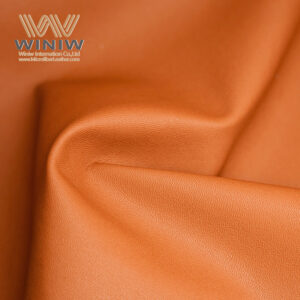
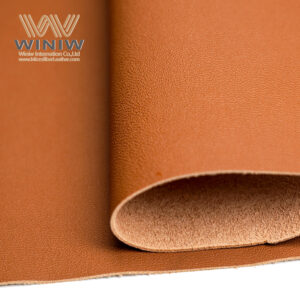
Microfiber PU leather offers consistent quality, durability, and versatility, but it presents challenges such as potential health concerns and limited consumer awareness. Many consumers choose this material for furniture, fashion, or automotive interiors due to its superior performance and cost-effectiveness. Buyers often compare its longer lifespan and eco-friendliness with disadvantages like synthetic composition and repair difficulties.
Microfiber PU leather comprises approximately 10–15% of the global synthetic leather market.
| Advantages | Disadvantages |
|---|---|
| Longer lifespan | Lack of consumer awareness |
| Cost-effectiveness | Potential health concerns |
Key Takeaways
- Microfiber PU leather is durable and can last between 3 to 10 years with proper care, making it a cost-effective choice.
- This material is easy to maintain; simply wipe with a damp cloth to keep it clean and looking new.
- Microfiber PU leather is animal-friendly, providing a cruelty-free alternative to traditional leather products.
- It offers a realistic look and feel, closely mimicking genuine leather, which enhances the aesthetic appeal of furniture and fashion items.
- While it is water-resistant, prolonged exposure to moisture can still damage the material, so care is needed.
- Microfiber PU leather is non-biodegradable, raising environmental concerns about its long-term impact in landfills.
- The material can fade and crack when exposed to direct sunlight and heat, so placement away from these elements is crucial.
- Repairing microfiber PU leather can be challenging, often requiring replacement rather than traditional repair methods.
What Is Microfiber PU Leather
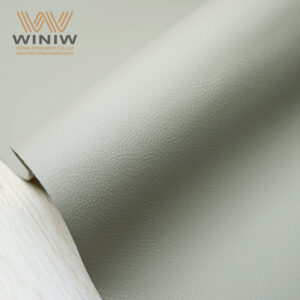
Definition
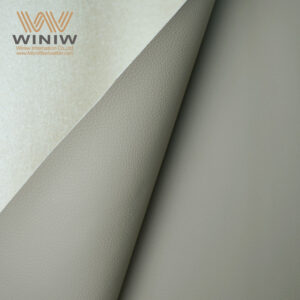
Microfiber PU leather is a synthetic material designed to replicate the look and feel of genuine leather. Manufacturers create it by coating a microfiber non-woven fabric with polyurethane resin. This process results in a product that offers high durability, resistance to wear, and moisture protection. Many industries value this material for its eco-friendliness, as its production uses less energy and produces fewer emissions than traditional synthetics. The table below summarizes key characteristics:
| Characteristic | Description |
|---|---|
| Material | Microfiber non-woven fabric coated with polyurethane resin |
| Durability | High durability and resistance to wear and moisture |
| Applications | Used in automotive interiors, footwear, and furniture |
| Eco-friendliness | Lower emissions and energy use in production compared to traditional synthetics |
| Maintenance | Easy to maintain, resistant to water and stains |
How It’s Made
The manufacturing process for microfiber PU leather involves several precise steps. Producers start by creating ultra-fine synthetic fibers, usually from polyester or nylon. These fibers form a dense network that serves as the base. The process continues with the application of a polyurethane coating, which gives the material its leather-like surface. Additional treatments enhance the appearance and tactile feel, allowing the material to mimic various types of leather. The following ordered list outlines the main steps:
- Fiber production: Ultra-fine fibers are spun from polyester or nylon, forming a strong base.
- Web formation: The blended fibers are spread into a thin layer.
- Needle punching: The fibers are bonded together to create a durable structure.
- Coating application: A polyurethane layer is applied to achieve the desired finish.
- Surface treatment: Embossing and other techniques add texture and realism.
This process ensures that microfiber leather meets strict quality standards for durability and appearance.
Common Uses
Microfiber PU leather finds widespread application across multiple industries due to its versatility and performance. In the fashion sector, designers use it for handbags, shoes, and outerwear, offering a stylish alternative to traditional leather. Home decor companies select it for upholstery in sofas, chairs, and headboards, taking advantage of its variety of colors and textures. The automotive industry relies on it for seats, dashboards, and interior trims, where its lightweight nature can contribute to improved fuel efficiency. The table below highlights typical uses by industry:
| Industry | Applications |
|---|---|
| Fashion | Handbags, shoes, outerwear |
| Home Decor | Upholstery for sofas, chairs, headboards |
| Automotive | Seats, dashboards, interior trims |
Microfiber PU leather continues to gain popularity as consumers seek materials that balance aesthetics, durability, and sustainability.
Advantages of Microfiber PU Leather
Durability
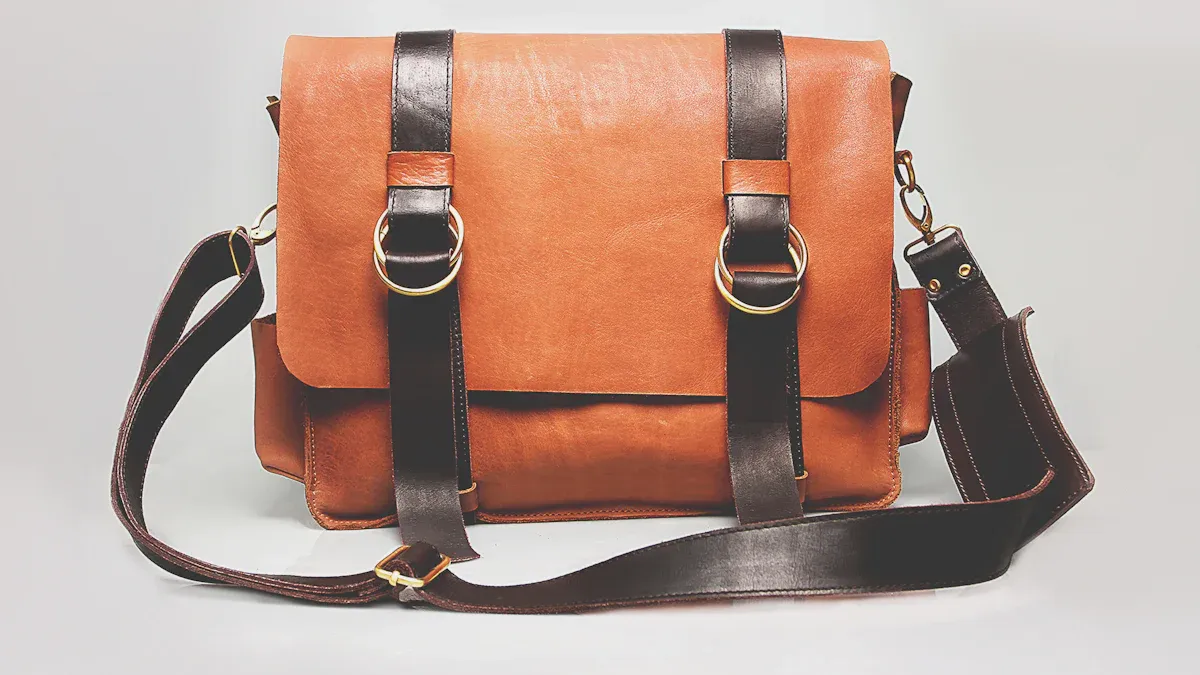
Microfiber leather stands out as a durable material in the synthetic leather market. Manufacturers engineer microfiber leather using superfine synthetic fibers, each less than 0.3 denier in diameter. These fibers form a dense, non-woven structure that is tightly entangled with a polyurethane binder. This construction gives microfiber leather excellent resistance to abrasion, tearing, and hydrolysis. In standardized abrasion tests, microfiber leather consistently outperforms ordinary pu leather and even genuine leather. Over several years of daily use, microfiber leather maintains its appearance and performance, making it a high-quality product for demanding applications.
Wear Resistance
Microfiber leather offers superior wear resistance compared to other pu options. The dense fiber network resists scuffs, scratches, and surface damage. This makes microfiber leather ideal for high-traffic environments such as car interiors, office furniture, and footwear. Users can expect the material to retain its original look and feel even after extended use.
Longevity
The lifespan of microfiber leather products demonstrates another key advantage. Most microfiber leather goods last between three to five years under normal usage. With proper care and maintenance, some products can last up to ten years. This extended lifespan makes microfiber leather a cost-effective and reliable choice for consumers seeking a long-term investment.
- The average lifespan of microfiber leather products is typically between 3 to 5 years.
- With proper care and maintenance, this lifespan can extend up to 10 years.
Comfort and Softness
Microfiber leather delivers a soft, supple texture that closely mimics genuine leather. The advanced fiber technology allows manufacturers to control the thickness and flexibility of the material. As a result, microfiber leather feels comfortable against the skin and adapts well to body contours. Many users prefer microfiber leather for furniture and fashion accessories because it provides a pleasant tactile experience without the stiffness found in some synthetic alternatives. The combination of comfort and durability makes microfiber leather a versatile material for a wide range of applications.
Water Resistance
Water resistance represents a significant benefit of microfiber leather. The polyurethane coating on the surface acts as a barrier, preventing moisture from penetrating the material. This feature protects the underlying fibers and helps maintain the integrity of the product over time. Research shows that microfiber leather offers superior water and stain resistance compared to standard pu leather and other materials. The following table highlights the performance of microfiber leather in water resistance tests:
| Evidence Description | Performance Comparison |
|---|---|
| The polyurethane coating provides some waterproofing. | Microfiber PU leather vs. standard PU leather |
| Research indicates that microfiber leather offers superior water and stain resistance compared to other options. | Microfiber PU leather vs. other materials |
| Microfiber synthetic leather remains intact after extensive abrasion tests. | Ideal for high-traffic areas like car interiors and furniture. |
This level of water resistance makes microfiber leather suitable for environments where spills and moisture exposure are common, such as kitchens, dining rooms, and vehicles.


Appearance
Realistic Look
Microfiber leather stands out for its ability to closely mimic the appearance of genuine leather. Manufacturers use advanced embossing and surface treatment techniques to create a realistic grain pattern and texture. This process results in a surface that looks almost identical to natural leather, even upon close inspection. Many designers and consumers choose microfiber leather for its authentic look, which enhances the visual appeal of furniture, car interiors, and fashion accessories. The material’s consistent finish ensures that every product meets high standards of quality, making it a preferred choice for those seeking a premium aesthetic without the use of animal hides.
Variety of Colors
Microfiber leather offers a wide spectrum of color options. The synthetic structure allows manufacturers to dye the material in virtually any shade, from classic neutrals to bold, vibrant hues. This flexibility gives designers creative freedom when developing products for different markets. Unlike genuine leather, which can show natural imperfections and color variations, microfiber leather provides uniform color distribution. This consistency ensures that large projects, such as automotive interiors or commercial furniture, maintain a cohesive and attractive appearance. The ability to customize color and finish makes microfiber leather a versatile and high-quality product for a range of applications.
Maintenance
Easy Cleaning
Microfiber leather simplifies maintenance for both residential and commercial users. The polyurethane coating on the surface acts as a protective barrier, preventing dirt and liquids from penetrating the material. Users can clean microfiber leather with minimal effort, often requiring only a damp cloth or a mild soap solution. This ease of cleaning stands in contrast to genuine leather, which may absorb stains and demand more intensive care. The following list highlights recommended cleaning methods:
- Wipe the surface with a soft, damp cloth to remove dust and light dirt.
- Use a mild soap solution for tougher spots, then wipe dry with a clean towel.
- Avoid harsh chemicals or abrasive tools, as these can damage the polyurethane layer.
These simple steps help maintain the appearance and longevity of microfiber leather, making it a practical choice for busy households and high-traffic environments.
Stain Resistance
Microfiber leather features advanced stain-proof technology and hydrophobic properties. The material resists common stains such as ink, food, and oil, thanks to its hydrophobic topcoat and dense fiber weave. This design prevents substances like wine, coffee, and oil from penetrating the surface, allowing users to clean spills quickly and effectively. Unlike many other synthetic leather options, microfiber leather does not require chemical treatments to maintain its stain resistance. This advantage reduces maintenance costs and extends the lifespan of the product. The combination of easy cleaning and superior stain resistance positions microfiber leather as a durable material for demanding applications.
Animal-Friendly
Microfiber PU leather provides a cruelty-free alternative to traditional leather. Manufacturers produce this synthetic leather without using animal hides, which appeals to consumers who prioritize ethical sourcing and animal welfare. The production process eliminates the need for animal-based materials, reducing the environmental impact associated with livestock farming. Many brands highlight the animal-friendly nature of microfiber leather in their marketing, attracting customers who seek sustainable and responsible products. This advantage, combined with the material’s durability and high-quality appearance, makes microfiber PU leather a popular choice in the synthetic leather market.
Disadvantages of Microfiber Leather
Environmental Impact
Non-Biodegradable
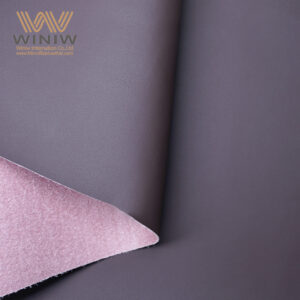
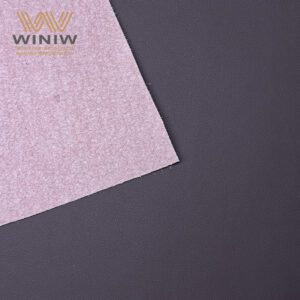
Microfiber PU leather presents significant environmental challenges due to its non-biodegradable nature. Manufacturers use synthetic polymers in its production, which do not break down easily in natural environments. As a result, discarded products can persist in landfills for decades. Waste management becomes a pressing issue, especially as the popularity of synthetic leather increases. Nearly half of all PU waste ends up in landfills, where it decomposes very slowly and may even contribute to landfill fires. Recycling options remain limited, so most used materials accumulate as long-term waste.
| Environmental Concern | Description |
|---|---|
| Waste Management | A significant amount of PU waste is produced annually, with nearly 50% disposed of in landfills. |
| Landfilling | This method is prevalent but problematic due to PU’s low decomposition rate and potential for landfill fires. |
| Recycling Challenges | Despite efforts, recycling remains a minor method of disposal compared to landfilling. |
Note: Consumers who prioritize sustainability should consider the long-term environmental effects of choosing microfiber PU leather over biodegradable alternatives.
Synthetic Materials
The composition of microfiber PU leather relies heavily on synthetic materials such as polyurethane and polyester. These substances originate from petrochemical sources, which require energy-intensive extraction and processing. The use of synthetic materials reduces the reliance on animal products, but it introduces new environmental concerns. Production processes generate emissions and consume significant resources. The synthetic nature of the material also means that, unlike natural fibers, it does not return to the ecosystem after disposal. This reliance on non-renewable resources remains a key disadvantage for environmentally conscious buyers.
Cost
Higher Price Than PU Leather
Microfiber PU leather typically costs more than standard PU leather. The advanced technology required for its production, combined with its superior durability and stain resistance, drives up the price. Consumers often notice the difference when comparing products side by side. For example, a PU leather sofa usually falls within the $500–$1000 range, while genuine leather sofas exceed $2000. Microfiber PU leather products often sit between these two price points, reflecting their higher quality and performance.
| Type of Leather | Price Range |
|---|---|
| PU Leather | 10–20 USD |
| Genuine Leather | 50+ USD |
| Type of Leather | Price Range |
|---|---|
| PU Leather Sofa | 500–1000 USD |
| Genuine Leather Sofa | 2000+ USD |
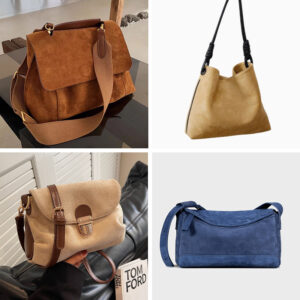
| PU Leather Handbag | 30–100 USD |
| Genuine Leather Handbag | 300–500 USD |
Several factors contribute to the higher cost of microfiber PU leather compared to other synthetic leather options:
- Microfiber PU leather offers greater durability, which increases its value.
- The material provides superior stain resistance, making it more desirable for demanding applications.
- Manufacturers use advanced technology in the production process, which raises the overall price.
Buyers seeking the advantages of PU leather may find the higher cost of microfiber PU leather a barrier, especially when compared to standard PU options.
Heat and Sunlight Sensitivity
Fading
Microfiber PU leather, like many synthetic materials, is sensitive to prolonged exposure to heat and sunlight. Direct sunlight can cause the color to fade over time. This fading reduces the visual appeal of furniture, car interiors, and fashion accessories. The problem becomes more pronounced in environments with strong sunlight or high temperatures. Regular exposure to these conditions accelerates the loss of color, making maintenance and placement important considerations for consumers.
Cracking
Heat and sunlight do not only affect the color of microfiber PU leather. They can also compromise the structural integrity of the material. Over time, exposure to high temperatures and UV rays can cause the surface to dry out and crack. This damage shortens the lifespan of the product and diminishes its quality. Proper care and maintenance, such as keeping items away from direct sunlight and using protective treatments, help preserve the appearance and durability of microfiber PU leather.
- Direct sunlight and heat can lead to fading of the color.
- Heat and sunlight may cause structural damage, including cracking.
- Regular maintenance is essential to prolong the lifespan and appearance of the material.
Tip: To maximize the advantages of PU leather and minimize the disadvantages of PU leather, consumers should avoid placing microfiber PU leather products in areas with intense sunlight or heat.
Breathability Issues
Microfiber PU leather often struggles with breathability. The dense synthetic fiber structure and polyurethane coating create a barrier that limits airflow. As a result, users may notice that seats, shoes, or clothing made from this material can feel warmer and less comfortable during extended use. Genuine leather, by contrast, allows more air to pass through its natural pores, which helps regulate temperature and moisture.
Many consumers report that microfiber PU leather can trap heat and sweat, especially in hot or humid environments. This issue becomes more noticeable in automotive interiors and furniture, where prolonged contact with the material occurs. People who prioritize comfort in warm climates may find this lack of breathability a significant drawback.
Note: To improve comfort, manufacturers sometimes add perforations or use thinner layers. However, these modifications rarely match the natural ventilation of genuine leather.
A quick comparison highlights the difference:
| Material | Breathability Level | Comfort in Warm Conditions |
|---|---|---|
| Microfiber PU Leather | Low | Moderate to Low |
| Genuine Leather | High | High |
| Standard PU Leather | Very Low | Low |
Consumers should weigh this factor when choosing materials for products that require direct skin contact or long-term use.
Repair Challenges
Repairing microfiber PU leather presents unique challenges. The synthetic structure does not respond well to traditional leather repair techniques. When the surface suffers scratches, tears, or cracks, repair kits designed for genuine leather often fail to restore the original look or feel. The polyurethane coating can peel or flake, making seamless repairs difficult.
Professional repair services may offer some solutions, but these options tend to be limited and costly. In many cases, users must replace the damaged section or the entire product. This limitation increases the long-term cost and waste associated with microfiber PU leather goods.
Common repair challenges include:
- Difficulty matching color and texture after patching.
- Inability to restore the original softness or flexibility.
- Risk of further damage during attempted repairs.
Tip: To minimize repair needs, users should follow care instructions closely and avoid exposing microfiber PU leather to sharp objects or excessive stress.
These repair difficulties add to the disadvantages of microfiber PU leather, especially for consumers seeking long-lasting, easily maintained products.
Microfiber PU Leather vs. PU Leather
Durability Comparison
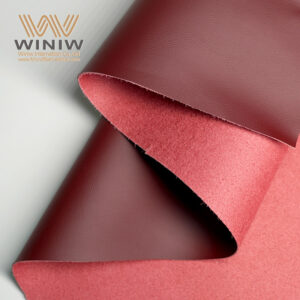
Microfiber PU leather demonstrates a clear advantage in durability when compared to standard PU leather. Manufacturers design microfiber leather with a dense network of ultra-fine fibers, which gives it superior resistance to abrasion, tearing, and daily wear. This structure allows products made from microfiber leather to maintain their appearance and performance over time, even in high-traffic environments like automotive interiors or office furniture. Standard PU leather, while still offering reasonable durability, tends to show signs of cracking and peeling sooner, especially under frequent use or stress. Consumers who prioritize long-lasting materials often select microfiber PU leather for its ability to withstand years of regular use without significant deterioration.
Comfort and Feel
Comfort and tactile experience play a significant role in material selection for furniture, footwear, and accessories. Microfiber faux leather stands out for its soft and flexible texture, which closely mimics the feel of genuine leather. Users often notice that microfiber leather adapts well to body contours, providing a pleasant and comfortable touch. In addition, microfiber leather is engineered to be more breathable than standard PU leather. This breathability allows for better air circulation, helping users stay cool and dry during prolonged contact. As a result, people are less likely to feel sweaty or sticky, which can be a common issue with standard PU leather surfaces. The enhanced comfort and flexibility of microfiber leather make it a preferred choice for products that require direct skin contact or extended use.
Water Resistance
Water resistance is another area where microfiber PU leather excels over standard PU leather. Both materials offer some level of protection against moisture, but microfiber leather generally performs better in practical situations. The following points highlight key differences:
- Microfiber PU leather is water-resistant and can handle splashes and light rain without sustaining damage.
- Standard PU leather also resists water but may not perform as well as microfiber leather under similar conditions.
- Microfiber leather withstands accidental spills and brief exposure to moisture, making it suitable for everyday use in homes, cars, and public spaces.
- Prolonged exposure to water can damage both types, so users should avoid soaking or submerging products made from either material.
These characteristics make microfiber PU leather a reliable option for environments where spills and moisture are common. However, users should still practice proper care to maintain the integrity of both materials.
Cost Differences
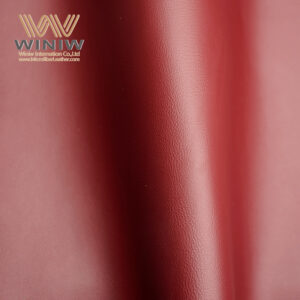
Cost plays a significant role when comparing microfiber PU leather and standard PU leather. Manufacturers invest more in producing microfiber PU leather due to its advanced technology and higher-quality raw materials. This investment results in a product that commands a higher price in the market. Consumers often notice the price gap when shopping for furniture, automotive interiors, or fashion accessories.
A typical price comparison highlights the difference:
| Product Type | Microfiber PU Leather | PU Leather |
|---|---|---|
| Sofa | $800–$1,500 | $500–$1,000 |
| Car Seat Cover | $100–$250 | $50–$120 |
| Handbag | $80–$200 | $30–$100 |
Microfiber PU leather costs more because it offers better durability, a more realistic appearance, and enhanced performance. The manufacturing process uses ultra-fine fibers and specialized coatings, which increase production expenses. In contrast, standard PU leather uses a simpler process and less expensive materials, making it more affordable for budget-conscious buyers.
Buyers should consider the long-term value of each material. Microfiber PU leather products often last longer and maintain their appearance over time. This longevity can offset the initial higher cost, especially for items exposed to frequent use. Standard PU leather may require replacement sooner, which can lead to higher expenses in the long run.
Tip: Shoppers who prioritize durability and a premium look may find the higher upfront cost of microfiber PU leather justified. Those with tight budgets or short-term needs might prefer standard PU leather for its lower price point.
Maintenance Needs
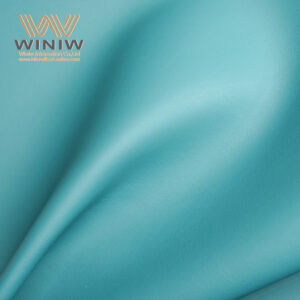
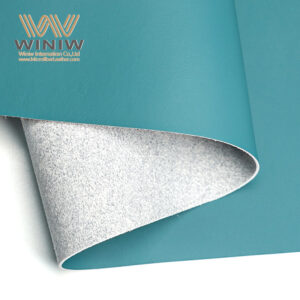
Maintenance requirements differ between microfiber PU leather and standard PU leather. Microfiber PU leather stands out for its ease of care. The dense fiber structure and protective coating resist stains, spills, and dirt. Most users clean microfiber PU leather with a damp cloth and mild soap. This simple routine keeps the material looking new for years.
Standard PU leather also offers easy cleaning, but it may not resist stains and scratches as effectively. Over time, standard PU leather can develop cracks or peel, especially if exposed to harsh cleaning agents or frequent friction. Users often need to apply conditioners or protective sprays to extend its lifespan.
A quick comparison of maintenance needs:
- Microfiber PU leather: Wipe with a damp cloth, use mild soap for tough spots, avoid harsh chemicals.
- PU leather: Clean with a soft cloth, use gentle cleaners, apply conditioner to prevent drying and cracking.
Microfiber PU leather requires less frequent maintenance and shows greater resistance to daily wear. This advantage appeals to busy households, commercial spaces, and automotive owners who want reliable, low-maintenance surfaces.
Note: Regular cleaning and proper care extend the life of both materials. Avoid placing either type in direct sunlight or near heat sources to prevent fading and cracking.
Microfiber PU Leather vs. Genuine Leather
Durability
Durability remains a key factor when comparing microfiber PU leather and genuine leather. Microfiber PU leather features a dense, three-dimensional mesh structure that resists abrasion and tearing. Manufacturers design this material to withstand daily wear, making it suitable for high-traffic environments such as offices, vehicles, and homes. The synthetic fibers maintain their integrity over time, so products often retain their original appearance for years.
Genuine leather, on the other hand, consists of a natural dermal collagen layer. This structure provides impressive strength and flexibility. Over time, genuine leather develops creases and a patina that many users find attractive. These changes do not weaken the material but instead add to its character. However, genuine leather can dry out or crack if not properly maintained. Regular conditioning helps preserve its durability.
Appearance and Texture
The visual and tactile qualities of these materials differ in several important ways. Microfiber PU leather closely mimics the look of genuine leather, but subtle differences become apparent with use. The surface of microfiber PU leather feels smooth and maintains a consistent texture. It does not develop the buttery softness or warmth that genuine leather acquires over time.
Genuine leather stands out for its evolving appearance. As it ages, it develops creases and a soft, supple feel. The material warms up when touched, creating a comfortable experience. In contrast, PU leather cushions often feel rigid and may resemble vinyl after extended use. Microfiber PU leather has a smooth base profile, while genuine leather offers a rougher, more natural texture.
The following table highlights key differences:
| Characteristic | Microfiber PU Leather | Genuine Leather |
|---|---|---|
| Base Structure | Three-dimensional mesh structure | Dermal collagen layer |
| Surface Texture | Roughness similar to genuine leather | Develops buttery softness with use |
| Flexibility | Stays rigid, feels like vinyl | Flexes and warms up comfortably |
| Fiber Appearance | Upright fibers visible | Natural fiber texture |
| Foam Layer | No foam layer | Contains natural foam |
- Microfiber PU leather has a smooth base and remains stiff.
- Genuine leather develops a soft, warm feel and unique creases.
- PU leather can feel cool and rigid, while genuine leather adapts to touch.
Cost
Cost differences between microfiber PU leather and genuine leather can influence purchasing decisions. Microfiber PU leather typically costs less than genuine leather. The manufacturing process uses synthetic materials, which reduces production expenses. This affordability makes microfiber PU leather an attractive option for buyers seeking the look of leather without the premium price.
Genuine leather requires more intensive processing and relies on animal hides. These factors increase the cost of production. As a result, genuine leather products often command higher prices in the market. Buyers pay more for the unique texture, durability, and prestige associated with genuine leather.
Note: Consumers who prioritize budget-friendly options may prefer microfiber PU leather, while those seeking luxury and long-term value often choose genuine leather.
Environmental Impact
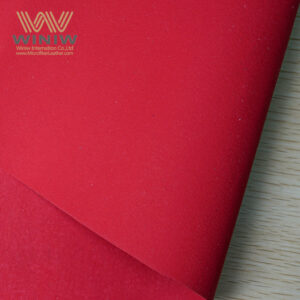
Microfiber PU leather and genuine leather both present notable environmental challenges, but their impacts differ in important ways. Microfiber PU leather production does not require animal hides. Manufacturers use synthetic fibers and polyurethane, which reduces direct harm to animals. This process also consumes fewer animal raw materials, making it a more animal-friendly option. However, the reliance on synthetic materials introduces concerns about biodegradability. Microfiber PU leather does not break down easily in landfills, and recycling options remain limited.
Genuine leather production involves significant environmental costs. Tanning and processing animal hides require large amounts of water and energy. Factories often use toxic chemicals, such as chromium salts, which can pollute water sources and soil. Livestock farming for leather also contributes to greenhouse gas emissions and deforestation. These factors increase the overall environmental footprint of genuine leather.
Both materials raise concerns about toxic chemicals and waste. Neither option offers a perfect solution for sustainability. The following list summarizes the main environmental considerations:
- Microfiber PU leather uses fewer animal resources and avoids direct harm to animals.
- Genuine leather production requires animal hides and contributes to higher greenhouse gas emissions.
- Both materials involve toxic chemicals during manufacturing.
- Microfiber PU leather is non-biodegradable and difficult to recycle.
- Genuine leather can last longer but requires intensive processing and resource use.
Consumers who prioritize animal welfare may prefer microfiber PU leather. Those who focus on long-term durability and natural materials might still choose genuine leather, despite its environmental drawbacks. No option is entirely free from environmental impact, so buyers should weigh these factors based on their values and intended use.
Best Uses
Selecting between microfiber PU leather and genuine leather depends on the specific needs of the user. Microfiber PU leather works well in environments that demand durability, easy maintenance, and a consistent appearance. Many automotive manufacturers choose this material for car interiors because it resists stains and wear. Furniture makers often use it for sofas and chairs in busy households or commercial spaces. Fashion brands select microfiber PU leather for handbags, shoes, and accessories that require a wide range of colors and finishes.
Genuine leather remains the preferred choice for luxury goods and products where a natural look and feel matter most. High-end furniture, premium car interiors, and designer accessories often feature genuine leather for its unique texture and ability to develop a patina over time. Artisans and craftsmen value genuine leather for its workability and traditional appeal.
The table below highlights the best uses for each material:
| Application Area | Microfiber PU Leather | Genuine Leather |
|---|---|---|
| Automotive Interiors | High durability, easy cleaning | Luxury, premium feel |
| Furniture | Stain resistance, color variety | Long-term investment, patina |
| Fashion Accessories | Animal-friendly, affordable | Prestige, natural texture |
| Commercial Spaces | Low maintenance, uniform look | Rare, high-end installations |
Tip: Users should consider the environment, frequency of use, and desired appearance when choosing between these materials. Microfiber PU leather suits practical, high-traffic settings, while genuine leather excels in luxury and artisanal applications.
Is Microfiber PU Leather Right for You
When to Choose Microfiber PU Leather
Microfiber PU leather suits buyers who value durability, easy maintenance, and a modern appearance. This material works well in homes with children or pets. It resists stains and scratches, so it keeps furniture and car interiors looking new. Designers often select microfiber PU leather for projects that require a wide range of colors or a consistent finish. Animal-friendly consumers appreciate that this material does not use animal hides. Businesses in hospitality or retail settings benefit from its long lifespan and low upkeep.
Consider microfiber PU leather if you:
- Need furniture or accessories that withstand heavy daily use.
- Prefer a cruelty-free and animal-friendly product.
- Want a material that offers easy cleaning and stain resistance.
- Seek a consistent look across multiple items or large spaces.
- Require a wide selection of colors and textures.
Tip: Microfiber PU leather often performs best in high-traffic environments where spills and wear are common.
When to Consider Alternatives
Some situations call for different materials. Genuine leather may suit buyers who want a natural patina and a luxurious feel. Standard PU leather can fit tight budgets, especially for short-term needs. Fabric upholstery offers better breathability for those who prioritize comfort in warm climates. Eco-conscious consumers may prefer biodegradable or recycled materials, as microfiber PU leather does not break down easily.
Alternatives may work better if you:
- Desire a material that develops character and softness over time.
- Need maximum breathability for seating or clothing.
- Have a limited budget and do not require long-term durability.
- Prioritize sustainability and want biodegradable options.
- Plan to repair or restore items frequently.
| Material | Best For | Key Drawback |
|---|---|---|
| Microfiber PU Leather | Durability, easy care, variety | Non-biodegradable |
| Genuine Leather | Luxury, patina, longevity | Higher cost, animal use |
| Standard PU Leather | Affordability, short-term use | Lower durability |
| Fabric | Comfort, breathability | Stain susceptibility |
Buying and Care Tips
Buyers should inspect product labels for clear information about the material. Reputable brands provide details about the microfiber content and polyurethane coating. When shopping, check for even color, smooth seams, and a realistic texture. Ask about warranty coverage, especially for furniture or automotive products.
Care guidelines for microfiber PU leather:
- Wipe surfaces with a soft, damp cloth to remove dust.
- Use mild soap for stubborn stains, then dry with a clean towel.
- Avoid harsh chemicals or abrasive tools.
- Keep items away from direct sunlight and heat sources to prevent fading and cracking.
- Follow manufacturer instructions for cleaning and maintenance.
Note: Regular care extends the lifespan of microfiber PU leather and preserves its appearance.
Shoppers who follow these tips can enjoy the benefits of microfiber PU leather while minimizing potential drawbacks.
Microfiber PU leather offers notable advantages such as durability, easy maintenance, and animal-friendly production. Some disadvantages include higher cost and limited breathability. Buyers should consider their priorities before making a decision. Those who value longevity and a modern look may find this material suitable. Others who seek natural texture or maximum comfort might explore alternatives. For more details, consult product guides or speak with industry professionals.

FAQ
What makes microfiber PU leather different from standard PU leather?
Microfiber PU leather uses ultra-fine fibers and advanced technology. This structure gives it greater durability, a more realistic appearance, and better resistance to wear than standard PU leather.
Can microfiber PU leather crack or peel over time?
Yes, exposure to direct sunlight or heat can cause cracking or peeling. Regular care and placement away from heat sources help maintain its appearance.
Is microfiber PU leather safe for people with allergies?
Manufacturers design microfiber PU leather to be hypoallergenic. The dense surface resists dust mites and allergens, making it suitable for most allergy sufferers.
How should someone clean microfiber PU leather?
Use a soft, damp cloth for daily cleaning. For tougher stains, apply mild soap and water. Avoid harsh chemicals or abrasive tools to protect the surface.
Does microfiber PU leather have an odor?
New microfiber PU leather products may have a slight synthetic smell. This odor usually fades within a few days after unpacking and airing out.
Is microfiber PU leather environmentally friendly?
Microfiber PU leather reduces animal use but relies on synthetic, non-biodegradable materials. It offers some eco-friendly benefits but does not fully address sustainability concerns.
Can microfiber PU leather be repaired if damaged?
Repairing microfiber PU leather presents challenges. Most traditional leather repair kits do not work well. Severe damage often requires replacement of the affected area.