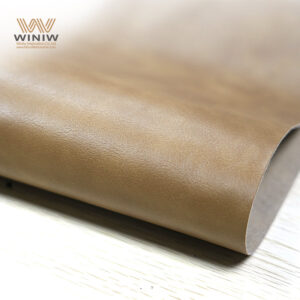
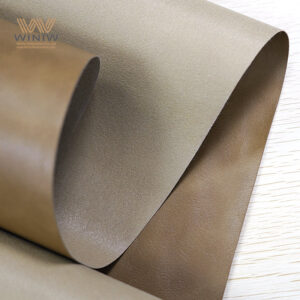
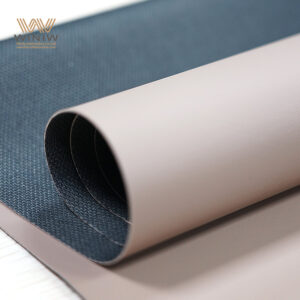
You need good vegan leather if you want your business to be special. Pick vegan leather items that last long and look nice. Work with trusted Vegan Leather Factory partners who use safe stuff. Look for clear certifications that show the vegan leather meets tough rules. Always ask how they make their products. When you pick the right vegan leather, your products show real value.
Key Takeaways
- Pick strong vegan leather made from plants like apples or cactus. This helps your products last longer and look nice.
- Check for certifications like OEKO-TEX® and GRS. These labels show the vegan leather is safe and made the right way.
- Always ask for samples before you buy. This lets you see the quality, texture, and look of the vegan leather.
- Talk clearly with your suppliers. Give updates and feedback often to keep good quality and build trust.
- Learn about suppliers carefully. Read reviews and ask for references to make sure you work with good vegan leather makers.
Vegan Leather Quality Criteria
Durability and Performance
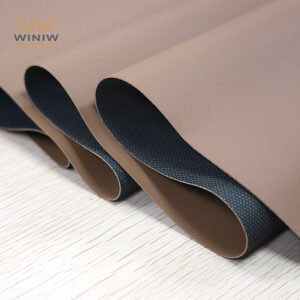
You want your products to last a long time. Vegan leather needs to be strong. Many plant-based vegan leathers, like apple leather, do not wear out easily. They can handle daily use, just like animal leather.
- Plant-based vegan leather is tough like animal leather.
- Apple leather looks good even after you use it a lot.
- Abrasion resistance keeps your items looking nice in bags or pockets.
Faux leather and synthetic leather are also strong. But plant-based vegan leather is better for the planet. You get strong products and help the environment when you choose the right vegan leather.
Texture and Appearance
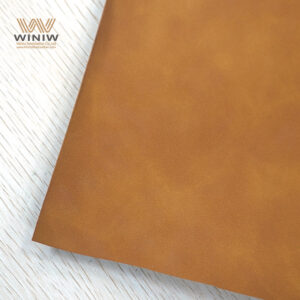
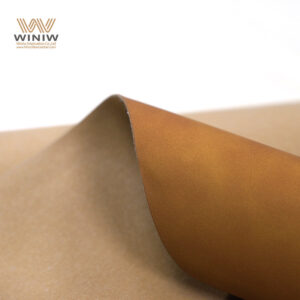
How vegan leather looks and feels is important. Buyers want soft and smooth products. Vegan leather often feels softer than real leather.
- Finishes that look like real leather attract more buyers.
- A smooth feel makes your items special.
- Faux leather and vegan leather both look fancy, but plant-based types have a cool texture.
Tip: Always touch and look at each vegan leather sample before you decide. This helps you pick the best quality.
Certifications and Ethics
You need to know your vegan leather is made the right way. Certifications help you trust the material. Look for these labels:
- OEKO-TEX®
- GRS (Global Recycled Standard)
These show the vegan leather is safe and follows strict rules. Ethical factories pay workers fairly and keep them safe. Many vegan leather factories help family businesses and local workers. They use renewable resources and skip bad chemicals used in animal leather.
- Fair pay and safe jobs for workers.
- Help for family businesses.
- Good treatment for workers and support for local people.
When you pick certified vegan leather, you show customers you care about quality and doing the right thing.
Sustainable Materials
Vegan leather is better for the planet than many other types. Plant-based vegan leather uses things like apples or cactus. These materials cut down on waste and help reuse resources.
- Plant-based vegan leather breaks down and does not hurt animals.
- It makes less pollution than animal or synthetic leather.
- Faux leather made from PU or PVC can make plastic waste.
You help the earth when you choose vegan leather made from plants. These choices lower pollution and show you care about the future.
Note: Always ask your supplier where their vegan leather comes from. Using sustainable materials means better products and a better world.
Vegan Leather Factory Quality Secrets

Material Sourcing
You want your vegan leather factory to pick good materials. The best factories care about how long things last. They also want the leather to feel nice and be good for the earth. These factories choose plant-based vegan leather that looks like real leather. They use resources that can be replaced and treat workers fairly. Factories try new materials and test coatings to make vegan leather better. You should look for certifications like ISO and vegan standards. Factories listen to what customers say to keep their good name.
| Strategy | Описание |
|---|---|
| Material Quality | Strong, nice-looking, and eco-friendly vegan leather that is like real leather. |
| Sustainability & Ethical Practices | Use resources that can be replaced and treat workers fairly. |
| Production Scalability | Make lots of vegan leather without losing quality. |
| Innovation & R&D | Try new materials and ways to make vegan leather. |
| Certifications & Compliance | Get ISO and vegan labels and follow rules for the environment. |
| Supply Chain Transparency | Show where materials come from and how they are used. |
| Brand Reputation & Customer Feedback | Care about what people think and listen to reviews. |
Production Methods
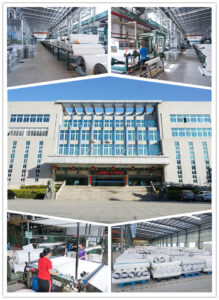
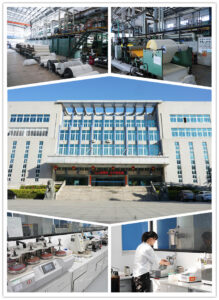
Factories use special steps to make vegan leather strong. They mix plant fibers with safe chemicals. Some factories use apples or cactus to make vegan leather. Faux leather made from PU or PVC is common, but plant-based vegan leather is better for the earth. Factories test every batch to make sure it is good. They check moisture and density in raw materials. Factories watch every step to keep quality high.
Tip: Ask your vegan leather factory how they make their products. This helps you know they care about quality.
Quality Control
You want your vegan leather factory to check every batch. Factories test raw materials for thickness and moisture. They watch the process and test finished vegan leather for strength. Batch testing helps factories find problems early. They use checkpoints and watch the process in real time. You should pick factories that follow strict quality rules.
- Raw materials must pass thickness tests.
- Moisture tests help keep PU foaming even.
- Density tests find problems in raw materials.
- Finished vegan leather gets checked for strength and looks.
Traceability
You need to know where your vegan leather comes from. Factories use systems to track every step. They collect data and link it to each batch. This helps you see how vegan leather is made. Factories share data with regulators and partners. They make sure vegan leather does not hurt forests. You should pick a factory that tracks everything and checks suppliers.
| Feature | Описание |
|---|---|
| Streamlined data collection | Collect and check all needed information automatically. |
| Comprehensive lifecycle traceability | Track products and collect data at every step for full visibility. |
| Flexible data sharing | Share only needed information with others or regulators. |
- Tracking stops forests from being cut down.
- End-to-end systems help follow rules.
- Supplier checks keep vegan leather fair.
Choosing Vegan Leather Suppliers
Researching Suppliers
You want to pick the best vegan leather suppliers for your business. Start by reading reviews about vegan leather manufacturers online. Find suppliers with a good name in wholesale vegan leather. Check if they have outside audits or certifications. This helps you know the vegan leather supply is high quality. Use supplier lists and forums to compare b2b vegan leather choices. Good vegan leather suppliers share product details and proof of quality.
Tip: Always ask other businesses for references about the vegan leather manufacturer.
| Feature | Описание |
|---|---|
| Assurance | Shows the chemicals used are not from animals. |
| Independent Verification | Outside certification uses DNA testing. |
| Chemical Management | Systems check for more than just animal-free materials. |
| Support for Brands | Helps brands call products ‘animal-free’ and ‘vegan friendly’. |
| Training | Gives training and information to makers and sellers. |
| Trademark Use | Lets you use the Vegan Verification Mark and The Vegan Society Trademark. |
Key Questions to Ask
When you talk to vegan leather suppliers, ask important questions. This helps you pick the best b2b vegan leather partner.
- What materials are in your vegan leather supply?
- Can you show certifications for your wholesale vegan leather?
- How do you test if your products are strong?
- Do you give samples of your b2b vegan leather?
- What is your smallest order for wholesale vegan leather?
These questions help you see if the vegan leather manufacturer fits your needs. You also learn if their vegan leather supply is good enough for you.
Red Flags
Some vegan leather suppliers may not be good for you. Watch for warning signs before you buy wholesale vegan leather. Bad vegan leather can hurt your business.
| Type of Vegan Leather | Долговечность | Notes |
|---|---|---|
| High-quality PU | 2 to 5 years | Lasts longer and works well |
| Low-quality PVC | 1 to 2 years | Can crack and fade |
If a vegan leather manufacturer cannot show certifications or avoids your questions, be careful. Suppliers with very cheap b2b vegan leather may use bad materials. Always check how long their vegan leather supply should last.
Communication
Talking well with vegan leather suppliers helps your business do better. You need to tell them what you want for your b2b vegan leather orders. Share your product needs and when you need them. Check in often to fix problems early. Use technology to keep your wholesale vegan leather orders organized. When you talk often with your vegan leather manufacturer, you get better products and fewer mistakes.
- Tell them what you want for quality and delivery.
- Check in often to fix problems early.
- Use technology to keep everyone organized.
Note: Good communication with your vegan leather suppliers leads to better b2b vegan leather products and long-term success.

Sample Testing for Business
Requesting Samples
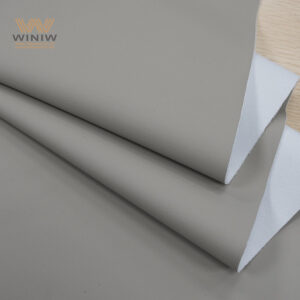
You should see and touch vegan leather before buying. Most manufacturers give small pieces called material dips. These help you test color, texture, and finish. If you want special features, ask for custom samples. Suppliers make samples for you to check before making lots of products. This step lets you see the quality and make sure it works for you.
- Ask for material dips to check color and texture.
- Request custom samples if you have special needs.
- Approve samples before placing big orders.
Tip: Always get samples from more than one supplier. This gives you more choices and helps you pick the best vegan leather.
Testing Quality
You need to test vegan leather samples to see if they are strong and look nice. Labs use different tests to check quality. Here is a table with common tests:
| Test Name | Описание |
|---|---|
| Visual Inspection | Checks grain, color, and surface for problems. |
| Tensile Strength Test | Measures how much force vegan leather can take before breaking. |
| Tear Strength Test | Tests how well the material resists ripping. |
| Colorfastness Test | Makes sure color stays bright and does not rub off. |
| Chemical Analysis | Finds out what chemicals are in the vegan leather. |
| Environmental Durability | Checks how well the material stands up to weather and use over time. |
Testing helps you pick vegan leather that lasts and looks good. You can also learn how to fix vegan leather if you know its strengths and weaknesses.
Verifying Claims
You want to be sure vegan leather is really vegan and safe. Independent labs like Eurofins use DNA tests to check for animal parts. Chem-MAP® Vegan Verification gives certificates that last two years. These programs help you trust the ingredients and ethics. You can use the Vegan Mark on your products to show customers you care.
| Aspect | Описание |
|---|---|
| Verification Program | Eurofins, Chem-MAP® Vegan Verification |
| Testing Method | DNA testing for animal-free materials |
| Certification | Vegan Verification Certificate (valid 2 years) |
| Benefits | Assurance of animal-free ingredients, consumer trust, branding support |
Comparing Options
You should compare vegan leather samples from different suppliers. Look at new materials, how much they can make, eco-friendly choices, cost, and customer help. Use the table below to help you decide:
| Criteria | Описание |
|---|---|
| Material Innovation | Does the vegan leather look and feel like real leather? |
| Scalability & Production | Can the supplier make enough vegan leather for your needs? |
| Sustainability & Certifications | Are the materials eco-friendly and certified? |
| Cost & Pricing Flexibility | Are prices fair and flexible? |
| Supply Chain Transparency | Is the supplier open about where vegan leather comes from? |
| Innovation & R&D | Does the company improve vegan leather over time? |
| Customer Support | Is the supplier helpful and easy to reach? |
| Track Record & References | Do other customers recommend this supplier? |
Comparing helps you pick vegan leather that fits your business goals. You can focus on keeping vegan leather quality high for your products.
Building Supplier Relationships
Negotiating Terms
You need to be good at talking with vegan leather suppliers. If you negotiate well, you can get better prices and quality. Ask questions to find out why the supplier wants certain things. Try to understand what the supplier is dealing with. Work together to solve problems. Be friendly and chat a little to build trust. Use words like “we” to show you want to work together. Do not agree too fast just to avoid conflict. Sometimes, the supplier has rules they must follow, so do not take it personally if they say no.
| Strategy | Описание |
|---|---|
| Understand Interests | Ask questions to learn the reasons behind the other party’s demands. |
| Walk in Their Shoes | Recognize the pressures that may influence the supplier’s position. |
| Frame as Problem-Solving | Treat negotiations as a shared challenge. |
| Build Relationships | Use small talk to create a friendly connection. |
| Emphasize Agreement | Use inclusive language like “we” to find common ground. |
| Avoid Caving | Stand firm on important issues. |
| Don’t Assume Intent | Remember that a tough stance may not be personal. |
Ongoing Quality Checks
You need to check vegan leather often. Make a plan to look at each batch. Watch for changes in color, texture, or smell. Test how strong and bendy the material is. Write down what you find in your records. If you see a problem, tell your supplier right away. This helps you keep your products good and stops surprises.
Tip: Use a checklist for every delivery. This helps you find problems early.
Communication Tips
Talking clearly helps you trust your supplier. Tell them what you need before you order. Give feedback after each shipment. Use email or apps to keep track of your talks. Answer your supplier’s questions quickly. Good communication helps you fix problems fast and keeps your business running well.
Planning for Growth
If your business gets bigger, you need to plan for more vegan leather. You can make your supply chain better by working with local suppliers. This can save money and make delivery faster. Try new technology to make things quicker and use less energy. Tell more people about your brand with smart ads. These steps help you handle more orders and keep your business strong.
- Make your supply chain better by picking cheap materials and local partners.
- Grow your brand with ads that reach eco-friendly buyers.
- Use new technology to make production faster and track orders.
Note: Planning ahead helps you grow without losing quality.
You can make your business strong by picking vegan leather with good standards. Choose materials that are made the right way and work with suppliers you trust. Your products will look cool and bring in people who care about style and the planet. Doing these things helps local people and keeps nature safe.
Remember, using top vegan leather and having good supplier partnerships gives you better products and helps your business last a long time.

ЧАСТО ЗАДАВАЕМЫЕ ВОПРОСЫ
What makes vegan leather different from regular leather?
Vegan leather is made from plants or man-made stuff. It does not use animal skins. Factories use things like apples, cactus, or old plastic. Vegan leather is usually softer and lighter than animal leather.
How do you know if vegan leather is high quality?
Look for labels like OEKO-TEX® or GRS. Feel the vegan leather to check if it is strong and soft. Ask for reports that show how it was tested. Good vegan leather does not break or lose color fast.
Can vegan leather last as long as animal leather?
Yes, strong vegan leather can last for years. You must keep it clean and dry. Some plant-based vegan leathers do not wear out easily. They can be as tough as animal leather.
Is vegan leather better for the environment?
Vegan leather made from plants or reused stuff uses less water and power. It makes less pollution than animal leather. Picking eco-friendly vegan leather helps the earth.
What should you ask a vegan leather supplier before buying?
- What materials are in your vegan leather?
- Do you have any labels or certificates?
- Can I get samples to check?
- How do you test your vegan leather?
- What is the smallest order I can buy?
These questions help you choose the best supplier.