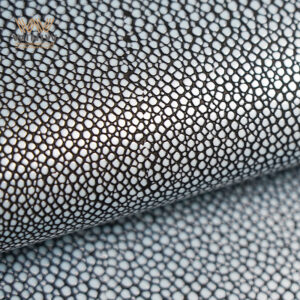
When I choose a pvc material football, I notice several advantages. Durability, abrasion resistance, affordability, and waterproof qualities stand out. I also experience some drawbacks, such as a heavier feel, less control, and touch issues. For casual play, pvc footballs offer solid value and long-lasting performance. Advanced players may find the comfort and responsiveness lacking, so I recommend these footballs mainly for beginners or budget-focused users.
Key Takeaways
- PVC footballs are affordable, making them a great choice for youth leagues and casual play.
- These footballs are durable and resistant to wear, ideal for rough surfaces like concrete.
- Waterproof features keep PVC footballs light and easy to handle, even in wet conditions.
- Advanced players may find PVC footballs lack responsiveness and comfort compared to higher-quality options.
- Consider eco-friendly alternatives if sustainability is important to you.
PVC Material Football: Pros
Affordability and Value
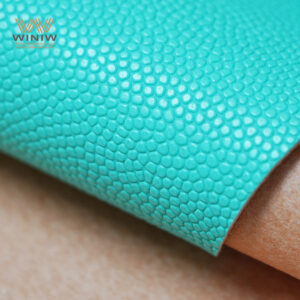
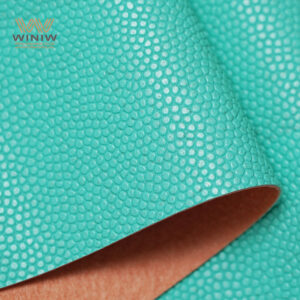
When I look for a football that fits my budget, pvc footballs always stand out. The advantages of these balls start with their price. I often find entry-level options like Nivia and Kelme footballs priced between $8 and $25. This range makes them accessible for youth leagues and training sessions. I notice that teams can easily replace worn-out balls without straining their budgets. The balanced performance-to-price ratio appeals to me, especially when I need several balls for drills or practice. I also appreciate the variety of colors and designs, which helps my team differentiate during training.
Tip: If you manage a large group or school team, pvc footballs offer an affordable replacement option that keeps everyone playing.
| Feature | Nivia Football (PVC) | Kelme Football (PVC) |
|---|---|---|
| Price Range | $8–$12 (entry-level) | $15–$25 (entry-level) |
| Долговечность | Long-lasting on rough surfaces | UV-resistant, prevents cracking |
| Performance | Core performance maintained | Balanced performance-to-price ratio |
| Use Case | Suitable for training/recreational use | Suitable for occasional use |
| Additional Notes | Affordable replacement option | Available in multiple designs |
Durability and Abrasion Resistance
I choose pvc material football for its durability. The advantages become clear when I play on rough surfaces like concrete or turf hybrids. These balls resist cracking and maintain their shape longer than many alternatives. I have used pvc footballs daily, and they withstand abrasion from hard ground and frequent kicks. UV-resistant materials prevent damage from sunlight, so I do not worry about the ball deteriorating quickly. Even after months of use, the ball’s surface remains intact, which means I spend less on replacements.
- Long-lasting even with daily use on concrete-turf hybrids.
- UV-resistant construction helps prevent cracking in sunlight.
- Maintains core performance for training and recreational play.
Waterproof and Low Maintenance
One of the key advantages I notice with pvc footballs is their waterproof quality. I have tested these balls in wet conditions, and they absorb very little water. Top-tier footballs limit water uptake to under 5% after 200 minutes of soaking. This feature keeps the ball light and easy to handle, even during rainy matches. I do not need to worry about the ball becoming heavy or misshapen after exposure to moisture. Maintenance is simple. I wipe the ball clean, and it is ready for the next game.
- Waterproof construction keeps the ball light in wet weather.
- Low water absorption means less risk of misshaping.
- Easy to clean and maintain after use.
Lightweight and Handling
When I play with pvc footballs, I notice they feel lighter than some other types. This lightweight design offers several advantages for casual play. I find it easier to kick and pass the ball, especially for younger players or beginners. Handling feels straightforward, and the ball responds well on hard surfaces. Although some players mention a heavier feel compared to premium balls, I believe the benefits outweigh this minor drawback for most recreational games.
Note: If you want a football that is easy to handle and suitable for tough surfaces, pvc material football delivers reliable performance.
PVC Footballs: Cons
Heavier Feel and Responsiveness
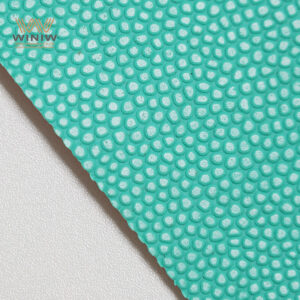
When I play with pvc footballs, I notice a heavier feel compared to premium options. The ball does not respond as quickly to my footwork. I find that the rigid surface limits my ability to control the ball during fast-paced drills. The flight path often feels less precise, especially when I attempt long passes or shots. For advanced training, this lack of responsiveness becomes a clear disadvantage. I see many professional players choose other materials because they want a football that reacts instantly to their movements.
Note: If you want sharp control and quick response, pvc material football may not meet your expectations.
Touch and Comfort Issues
I experience touch and comfort issues when I use pvc footballs. The surface feels harder than balls made from polyurethane or leather. My feet sometimes ache after long sessions, especially on cold days. The ball does not cushion impact well, which makes juggling and dribbling less enjoyable. I notice that younger players often struggle to develop their skills with a ball that lacks a soft touch. These disadvantages affect my overall comfort and reduce the fun of playing.
- Hard surface can cause discomfort during extended play.
- Less cushioning makes skill development harder for beginners.
- Cold weather increases the stiffness of the ball.
Performance for Competitive Play
I do not recommend pvc footballs for competitive matches. The disadvantages become obvious when I compare them to higher-quality alternatives. The rigid construction limits ball control and accuracy. Advanced players prefer footballs made from polyurethane or leather because these materials offer better grip and flight stability. I see that most budget-friendly models use pvc, but they do not deliver the performance needed for tournaments or league play.
- PVC footballs are common in entry-level and training models.
- Advanced players choose other materials for improved playability.
- Rigid design affects accuracy and control in competitive settings.
Environmental Concerns
I consider the environmental impact when I select a football. The production and disposal of pvc footballs raise several concerns:
- PVC production releases greenhouse gases due to fossil fuel origins.
- Toxic chemicals used in manufacturing pose health and environmental risks.
- Wear and tear from pvc footballs contribute microplastics to oceans.
- Plastic waste from discarded footballs often ends up in landfills, where it persists for decades.
These disadvantages make me think twice before choosing pvc material football for regular use. I believe that eco-friendly alternatives deserve more attention, especially as awareness of plastic pollution grows.
Tip: If you care about sustainability, explore footballs made from recycled or biodegradable materials.
Soccer Ball Materials: Alternatives and Best Use
Who Should Use PVC Footballs
I often recommend pvc footballs to beginners and casual players. These footballs work well for youth leagues, especially when cost is a concern. I see many schools and community teams choose pvc material football because it offers solid durability and value. Youth leagues benefit from the affordability, allowing coaches to buy multiple footballs for training. I notice that players who play on rough surfaces, such as concrete or hard turf, find pvc footballs last longer than other options. For recreational games, I prefer pvc footballs because they require little maintenance and handle wet weather without issues.
Tip: If you organize youth leagues or casual matches, pvc footballs provide a reliable and budget-friendly solution.
| Player Type | Best Use Scenario | Recommended Ball Material |
|---|---|---|
| Beginners | Learning basic skills | PVC |
| Youth leagues | Regular practice, rough surfaces | PVC |
| Casual players | Occasional games, outdoor play | PVC |
When to Choose Other Materials
I choose pu material footballs or leather footballs when performance matters most. Advanced players and competitive youth leagues need consistent touch and control. I notice that PU and leather footballs deliver better grip and responsiveness, especially during matches that require precise passing and shooting. Experts suggest using these soccer ball materials for frequent outdoor use and situations where consistent performance is critical. I recommend pu material footballs for youth leagues that focus on skill development and competitive play. Leather footballs also offer a premium feel, making them ideal for tournaments.
- PU or leather footballs provide better touch and control than pvc footballs.
- I select PU or leather for frequent outdoor use and competitive matches.
- Youth leagues aiming for higher performance should consider pu material footballs.
Note: If you want a football that supports advanced skills and consistent play, explore alternatives to pvc material football.
I see that pvc footballs offer strong durability, affordability, and waterproof features. These footballs work best for youth and casual players who want reliable quality without a high price. Advanced players often need better touch and control, so I recommend higher quality materials for them. I always remind players to consider their age, role, and how often they play. When I select a football, I look for quality, safety, and value.
- I balance safety, performance, and value for every football choice.
- I check the quality and size to match the needs of youth and adult players.
- I invest in quality materials for long-lasting performance.
Players who want a budget-friendly, low-maintenance option will find pvc footballs a smart choice. Players focused on skill or competitive play should look for higher quality footballs.
ЧАСТО ЗАДАВАЕМЫЕ ВОПРОСЫ
What makes tpu footballs different from pvc footballs?
I notice tpu footballs feel softer and offer better grip. When I compare soccer ball materials, tpu footballs provide improved touch and control. I recommend tpu footballs for players who want a balance between durability and performance.
Are tpu footballs suitable for outdoor play?
I use tpu footballs on grass and turf. These soccer ball materials resist abrasion and maintain shape. I find tpu footballs perform well in various weather conditions. I choose tpu footballs for outdoor matches when I want consistent quality.
Why do coaches prefer tpu footballs for training?
Coaches select tpu footballs because they last longer and help players develop skills. I see tpu footballs used in drills that require precise passing. Among soccer ball materials, tpu footballs offer reliable performance for repeated use.
How do tpu footballs compare to other soccer ball materials for beginners?
I recommend tpu footballs to beginners who want comfort and control. When I test different soccer ball materials, tpu footballs stand out for their soft touch. I believe tpu footballs help new players learn basic techniques more easily.
Can I use tpu footballs for competitive matches?
I trust tpu footballs for league play. These soccer ball materials deliver consistent flight and accuracy. I choose tpu footballs when I need a football that meets match standards and supports advanced skills.
Tip: I always check the specifications of tpu footballs before buying to ensure they match my playing needs.
| Soccer Ball Materials | Долговечность | Touch | Best Use |
|---|---|---|---|
| TPU Footballs | Высокий | Мягкий | Training, Matches |
| PVC Footballs | Medium | Hard | Casual Play |
| Leather | Premium | Very Soft | Tournaments |