Catalog
Material Insight: Polyurethane Vs Faux Leather
B2B Product Guide: Polyurethane vs. Faux Leather – Making the Informed Choice for Performance & Sustainability
The terms “polyurethane leather” and “faux leather” are often used interchangeably, creating significant confusion in the marketplace. This ambiguity can lead to suboptimal material selection, impacting product durability, aesthetics, and sustainability credentials. Polyurethane (PU) leather typically refers to a specific substrate technology – a thin layer of polyurethane coating applied over a low-cost base (like split leather or fabric). While cost-effective, traditional PU leather often suffers from limitations: susceptibility to cracking, peeling, poor breathability, and inconsistent texture over time, especially under rigorous use or environmental stress.
Faux leather, conversely, represents a broader, more advanced カテゴリー of synthetic materials engineered to authentically replicate the look, feel, and performance of genuine leather. High-performance faux leather, particularly premium grades utilizing advanced polyurethane formulations combined with superior substrates like ultra-microfiber, transcends the limitations of basic PU leather. It delivers exceptional durability, refined aesthetics, enhanced comfort, and critical sustainability advantages – making it the unequivocally superior choice for demanding B2B applications where longevity, brand image, and environmental responsibility are paramount.
Why Premium Faux Leather is the Optimal Choice for Your Application
For manufacturers and designers prioritizing quality and responsibility, premium faux leather outperforms basic PU leather decisively:
– Superior Durability & Performance: Engineered with advanced PU resins and robust microfiber bases, it offers significantly higher resistance to abrasion, tearing, UV degradation, and cold cracking – essential for automotive interiors, high-traffic upholstery, and outdoor furniture.
– Authentic Aesthetics & Feel: Achieves nuanced grain structures, soft hand feel, and consistent coloration that closely emulate top-grain leather, enhancing product desirability without ethical or ecological compromises.
– Enhanced Sustainability Profile: Eliminates reliance on animal hides, reduces water consumption and toxic chemical usage (vs. chrome-tanned leather), and leverages increasingly bio-based or recycled PU content. Fully recyclable options further close the loop.
– Consistent Supply & Design Flexibility: Unaffected by seasonal hide variations, enabling reliable large-scale production. Offers unparalleled customization in color, texture, thickness, and performance additives (e.g., antimicrobial, flame retardant).
– Reduced Total Cost of Ownership: Longer lifespan, lower maintenance requirements, and minimized waste from material failure offset initial cost differences compared to inferior synthetics or inconsistent leathers.
Introducing WINIW: Your Trusted Partner in Advanced Synthetic Leather Solutions
For over 20 years, WINIW has been at the forefront of innovating high-performance, eco-conscious faux leather solutions for global B2B markets. We don’t just supply materials; we engineer sustainable performance. Our deep expertise in polymer science, substrate technology, and finishing processes allows us to develop bespoke faux leather grades that precisely meet the rigorous demands of:
– Automotive & Transportation (seating, door panels, dashboards)
– Furniture & Contract Interiors (residential, hospitality, healthcare)
– Luggage, Footwear & Accessories
– Electronics & Specialty Applications
WINIW’s commitment extends beyond product excellence. We prioritize genuine sustainability through OEKO-TEX® STANDARD 100 certification, traceable supply chains, R&D focused on bio-based and recycled content, and manufacturing processes designed to minimize environmental impact. Partner with WINIW to transform your product vision into reality with materials that deliver uncompromising quality, responsible sourcing, and measurable value. Choose innovation engineered to last – choose WINIW.
Technical Performance & Standards
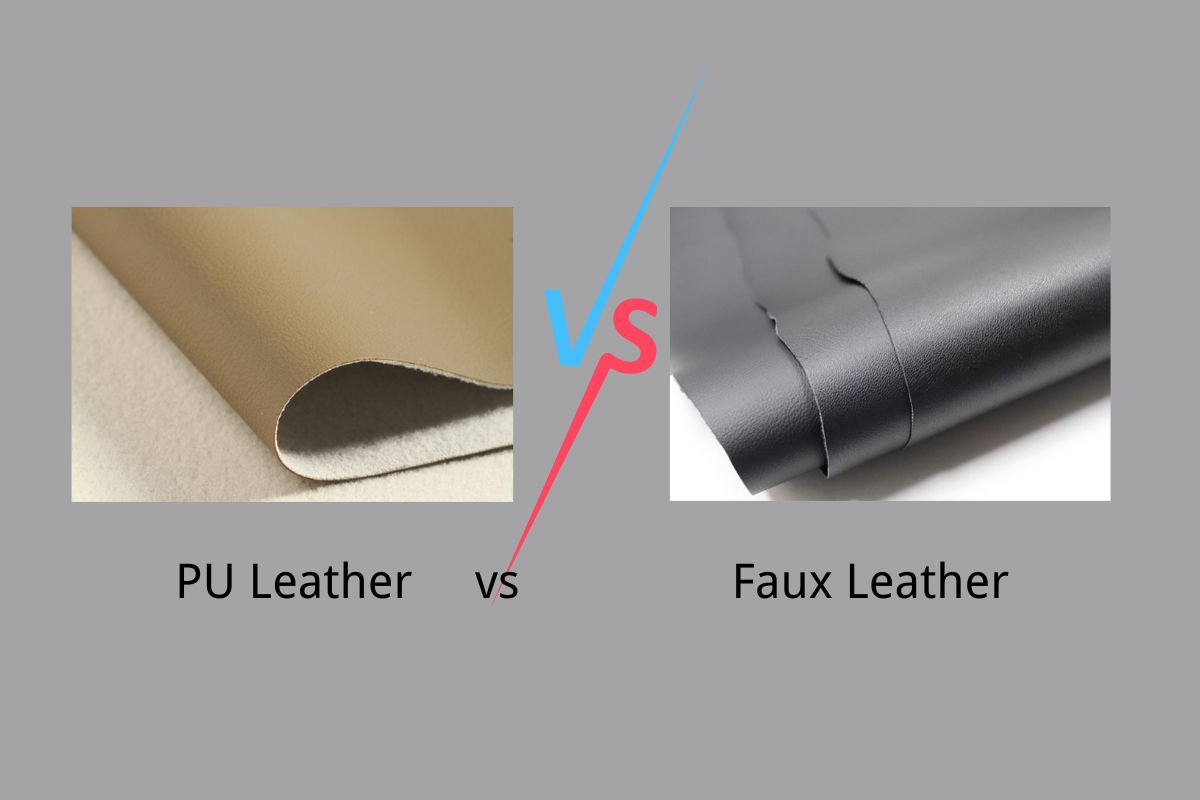
WINIW B2B Product Guide: Polyurethane vs Faux Leather
WINIW specializes in high-performance synthetic leather solutions designed for industrial, furniture, automotive, and fashion applications. Our advanced polyurethane (PU) leather offers significant technical and commercial advantages over conventional faux leather. Engineered for durability, customization, and environmental compliance, WINIW’s PU leather is the preferred choice for forward-thinking B2B partners seeking premium quality with cost-effective production.
Technical Advantages of WINIW Polyurethane Leather
-
Cost-Effective Production
WINIW’s PU leather reduces total manufacturing costs through consistent thickness, minimal waste during cutting, and high yield per roll. Unlike traditional faux leather, which often requires additional surface treatments, our PU leather is ready for direct processing, lowering labor and finishing expenses. -
Superior Durability
Our PU leather exhibits exceptional tensile strength, abrasion resistance, and flexibility. It maintains integrity under repeated stress and extreme conditions, making it ideal for high-use applications such as automotive interiors, upholstery, and protective gear. -
Customizable Colors and Finishes
WINIW offers full-color customization with precise Pantone matching and a wide range of textures (suede, matte, glossy, embossed). Our pigmentation process ensures uniform color distribution and long-term fade resistance, even under UV exposure. -
REACH Compliance
All WINIW PU leather products comply with EU REACH regulations, ensuring the absence of SVHCs (Substances of Very High Concern). This certification supports our clients’ sustainability goals and facilitates market access in Europe and other regulated regions. -
ISO 9001-Certified Manufacturing
WINIW operates under ISO 9001 quality management standards, guaranteeing consistent product quality, traceability, and process efficiency. Our certification reflects our commitment to continuous improvement and customer satisfaction.
Product Specifications Comparison
| 仕様 | WINIW Polyurethane Leather | Conventional Faux Leather |
|---|---|---|
| Material Base | High-density polyester + PU coating | Low-grade PVC or PU blend |
| Thickness Range | 0.6 mm – 2.0 mm | 0.8 mm – 1.8 mm |
| Tensile Strength | ≥ 45 N/cm | 25–35 N/cm |
| Elongation at Break | ≥ 80% | 40–60% |
| Color Fastness (UV, rub) | Grade 4–5 (Excellent) | Grade 3–4 (Moderate) |
| Abrasion Resistance | > 50,000 cycles (Martindale) | 20,000–30,000 cycles |
| Custom Color Options | Full Pantone matching available | Limited standard colors |
| REACH Compliant | Yes | Often not certified |
| ISO 9001 Certified Process | Yes | Varies by supplier |
| Environmental Profile | Low VOC, phthalate-free | May contain phthalates, higher VOC |
WINIW’s polyurethane leather outperforms standard faux leather across key performance metrics while supporting sustainable and compliant supply chains. With scalable production and responsive customization, we empower B2B partners to deliver premium products efficiently and responsibly.
Why Choose Synthetic over Real Leather
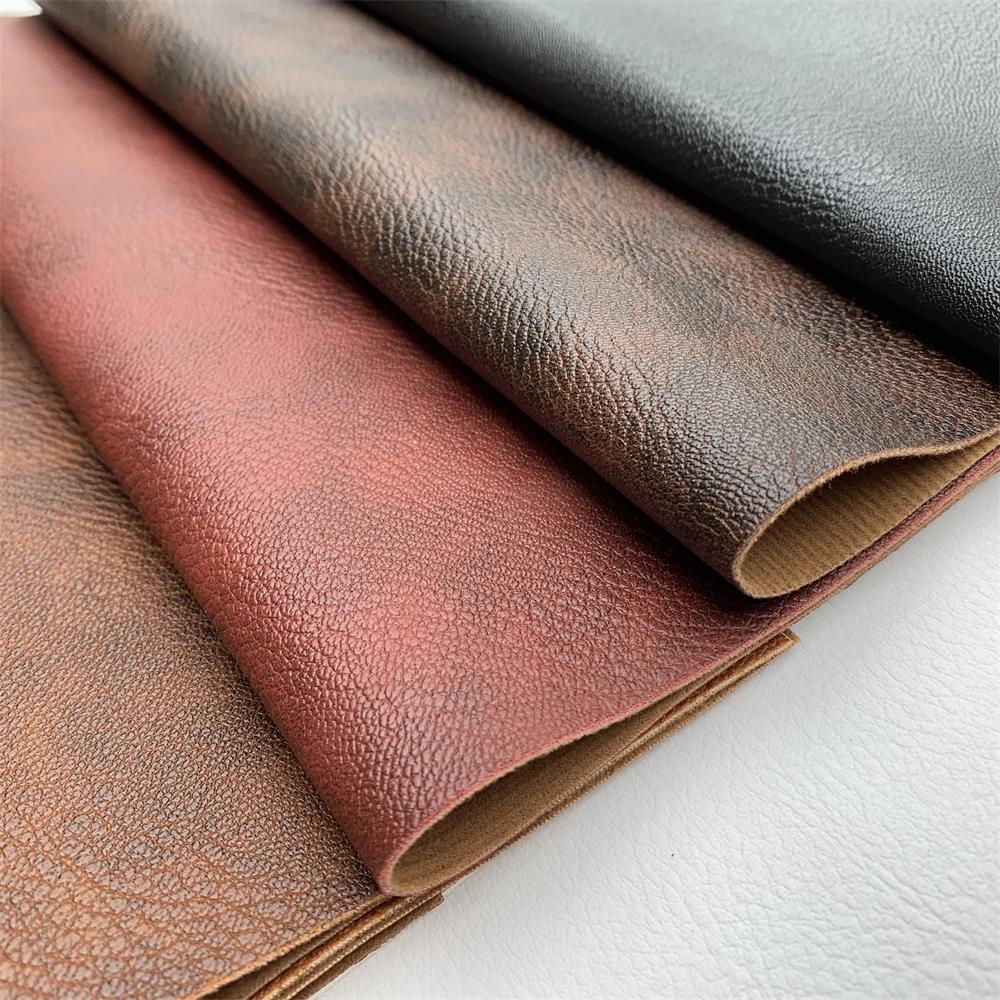
B2B Material Comparison Guide: Polyurethane Leather, General Faux Leather & Real Leather
As a strategic partner for forward-thinking manufacturers, WINIW provides this objective comparison to support sustainable and commercially viable material selection. Understanding the distinctions between polyurethane (PU) leather, general faux leather, and real leather is critical for balancing performance, cost, ethics, and environmental impact in your product development.
Key Definitions for Clarity:
– Polyurethane Leather (PU Leather): A specific, high-performance subset of faux leather. Made by coating a fabric base (often polyester) with a polyurethane resin layer. WINIW specializes in advanced PU leathers engineered for durability, texture fidelity, and reduced environmental impact.
– Faux Leather (General Term): An umbrella term encompassing all synthetic alternatives to real leather (including PU leather, PVC leather, and newer bio-based variants). Quality, performance, and eco-profile vary significantly by manufacturing process and materials.
– Real Leather: Material derived from tanned animal hides (primarily bovine). Performance and environmental footprint depend heavily on hide origin, tanning methods (chrome vs. vegetable), and finishing processes.
Comparative Analysis: Core Business Metrics
| Attribute | Polyurethane Leather (Advanced, e.g., WINIW) | Faux Leather (General Market Average) | Real Leather |
|---|---|---|---|
| Cost (Material & Lifecycle) | Moderate initial cost. Lower total cost of ownership due to consistency, minimal waste, and long service life in demanding applications. | Low initial cost, but high variability. Frequent replacement due to cracking/peeling increases long-term costs. | Highest initial cost. Significant price volatility due to hide scarcity, labor intensity, and tanning complexity. High waste in cutting (up to 30%). |
| Durability & Performance | Excellent abrasion resistance (50,000+ double rubs). Resistant to UV fading, moisture, and chemicals. Consistent thickness/texture. High tensile strength. | Poor to moderate durability. Prone to cracking, peeling, and discoloration (often <15,000 double rubs). Inconsistent quality. Vulnerable to heat/moisture. | Good natural durability but variable. Susceptible to water damage, staining, and requires conditioning. Thickness/quality varies by hide section. Can develop patina (pro/con). |
| Eco-Friendliness | WINIW Focus: Water-based PU systems, >30% recycled content options, OEKO-TEX® certified, low-VOC emissions, PFC-free. Fully recyclable at end-of-life in specialized streams. Closed-loop water systems in production. | Typically high environmental burden: Often PVC-based (toxic dioxins), petroleum-intensive, non-recyclable, high VOC emissions. “Greenwashing” common without certifications. | Significant environmental burden: High water/land use, methane emissions from livestock, toxic chrome tanning (if used), sludge disposal issues. Biodegradable only if vegetable-tanned; chrome-tanned is hazardous waste. Certifications (e.g., LWG) are crucial but not universal. |
Strategic Considerations for B2B Decision-Making
- Supply Chain Resilience: PU leather offers stable, scalable supply chains independent of livestock markets or hide shortages. Real leather faces increasing volatility due to ethical concerns and resource constraints.
- Design & Manufacturing Efficiency: Advanced PU leather provides uniform thickness, consistent coloring, and seamless large-format rolls – minimizing cutting waste and accelerating production. Real leather’s natural variations require skilled grading and increase material waste.
- Compliance & Brand Safety: WINIW’s PU leathers meet global safety standards (REACH, CPSIA) and eliminate risks associated with chrome-tanned leather (e.g., Cr(VI) contamination). General faux leather often lacks traceability and chemical compliance documentation.
- True Sustainability: “Eco-friendly” claims require scrutiny. Demand full lifecycle assessments (LCA) and verifiable certifications (e.g., OEKO-TEX®, GRS, Cradle to Cradle®). WINIW’s PU leathers are engineered for circularity – a key differentiator from conventional faux leather and problematic real leather tanning.
- End-of-Life Management: Advanced PU leather is increasingly compatible with mechanical recycling streams. PVC faux leather is landfill-bound. Real leather’s biodegradability is offset by toxic tanning residues unless certified chrome-free.
WINIW’s Value Proposition for Sustainable B2B Partnerships
We move beyond basic PU leather by integrating circular design principles:
– Radical Transparency: Full material disclosure and LCAs available for every grade.
– Performance Without Compromise: Match or exceed real leather in abrasion, tear strength, and aesthetic versatility – without ethical or supply chain risks.
– Closed-Loop Innovation: Partnerships with recycling facilities to reclaim post-industrial PU waste into new material feedstock.
– Future-Proofing: Alignment with EU Ecodesign Directive and emerging global regulations targeting hazardous substances in textiles.
Choosing advanced polyurethane leather from a committed innovator like WINIW delivers operational efficiency, ethical assurance, and verifiable environmental progress – positioning your brand for long-term resilience in a resource-constrained market. Request our technical datasheets and sustainability portfolio for project-specific validation.
WINIW Factory Capabilities
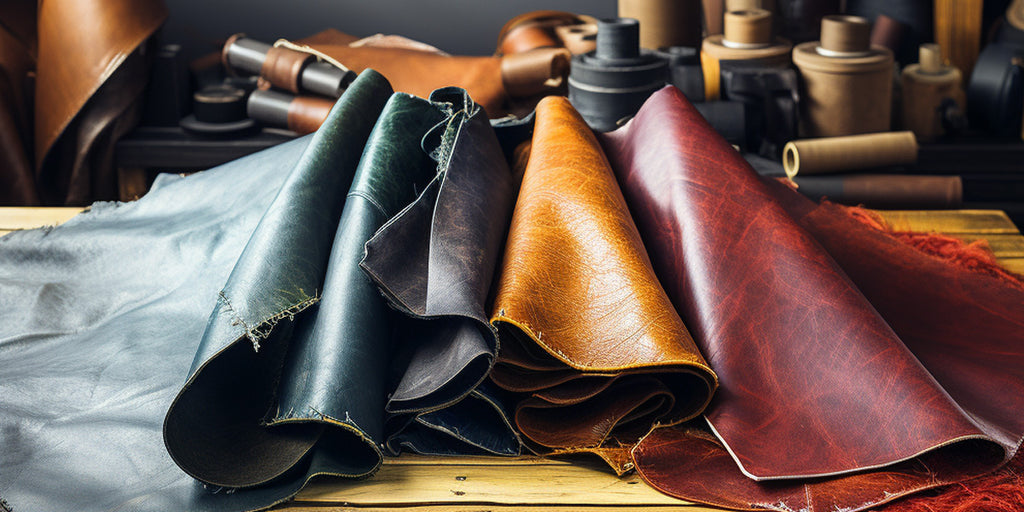
WINIW is a leading manufacturer of high-performance synthetic leather, specializing in innovative, eco-friendly materials for a wide range of industrial and consumer applications. With a strong commitment to sustainability and quality, WINIW serves global B2B clients across fashion, automotive, furniture, and technical textiles industries.
The company operates from a state-of-the-art manufacturing facility spanning 100,000 square meters, one of the largest in the synthetic leather sector. This expansive production base enables high-volume output while maintaining precision, consistency, and scalability to meet the evolving demands of international markets.
Key strengths of WINIW’s factory include:
- Advanced production lines integrated with automated control systems for enhanced efficiency and material uniformity
- A dedicated R&D team of over 100 technical experts focused on material innovation, durability enhancement, and sustainable development
- Continuous investment in eco-friendly technologies, including water-based and solvent-free coating processes
- Strict quality control protocols implemented at every stage—from raw material sourcing to final product inspection—ensuring compliance with international standards (REACH, RoHS, OEKO-TEX®)
- In-house testing laboratory equipped to conduct abrasion resistance, color fastness, tensile strength, and environmental aging tests
WINIW exports to key global markets, with established distribution and compliance frameworks in Europe and the USA. Our products are trusted by premium brands seeking sustainable alternatives to genuine leather without compromising on performance or aesthetics.
By combining manufacturing scale, technical expertise, and a forward-thinking approach to sustainability, WINIW delivers reliable, high-quality synthetic leather solutions tailored to the needs of B2B partners worldwide.
Contact Us for Samples
WINIW Premium Synthetic Leather: Technical Guide for B2B Partners
As a leader in sustainable material innovation, WINIW clarifies critical industry terminology to ensure informed sourcing decisions. “Faux leather” is a broad consumer term encompassing all non-animal leathers, including both polyurethane (PU) and polyvinyl chloride (PVC) variants. However, PU leather represents the premium, eco-responsible standard within this category—distinct from traditional PVC-based alternatives. Understanding this distinction is essential for brands committed to performance, compliance, and environmental stewardship.
Key Industry Clarification
- PU leather uses polyurethane resins as its primary coating, eliminating chlorine-based compounds and toxic plasticizers inherent in PVC.
- PVC “faux leather” relies on polyvinyl chloride, generating hazardous dioxins during production and disposal, with growing regulatory restrictions globally (e.g., EU REACH).
- WINIW exclusively engineers water-based PU leather, aligning with circular economy principles and stringent safety certifications.
Technical Comparison: WINIW PU Leather vs. Conventional PVC “Faux Leather”
| 仕様 | WINIW Water-Based PU Leather | Conventional PVC “Faux Leather” |
|---|---|---|
| Base Material | Microfiber/polyester + PU resin | PVC film + plasticizers |
| Eco-Impact | Zero chlorine, low VOC emissions | High chlorine content, dioxin risk |
| Durability (Martindale) | 50,000+ cycles (industrial grade) | 15,000–25,000 cycles |
| Flex Cracking | Resistant to 300,000+ bends | Fails at 50,000–100,000 bends |
| Certifications | OEKO-TEX® STANDARD 100, REACH, GRS | Limited compliance; often non-recyclable |
| End-of-Life | Recyclable feedstock compatible | Landfill-bound; incineration hazard |
Why WINIW PU Leather Outperforms for B2B Applications
- Sustainability by Design: Our closed-loop water-based process reduces carbon footprint by 40% vs. solvent-based PU and eliminates phthalates. Over 30% recycled content options available.
- Performance Guarantee: Engineered for automotive, furniture, and luxury goods with superior abrasion resistance, color fastness (ISO 105-B02), and tear strength (ASTM D624).
- Regulatory Security: Pre-compliant with EU/EPA standards, mitigating supply chain risks for global brands.
Partner with Confidence
Request complimentary material samples to validate WINIW’s performance in your specific application. Our technical team provides custom formulation support—from texture replication to flame-retardant solutions—ensuring seamless integration into your production workflow.
→ Specify your requirements and request free samples: MKT88@MicrofiberLeather.com
WINIW: Engineering Responsibility into Every Fiber
💰 Leather Cost Savings Calculator
See how much you save by switching to WINIW Microfiber Leather.