Introduction: Navigating the Global Market for black faux suede fabric
In the ever-evolving landscape of textile sourcing, B2B buyers face the challenge of identifying high-quality black faux suede fabric that meets both aesthetic and functional requirements. As industries ranging from fashion to upholstery increasingly turn to sustainable alternatives, understanding the nuances of faux suede becomes critical. This guide offers a comprehensive overview of black faux suede fabric, covering various types, applications, and the essential aspects of supplier vetting, pricing structures, and logistics.
By delving into the distinctive qualities of black faux suede, including its durability, versatility, and eco-friendliness, this resource empowers international buyers—particularly those from Africa, South America, the Middle East, and Europe (including markets like Nigeria and Vietnam)—to make informed purchasing decisions. With insights on market trends and supplier reliability, this guide aims to streamline the procurement process, ensuring that businesses can confidently select materials that enhance their products while aligning with their sustainability goals.
Whether you are looking to source fabric for upholstery, fashion apparel, or accessories, understanding the specifications and supplier landscape is crucial. This guide will equip you with the knowledge needed to navigate the global market for black faux suede fabric effectively, ultimately driving your business towards success.
Understanding black faux suede fabric Types and Variations
| Type Name | Key Distinguishing Features | Primary B2B Applications | Brief Pros & Cons for Buyers |
|---|---|---|---|
| マイクロスエード | Soft, napped finish; lightweight; durable | Upholstery, fashion, accessories | Pros: Soft feel, versatile; Cons: Limited stretch, may require dry cleaning. |
| Stretch Faux Suede | Includes spandex for added elasticity | Apparel, fitted upholstery | Pros: Flexible fit, comfortable; Cons: May be pricier, limited color options. |
| Suede-Like Velvet | Rich texture, plush appearance | Home décor, fashion items | Pros: Luxurious look, good drape; Cons: Can be heavier, may be less durable. |
| Faux Suede Leather | Mimics the look of genuine leather | High-end fashion, automotive interiors | Pros: High-end appearance, easy to clean; Cons: May be less breathable. |
| Eco-Friendly Faux Suede | Made from recycled materials | Sustainable fashion, eco-conscious brands | Pros: Environmentally friendly, unique textures; Cons: Availability may vary, potential higher cost. |
What are the Characteristics and Suitability of Microsuede for B2B Buyers?
Microsuede is a popular choice due to its soft, napped finish and lightweight construction, making it ideal for various applications, including upholstery and fashion accessories. Its durability and ease of maintenance enhance its appeal, but buyers should note that it typically requires dry cleaning and has limited stretch. B2B buyers looking for cost-effective, versatile fabric options will find microsuede suitable for products ranging from bags to event décor.
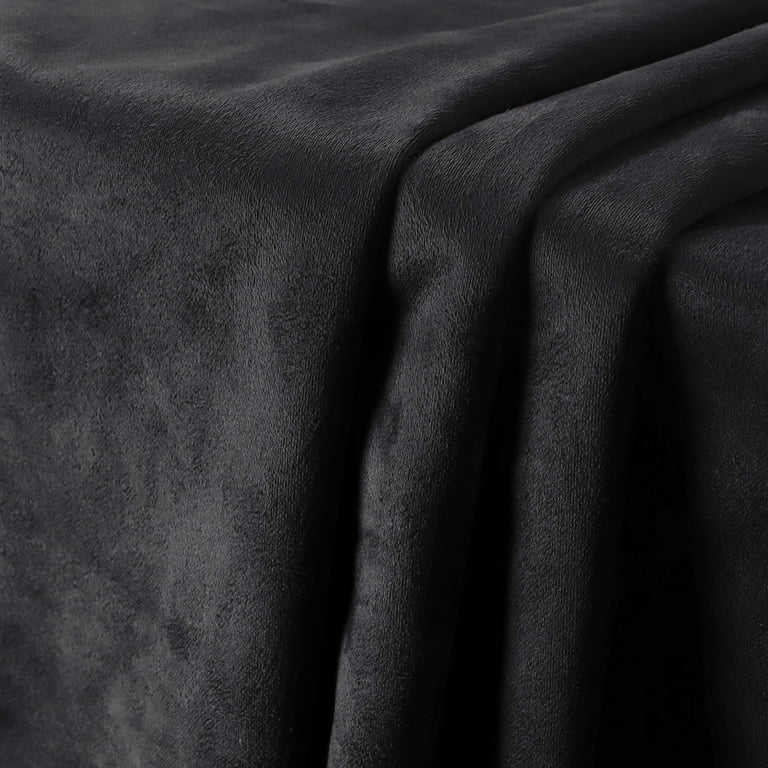
Illustrative image related to black faux suede fabric
How Does Stretch Faux Suede Enhance Product Offerings?
Stretch faux suede incorporates spandex, providing a level of elasticity that enhances comfort and fit, especially in apparel and fitted upholstery. This type of fabric is ideal for manufacturers focused on creating stylish, form-fitting products. While it offers a more comfortable experience for end-users, buyers should be prepared for potentially higher costs and limited color options. Stretch faux suede is particularly suited for fashion-forward brands aiming to deliver trendy designs.
Why Choose Suede-Like Velvet for Home Décor and Fashion?
Suede-like velvet provides a rich texture and plush appearance, making it an attractive option for home décor and fashion items. Its luxurious look adds value to any product, but buyers must consider that it can be heavier than other faux suede types and may not be as durable. This fabric is perfect for businesses that prioritize aesthetics and are willing to trade off some durability for a high-end appearance, appealing to upscale markets.
What Advantages Does Faux Suede Leather Offer for High-End Applications?
Faux suede leather mimics the aesthetic of genuine leather while being more accessible and easier to clean. This type of fabric is commonly used in high-end fashion and automotive interiors, appealing to brands looking to maintain a luxurious image without the ethical concerns associated with animal leather. Buyers should be aware that while it looks premium, it may lack breathability compared to natural materials, which could impact comfort in certain applications.
How Does Eco-Friendly Faux Suede Meet Sustainable Business Goals?
Eco-friendly faux suede is crafted from recycled materials, making it an excellent choice for brands focused on sustainability. This fabric allows businesses to appeal to eco-conscious consumers while offering unique textures and designs. However, availability can be inconsistent, and the cost may be higher than traditional options. B2B buyers aiming to align their products with sustainable practices will find eco-friendly faux suede an attractive option to differentiate their offerings in a competitive market.
Key Industrial Applications of black faux suede fabric
| Industry/Sector | Specific Application of black faux suede fabric | Value/Benefit for the Business | Key Sourcing Considerations for this Application |
|---|---|---|---|
| Fashion and Apparel | Clothing, accessories, and footwear | Provides a luxurious look and feel while being cost-effective | Ensure color consistency, availability of bulk orders, and compliance with local regulations. |
| Interior Design | Upholstery for furniture and décor | Enhances aesthetic appeal and durability in design projects | Look for high-quality, stain-resistant options and ensure compliance with fire safety standards. |
| Automotive | Seat covers and interior detailing | Offers a premium finish and comfort while being lightweight | Assess material durability, ease of cleaning, and compatibility with vehicle interiors. |
| Event Planning | Decorations and custom furnishings | Creates a sophisticated atmosphere at events and gatherings | Consider fabric weight, ease of maintenance, and availability of custom sizes. |
| Home Textiles | Curtains, cushions, and throws | Provides a soft touch and adds elegance to living spaces | Focus on sourcing options that are fade-resistant and easy to clean, especially in high-traffic areas. |
How is black faux suede fabric utilized in the fashion and apparel industry?
In the fashion and apparel sector, black faux suede fabric is widely used for creating stylish clothing items, accessories, and footwear. Its soft texture and luxurious appearance mimic genuine suede, offering an appealing alternative at a lower cost. For international buyers, particularly in markets such as Africa and South America, it is crucial to ensure that the fabric meets local fashion trends and consumer preferences. Additionally, buyers should prioritize sourcing materials that provide consistent color and quality across bulk orders to maintain brand integrity.
What role does black faux suede fabric play in interior design?
Black faux suede is a popular choice in interior design, especially for upholstery in furniture and decorative items. Its elegant finish elevates the aesthetic of any space while providing durability and ease of maintenance. Buyers in the Middle East and Europe should look for options that comply with local fire safety regulations, as these are critical in public and residential spaces. Sourcing materials that are stain-resistant and available in various textures can further enhance the design flexibility for interior projects.
How is black faux suede fabric applied in the automotive industry?
In the automotive sector, black faux suede fabric is utilized for seat covers and interior detailing, providing a premium look and comfort for vehicle interiors. This fabric is lightweight yet durable, making it suitable for high-use environments. International buyers from regions like Europe and Asia must assess the fabric’s durability and ease of cleaning, particularly in climates that may lead to increased wear. Ensuring compatibility with various vehicle models and designs can also be a significant consideration for automotive suppliers.
Why is black faux suede fabric preferred in event planning?
Event planners often choose black faux suede fabric for decorations and custom furnishings due to its ability to create a sophisticated atmosphere. This fabric can be used for draping, table covers, and seating arrangements, contributing to an elegant event design. For buyers in regions like Africa and the Middle East, it is essential to consider the weight of the fabric for ease of transport and setup, as well as its maintenance requirements post-event. Custom sizing options can also be a critical factor in sourcing for large-scale events.
How does black faux suede fabric enhance home textiles?
In the home textiles sector, black faux suede is favored for its softness and luxurious appearance, making it an ideal choice for curtains, cushions, and throws. This fabric not only enhances the aesthetic of living spaces but also adds a layer of comfort. Buyers in diverse markets should prioritize sourcing options that are fade-resistant and easy to clean, especially for items used in high-traffic areas. Ensuring availability in various textures and weights can further meet the diverse needs of customers in home décor.
Illustrative image related to black faux suede fabric
3 Common User Pain Points for ‘black faux suede fabric’ & Their Solutions
Scenario 1: Sourcing Consistent Quality for Large Orders
The Problem: B2B buyers often face challenges when ordering black faux suede fabric in bulk due to inconsistencies in quality. Many suppliers may have varying dye lots or fabric textures, which can lead to significant issues when trying to fulfill client orders. For instance, a buyer may receive a shipment that does not match previous orders, leading to dissatisfaction from their clients and potential financial losses.
The Solution: To mitigate the risk of quality inconsistencies, buyers should establish a strong relationship with a reliable supplier. Before placing a large order, request detailed samples from the supplier to evaluate the fabric’s texture, color, and overall quality. Additionally, it’s advisable to inquire about the supplier’s dye lot management practices. Always order extra fabric beyond your needs to account for any discrepancies. Documenting specifications in a formal purchase agreement, including quality expectations, can also protect against future issues. Finally, consider negotiating a quality assurance process with your supplier to ensure that all batches meet your standards.
Scenario 2: Understanding Care Instructions and Fabric Longevity
The Problem: B2B buyers frequently encounter confusion regarding the care instructions for black faux suede fabric. Given that faux suede can have different cleaning requirements compared to natural suede, this can lead to mistakes in maintenance and ultimately affect the fabric’s longevity. For instance, a buyer may assume they can machine wash the fabric, only to find that it deteriorates after a few washes.
The Solution: To ensure the longevity of black faux suede fabric, it’s essential to clearly communicate and document the proper care instructions to all staff involved in the production process. Buyers should prioritize sourcing from suppliers who provide comprehensive cleaning guidelines. For instance, if the fabric is labeled as dry clean only, educate your team about the importance of adhering to this requirement. Additionally, consider providing training sessions or resources that highlight best practices for fabric care. Implementing a quality control check before delivery to clients can also ensure that the fabric is not only in excellent condition but also accompanied by the correct care instructions.
Scenario 3: Navigating Color Matching Challenges
The Problem: When dealing with black faux suede fabric, one common pain point for B2B buyers is achieving color consistency, especially when matching with other materials or previous orders. Variations in dye lots can lead to discrepancies that become apparent when the fabric is used in larger projects, resulting in unsatisfactory outcomes for clients.
The Solution: To address color matching challenges, buyers should take proactive steps by requesting color swatches before placing larger orders. This allows for a visual comparison with other materials and ensures that all components of a project harmonize well. It’s also beneficial to have a standardized color reference system in place, such as the Pantone Matching System, which can help facilitate accurate color communication with suppliers. Buyers should document any specific color requirements in their purchase orders, making it clear that consistency is essential. Lastly, maintaining an ongoing relationship with suppliers can facilitate better communication regarding dye lot variations, enabling buyers to make informed decisions about their orders.
Strategic Material Selection Guide for black faux suede fabric
What Are the Key Materials Used in Black Faux Suede Fabric?
Black faux suede fabric is commonly made from various synthetic materials, primarily polyester, polyurethane, and microfibers. Each material has distinct properties that influence its performance, durability, and suitability for different applications. Understanding these materials is essential for international B2B buyers looking to make informed purchasing decisions.
What Are the Key Properties of Polyester in Black Faux Suede Fabric?
Polyester is the most prevalent material used in black faux suede fabric due to its favorable characteristics. It offers a soft, velvety texture that mimics genuine suede while being lightweight and durable. Polyester is resistant to shrinking, stretching, and wrinkling, making it suitable for various applications, including upholstery, fashion, and accessories. However, it has a lower resistance to high temperatures, which can limit its use in specific environments.
Pros: Polyester is cost-effective, easy to dye, and maintains its color well over time.
Cons: Its lower heat resistance may lead to melting or deformation under high temperatures, which is a consideration for applications requiring heat exposure.
How Does Polyurethane Enhance the Performance of Faux Suede?
Polyurethane (PU) is another popular material used in black faux suede production. This synthetic polymer provides a more luxurious feel and improved durability compared to polyester. PU faux suede is often more resistant to water and stains, making it ideal for applications in high-traffic areas or environments where spills are common.
Pros: PU offers excellent abrasion resistance and is often perceived as more premium than polyester.
Cons: The manufacturing process for PU can be more complex and costly, which may affect the final product price.
Why Are Microfibers Considered a Superior Option for Faux Suede?
Microfibers, made from a blend of polyester and polyamide, are increasingly used in black faux suede fabric due to their exceptional softness and durability. Microfiber faux suede is highly absorbent and has a unique ability to repel water and resist stains. This material is particularly suitable for applications in the automotive and home furnishings sectors, where cleanliness and durability are paramount.
Pros: Microfibers are lightweight, easy to clean, and offer superior breathability.
Cons: While they are durable, microfibers can be more expensive than standard polyester options, which may deter budget-conscious buyers.
What Should International B2B Buyers Consider When Sourcing Faux Suede Materials?
When sourcing black faux suede fabric, international buyers must consider compliance with local and international standards such as ASTM, DIN, and JIS. Buyers from regions like Africa, South America, the Middle East, and Europe should be aware of specific regulations regarding material safety and environmental impact. Additionally, preferences for material quality may vary by region, influencing purchasing decisions. For instance, buyers in Europe may prioritize eco-friendly materials, while those in Africa might focus on durability and cost-effectiveness.
Summary Table of Material Properties for Black Faux Suede Fabric
| 素材 | Typical Use Case for black faux suede fabric | Key Advantage | Key Disadvantage/Limitation | Relative Cost (Low/Med/High) |
|---|---|---|---|---|
| Polyester | Upholstery, fashion accessories | Cost-effective and durable | Lower heat resistance | 低い |
| Polyurethane | High-end upholstery, fashion apparel | Excellent water and stain resistance | More complex and costly manufacturing | Medium |
| Microfibers | Automotive interiors, home furnishings | Superior softness and breathability | Higher cost compared to polyester | 高い |
This strategic material selection guide aims to equip international B2B buyers with the knowledge needed to make informed decisions when sourcing black faux suede fabric, ensuring they choose the right material for their specific applications and market requirements.
In-depth Look: Manufacturing Processes and Quality Assurance for black faux suede fabric
What Are the Key Stages in the Manufacturing Process of Black Faux Suede Fabric?
The manufacturing of black faux suede fabric involves several key stages, each critical to ensuring the quality and durability of the final product. Understanding these stages allows B2B buyers to make informed decisions when selecting suppliers.
Material Preparation: How Is Faux Suede Fabric Made?
The process begins with the preparation of raw materials, primarily polyester fibers, which are chosen for their softness, durability, and versatility. The fibers undergo a process of extrusion, where they are melted and forced through spinnerets to create filaments. These filaments are then cooled and collected, forming a continuous strand that can be woven or knitted into fabric.
Once the polyester is gathered, it is dyed to achieve the desired color—in this case, a rich black. Dyeing can be done using various methods, including continuous dyeing or batch dyeing, depending on the production scale and color consistency requirements. It is crucial for suppliers to adhere to strict dyeing standards to ensure colorfastness and uniformity across batches.
Forming: What Techniques Are Used in Creating Faux Suede?
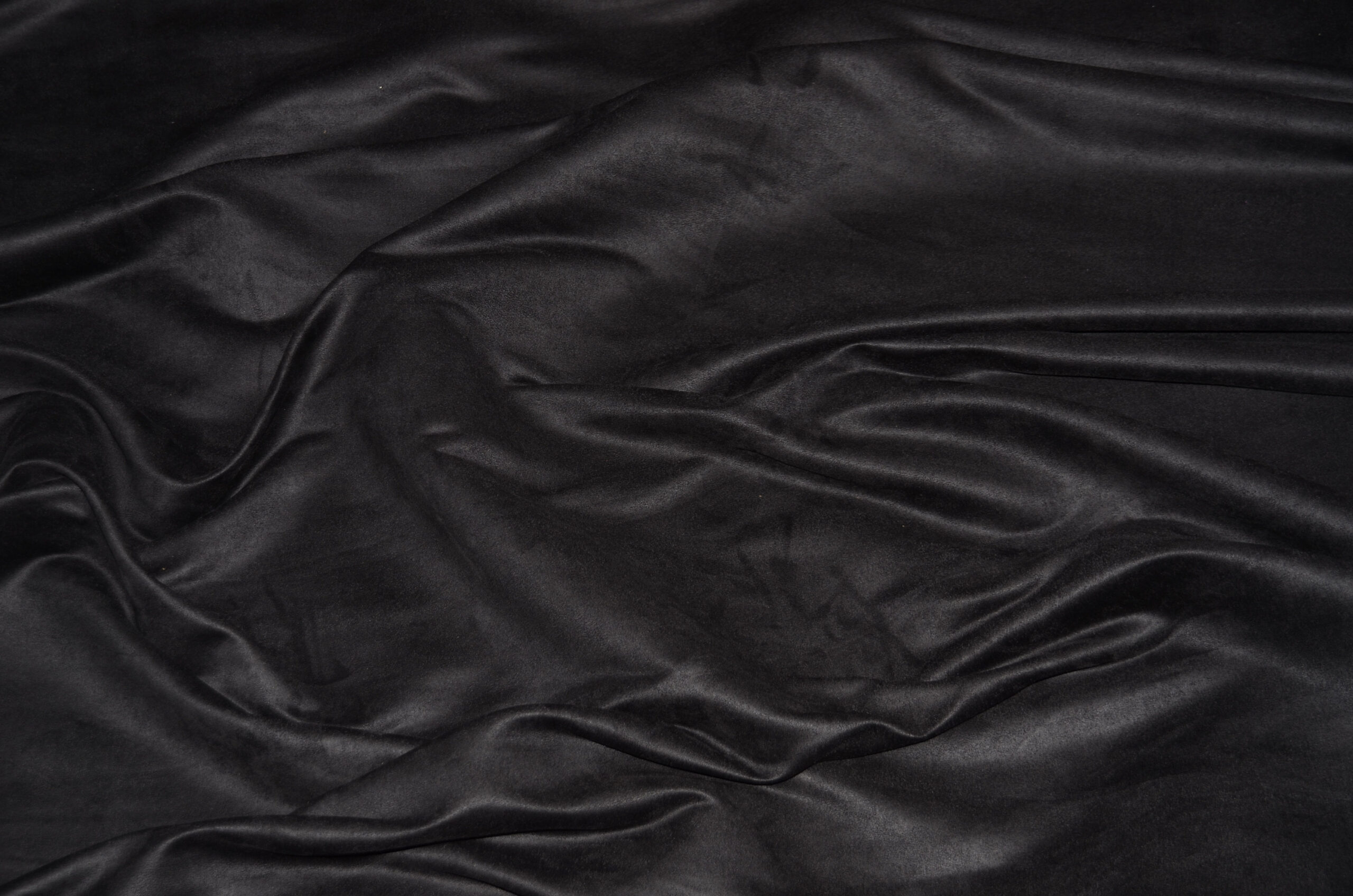
After dyeing, the fabric undergoes a forming process where it is woven or knitted into a desired texture. Faux suede typically features a twill weave, providing a soft, brushed finish that mimics the look and feel of real suede. Advanced weaving techniques can enhance the fabric’s durability, making it suitable for various applications such as upholstery, clothing, and accessories.
Illustrative image related to black faux suede fabric
In some cases, additional treatments may be applied to enhance the fabric’s properties, such as water repellency or stain resistance. These treatments can be vital for specific applications, such as outdoor furniture or fashion items that require a longer lifespan.
Assembly: How Is Quality Maintained During Production?
During the assembly stage, the fabric is cut and sewn according to specific design requirements. This stage often involves multiple quality checks to ensure that the fabric meets the specifications outlined in the order. Suppliers should maintain strict control over their cutting and sewing processes to prevent defects and ensure a high-quality finish.
A critical part of this stage is managing the integrity of the fabric. B2B buyers should inquire about the supplier’s practices regarding fabric handling to minimize damage during cutting and assembly.
Illustrative image related to black faux suede fabric
Finishing: What Final Touches Are Applied to Faux Suede?
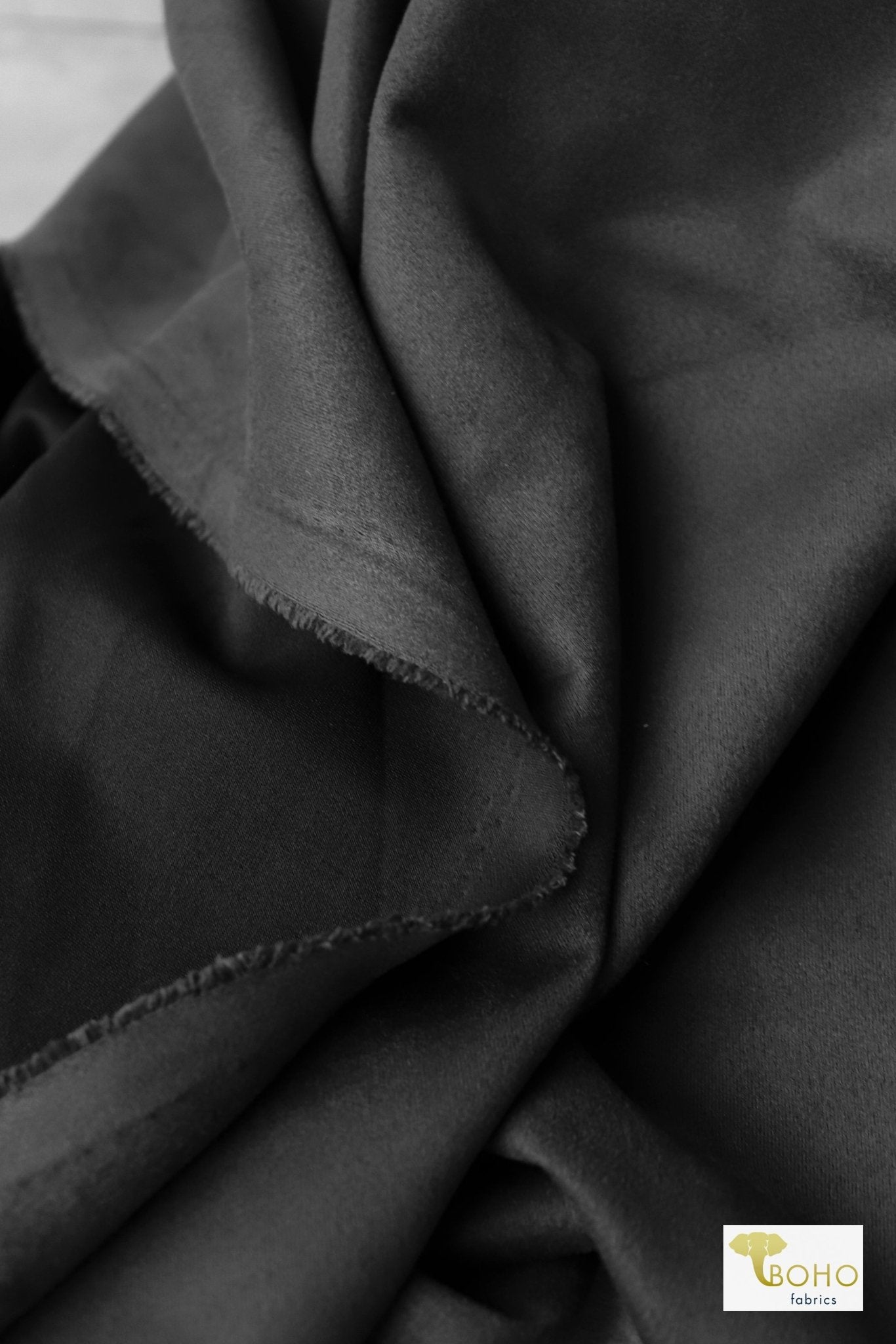
The finishing process for black faux suede includes several treatments that enhance the fabric’s appearance and performance. This may involve brushing the surface to achieve a soft, velvety texture or applying additional coatings to improve durability and resistance to wear and tear. The finishing stage is essential for ensuring that the fabric meets the aesthetic and functional requirements of end-users.
Buyers should be aware of the various finishing techniques and their implications for the fabric’s performance. For instance, some finishes may affect the fabric’s breathability or alter its texture, which can be critical depending on the intended application.
What International Quality Standards Should B2B Buyers Consider?
Quality assurance in the manufacturing of black faux suede fabric is paramount, particularly for international B2B buyers. Various quality standards apply, ensuring that the fabric meets specific performance and safety criteria.
Which International Standards Are Relevant for Faux Suede Fabric?
ISO 9001 is a widely recognized quality management standard that focuses on consistent quality and customer satisfaction. Suppliers adhering to ISO 9001 demonstrate their commitment to quality management processes, which can significantly reduce the risk of defects in the final product.
In addition to ISO standards, industry-specific certifications may be relevant. For instance, the OEKO-TEX Standard 100 certification ensures that the fabric is free from harmful substances, making it safer for consumers. Understanding these certifications can help buyers assess the quality and safety of the fabrics they source.
How Is Quality Control Implemented Throughout the Manufacturing Process?
Quality control is an integral part of the manufacturing process for black faux suede fabric. Implementing systematic checks at various stages helps maintain product integrity and consistency.
Illustrative image related to black faux suede fabric
What Are the Key Quality Control Checkpoints?
Quality control typically involves several checkpoints, including:
-
Incoming Quality Control (IQC): This initial stage involves inspecting raw materials upon arrival to ensure they meet specified standards. Any subpar materials are rejected, minimizing defects in the final product.
-
In-Process Quality Control (IPQC): Continuous monitoring during the manufacturing process is crucial. This may involve regular sampling and testing of the fabric at various stages, including after dyeing and weaving.
-
Final Quality Control (FQC): Before shipment, a final inspection ensures that the finished fabric meets all specifications and quality standards. This includes checking for color consistency, texture, and any defects.
How Can B2B Buyers Verify Supplier Quality Control?
For B2B buyers, especially those operating internationally, verifying a supplier’s quality control processes is essential. Here are some effective strategies:
What Steps Can Buyers Take to Ensure Supplier Compliance?
-
Conduct Supplier Audits: Regular audits allow buyers to assess a supplier’s manufacturing processes and quality assurance practices. This can include site visits to observe production firsthand.
-
Request Quality Reports: Suppliers should provide detailed reports on their quality control processes, including results from various testing methods used during production. Transparency in these reports can build trust between buyers and suppliers.
-
Utilize Third-Party Inspections: Engaging third-party inspection services can provide an unbiased assessment of the supplier’s quality. These services can conduct random checks on production runs to ensure compliance with agreed-upon standards.
What Nuances Should International Buyers Be Aware Of?
B2B buyers from regions such as Africa, South America, the Middle East, and Europe should be aware of specific nuances in quality assurance and regulatory compliance.
How Do Regional Differences Affect Quality Standards?
Different regions may have varying regulatory requirements and standards for textiles, which can impact sourcing decisions. Buyers should familiarize themselves with local regulations regarding fabric safety and environmental impact, ensuring that their suppliers comply with these laws.
Furthermore, language barriers and cultural differences may affect communication regarding quality expectations. Establishing clear communication channels and leveraging local representatives can facilitate smoother interactions and enhance understanding of quality standards.
By comprehensively understanding the manufacturing processes and quality assurance protocols for black faux suede fabric, B2B buyers can make informed decisions that align with their specific needs and expectations. This knowledge is crucial for sourcing high-quality materials that meet both aesthetic and functional demands.
Illustrative image related to black faux suede fabric
Practical Sourcing Guide: A Step-by-Step Checklist for ‘black faux suede fabric’
In today’s competitive market, sourcing high-quality black faux suede fabric is essential for various applications, from upholstery to fashion. This step-by-step checklist is designed to guide B2B buyers through the procurement process, ensuring that you make informed decisions while minimizing risks.
Step 1: Define Your Technical Specifications
Establishing clear technical specifications is the foundation of your sourcing process. This includes determining the fabric weight, width, texture, and intended use—whether for garments, upholstery, or accessories. By defining these parameters upfront, you ensure that potential suppliers can meet your exact needs.
- Consider weight: Faux suede typically ranges from lightweight to heavyweight; choose based on your application.
- Width matters: Common widths for faux suede are 58-60 inches, which affects how much fabric you will need for your projects.
Step 2: Research and Shortlist Suppliers
Conduct thorough research to identify potential suppliers who specialize in black faux suede fabric. Use platforms like trade directories, industry trade shows, and online marketplaces to create a shortlist.
- Look for reviews: Check customer feedback and ratings to gauge supplier reliability.
- Assess product range: Ensure suppliers offer a variety of faux suede options, including different finishes and colors, to meet diverse project requirements.
Step 3: Evaluate Potential Suppliers
Before committing, it’s crucial to vet suppliers thoroughly. Request company profiles, case studies, and references from buyers in a similar industry or region. Don’t just rely on their website.
- Check for certifications: Ensure the supplier adheres to quality standards and sustainable practices.
- Ask for samples: Request swatches to evaluate the fabric’s quality and texture firsthand.
Step 4: Negotiate Pricing and Terms
Once you have identified potential suppliers, initiate negotiations to secure the best pricing and terms. Consider the total cost, including shipping, import duties, and payment terms.
- Bulk pricing: Inquire about discounts for larger orders to maximize your budget.
- Payment options: Discuss flexible payment terms that suit your cash flow requirements.
Step 5: Verify Lead Times and Delivery Capabilities
Understanding lead times and delivery capabilities is crucial for maintaining project timelines. Confirm with suppliers how quickly they can fulfill orders and their shipping methods.
- Assess reliability: Look for suppliers with a proven track record of timely deliveries.
- Contingency plans: Discuss what measures are in place for potential delays or stock shortages.
Step 6: Review Quality Control Processes
Quality control is vital in ensuring that the faux suede fabric meets your specifications. Inquire about the supplier’s quality assurance processes and any testing they conduct.
- Request documentation: Ask for quality control certificates or reports that demonstrate their commitment to high standards.
- Conduct audits: If possible, arrange for facility visits to observe their quality control practices firsthand.
Step 7: Establish a Long-term Relationship
Building a strong relationship with your supplier can lead to better pricing, priority service, and improved collaboration over time. Maintain open communication and provide feedback on their products and services.
- Regular check-ins: Schedule periodic reviews to discuss performance and any evolving needs.
- Loyalty incentives: Consider establishing loyalty programs or contracts for recurring orders to solidify your partnership.
By following this checklist, you can navigate the complexities of sourcing black faux suede fabric effectively, ensuring that you partner with reliable suppliers who can meet your business needs.
Illustrative image related to black faux suede fabric
Comprehensive Cost and Pricing Analysis for black faux suede fabric Sourcing
When sourcing black faux suede fabric, understanding the comprehensive cost structure and pricing dynamics is essential for B2B buyers. This analysis delves into the various cost components, price influencers, and actionable buyer tips to facilitate informed purchasing decisions.
What Are the Key Cost Components for Black Faux Suede Fabric?
-
Materials: The primary component is the fabric itself, typically made from 100% polyester. The cost per yard can range significantly based on quality, with prices around $8.99 per yard being common for standard faux suede. Higher-quality, more durable options may command a premium.
-
Labor: Labor costs encompass the workforce involved in manufacturing the fabric, including weaving, dyeing, and finishing processes. These costs can vary by region; for instance, labor in Southeast Asia may be cheaper compared to Europe or North America.
-
Manufacturing Overhead: This includes expenses related to factory operations, such as utilities, equipment depreciation, and administrative costs. Efficient manufacturing processes can help mitigate these expenses, influencing the overall cost structure.
-
Tooling: Costs associated with machinery and equipment specific to faux suede production can be significant. Suppliers often amortize these costs over production runs, impacting pricing for smaller orders.
-
Quality Control (QC): Ensuring fabric meets specified standards incurs additional costs. Rigorous QC processes are essential, particularly for international shipments where compliance with local regulations may vary.
-
Logistics: Shipping costs, including freight and insurance, can fluctuate based on distance and shipping method. Incoterms play a crucial role in determining who bears these costs, affecting the final price.
-
Margin: Suppliers typically add a profit margin to the base cost, which can vary widely. Understanding this margin can provide insight into pricing flexibility during negotiations.
What Influences the Pricing of Black Faux Suede Fabric?
-
Volume and Minimum Order Quantity (MOQ): Suppliers often provide tiered pricing based on order size. Larger quantities can lead to significant discounts, making it beneficial for buyers to consolidate orders.
-
Specifications and Customization: Custom colors, patterns, or treatments will increase costs. Buyers should be clear about their requirements to avoid unexpected price hikes.
-
Material Quality and Certifications: Higher-quality materials and certifications (e.g., eco-friendly or safety certifications) can justify a higher price. Buyers should evaluate whether the additional cost aligns with their end-use requirements.
-
Supplier Factors: The supplier’s reputation, reliability, and geographic location can influence pricing. Established suppliers may charge more due to their perceived value, while emerging markets could offer competitive pricing.
-
Incoterms: The choice of Incoterms affects who is responsible for shipping costs and risks. Understanding the implications of terms like FOB (Free on Board) or CIF (Cost, Insurance, and Freight) is crucial for accurate cost assessment.
What Tips Can Help Buyers Negotiate Better Prices for Black Faux Suede Fabric?
-
Leverage Volume Discounts: Consider consolidating orders to meet higher MOQs, unlocking better pricing and reducing shipping costs per unit.
-
Evaluate Total Cost of Ownership (TCO): Look beyond the unit price. Factor in shipping, duties, and potential wastage to determine the true cost of sourcing.
-
Negotiate Terms: Engage in discussions regarding payment terms and delivery schedules. Flexible payment options can sometimes lead to better pricing.
-
Research the Market: Stay informed about market trends, including fluctuations in raw material prices, which can impact supplier pricing strategies.
-
Be Culturally Aware: When negotiating with suppliers in different regions, understanding cultural nuances can enhance relationship-building and facilitate smoother negotiations.
Disclaimer on Indicative Prices
Prices for black faux suede fabric are subject to change based on market conditions, supplier pricing strategies, and regional economic factors. It is advisable to request quotes from multiple suppliers to ensure competitive pricing and best practices in sourcing.
Alternatives Analysis: Comparing black faux suede fabric With Other Solutions
Introduction to Alternatives for Black Faux Suede Fabric
In the textile industry, selecting the right fabric is crucial for meeting specific project requirements. While black faux suede fabric offers unique qualities, various alternatives may better suit certain applications or business needs. This analysis compares black faux suede fabric with two viable alternatives: microfiber fabric and polyester velvet. Understanding the strengths and weaknesses of each option will help B2B buyers make informed decisions.
| Comparison Aspect | Black Faux Suede Fabric | Microfiber Fabric | Polyester Velvet |
|---|---|---|---|
| Performance | Soft, durable, and resembles real suede; good abrasion resistance | Highly durable; resistant to stains and fading | Luxurious feel; excellent drape; less durable than suede |
| Cost | Moderate ($8.99 per yard) | Affordable ($5.00 per yard) | Moderate ($7.50 per yard) |
| Ease of Implementation | Requires careful cutting and sewing techniques | Easy to cut and sew; versatile | Requires specific sewing techniques; may fray |
| Maintenance | Dry clean only; delicate handling required | Machine washable; easy to care for | Dry clean recommended; can be sensitive to heat |
| Best Use Case | Upholstery, bags, and costumes | Cleaning cloths, upholstery, and fashion | Evening wear, curtains, and decorative items |
Detailed Breakdown of Alternatives
Microfiber Fabric: A Versatile Option
Microfiber fabric is a synthetic textile known for its high durability and resistance to stains and fading. It is significantly more affordable than black faux suede, making it an attractive option for high-volume projects. The ease of care, as it can be machine washed, adds to its practicality. However, while microfiber offers a soft feel, it lacks the luxurious appearance of faux suede, which may be a drawback for high-end fashion or upholstery applications.
Illustrative image related to black faux suede fabric
Polyester Velvet: The Luxurious Alternative
Polyester velvet is another alternative that provides a rich, luxurious look and feel. It drapes beautifully, making it an excellent choice for evening wear and decorative items. Polyester velvet is moderately priced, sitting between microfiber and faux suede. However, it requires careful handling as it can fray and is less durable compared to faux suede. Maintenance can also be a concern, as dry cleaning is often recommended to preserve its quality.
Conclusion: Choosing the Right Fabric for Your Needs
When selecting between black faux suede fabric and its alternatives, B2B buyers should assess their specific needs, including budget, intended use, and maintenance capabilities. Black faux suede is ideal for projects requiring a high-end look and durability, while microfiber fabric offers cost-effectiveness and ease of care for everyday applications. Polyester velvet provides a luxurious aesthetic but may require more careful handling and maintenance. By weighing these factors, buyers can make informed decisions that align with their business goals and customer expectations.
Essential Technical Properties and Trade Terminology for black faux suede fabric
What Are the Key Technical Properties of Black Faux Suede Fabric?
Black faux suede fabric, known for its soft, luxurious feel, is a popular choice in various industries including fashion, upholstery, and automotive. Understanding its technical properties is essential for B2B buyers to ensure that they select the right material for their specific applications. Here are the critical specifications:
-
Material Composition
Faux suede is primarily made from 100% polyester, which offers durability and ease of maintenance. This synthetic composition mimics the texture and appearance of natural suede but is more resistant to stains and fading. For B2B applications, this means lower long-term costs due to reduced wear and tear. -
Fabric Weight
The weight of black faux suede typically ranges from 200 to 300 grams per square meter (gsm). Heavier fabrics provide better durability and are ideal for upholstery and outdoor applications, while lighter weights are suited for fashion and accessories. Understanding fabric weight helps buyers evaluate the suitability of the material for their intended use. -
Width and Length Availability
Faux suede is commonly available in widths of 58 to 60 inches, and it can be ordered by the yard or in bulk rolls (often around 65 yards). This flexibility in dimensions allows manufacturers to optimize their cutting processes and reduce waste, which is crucial for cost management in large-scale production. -
Care Instructions
Most black faux suede fabrics are labeled as “dry clean only.” This care requirement is important for buyers to consider, as it affects the long-term maintenance of the fabric and its applications in high-traffic areas. Ensuring that end-users understand proper care can enhance customer satisfaction and product longevity. -
Dye Lot Variations
When sourcing black faux suede, it’s essential to recognize that dye lots may vary from batch to batch. This can impact color consistency in large orders, which is critical for projects requiring uniformity. Buyers should request sample swatches to confirm color accuracy before placing bulk orders.
What Are Common Trade Terms Used in the Faux Suede Fabric Industry?
Navigating the B2B landscape requires familiarity with specific trade terminology. Here are some essential terms that buyers should understand:
-
OEM (Original Equipment Manufacturer)
This term refers to companies that produce products or components that are used in another company’s end products. For faux suede manufacturers, being an OEM means they may supply fabric to fashion brands or furniture companies, emphasizing the importance of quality and design consistency. -
MOQ (Minimum Order Quantity)
MOQ represents the smallest quantity of a product that a supplier is willing to sell. Understanding MOQ is crucial for buyers to manage inventory levels effectively and avoid excess stock, especially when dealing with specialized materials like faux suede. -
RFQ (Request for Quotation)
An RFQ is a document that buyers send to suppliers to request pricing and terms for specific materials. For B2B buyers, submitting an RFQ for black faux suede can help ensure they receive competitive pricing and understand the supplier’s terms of service. -
Incoterms (International Commercial Terms)
These are internationally recognized rules that define the responsibilities of buyers and sellers in international transactions. Knowledge of Incoterms is vital for B2B buyers to understand shipping costs, risk management, and delivery responsibilities when sourcing faux suede from global suppliers. -
Fabric Swatch
A fabric swatch is a small sample of the material that allows buyers to assess color, texture, and quality before placing a larger order. This is particularly important for faux suede, where color and feel can significantly impact customer satisfaction.
By grasping these technical properties and trade terms, B2B buyers can make informed decisions when sourcing black faux suede fabric, ensuring that they select the right materials to meet their business needs.
Navigating Market Dynamics and Sourcing Trends in the black faux suede fabric Sector
What Are the Current Market Dynamics and Key Trends in Black Faux Suede Fabric?
The global black faux suede fabric market is witnessing substantial growth, driven by several factors. Increasing demand from the fashion and upholstery industries, particularly in emerging markets such as Africa and South America, is propelling this trend. Black faux suede is favored for its luxurious appearance, versatility, and affordability compared to genuine suede. Additionally, technological advancements in textile manufacturing are leading to the production of higher-quality faux suede fabrics that closely mimic the look and feel of real suede, appealing to a broader range of industries including automotive, home décor, and fashion.
International B2B buyers are increasingly leveraging digital platforms for sourcing, making it easier to compare prices and quality across suppliers globally. E-commerce is becoming a vital channel for fabric procurement, allowing buyers from regions like Nigeria and Vietnam to access a wider array of products and suppliers. Moreover, the rise of customization options, where buyers can select specific colors, textures, and sizes, is enhancing the attractiveness of black faux suede fabric for various applications.
Emerging trends also include the incorporation of smart textiles, which offer functionalities such as stain resistance and durability, catering to the evolving demands of consumers who prioritize both aesthetics and practicality in their fabric choices.
How Is Sustainability and Ethical Sourcing Shaping the Black Faux Suede Fabric Market?
Sustainability is increasingly becoming a focal point in the sourcing of black faux suede fabric. As global awareness of environmental issues grows, B2B buyers are prioritizing suppliers who demonstrate a commitment to sustainable practices. The production of faux suede, typically made from polyester, can have a significant environmental impact if not managed properly. Therefore, ethical sourcing practices that emphasize the use of recycled materials and environmentally friendly manufacturing processes are gaining traction.
B2B buyers are also encouraged to seek out suppliers with recognized green certifications, such as Global Recycled Standard (GRS) or OEKO-TEX certification, which ensure that the materials used are sustainably sourced and free from harmful substances. This focus on sustainability not only addresses consumer demand for eco-friendly products but also aligns with the corporate social responsibility goals of many businesses. By choosing suppliers that prioritize ethical sourcing, companies can enhance their brand reputation and appeal to environmentally conscious consumers.
What Is the Historical Context of Black Faux Suede Fabric in B2B Markets?
The evolution of black faux suede fabric can be traced back to the mid-20th century when synthetic materials began to gain popularity as affordable alternatives to natural leather and suede. Initially, faux suede was developed primarily for the fashion industry, catering to a growing demand for stylish yet cost-effective materials. Over the decades, advancements in textile technology have significantly improved the quality and versatility of faux suede, making it suitable for a wide range of applications beyond fashion, including upholstery, automotive interiors, and even home décor.
Today, black faux suede is recognized not only for its aesthetic appeal but also for its practicality, as it offers durability and ease of maintenance. As the market continues to evolve, its application is expected to expand, driven by ongoing innovations in fabric technology and shifting consumer preferences towards more sustainable and ethically sourced materials. This historical context provides valuable insight into the current dynamics of the black faux suede fabric market, highlighting its adaptability and resilience in the face of changing market demands.
Frequently Asked Questions (FAQs) for B2B Buyers of black faux suede fabric
-
How do I choose the right black faux suede fabric for my project?
Choosing the right black faux suede fabric involves considering several factors, including the intended use, desired texture, and durability. For upholstery, look for a heavier weight fabric that can withstand wear and tear, while lighter weights may be suitable for clothing or accessories. Always request sample swatches to assess color accuracy and texture, as dye lot variations can occur. Additionally, consider the fabric’s cleaning instructions, as some may require dry cleaning only. -
What is the best use for black faux suede fabric in B2B applications?
Black faux suede is versatile and can be used across various applications, including upholstery, fashion, and craft projects. Its soft texture makes it ideal for creating high-end bags, garments, and soft furnishings like cushions and throws. In the event industry, it’s popular for tablecloths and décor, providing an elegant look. Ensure you select a fabric weight suitable for your specific application to maximize performance and aesthetic appeal. -
What are the minimum order quantities (MOQs) for black faux suede fabric?
MOQs for black faux suede fabric can vary significantly between suppliers. Typically, you may find MOQs ranging from 2 yards for sample orders to 50 yards or more for bulk purchases. It’s crucial to communicate your needs with suppliers upfront to negotiate terms that align with your project requirements. Many suppliers offer competitive pricing for larger orders, which can benefit your budget and inventory management. -
How can I vet suppliers of black faux suede fabric?
To vet suppliers effectively, start by checking their reputation through online reviews and testimonials. Request references from other B2B clients and assess their responsiveness to inquiries. Ensure they provide clear information about fabric specifications, including weight, origin, and certifications. Additionally, consider visiting the supplier’s facility if possible or request a virtual tour to evaluate their production capabilities and quality control processes. -
What payment terms are typically available for international orders of black faux suede fabric?
Payment terms for international orders can vary by supplier but commonly include options like advance payment, letter of credit, or net 30/60 terms. Be sure to clarify the payment methods accepted, as some suppliers may prefer wire transfers or credit card payments. Understanding the total costs, including shipping and duties, will help you manage your budget effectively. It’s advisable to negotiate terms that offer both security and flexibility. -
What quality assurance (QA) measures should I consider when sourcing black faux suede fabric?
When sourcing black faux suede fabric, inquire about the supplier’s quality assurance processes. Look for suppliers who conduct regular inspections of their materials and production runs. Request information on their return policy and whether they offer guarantees on the fabric’s quality. Additionally, consider requesting certification for standards like ISO or Oeko-Tex, which indicates compliance with environmental and safety regulations. -
What are the logistics considerations for importing black faux suede fabric?
Logistics for importing black faux suede fabric involve understanding shipping options, customs regulations, and delivery timelines. Work with suppliers who provide detailed shipping information and consider using freight forwarders to streamline the process. Be aware of import duties and taxes that may apply in your country. Planning ahead for potential delays, especially during peak shipping seasons, will help ensure timely delivery for your projects. -
Can I customize black faux suede fabric in terms of color and texture?
Yes, many suppliers offer customization options for black faux suede fabric, including color variations and texture modifications. However, minimum order quantities for custom orders may be higher, and lead times can be extended. When considering customization, clearly communicate your specifications to the supplier and request samples before placing a large order to ensure the final product meets your expectations.
Top 7 Black Faux Suede Fabric Manufacturers & Suppliers List
1. Top Fabric – Vintage Heavy Suede Upholstery Fabric
Domain: topfabric.com
Registered: 2003 (22 years)
Introduction: {“name”: “Vintage – Heavy Suede, Microsuede Upholstery Fabric by the Yard”, “price”: “$150.00”, “original_price”: “$237.00”, “color_options”: [“Antique Rose”, “Black”, “Buck Skin”, “Camel”, “Canary”, “Caramel”, “Celery”, “Charcoal”, “Chinese Red”, “Chocolate”, “Cinnabar”, “Cloud”, “Copper”, “Cream”, “Denim Blue”, “Earth”, “Espresso”, “Fawn”, “Gold”, “Green Bay”, “Herb”, “Hunter Green”, “Jalapeno”,…
2. My Textile Fabric – Suede & Microsuede Fabrics
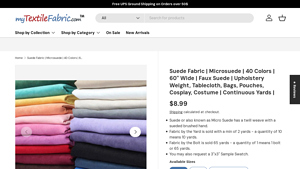
Domain: mytextilefabric.com
Registered: 2011 (14 years)
Introduction: Suede Fabric | Microsuede | 40 Colors | 60″ Wide | Faux Suede | Upholstery Weight, Tablecloth, Bags, Pouches, Cosplay, Costume | Continuous Yards | $8.99 per yard | Fabric sold with a minimum of 2 yards; 10 means 10 yards. Fabric by the Bolt is sold in 65 yards; 1 means 1 bolt or 65 yards. Available Sizes: Yards, Bolts, 3″x3″ Sample Swatch. Fabric Weight: Approximately 225 grams per square meter. …
3. Online Fabric Store – Black Microsuede
Domain: onlinefabricstore.com
Registered: 2000 (25 years)
Introduction: This company, Online Fabric Store – Black Microsuede, is a notable entity in the market. For specific product details, it is recommended to visit their website directly.
4. Kovi Fabrics – Black Suede Fabric
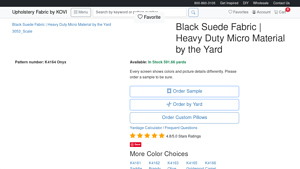
Domain: kovifabrics.com
Registered: 2010 (15 years)
Introduction: {‘product_name’: ‘Black Suede Fabric’, ‘pattern_number’: ‘K4164 Onyx’, ‘availability’: ‘In Stock’, ‘yardage_available’: ‘591.66 yards’, ‘sample_size’: ‘6″x6″ or full repeat’, ‘sample_deposit’: ‘$4.50’, ‘price_per_yard’: ‘$63.53 (Save 20%)’, ‘minimum_order’: ‘1 yard’, ‘width’: ’54 Inches’, ‘material_contents’: ‘100% Woven Polyester’, ‘cleaning’: ‘Solvent Based Cleaner’, ‘durability’: ‘Exceeds 200,0…
5. Mood Fabrics – Flocking Faux Suede
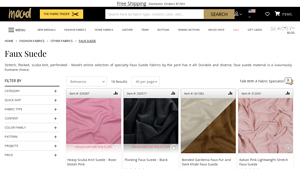
Domain: moodfabrics.com
Registered: 2001 (24 years)
Introduction: This company, Mood Fabrics – Flocking Faux Suede, is a notable entity in the market. For specific product details, it is recommended to visit their website directly.
6. Hobby Lobby – Chestnut Extra-Heavyweight Fabric

Domain: hobbylobby.com
Registered: 1995 (30 years)
Introduction: {“SKU”:”1105782″,”Original Price”:”$9.99″,”Color”:”Chestnut”,”Width”:”29″ – 30″,”Weight”:”Extra-Heavyweight”,”Content”:”100% Polyester”,”Flammability Note”:”Not For Sleepwear”,”Care Instructions”:”Machine Wash, Cold, With Mild Detergent, Gentle Or Delicate Cycle. Do Not Bleach. Tumble Dry, Low”,”Available Increments”:”1-yard increments”,”Average Bolt Size”:”Approximately 7 yards”}
7. Denver Fabrics – Suede Fabric Collection
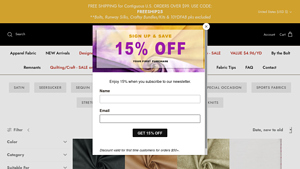
Domain: denverfabrics.com
Registered: 1998 (27 years)
Introduction: Suede Fabric collection at Denver Fabrics includes various options such as: 1. Dark Gray Solid Faux Suede – $12.00 2. Golden Sand Brown Solid Brushed Faux Suede – $12.00 3. Antique Beige-Ivory Textured Faux Suede – $6.88 (Sale: $9.92) 4. Antique Gold Print Ultrasuede – $6.88 (Sale: $9.92) 5. Yellow Cream Ultrasuede – $6.88 (Sale: $9.92) 6. Buttercream Print Ultrasuede – $6.88 (Sale: $9.92) 7. Ligh…
Strategic Sourcing Conclusion and Outlook for black faux suede fabric
In the evolving landscape of the textile industry, the strategic sourcing of black faux suede fabric presents a multitude of opportunities for international B2B buyers. This versatile material, characterized by its soft texture and durable properties, is increasingly favored across various applications, from fashion to upholstery and beyond. Sourcing from reliable suppliers ensures access to high-quality products that meet the unique demands of diverse markets.
As buyers from regions such as Africa, South America, the Middle East, and Europe seek to enhance their product offerings, understanding the supply chain dynamics and the importance of sampling can significantly mitigate risks associated with color and material variations. Leveraging strategic partnerships with manufacturers can also facilitate better pricing and availability, essential for maintaining competitive advantage.
Looking ahead, the demand for sustainable and ethically produced textiles will likely shape sourcing strategies. Engaging with suppliers who prioritize eco-friendly practices not only aligns with global trends but also enhances brand reputation. Therefore, we encourage B2B buyers to explore innovative sourcing solutions and establish partnerships that can propel their businesses into the future of textile excellence. Embrace the potential of black faux suede fabric and position your brand for success in an increasingly competitive marketplace.
Important Disclaimer & Terms of Use
⚠️ Important Disclaimer
The information provided in this guide, including content regarding manufacturers, technical specifications, and market analysis, is for informational and educational purposes only. It does not constitute professional procurement advice, financial advice, or legal advice.
While we have made every effort to ensure the accuracy and timeliness of the information, we are not responsible for any errors, omissions, or outdated information. Market conditions, company details, and technical standards are subject to change.
B2B buyers must conduct their own independent and thorough due diligence before making any purchasing decisions. This includes contacting suppliers directly, verifying certifications, requesting samples, and seeking professional consultation. The risk of relying on any information in this guide is borne solely by the reader.