
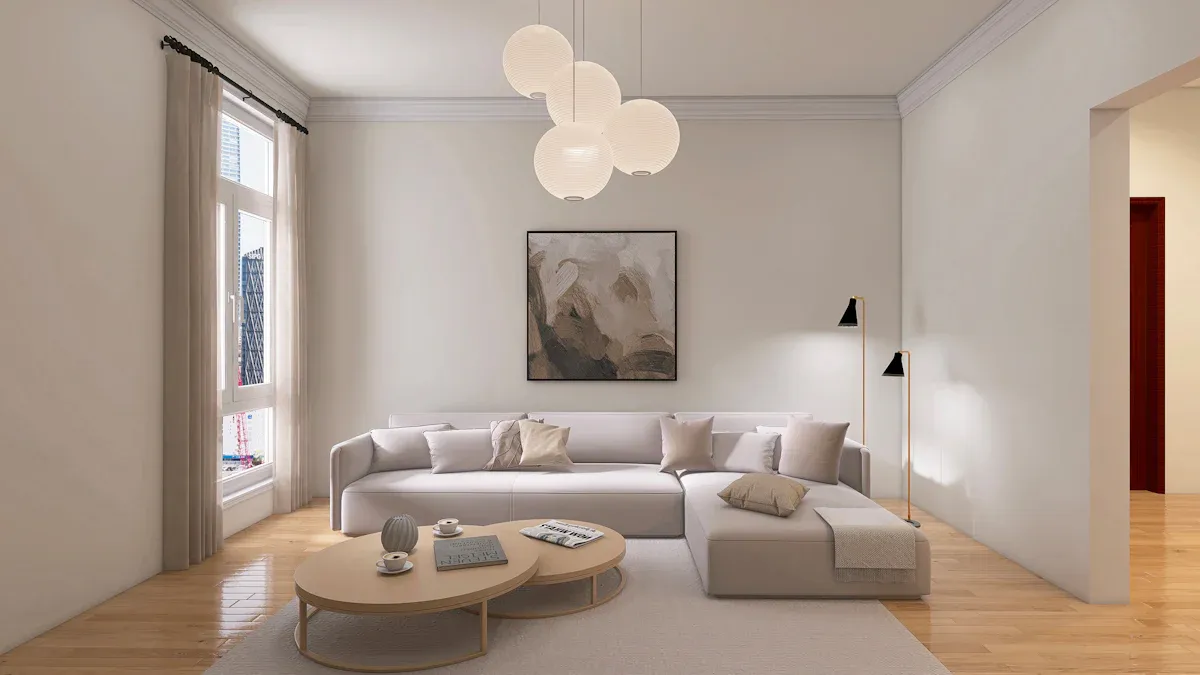
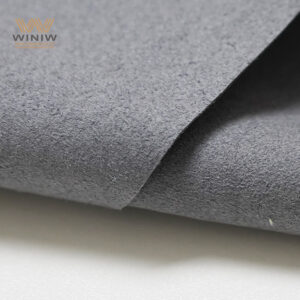
Faux suede offers a suede-like fabric that brings visual warmth and a soft touch to modern living rooms. This material delivers style flexibility, easy cleaning, and cost efficiency. However, Faux Leather Suede sometimes faces challenges like peeling or limited breathability. Many homeowners find it a smart choice for balancing comfort, aesthetics, and everyday practicality.
Key Takeaways
- Faux suede offers a stylish and versatile option for modern living rooms, available in a wide range of colors to match any decor.
- The soft texture of faux suede enhances comfort, making it ideal for sofas and chairs, especially in family-friendly homes.
- Faux suede is budget-friendly, providing a high-end look without the high cost, allowing homeowners to invest in other design elements.
- Maintenance is simple; most spills can be wiped away easily, and regular cleaning keeps the fabric looking fresh.
- Faux suede is durable enough for everyday use, resisting snagging and pet hair, making it suitable for busy households.
- While faux suede is an ethical choice, it may face issues like peeling and limited breathability, especially in warmer climates.
- Homeowners should consider the environmental impact of faux suede, as it is made from synthetic materials that do not biodegrade easily.
- To maximize the lifespan of faux suede furniture, rotate cushions and use protective covers to prevent wear and peeling.
Faux Suede Advantages
Style and Versatility
Color Options
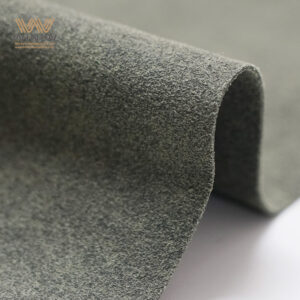
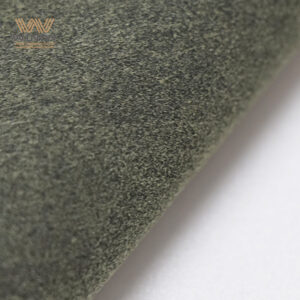
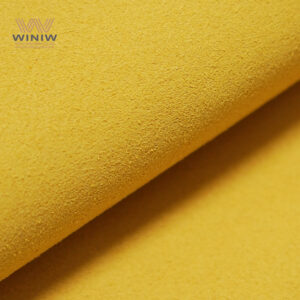
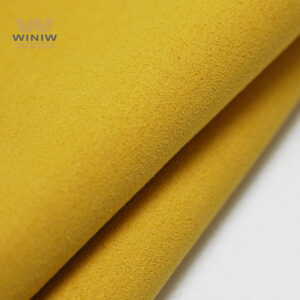
Homeowners can select from a wide spectrum of colors when choosing faux suede. Manufacturers offer everything from classic neutrals to bold, modern hues. This range allows designers to match any living room palette with ease. Many brands also provide custom shades, which helps create a unique look for each space.
Tip: When selecting a color, consider the amount of natural light in the room. Lighter shades can make a space feel larger, while darker tones add a sense of coziness.
Fits Modern Decor
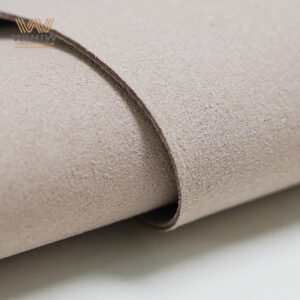
Faux suede adapts well to contemporary interiors. Its smooth, matte finish complements minimalist furniture and geometric accents. Designers often use this material to soften the sharp lines found in modern living rooms. The fabric’s subtle texture adds depth without overwhelming the overall aesthetic. Many interior decorators recommend faux suede for those seeking a balance between comfort and clean design.
Comfort and Texture
Soft Feel
Faux suede provides a plush, velvety surface that feels gentle to the touch. Guests often notice the inviting texture when they enter a room. The fabric’s softness enhances relaxation, making it ideal for sofas, chairs, and ottomans. Unlike some synthetic materials, faux suede does not feel cold or stiff.
Family and Pet Friendly
Families with children or pets benefit from the forgiving nature of faux suede. The fabric resists snagging and does not trap pet hair easily. Many parents appreciate that spills can be wiped away before they set. Faux suede’s durability supports daily use, making it a practical choice for busy households.
Affordability
Cost Savings
Faux suede offers a luxurious appearance at a fraction of the price of genuine suede or leather. Homeowners can achieve a high-end look without exceeding their budget. This cost efficiency makes it possible to invest in other design elements, such as lighting or artwork.
Value for Large Spaces
Furnishing a spacious living room often requires multiple seating pieces. Faux suede allows buyers to cover sectionals, armchairs, and ottomans without significant expense. The material’s affordability ensures that style and comfort remain accessible, even in larger homes.
Note: The advantages of faux suede extend beyond aesthetics. Its combination of style, comfort, and value makes it a standout option for modern living rooms.
Easy Maintenance
Simple Cleaning
Homeowners appreciate how easy it is to keep faux suede looking fresh. Most dust and debris can be removed with a quick pass of a vacuum or a soft brush. For everyday messes, a damp cloth often does the trick. Many cleaning products designed for upholstery work well on this material. Unlike natural suede, faux suede does not require specialized treatments or expensive cleaners. This simplicity saves both time and money.
Tip: Regularly brushing the surface helps maintain the fabric’s soft texture and prevents dirt from settling into the fibers.
Everyday Durability
Faux suede stands up well to the demands of daily life in a modern living room. The tightly woven fibers resist pilling and fraying, even with frequent use. Children and pets can play on sofas and chairs without causing significant wear. The material’s structure helps it maintain its shape and appearance over time. Many families choose faux suede for high-traffic areas because it combines resilience with comfort.
Colorfastness
Fade Resistance
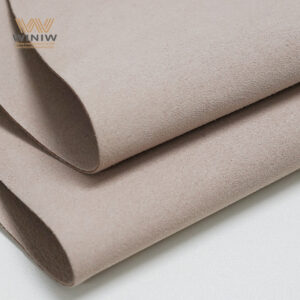
Colorfastness remains a key advantage for faux suede. The manufacturing process locks in color, which helps prevent fading from sunlight or regular cleaning. Living rooms with large windows benefit from this feature, as the fabric retains its vibrancy even after prolonged exposure to natural light. Owners do not need to worry about uneven discoloration or dull spots. This quality ensures that furniture continues to look new for years.
Moisture and Stain Resistance
Spill Protection
Faux suede offers impressive resistance to spills and stains. The synthetic fibers create a barrier that repels most liquids, allowing time to blot up accidents before they soak in. This feature proves especially useful in homes with children or during gatherings. When compared to other materials, such as nubuck and leather, faux suede holds its own in terms of moisture and stain resistance. The following table highlights how these materials compare:
| 素材 | Moisture Resistance | Stain Resistance | Drying Time |
|---|---|---|---|
| Nubuck | Decent, requires treatment | Moderate, can show scuffs | Dries quickly |
| Leather | Good when treated | Good, but can stiffen when soaked | Takes longer to dry |
| Faux Suede | High, repels most spills | Excellent, easy to clean | Dries quickly |
The table shows that faux suede excels in both moisture and stain resistance, making it a practical choice for busy households. Quick drying times further reduce the risk of lingering odors or watermarks. Owners can enjoy peace of mind, knowing their furniture will withstand everyday mishaps.
Animal-Friendly Choice
Cruelty-Free
Faux suede stands out as an ethical alternative to traditional leather and suede. Manufacturers produce this material without using animal hides or byproducts. This process appeals to homeowners who value animal welfare and seek to reduce harm in their purchasing decisions. Many brands now market faux suede as both cruelty-free and vegan, which aligns with the growing demand for responsible consumer choices.
The suede that we offer is completely cruelty-free, meaning no animals were used for manufacturing it. So, the products manufactured with this product can also be considered cruelty-free and vegan.
This assurance gives buyers confidence that their furniture does not contribute to animal suffering. Vegan certifications and cruelty-free labels often accompany high-quality faux suede products. These standards help consumers identify materials that meet strict ethical guidelines.
Modern living rooms benefit from this shift toward compassionate design. Designers can create stylish, comfortable spaces without compromising on values. Faux suede allows families to enjoy the look and feel of suede while supporting animal-friendly practices. As awareness of ethical sourcing grows, more homeowners choose faux suede to reflect their commitment to kindness and sustainability.
A quick checklist for identifying cruelty-free faux suede:
- Look for vegan or cruelty-free certifications on product tags.
- Review manufacturer statements about material sourcing.
- Choose brands with transparent supply chains.
Faux suede offers a practical and stylish solution for those who prioritize animal welfare. This material proves that modern design can embrace both luxury and compassion.
Faux Suede Disadvantages
Durability and Peeling
Prone to Wear
Faux suede often faces challenges with long-term durability. The fibers in this material can break down faster than those in natural suede or leather. High-traffic areas, such as seat cushions and armrests, show signs of wear more quickly. Users may notice thinning or rough patches after a few years of regular use. Children and pets can accelerate this process, especially if they jump or scratch the surface. Many homeowners find that synthetic suede does not withstand heavy daily activity as well as traditional materials.
Peeling Over Time
Peeling remains a common issue with faux suede. The top layer can separate from the backing, creating unsightly flakes or bald spots. This problem often appears after repeated cleaning or exposure to moisture. Peeling usually starts in areas that receive the most contact, such as the edges of cushions or the tops of armrests. Once peeling begins, repair options are limited. Most owners must replace the affected piece or cover it with a throw. This disadvantage makes faux suede less appealing for those who want furniture that lasts for many years.
Tip: Rotating cushions and using protective covers can help delay visible wear and peeling.
Breathability Issues
Less Airflow
Faux suede does not allow as much airflow as natural fabrics. The dense weave and synthetic fibers trap heat and moisture against the skin. Users may feel warm or sticky after sitting for long periods. This lack of breathability can reduce comfort, especially during warmer months. Many people prefer materials like cotton or linen for their ability to stay cool and dry.
Not Ideal for Warm Climates
Homes in hot or humid regions may not benefit from faux suede upholstery. The material holds onto body heat, making sofas and chairs uncomfortable during summer. Air conditioning can help, but it does not solve the underlying issue. Designers often recommend lighter, more breathable fabrics for living rooms in these environments. Faux suede works best in cooler climates or spaces with good ventilation.
Allergy Concerns
Not Breathable for Bedding
Faux suede’s limited breathability also affects its suitability for bedding or pillows. The material can trap dust, sweat, and allergens inside the fibers. People with allergies or sensitive skin may experience discomfort or irritation. Regular cleaning helps, but it does not eliminate all trapped particles. For bedding, natural fabrics usually provide a healthier and more comfortable option.
Note: Those with asthma or severe allergies should consult with a healthcare professional before choosing faux suede for furniture or bedding.
The disadvantages of faux suede highlight important considerations for modern living rooms. Buyers should weigh these factors against the benefits to make an informed decision.
Stain and Water Limitations
Some Stains Persist
Faux suede offers impressive resistance to many spills, but some stains can still persist. Oil-based substances, such as salad dressings or lotions, often penetrate the fibers and leave marks that resist removal. Red wine, ink, and certain dyes also present challenges. These substances can bond with the fabric, making them difficult to clean without professional help.
Many homeowners expect faux suede to repel all stains. This expectation does not always match reality. While water-based spills usually wipe away, greasy or colored liquids may linger. Over time, repeated exposure to these substances can cause discoloration or dark spots. Households with young children or frequent guests should consider this limitation when choosing upholstery.
Tip: Immediate action improves the chances of removing stubborn stains. Blot the area with a clean, dry cloth and avoid rubbing, which can spread the stain further.
Some cleaning products claim to remove tough stains from faux suede. However, harsh chemicals may damage the surface or cause fading. Always test a small, hidden area before applying any cleaner to the entire stain. For persistent marks, professional upholstery cleaning services may offer the best results.
A quick comparison of common stains and their impact on faux suede:
| Stain Type | Ease of Removal | Risk of Lasting Mark |
|---|---|---|
| Water-based | 簡単 | 低い |
| Oil-based | Difficult | 高い |
| Ink/Dye | Difficult | 高い |
| Food (non-oily) | Moderate | Moderate |
This table shows that not all stains respond equally to cleaning efforts. Owners should remain vigilant and address spills promptly to maintain the appearance of their furniture.
Environmental Impact
Synthetic Material Concerns
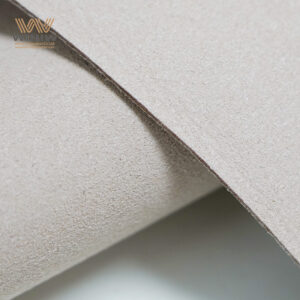
Faux suede, often referred to as synthetic suede, raises important environmental questions. Manufacturers produce this material using petroleum-based fibers, such as polyester or polyurethane. These substances do not biodegrade easily. As a result, old furniture and fabric scraps can persist in landfills for decades.
The production process for synthetic suede also consumes significant energy and water. Factories may release greenhouse gases and other pollutants during manufacturing. Some brands have started to use recycled materials, but most faux suede on the market still relies on virgin plastics.
Note: Consumers who prioritize sustainability should research brands that offer eco-friendly options or recycled content.
Disposal presents another challenge. Unlike natural fibers, synthetic suede cannot break down naturally. Recycling options remain limited, and incineration can release harmful chemicals into the atmosphere. These factors contribute to the growing concern about the environmental footprint of synthetic upholstery materials.
A summary of environmental considerations for faux suede:
- Made from non-renewable resources
- Difficult to recycle or compost
- May contribute to landfill waste
- Production can generate pollution
Homeowners who value eco-friendly living may want to weigh these concerns against the practical benefits of faux suede. Responsible purchasing decisions can help reduce the overall impact on the environment.
Advantages and Disadvantages in Modern Living Rooms
Style vs. Durability
Faux suede brings a modern, sophisticated look to living rooms. Its wide range of colors and soft texture allow designers to create inviting spaces that feel both trendy and timeless. Many homeowners choose faux suede for its ability to elevate the visual appeal of their furniture. However, style sometimes comes at the expense of durability. Faux suede can show signs of wear, such as thinning or peeling, especially in high-traffic areas. Families with children or pets may notice these issues sooner. When selecting faux suede, buyers must weigh the desire for a stylish appearance against the need for long-lasting furniture.
Tip: For those who prioritize style but worry about durability, using faux suede on accent pieces rather than main seating can help maintain a fresh look longer.
Comfort vs. Breathability
Faux suede offers a plush, comfortable surface that encourages relaxation. Its velvety feel makes sofas and chairs more inviting, which suits modern living rooms designed for comfort. Yet, the synthetic fibers in faux suede limit airflow. This lack of breathability can cause discomfort, especially in warm climates or during summer months. People who spend long periods sitting may feel hot or sticky. Breathability becomes a key factor for households in humid regions or for those sensitive to heat.
A quick comparison:
| Feature | Faux Suede Strength | Faux Suede Limitation |
|---|---|---|
| 柔らかさ | 高い | – |
| 通気性 | – | 低い |
| Comfort | 高い | Can trap heat |
Homeowners should consider their local climate and personal comfort preferences when deciding if faux suede fits their needs.
Maintenance vs. Longevity
Faux suede stands out for its easy maintenance. Most spills wipe away with a damp cloth, and regular vacuuming keeps the fabric looking fresh. This low-maintenance quality appeals to busy families and anyone seeking hassle-free cleaning. However, frequent cleaning and daily use can shorten the lifespan of faux suede. Over time, the material may lose its original texture or develop peeling spots. Longevity becomes a concern for those who want furniture to last many years without visible wear.
- For high-traffic living rooms, rotating cushions and using protective covers can extend the life of faux suede.
- In low-traffic spaces, faux suede may maintain its appearance for a longer period.
When evaluating the advantages and disadvantages of faux suede, buyers should balance their need for easy care with their expectations for how long the furniture will last. Each household must decide which factors matter most for their lifestyle.
Cost vs. Environmental Impact
Faux suede appeals to many homeowners because of its affordability. The material costs less than genuine leather or natural suede. This price difference allows buyers to furnish an entire living room without exceeding their budget. Many families choose faux suede for large sectionals, ottomans, or accent chairs. They can achieve a high-end look while keeping expenses low.
However, the environmental impact of faux suede raises important questions. Manufacturers use synthetic fibers, such as polyester or polyurethane, to create this material. These fibers come from non-renewable resources. Production processes often require significant energy and water. Factories may release pollutants during manufacturing. When furniture reaches the end of its life, faux suede does not biodegrade. Old pieces can remain in landfills for decades.
The balance between cost and environmental responsibility challenges many buyers. Some prioritize immediate savings. Others consider the long-term effects of their choices. The following table compares cost and environmental factors for faux suede and natural alternatives:
| Factor | Faux Suede | Genuine Leather/Suede |
|---|---|---|
| Upfront Cost | 低い | 高い |
| Maintenance Expense | 低い | Moderate |
| Longevity | Moderate | 高い |
| Biodegradability | No | Yes |
| Recycled Options | Limited | Rare |
| Resource Use | Petroleum-based | Animal-based |
This table shows that faux suede offers clear cost advantages. However, it also highlights the environmental drawbacks. Genuine leather and suede cost more but break down naturally over time. Faux suede remains affordable but contributes to landfill waste.
Some brands now offer recycled faux suede. These options reduce the use of virgin plastics. Buyers can look for certifications or eco-labels when shopping. Choosing recycled materials helps lower the environmental footprint. However, these products may cost more than standard faux suede.
Tip: Buyers who want to balance cost and sustainability should research brands that use recycled content or environmentally friendly production methods.
Every household must weigh the advantages and disadvantages of faux suede. Cost savings make it attractive for many. Environmental concerns may lead others to seek alternative materials. The best choice depends on individual values, budget, and commitment to sustainability.
Faux Leather Suede: Selection and Care
Choosing Quality Faux Suede
Texture and Backing
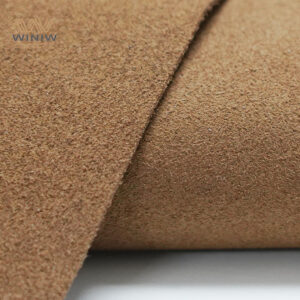
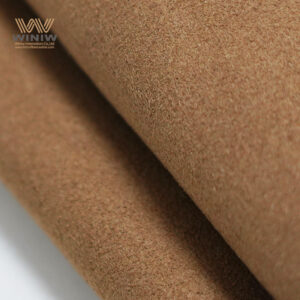
Buyers should always examine the texture of faux leather suede before making a purchase. High-quality options feel soft and supple, closely resembling genuine suede. The surface should not feel overly slick or plastic-like. A gentle touch test helps identify a fabric that offers comfort and durability. The backing material also plays a crucial role. A sturdy backing provides structure and prevents premature sagging or stretching. Many manufacturers use woven polyester or microfiber as backing, which increases the lifespan of the upholstery.
Tip: Run a hand over the surface and gently bend the fabric. Quality faux leather suede will return to its original shape without visible creases.
Trusted Sources
Selecting faux leather suede from reputable suppliers ensures consistent quality. Established brands often provide detailed product information, including material composition and care instructions. Retailers with positive reviews and transparent sourcing practices give buyers confidence in their investment. Many designers recommend requesting fabric samples before committing to large purchases. Samples allow homeowners to assess color accuracy, texture, and overall feel in their own space.
A quick checklist for choosing a trusted source:
- Review customer feedback and ratings.
- Request swatches for hands-on evaluation.
- Confirm warranty or return policies.
Maintenance Tips
Regular Cleaning
Routine cleaning keeps faux leather suede looking fresh and inviting. Most dust and debris can be removed with a soft brush or vacuum cleaner using an upholstery attachment. For best results, clean the surface weekly. This practice prevents dirt from embedding in the fibers and maintains the fabric’s soft texture.
Stain Prevention
Immediate action helps prevent stains from setting. When spills occur, blot the area with a clean, dry cloth. Avoid rubbing, as this can push the liquid deeper into the material. For tougher spots, use a mild soap solution and gently dab the stain. Always test cleaning products on a hidden area first to ensure they do not damage the faux leather suede.
| Spill Type | Recommended Action |
|---|---|
| Water-based | Blot and air dry |
| Oil-based | Use mild soap solution |
| Colored liquids | Dab gently, avoid rubbing |
Sunlight Protection
Direct sunlight can cause fading and weaken the structure of faux leather suede over time. Position furniture away from windows or use curtains and blinds to limit exposure. Rotating cushions and rearranging pieces periodically ensures even wear and color retention.
Note: Consistent care extends the life and appearance of faux leather suede, making it a reliable choice for modern living rooms.
Faux suede offers style, comfort, and easy maintenance at an affordable price. Peeling, limited breathability, and environmental concerns remain drawbacks. Designers recommend faux suede for families seeking budget-friendly, stylish seating in low-traffic or cooler spaces. Allergy sufferers and eco-conscious buyers may prefer natural fabrics.
Smart buyers review all factors—style, comfort, upkeep, durability, and cost—before choosing faux suede for their modern living rooms.
よくあるご質問
What is faux leather suede?
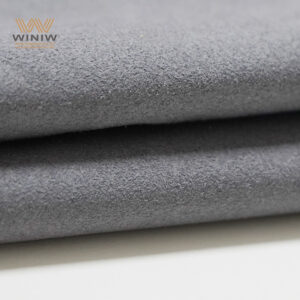
Faux leather suede is a synthetic fabric designed to mimic the look and feel of genuine suede. Manufacturers use polyester or polyurethane fibers to create a soft, durable surface suitable for upholstery in modern living rooms.
How do you clean faux suede furniture?
Owners should vacuum regularly using an upholstery attachment. For spills, blot with a dry cloth and use a mild soap solution if needed. Avoid harsh chemicals. Routine cleaning preserves the fabric’s texture and appearance.
Does faux suede peel easily?
Faux suede can peel over time, especially in high-traffic areas. Peeling often starts at edges or seams. Rotating cushions and using protective covers helps delay visible wear and prolongs the fabric’s lifespan.
Is faux suede safe for pets and children?
Faux suede resists snagging and does not trap pet hair easily. The material withstands everyday use in homes with children and pets. Quick cleaning of spills prevents stains and keeps furniture looking fresh.
Can faux suede cause allergies?
Synthetic fibers in faux suede may trap dust and allergens. People with sensitivities should clean upholstery regularly. For severe allergies, natural fabrics like cotton or linen may offer better breathability and comfort.
How does faux suede compare to genuine leather?
Faux suede costs less than genuine leather and offers easier maintenance. Genuine leather lasts longer and biodegrades naturally. Faux suede provides a cruelty-free alternative with a wide range of colors and styles.
Is faux suede environmentally friendly?
Most faux suede uses petroleum-based fibers, which do not biodegrade. Some brands offer recycled options. Buyers concerned about sustainability should research eco-friendly products and consider the environmental impact before purchasing.
What colors are available for faux suede?
Manufacturers produce faux suede in many colors, from neutral tones to bold shades. Custom options allow designers to match any modern living room palette. Colorfastness ensures the fabric retains vibrancy over time.