


Vegetable tan leather undergoes darkening as it encounters both light and the natural oils from human skin. The absence of dyes or pigments in vegetable tan leather allows for a more pronounced transformation. Each vegetable tan leather product absorbs unique experiences, resulting in a patina that reflects personal journeys. Over time, vegetable-tanned leather develops a patina that showcases individual use. Many appreciate the patina for its beauty and authenticity. The patina on vegetable tan leather captures memories and marks each moment. Vegetable tan leather stands apart because the patina continues to evolve. Patina reveals the story of every vegetable tan leather item. The patina becomes a cherished aspect of vegetable-tanned leather, making each piece truly one-of-a-kind.
Key Takeaways
- Vegetable tan leather darkens over time, creating a unique patina that reflects personal experiences and stories.
- Natural tannins in vegetable tan leather enhance its strength and durability, making it a long-lasting choice.
- Regular exposure to sunlight and natural oils from skin accelerates the development of a rich, beautiful patina.
- Proper care, including cleaning and conditioning, helps maintain the leather’s quality and supports patina growth.
- Embrace the changes in your leather; each mark and color shift adds character and tells your unique story.
What Makes Vegetable Tan Leather Unique

Natural Tannins and No Dyes
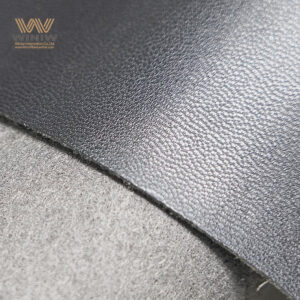
Vegetable-tanned leather stands out because of its natural tanning process. Tanners use plant-based tannins to treat the hides. This process does not involve synthetic dyes or pigments. The absence of artificial colorants allows the leather to display its true character. High-quality leather gains its strength and durability from the way natural tannins bond with the fibers during the process. The slow natural tanning process ensures a complete infusion of tannins, resulting in a robust and resilient material. Over time, this process leads to a unique patina that enhances the aesthetic appeal of each piece.
- Natural tannins bond with the leather’s fibers, increasing strength and durability.
- The slow process allows tannins to fully penetrate, creating high-quality leather.
- The patina develops as the leather ages, adding to its visual quality.
The natural tanning process preserves the original texture and grain of the leather. Each piece of high-quality leather retains subtle variations, making every item unique. The process also ensures that the leather remains breathable and flexible, which contributes to its long-lasting quality.
How Light and Oils Affect Color
Light plays a significant role in the transformation of vegetable-tanned leather. When exposed to sunlight or artificial light, the leather undergoes a gradual color change. The process of oxidation, triggered by light, deepens the color and enriches the surface. High-quality leather responds to light by developing a richer, deeper tone.
Oils from skin and hands also influence the patina. As people use their leather goods, natural oils transfer onto the surface. This process changes the shine, color, and texture of the leather. The interaction between oils and leather creates a unique patina for each item.
- Patina forms as leather absorbs oils from the skin during regular use.
- Environmental exposure and movement contribute to the shine and texture.
- Each piece of high-quality leather develops a patina that reflects individual use.
The combination of light and oils ensures that every vegetable-tanned leather product tells a distinct story. The process of aging and use transforms the leather, making it more beautiful and personal over time.
Key Factors in Leather Patina Development
Le development of leather patina involves several environmental and personal factors. Each factor plays a unique role in the transformation of leather, contributing to the rich story that unfolds on every piece. Understanding these key contributors helps explain why leather patina varies so much from one item to another.
Sunlight and UV Exposure
Sunlight acts as a powerful catalyst in the development of leather patina. When leather absorbs ultraviolet rays, the process of oxidation begins. This reaction causes the surface to darken and mature. Over time, exposure to sunlight leads to a deeper, more complex color. The development of leather patina accelerates with regular sunlight exposure, especially in the early stages of aging.
Tip: Placing a new leather item in indirect sunlight for short periods can help jumpstart patina development, but prolonged exposure may dry out the leather.
Sunlight not only changes the color but also enhances the texture. The surface becomes smoother and more lustrous as the patina forms. Many leather enthusiasts appreciate the unique patterns that sunlight creates, as no two pieces age in exactly the same way. The development of leather patina through sunlight gives each item a distinct character.
Oils from Skin and Hands
Oils from skin and hands play a crucial role in the development of leather patina. Every time someone touches a leather item, natural oils transfer onto the surface. These oils penetrate the fibers, softening the leather and deepening its color. The process of patina development becomes more personal as the leather absorbs the unique oils from each user.
- Oils help prevent the leather from drying out.
- Regular handling speeds up the development of leather patina.
- The resulting patina reflects the habits and routines of the owner.
The interaction between oils and leather creates a rich, glossy finish. Over time, the patina becomes smoother and more vibrant. The development of leather patina through oils highlights the connection between the user and the item. This relationship makes each piece of leather truly one-of-a-kind.
Air and Moisture Effects
Air and moisture also contribute significantly to the development of leather patina. As leather interacts with the surrounding environment, it absorbs small amounts of moisture from the air. This process helps keep the leather supple and flexible. However, too much moisture can lead to unwanted effects, such as mold or mildew.
A balanced environment supports healthy patina development. Fluctuations in humidity and temperature can speed up the aging process. The presence of air allows the leather to breathe, which is essential for the gradual development of leather patina.
| Factor | Effect on Patina Development | Impact on Aging |
|---|---|---|
| Sunlight | Darkens and enriches color | Accelerates aging |
| Oils | Deepens color, adds gloss | Personalizes patina |
| Air & Moisture | Maintains suppleness, supports aging | Can cause damage if excessive |
Note: Proper storage and occasional conditioning help maintain the balance needed for optimal patina development.
The combined influence of sunlight, oils, air, and moisture ensures that the development of leather patina remains a dynamic and ongoing process. Each factor leaves its mark, shaping the leather’s appearance and character. The aging of leather, guided by these elements, results in a patina that tells a unique and personal story.
The Transformation: From New to Patina
Timeline of Color Change
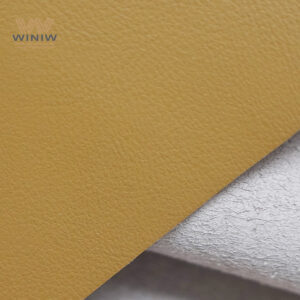
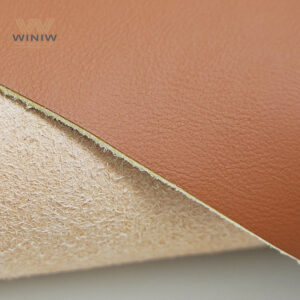
Vegetable-tanned leather begins its journey with a pale, almost creamy hue. Over the first few weeks, exposure to sunlight and air initiates the natural aging process. The leather absorbs oils from hands, which accelerates the development of patina. Within a month, the surface starts to darken. After several months, the leather patina becomes more pronounced, revealing deeper tones and subtle variations. The natural aging process continues for years, with each day adding new layers to the patina. Owners who let it age naturally notice that the leather develops a rich, warm color unique to their lifestyle.
Visible Signs of Aging
The natural aging process leaves visible marks on every piece of leather. Scratches, creases, and subtle scuffs appear as the leather adapts to daily use. These imperfections contribute to the beauty of patina over time. The leather patina often displays a glossy sheen, especially in areas that receive frequent handling. Edges may darken faster, while flat surfaces show a gradual shift in tone. The characteristics of a good leather patina include a smooth texture, deep color, and a soft, flexible feel. Each sign of aging tells a story, making the leather more personal and valuable.
Owners often appreciate the individuality that comes with each mark and color change.
The Beauty of Leather Patina
Le beauty of patina over time lies in its ability to capture memories and experiences. Leather patina transforms ordinary items into cherished possessions. The natural aging process ensures that no two pieces of leather look the same. The characteristics of a good leather patina include depth, luster, and a sense of history. Many collectors value leather patina for its authenticity and charm. The beauty of patina over time encourages owners to embrace the changes and celebrate the journey. Leather, through its patina, becomes a living record of daily life.
- Leather patina adds character and uniqueness.
- The natural aging process enhances both appearance and durability.
- Owners who let it age naturally enjoy a truly personal item.
| Stage | Color Change | Texture | Notable Features |
|---|---|---|---|
| New | Pale, creamy | Firm | Minimal marks |
| Early Patina | Light tan | Slightly softer | Subtle darkening, some gloss |
| Mature Patina | Deep brown | Supple, glossy | Rich color, visible history |
Caring for Vegetable Tan Leather
Tips for Patina Care
Proper care ensures that vegetable-tanned leather develops a rich patina and maintains its quality. Owners who want to speed up the patina process should focus on regular cleaning and conditioning. Cleaning removes dirt and grime that can dull the leather patina. Conditioning leather every three to six months keeps the fibers hydrated and restores the natural glow. This routine helps maintain and care for leather, supporting both durability and appearance.
- Clean the surface with a soft, dry cloth to remove dust.
- Use a damp cloth for deeper cleaning, but avoid soaking the leather.
- Apply a small amount of leather conditioner to nourish the material.
- Allow the leather to air dry away from direct heat or sunlight.
- Store items in a cool, dry place to prevent damage.
Conditioning plays a vital role in the maintenance of leather patina. It prevents cracking and keeps the leather supple. Owners should avoid harsh chemicals, as these can strip away the natural oils that encourage patina development. Protection from excessive moisture and heat also preserves the quality of the leather. Regular cleaning and conditioning help speed up the patina process while ensuring the longevity of each piece.
Tip: Rotate the use of leather goods to allow even exposure and encourage patina development across all surfaces.
Embracing the Unique Story
Every mark, scratch, and color change adds to the story of leather patina. Owners who embrace these changes celebrate the individuality of their items. The patina reflects daily routines, travels, and experiences. High-quality leather rewards consistent maintenance with a patina that grows richer over time.
A table can help summarize the best practices for care and protection:
| Maintenance Step | Purpose | Effect on Patina |
|---|---|---|
| Cleaning | Removes dirt and grime | Keeps patina vibrant |
| Conditioning | Hydrates and nourishes fibers | Deepens color, adds luster |
| Protection | Shields from heat and moisture | Preserves quality |
Owners who maintain and care for leather see the patina become a cherished feature. The process of conditioning leather and providing protection ensures that each item remains unique. Those who speed up the patina process through thoughtful care enjoy a leather patina that truly tells their story. Embracing the journey of patina development transforms ordinary leather into a personal artifact.
Vegetable-tanned leather transforms as it ages, developing a patina that reflects each owner’s journey. Sunlight, oils, and daily use cause leather to darken and evolve. Patina adds depth, character, and value to every leather item. Leather enthusiasts recognize that patina makes each piece unique. Proper care helps leather maintain its patina and durability. Leather rewards attention with a rich patina that tells a personal story. Patina grows more beautiful as leather matures. Owners celebrate the patina that marks their leather. Leather becomes a canvas for patina and memories. Patina remains the signature of well-loved leather.
Patina and leather together create a legacy worth preserving.


FAQ
What causes vegetable-tanned leather to develop a patina?
Vegetable-tanned leather develops a patina through exposure to sunlight, air, and natural oils from skin contact. The process enhances the leather’s appearance and creates a unique finish. Each item’s patina reflects its owner’s habits and environment.
How long does it take for leather to show a noticeable patina?
Most leather begins to show a visible patina within a few months of regular use. Factors such as sunlight, handling, and environmental conditions influence the speed of patina development. Consistent use accelerates the transformation.
Can owners speed up the patina process on leather goods?
Owners can speed up patina development by exposing leather to indirect sunlight and handling it frequently. Regular conditioning also helps. However, excessive exposure to moisture or heat may damage the leather and affect the quality of the patina.
Does patina affect the durability of leather?
Patina does not weaken leather. In fact, a well-developed patina can enhance the leather’s surface by adding a protective layer. Proper care ensures that both the patina and the leather remain strong and attractive.
How should owners care for leather to maintain a beautiful patina?
Owners should clean leather with a soft cloth and condition it every few months. Avoid harsh chemicals and excessive moisture. Proper storage and gentle handling help preserve both the leather and its patina.
Tip: Regular care keeps leather supple and allows the patina to develop evenly.