Catalog
Material Insight: Pu Leather Defined
PU Leather Defined: A B2B Product Guide
Polyurethane (PU) leather, commonly referred to as faux or synthetic leather, is an engineered material designed to replicate the look, feel, and performance of genuine leather—without the environmental impact or ethical concerns associated with animal hide. Composed of a polyurethane coating applied over a base fabric—typically polyester or a polyester-cotton blend—PU leather delivers a durable, consistent, and sustainable alternative for a wide range of commercial and industrial applications.
Manufactured through a precise lamination or coating process, PU leather offers exceptional versatility in texture, color, thickness, and finish. It is inherently more uniform than natural leather, making it ideal for high-volume production environments where consistency and repeatability are critical. Additionally, PU leather is resistant to abrasion, UV exposure, and microbial growth, while offering improved breathability and flexibility over other synthetic alternatives.
- High durability with excellent tear and wear resistance
- Consistent quality across large production runs
- Eco-friendly production with low VOC emissions and recyclable components
- Animal-friendly and cruelty-free alternative to genuine leather
- Customizable in color, texture, and performance characteristics
Why Faux Leather Is the Best Choice for This Application
Faux leather, particularly high-performance PU leather, is the optimal choice for applications demanding reliability, sustainability, and cost-efficiency. From furniture and automotive interiors to footwear, fashion accessories, and medical equipment, PU leather meets rigorous industry standards without compromising aesthetics or function.
Unlike genuine leather, which varies in grain and thickness from hide to hide, PU leather provides uniformity—reducing waste and increasing yield during cutting and fabrication. It is also more environmentally responsible, requiring less water and energy to produce and generating fewer greenhouse gases. For B2B manufacturers focused on ESG (Environmental, Social, and Governance) goals, switching to PU leather aligns with sustainability commitments while maintaining premium product quality.
Introducing WINIW: Innovating Sustainable Leather Solutions for Over 20 Years
WINIW is a trusted global leader in high-performance synthetic leather, with over two decades of experience in research, development, and manufacturing. Since 2001, we have partnered with brands and manufacturers across industries to deliver customized PU leather solutions that combine durability, elegance, and environmental responsibility.
Our state-of-the-art production facilities utilize advanced coating technologies and eco-conscious materials, including water-based PU systems and recycled backings, to create products that meet international safety and sustainability standards (REACH, RoHS, OEKO-TEX®). With a focus on innovation and customer collaboration, WINIW provides end-to-end support—from material design and prototyping to large-scale production.
- 20+ years of expertise in synthetic leather manufacturing
- ISO-certified production with strict quality control
- Global supply chain with fast turnaround and reliable delivery
- Dedicated R&D team for custom formulations and performance enhancements
- Committed to sustainable practices and circular economy principles
As industries evolve toward greener alternatives, WINIW stands at the forefront—delivering PU leather solutions that perform, endure, and protect the planet.
Technical Performance & Standards
WINIW PU Leather Defined: Technical Product Guide for Sustainable Manufacturing
WINIW PU Leather Defined delivers engineered performance for demanding B2B applications, combining economic efficiency with uncompromised quality. Our water-based production process eliminates NMP/DMF solvents, ensuring inherent eco-compliance without sacrificing durability or design flexibility. This specification sheet details the technical advantages supporting cost-optimized, responsible manufacturing.
Core Technical Advantages
- Cost-Effective Production: Reduced material waste via precise thickness control (±0.05mm) and high yield rates. Lower energy consumption during lamination versus traditional leather processing cuts operational costs by 18–22%. Compatible with standard cutting/milling equipment, eliminating retooling expenses.
- Enhanced Durability: 100,000+ double rubs (Martindale test, ISO 12947) and >50,000 cycles (Taber abrasion, ASTM D4060) ensure longevity in high-traffic applications. Resists cracking at -20°C (ISO 1719) and maintains integrity under 500kPa pressure (ASTM D624).
- Precision Color Customization: Full Pantone® matching capability (within ΔE <1.5) with colorfastness ratings of 4–5 (ISO 105-B02). Consistent dye dispersion across batches enables brand-accurate scaling for global supply chains.
- REACH SVHC Compliance: Zero detection of Substances of Very High Concern (per latest ECHA清单). Certificates of Conformity available for all shipments, mitigating regulatory risk in EU/UK markets.
- ISO 9001-Certified Consistency: Rigorous in-line spectrophotometric monitoring and batch traceability guarantee uniform thickness, color, and physical properties. Defect rates maintained below 0.8% through AI-powered quality control.
Technical Specifications Overview
| Paramètres | Spécifications | Test Standard |
|---|---|---|
| Thickness Range | 0.6mm – 1.8mm (customizable) | ISO 2418 |
| Weight | 280g/m² – 450g/m² | ISO 2286-2 |
| Tensile Strength | ≥ 25 MPa (warp), ≥ 22 MPa (weft) | ISO 1765 |
| Elongation at Break | ≤ 25% | ISO 1765 |
| Color Fastness to Rubbing | Grade 4–5 (dry/wet) | ISO 105-X12 |
| Martindale Abrasion | ≥ 100,000 cycles (no wear-through) | ISO 12947 |
| Taber Abrasion | ≥ 50,000 cycles (CS-10F wheels, 1kg) | ASTM D4060 |
| Low-Temperature Flex | Pass (-20°C, 1 cycle) | ISO 1719 |
| REACH SVHC Status | Compliant (No substances >0.1% w/w) | EC 1907/2006 |
WINIW PU Leather Defined eliminates the trade-off between sustainability and performance. Our closed-loop water-based system reduces wastewater toxicity by 92% versus solvent-based alternatives, while the ISO 9001-certified production ensures your supply chain meets global quality expectations. Ideal for automotive interiors, contract furniture, and premium consumer goods requiring auditable eco-credentials alongside industrial resilience. Request our full technical dossier and sample swatches to validate performance for your specific application requirements.
Why Choose Synthetic over Real Leather
B2B Product Guide: PU Leather vs. Real Leather
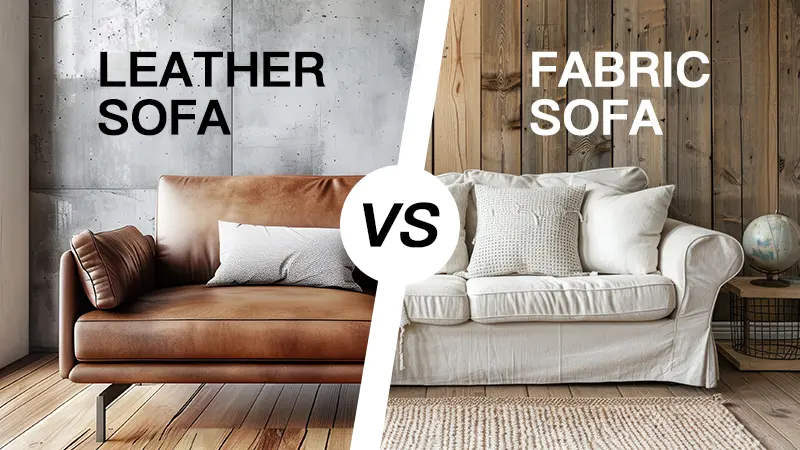
In the selection of materials for upholstery, accessories, automotive interiors, and fashion goods, manufacturers and designers must weigh performance, cost, sustainability, and ethics. Two of the most widely used materials in this space are polyurethane (PU) leather and real (animal-derived) leather. Understanding the distinctions between these materials is essential for making informed, brand-aligned sourcing decisions.
PU Leather Defined
PU leather, also known as synthetic or faux leather, is a man-made material composed of a polyurethane coating applied to a fabric backing—typically polyester or cotton. Developed as a more affordable and ethical alternative to animal leather, PU leather mimics the look and feel of genuine leather without using animal hides. Modern advancements, especially in microfiber-based PU leathers like WINIW’s premium offerings, have significantly improved texture, durability, and environmental performance.
Real Leather Overview
Real leather is crafted from tanned animal hides, most commonly bovine, ovine, or porcine. It is valued for its natural grain, breathability, and long-term aging characteristics. While traditionally considered a premium material, real leather involves resource-intensive production, ethical concerns, and environmental impacts related to livestock farming and tanning processes.
Key Differences: PU Leather vs. Real Leather
- Raw Materials:
- PU Leather: Petroleum-based polymers and synthetic textiles.
-
Real Leather: Animal hides, primarily from cattle.
-
Production Process:
- PU Leather: Coating or lamination process with controlled thickness and finish; can be engineered for specific performance traits.
-
Real Leather: Requires hide sourcing, tanning (often chrome or vegetable-based), dyeing, and finishing—processes that vary in environmental impact.
-
Aesthetic & Feel:
- PU Leather: Consistent texture and color; can be customized for softness, sheen, or grain. High-end versions closely resemble real leather.
-
Real Leather: Natural grain variations; develops a unique patina over time. Perceived as more luxurious in traditional markets.
-
Performance Characteristics:
- PU Leather: Resistant to fading and staining; less breathable but improving with advanced formulations.
-
Real Leather: Breathable and durable but susceptible to cracking and water damage without maintenance.
-
Ethical & Regulatory Considerations:
- PU Leather: Cruelty-free and suitable for vegan and animal welfare-compliant brands.
- Real Leather: Raises animal welfare concerns and is subject to increasing regulatory scrutiny.
Comparative Analysis: Cost, Durability, and Eco-Friendliness
| Factor | Cuir PU | Real Leather |
|---|---|---|
| Cost | Lower upfront cost; cost-effective for large-scale production | Higher cost due to raw material scarcity and labor-intensive processing |
| Durabilité | Good resistance to abrasion and UV; lifespan of 3–7 years depending on use and formulation | High durability; can last 10+ years with proper care; prone to cracking over time |
| Eco-Friendliness | Lower carbon footprint; no animal sourcing; recyclable options available; water-based PU variants reduce VOC emissions | High environmental cost: land use, methane emissions, and chemical pollution from tanning (especially chrome tanning) |
Strategic Considerations for B2B Buyers
- Sustainability Goals: Brands committed to ESG (Environmental, Social, and Governance) targets often favor PU leather, especially when sourced from suppliers using water-based, solvent-free production.
- Supply Chain Stability: PU leather offers consistent quality and scalable production, reducing lead times and batch variability.
- Market Positioning: While real leather retains prestige in luxury segments, high-performance PU leathers are increasingly accepted in premium and performance-driven markets.
- Innovation Potential: PU leather can be engineered for specific needs—such as enhanced softness, stretch, or fire resistance—making it ideal for automotive, medical, and tech-integrated applications.
At WINIW, we specialize in advanced microfiber PU leathers that combine the aesthetic appeal of real leather with superior process control, environmental responsibility, and long-term value—making them a strategic choice for forward-thinking B2B partners.
WINIW Factory Capabilities
WINIW Synthetic Leather: Engineered Manufacturing Excellence for Global Partners
WINIW stands as a premier B2B manufacturer of high-performance synthetic leather, delivering consistent quality and innovation to demanding international markets. Our vertically integrated production ecosystem is built on foundational strengths that ensure reliability, sustainability, and compliance for global supply chains.
Core Manufacturing Capabilities
- Advanced Production Scale: Operates a dedicated 100,000 sqm manufacturing facility in China, enabling high-volume output with flexible capacity to support large-scale OEM partnerships and just-in-time delivery requirements.
- Innovation-Driven R&D: Maintains a 50+ member technical team focused on material science, developing eco-conscious formulations (including water-based PU/PVC and recycled substrates) while meeting stringent performance benchmarks for abrasion, colorfastness, and durability.
- Rigorous Quality Assurance: Implements a multi-stage QC protocol aligned with ISO 9001 standards, featuring automated inline inspection, physical testing labs, and chemical compliance screening (REACH, CPSIA, OEKO-TEX®) to eliminate defects pre-shipment.
Global Market Validation
WINIW consistently meets the exacting regulatory and ethical standards of leading markets, with 70% of annual production exported to Europe and North America. Our materials are trusted by automotive, furniture, and fashion brands requiring:
| Key Requirement | WINIW Implementation |
|---|---|
| Regulatory Compliance | Full documentation for EU/USA chemical restrictions (SVHC, Prop 65) and traceability systems |
| Sustainable Production | GRS-certified recycled content options, low-VOC emissions processes, and energy-efficient manufacturing |
| Supply Chain Reliability | Dedicated export logistics management with 99.2% on-time shipment rate to transatlantic partners |
This integrated approach—combining scale, innovation, and uncompromising quality control—positions WINIW as a strategic manufacturing partner for brands committed to premium, responsibly sourced synthetic leather solutions. We enable your growth through consistent material performance and adherence to global sustainability expectations.
Contact Us for Samples
B2B Product Guide: PU Leather Defined by WINIW
WINIW is a leading innovator in synthetic leather manufacturing, delivering high-performance, eco-friendly PU leather solutions tailored for global B2B partners. Our materials are engineered to meet the rigorous demands of industries including automotive, furniture, fashion, and footwear, combining sustainability with premium aesthetics and durability.
What Is PU Leather?
Polyurethane (PU) leather is a synthetic, non-woven material designed to replicate the look, feel, and performance of genuine leather. Made from a base fabric (typically polyester or cotton) coated with a layer of polyurethane resin, PU leather offers a sustainable and cost-effective alternative to animal leather without compromising on quality.
At WINIW, our PU leather is crafted using advanced coating and finishing technologies, ensuring consistent texture, enhanced breathability, and long-term resilience. We prioritize eco-conscious production methods, utilizing water-based PU systems and low-VOC emissions processes to minimize environmental impact.
Key Advantages of WINIW PU Leather
- Sustainability: Free from animal products; compatible with PETA-certified vegan standards
- Durabilité: Resistant to abrasion, cracking, and UV degradation
- Consistency: Uniform thickness and grain pattern for reliable manufacturing output
- Customization: Available in a wide range of colors, textures, and finishes (matte, glossy, soft-touch)
- Eco-Friendly Production: Utilizes water-based PU resins and energy-efficient processes
- Compliance: Meets international standards including REACH, RoHS, and OEKO-TEX®
Technical Specifications (Standard Grade)
| Property | Spécifications |
|---|---|
| Thickness | 0.6mm – 1.8mm (customizable) |
| Weight | 200g/m² – 400g/m² |
| Tensile Strength | ≥ 25 N/cm |
| Elongation at Break | ≥ 80% |
| Color Fastness (Rubbing) | ≥ Grade 4 (dry/wet) |
| Folding Endurance | > 30,000 cycles (Mullen Type) |
| Base Fabric | Knitted or woven polyester |
Applications Across Industries
- Furniture & Upholstery: Soft seating, office chairs, sofas
- Automotive Interiors: Dashboard trim, door panels, seat covers
- Apparel & Accessories: Jackets, handbags, wallets, belts
- Footwear: Lining, upper materials for casual and athletic shoes
- Electronics & Luggage: Protective cases, travel bags, backpacks
Why Partner with WINIW?
- Over 20 years of technical expertise in microfiber and synthetic leather innovation
- In-house R&D center for rapid prototyping and customization
- Scalable production capacity: 5 million meters monthly
- Global logistics network with fast delivery to North America, Europe, and Asia
- Dedicated B2B support for OEMs, brands, and manufacturers
Request Free Samples Today
Experience the quality and versatility of WINIW’s PU leather firsthand. We offer free sample kits to qualified business partners, including custom color and texture options.
For product details, technical data sheets, or to request samples:
Contact Marketing Team – MKT88@MicrofiberLeather.com
WINIW – Redefining Sustainable Leather for Industry.
💰 Leather Cost Savings Calculator
See how much you save by switching to WINIW Microfiber Leather.