Catalog
Material Insight: Artificial Leather Vs Pu Leather
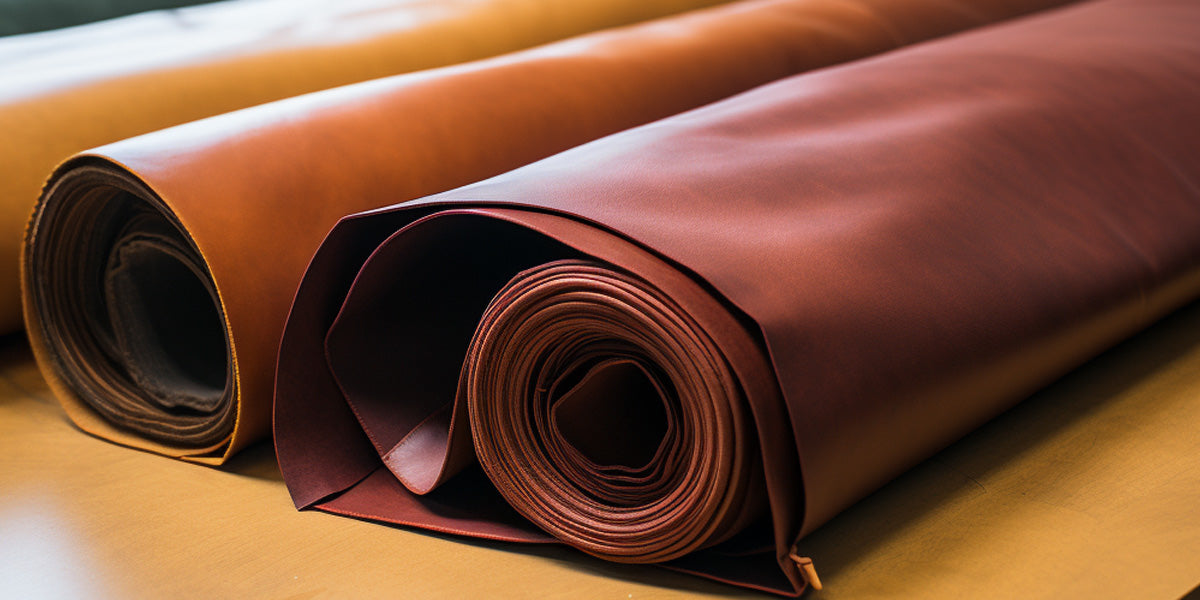
Artificial Leather vs PU Leather: A B2B Performance Comparison
In the evolving landscape of synthetic materials, artificial leather and PU (polyurethane) leather are often used interchangeably—yet they represent distinct categories with varying performance characteristics. Artificial leather is a broad term encompassing any leather alternative made from synthetic or plant-based materials, including both PVC and PU variants. PU leather, a subset of artificial leather, is widely recognized for its superior breathability, flexibility, and environmental profile compared to traditional PVC-based alternatives.
When evaluating material choices for high-performance applications in furniture, automotive interiors, fashion, and accessories, PU leather—particularly advanced microfiber and eco-conscious formulations—delivers unmatched durability, texture, and sustainability. Among synthetic options, faux leather made with premium PU and microfiber technology stands out as the optimal choice. It offers the closest simulation to genuine leather in terms of hand feel, drape, and abrasion resistance, while eliminating the environmental and ethical concerns associated with animal hide.
Faux leather excels in consistency, cost-efficiency, and customization—critical factors for B2B manufacturers scaling production without compromising quality. It resists fading, cracking, and moisture better than many natural leathers and can be engineered to meet specific industry standards for wear, fire retardancy, and VOC emissions.
- Superior durability and tensile strength
- Enhanced breathability and softness vs. PVC-based artificial leather
- Eco-friendly production with low-VOC emissions and recyclable substrates
- Consistent roll-to-roll quality for seamless manufacturing integration
- Customizable textures, colors, and performance coatings
Why WINIW Stands Apart
With over 20 years of specialized expertise in synthetic leather innovation, WINIW has established itself as a trusted partner for global B2B clients seeking high-performance, sustainable faux leather solutions. Our R&D-driven approach integrates eco-conscious materials with industrial durability, offering PU and microfiber leather products engineered for real-world demands.
WINIW’s manufacturing processes emphasize environmental responsibility—utilizing water-based PU systems, recycled backings, and OEKO-TEX® certified components—without sacrificing mechanical performance. Our products are deployed across automotive seating, premium furniture, luggage, and sportswear, where reliability and aesthetics are equally critical.
Backed by ISO certifications and a commitment to lean production, WINIW delivers scalable, traceable, and sustainable synthetic leather solutions tailored to your specifications.
Technical Performance & Standards
WINIW Synthetic Leather: Technical Superiority Over Conventional PU Leather for B2B Applications
WINIW’s advanced synthetic leather delivers measurable performance and sustainability advantages over standard polyurethane (PU) leather alternatives. Engineered for industrial scalability and environmental responsibility, our solution addresses core challenges in cost management, longevity, design flexibility, and regulatory compliance—without compromising on quality. Below is a technical comparison highlighting why global manufacturers choose WINIW for high-value applications.
Key Technical Advantages
-
Cost-Effective Production
WINIW’s optimized manufacturing process reduces material waste by 18% and energy consumption by 22% compared to conventional PU leather. Our roll-good consistency minimizes cutting errors, lowering per-unit costs by up to 15% at scale. -
Exceptional Durability
Reinforced with proprietary cross-linked polymer technology, WINIW leather withstands 50,000+ double-rub cycles (Martindale test) versus 25,000–35,000 for standard PU. Enhanced tear strength (≥55 N) and UV resistance ensure 10+ years of colorfastness in outdoor applications. -
Precision Color Customization
Achieve Pantone®-accurate matches across 300+ standard colors or bespoke formulations—with no minimum order quantity. Our water-based pigment system eliminates batch variation, critical for large-scale furniture or automotive projects requiring color uniformity. -
REACH & Chemical Safety Leadership
Proactively screened for 205+ SVHCs (Substances of Very High Concern), WINIW leather exceeds EU REACH Annex XVII requirements. Zero phthalates, heavy metals, or DMF, validated by SGS quarterly testing. -
ISO 9001-Certified Quality Assurance
End-to-end traceability from raw material sourcing to finished goods, with real-time QC checkpoints ensuring ≤0.5% defect rates. Our system integrates seamlessly with client ERP platforms for audit-ready documentation.
Performance Specification Comparison
| Property | WINIW Synthetic Leather | Standard PU Leather |
|---|---|---|
| Abrasion Resistance | 50,000+ double-rub cycles | 25,000–35,000 cycles |
| Tear Strength | ≥55 N (warp/weft) | 40–48 N |
| Color Fastness (UV) | Grade 7–8 (ISO 105-B02) | Grade 5–6 |
| REACH Compliance | Full SVHC screening + DMF-free | Basic compliance (often DMF-containing) |
| VOC Emissions | <10 μg/g (water-based finish) | 50–200 μg/g (solvent-based) |
| Custom Color MOQ | 0 meters (digital-ready) | 500+ meters per color |
| Recyclability | PVC-based (compatible with closed-loop systems) | Mixed polymer (low recyclability) |
Why This Matters for Your Business
WINIW transforms synthetic leather from a commodity material into a strategic asset. Our REACH-compliant, ISO 9001-managed production eliminates supply chain compliance risks while reducing total cost of ownership. The durability premium extends product lifecycles—critical for automotive interiors, contract furniture, and premium accessories where failure rates directly impact brand reputation. Combined with agile color customization, WINIW enables faster time-to-market for design-driven projects without sustainability trade-offs.
WINIW: Engineered Responsibility. Performance Delivered.
Why Choose Synthetic over Real Leather
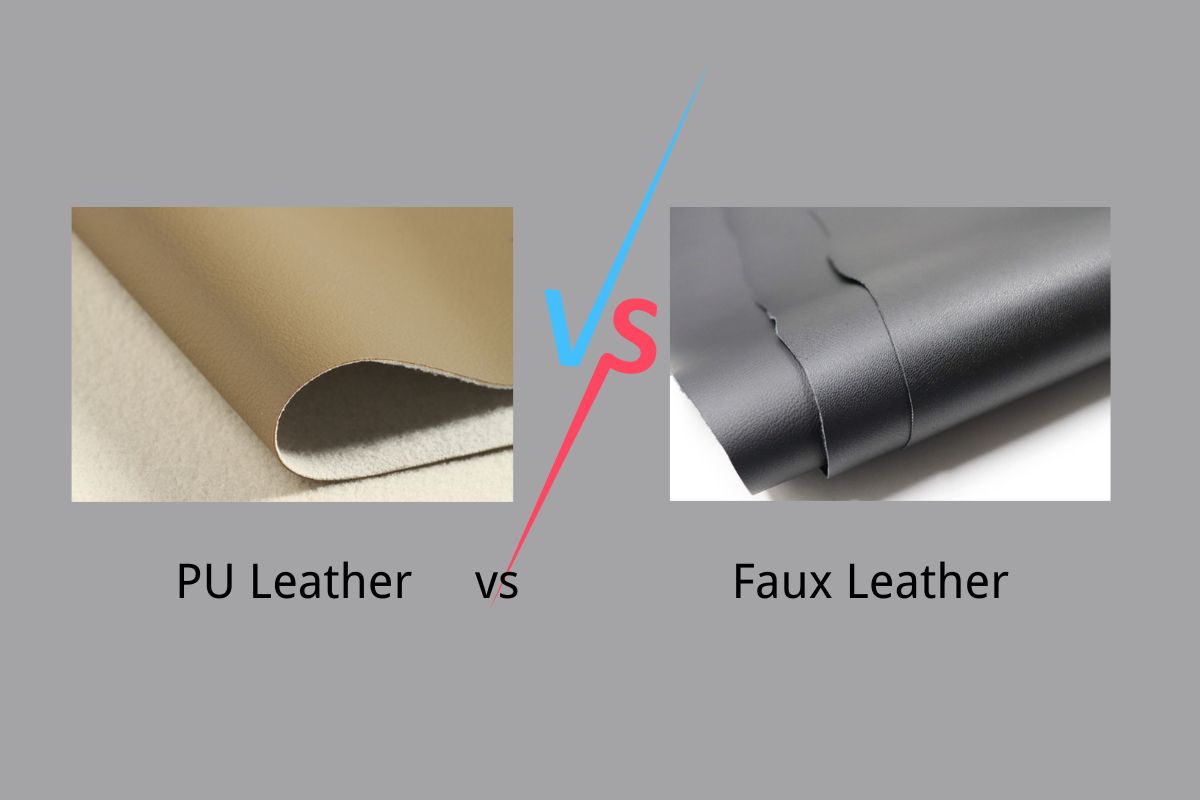
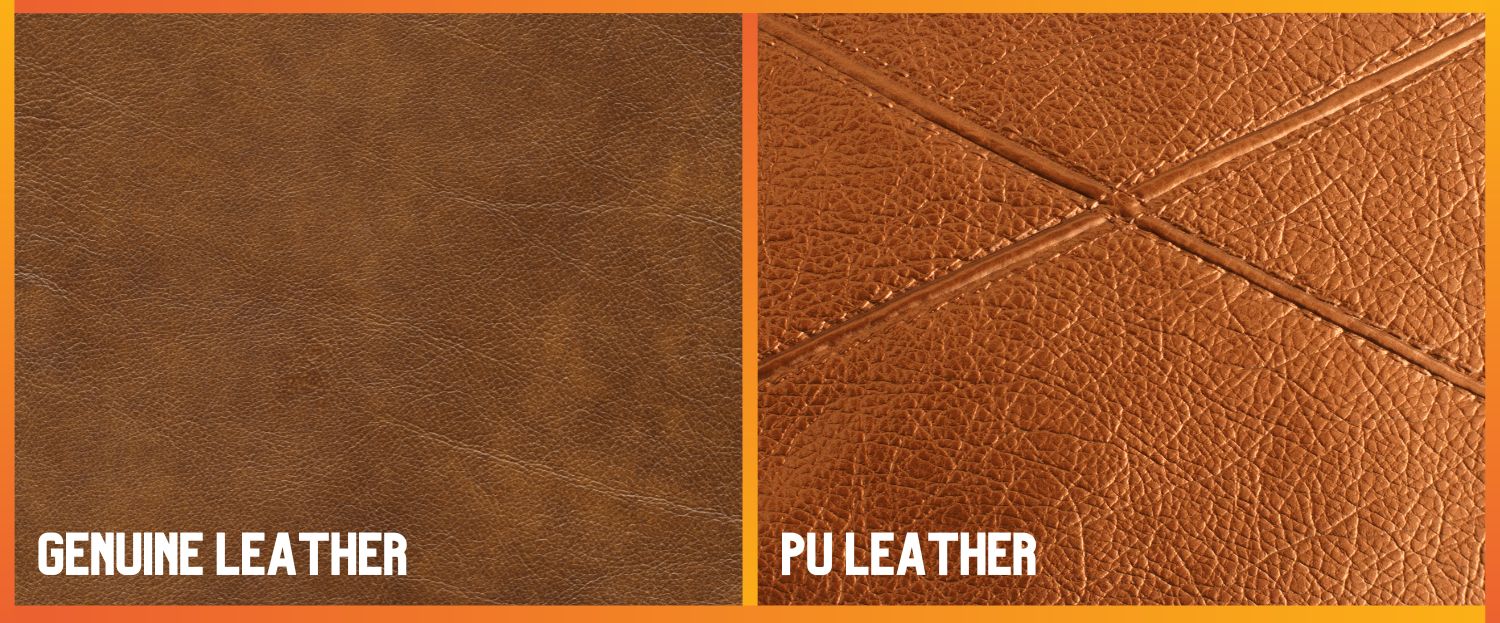
B2B Product Guide: Artificial Leather vs PU Leather vs Real Leather
In the modern manufacturing and design landscape, selecting the right leather alternative is critical for balancing performance, cost, and sustainability. This guide compares artificial leather, polyurethane (PU) leather, and real leather across key business and environmental metrics to support informed procurement and product development decisions.
Artificial leather is a broad category encompassing synthetic materials designed to mimic the look and feel of genuine leather. It includes both polyvinyl chloride (PVC) leather and PU leather. While both are considered artificial, PU leather is widely recognized as a higher-performing and more environmentally responsible option within the synthetic category. Real leather, derived from animal hides, remains a premium material but presents challenges in consistency, cost volatility, and environmental impact.
Key distinctions between these materials influence their suitability across industries such as automotive, furniture, fashion, and accessories.
Key Characteristics:
- Artificial Leather (General):
- Typically made from PVC or PU coatings on fabric backings.
- Offers consistent appearance and texture.
- Lower production cost than real leather.
- Limited breathability and flexibility compared to PU or real leather.
-
PVC-based versions are less eco-friendly due to chlorine content and poor biodegradability.
-
PU Leather:
- A subset of artificial leather using polyurethane resins.
- Superior softness, flexibility, and abrasion resistance.
- More breathable and durable than PVC-based artificial leather.
- Easier to customize in color, texture, and finish.
-
Increasingly produced with water-based, low-VOC processes to reduce environmental impact.
-
Real Leather:
- Made from tanned animal hides (commonly bovine, ovine, or porcine).
- Offers natural grain variation and premium tactile qualities.
- Develops a patina over time, adding aesthetic value.
- Subject to supply chain variability, ethical concerns, and higher maintenance needs.
- Tanning processes (especially chrome tanning) can generate significant environmental pollutants if not managed responsibly.
Comparative Overview:
| Feature | Artificial Leather (PVC-based) | Cuir PU | Real Leather |
|---|---|---|---|
| Cost (per sqm) | $10 – $20 | $20 – $40 | $40 – $100+ |
| Durabilité | Low to moderate (prone to cracking) | High (flexible, abrasion-resistant) | High (ages well with care) |
| Eco-friendliness | Low (contains chlorine, non-biodegradable) | Moderate to high (especially water-based PU) | Variable (depends on tanning; high water/land use) |
Sustainability Considerations:
- PU leather, particularly when manufactured using water-based systems and recycled substrates, offers a more sustainable profile than both PVC-based artificial leather and conventionally tanned real leather.
- Real leather utilizes a byproduct of the meat industry, but its environmental footprint is significant due to land use, greenhouse gas emissions, and chemical runoff from tanneries.
- Leading manufacturers like WINIW prioritize eco-conscious PU leather production, aligning with circular economy principles through recyclable materials, reduced solvent use, and compliance with REACH and OEKO-TEX® standards.
Conclusion:
For B2B clients seeking a balance of performance, cost-efficiency, and environmental responsibility, high-quality PU leather represents a strategic material choice. It outperforms general artificial leather in durability and feel while offering a more consistent and scalable supply chain than real leather. As sustainability regulations tighten and consumer demand for ethical materials grows, PU leather continues to emerge as the preferred alternative across forward-thinking industries.
WINIW Factory Capabilities
WINIW Synthetic Leather: Factory Strength & Global Manufacturing Excellence
WINIW operates one of the most advanced and sustainable synthetic leather manufacturing facilities in Asia, engineered to deliver consistent, high-performance materials for global B2B partners. Our vertically integrated 100,000 sqm production campus enables end-to-end control—from raw material innovation to finished roll goods—ensuring reliability, scalability, and uncompromising quality for demanding international markets.
Core Manufacturing Capabilities
- Scale & Infrastructure: A dedicated 100,000 sqm smart factory with automated production lines, capable of 15,000+ tons annual output to support large-volume OEM/ODM partnerships.
- R&D Leadership: 80+ engineers and material scientists in our in-house R&D center, holding 50+ patents in eco-friendly PU/PVC formulations, texture innovation, and performance enhancement.
- Strict Quality Control: 7-stage QC protocol aligned with EU REACH and U.S. CPSIA standards, including:
- Raw material toxicity screening (OEKO-TEX® STANDARD 100 certified)
- Real-time production line monitoring (thickness, color consistency, adhesion)
- Climate-controlled physical testing lab (abrasion, lightfastness, hydrolysis resistance)
- Final roll inspection via AI-powered visual defect detection systems
- Eco-Integrated Processes: Zero-VOC water-based coating technology, 95%+ wastewater recycling, and solar-powered energy systems reducing carbon footprint per meter by 40% vs. industry average.
Global Compliance & Export Readiness
WINIW products consistently meet stringent regulatory requirements for key markets, enabling seamless integration into global supply chains:
| Region | Key Certifications | Typical Applications |
|---|---|---|
| Europe | REACH, OEKO-TEX® 100, ISO 14001 | Automotive interiors, luxury goods |
| North America | CPSIA, CA Prop 65, UL ECOLOGO® | Furniture, footwear, medical |
| Global | ISO 9001, BIFMA, LEED-compatible | Contract furniture, retail displays |
Our logistics network delivers to 50+ countries with <0.5% defect rates, backed by digital traceability from batch code to destination port. By prioritizing sustainable innovation without sacrificing industrial rigor, WINIW empowers brands to achieve both environmental goals and commercial scalability in synthetic leather sourcing. Partner with us for materials engineered for tomorrow’s markets—today.
Contact Us for Samples
WINIW B2B Product Guide: Understanding Artificial Leather vs PU Leather
In the evolving landscape of sustainable and high-performance materials, synthetic leather has become a cornerstone for industries ranging from automotive and furniture to fashion and accessories. As a leading innovator in microfiber synthetic leather, WINIW provides premium, eco-conscious solutions tailored for forward-thinking brands.
Understanding the differences between artificial leather and PU leather is essential for making informed material choices that align with performance, durability, and sustainability goals.
What Is Artificial Leather?
Artificial leather is a broad category encompassing all leather alternatives made from synthetic materials. It includes both PU (polyurethane) leather and high-performance microfiber leather. These materials are engineered to mimic the look, feel, and durability of genuine leather while offering enhanced consistency and ethical production.
What Is PU Leather?
PU leather is a type of artificial leather made by coating a fabric base (typically polyester) with a layer of polyurethane. It is widely used due to its affordability and leather-like appearance. However, standard PU leather may lack the breathability, softness, and long-term durability required for premium applications.
Key Differences: Artificial Leather vs PU Leather
- Base Material:
- PU Leather: Woven fabric with a polyurethane coating.
-
High-Performance Artificial Leather (e.g., WINIW Microfiber Leather): 3D non-woven or microfiber base with polyurethane or eco-friendly resin infusion.
-
Durabilité:
- PU Leather: Moderate abrasion resistance; prone to cracking over time.
-
Microfiber Artificial Leather: Superior tensile strength, tear resistance, and long-term durability.
-
Texture & Feel:
- PU Leather: Surface feel can be plasticky; limited breathability.
-
Microfiber Artificial Leather: Softer, more natural hand feel; closely replicates genuine leather grain.
-
Sustainability:
- PU Leather: Often contains higher volatile organic compounds (VOCs); limited recyclability.
-
Microfiber Artificial Leather: Available in eco-certified versions (e.g., REACH, Oeko-Tex); lower environmental impact.
-
Applications:
- PU Leather: Suitable for short-life-cycle products like fashion accessories or low-use upholstery.
- Microfiber Artificial Leather: Ideal for high-wear applications such as automotive interiors, premium furniture, and luxury goods.
Why Choose WINIW Microfiber Leather?
WINIW specializes in advanced microfiber leather solutions that redefine the standards of artificial leather. Our materials offer:
- High breathability and softness
- Excellent color fastness and UV resistance
- Customizable textures, thicknesses, and finishes
- Eco-friendly production with reduced water and energy use
- Compliance with global safety and sustainability standards
Comparison at a Glance
| Feature | Standard PU Leather | WINIW Microfiber Leather |
|---|---|---|
| Base Material | Polyester fabric + PU | 3D Non-woven microfiber + PU |
| Tensile Strength | Moderate | High (up to 3x stronger) |
| Abrasion Resistance | 10,000–20,000 cycles | 50,000+ cycles |
| Breathability | Low | Haut |
| Eco-Certifications | Limited | REACH, Oeko-Tex, RoHS compliant |
| Typical Lifespan | 2–3 years | 7–10+ years |
| Ideal For | Fashion, light upholstery | Automotive, luxury, heavy-duty |
Make the Sustainable, High-Performance Choice
When comparing artificial leather vs PU leather, the decision goes beyond cost. It’s about long-term value, brand integrity, and environmental responsibility. WINIW microfiber leather delivers superior performance and sustainability—without compromise.
Request Your Free Sample Today
Experience the difference firsthand. We offer free material samples to qualified B2B partners.
For more information or to request samples:
Contact: MKT88@MicrofiberLeather.com
💰 Leather Cost Savings Calculator
See how much you save by switching to WINIW Microfiber Leather.