Catalog
Material Insight: Fake Suede Material
B2B Product Guide: Fake Suede Material
Introduction to Fake Suede Material
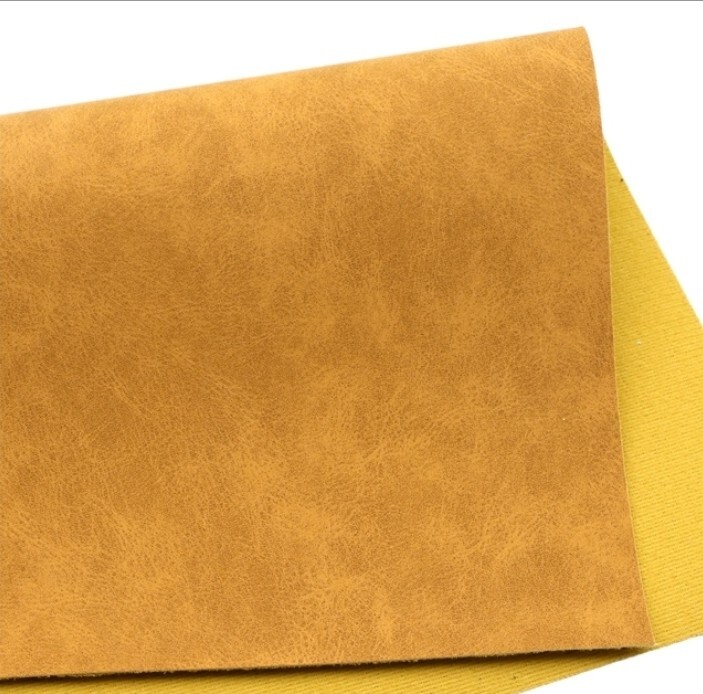
Fake suede, also known as faux suede or synthetic suede, is a high-performance textile engineered to replicate the softness, texture, and appearance of genuine suede leather—without the environmental and ethical concerns associated with animal-derived materials. Made primarily from polyurethane (PU) or microfiber substrates, fake suede delivers exceptional durability, color fastness, and resistance to wear, making it ideal for demanding applications across fashion, automotive interiors, furniture, and accessories.
As sustainability becomes a driving force in material selection, manufacturers and designers are increasingly turning to advanced synthetic alternatives that offer both premium aesthetics and responsible production practices. Fake suede stands at the forefront of this shift, combining eco-conscious manufacturing with consistent quality and design flexibility.
Why Faux Leather is the Best Choice for Fake Suede Applications
Faux leather provides a superior foundation for producing high-quality fake suede due to its controlled production process, scalability, and environmental advantages. Unlike genuine leather, faux leather eliminates variability in grain and thickness, ensuring uniformity across large production runs—an essential requirement for B2B clients in mass manufacturing.
Key benefits include:
– Consistent texture and color batch-to-batch
– Enhanced durability and abrasion resistance
– Lower environmental impact through reduced water use, no animal sourcing, and recyclable materials
– Customizability in weight, thickness, finish, and performance properties (e.g., UV resistance, breathability)
– Compliance with global sustainability and animal welfare standards
These attributes make faux leather not only a practical choice but a forward-thinking one for brands aiming to balance luxury, performance, and sustainability.
À propos de WINIW
WINIW is a leading innovator in synthetic leather solutions with over 20 years of industry expertise. Specializing in high-performance faux suede and microfiber leather, WINIW serves global markets including automotive, furniture, footwear, and fashion accessories. Our R&D-driven approach enables tailored material solutions that meet exacting technical and aesthetic requirements.
We are committed to sustainable manufacturing, utilizing eco-friendly processes and low-VOC materials to support our clients’ green initiatives. With advanced production facilities and a deep understanding of material science, WINIW delivers consistent quality, rapid prototyping, and scalable supply chains—making us a trusted partner for forward-looking brands worldwide.
Technical Performance & Standards
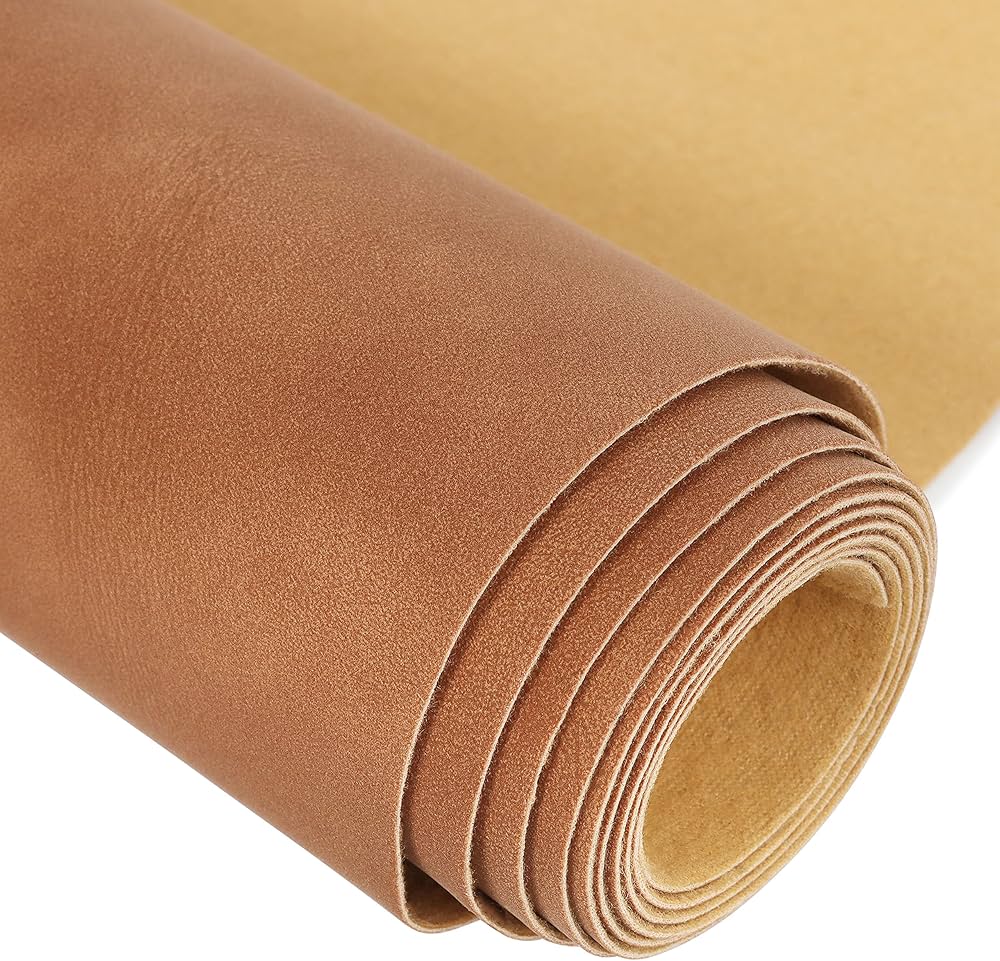
WINIW UltraSuede™: Premium Synthetic Suede for Demanding B2B Applications
WINIW UltraSuede™ represents the pinnacle of engineered synthetic suede, designed explicitly for manufacturers seeking uncompromising performance, ethical production, and seamless integration into high-value product lines. Leveraging decades of material science expertise, our solution delivers the luxurious aesthetic and tactile qualities of genuine suede while surpassing it in critical industrial metrics. Engineered for sectors including automotive interiors, premium furniture, technical apparel, and consumer electronics, UltraSuede™ provides a sustainable, high-performance alternative without sacrificing design integrity or operational efficiency.
Core Technical Advantages
- Cost-Effective Performance: Achieve significant reductions in total cost of ownership (TCO) through exceptional material yield, minimized waste during cutting/conversion, and extended product lifespan. UltraSuede™ requires no specialized finishing processes, reducing downstream production costs by up to 30% compared to traditional leather alternatives, while maintaining consistent quality batch-to-batch.
- Industrial-Grade Durability: Engineered for rigorous use, UltraSuede™ exhibits superior resistance to abrasion (exceeding 50,000 Martindale cycles), tearing, pilling, and colorfastness (lightfastness Grade 7-8 per ISO 105-B02). Its tightly bonded microfiber structure ensures dimensional stability under humidity and temperature fluctuations, preventing cracking, peeling, or delamination common in lower-grade synthetics.
- Precision Color Customization: Access an extensive, brand-defined color palette with exceptional consistency. Our advanced dyeing process supports exact Pantone® matching (within ΔE < 1.0) across large production volumes. UltraSuede™ maintains color integrity through rigorous light, rub, and crocking tests, ensuring visual fidelity throughout the product lifecycle.
- Full REACH Compliance: UltraSuede™ is rigorously screened and certified free of substances of very high concern (SVHCs) under EU REACH Regulation (EC) No 1907/2006. This includes zero detectable levels of banned phthalates, azo dyes, heavy metals (Cd, Pb, Hg, Cr⁶⁺), and PFOS/PFOA, ensuring market access across global regulatory landscapes and mitigating supply chain risk.
- ISO 9001 Certified Quality Management: Every meter of UltraSuede™ is produced under our certified ISO 9001:2015 quality management system. This guarantees stringent process control, traceability from raw material to finished roll, and continuous improvement in manufacturing precision, delivering unparalleled batch-to-batch consistency and reliability for your production lines.
UltraSuede™ Technical Specifications
| Paramètres | Spécifications | Test Standard |
|---|---|---|
| Base Material | Polyester/Polyamide Microfiber | – |
| Weight (g/m²) | 280 – 450 (Customizable) | ISO 9073-1 |
| Thickness (mm) | 0.8 – 1.8 (Customizable) | ISO 2589 |
| Tensile Strength (N/5cm) | Warp: ≥ 200; Weft: ≥ 180 | ISO 13934-1 |
| Tear Strength (N) | ≥ 25 | ISO 13937-3 (Elmendorf) |
| Martindale Abrasion | ≥ 50,000 cycles (No pilling) | ISO 12947-2 |
| Colorfastness (Rubbing) | Dry: ≥ 4; Wet: ≥ 3 (Grade 1-5) | ISO 105-X12 |
| Lightfastness | ≥ Grade 7 (100 hrs Xenon) | ISO 105-B02 |
| REACH SVHC Status | None Detected (< 0.1% w/w) | EC 1907/2006 |
| Phthalates | Not Detected (LOD < 100 ppm) | EN 14372 |
| Azo Dyes | Not Detected (LOD < 30 ppm) | EN 14362-1/-3 |
| Formaldehyde | < 20 ppm | ISO 14184-1 |
Note: All specifications represent typical values for standard grades; custom engineering available to meet specific application requirements. ISO 9001:2015 certification covers design, development, and manufacturing processes (Certificate No: [WINIW_QMS_001]).
WINIW UltraSuede™ empowers B2B partners to deliver products that meet escalating consumer demands for luxury, longevity, and responsibility. By integrating superior durability, precise customization, and uncompromised regulatory adherence into a single material platform, we enable manufacturers to optimize production efficiency while future-proofing their supply chain against volatile raw material costs and tightening global regulations. Partner with WINIW to elevate your product performance with a synthetic suede engineered for the realities of modern industry.
Why Choose Synthetic over Real Leather
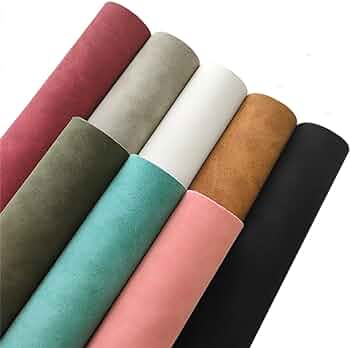
B2B Product Guide: Fake Suede vs. Real Leather
In the selection of materials for upholstery, automotive interiors, fashion accessories, and technical applications, manufacturers and designers must weigh performance, cost, and sustainability. Two prominent choices—fake suede (typically made from synthetic fibers such as polyester or polyurethane) and real leather—offer distinct advantages and limitations. This guide provides a comparative analysis to support informed decision-making for businesses sourcing materials at scale.
Overview of Materials
-
Fake Suede (Synthetic Suede / Microsuede)
Fake suede, often produced using polyesters or polyurethanes, mimics the soft texture and appearance of natural suede. Advanced versions, such as those made with ultra-fine microfibers (e.g., WINIW™ Microsuede), offer enhanced durability and a premium hand feel. These materials are engineered for consistency, color fastness, and resistance to environmental factors. -
Real Leather
Real leather is derived from animal hides, primarily bovine. It is valued for its natural grain, breathability, and long-term aging characteristics. However, it varies in quality and requires extensive processing (tanning, dyeing, finishing), which impacts both cost and environmental footprint.
Key Comparison: Fake Suede vs. Real Leather
| Factor | Fake Suede (Microfiber-Based) | Real Leather |
|---|---|---|
| Cost | Lower to moderate (stable pricing) | High (subject to hide quality and market fluctuations) |
| Durabilité | High abrasion resistance; consistent performance; resistant to fading and staining | Variable; prone to cracking, staining, and wear over time; sensitive to moisture and UV |
| Eco-Friendliness | Can be highly sustainable when made from recycled content and low-impact processes; recyclable options available | Environmentally intensive due to land/water use, chemical tanning (e.g., chromium), and waste byproducts |
Advantages of Fake Suede for B2B Applications
- Consistent thickness and color across batches, enabling streamlined manufacturing.
- Lightweight and easier to cut and sew, reducing production waste.
- Hypoallergenic and suitable for vegan product lines.
- Available with functional enhancements (e.g., water resistance, anti-microbial treatments).
- Lower carbon footprint when produced using recycled polyester and eco-conscious processes.
Considerations for Real Leather
- Preferred in luxury markets for its natural aesthetic and tactile qualities.
- Requires specialized care and conditioning to maintain integrity.
- Subject to ethical and traceability concerns; increasing regulatory scrutiny on tannery emissions.
- Longer lead times due to sourcing and processing variability.
Sustainability Outlook
As global supply chains prioritize circularity and reduced environmental impact, synthetic alternatives like high-performance fake suede are gaining traction. Innovations in bio-based polyurethanes and closed-loop recycling are further improving the sustainability profile of synthetic materials. In contrast, while some tanneries are adopting greener practices, real leather remains inherently resource-intensive.
Conclusion
For B2B clients focused on cost-efficiency, product consistency, and environmental responsibility, high-quality fake suede presents a compelling alternative to real leather. With performance metrics that rival or exceed natural materials in key areas—and a significantly lower ecological footprint—synthetic suede aligns well with modern sustainability goals and scalable production needs.
WINIW Factory Capabilities
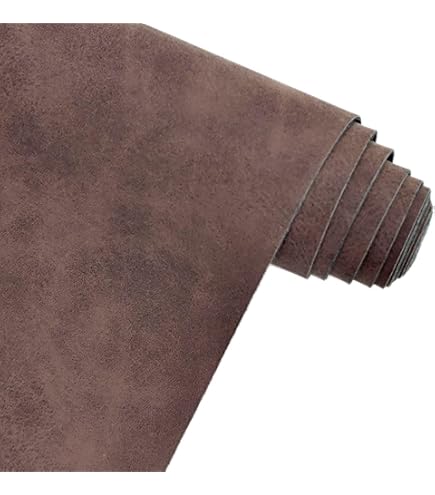
WINIW Synthetic Leather: Manufacturing Excellence for Global B2B Partners
WINIW operates one of the industry’s most advanced and scalable synthetic leather production ecosystems, engineered to meet the rigorous demands of international brands and manufacturers. Our vertically integrated facility spans 100,000 square meters, enabling seamless control from raw material processing to finished roll goods. This scale ensures consistent capacity for high-volume orders without compromising agility for custom development.
Core Manufacturing Strengths
- Integrated Production Scale: 100,000 sqm facility with automated coating, calendaring, and finishing lines, supporting annual output of 15 million meters to fulfill large-scale commitments efficiently.
- Dedicated R&D Innovation Hub: 35+ material scientists and engineers focus on sustainable performance breakthroughs, including bio-based PU resins, recycled content formulations, and low-carbon footprint processes.
- Strict Multi-Stage Quality Control: 12-point QC protocol covering raw material screening, in-line tension monitoring, color fastness validation, and final roll inspection, achieving 99.2% client acceptance rates.
- Eco-Compliant Infrastructure: LEED-certified production zones with closed-loop water systems and VOC recovery technology, reducing waste by 40% versus industry benchmarks.
Global Market Assurance
WINIW exports 85% of production to regulated markets, adhering to stringent regional standards:
| Region | Key Compliance Certifications | Sustainability Alignment |
|---|---|---|
| Europe | REACH, OEKO-TEX® STANDARD 100 | ISO 14001, EU Ecolabel pathways |
| USA | CPSIA, Prop 65, UL GREENGUARD® | USDA BioPreferred®, SCAP reporting |
| Global | ISO 9001, ISO 14001, ISO 45001 | GRS (Global Recycled Standard) |
Our end-to-end traceability system and pre-shipment testing in EU/US-accredited labs eliminate compliance risks for partners. By combining industrial-scale reliability with eco-conscious innovation, WINIW delivers synthetic leather solutions that align with both performance requirements and ESG commitments for forward-looking brands. Partner with us to secure supply chain resilience without environmental compromise.
Contact Us for Samples
B2B Product Guide: WINIW™ Fake Suede Material
WINIW is a leading innovator in sustainable, high-performance synthetic leather solutions. Our fake suede material is engineered for businesses seeking premium aesthetics, durability, and eco-conscious alternatives to traditional leather. Designed for industries ranging from automotive and furniture to fashion and accessories, WINIW’s microfiber suede delivers consistent quality and environmental responsibility.
Our fake suede is crafted using advanced microfiber technology, offering a soft hand feel, excellent breathability, and superior resistance to abrasion and UV exposure. By replacing animal-derived materials with cutting-edge synthetics, we help brands reduce environmental impact without compromising on luxury or performance.
Key Features of WINIW Fake Suede:
- Ultra-soft texture with a natural suede appearance
- High abrasion resistance for long-term durability
- Excellent color fastness and UV stability
- Breathable, lightweight construction ideal for upholstery and apparel
- Eco-friendly production with reduced water and energy consumption
- REACH and RoHS compliant; free from harmful substances
- Customizable in weight, thickness, color, and finish to meet specific requirements
Applications Across Industries:
- Automotive interiors (seat trims, dashboards, door panels)
- Furniture and home décor (sofas, chairs, wall panels)
- Footwear, handbags, and fashion accessories
- Electronics (case covers, headphone linings)
- Mass transit and hospitality seating
Technical Specifications (Standard Grade):
| Property | Spécifications |
|---|---|
| Base Material | Ultra-fine microfiber PET/PU |
| Thickness | 0.6 mm – 1.2 mm (customizable) |
| Weight | 180 – 280 g/m² |
| Width | 137 cm, 140 cm, or 150 cm rolls |
| Abrasion Resistance | >30,000 cycles (Martindale) |
| Color Fastness | ≥ Grade 4 (ISO 105-B02) |
| Light Fastness | ≥ 6 (Blue Scale) |
| Eco-Certifications | OEKO-TEX® STANDARD 100, ISO 14001 |
WINIW is committed to sustainable innovation, offering a cruelty-free alternative that supports circular economy goals. Our production process minimizes waste and carbon emissions, aligning with global ESG standards.
Request Free Samples Today
Experience the quality and versatility of WINIW fake suede firsthand. We offer free sample kits to qualified B2B partners for evaluation and prototyping.
Contact our marketing team to request your sample pack and discuss custom solutions:
MKT88@MicrofiberLeather.com
💰 Leather Cost Savings Calculator
See how much you save by switching to WINIW Microfiber Leather.