
When you want the best soccer balls for consistent play, focus on how pvc material soccer performs under different conditions. You should look at durability, surface texture, and how the ball feels during practice or games. Pvc soccer balls stand out for their tough build and water resistance. Consider how well the ball matches your playing surface and skill level. The right choice gives you value and lasting performance in every soccer session.
Key Takeaways
- Choisir PVC soccer balls for their durability and water resistance. They perform well on rough surfaces and last longer.
- Select the right size soccer ball based on your age and league. Using the correct size helps improve your skills and reduces injury risk.
- Inspect the ball’s surface texture before buying. A textured surface provides better grip, especially in wet conditions.
- Consider the intended use of the ball. PVC balls are great for training and casual play, while PU balls are better for matches.
- Maintain your soccer ball by cleaning it regularly and storing it indoors. Proper care extends the ball’s life and performance.
Understanding PVC Material Soccer Balls
What Is PVC Material?
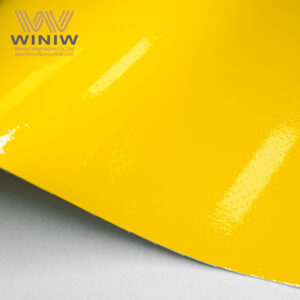
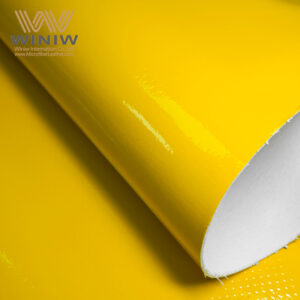
You often see PVC material soccer balls on playgrounds and in training sessions. PVC stands for polyvinyl chloride. This synthetic plastic is both durable and flexible. Manufacturers use it to create a tough outer layer for soccer balls. When you choose soccer ball materials, you want something that can handle rough play and different weather conditions. PVC gives you that reliability.
Common Uses in Soccer Ball Materials
You find PVC in many types of sports equipment. In soccer, it plays a key role in making balls that last. The table below shows how manufacturers use PVC in the industry:
| Matériau | Description | Applications |
|---|---|---|
| PVC | Durable and flexible synthetic material | Commonly used in inflatable sport balls, including soccer balls |
PVC material soccer balls are popular for training, recreational games, and youth leagues. You get a ball that holds its shape and resists water.
Pros of PVC Soccer Balls
When you look for the best soccer balls for practice or casual play, you notice the advantages of PVC. Here are some reasons to consider pvc soccer balls:
- High durability: You can use them on hard or rough surfaces without quick wear.
- Water resistance: Rain or wet grass will not damage the ball easily.
- Affordability: PVC soccer balls usually cost less than other soccer ball materials.
These advantages of pvc make them a smart choice for schools, beginners, and anyone who needs a reliable ball for frequent use.
Cons of PVC Soccer Balls
You should also know the limitations of pvc material soccer. PVC balls often feel stiffer than those made from other materials. This stiffness can affect your touch and control during play. Some players find that pvc soccer balls do not offer the same soft feel as premium match balls. If you want a ball for advanced training or official matches, you might prefer a different material.
Tip: Choose pvc material soccer balls for durability and value, but consider your playing style and needs before making a final decision.
Key Factors for Choosing the Best Soccer Balls
Choosing the right soccer ball can make a big difference in your game. You want to focus on several important factors to get the best soccer balls for your needs. Each factor affects how the ball performs and how long it lasts. Let’s break down what you should look for.
Durability and Construction
Durability stands out as one of the most important qualities in soccer balls made of pvc material soccer. You want a ball that can handle frequent kicks, rough fields, and different weather conditions. Soccer ball construction plays a big role in how long your ball will last. Look for reinforced stitching and a strong outer layer. Many soccer balls made of pvc or other synthetic materials offer excellent resistance to wear and tear.
You should also consider the bladder inside the ball. Latex bladders give a softer feel but may lose air faster. Butyl bladders hold air longer and keep the ball firm. When you compare soccer ball construction materials, check if the ball uses multiple layers for extra strength. This helps the ball keep its shape and bounce over time.
Tip: If you play on hard or outdoor surfaces, choose pvc soccer balls for their superior performance characteristics in durability.
Surface Texture and Grip
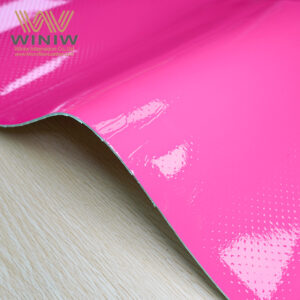
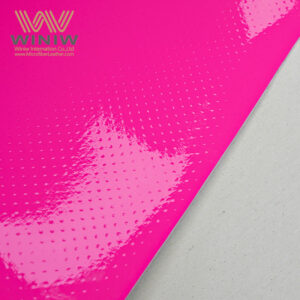
The surface texture affects how you control and grip the ball during play. Some balls have a smooth finish, while others have a textured surface. A textured surface gives you better grip, especially in wet conditions. This can improve your performance by making dribbling and passing easier.
You should run your hand over the ball before buying. If the ball feels too slick, you might have trouble controlling it. Many of the best soccer balls use advanced surface designs to help you get a better touch. Some brands use technical advantages of tpu to create a softer, more responsive surface. This can give you superior performance characteristics, especially if you want a ball that feels good on your foot.
Size and Weight
Soccer ball sizes matter for both comfort and skill development. You need to pick the right size for your age and playing level. The most common soccer ball sizes are:
| Size | Age Group | Circumference (inches) | Weight (grams) |
|---|---|---|---|
| 3 | Under 8 | 23-24 | 300-320 |
| 4 | 8-12 | 25-26 | 350-390 |
| 5 | 13 and older | 27-28 | 410-450 |
Size 5 balls are the standard for teens and adults. If you play in a youth league, you may need a smaller ball. Always check the league rules for the correct soccer ball sizes. Using the right soccer ball size helps you develop proper technique and control. Size also affects how the ball moves and how easy it is to kick.
Note: Practicing with the right soccer ball size improves your performance and reduces the risk of injury.
Intended Use and Playing Surface
Think about where and how you plan to use your soccer ball. Some balls work best for training, while others are designed for match play. If you play mostly on grass, you can use almost any type of ball. For artificial turf or hard courts, you need a ball that can handle rougher surfaces.
PVC material soccer balls are great for outdoor use and training because they resist water and abrasion. If you want a ball for official matches, you might look for soccer balls made of other materials like PU or those with technical advantages of tpu. These materials often provide a softer touch and better control.
Callout: Always match your ball to your playing environment for the best performance.
Price and Value
Price often reflects the quality and features of a soccer ball. You do not always need the most expensive ball to get good performance. Many of the best soccer balls offer a balance between cost and quality. Compare different soccer ball construction materials and brands to find the right soccer ball for your budget.
Look for features that add value, such as reinforced panels, quality stitching, and a warranty. Sometimes, spending a little more gives you a ball that lasts much longer. If you play often, investing in a durable ball saves you money over time.
Tip: Choose a ball that fits your needs and budget. The right soccer ball gives you better performance and more enjoyment on the field.
When you consider these key factors, you can confidently select the right soccer ball for your needs. Focus on durability, surface feel, size, intended use, and value. This approach helps you get the most out of every soccer session.
Comparing Soccer Ball Materials: PVC vs PU Soccer Balls
Touch and Feel Differences
When you compare soccer balls, you notice that pu soccer balls feel softer and more responsive. You get a cushioned touch, which helps you control the ball during a match. Many players prefer pu soccer balls for training and games because the surface feels smooth and comfortable. On the other hand, pvc material soccer balls feel firmer. You might find them less forgiving when you kick or dribble. If you want a ball that gives you a soft touch, pu soccer balls work best. For a firmer feel, pvc soccer balls offer a different experience.
Durability and Longevity
You want your soccer ball to last, especially if you play often. Pu soccer balls perform well on grass fields, but they can wear out faster on rough surfaces. If you play on concrete or hard ground, you should choose a ball that can handle the abuse. Pvc soccer balls stand up to tough conditions and resist water. You get more use out of them if you play outdoors or in wet weather. Tpu soccer balls also offer good durability, but pu soccer balls focus more on comfort and control. Always check the construction and stitching to make sure your ball lasts as long as possible.
Best Use Cases for Each Material
You should match your soccer ball to your needs. Use this table to help you decide:
| Matériau | Best Use Case | Touch | Durabilité | Typical Size | Match Suitability |
|---|---|---|---|---|---|
| PU Soccer Balls | Training, match play | Douceur | Moderate | 3, 4, 5 | Excellent |
| PVC Soccer Balls | Outdoor, rough surfaces | Firm | Haut | 3, 4, 5 | Good for practice |
| TPU Soccer Balls | All-around, youth training | Balanced | Haut | 3, 4, 5 | Good |
If you want the best soccer balls for official match play, choose pu soccer balls in the correct size. For daily practice or rough fields, pvc soccer balls give you more value. Always select the right size for your age and league. You get better performance and more enjoyment when you match the ball to your playing style and environment.
Tip: For match days, pu soccer balls give you the best touch. For playgrounds or street soccer, pvc soccer balls last longer.
PVC Material Soccer Ball Buying Checklist
Step-by-Step Selection Guide
You want to find the best soccer balls for your needs. Use this checklist to make a smart choice:
- Check the Size
Pick the right size for your age and league. Size 3 works for young children. Size 4 fits pre-teens. Size 5 is for teens and adults. Always match the size to your soccer group. - Inspect the Surface
Look for a smooth or textured surface. Textured surfaces give you better grip during soccer training. High-performance designs often use advanced textures. - Test the Weight
Hold the ball in your hands. Make sure the weight matches the official standards for your size. A proper weight helps you control the ball during soccer games. - Review the Construction
Check for strong stitching and a tough outer layer. PVC soccer training balls last longer on rough fields. - Look for Approvals
If you play in official matches, search for nfhs approved match balls. These meet strict soccer standards. - Compare Value
Balance price and features. You do not need the most expensive ball. Focus on durability and value for your soccer sessions.
Maintenance Tips for PVC Soccer Balls
You can extend the life of your soccer ball with simple care steps. Here are some tips:
- Store your ball indoors when not in use. Sun and rain can damage the surface and change the size.
- Clean your ball with a damp cloth after each soccer session. Dirt and mud can wear down the material.
- Focus on properly inflating a soccer ball. Use a hand pump and check the recommended pressure for your ball size.
- Rotate your soccer balls if you have more than one. This helps each ball keep its shape.
- Learn how to care for a soccer ball by following the manufacturer’s instructions. Good care means your ball lasts longer and performs better.
Tip: Regular care keeps your soccer ball ready for every practice and game.
You get more value from your soccer training balls when you follow these steps. A well-maintained ball gives you better performance and more fun on the field.
You now know the essential best practices for selecting PVC material soccer balls. Always match the ball to your playing style, environment, and the correct size for your needs. Use the checklist and comparison points to make confident choices. If you want to learn more, explore articles on other soccer ball materials to deepen your understanding.
Tip: The right ball helps you enjoy every game and improve your skills.
FAQ
What makes PVC soccer balls different from PU balls?
You notice PVC soccer balls feel firmer and last longer on rough surfaces. PU balls give you a softer touch and work best for matches. Choose PVC for durability and value. Pick PU for comfort and control.
Are PVC soccer balls good for beginners?
You benefit from PVC soccer balls as a beginner. They resist wear and water. You get a reliable ball for practice and learning basic skills. Many youth leagues use PVC balls for training.
How do you clean and store a PVC soccer ball?
You clean your PVC soccer ball with a damp cloth. Store it indoors, away from sunlight and moisture. Proper care helps your ball last longer and keeps its shape.
Tip: Always check the air pressure before each session for best performance.
Can you use PVC soccer balls on all surfaces?
You can use PVC soccer balls on grass, turf, or concrete. They handle rough fields well. Avoid sharp objects that could puncture the ball.