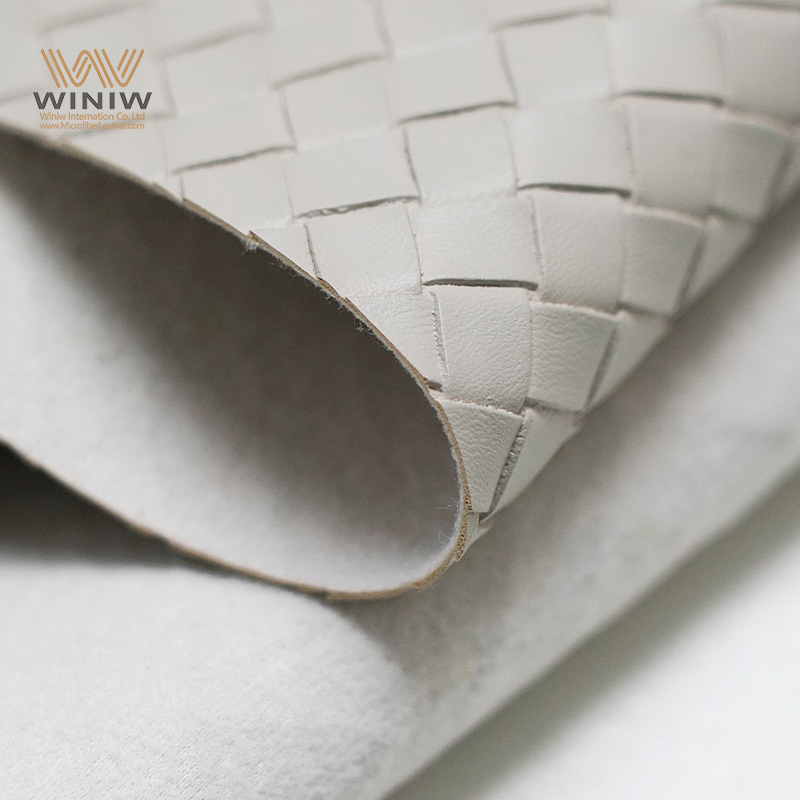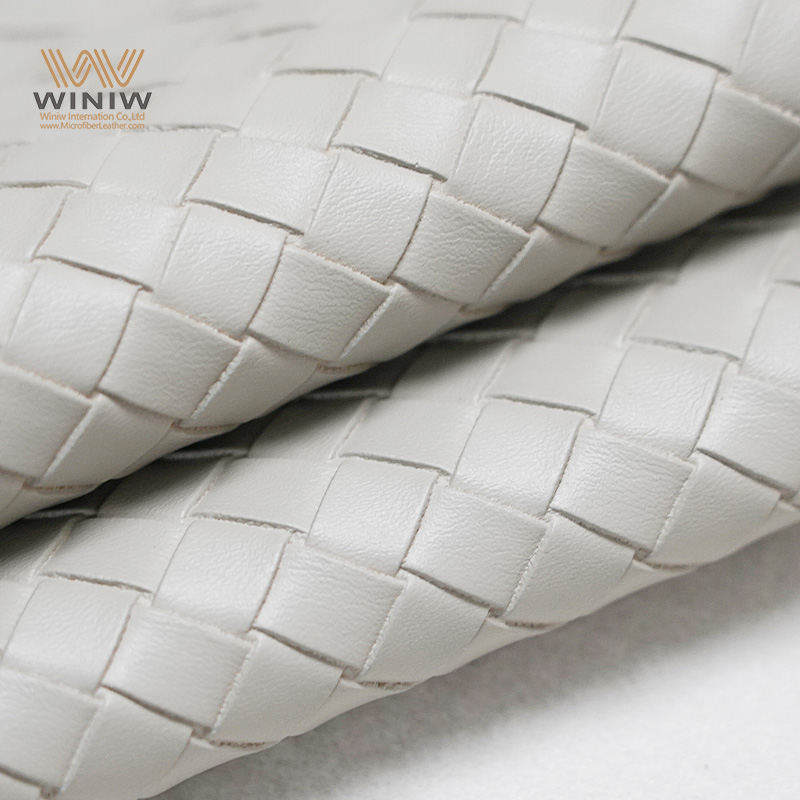



Vegan leather footwear continues to transform sustainable fashion with its blend of eco-friendly innovation, cruelty-free production, and modern style. Consumers increasingly choose vegan options, seeking products that protect the environment and reflect ethical values. Market research highlights a surge in demand for vegan footwear, driven by greater awareness of sustainability and animal welfare. The vegan leather footwear market is projected to reach $330.02 million by 2032, showing strong growth. Choosing vegan footwear offers a practical way for individuals to align their purchases with their values.
Key Takeaways
- Vegan leather footwear supports sustainability by using eco-friendly materials like cactus, hemp, and apple leather, which require fewer resources to produce.
- Choosing vegan shoes reduces your environmental impact by lowering greenhouse gas emissions and avoiding harmful chemicals used in traditional leather tanning.
- Vegan footwear promotes animal welfare by eliminating the use of animal hides, allowing consumers to make ethical fashion choices.
- Many vegan leather options offer durability and comfort, making them practical for everyday wear without sacrificing style.
- Supporting eco-conscious brands encourages responsible manufacturing practices and helps drive innovation in sustainable fashion.
Vegan Leather Footwear and Sustainability

Eco-Friendly Materials
Vegan leather footwear brands have embraced a wide range of innovative materials that support sustainability. These materials often come from renewable sources and require fewer resources to produce than traditional animal leather. For example, cactus and hemp have gained popularity due to their low water requirements and natural biodegradability. Cactus leather, made from the nopal plant, thrives in arid environments and needs minimal irrigation. Hemp grows quickly, enriches the soil, and resists pests, reducing the need for chemical pesticides.
Many manufacturers also use other plant-based materials to create vegan shoes. The table below highlights some of the most common eco-friendly materials found in vegan leather footwear:
| Matériau | Description |
|---|---|
| Cork | A natural, biodegradable material harvested from trees. |
| Pineapple Leaves | Sourced from pineapple plants, used in vegan leather. |
| Mushroom Roots | Utilized in creating sustainable leather alternatives. |
| Apple Leather | Made from apple waste, offering a plant-based solution. |
| Coconut Leather | Derived from coconut husks, used in footwear. |
| Cork Leather | Leather made from cork, a renewable resource. |
| Mushroom Leather | Also known as mycelium leather, made from fungi. |
| Pineapple Leather | Known as Piñatex, made from pineapple leaf fibers. |
These materials offer several advantages. They often use agricultural byproducts, which helps reduce waste. Many of them decompose naturally at the end of their life cycle, supporting a circular economy. By choosing vegan leather footwear made from these sources, consumers can support sustainability and reduce their environmental impact.
Tip: Look for shoes made from apple leather, coconut leather, or Piñatex for a combination of durability and eco-friendliness.
Lower Environmental Impact
The production of vegan leather footwear generally results in a much lower environmental impact compared to animal leather. Traditional leather manufacturing involves raising livestock, which produces significant greenhouse gas emissions. Animal agriculture also consumes large amounts of water and land. In contrast, vegan materials like cactus, hemp, and mushroom leather require less water and generate fewer emissions.
Chemical usage also differs between the two types of footwear. Tanning animal hides often involves toxic chemicals that can pollute water sources and harm workers. Vegan leather production typically uses safer, plant-based processes, which reduces the risk of environmental contamination.
A few key points highlight the benefits of vegan shoes for the environment:
- Vegan materials use less water and energy during production.
- Plant-based leathers avoid the harmful chemicals found in animal tanning.
- Many vegan options come from agricultural waste, reducing landfill use.
Despite these advantages, the vegan leather footwear industry faces ongoing challenges. Sourcing eco-friendly materials, reducing carbon footprints, and managing waste remain top priorities for manufacturers. Brands continue to innovate, seeking new ways to improve sustainability and minimize their impact on the planet.
The shift toward vegan footwear demonstrates a commitment to both ethical values and environmental responsibility. As more consumers recognize the benefits of vegan shoes, the industry will likely continue to grow and evolve, offering even more sustainable choices.


Ethical Benefits of Vegan Leather Footwear
Cruelty-Free Production
Vegan leather footwear offers a clear path for consumers who prioritize animal welfare. Traditional leather production relies on animal hides, which leads to the suffering and death of countless animals each year. Vegan brands eliminate this harm by using plant-based or synthetic materials. This shift supports cruelty-free alternatives that align with the values of compassion and respect for all living beings.
Many consumers now consider ethical considerations when choosing shoes. They seek products that do not contribute to animal exploitation. Vegan options provide peace of mind, knowing that no animals suffered for style or comfort. The benefits of vegan shoes extend beyond personal ethics. They also address broader environmental and ethical impacts by reducing the demand for animal agriculture, which often involves intensive farming practices.
Note: Choosing vegan leather footwear sends a strong message in support of animal rights and responsible consumption.
Fair Labor Practices
Ethical considerations in footwear production go beyond animal welfare. Responsible brands also focus on fair labor practices. They ensure that workers receive safe working conditions, fair wages, and respect throughout the manufacturing process. Many vegan companies partner with factories that uphold strict labor standards and undergo regular audits.
A commitment to ethical manufacturing often includes transparency. Brands share information about their supply chains and labor policies. This openness allows consumers to make informed choices and support companies that value both people and the planet.
The table below highlights key elements of fair labor practices in the vegan footwear industry:
| Practice | Description |
|---|---|
| Safe Work Environments | Factories provide proper safety measures. |
| Fair Compensation | Workers receive living wages and benefits. |
| No Child Labor | Brands prohibit child labor in all operations. |
| Regular Audits | Independent checks ensure compliance. |
| Supply Chain Transparency | Companies disclose sourcing and labor details. |
By supporting brands that prioritize both cruelty-free alternatives and fair labor, consumers help drive positive change in the fashion industry. They contribute to a movement that values ethical considerations at every stage of production.

Practical Advantages for Everyday Life
Durability and Comfort
Vegan leather footwear delivers impressive durability and comfort for daily wear. Many brands design shoes with advanced features that enhance the user experience. For example, the Chesnee Combat boot uses tumbled vegan leather to create a soft, broken-in feel. It includes a cushioned foam insole, which provides immediate comfort and support. Wearers often report that these shoes feel comfortable right out of the box, eliminating the need for a lengthy break-in period. The benefits of vegan shoes extend to lightweight construction, which reduces fatigue during long days.
Style in Sustainable Fashion
Sustainable fashion continues to evolve, and vegan leather footwear stands at the forefront of this movement. Designers use innovative materials such as cork, mushrooms, and pineapple leaves to create stylish options that appeal to modern consumers. Brands now incorporate recycled rubber for soles and organic cotton for sneaker uppers, blending eco-friendly practices with current trends. The popularity of vegan leather in women’s sneakers highlights a shift toward responsible manufacturing and cruelty-free alternatives. Leading brands like Saola and Normando push boundaries by using recycled plastic, algae-based materials, and Amazonian latex. These efforts reflect a commitment to both style and sustainability.
Sustainable fashion thrives when designers embrace new materials and ethical production methods. Vegan leather footwear offers consumers a way to express their values without sacrificing style.
Easy Care
Maintaining vegan footwear proves simple and efficient. Unlike animal leather, vegan materials require minimal upkeep. The table below outlines basic care methods for popular materials:
| Matériau | Care Method |
|---|---|
| Pebbled Leather | Wipe with a damp cloth after each wear; apply conditioner weekly. |
| Vegan Suede | Brush with a soft bristle brush; avoid water to prevent damage. |
Manufacturers recommend easy cleaning solutions. A mix of water and vinegar revitalizes synthetic surfaces and removes odors. Applying a small amount of coconut or olive oil restores shine, but moderation is important. Soft cotton, such as old t-shirts, works well for regular dusting and wiping.
Tip: Regular care helps vegan shoes maintain their appearance and extend their lifespan.
Supporting Sustainable Fashion Choices


Reducing Your Impact
Individuals who choose vegan leather footwear make a direct contribution to lowering their environmental footprint. Animal-based leather production requires significant resources, including water, land, and energy. By selecting vegan footwear, consumers support the use of plant-based and innovative materials that demand fewer natural resources. These choices help decrease greenhouse gas emissions and reduce pollution in the environment. Many vegan options utilize agricultural byproducts, which minimizes waste and promotes a circular economy.
Simple actions can amplify the positive effects. People can extend the life of their shoes through proper care and repair. Donating or recycling old footwear also prevents unnecessary landfill waste. Each decision to purchase vegan products sends a message to manufacturers about the importance of sustainability.
Tip: Regularly assess your wardrobe and prioritize items made from renewable or recycled materials to further reduce your impact.
Backing Eco-Conscious Brands
Supporting brands committed to sustainability strengthens the movement toward ethical fashion. Consumers should evaluate companies based on several criteria to ensure their purchases align with environmental and social values. The table below outlines key factors to consider when selecting eco-conscious vegan leather footwear brands:
| Criteria | Description |
|---|---|
| Material Innovation | Assess the advancement of materials and their ability to mimic real leather. |
| Sustainability & Eco-impact | Evaluate the renewability of raw materials and the carbon footprint of production. |
| Production Scalability | Determine if the vendor can meet large-volume demands without quality loss. |
| Cost & Pricing | Compare prices with traditional leather and other vegan options. |
| Certifications & Compliance | Check for eco-labels or sustainability certifications held by the brand. |
| Brand Reputation & Partnerships | Investigate the brand’s standing among designers and manufacturers. |
| Innovation & R&D | Look into the investment in new formulations or processes. |
| Supply Chain Transparency | Ensure the supply chain is traceable and ethically managed. |
Several vegan brands have earned third-party sustainability certifications, demonstrating their commitment to responsible practices. Notable examples include:
- Cariuma: Holds WRAP Gold and B Corp certifications. Uses Bluesign®-approved chemicals, OEKO-TEX® Standard 100 certified materials, and water-based adhesives.
Consumers who support these brands encourage the entire footwear industry to adopt higher standards. By making informed choices, individuals help drive innovation and promote a healthier environment.
Vegan leather footwear delivers clear environmental, ethical, and practical advantages. Consumers who choose vegan options support cruelty-free production and reduce their impact on the planet. This footwear offers durability, comfort, and style for everyday life.
- Switching to vegan leather footwear represents an easy step toward sustainable living.
Explore vegan brands for your next purchase and help shape a more responsible future.

FAQ
What is vegan leather made from?
Vegan leather uses plant-based or synthetic materials. Common sources include cactus, pineapple leaves, apple peels, and recycled plastics. Manufacturers select these materials for their sustainability and low environmental impact.
How durable is vegan leather footwear?
Vegan leather footwear offers strong durability. Many brands use advanced manufacturing techniques to ensure shoes withstand daily wear. Proper care extends the lifespan, making vegan options a reliable choice for regular use.
Is vegan leather waterproof?
Most vegan leather shoes resist water, but not all are fully waterproof. Some materials, like polyurethane, provide better water resistance. Users should check product details or apply protective sprays for added protection.
How should someone clean vegan leather shoes?
Cleaning vegan leather shoes requires minimal effort. Wipe surfaces with a damp cloth. For stubborn stains, use mild soap and water. Avoid harsh chemicals. Regular care helps maintain appearance and extends shoe life.
Are vegan leather shoes comfortable?
Vegan leather shoes provide comfort through lightweight construction and cushioned insoles. Many brands design footwear for all-day wear. Users often report immediate comfort without a break-in period.