


I find that the best way to care for vegetarian leather at home involves a gentle approach. I always use soft cloths and mild cleansers to prevent surface damage. Regular maintenance helps preserve the appearance and texture of these materials. Proper storage keeps items safe from unnecessary wear. By following these simple habits, I keep my accessories looking fresh and extend their lifespan.
Key Takeaways
- Use a soft, damp cloth for daily cleaning to remove dust without scratching the surface.
- Avoid harsh chemicals and detergents; opt for mild soap or baby shampoo for stubborn stains.
- Always air dry vegetarian leather items away from direct sunlight to prevent cracking and damage.
- Store vegan leather products in a cool, dry place to avoid mold and maintain their shape.
- Regularly apply vegan leather conditioner every few months to keep the material supple and flexible.
- Inspect your items frequently for signs of wear and address issues early to extend their lifespan.
- Use dust bags for storage to protect against dust and scratches, and avoid stacking heavy items.
- Act quickly on stains by blotting instead of rubbing, and test cleaning solutions on hidden areas first.
Cleaning vegetarian leather


Daily cleaning
Soft cloth wipe
I always start my cleaning routine with a soft, damp cloth. This simple step removes dust and surface dirt without scratching or damaging the material. Most manufacturers recommend this method for daily care. I avoid using rough sponges or brushes because they can leave marks on the surface.
Tip: I keep a microfiber cloth near my entryway so I can quickly wipe down my bags and shoes after each use.
- Use a damp cloth to clean the surface.
- Avoid heat and dry cleaning to prevent damage.
- Apply baby oil for added protection against heat and humidity.
Mild soap use
When I notice stubborn spots, I reach for a mild soap. I never use harsh detergents. Instead, I choose gentle options that protect the finish of vegan leather. The safest choices include:
- Mild liquid soap
- Baby shampoo
I mix a small amount of soap with lukewarm water. I dip the cloth in the solution, wring it out, and gently wipe the area. Afterward, I use a clean, damp cloth to remove any soap residue.
Stain removal
Spot clean tips
For stains, I act quickly. I blot the area with a soft cloth to absorb as much as possible. I avoid rubbing, which can spread the stain. If needed, I use the mild soap solution mentioned above. I dab gently until the stain lifts. I always test any cleaning product on a hidden area first to check for colorfastness.
Avoid harsh chemicals
I never use strong household chemicals on vegan leather. These products can cause discoloration, cracking, or peeling. The most harmful chemicals include:
- Bleach
- Acetone
I stick to products designed for faux or vegan leather. Specialized cleaners and conditioners help maintain the material’s appearance and flexibility.
Drying methods
Air dry only
After cleaning, I let my items air dry naturally. I place them in a well-ventilated area, away from direct sunlight. I avoid using towels to rub the surface dry, as this can cause friction damage.
No heat exposure
I never use hair dryers, radiators, or direct sunlight to speed up drying. Exposure to heat can lead to drying and cracking, which negatively impacts the durability of vegetarian leather. I always allow items to dry at room temperature for the best results.
Note: Proper drying preserves the texture and extends the life of vegan leather products.
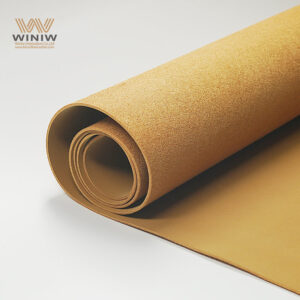
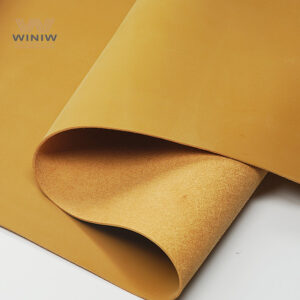
Care for vegan leather
Preventing damage
Sunlight protection
I always keep my vegan leather items away from direct sunlight. Prolonged exposure can cause fading and weaken the material. I store my bags and accessories in a cool, dry place. When I display them, I choose spots that do not receive harsh sunlight. This simple habit helps preserve the vibrant color and texture of my favorite pieces.
Tip: I use padded hangers or hooks for bags with straps. This prevents deformation and keeps the shape intact.
Avoid sharp objects
I pay close attention to where I place my vegan leather products. Sharp objects can scratch or puncture the surface. I never toss my faux cuir bag onto rough surfaces or near keys and pens. I also avoid overstuffing my bags, which can stretch and damage the seams. By handling my items with care, I reduce the risk of accidental scuffs and tears.
Maintenance routine
Use vegan leather conditioners
I follow a regular maintenance routine to keep my items looking their best. Every few months, I apply a vegan leather conditioner. This step maintains the suppleness and flexibility of the material. I select conditioners designed specifically for vegan or vegetarian leather. These products nourish the surface without causing buildup or residue.
- I reapply conditioner every three to four months.
- I test any new product on a hidden area first.
- I avoid using conditioners meant for animal leather, as they may not suit faux materials.
When I notice light stains or odors, I use a gentle cleaning solution made from equal parts water and white vinegar. I apply it with a soft cloth and let the item air dry. For stubborn marks, I mix mild soap with warm water and blot gently. If I see scuffs, I gently rub them with a soft pencil eraser.
Regular inspection
I inspect my vegan leather items regularly. This habit helps me catch small issues before they become bigger problems. I look for signs of wear, loose stitching, or surface cracks. If I spot anything unusual, I address it right away. I always check the manufacturer’s instructions for specific care recommendations. Different types of vegan leather may require unique approaches.
Note: Well-maintained vegan leather lasts longer and looks better over time. I adopt a sustainable fashion mindset by making my items last as long as possible.
Here are some tips I follow to care for vegan leather:
- Store bags upright in a cool, dry place.
- Use dust bags for extra protection.
- Avoid stacking heavy items on top of each other.
- Clean and condition items regularly.
- Understand the specific care requirements for each product.
I find that these steps help me maintain the appearance and durability of my vegan leather collection. By following a consistent routine, I ensure my accessories stay in top condition and continue to look stylish.
Storing vegan leather

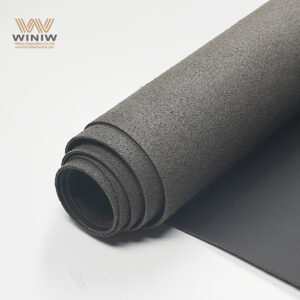
Storage basics
Cool, dry place
I always store my vegan leather items in a cool, dry place. Temperature and humidity play a huge role in keeping these products in top condition. I avoid areas that get too hot or cold, such as attics or basements. Instead, I choose a closet or a room with stable conditions.
Climate controlled storage keeps temperatures between 55°F and 80°F year-round. Humidity is just as important as temperature control. High humidity causes mold and mildew. Professional storage units with controlled humidity keep levels between 30% and 50%. This ideal range keeps your items in perfect condition without the moisture damage.
I find that these conditions help prevent mold and mildew, which can ruin both vegan and vegetarian leather. I check the environment regularly, especially during humid months.
Use dust bags
I always use dust bags for my faux and vegan leather accessories. Dust bags protect items from dust, scratches, and light exposure. I prefer cotton or soft fabric bags because they allow air to circulate. I avoid plastic bags since they trap moisture and increase the risk of mold. When I store my bags or shoes, I gently stuff them with tissue paper to help them keep their shape.
Avoiding wear
No stacking heavy items
I never stack heavy items on top of my vegan leather products. Weight can flatten or deform the material. I keep each item on its own shelf or hang it if possible. For bags, I use padded hooks or hangers to prevent creasing.
Keep away from moisture
Moisture is the enemy of vegan leather. I always keep my items away from damp areas, such as bathrooms or laundry rooms. If I notice any dampness, I move my accessories right away. I sometimes use silica gel packets in storage boxes to absorb excess moisture.
- Ideal temperature range: 55°F to 80°F
- Humidity control: 30% to 50% to prevent mold and mildew
- Importance of climate control for items like leather
Seasonal storage
Rotate items
I rotate my vegan leather collection with the seasons. This habit prevents long-term pressure on any one item. I bring out different bags and shoes as the weather changes. Regular rotation helps me spot any early signs of wear.
Clean before storing
Before I store any item for a long period, I clean it thoroughly. I wipe down the surface with a soft cloth and make sure it is completely dry. I apply a light layer of vegan leather conditioner if needed. Clean items last longer in storage and look fresh when I use them again.
Tip: Always check your items for stains or moisture before storing them for the season. Clean and dry items stay in better shape and need less care later.
By following these tips, I keep my cuir végétalien and vegetarian leather products in excellent condition. Proper storage protects my investment and ensures my accessories look great year after year.

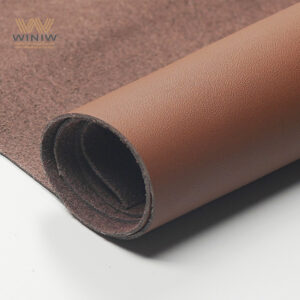
Troubleshooting issues
Stains
Immediate action
When I notice a stain on my vegetarian leather, I act quickly. I grab a clean, soft cloth and gently blot the area. I never rub the stain because that can push it deeper into the material. Acting fast often prevents permanent marks. I always check the care label before I try any cleaning method.
Safe cleaning agents
Over time, I have found a few safe cleaning agents that work well for removing stains without causing discoloration. Here are my go-to options:
- I mix liquid hand soap with water in a ratio of one part soap to nine parts water. This solution works well for cleaning the entire surface.
- For small stains, I combine equal parts white vinegar and water. I apply this mixture to the stain and blot with a clean cloth.
These methods keep my vegan leather looking fresh. I always test any new solution on a hidden spot first to make sure it does not affect the color.
Tip: Always use a gentle touch and avoid harsh scrubbing. This approach protects the finish and extends the life of your accessories.
Scuffs
Gentle buffing
Scuffs can appear on vegan leather, especially on shoes and bags. I have learned a few tricks to buff them out without causing damage:
- I use the inside of a banana peel to gently rub the scuffed area. The natural oils help restore the surface.
- I wipe away any residue with a soft cloth.
- I buff and shine the leather by rubbing in a circular motion with a clean section of the cloth.
This process often removes light scuffs and brings back the original shine.
When to seek help
Sometimes, a scuff or scratch proves too deep for home remedies. If I cannot fix the problem with gentle buffing, I contact a professional cleaner who specializes in cuir végétalien. I avoid using shoe polish or animal-based products, as these can harm the material.
Odors
Baking soda use
Unpleasant odors sometimes develop in stored vegan leather items. I sprinkle a small amount of baking soda inside the bag or shoe and let it sit overnight. Baking soda absorbs odors without damaging the material. In the morning, I shake out the powder and wipe the inside with a dry cloth.
Air out items
Fresh air also helps remove unwanted smells. I place my items in a well-ventilated area, away from direct sunlight. I leave them to air out for several hours. This simple step often restores freshness without the need for extra products.
Note: Regular cleaning and proper storage prevent most odor issues. I follow these tips to keep my collection smelling clean and pleasant.
Mistakes to avoid
Wrong products
List of products to avoid
I have learned that choosing the wrong products can ruin vegetarian leather. Over the years, I made mistakes that taught me valuable lessons. I now avoid the following items when I clean or maintain my vegan leather accessories:
- Harsh cleaners or detergents dry out the surface and cause cracks or discoloration.
- Over-wetting the material leads to warping and water stains.
- Ignoring care labels results in using inappropriate cleaning methods.
- Applying too much pressure during cleaning damages the surface texture.
- Failing to test products beforehand sometimes causes unexpected damage.
Tip: I always read the label before using any product. I test new cleaners on a hidden area first. This habit prevents irreversible damage and keeps my items looking new.
I keep a small table in my workspace to remind myself which products to avoid:
| Product Type | Why to Avoid |
|---|---|
| Bleach | Causes discoloration |
| Acetone | Leads to peeling |
| Strong detergents | Dries and cracks surface |
| Abrasive sponges | Scratches and scuffs |
Poor storage
Common errors
I discovered that poor storage habits shorten the lifespan of vegan leather. I used to stack heavy items on top of my bags, which flattened and deformed them. I also stored accessories in damp closets, leading to mold and mildew. Leaving items in direct sunlight faded their color and weakened the material.
I now avoid these common errors:
- Storing items in humid or damp places
- Placing bags under heavy objects
- Leaving accessories exposed to sunlight
- Using plastic bags that trap moisture
I always choose a cool, dry place for storage. I use dust bags and padded hangers to protect my collection.

Neglect
Effects of infrequent care
Neglecting regular care has serious consequences. I noticed that when I skipped routine cleaning, my vegan leather items lost their shine and developed cracks. Dust and dirt built up, making stains harder to remove. Small scuffs turned into permanent marks because I failed to address them early.
I now understand that infrequent care leads to:
- Reduced durability
- Faded color and texture
- Increased risk of mold and odors
- Permanent stains and scuffs
Consistent care keeps my accessories in excellent condition. I set reminders to inspect and clean my items every month.
By avoiding these mistakes, I protect my investment and enjoy my vegetarian leather products for years. I always pay attention to the details and follow a routine that supports the longevity of my collection.
Eco-friendly care
Sustainable cleaning
Natural solutions
I always look for ways to clean my vegetarian leather products that align with sustainable fashion values. I prefer natural solutions because they reduce my environmental impact. For everyday cleaning, I use a mixture of distilled water and a few drops of mild, plant-based soap. This combination removes dirt without introducing harsh chemicals into my home or the environment. When I need to tackle odors, I sprinkle baking soda inside bags or shoes and let it sit overnight. Baking soda absorbs smells and leaves my accessories fresh.
For stubborn spots, I sometimes use a diluted white vinegar solution. I mix equal parts vinegar and water, then dab the area gently with a soft cloth. I always test this method on a hidden section first. These natural cleaning methods keep my items looking great and support my commitment to sustainable fashion.
Tip: I avoid disposable wipes and single-use cleaning products. I choose reusable cloths and eco-friendly soaps to minimize waste.
Reducing waste
Reusable materials
I believe that reducing waste is a key part of sustainable fashion. I use microfiber or organic cotton cloths for cleaning. These materials last through many washes and do not shed microplastics like some synthetic options. I keep a set of dedicated cleaning cloths for my vegan leather items. After each use, I wash them with eco-friendly detergent and let them air dry.
I also repurpose old t-shirts or towels as cleaning rags. This practice gives new life to textiles that might otherwise end up in a landfill. By choosing reusable materials, I cut down on single-use products and support a more circular approach to fashion.
| Matériau | Benefits | How I Use It |
|---|---|---|
| Microfiber cloth | Durable, lint-free | Daily cleaning |
| Organic cotton | Biodegradable, soft | Polishing, drying |
| Old t-shirts | Repurposed, cost-saving | Stain removal tasks |
Disposal tips
Recycling options
When my vegetarian leather items reach the end of their life, I look for responsible disposal options. Many communities now offer textile recycling programs. I check with local recycling centers to see if they accept faux leather goods. Some brands also run take-back programs for used accessories. I contact the manufacturer or visit their website for details.
If recycling is not available, I try to donate items in good condition to local charities or thrift stores. This extends the life of the product and supports others in the community. I avoid throwing vegan leather in the trash whenever possible. Responsible disposal reflects my commitment to sustainable fashion and helps reduce landfill waste.
Note: Proper care and thoughtful disposal keep my collection eco-friendly from start to finish.

Product-specific tips
Bags
Handle care
I always pay special attention to the handles of my vegetarian leather bags. Handles experience the most contact and friction, so they often show wear first. I make sure my hands are clean before I pick up my bag. Oils and dirt from skin can transfer quickly and cause discoloration. I wipe the handles with a soft, damp cloth after each use. This simple habit prevents buildup and keeps the material looking fresh.
When I store my bags, I avoid hanging them by the handles for long periods. Hanging can stretch the material and cause it to lose shape. Instead, I lay the bag flat or use padded hooks. If I notice any cracks or dryness, I apply a small amount of vegan leather conditioner to the handles. I use a gentle touch and let the conditioner absorb fully before using the bag again.
Tip: Rotate your bags regularly. This prevents one handle from wearing out faster than others.
Shoes
Sole cleaning
Shoes made from vegetarian leather require a different approach. I always remove dirt and debris from the soles after each wear. I use a soft brush or a damp cloth to clean the bottom. For stubborn spots, I use a mild soap solution and a toothbrush. I scrub gently to avoid damaging the edges where the sole meets the upper.
I never soak my shoes in water. Excess moisture can weaken the glue and cause the sole to separate. After cleaning, I let the shoes air dry at room temperature. I stuff them with paper to help maintain their shape. For scuffs on the upper part, I use a soft eraser or a banana peel, as mentioned earlier.
| Cleaning Step | Tool Needed | Frequency |
|---|---|---|
| Remove loose dirt | Soft brush | After each use |
| Spot clean soles | Mild soap, toothbrush | As needed |
| Air dry | Paper stuffing | Every time |
Apparel
Zipper and seam care
Apparel made from vegetarian leather, such as jackets or skirts, needs careful attention at the zippers and seams. I always zip up my jackets before cleaning to prevent the zipper from snagging the material. I use a soft cloth to wipe along the seams, removing dust and lint that can collect in these areas.
If I notice a stuck zipper, I apply a small amount of graphite from a pencil tip. This trick helps the zipper glide smoothly without using oil-based lubricants that could stain the material. I inspect seams regularly for loose threads or signs of stress. If I find any issues, I repair them promptly to prevent further damage.
Note: Regular inspection and gentle cleaning at the seams and zippers extend the life of vegetarian leather apparel.
I find that following these product-specific tips helps me maintain the appearance and durability of all my vegetarian leather items. Each type of product has unique needs, so I tailor my care routine accordingly.
I find that consistent cleaning, thoughtful maintenance, and proper storage keep vegetarian leather looking its best. My routine includes gentle cleaning, regular inspection, and mindful care for every item. These habits help extend the lifespan and preserve the appearance of my collection. I encourage you to follow these steps for optimal results. Enjoy the confidence that comes with well-kept vegan and vegetarian leather accessories.


FAQ
How often should I clean my vegetarian leather products?
I clean my vegetarian leather items once a week for regular use. For items I use less often, I clean them once a month. Consistent cleaning keeps the material looking fresh and prevents buildup of dirt.
Can I use regular leather conditioner on vegan leather?
I never use animal-based leather conditioners on vegan leather. These products can damage the surface. I always choose conditioners specifically designed for vegan or faux leather to maintain flexibility and appearance.
What should I do if my vegan leather cracks?
I apply a vegan leather conditioner to minor cracks. This restores some flexibility. For deep cracks, I consult a professional repair service. Regular conditioning helps prevent cracking in the first place.
Is it safe to get vegetarian leather wet?
I avoid soaking vegetarian leather. If it gets wet, I blot the moisture with a soft cloth and let it air dry. I never use heat to speed up drying. Water exposure can weaken the material over time.
How do I remove ink stains from vegan leather?
I act quickly when I see an ink stain. I dab the area with a soft cloth and a small amount of rubbing alcohol. I test on a hidden spot first. If the stain remains, I seek professional help.
Can I store vegan leather in plastic bags?
I never store vegan leather in plastic bags. Plastic traps moisture and can cause mold or mildew. I use breathable dust bags or cotton pillowcases for storage. This keeps my items safe and dry.
What is the best way to keep my vegan leather soft?
I use a vegan leather conditioner every few months. This keeps the material soft and prevents drying or cracking. I always follow the product instructions and test on a hidden area first.
Tip: Regular care and proper storage extend the life of all vegetarian leather products.