Catalog
Material Insight: What Is Faux Leather Made Of
B2B Product Guide: Understanding Faux Leather Composition and Applications
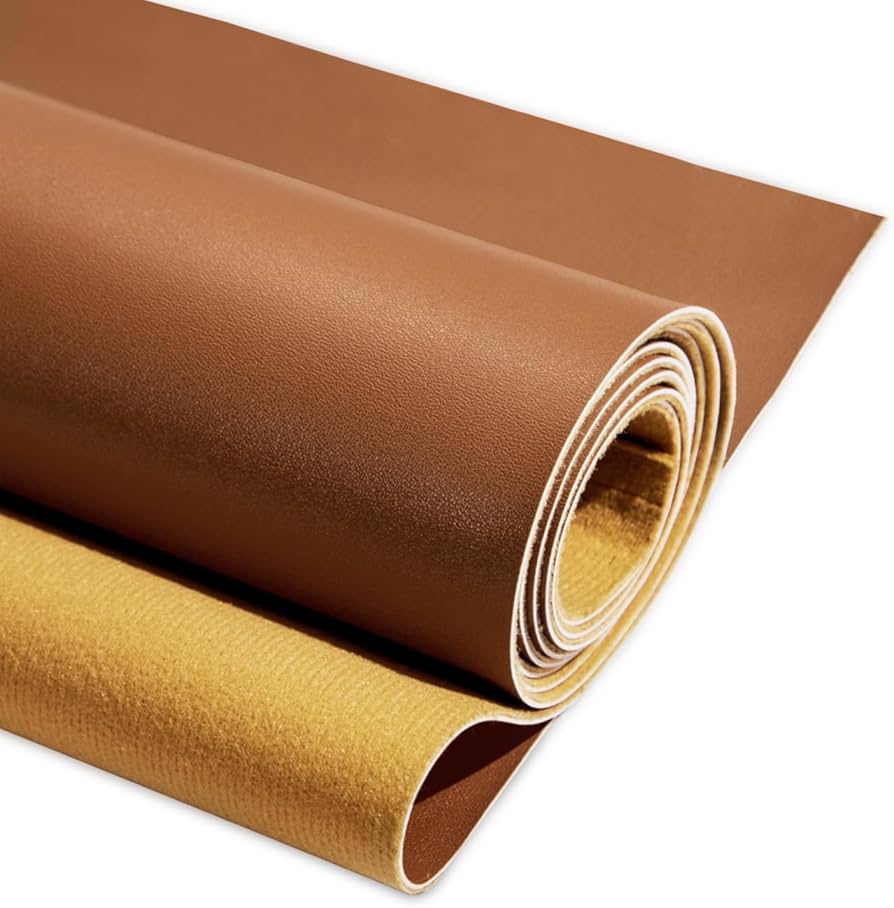
Faux leather, also known as synthetic leather, is a man-made material engineered to replicate the look, feel, and performance of genuine leather. It is primarily composed of a textile backing—typically polyester or cotton—coated with a polymer layer such as polyurethane (PU) or polyvinyl chloride (PVC). Among the two, PU-based faux leather is preferred for high-performance applications due to its superior breathability, flexibility, and environmental profile. Advanced manufacturing techniques allow for precise control over texture, thickness, and durability, making faux leather a versatile alternative across industries including furniture, automotive, fashion, and accessories.
- Faux leather is free from the inconsistencies found in animal hides, ensuring uniform quality across production batches.
- It offers enhanced resistance to fading, cracking, and staining when properly formulated.
- The production process can be optimized for sustainability, reducing reliance on animal agriculture and minimizing environmental impact.
- Customization options—such as color, finish, and performance additives—are more accessible compared to natural leather.
Why Faux Leather Is the Best Choice for Modern Applications
In today’s design and manufacturing landscape, faux leather stands out as the optimal material choice for businesses seeking durability, consistency, and ethical sourcing. Unlike genuine leather, it does not require the use of animal hides, aligning with growing consumer demand for cruelty-free and sustainable materials. Its engineered composition allows for targeted performance enhancements, such as water resistance, UV stability, and abrasion resistance—critical for use in high-wear environments.
Additionally, faux leather supports scalable production with shorter lead times and reduced waste. Brands across sectors are adopting synthetic leather not only for cost efficiency but also to meet environmental, social, and governance (ESG) goals. With innovations in texture and drape, modern faux leathers are virtually indistinguishable from natural leather to the touch, offering a premium aesthetic without the ecological footprint.
Introducing WINIW: 20+ Years of Synthetic Leather Excellence
WINIW is a leading manufacturer of high-performance synthetic leather, serving global B2B clients since the early 2000s. With over two decades of industry expertise, we specialize in developing customized PU and microfiber leather solutions that meet rigorous quality and sustainability standards.
- Our R&D-driven approach ensures continuous innovation in material science and eco-friendly production.
- WINIW holds ISO 9001 and ISO 14001 certifications, reflecting our commitment to quality management and environmental responsibility.
- We supply to automotive interiors, luxury goods, furniture, and sports equipment manufacturers worldwide.
- Our vertical production process allows for tight quality control and rapid prototyping, enabling faster time-to-market for partners.
At WINIW, we believe the future of leather is not just synthetic—it’s smarter, cleaner, and more responsible. Partner with us to develop next-generation materials that deliver performance, aesthetics, and sustainability in equal measure.
Technical Performance & Standards
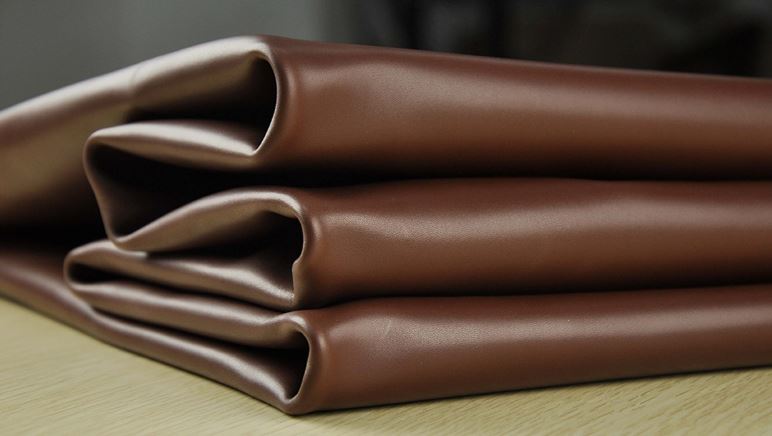
WINIW Synthetic Leather: Material Composition & Technical Advantages for B2B Applications
WINIW synthetic leather (faux leather) is engineered from advanced polymer systems designed to deliver superior performance, sustainability, and value for commercial and industrial clients. At its core, WINIW material consists of:
– Primary Face Layer: High-performance polyurethane (PU) or polyvinyl chloride (PVC) resins, formulated with eco-conscious additives. Our premium lines utilize water-based PU technology, eliminating harmful solvents.
– Reinforced Backing: Woven or non-woven textile substrates (e.g., polyester, recycled PET) providing structural integrity, dimensional stability, and adhesion for lamination.
– Eco-Optimized Additives: Phthalate-free plasticizers, low-VOC colorants, and bio-based components where applicable, ensuring compliance without compromising quality.
This precise composition translates into measurable technical and operational advantages for B2B partners:
- Cost-Effective Performance: Reduced material waste during cutting due to consistent thickness and grain; lower lifecycle costs versus genuine leather through exceptional abrasion resistance and minimal maintenance requirements.
- Engineered Durability: Advanced polymer cross-linking technology delivers superior tensile strength (≥ 25 MPa), tear resistance (≥ 35 N), and colorfastness (ISO 105-B02 ≥ Grade 4), ensuring longevity in high-traffic applications (furniture, automotive, retail fixtures).
- Precision Color Customization: Integrated pigment dispersion during resin synthesis enables exact RAL/Pantone matching across 1,000+ shades. Colors remain consistent batch-to-batch with no surface coating required, reducing production complexity.
- Guaranteed REACH Compliance: Full SVHC (Substances of Very High Concern) transparency; all formulations proactively exceed EU REACH Annex XVII restrictions, including zero use of CMR substances, heavy metals (Cd, Pb, Hg), and restricted phthalates.
- ISO 9001-Certified Consistency: Rigorous in-line quality control from raw material sourcing through finishing guarantees uniform thickness, color, and physical properties, minimizing production line disruptions for clients.
WINIW Synthetic Leather Technical Specifications
| المعلمة | Standard Value Range | Test Method | Business Impact |
|---|---|---|---|
| Thickness | 0.6 mm – 1.2 mm | ISO 2418 | Optimized for seamless cutting & reduced waste |
| Weight | 200 g/m² – 400 g/m² | ISO 2418 | Balanced drape & structural support |
| Abrasion Resistance | ≥ 50,000 cycles (Taber) | ISO 5470-1 | 3x longer lifespan vs. entry-level synthetics |
| Color Fastness | ≥ Grade 4 (Light) | ISO 105-B02 | Consistent appearance in retail/automotive |
| Tensile Strength | ≥ 25 MPa | ISO 1798 | Resists tearing during installation/use |
| REACH Status | Full SVHC Declaration | Internal Audit | Risk-free EU market access |
| Backing Material | Recycled PET / Polyester | – | Supports client sustainability targets |
WINIW’s material science approach ensures that “what faux leather is made of” directly drives your operational efficiency, compliance security, and brand reputation. Our formulations eliminate trade-offs between eco-credentials and performance, providing B2B clients with a future-proof material solution backed by certified quality systems. Partner with WINIW to transform specifications into competitive advantage.
Why Choose Synthetic over Real Leather
B2B Product Guide: Faux Leather vs. Real Leather
In the modern manufacturing and design landscape, material selection plays a critical role in balancing performance, sustainability, and cost. Two of the most widely used materials in upholstery, fashion, automotive interiors, and accessories are real leather and faux leather. Understanding their composition, performance characteristics, and environmental impact is essential for informed B2B decision-making.
What Is Faux Leather Made Of?
Faux leather, also known as synthetic or artificial leather, is a human-made material designed to replicate the look and feel of genuine leather. It is primarily composed of a textile backing—often polyester or cotton—coated with a polymer layer. The two most common types are:
- Polyurethane (PU) Leather: Made by applying a polyurethane resin to a fabric base. It offers breathability, flexibility, and a more natural texture than older synthetic versions.
- Polyvinyl Chloride (PVC) Leather: Constructed using a PVC coating over a fabric backing. While durable and water-resistant, it is less breathable and environmentally harmful due to chlorine content and plasticizers.
Modern advancements, especially in PU technology, have led to high-performance, eco-conscious variants such as water-based PU and bio-based polymers, reducing reliance on fossil fuels and toxic solvents.
What Is Real Leather Made Of?
Real leather is a natural product derived from animal hides, predominantly bovine (cow), but also ovine (sheep), caprine (goat), and exotics like buffalo or ostrich. The raw hide undergoes a tanning process to preserve it and prevent decay. The two primary tanning methods are:
- Chrome Tanning: Uses chromium salts; results in soft, pliable leather with a wide range of colors. This method is faster but raises environmental concerns due to toxic runoff if not managed properly.
- Vegetable Tanning: Uses natural tannins from tree bark and plants. Produces firmer leather with a distinctive patina over time. It is more eco-friendly but slower and costlier.
Real leather is valued for its durability, breathability, and unique aesthetic that improves with age.
Comparative Analysis: Faux Leather vs. Real Leather
| Attribute | جلد صناعي | Real Leather |
|---|---|---|
| Cost | Lower upfront cost; economical for bulk production | Higher initial cost due to raw material and processing |
| المتانة | Moderate; resistant to fading and staining, but may crack or peel over time (5–10 years) | High; develops patina and can last decades with proper care |
| Eco-Friendliness | Varies: PVC is highly polluting; modern water-based PU offers lower emissions and recyclability | Mixed: Natural material but tanning (especially chrome) can pollute; land use and methane from livestock are concerns |
Key Considerations for B2B Buyers
- Sustainability Goals: Brands committed to reducing carbon footprint and animal usage often prefer advanced PU faux leathers, especially those certified by OEKO-TEX® or Cradle to Cradle.
- Performance Needs: High-traffic applications (e.g., commercial furniture, automotive) may still favor real leather for longevity, while fashion accessories and light-use interiors benefit from high-end synthetics.
- Regulatory Compliance: Faux leather avoids restrictions related to animal by-products and can simplify global supply chains.
- Innovation Trends: Bio-based PU, recycled polyester backings, and closed-loop production systems are making faux leather increasingly competitive in both performance and sustainability.
By evaluating material composition, lifecycle performance, and alignment with corporate sustainability objectives, businesses can make strategic choices that support both quality and environmental responsibility. WINIW continues to lead in eco-friendly synthetic leather innovation, offering customizable, high-performance solutions for forward-thinking B2B partners.
WINIW Factory Capabilities
WINIW Synthetic Leather: Manufacturing Excellence for Global B2B Partners
WINIW operates a state-of-the-art 100,000 sqm manufacturing facility in China, engineered for high-volume precision and sustainability. This vertically integrated campus enables end-to-end control—from raw material sourcing to finished product—ensuring consistent quality while minimizing environmental impact. Our scale supports flexible production runs for diverse sectors, including automotive, furniture, and fashion, with capacity to fulfill bulk orders exceeding 5 million meters annually.
Core Strengths Driving Client Success:
– Advanced R&D Capabilities: A dedicated team of 50+ material scientists and engineers focuses on eco-innovation, developing low-VOC, recycled-content, and bio-based synthetic leathers that meet evolving global sustainability standards.
– Stringent Quality Control: Multi-stage inspection protocols govern every production phase, validated by third-party certifications. Our QC framework eliminates defects before shipment, reducing client rework costs by up to 30%.
– Global Compliance Expertise: All products adhere to region-specific regulations, enabling seamless market entry across eco-conscious regions.
Quality Assurance Certifications
| Certification | Scope | Relevance to Clients |
|———————|——————————–|—————————————|
| ISO 9001:2015 | Quality Management Systems | Ensures batch consistency & reliability |
| ISO 14001:2015 | Environmental Management | Validates sustainable production practices |
| REACH & RoHS | Chemical Safety (EU/USA) | Guarantees compliance for European and North American markets |
| OEKO-TEX® STANDARD 100 | Eco-toxicological safety | Confirms absence of harmful substances for consumer safety |
Global Export Reach
WINIW products are shipped to over 50 countries, with 65% of exports serving premium markets demanding rigorous accountability:
– Europe (Germany, Italy, Sweden)
– United States (California, New York)
– Japan and South Korea
Our logistics network ensures on-time delivery while maintaining carbon-neutral shipping options, aligning with corporate ESG goals. By combining industrial scale, scientific rigor, and uncompromising quality, WINIW delivers synthetic leather solutions that drive brand trust and market differentiation for forward-thinking B2B partners.
Contact Us for Samples
B2B Product Guide: Understanding Faux Leather – Performance, Sustainability & Applications
Faux leather, also known as synthetic or artificial leather, is a high-performance alternative to genuine leather designed to meet the evolving demands of modern industries. Engineered for durability, consistency, and sustainability, faux leather is widely used across automotive interiors, furniture, apparel, footwear, and electronics. At WINIW, we specialize in premium microfiber-based synthetic leather solutions that combine luxury aesthetics with eco-conscious manufacturing.
What Is Faux Leather Made Of?
Faux leather is primarily composed of a textile or microfiber base layered with a polyurethane (PU) or polyvinyl chloride (PVC) coating. WINIW’s advanced formulations focus on PU-based and 100% PU microfiber leather, offering superior breathability, softness, and environmental compatibility compared to traditional PVC alternatives.
Key components include:
– Microfiber substrate: Made from ultra-fine polyester and polyamide fibers, mimicking the structure of natural leather for enhanced strength and drape.
– Polyurethane (PU) coating: Provides a soft, leather-like texture with excellent abrasion resistance and color retention.
– Eco-friendly additives: Water-based processing, non-toxic dyes, and recyclable materials reduce environmental impact.
– Functional backings: Customizable with knitted, woven, or non-woven fabrics to meet specific performance requirements.
Advantages of WINIW Faux Leather
- Sustainable alternative to animal leather with lower carbon footprint
- High durability: Resistant to cracking, fading, and abrasion
- Consistent thickness and appearance across large production runs
- Customizable textures, colors, and finishes (suede, glossy, matte, embossed)
- OEKO-TEX® and REACH compliant – safe for human-ecological use
- Ideal for brands pursuing cruelty-free and low-impact certification
Technical Performance Comparison
| Property | WINIW Microfiber PU Leather | Conventional PVC Leather | Genuine Leather |
|---|---|---|---|
| Tensile Strength | 30–60 MPa | 15–25 MPa | 20–40 MPa |
| Abrasion Resistance | >50,000 cycles (Martindale) | 10,000–20,000 cycles | 30,000–50,000 cycles |
| Environmental Impact | Low (water-based process) | High (phthalates, Cl₂) | Medium (tanning waste) |
| Breathability | عالية | منخفضة | عالية |
| Customization Flexibility | ممتاز | Moderate | Limited by hide grain |
Applications Across Industries
- Automotive: Seat covers, dashboards, door panels, steering wheels
- Furniture: Sofas, office chairs, headboards, decorative panels
- Apparel & Footwear: Jackets, bags, shoes, gloves
- Electronics: Laptop and tablet covers, smartwatch bands
- Hospitality & Contract Interiors: Hotel furnishings, cruise liners, commercial seating
Why Partner with WINIW?
As a leading innovator in synthetic leather solutions, WINIW delivers:
– In-house R&D for material customization and rapid prototyping
– Scalable production capacity for global B2B clients
– Compliance with international safety and sustainability standards
– Dedicated technical support and design collaboration
Request More Information or Free Samples
Curious about what faux leather is made of and how it can enhance your next product line? Contact our materials team today for technical datasheets, compliance certifications, and free sample kits.
CTA:
For detailed insights on faux leather composition and material performance, email MKT88@MicrofiberLeather.com. Free samples available upon request.
💰 Leather Cost Savings Calculator
See how much you save by switching to WINIW Microfiber Leather.