Catalog
Material Insight: Pu Material Vs Faux Leather
B2B Product Guide: PU Material vs Faux Leather – Choosing the Right Synthetic Leather
When selecting synthetic leather for commercial and industrial applications, understanding the distinction between PU material and faux leather is essential. While often used interchangeably, these terms represent different product categories with varying performance characteristics. Polyurethane (PU) material refers specifically to leather substitutes coated with a polyurethane layer, offering flexibility, durability, and a leather-like appearance. Faux leather, on the other hand, is a broader term encompassing a range of synthetic leathers—including PU leather—that mimic genuine leather without using animal hides.
In many B2B applications—such as furniture manufacturing, automotive interiors, fashion accessories, and hospitality furnishings—faux leather has emerged as the preferred choice. Its advantages include consistent texture, improved sustainability, and greater customization options compared to traditional leather or lower-tier synthetic alternatives. Unlike real leather, faux leather offers uniform quality across batches, reducing production waste and enhancing supply chain efficiency.
Faux leather also aligns with growing environmental and ethical demands in global markets. It requires fewer natural resources to produce, generates less waste during manufacturing, and supports cruelty-free product lines—key considerations for brands committed to ESG (Environmental, Social, and Governance) principles.
- Offers superior durability and abrasion resistance when engineered with high-grade PU
- Resists fading, cracking, and staining—ideal for high-traffic environments
- Available in a wide range of colors, textures, and finishes for brand-specific design
- More cost-effective than genuine leather without sacrificing aesthetic quality
- Supports eco-conscious production with reduced carbon footprint and recyclable options
With over 20 years of specialized experience in synthetic leather innovation, WINIW has established itself as a trusted B2B partner for manufacturers seeking high-performance faux leather solutions. Our advanced PU material technology combines resilience, softness, and sustainability—engineered to meet the rigorous demands of global industries. From raw material selection to finished roll goods, WINIW ensures consistent quality, scalability, and compliance with international environmental standards.
When performance, sustainability, and design versatility matter, WINIW’s faux leather delivers a superior alternative to both traditional leather and conventional PU materials.
Technical Performance & Standards
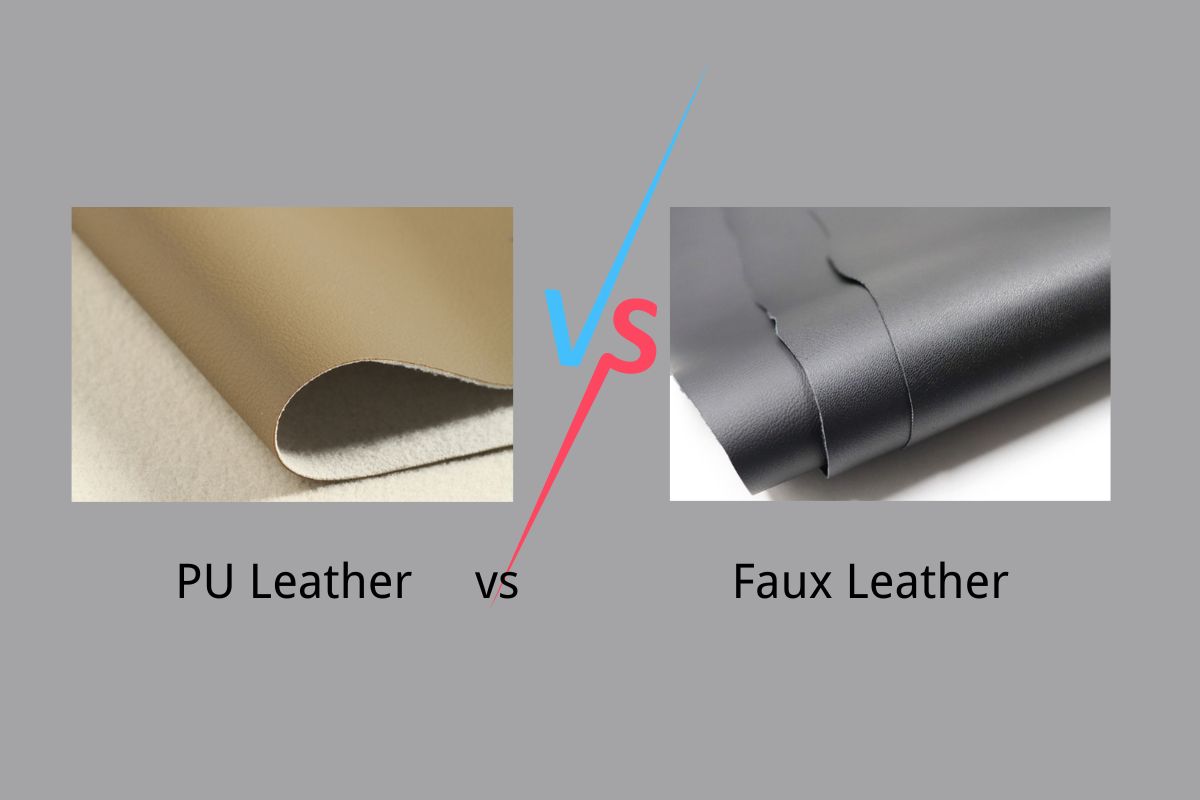
WINIW Synthetic Leather: Technical Advantages of Premium PU Material vs. Generic Faux Leather
WINIW specializes in high-performance, eco-conscious synthetic leather solutions engineered for B2B applications demanding reliability, sustainability, and operational efficiency. Our advanced polyurethane (PU) material represents a significant evolution beyond conventional “faux leather” (typically PVC-based or low-grade PU composites). Below we detail the key technical advantages driving long-term value for manufacturers in furniture, automotive, fashion, and technical textiles.
Core Technical Advantages
- Superior Cost-Effectiveness: WINIW PU material delivers up to 30% lower total cost of ownership versus generic faux leather. This is achieved through higher yield rates (95%+ vs. 80-85% for PVC faux leather), reduced scrap during cutting due to consistent thickness, and extended product lifespan minimizing replacement costs. Water-based production also lowers energy consumption versus solvent-based PVC processes.
- Enhanced Durability & Performance: Engineered with multi-layer composite technology, WINIW PU exhibits exceptional resistance to abrasion (50,000+ Martindale cycles), flex cracking (>100,000 double rubs), and UV degradation. It maintains structural integrity across -30°C to +80°C, outperforming PVC faux leather which becomes brittle in cold temperatures and softens under heat.
- Unmatched Color Customization: Our digital color matching system supports 10,000+ RAL/Pantone options with batch-to-batch consistency (ΔE < 0.5). Custom metallics, textures, and matte/gloss finishes are achievable without minimum order quantities, enabling rapid response to design trends.
- Guaranteed REACH Compliance: WINIW PU is rigorously tested for SVHCs (Substances of Very High Concern) and fully complies with EU REACH Regulation (EC 1907/2006). It contains 0% phthalates, heavy metals, or APEOs—critical for brands targeting EU markets and avoiding supply chain disruptions.
- Certified Quality Management: All WINIW facilities operate under ISO 9001-certified quality management systems, ensuring traceability from raw material sourcing to finished roll. This includes real-time monitoring of thickness tolerance (±0.05mm), bond strength (>4.0 kN/m), and colorfastness (ISO 105-B02: Grade 4-5).
Technical Specification Comparison
Tested per ISO 1767 (Thickness), ISO 5470-1 (Abrasion), ISO 1766 (Flex Resistance)
| Property | WINIW Premium PU Material | Generic PVC-Based Faux Leather | Advantage for WINIW |
|---|---|---|---|
| Base Material | Water-based PU | PVC + Phthalate Plasticizers | Non-toxic, recyclable substrate |
| Thickness Tolerance | ±0.05 mm | ±0.15 mm | Precision cutting, reduced waste |
| Abrasion Resistance | 50,000+ Martindale cycles | 15,000-25,000 cycles | 2-3x longer product lifespan |
| Flex Crack Resistance | >100,000 double rubs (ISO 7854) | 20,000-40,000 cycles | Superior performance in high-movement applications |
| Temperature Range | -30°C to +80°C | -10°C to +60°C | Stable in extreme environments |
| REACH Compliance | Full SVHC screening, 0% phthalates | Often contains DEHP/DINP | Eliminates regulatory risk |
| Color Matching | ΔE < 0.5 (10,000+ options) | ΔE 1.5-3.0 (limited palette) | Brand accuracy, design flexibility |
| Eco-Processing | Water-based, low-VOC | Solvent-based, high-VOC | Lower carbon footprint, safer workplaces |
Strategic Value for B2B Partners
WINIW’s PU material eliminates the trade-offs inherent in generic faux leather. By integrating REACH compliance and ISO 9001 systems into our core manufacturing process, we provide risk-mitigated supply chain security while enabling customization that accelerates time-to-market. The material’s durability directly reduces end-product warranty claims, and its eco-profile supports ESG reporting without compromising performance. For manufacturers seeking to balance cost, compliance, and quality, WINIW delivers a scientifically validated upgrade path beyond conventional alternatives.
WINIW: Engineering Sustainable Performance, Layer by Layer.
Why Choose Synthetic over Real Leather
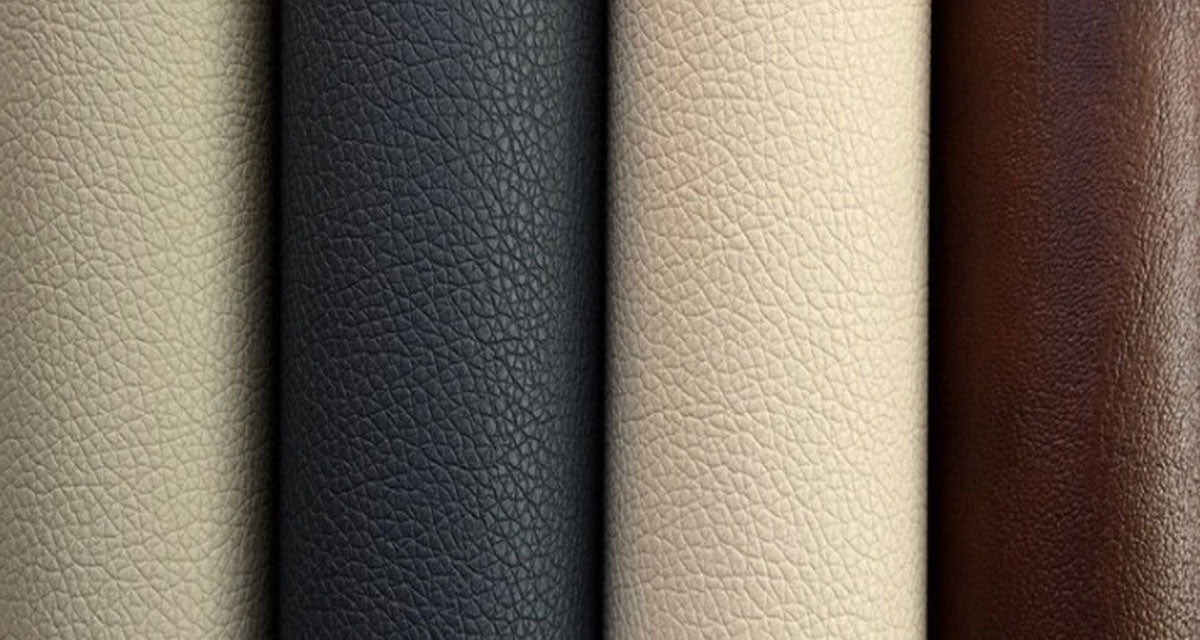
B2B Product Guide: PU Material vs Faux Leather vs Real Leather
When sourcing materials for upholstery, fashion, accessories, or automotive interiors, selecting the right leather alternative is critical for balancing performance, cost, and sustainability. Below is a professional comparison of polyurethane (PU) material, general faux leather, and real leather across key business considerations.
Overview of Materials
- PU Material: A subset of faux leather, PU is a synthetic material made by applying a polyurethane coating to a fabric backing. It offers a leather-like appearance with enhanced flexibility and breathability compared to older synthetic options.
- جلد صناعي: A broad category of synthetic materials designed to mimic real leather. Includes both PU and PVC-based products. Faux leather is typically more affordable and consistent in texture than real leather.
- Real Leather: Derived from animal hides (commonly bovine), real leather undergoes tanning and finishing processes to produce a durable, premium material prized for its natural grain and longevity.
Performance and Application Insights
- PU Material provides a soft hand feel, good abrasion resistance, and is more breathable than PVC-based alternatives. It is widely used in fashion apparel, footwear, and mid-tier upholstery where a leather-like aesthetic is desired without the high cost.
- Faux Leather (including PVC variants) is highly customizable in color, texture, and thickness. However, PVC-based versions are less eco-friendly due to chlorine content and poor biodegradability. Faux leather is ideal for cost-sensitive, high-volume production.
- Real Leather develops a natural patina over time and offers superior longevity under heavy use. It is the preferred choice for luxury goods, automotive seating, and high-end furniture. However, it comes with higher costs, variability in hide quality, and significant environmental impact from tanning.
Comparative Analysis: Cost, Durability, and Eco-Friendliness
| Factor | PU Material | Faux Leather (General) | Real Leather |
|---|---|---|---|
| Cost | Low to moderate | منخفضة | عالية |
| المتانة | Moderate (3–5 years) | Low to moderate (2–4 years) | High (10+ years) |
| Eco-Friendliness | Moderate (low VOC, recyclable options) | Low (PVC versions harmful) | Low (high water/chemical use, waste) |
Sustainability Considerations
- PU materials, especially water-based formulations, have a lower environmental impact than solvent-based or PVC-based faux leathers. WINIW offers eco-conscious PU options with reduced carbon footprint and compliance with REACH and RoHS standards.
- Real leather uses a byproduct of the meat industry but involves energy-intensive tanning (particularly chrome tanning), raising concerns about water pollution and greenhouse gas emissions.
- Faux leather avoids animal sourcing but often relies on non-renewable petroleum-based inputs. End-of-life disposal remains a challenge due to limited biodegradability.
Conclusion for B2B Buyers
For brands focused on cost-efficiency and ethical sourcing without sacrificing aesthetics, PU material represents a balanced choice. Faux leather remains viable for short lifecycle products, while real leather suits premium, long-wear applications. Increasingly, forward-thinking manufacturers are adopting advanced PU leathers for their combination of performance, design flexibility, and improved sustainability profile.
WINIW Factory Capabilities
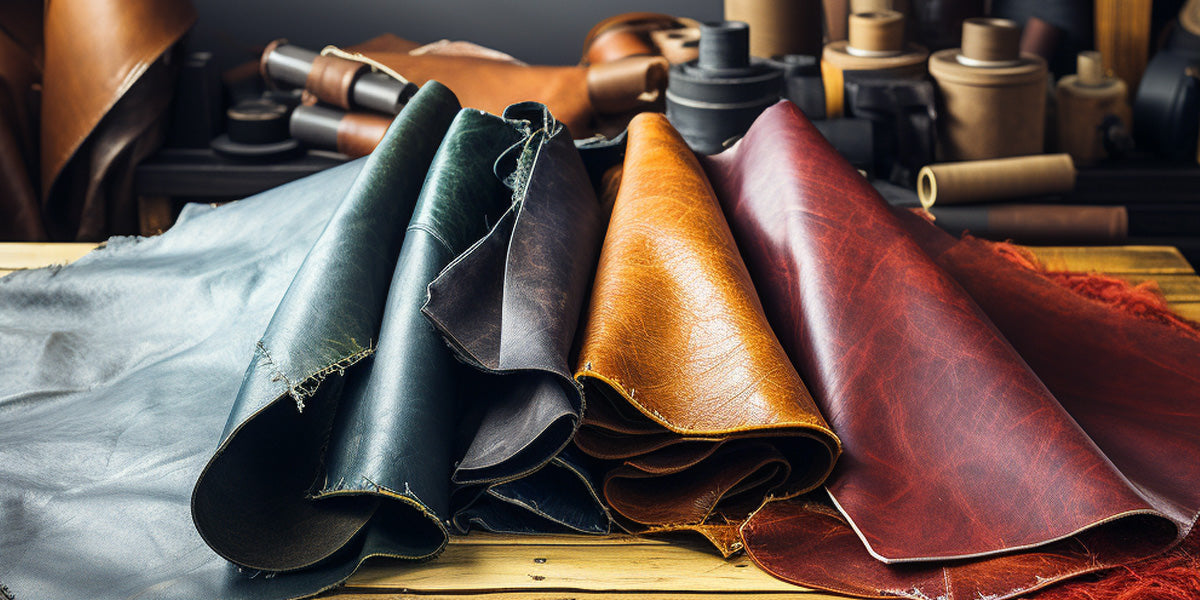
WINIW Synthetic Leather: Factory Strength & Global Assurance
WINIW operates one of the industry’s most advanced, vertically integrated manufacturing ecosystems. Our 100,000 sqm production facility in China is engineered for scalability, precision, and environmental responsibility—enabling us to consistently deliver high-volume orders without compromising quality or sustainability. This infrastructure supports end-to-end control, from raw material sourcing to finished goods, ensuring traceability and efficiency for B2B partners worldwide.
Key pillars of our manufacturing excellence include:
- Advanced Production Capacity: A 100,000 sqm factory equipped with automated coating, embossing, and finishing lines, optimized for low-carbon processes and energy efficiency. Annual capacity exceeds 50 million meters of premium synthetic leather.
- Dedicated R&D Innovation: A 300+ member technical team driving material science breakthroughs, including bio-based PU development, waterless dyeing technologies, and customizable performance attributes (e.g., abrasion resistance, breathability).
- Strict Quality Control: Rigorous QC protocols aligned with EU REACH, U.S. CPSIA, and OEKO-TEX® standards. Every batch undergoes 12+ in-line tests for colorfastness, tensile strength, VOC emissions, and eco-compliance.
- Global Compliance & Export: Direct export operations to 40+ countries, with established supply chains serving Tier-1 automotive, furniture, and fashion brands across Europe and North America. All products meet regional regulatory requirements upon arrival.
Global Market Validation
WINIW’s adherence to international sustainability and safety benchmarks is proven through consistent market access:
| Region | Key Certifications Met | Primary Applications |
|---|---|---|
| Europe | REACH, OEKO-TEX® Standard 100, ISO 14001 | Automotive interiors, luxury goods, contract furniture |
| USA | CPSIA, CA Proposition 65, LEED-compatible | Performance upholstery, footwear, retail displays |
Our facility’s scale, technical agility, and uncompromising quality systems ensure WINIW remains a trusted, long-term partner for global brands demanding eco-conscious synthetic leather solutions at industrial volumes. Partner with us for supply chain resilience backed by verifiable environmental stewardship.
Contact Us for Samples
WINIW B2B Product Guide: PU Material vs Faux Leather – Making the Right Choice for Your Business
In the evolving landscape of sustainable and high-performance materials, synthetic leather has become a cornerstone for industries ranging from furniture and automotive to fashion and accessories. As a leading innovator in microfiber leather solutions, WINIW provides premium alternatives that combine durability, aesthetics, and environmental responsibility. This guide clarifies the distinctions between PU material and faux leather to help B2B clients make informed decisions aligned with their production needs and sustainability goals.
Understanding the Terminology
While “PU material” and “faux leather” are often used interchangeably, they represent different categories within the synthetic leather spectrum. Understanding their composition, performance, and environmental impact is essential for selecting the right material for your application.
What Is PU Material?
- Polyurethane (PU) leather is a type of synthetic leather made by applying a polyurethane coating to a fabric backing, typically polyester.
- It offers a soft hand feel, excellent flexibility, and superior breathability compared to older synthetic options.
- PU material is known for its durability, abrasion resistance, and ability to mimic the texture and appearance of genuine leather.
- It is more eco-friendly than traditional PVC-based leathers, with lower emissions during production and improved biodegradability.
What Is Faux Leather?
- Faux leather is a broad term encompassing any artificial material designed to resemble real leather.
- It includes both PU leather and PVC (polyvinyl chloride) leather, though PVC is less sustainable and less flexible.
- Faux leather is valued for its cost-effectiveness and wide availability but varies significantly in quality and environmental impact.
- Lower-grade faux leather may contain higher levels of plasticizers and emit volatile organic compounds (VOCs).
Key Differences: PU Material vs Faux Leather
| Feature | PU Material | General Faux Leather (PVC-based) |
|---|---|---|
| Base Composition | Polyurethane coating | Often PVC or mixed polymers |
| Softness & Flexibility | High – closely mimics real leather | Stiffer, less natural drape |
| Breathability | Good | Poor to moderate |
| المتانة | Excellent abrasion resistance | Prone to cracking over time |
| Eco-Friendliness | Lower environmental impact | Higher VOC emissions, less recyclable |
| Lifespan | 5–10 years with proper care | 2–5 years, depending on use |
| التطبيقات | Automotive, furniture, fashion | Budget products, temporary uses |
Why WINIW PU Material Stands Out
WINIW specializes in advanced microfiber PU leather engineered for performance and sustainability. Our materials are developed with:
– High-tenacity polyester or nylon knitted backings for strength and dimensional stability.
– Eco-conscious water-based PU formulations that reduce carbon footprint.
– Customizable textures, colors, and finishes to match brand-specific requirements.
– Compliance with global standards (REACH, RoHS, OEKO-TEX®) for safety and sustainability.
Ideal Applications for WINIW PU Leather
- Automotive interiors (seats, dashboards, door panels)
- Upholstered furniture and contract seating
- Luxury handbags, shoes, and accessories
- Electronics cases and protective covers
- Healthcare and hospitality furnishings
Make the Sustainable Switch Today
Choosing the right synthetic leather impacts not only product quality but also brand reputation and environmental responsibility. WINIW’s PU materials offer a superior alternative to conventional faux leather—delivering longevity, elegance, and eco-performance.
Compare PU Material vs Faux Leather for your next production run.
Contact our materials team for technical specifications, compliance data, and application support.
CTA:
For a detailed comparison guide and free material samples, email MKT88@MicrofiberLeather.com.
Free samples available for qualified B2B partners. Let WINIW power your sustainable innovation.
💰 Leather Cost Savings Calculator
See how much you save by switching to WINIW Microfiber Leather.