Catalog
Material Insight: Is Faux Leather Real Leather
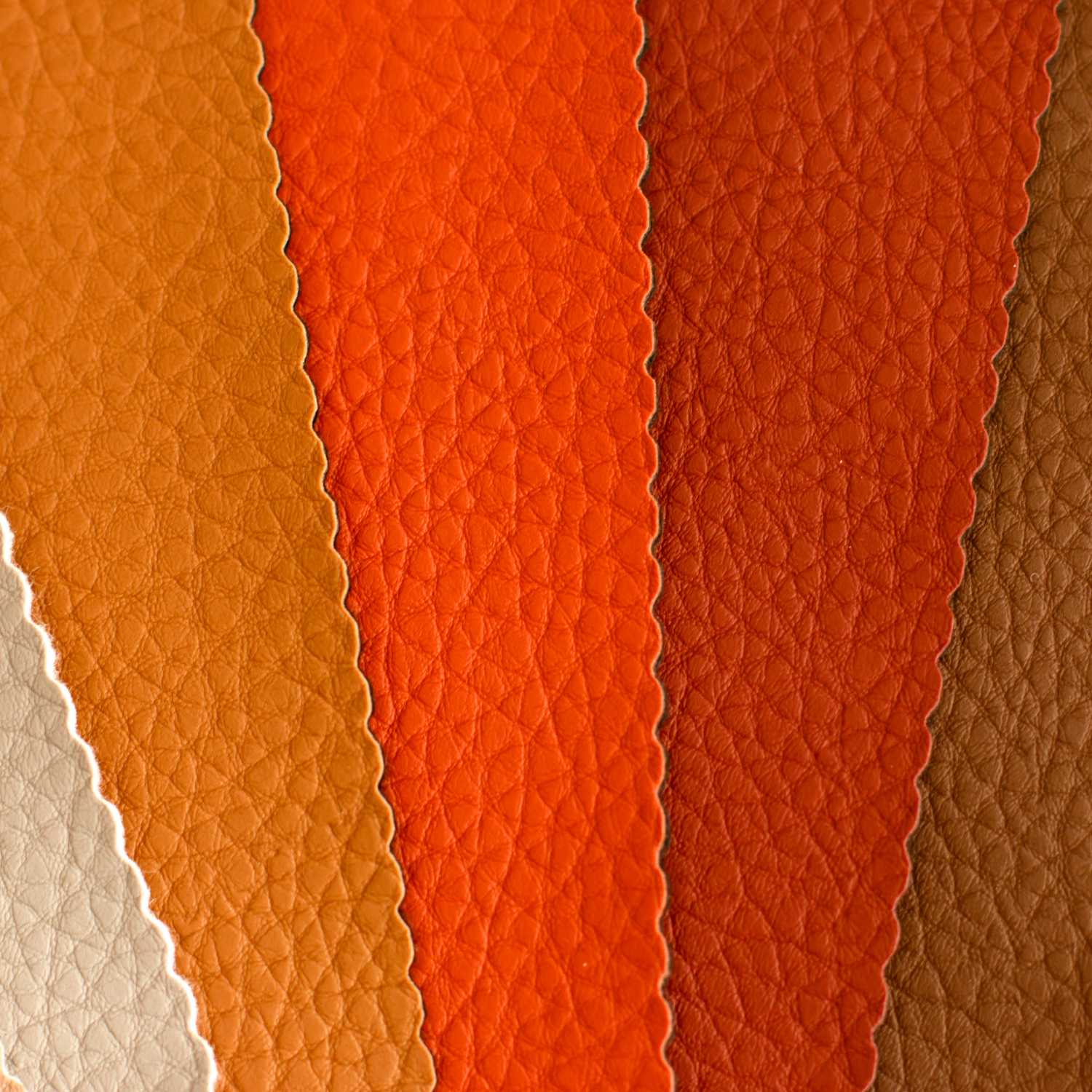
B2B Product Guide: Understanding Faux Leather in Modern Manufacturing
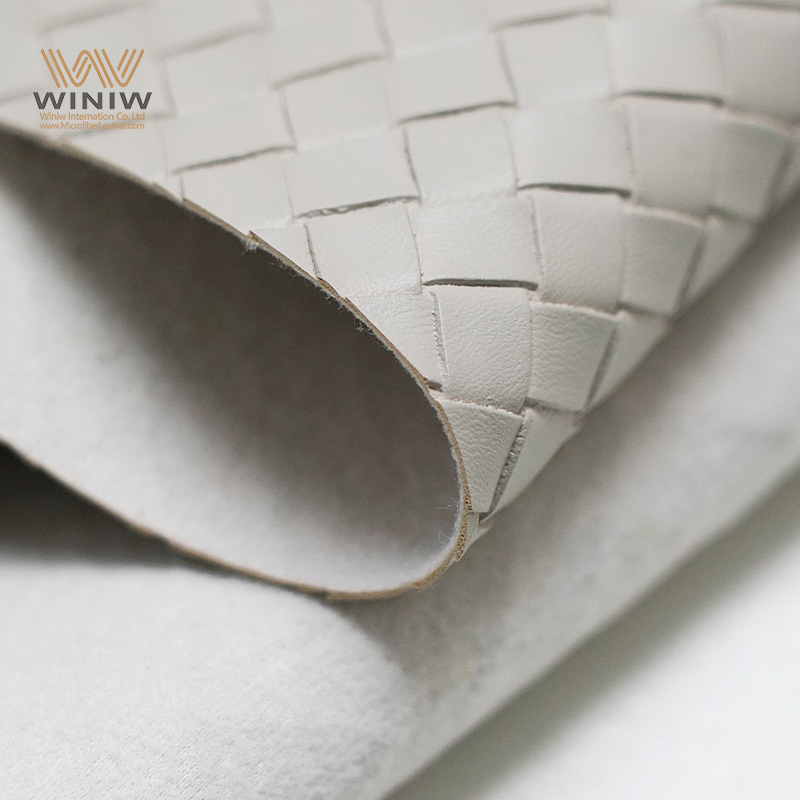
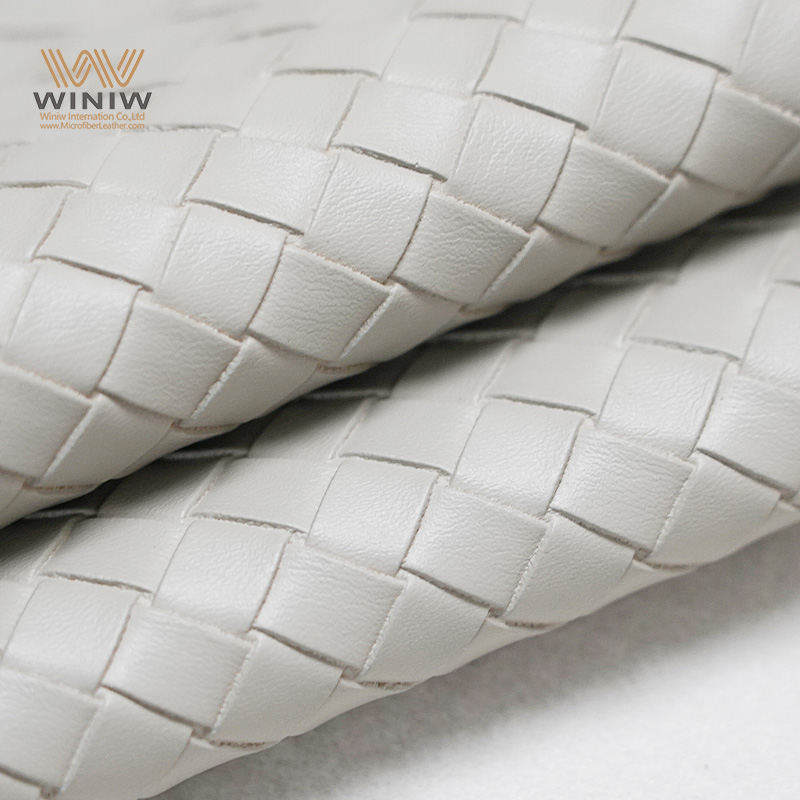
Faux leather, often referred to as synthetic leather or artificial leather, is not real leather. Unlike genuine leather, which is derived from animal hides, faux leather is an engineered material crafted from textile substrates and polymer coatings—typically polyurethane (PU) or polyvinyl chloride (PVC). While it replicates the look and feel of natural leather, it offers distinct advantages in consistency, sustainability, and performance. As industries shift toward ethical sourcing and eco-conscious production, faux leather has emerged as a strategic alternative without compromising quality or durability.
Faux leather is the best choice for a wide range of commercial and industrial applications—including automotive interiors, furniture upholstery, fashion accessories, and footwear—due to its:
- Consistent texture and color across batches, ensuring reliable quality in mass production
- Enhanced durability and resistance to abrasion, fading, and moisture compared to many natural leathers
- Lower environmental impact when produced using sustainable processes and water-based PU systems
- Customizability in weight, thickness, finish, and performance properties (e.g., breathability, flame resistance)
- Animal-friendly and cruelty-free profile, aligning with global ESG and ethical sourcing standards
With over 20 years of expertise in synthetic leather innovation, WINIW has established itself as a trusted B2B partner for manufacturers seeking high-performance, sustainable faux leather solutions. Our advanced manufacturing technologies and deep material science knowledge enable us to deliver tailored products that meet rigorous industry standards. From eco-friendly microfiber leather to high-abrasion-resistant PU composites, WINIW combines technical excellence with environmental responsibility—helping global brands future-proof their supply chains while reducing ecological footprints.
Technical Performance & Standards
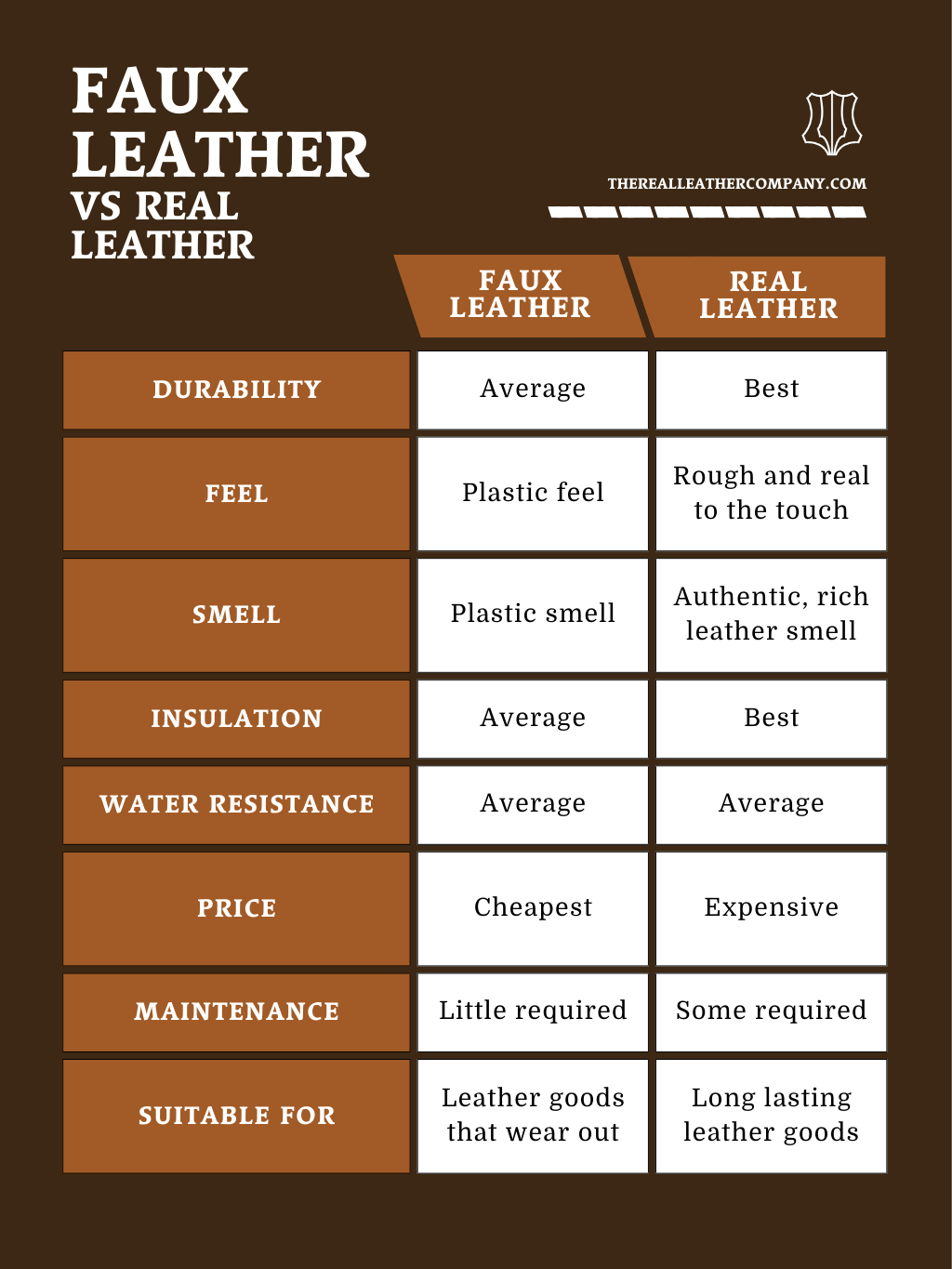
WINIW Synthetic Leather: Technical Product Guide for B2B Applications
WINIW synthetic leather is not real leather. It is a high-performance, engineered alternative manufactured from polyurethane (PU) or polyvinyl chloride (PVC) resins, combined with advanced textile backings. This distinction is critical: WINIW delivers the aesthetic and functional benefits of leather without the environmental burden, ethical concerns, or cost volatility inherent in animal-derived materials. Our solution is purpose-built for commercial scalability, sustainability, and technical superiority in demanding B2B sectors including automotive, furniture, footwear, and accessories.
Core Technical Advantages for Commercial Buyers
-
Cost-Effectiveness:
Eliminate price fluctuations tied to livestock markets and tanning chemicals. WINIW’s controlled manufacturing process reduces raw material waste by up to 30% compared to leather splitting, while consistent thickness tolerance minimizes cutting-room scrap. Lower maintenance costs (no conditioning required) and extended product lifecycles further reduce total cost of ownership (TCO). -
Enhanced Durability:
Engineered for industrial resilience. WINIW’s multi-layer structure provides superior tear strength (≥50 N), abrasion resistance (≥50,000 Martindale cycles), and dimensional stability under UV exposure, humidity, and temperature extremes (-20°C to +60°C). Resists cracking, fading, and microbial growth—critical for high-traffic commercial environments. -
Precision Color Customization:
Achieve exact brand alignment with 100% repeatable color matching (Pantone®/RAL). Our digital dyeing process supports 1,200+ standard colors or bespoke formulations, with zero batch variation. Unlike leather, colors remain consistent across the entire hide substitute, eliminating costly grading and sorting. -
REACH Compliance Assurance:
WINIW products are rigorously screened for SVHCs (Substances of Very High Concern) per EU REACH Annex XIV/XVII. Full material disclosure (including DEHP, AZO dyes, and heavy metals) is provided via extended Safety Data Sheets (eSDS). Ensures seamless market access in EU, UK, and aligned regions without compliance delays. -
ISO 9001-Certified Quality Control:
Every meter undergoes real-time inspection under our ISO 9001:2015-certified QMS. Automated thickness gauging, tensile testing, and color spectrophotometry guarantee batch-to-batch uniformity. Traceability from resin pellet to finished roll mitigates supply chain risks.
Technical Specifications Comparison
| Property | WINIW Premium PU Leather | Standard Genuine Leather | Test Standard |
|---|---|---|---|
| Thickness Tolerance | ±0.05 mm | ±0.3 mm | ISO 2417 |
| Tensile Strength | ≥ 35 N/mm² | 20–25 N/mm² | ISO 1767 |
| Elongation at Break | 250–350% | 40–60% | ISO 1767 |
| Martindale Abrasion | ≥ 50,000 cycles | 15,000–25,000 cycles | ISO 12947-2 |
| Colorfastness to Rubbing | Grade 4–5 (dry/wet) | Grade 3–4 | ISO 105-X12 |
| VOC Emissions | < 10 µg/g | Variable (tannery-dependent) | ISO 12219-2 |
| Recycled Content Option | Up to 30% (PCR-based) | 0% | GRSCertified™ |
Why B2B Partners Choose WINIW
WINIW transforms sustainability into a competitive advantage. Our closed-loop water treatment systems and 100% phthalate-free formulations align with ESG mandates while delivering measurable operational efficiencies. The absence of natural hide defects (scars, insect bites) ensures yield rates exceeding 95%, directly boosting your production throughput. Partner with WINIW to future-proof your supply chain with a material that meets today’s regulatory demands and tomorrow’s circular economy goals—without compromising on performance or aesthetics.
WINIW: Engineered Ethics. Engineered Excellence.
Why Choose Synthetic over Real Leather
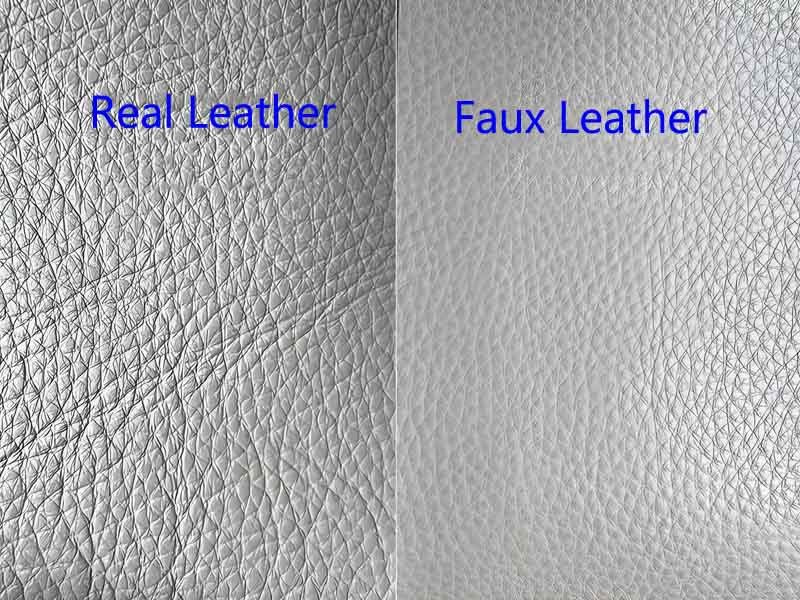
B2B Product Guide: Faux Leather vs. Real Leather
In the manufacturing and design sectors, selecting the right leather material is critical for product integrity, cost-efficiency, and sustainability. Two primary options dominate the market: real leather and faux leather. Understanding their differences enables businesses to make informed decisions aligned with their brand values, performance requirements, and environmental goals.
Is Faux Leather Real Leather?
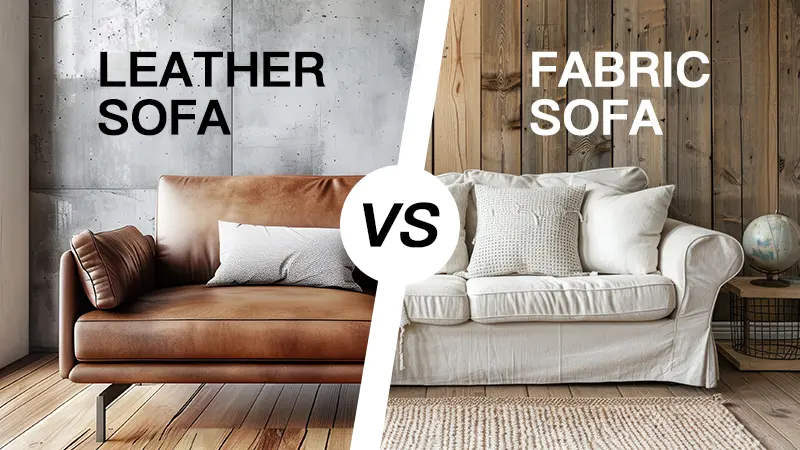
Faux leather is not real leather. It is a synthetic or semi-synthetic material engineered to mimic the look and texture of genuine leather. Commonly made from polyurethane (PU) or polyvinyl chloride (PVC), faux leather offers a cruelty-free and often more sustainable alternative to animal-derived leather. In contrast, real leather is made from tanned animal hides—typically bovine, ovine, or porcine—and undergoes extensive processing to preserve durability and aesthetic appeal.
While real leather is prized for its natural grain, breathability, and aging characteristics, faux leather provides consistency in texture, color, and width, making it ideal for high-volume production and uniform product lines.
Key Differences: Performance and Application
- Source: Real leather originates from animal hides; faux leather is derived from petroleum-based polymers or plant-based alternatives.
- Texture & Aesthetics: Real leather features unique grain patterns and develops a patina over time. Faux leather offers a uniform appearance and is available in a wide range of colors and finishes.
- Breathability: Real leather is naturally breathable; most faux leathers are less breathable, though advanced PU formulations are improving this.
- Customization: Faux leather allows greater control over thickness, texture, and performance additives (e.g., UV resistance, water repellency).
- Certifications: Faux leather can be formulated to meet eco-standards such as OEKO-TEX®, REACH, and PVC-free certifications, supporting sustainable supply chains.
Comparative Overview
| Attribute | Real Leather | Faux Leather (PU-based) |
|---|---|---|
| Cost | High (due to raw material scarcity and processing) | Moderate to low (scalable production) |
| المتانة | High (long lifespan with proper care; prone to cracking if dried out) | Moderate (resistant to fading and staining; may peel over time) |
| Eco-friendliness | Low to moderate (involves land use, greenhouse gas emissions, and chemical tanning) | Moderate to high (especially with water-based PU and recycled content; fully synthetic versions are less biodegradable) |
Sustainability Considerations
As global demand for sustainable materials rises, businesses are increasingly shifting toward eco-conscious alternatives. WINIW’s advanced microfiber and water-based PU faux leathers are engineered to reduce environmental impact without sacrificing performance. These materials offer:
- Reduced carbon footprint compared to bovine leather
- No animal sourcing, supporting cruelty-free production
- Compatibility with circular economy models through recyclability and low-emission manufacturing
الخاتمة
Faux leather is not real leather, but it presents a viable, high-performance alternative for B2B applications in furniture, automotive interiors, fashion, and accessories. When prioritizing cost control, design consistency, and environmental responsibility, modern faux leather—particularly next-generation PU and bio-based options—delivers compelling advantages. Real leather remains valuable for luxury markets, but innovative synthetic leathers are redefining durability and sustainability across industries.
WINIW Factory Capabilities
WINIW Synthetic Leather: Engineered for Global B2B Excellence
WINIW stands as a leading global manufacturer of high-performance synthetic leather, trusted by major brands and manufacturers worldwide. Our vertically integrated production ecosystem, built on sustainability and precision engineering, delivers consistent quality and innovation for demanding international markets.
Core Manufacturing Capabilities:
– 100,000 sqm Advanced Production Facility: One of Asia’s largest dedicated synthetic leather campuses, enabling scalable output for high-volume global orders while maintaining agile responsiveness to urgent client needs.
– Dedicated 80+ Member R&D Team: Continuously innovating in material science, with expertise in developing eco-conscious formulations (including 30%+ recycled content options), advanced textures, and performance properties (abrasion resistance, UV stability, low-VOC emissions).
– Multi-Stage Quality Control Protocol: Rigorous in-line and final inspections per ISO 9001 standards, including:
– Raw material traceability and batch testing
– Real-time production line monitoring (thickness, color consistency, bond strength)
– Pre-shipment compliance verification against EU REACH, US CPSIA, and OEKO-TEX® STANDARD 100
Global Market Commitment:
WINIW products are certified for seamless entry into stringent regulatory markets, with 75% of annual exports serving Europe and North America. Our logistics network ensures reliable delivery to key hubs including Germany, Italy, the United States, and Canada, fully compliant with regional sustainability directives (EU Ecolabel, California Proposition 65).
This integrated capability—combining scale, innovation, and uncompromising quality control—positions WINIW as a strategic partner for brands prioritizing both performance and environmental responsibility in their supply chains. Partner with us to transform your material specifications into market-ready excellence.
Contact Us for Samples
B2B Product Guide: Understanding Faux Leather – Performance, Sustainability & Applications
Faux leather, also known as synthetic or artificial leather, is a high-performance alternative to genuine leather. Engineered for durability, consistency, and environmental responsibility, faux leather meets the evolving demands of industries ranging from furniture and automotive to fashion and electronics. At WINIW, we specialize in premium microfiber-based faux leather solutions that combine aesthetic excellence with functional superiority.
Unlike genuine leather, which is derived from animal hides, faux leather is manufactured using advanced polymer technologies—primarily polyurethane (PU) and polyvinyl chloride (PVC)—or ultra-fine microfiber substrates that replicate the look and feel of real leather without the ecological and ethical concerns.
Key Advantages of Faux Leather:
- Consistent Quality: Uniform texture and thickness across batches, eliminating natural imperfections found in animal hides.
- Eco-Friendly Production: Lower carbon footprint, reduced water usage, and no animal slaughter. WINIW’s microfiber leathers are REACH and OEKO-TEX® certified.
- Durability & Performance: Resistant to abrasion, UV rays, staining, and cracking—ideal for high-use commercial applications.
- Design Flexibility: Available in a wide range of colors, textures, and finishes, including custom embossing and digital printing.
- Cost-Effective: More predictable pricing and reduced waste during cutting and production.
Is Faux Leather Real Leather?
No, faux leather is not real leather. Real leather is made from tanned animal hides, while faux leather is a synthetic alternative crafted from polymers and advanced textiles. However, modern microfiber faux leather—such as WINIW’s premium offerings—can match or exceed the performance of genuine leather in tensile strength, breathability, and long-term durability. It is a sustainable, cruelty-free solution designed for forward-thinking brands.
Common Applications in B2B Markets:
- Automotive interiors (seats, dashboards, door panels)
- Furniture upholstery (office chairs, sofas, hotel furnishings)
- Footwear and accessories (bags, wallets, belts)
- Electronics (laptop sleeves, phone cases)
- Healthcare and hospitality (easy-to-clean, hygienic surfaces)
WINIW Microfiber Leather Technical Overview
| Feature | WINIW Microfiber Leather | Genuine Leather |
|---|---|---|
| Material Base | Ultra-fine polyester + PU | Animal hide (bovine, etc.) |
| Tensile Strength | 300–500 N/5cm | 200–400 N/5cm |
| Abrasion Resistance | >50,000 cycles (Martindale) | 20,000–40,000 cycles |
| Breathability | High (microporous structure) | Moderate to high |
| Water Resistance | ممتاز | Low to moderate (unless treated) |
| Eco-Certifications | REACH, OEKO-TEX®, RoHS | Varies by tannery |
| Customization Options | Full color, texture, thickness control | Limited by hide availability |
Why Choose WINIW?
As a global leader in synthetic leather innovation, WINIW delivers materials that align with corporate sustainability goals without compromising on quality or aesthetics. Our R&D team collaborates with manufacturers to develop tailored solutions that enhance product performance and brand value.
Free Samples Available
Experience the quality and versatility of WINIW microfiber leather firsthand. Request free samples for your next project evaluation.
For inquiries about ‘is faux leather real leather’ or to request materials, contact:
MKT88@MicrofiberLeather.com
💰 Leather Cost Savings Calculator
See how much you save by switching to WINIW Microfiber Leather.